DD
MM
YYYY

PAGES

DD
MM
YYYY

spot_img

PAGES

Home Blog Page 3375

BNP Paribas Bank buys BlackRock Bitcoin ETF Shares

0

In a move that signals increasing institutional interest in cryptocurrency, BNP Paribas, Europe’s second-largest bank by assets, has made a notable purchase of shares in BlackRock’s Bitcoin ETF. This development, as reported in recent SEC filings, represents a cautious yet significant step by a major bank into the realm of digital assets.

The purchase, although representing less than the value of one Bitcoin at current prices, is a clear indication of the growing acceptance of Bitcoin and other cryptocurrencies as legitimate investment vehicles. BNP Paribas’s investment in the iShares Bitcoin Trust (IBIT) may seem modest with just over $40,000 allocated, but it carries symbolic weight in the financial world. It suggests that even traditional financial institutions are beginning to explore the potential of cryptocurrencies, albeit with a conservative approach.

This move by BNP Paribas comes at a time when Bitcoin ETFs are gaining traction, especially in the United States where they have seen immense success since their launch, crossing $200 billion in cumulative volume. The adoption of Bitcoin ETFs by a bank of this stature could potentially lead to wider mainstream acceptance and additional inflows into regulated Bitcoin investment vehicles.

The timing of BNP Paribas’s purchase coincides with a period of volatility in the cryptocurrency market, with Bitcoin experiencing fluctuations around the $60,000 mark. Despite this, the bank’s foray into the Bitcoin ETF is a testament to the growing confidence among traditional financial players in the stability and future of cryptocurrencies.

As the deadline for 13F filings approaches, the market is watching closely for signs of further institutional participation in Bitcoin ETFs. If more major banks and asset managers disclose Bitcoin allocations, it could serve as a catalyst for broader acceptance and integration of cryptocurrencies into traditional investment portfolios.

The entry of BNP Paribas into the Bitcoin ETF market is not just about the immediate financial implications; it’s about the signal it sends to the market at large. It’s a nod to the legitimacy of cryptocurrencies and an acknowledgment of their potential role in diversifying investment strategies. For the cryptocurrency market, this could be the beginning of a new chapter, one where digital asset are part of the mainstream financial narrative.

For investors and enthusiasts alike, this development is a positive sign, indicating that the financial world is adapting to the evolving landscape of investment options. As traditional institutions dip their toes into the cryptocurrency pool, it will be interesting to see how this impacts the market dynamics and the future of digital asset investing.

Bitcoin Rally Gives Coinbase A First Quarter Impressive Performance

0

Coinbase, the renowned cryptocurrency exchange platform, has been the subject of much discussion following its impressive first-quarter performance. Analysts have been quick to highlight the company’s financial achievements, which have surpassed expectations and signaled a robust start to the year.

The first quarter of the year has seen Coinbase achieve a remarkable revenue of $1.6 billion, marking a significant 72% increase from the previous quarter. This substantial growth can be attributed to a variety of factors, including the sustained interest in cryptocurrency trading and the platform’s ability to attract a substantial user base.

Coinbase’s net income tells an even more compelling story, with figures reaching $1.18 billion, or $4.40 per share, compared to a loss in the same period the previous year. This turnaround is not only a testament to the company’s strategic initiatives but also reflects the burgeoning confidence of both retail and institutional investors in the cryptocurrency market.

A deeper dive into the earnings report reveals that consumer transaction revenue was a significant contributor, amounting to $935 million for the quarter. This represents an increase of over 100% from the year earlier, underscoring the growing mainstream acceptance of digital currencies.

Moreover, Coinbase’s transaction revenue nearly tripled in the quarter, reaching $1.07 billion. Historically, transaction revenue has been a primary driver for the company, with subscription and services revenue also showing strong performance, bringing in $511 million for the quarter.

The stock market’s response to Coinbase’s earnings has been positive, with shares climbing almost 9% ahead of the report. The company’s stock has seen a substantial increase of approximately 32% this year, following an almost fivefold surge in 2023. This investor enthusiasm is closely tied to the performance of cryptocurrencies like Bitcoin, which reached new all-time highs during the quarter.

Coinbase’s success is also linked to the influx of institutional investors into the cryptocurrency space. The approval of new U.S. spot bitcoin exchange-traded funds (ETFs) has brought in more than $50 billion by the end of the first quarter, with many of these ETFs partnering with Coinbase as their custody partner.

Despite the optimistic outlook, analysts remain cautious about the future, noting the potential volatility of the cryptocurrency market. The company’s forward-looking statements have indicated a recognition of this unpredictability, with a commitment to investing in growth even in periods of price decline.

Coinbase’s first-quarter performance has been nothing short of stellar, reflecting the dynamic nature of the cryptocurrency market and the platform’s ability to capitalize on this momentum. As the company navigates the complexities of this evolving industry, its strategic focus on growth and adaptation will be crucial in maintaining its trajectory of success.

The cryptocurrency industry is on the upswing from last year, judging by the latest results from Coinbase. The largest U.S. publicly traded crypto platform posted better-than-expected first quarter revenue, thanks to a rally in bitcoin prices and the introduction of bitcoin ETFs in January. Revenue jumped more than 70% from the prior quarter to $1.64 billion as consumer transactions more than doubled from a year ago to $935 million. However, potential headwinds include a Securities and Exchange Commission’s lawsuit, which alleges that Coinbase worked as an unregistered broker and exchange.

Bitcoin network experiences high fees, coinciding with near completion of the minting process for Rune #1, Fehu

0

The Bitcoin network has recently witnessed a significant surge in transaction fees, coinciding with the near completion of the minting process for Rune #1, Fehu. This phenomenon has brought about a windfall for Bitcoin miners as the fees reached record highs, a situation influenced by the debut of the Runes protocol.

The Runes protocol, introduced by Casey Rodarmor, is a new token standard on the Bitcoin blockchain that allows the creation of more efficient fungible tokens. Its launch, which occurred alongside the much-anticipated Bitcoin halving event, has led to a flurry of activity on the network. The halving, a scheduled event that reduces the reward for mining new blocks by half, was expected to decrease miners’ revenue. However, the excitement around the Runes protocol has resulted in a spike in network congestion and, consequently, transaction fees.

On April 20, 2024, the day of the halving and the Runes launch, the average transaction fee on the Bitcoin network soared to $127.97, more than seven times the average fee just a day before. This increase in fees has not only benefited miners but also raised questions about the long-term economic incentives for mining, which are crucial for the security of the blockchain network.

The Runes protocol has been compared to the Ordinals protocol, which allows data to be inscribed on the smallest units of bitcoin, known as Satoshi. While Ordinals are non-fungible, Runes are designed to function more like meme coins, which have recently gained popularity in the crypto markets. The first project to mint under the Runes protocol was Rodarmor’s own UNCOMMON•GOODS project, and since then, hundreds of Runes projects have been minted, seeking buyers and adding to the network’s fee economy.

The high fees have led to mixed reactions within the Bitcoin community. Some view the development as a positive sign for the fee economy and the miners’ revenue, while others express concerns over the accessibility and practicality of conducting transactions on the network during such congested periods[3].

For users looking to avoid high transaction fees, strategies include conducting transactions during off-peak hours, managing UTXO sets efficiently, using fee estimation tools, employing SegWit wallets, and batching transactions to reduce costs.

The situation highlights the dynamic and ever-evolving nature of the Bitcoin network and the crypto space at large. As the network continues to adapt to new protocols and standards, users and miners alike must navigate the changing landscape to optimize their strategies and maintain the network’s robustness and security. The Runes protocol’s impact on the Bitcoin network’s fee structure is a testament to the innovative spirit that drives the cryptocurrency community forward.

Resilience of Memecoins in the Cryptocurrency Industry

0

The cryptocurrency market is known for its volatility, with prices fluctuating wildly in short periods. Despite this, certain segments of the market, such as memecoins, have shown remarkable resilience. Memecoins, which started as internet jokes and memes, have evolved into a significant part of the crypto ecosystem. They often gain popularity through social media and community support, leading to sudden surges in their market value.

Memecoins, a subset of cryptocurrencies, are often inspired by popular internet memes and do not typically have a tangible project behind them. Despite this, they have become a speculative hotspot, with some coins witnessing exponential growth in value. This phenomenon has not gone unnoticed by hedge funds, which are now exploring these digital assets as a potential source of significant profits.

Recently, the market has experienced a pullback, causing many to speculate about the future of these digital assets. However, enthusiasts like Joe believe that memecoins are not just a passing trend but a fixture in the crypto landscape. The belief is that if the total market capitalization of cryptocurrencies reaches $10 trillion, memecoins will undoubtedly be a part of that growth.

The current market cap of memecoins stands at a substantial figure, with CoinGecko listing one such coin, Memecoin (MEME), at a market cap of approximately $421 million. This is a testament to their staying power and the community’s faith in their value. Moreover, price predictions for memecoins like MEME suggest potential growth, with some forecasts indicating a rise in value over the next few years.

The allure of memecoins lies in their ability to capture the zeitgeist of the internet age. They are more than just tokens; they represent a culture and a form of expression for the digital generation. This cultural significance, combined with the speculative nature of the market, fuels their persistence. For instance, the memecoin Dogwifhat saw its value skyrocket, contributing to a hedge fund’s impressive 137% return in the first quarter, outpacing the broader crypto market’s gains.

Critics argue that memecoins lack the fundamental value and utility provided by more established cryptocurrencies. However, supporters counter that the value of memecoins comes from the community and the shared belief in the asset, much like any other currency. The market activity around memecoins, with significant trading volumes and market caps, supports the notion that they are a force to be reckoned with.

While the future of memecoins, like all cryptocurrencies, is uncertain, their impact on the market is undeniable. They have introduced a new dynamic to the world of digital assets, one that combines finance with internet culture. Whether memecoins will sustain their presence and grow along with the market to reach a $10 trillion cap remains to be seen. However, the enthusiasm surrounding them suggests that they will continue to be a fascinating part of the crypto conversation for the foreseeable future.

The rise of memecoins highlights the ever-changing nature of investment strategies and the continuous search for innovative ways to achieve growth. It serves as a reminder that in the world of finance, adaptability and an open mind can uncover unique opportunities, even among the most unconventional assets.

Zimbabwe’s ZIG Currency Faced With Low Acceptance as Credibility Doubt Lingers

0

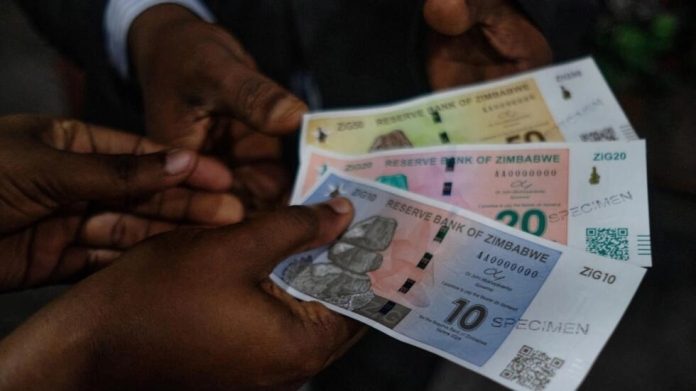
The newly launched Zimbabwe Gold-backed ZIG currency has been reported to be faced with low acceptance rate by Zimbabweans, as credibility doubt lingers.

The currency was introduced by the Reserve Bank of Zimbabwe in early April 2024, to replace the old note that has been battered by depreciation against major currencies, and has faced outright rejection by the people.

Since the rollout of ZIG, the currency appears to be heading down the same path of mistrust and credibility concerns as some government departments as well as businesses have refused to accept it.

Several business owners said they would rather forgo a sale than accept the ZIG, preferring the U.S. as a safer currency. This spurred the Zimbabwe government to freeze the bank accounts of several businesses, accusing them of rejecting the ZIG currency, thereby sabotaging the growth of the economy.

Meanwhile, reports reveal that the government has allowed some businesses, such as gas stations, to refuse to accept the ZiG in favor of US dollars. Some departments, like the office that issues and renews passports, accept only US dollars.

Commenting on ZIG’s mistrust among citizens, Zimbabwe’s president Emmerson Mnangagwa has urged the citizens to embrace the newly launched currency, describing it as a matter of “national identity and dignity”. He however commended Zimbabweans who have adopted and are protecting the use of the country’s currency.

As the ZiG enters circulation, its fate remains uncertain, with Zimbabweans torn between the allure of a new currency and the safety of the tried and trusted U.S. dollar. Across Zimbabwe, the US dollar is still widely used, from paying rent and school fees to buying groceries. Many take their local currency earnings to the black market to exchange for dollars.

This forced the government to take a hard-line approach to arrest several black market currency who were accused of trying to undermine the new currency. While the issue of mistrust lingers, Zimbabwe authorities say they have faith in the ZiG because it’s backed by the country’s gold reserves.

The ZiG is the sixth currency Zimbabwe has used since the 2009 collapse of the Zimbabwe dollar amid hyperinflation of 5 billion percent, one of the world’s worst currency crashes to date. The government had previously floated various ideas to replace the Zimbabwe dollar, including introducing gold coins to stem inflation and even trying out a digital currency.

The gold-backed ZIG is the southern African country’s latest attempt to halt a long-running currency crisis underlining its persistent economic troubles.