DD
MM
YYYY

PAGES

DD
MM
YYYY

spot_img

PAGES

Home Blog Page 3378

BlockDAG’s Stellar $22.4M Presale And Versatile Payment Options Outshine Dogecoin And Cardano Market Movements

0

Among the rapidly evolving digital economy, cryptocurrencies like Cardano, Dogecoin, and the emerging leader BlockDAG are vying for investor attention. BlockDAG sets itself apart with a robust $22.4 million in presale funding and innovative payment options that allow purchases with a variety of cryptocurrencies, setting the stage for a potential 30,000x return on investment.

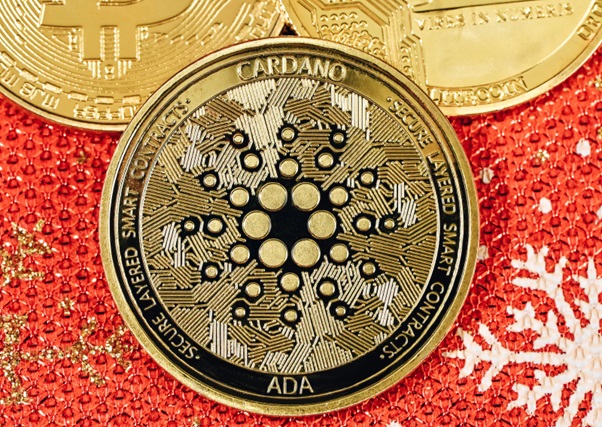
Cardano’s Market Dynamics and Volatility

Cardano has recently experienced significant market pressure, with its price dropping over 11% in the past week. Despite this downturn, transaction volumes for ADA tokens over $100,000 have reached new highs, indicating continued interest from large-scale investors. However, with a 43% decrease in market capitalization since mid-March and prices falling below key support levels, Cardano’s market trajectory faces uncertainty, pointing to potential further declines.
Dogecoin’s Continued Bearish Trend

Dogecoin’s market position remains bearish despite speculative interest in its potential integration into payment options on major social platforms. The cryptocurrency’s price is trapped within a descending triangle pattern, suggesting a continuation of selling pressures with a projected 43% decline to $0.08. Technical indicators such as the ‘death cross’ and a lack of bullish momentum on the RSI further underscore the challenges Dogecoin faces in reversing its current trends.

BlockDAG’s Impressive Presale and Payment Flexibility

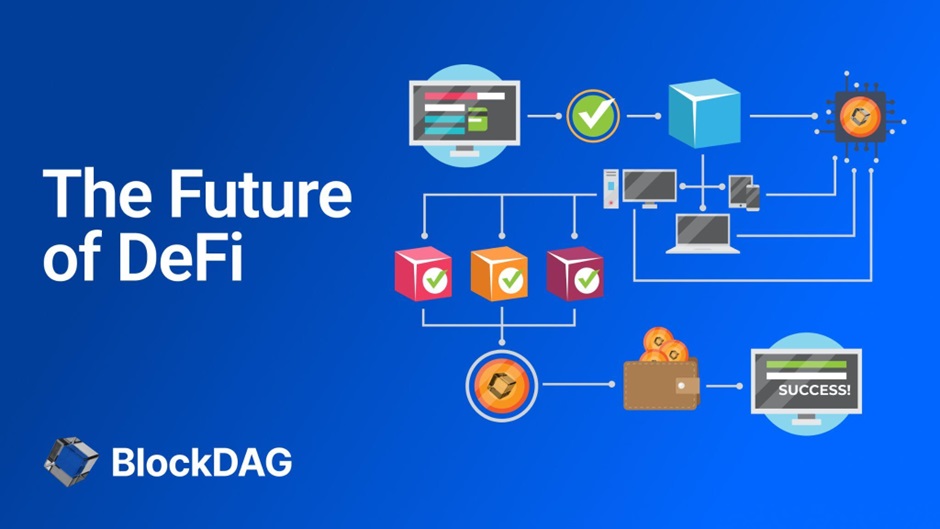
BlockDAG has revolutionized the accessibility of cryptocurrency investments with its expanded payment options, supporting a wide range of cryptocurrencies including Bitcoin, USDT (Tron), Doge, SHIB, Solana, XRP, MATIC, Kaspa, Fantom, and Cardano. This strategic move enhances the flexibility for investors, allowing them to leverage various crypto assets to engage with BlockDAG’s offerings.

Furthermore, BlockDAG’s underlying technology utilizing the PHANTOM protocol and GHOSTDAG algorithm ensures a secure and efficient consensus within its Directed Acyclic Graph (DAG) structure. This innovative approach supports a high transaction capacity of 10,000-15,000 TPS, underpinning the platform’s rapid growth and substantial presale success.

As BlockDAG continues to advance in the crypto market, its growth from $0.001 per coin in its first batch to $0.006 in its tenth batch reflects a significant 500% increase in value, translating a $100 initial investment into $600. With its robust technology, diverse payment gateways, and strong presale momentum, BlockDAG is poised to dominate the cryptocurrency investment landscape, offering substantial returns and setting a new standard for ROI potential in the industry.
Final Thoughts: BlockDAG’s Market Leadership

While Cardano navigates its price volatility and Dogecoin struggles with market sentiment, BlockDAG emerges as a formidable entity in the crypto space with unique payment solutions and significant presale achievements. Investors are encouraged to stay informed on BlockDAG’s developments as it paves the way for a new era of cryptocurrency payments, offering lucrative opportunities for substantial returns in a dynamic and diverse market.


Join BlockDAG Presale Now:

Website: https://blockdag.network

Presale: https://purchase.blockdag.network

Telegram: https://t.me/blockDAGnetworkOfficial

Discord: https://discord.gg/Q7BxghMVyu
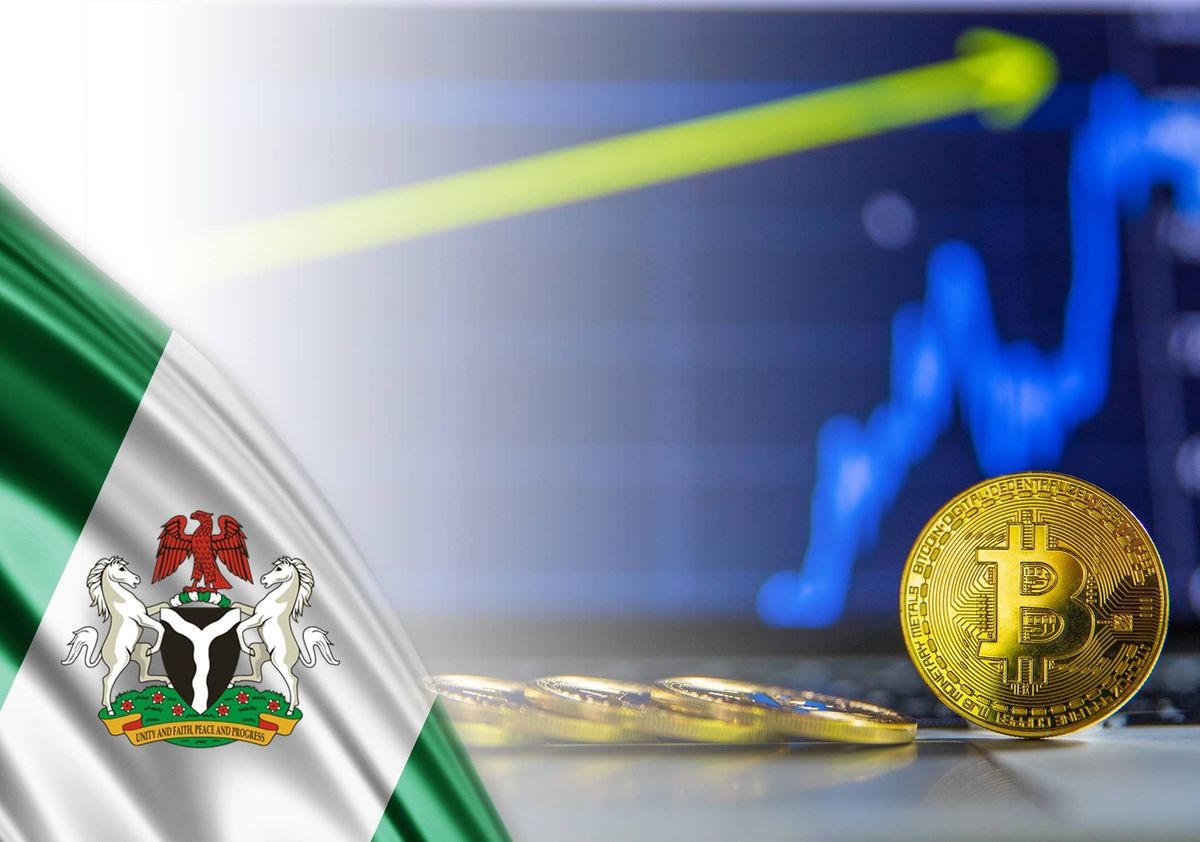
Implications of Nigerian Government Stance on P2P Trading

0

The landscape of financial trading is witnessing a significant shift with the advent of peer-to-peer (P2P) trading, especially in the realm of cryptocurrencies. Nigeria, Africa’s largest economy, has been at the forefront of this shift, with a substantial number of its population engaging in P2P crypto transactions. However, recent developments indicate a tightening of regulations around this form of trading, which could have far-reaching implications for the Nigerian market and its users.

Peer-to-peer (P2P) trading is a method of buying and selling cryptocurrencies directly between users, without the involvement of centralized intermediaries like brokers, exchanges, or market makers. In P2P trading, both buyers and sellers interact without the involvement of a third party. P2P trading is a type of cryptocurrency exchange method that allows traders to trade directly with one another.

The Nigerian government’s approach towards cryptocurrency has been one of caution and scrutiny. In a recent move, the Nigerian Security Agency (NSA) classified crypto trading as a national security issue, leading to the imminent ban on P2P crypto trading. This decision marks a significant regulatory shift, especially after the initial softening of stance by the Bola Tinubu administration, which had lifted a two-year ban on cryptocurrency transactions in December 2023.

The rationale behind this stringent measure stems from the Central Bank of Nigeria’s (CBN) concerns over potential manipulation of the naira through P2P trading. The CBN believes that crypto traders might be using P2P platforms to engage in pump-and-dump strategies, which could destabilize the local currency. In February 2024, the Central Bank Governor, Olayemi Cardoso, highlighted the processing of $26 billion in untraceable transactions by Binance, leading to a crackdown on the global exchange and the freezing of over 1,000 bank accounts involved in P2P transactions.

The implications of such a ban are multifaceted. For one, it could stifle the burgeoning crypto market in Nigeria, which has seen a surge in digital asset trading despite previous bans. P2P platforms have become a lifeline for many Nigerians, providing an alternative to traditional financial systems and enabling easier access to global markets. A ban could, therefore, limit these opportunities and potentially drive the market underground, making it harder to regulate and more susceptible to fraud.

Moreover, the ban could impact fintech startups and financial institutions that have facilitated P2P transactions. Companies like Moniepoint, Paga, and Palmpay may have to block accounts dealing in cryptocurrency and report such transactions to law enforcement. This could lead to a loss of business and innovation in the fintech sector, which has been a significant contributor to Nigeria’s economic growth.

The international community is also watching closely, as Nigeria’s decisions could set a precedent for other nations grappling with the integration of cryptocurrencies into their financial systems. The ban could discourage foreign investments and partnerships in the Nigerian crypto space, affecting the country’s position as a leading player in the African crypto market.

Nigeria’s potential ban on P2P crypto trading is a complex issue with economic, social, and political ramifications. While the government aims to protect the integrity of its financial system, the move could have unintended consequences that may hinder the progress of the digital economy. It remains to be seen how the Nigerian market will adapt to these changes and what strategies will emerge to navigate the evolving landscape of P2P trading.

Marathon Digital Holdings’ Consulting for Potential BTC Mining in Kenya

0

The landscape of Bitcoin mining is ever-evolving, with companies continually seeking new frontiers that offer the optimal mix of resources to power this energy-intensive process. One such company at the forefront of this industry is Marathon Digital Holdings, a North American giant known for its large-scale and technologically advanced Bitcoin mining operations.

Recently, there has been a buzz around Marathon Digital Holdings’ potential expansion into Kenya, a country with a burgeoning interest in blockchain technology and cryptocurrency. The consultation between Marathon and Kenyan authorities signifies a pivotal moment for the country’s digital economy, potentially paving the way for a cryptocurrency revolution in East Africa.

Kenya’s appeal as a potential site for Bitcoin mining operations lies in its abundant renewable energy resources, particularly geothermal and hydroelectric power. This aligns with Marathon’s commitment to sustainable mining practices, as evidenced by their operational strategy and ESG (Environmental, Social, and Governance) initiatives.

The Kenyan government’s openness to exploring cryptocurrency as part of its economic strategy is a progressive move, with President William Ruto inviting Marathon for consultations with the National Treasury and Energy Ministry. This collaboration could lead to a regulatory framework that supports cryptocurrency while ensuring economic stability and security.

Moreover, the impact of Bitcoin mining on the Kenyan economy could extend beyond mere financial gains. There are reports of Bitcoin mining projects in rural Kenya that not only power mining operations but also bring electricity to local homes, thus contributing to community development. This model of using cryptocurrency mining to support local infrastructure could set a precedent for other regions in Africa.

However, the introduction of large-scale Bitcoin mining operations by companies like Marathon also raises questions about regulation, sustainability, and economic equity. The Kenyan government’s openness to these discussions indicates a willingness to address these concerns head-on, potentially creating a regulatory environment that benefits all stakeholders involved.

The path to establishing Bitcoin mining operations in Kenya is not without challenges. The recent exposure of a fraudulent scheme misusing Marathon’s name to target Kenyan investors highlights the need for stringent measures to protect consumers and maintain the integrity of the cryptocurrency market.

Marathon’s potential venture into Kenya represents more than just an expansion of their mining operations; it’s a testament to the global nature of cryptocurrency and its ability to transcend borders. If successful, this move could serve as a model for other African nations looking to harness the power of blockchain technology for economic growth.

As the world watches, the outcome of Marathon’s consultations in Kenya could mark a significant milestone in the global Bitcoin mining industry and the broader adoption of cryptocurrency in Africa. The synergy between Kenya’s renewable energy capabilities and Marathon’s mining expertise might just be the catalyst needed for a new era of digital economic development in the region.

Quandary of Immobilized Assets and Ukraine’s Reconstruction

0

The ongoing conflict in Ukraine between Russian Forces has led to widespread destruction, necessitating a colossal effort for survival and reconstruction. A significant point of discussion in this context is the $300 billions of immobilized assets, which, as it stands, can only partially address the financial requirements of Ukraine’s exigent needs.

The immobilized assets in question refer to Russian state assets that have been frozen by Western nations in response to the conflict. The moral and practical considerations of utilizing these assets for Ukraine’s benefit are complex and multifaceted.

On one hand, there is a strong argument for the confiscation of these assets to aid Ukraine, given the extensive damage inflicted upon the nation. On the other hand, legal and diplomatic implications make the process of repurposing these assets a subject of intense debate.

The costs of Ukrainian reconstruction are difficult to estimate, with figures ranging from $500 billion to $1 trillion. The $300 billion, if repurposed, could potentially cover five years of Ukraine’s war effort or three-fifths of the conservatively estimated reconstruction costs. However, this would still leave a substantial financial gap that needs to be addressed through other means.

The Group of Seven (G7) nations have been moving closer to an agreement on seizing these assets to aid Ukraine. This action could provide a significant boost to Ukraine’s defense and eventual reconstruction, and possibly serve as a deterrent to further aggression. The U.S. Congress has also passed a bill that could unlock billions in frozen Russian assets for Ukraine’s reconstruction, highlighting the international community’s efforts to find tangible ways to support Ukraine.

The debate over the immobilized assets is not just about the financial aspects but also about the principles of justice and accountability. There is a growing consensus that those responsible for the conflict should bear the costs of the damage caused. The G7’s stance that the assets will not be returned until Russia pays for the damage is a reflection of this principle.

While the $300 billions of immobilized assets represents a significant sum, it is clear that it can only partly address the cost of Ukraine’s survival and reconstruction. The international community continues to explore various avenues to support Ukraine, with the moral imperative of aiding a nation in distress guiding these efforts. The resolution of this issue will require careful navigation of legal, ethical, and diplomatic challenges, with the ultimate goal of facilitating Ukraine’s recovery and ensuring accountability for the conflict.

Quantum’s Role in Establishing Digital Provenance

0

The concept of provenance, the chronology of the ownership, custody or location of a historical object, has been a cornerstone in the art and collectibles world for centuries. It is the definitive record that ensures the authenticity and legal ownership of a piece, often increasing its value and significance.

In the digital realm, establishing provenance has been a complex challenge due to the ease of duplication and distribution of digital files. This challenge was the driving force behind the creation of the first-ever non-fungible token (NFT), known as Quantum.

Quantum marked a pivotal moment in the evolution of digital art and ownership. Created by digital artist Kevin McCoy and tech entrepreneur Anil Dash in May 2014, Quantum is a video clip made by McCoy’s wife, Jennifer. The artwork was registered on the Namecoin blockchain and sold to Dash for $4 during a live presentation at the Seven-on-Seven conference at the New Museum in New York City.

This act of registering a digital art piece on a blockchain as a unique asset was revolutionary. It demonstrated the potential of blockchain technology to authenticate, own, and trade digital assets in a way that was previously impossible.

The significance of Quantum lies not just in its artistic value but in its technological innovation. By utilizing the blockchain, Quantum established a verifiable and immutable record of ownership. This breakthrough paved the way for the burgeoning NFT market, which saw a meteoric rise in popularity and value. The NFT market exploded from a modest $82 million in 2020 to an astounding $17 billion in 2021. However, it also faced volatility and scrutiny, with concerns over environmental impact and market sustainability.

Despite these challenges, the promise of NFTs remains strong. They offer content creators unprecedented opportunities to assert ownership rights, engage communities, and access new financial prospects within digital landscapes. The World Economic Forum, in collaboration with Bain & Company, has recognized the transformative potential of NFTs, highlighting their ability to improve customer engagement, create innovative communication avenues, and facilitate novel experiences for fans and customers.

As we look to the future, the role of NFTs in the digital economy continues to evolve. With advancements in technology and a growing emphasis on digital ownership, the legacy of Quantum as the first NFT serves as a reminder of the power of innovation to redefine the boundaries of art and commerce. It stands as a testament to the human desire to preserve the uniqueness and ownership of creations, whether tangible or digital.

The journey of Quantum from a simple transaction at a conference to a historical digital artifact exemplifies the transformative impact of blockchain technology on the concept of provenance. It has opened a new frontier for artists, collectors, and investors alike, offering a glimpse into the vast possibilities of a future where the digital and physical worlds converge in ownership and value.

Quantum’s story is far from over. As the digital landscape continues to expand, the principles it established will undoubtedly shape the trajectory of digital ownership and creativity for years to come. The NFT revolution, sparked by a single token, continues to unfold, promising a future where every digital asset can be as unique and valued as its physical counterpart. Quantum, therefore, is not just a token; it is a symbol of the digital age’s potential to redefine ownership and authenticity in the ever-evolving world of art and technology.