DD
MM
YYYY

PAGES

DD
MM
YYYY

spot_img

PAGES

Home Blog Page 3388

The Rise of Smart Cities: Integrating Technology into Urban Planning

0

The urban population is growing every day. And with this growth, cities are facing more serious problems in resource management. Such as traffic, environmental pollution, and public utilities. To solve these problems, many cities around the world are adopting technology and becoming “smart cities”. These cities use advanced technological solutions. This allows them to become more efficient and improve the quality of life of residents. This article examines how technology is transforming urban areas.

Embracing the Internet of Things (IoT)

Creating Connected Cities

The technology of the Internet of Things is at the heart of the revolution in the field of “smart” cities. By embedding sensors and network capabilities into everyday facilities and infrastructure. Through this cities gain a new understanding of operations and resource management. These connected devices provide real-time data. Which helps urban planners and administrators make informed decisions. This applies to everything from air quality monitoring to waste management.

Examples of IoT in Action

In Barcelona, smart lighting systems adjust based on traffic patterns and pedestrian usage, significantly reducing energy costs. In Singapore, sensors manage water levels in public reservoirs, helping to prevent floods in monsoon seasons.

Revolutionizing Urban Entertainment through Smart Technologies

Enriching Cultural and Recreational Experiences

Smart technologies not only improve the functional aspects of urban life. They are also revolutionizing the entertainment industry. They make a significant contribution to the development of culture and leisure. This makes the leisure time of residents more accessible and enjoyable.

But now you don’t even have to leave the house to have fun. Smart cities offer a wide range of entertainment options. However, staying at home is sometimes much better. Thanks to the Internet and new technologies that are available to everyone anywhere in the world, you can play your favorite games and have fun online on Hellspin. This is a new technological entertainment platform that will immerse you in the experience of a real casino, even at home.

Interactive and Personalized Experiences

In many smart cities, cultural centers and museums use the Internet of Things and augmented reality (AR). Which allows you to provide an interactive experience for visitors. For example, AR applications can bring historical exhibits to life. It provides a more fun way to explore history and art. These technologies allow for individual tours. They are based on the interests and pace of the visitor, increasing the educational and entertainment value of cultural excursions.

Smart Traffic Management

Easing Urban Congestion

Intelligent traffic management systems use cameras, sensors, and data analysis tools. And all this is to optimize traffic flow and reduce congestion. These systems adjust traffic light signals based on real-time traffic data. This helps to reduce the waiting time at intersections. It also helps to reduce emissions of harmful substances into the atmosphere.

Impact on Commutes

Cities such as Los Angeles and Copenhagen have implemented advanced traffic monitoring systems. They synchronize the operation of traffic lights during peak hours. This allows you to improve traffic flow and reduce travel time.

Advanced Energy Management

Efficient Use of Resources

Smart cities are also revolutionizing energy management. They are introducing technologies that increase energy efficiency and reduce dependence on non-renewable sources. Smart technologies use data from installed devices to regulate the supply of electricity depending on demand. This reduces energy losses and increases the reliability of the system.

Renewable Energy Integration

Smart cities are also increasingly using renewable energy sources. For example, in San Diego, solar panels are installed on public buildings and street lights. This not only reduces energy costs but also reduces carbon dioxide emissions into the atmosphere.

Enhancing Quality of Life

Health and Environment

The integration of smart technologies significantly impacts public health and the environment. IoT applications that monitor air quality can provide residents with timely information about pollution levels. This is especially useful for people with respiratory diseases. In addition, intelligent waste management systems provide more efficient waste collection and recycling processes. Which makes cities cleaner and more livable.

Safety and Security

Smart cities enhance public safety. All thanks to the connected video surveillance cameras and emergency response systems. They can quickly direct emergency responders to where they are most needed. In Rio de Janeiro, the integrated command center uses sensors and cameras throughout the city. This allows for fast and efficient incident handling.

Challenges and Future Directions

Data Privacy and Security

Smart cities offer many advantages. But they also raise serious concerns about privacy and data security. Huge amounts of collected data can be compromised. That is why it is so important to ensure data protection. Cities must implement robust security measures to protect citizens’ information.

Technological and Financial Hurdles

The transition to a “smart city” is fraught with certain difficulties. The initial cost of implementing advanced technologies can be high. There is also a need for constant maintenance and updates. In addition, not all cities have the technological infrastructure or expertise. Which are necessary for the effective management of these advanced systems.

Conclusion: A Smart Future

The potential of smart cities to transform urban life is growing every day. Thanks to the integration of technologies such as the Internet of Things, intelligent transport systems, and efficient energy management. After all, cities can become more sustainable, economical, and attractive places to live. The key to success lies not only in the introduction of new technologies but also in ensuring their accessibility. The future of urban development is smart, based on innovation and the desire to improve the quality of life of people around the world.

Top 5 Green Cryptocurrencies to Enhance Your Portfolio: BDAG, XLM, XCH, HBAR, ADA, Where BlockDAG Leads With $21.6M In Presale

0

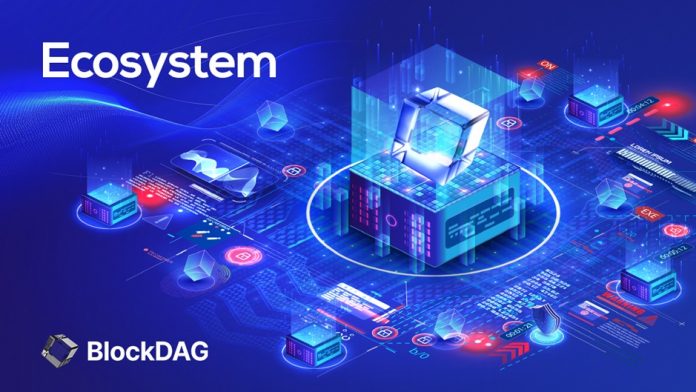
In the rapidly evolving world of digital finance, green cryptocurrencies are gaining momentum as sustainable investment choices. Topping the list is BlockDAG, renowned for its groundbreaking technology and minimal environmental impact. It has surged in presale, with over $21.6 million raised.

This guide explores the top 5 green cryptocurrencies, including Stellar (XLM), Chia (XCH), Hedera (HBAR), and Cardano (ADA). With each pioneering eco-friendly solution in blockchain technology, these currencies benefit investors financially while contributing positively to the planet.

1. BlockDAG: Pioneering Sustainability in Crypto

BlockDAG sets itself apart with an energy-efficient Proof-of-Engagement (PoE) consensus mechanism that dramatically reduces the environmental impact typical of traditional mining operations.

This innovative approach, combined with a strong presale showing of $21.6 million and over 8.3 billion coins sold, positions BlockDAG as a leader in green cryptocurrencies. Investors are drawn to its dual promise of high returns and reduced carbon footprint, making BDAG a top pick for those looking to invest responsibly in the burgeoning crypto market.

2. Stellar (XLM): Redefining Eco-Friendly Digital Assets

Stellar stands out with its Stellar Consensus Protocol (SCP), an energy-conserving alternative to traditional PoW models. Beyond its technical framework, Stellar is committed to environmental sustainability, integrating green practices into its operations and partnerships. This commitment ensures that Stellar’s influence extends beyond the digital world, making it a significant player in the drive for eco-responsible financial solutions.

3. Chia (XCH): Innovating with Proof of Space and Time

Chia introduces a unique “proof of space and time” consensus that utilises unused hard drive space, significantly cutting down on the energy required for crypto farming. Committed to sustainability, Chia encourages using renewable energy in its community, setting a new standard for environmentally conscious blockchain practices and attracting investors interested in supporting green technologies.

4. Hedera (HBAR): Leading the Charge Towards Carbon Negativity

Hedera differentiates itself with its low-energy hashgraph consensus mechanism and a strong commitment to becoming carbon-negative. Through collaborations like the Crypto Climate Accord, Hedera is not only minimising its carbon footprint but is also influencing the broader crypto space to adopt more sustainable practices.

5. Cardano (ADA): Combining Technological Excellence with Eco-Consciousness

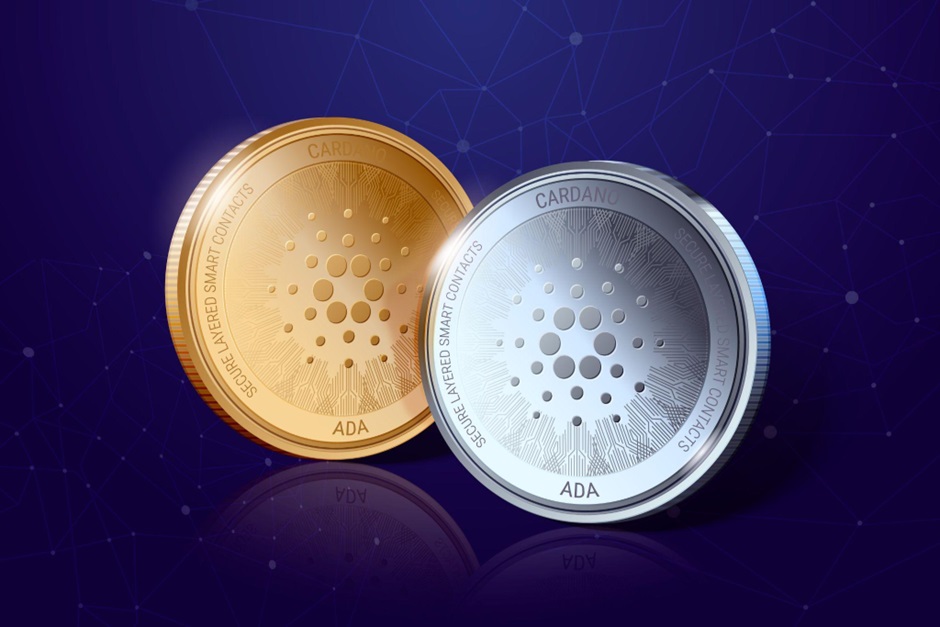
Cardano, founded by a pioneer in blockchain technology, employs the Ouroboros protocol—a highly energy-efficient Proof-of-Stake (PoS) system. Cardano’s dedication to sustainability is matched by its commitment to technological innovation and academic research, making it a preferred choice for eco-minded investors and enthusiasts looking to support a greener blockchain ecosystem.

Investing in Green Futures

As the digital asset market continues to expand, these top 5 green cryptocurrencies offer a compelling blend of innovation, environmental stewardship, and potential for significant returns. Led by BlockDAG, with its impressive presale success and forward-thinking technologies, investors have the opportunity to participate in a movement that values both financial gains and planetary health.

Join BlockDAG Now!

Website: https://blockdag.network

Presale: https://purchase.blockdag.network

Telegram: https://t.me/blockDAGnetworkOfficial

Discord: https://discord.gg/Q7BxghMVyu

Nigeria’s Power Sector Requires $10 Billion Annually for Revival, Says Power Minister

0

Government Faces Liquidity Challenge, Appeals for Support to Clear Outstanding Debts and Enhance Sector Attractiveness

The Minister of Power, Mr. Adebayo Adelabu, said that Nigeria’s power sector is facing daunting financial hurdles, highlighting the critical need for sustained investment in the power sector to drive its revival. 

He emphasized that while the government alone cannot foot the bill, it is imperative to attract private investors and lenders to inject much-needed capital into the sector.

According to him, the Federal Government needs a staggering $10 billion annually over the next decade to invigorate the ailing industry and address its persistent liquidity challenges. 

“For this sector to be revived, the government needs to spend nothing less than $10bn annually in the next 10 years,” stated Minister Adelabu, acknowledging the infrastructure requirements for sector stability. 

However, Adelabu acknowledged the practical constraints posed by the country’s budgetary limitations in meeting such substantial financial commitments.

Adelabu’s statements came amidst deliberations aimed at halting the new electricity tariff increase proposed by the Nigerian Electricity Regulatory Commission (NERC) and slated for implementation by Distribution Companies (DisCos). 

The investigative hearing, spearheaded by the Senate Committee on Power, provided a platform for robust discussions on the future trajectory of Nigeria’s power sector.

Adelabu said it is important to attract private investment to sustain the sector, emphasizing the need to create an attractive market environment for investors and lenders. He advocated for commercial pricing as a crucial step towards incentivizing investment, citing the recent tariff adjustments as a catalyst for investor interest.

“We must make this sector attractive to investors and to lenders,” he said.

“So for us to attract investors and investment, we must make the sector attractive, and the only way it can be made attractive is that there must be commercial pricing.

“If the value is still at N66 and the government is not paying subsidy, the investors will not come.

“But now that we have increased tariff for a Band, there is interest been shown by investors.”

The minister addressed the pressing issue of liquidity within the sector, attributing it to the absence of a cost-reflective tariff. He highlighted the accumulated liabilities owed to Generating Companies (GenCos) and Gas Companies, stressing the urgent need to clear outstanding N2.9 trillion debts to ensure the sector’s viability. 

Adelabu appealed to lawmakers for support in addressing these financial obligations, emphasizing the importance of sustaining the sector’s operations.

Responding to concerns raised by committee members regarding the tariff increase, Adelabu clarified that the adjustment is contingent upon the provision of adequate power supply. He assured that customers who do not receive a minimum of 20 hours of power supply will not be subjected to the new tariff rates.

Throughout the hearing, committee members expressed dissatisfaction with the inefficiencies in the power sector despite previous reforms. They advocated for measures to protect vulnerable Nigerians from the impact of tariff increases and called for collaborative efforts to enhance liquidity and improve service delivery in the sector.

The proceedings also featured presentations from stakeholders including the Nigerian Electricity Regulatory Commission, Manufacturers Association of Nigeria, and associations representing power generation and distribution companies.

Early this month, NERC approved a tariff hike that has seen consumers under Band A paying N225 per kilowatt-hour, a substantial increase from the former rate of N66 per kilowatt-hour. Band A consumers, comprising 15% of the nation’s 12 million electricity consumers, are primarily urban consumers.

However, the increase has ignited a lot of backlash from consumers and stakeholders, due mainly to a poor power supply that does not justify the tariff. A growing number of Band A consumers are lamenting that get the required 20 hours per day electricity supply.

The hearing on the tariff underscored the urgent need for comprehensive reforms and collaborative interventions to address the longstanding challenges facing Nigeria’s power sector and ensure sustainable development for the nation.

What is your NEW business model for a changed Nigeria?

1

There will be few dominant companies. The power of the state will fade because collective tax revenue will drop to handle many projects. That is typical when GDP growth stalls even as population increases. The evolving Russia in the collapsing USSR comes to mind. Yes, a time when enterprises controlled by some become super-eminent. 

When a Sokoto businessman buys petrol at N2,000/liter and another businessman in Lagos spends N600 for the same product, you can see that Nigeria is evolving and emerging at a scale not many understand. If that playbook continues, you  will have many things decoupled across regional lines.

We expect inflation to stay up as the government prints money to make up for corporate tax revenue shortfalls.   The question for you as a business leader is this: what are your plans? Do you need to change your business model?

Nigeria will print money because it needs to find ways to make up for these corporate losses, and as it prints the money, it will also offset the apex bank’s monetary policy of rate hike which is done to tame the economy, hoping to cool inflation. But with Ways and Means (flooding the economy with magic money) it will cancel out the impact of those hikes by the Central Bank of Nigeria with one result: inflation stays high and misery scales in the land.

Yes, despite everything happening, Nigeria presents GREAT opportunities. But to unlock the opportunities, builders must invent new business models. OPay is now bigger than three of Nigeria’s largest banks combined on market cap, according to Techcabal; “In early 2023, its stake increased to 9.4% after it sold Nanobank, its Asian fintech subsidiary, to OPay in return for equity in the company. Following the transaction, Opera told investors its 9.4% stake in the fintech was valued at $253 million, according to an April 24 filing with the US Securities and Exchange Commission (SEC). It implies OPay has a valuation of $2.7 billion, compared to its previous funding round which valued the startup at $2 billion.”

What is your NEW business model for a changed Nigeria?

LinkedIn Summary

Nigeria has changed and is also changing as I write. The next few quarters will be a season of new business models. Most of the things we have been doing have expired. Yes, with no petroleum equalization fund, be aware that many regions are now disconnected and disparate at scale. If a factory buys petrol at N2,000/liter in Sokoto, and another pays N600/liter in Lagos for the same product, you will agree that many vectors have moved.  

Hello, regional autonomy is already loading before any legislation! Why? If petrol costs controlled by the center could be non-unicorn, across states, many other things will follow.

This era will produce few dominant companies, and if you understand how to build, opportunities remain.

Comment 1: I’ll speak solely on the “valuation” of the banks since it’s my area of expertise. Now when it comes to Fintechs you should know since you’re in the ecosystem that with venture capital or private equity investments, they are now a valuation game based highly on raised capital and certain metrics not used by traditional banks. With that being said, Opay being worth what it is against traditional banks is nothing new. Even in the UK, Revolut is worth £30b same as Barclays. Revolut was founded in 2015, Barclays 1690. This will keep happening, Monzo is ‘valued” at £5bn and they are even younger. This isn’t some new model, it’s certainly not limited to Nigeria. This was expected and will continue to happen.

My Response: You made the point. If you want alpha, make something new, just as OPay did in the fintech space. In other words, it may seem there is no opportunity, but if you invent new business models, you can create value. That is the message.

Nigeria’s YC-Backed Chowdeck Secures $2.5M Funding to Fuel Growth

0

Nigeria’s Y Combinator-backed on-demand food delivery company Chowdeck has secured $2.5 Million in funding to fuel its growth across Nigeria.

The funding round includes investments from prominent Angel investors like Ato Arikawe (CTO of Thrive Agric), Simon Borrero and Juan Pablo Ortega (co-founders of Rappi), Shola Akinlade and Ezra Olubi (Co-founders Paystack), Y Combinator and Goodwater Capital.

Speaking on the investment round Shola Akinlade Co-Founder of Paystack said,

“Chowdeck is not only addressing the crucial need for an efficient and reliable on-demand delivery service in Nigeria, the team embodies innovation and a commitment to excellence. Apart from investing financially into the company, our experience with building Paystack puts us in a great position to provide a lot of practical support and I am excited to see what it is to come from the Chowdeck team”.

With this newly secured fund, Chowdeck plans to solidify its dominance in markets where it currently operates before expanding to new cities across Nigeria. Also, the fresh funds will enable the food delivery company to improve its operations to deliver an enhanced customer experience.

Launched in October 2021, Chowdeck prides itself as Africa’s easiest and fastest on-demand food delivery service. The company says it makes a profit from each delivery with more than a 25% take rate per order.

Spurred by the effects of COVID-19, Africa’s food delivery industry has taken off as more vendors and consumers embrace the convenience of digital takeouts to serve customers in major cities. Despite the rising operating costs, Nigeria’s online food delivery market is highly contested, with several international companies, such as Glovo, Jumia, and Bolt, competing to own a larger chunk of the market against startups like EdenLife, FoodCourt, and Chowdeck.

When Chowdeck entered the food delivery scene, it faced stiff competition. However, the company discovered that the average delivery time for its competitors was longer than 30 minutes. It then set out to differentiate itself in the market with a shorter turnaround time for delivery.

According to Chowdeck CEO Aluko, he noted that even though the company is not the cheapest food delivery service in the country, they are the most efficient. One strategy that it has used is to hire agents who validate orders for riders at the busiest restaurants. For these busy restaurants, the agents manually verify if a customer’s order is in stock and ensure that an order is canceled if the restaurant does not have the order.

Similarly, Chowdeck employs automated processes to streamline customer-rider connections, utilizing in-house data for daily demand forecasting and required supply assessment. If, for instance, an average rider completes eight deliveries daily and the platform anticipates 10,000 deliveries, at least 1,250 riders need to be available for that day.

The company’s logistics setup not only benefits small food vendors and larger quick-service restaurants like Burger King and Chicken Republic but extends to supermarkets such as ShopRite and pharmacies.

Chowdeck, with a take rate of 24%, saw its revenues, which come from vendor commissions, service fees, surge charges and delivery fees, increase by 1,200% between 2022 and 2023, according to Aluko. Last year, Chowdeck annual gross merchandise value (GMV) stood at over N7 billion ($5.8 million). In October, it hit a milestone, crossing the N1 billion ($830,000) mark for the first time.

By March 2024, it had doubled that figure, reaching N2.4 billion ($2 million). Lagos generates 80% of Chowdeck’s volumes, while the remaining 20% comes from other cities: Abuja, Port Harcourt, Ibadan, Benin City, Ilorin, Abeokuta and Asaba.

Chowdeck is on a mission to empower restaurants not just in Nigeria, but Africa to deliver meals to customers anywhere and anytime. Part of the company’s unique offering to the restaurants listed on its marketplace is it helps them grow, and so far, most of the restaurants on its network can boast of this achievement.