DD
MM
YYYY

PAGES

DD
MM
YYYY

spot_img

PAGES

Home Blog Page 3403

Nigeria Secures $7 Billion Investment Deal with India, Boosting Economic Ties

0

In a significant stride towards attracting foreign investments, the Nigerian Federal Government has successfully secured a substantial $7 billion investment deal from India.

The official announcement was made by Mr. Gangadharan Balasubramanian, the Indian High Commissioner to Nigeria, during the 75th Republic Day celebrations on Friday night.

This development comes on the heels of India’s earlier commitment to invest $14 billion in Nigeria, pledged during the G20 Summit held in September of the previous year.

President Tinubu’s active participation in the G20 Summit proved instrumental in solidifying the $14 billion pledge aimed at bolstering the Nigerian economy and fostering stronger economic ties between the two nations.

Balasubramanian revealed that, following President Tinubu’s engagement in the G20 Summit, $7 billion of the promised investment has now been formalized through a signed agreement.

“Out of the $14 billion promised during this visit as investment into Nigerian economy, $7 billion has already been signed immediately after the visit,” he said.

During the Republic Day celebrations, the Indian High Commissioner noted the robust economic relations between India and Nigeria. He highlighted the historical and enduring ties between the two nations, dating back to before Nigeria gained independence.

“India and Nigeria enjoy strong and historical relations. With the ties dating back to before Nigeria’s independence, our bilateral relations have been nurtured by the leadership of both the countries,” he said.

Balasubramanian noted that currently, close to 150 Indian companies are operating within Nigeria, collectively contributing a substantial investment of $27 billion. This investment, primarily concentrated in the manufacturing sector, has translated into job creation, making Indian companies significant employers in Nigeria, second only to the Federal Government.

Highlighting the unique and special relationship between India and Nigeria, Balasubramanian recounted the memorable visit of H.E. Mr. Bola Ahmed Tinubu, President of the Federal Republic of Nigeria, to the G20 Summit in September 2023. He said the visit played a crucial role in consolidating bilateral ties, and as a testament to the commitment made during that summit, $7 billion of the pledged investment has already been finalized.

Furthermore, the Indian High Commissioner provided insights into the ongoing efforts to deepen business relations between India and Nigeria. He mentioned the successful visit of India’s External Affairs Minister Dr. S. Jaishankar for the Joint Commission meeting earlier in the week. During this visit, meaningful interactions took place with Nigerian leadership, the business community, and the Indian Diaspora, further strengthening the ties between the two nations.

Speaking on behalf of the Indian government, Balasubramanian expressed solidarity with Nigeria in their joint journey towards development. He conveyed the unwavering commitment of the Government of India to fortifying the ties and fostering mutually beneficial collaborations.

Adding depth to the economic perspective, Minister of Foreign Affairs, Ambassador Yusuf Tuggar, shed light on the substantial trade volume between Nigeria and India. According to the minister,

Over the last two years, the trade volume reached approximately $20 billion, comprising $14.95 billion in the formal sector and around $5 billion in the informal sector, according to the minister. This economic collaboration spans various sectors, contributing significantly to the growth and development of both nations.

As of the fourth quarter of 2021, India was the main importer of Nigeria’s crude oil. The exports of crude oil to the Asian country amounted to approximately 774.5 billion naira.

However, recent data indicates a notable shift in Nigeria’s crude oil exports. The Netherlands has overtaken India as the largest buyer of Nigerian crude oil. In the first nine months of 2023, the Netherlands purchased Nigerian crude oil worth N2.5 trillion, while India’s imports were valued at N1.6 trillion.

Analysts attribute this shift to sanctions related to the Ukraine conflict, compelling India to seek discounted Russian oil and subsequently reduce its demand for Nigerian crude.

The $7 billion investment deal with India marks a substantial achievement for Nigeria in its ongoing efforts to attract foreign investments and fortify economic ties with strategic partners. This significant financial commitment will undoubtedly contribute to Nigeria’s economic growth and development, fostering a deeper and more resilient partnership with India.
Cadbury Nigeria Records N27.63 Billion Loss in FY 2023

0

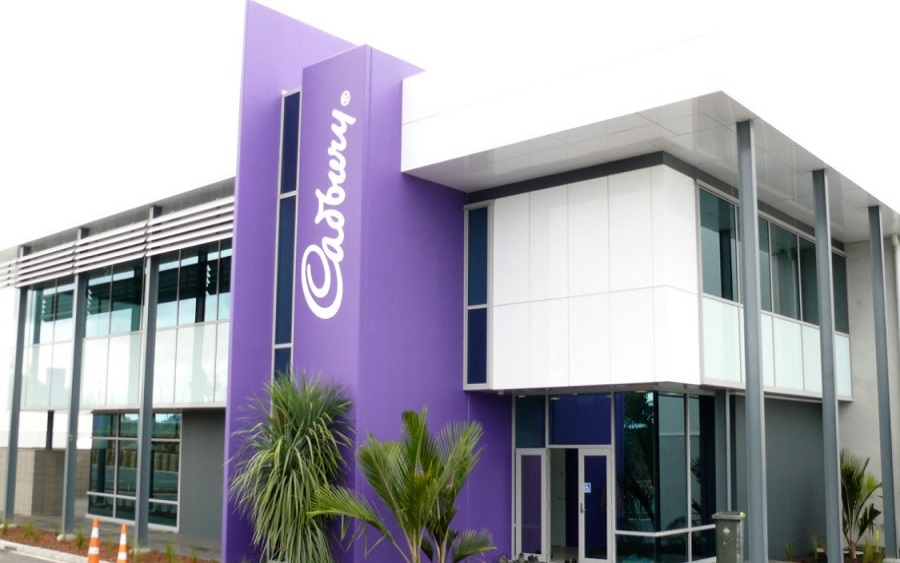
In its fiscal year 2023 performance report, Cadbury Nigeria Plc, a prominent multinational corporation operating in Nigeria, disclosed a substantial loss of N27.63 billion. This marked a significant downturn, representing a staggering 2,228% decline from the N1.30 billion pre-tax profit recorded in the previous fiscal year.

Despite this financial setback, the company reported a commendable 46% increase in revenue, reaching N80.38 billion in 2023 compared to N55.21 billion in 2022. The revenue growth was primarily propelled by the performance of its refreshment beverages segment, featuring flagship products such as Bournvita and 3-in-1 Hot Chocolate.

However, economic headwinds, particularly the Naira revaluation that occurred in mid-2023, took a toll on Cadbury Nigeria’s bottom line. The finance costs surged significantly, with interest expenses on borrowings rising by 170% to N1.36 billion.

Furthermore, the company incurred a substantial N36.93 billion due to exchange rate differences in 2023. These currency-related challenges denote the vulnerability of multinational corporations to monetary policies.

In response to the negative equity of N15.08 billion recorded in 2023, reflecting a 213% decrease from the previous year, Cadbury Nigeria has proposed a strategic move to address its financial structure. The company plans to convert its outstanding $7.7 million loan payable to its major shareholder, Cadbury Schweppes Overseas Limited, into equity. This initiative is aimed at fortifying the company’s financial position and navigating the uncertainties posed by economic fluctuations.

Despite the substantial loss before tax, Cadbury Nigeria demonstrated operational efficiency by achieving a surge in operating profit. This positive market response is evidenced by a 39% increase in the company’s share price since the announcement of the debt-to-equity proposal on January 9, reflecting investor confidence in the company’s strategic initiatives to address economic challenges.

Beyond Cadbury Nigeria’s individual challenges, the financial report indicates broader economic headwinds affecting multinationals in the country. Among several economic factors impacting the operations of multinational corporations in Nigeria are:

Exchange Rate Volatility: Multinationals grapple with the volatility of the Naira exchange rate, impacting financial statements involving foreign currency-denominated transactions.

Inflationary Pressures: Persistent inflationary pressures affect the cost of goods, services, and overall operational expenses for multinational corporations operating in Nigeria.

Policy and Regulatory Changes: Changes in government policies and regulations introduce uncertainties and challenges for multinationals, necessitating adaptability and strategic adjustments.

Infrastructure Challenges: The state of infrastructure in Nigeria, encompassing power supply and transportation, poses operational challenges for multinationals, impacting production costs and logistics.

Market Demand Fluctuations: Consumer behavior and purchasing power, influenced by economic conditions, affect the demand for products and services offered by multinationals.

Cadbury Nigeria’s fiscal year 2023 report, which serves as a barometer for the economic realities faced by multinationals in Nigeria, underscores the importance for the government to redesign its economic policies to enable a business-friendly environment.

However, while multinationals wait on the government to change the current business climate – particularly – the exchange rate crisis, the resilience and ability of business entities to navigate these complex economic factors will remain pivotal for sustained economic growth.

Consider Abia State for Your Vocational School

2

The literacy rate in China is now 99.83%. In other words, out of every 100 people above 15 years, 99 can read and write. In 2022, the gross enrollment rate in tertiary education (university, polytechnic, etc) in China reached 59.6%.

The literacy rate in Russia is 99.70%. In Russia, about 56% of adults hold a tertiary degree, and that number is the second highest attainment rate after Canada of all OECD and partner countries, and 19% points more than the OECD average. OECD countries include the UK, US, Germany, etc. In the United States, the percentage of people with bachelor’s degrees or higher is about 37.7%.

In Abia State, we go to school and attend universities just as other states and nations. But we want to borrow something big from some of these countries: put the best money on young people, not just on the post-secondary school level.  Yes, that includes developing and investing in world-class vocational education that will produce the best tilers, plumbers, electricians, etc for Nigeria and Africa in general. Our young people are literate – one of the highest in Nigeria at above 94% – but our translation into opportunity has not been properly unlocked. The new budget of the state government is designed to enable that redesign.

Capital Expenditure took the lion’s share, claiming 84% of the total budget, while 16% was allocated to Recurrent Expenditure. This allocation pattern signifies a considerable commitment to boosting infrastructure and growth in the state. Notably, 20% was allocated to education and 15% to healthcare, underlining the government’s dedication to these critical sectors.

I admire what they do in Togo and Chad on vocational education. You may be surprised that those nice mansions you see in Lagos, Abuja and everywhere in Nigeria would not have looked great without Togolese who are masters in tiling. Yes, we import those skills into Nigeria. 

If you run a vocational school, my state of Abia has opportunities here. We would like to have you come to Abia State. Note that with the demand of these skills, you can train and empower young people who will have gainful employment. The state has support mechanisms.

Hello Togolese, Chadians, etc and proprietors in this craft trade…please connect; come to Abia and set up a school. We will provide tons of support because we want to have working ABIA YOUTH.

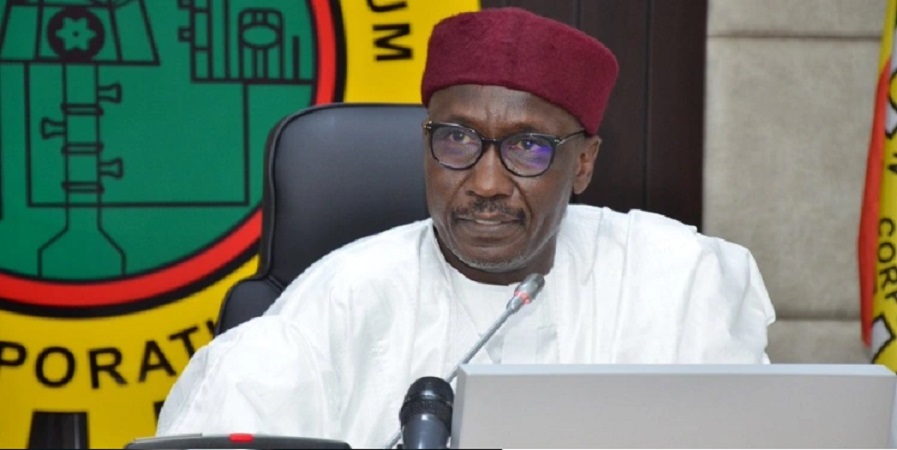
NNPCL Made N2.52tn Profit from N8.81tn Revenue in 2022 – Audit Report

0

The Nigerian National Petroleum Company Limited (NNPCL) has reported a notable 37.2% increase in its revenue, showcasing a robust financial performance in its latest Audited Financial Statement (AFS) for the year 2022.

This marks a crucial milestone for the state-owned oil corporation, whose financial reports have been under the shadows for years.

The released AFS for 2022 reveals a substantial surge in revenue, climbing from N6.42 trillion in 2021 to an impressive N8.81 trillion. This considerable growth underscores a shift in the management of the NNPC.

Profit After Tax (PAT) has also seen an extraordinary surge, recording N2.52 trillion in 2022. This represents a remarkable 274% increase compared to the N674 billion reported in the previous year. Such substantial profit growth underlines the NNPC’s ability to navigate challenges effectively and capitalize on market opportunities.

Examining the financial metrics in detail, the AFS discloses a robust asset base for the NNPC. Total non-current assets stand at N37 trillion, complemented by current assets of N21.59 trillion, culminating in a total asset valuation of N58.65 trillion. This represents an outstanding increase of 260.47% compared to the figures reported in 2021.

However, accompanying this growth are non-current liabilities of N19.98 trillion and current liabilities of N29.3 trillion, resulting in a total liability of N49.35 trillion. This demonstrates a substantial increase of approximately 266.6%.

One significant aspect of the NNPC’s financial health is the positive trend in profits over the past few years. Reflecting on historical data, the corporation recorded a loss of N803 billion in 2018. However, subsequent years witnessed a commendable turnaround. The NNPC reported a profit of N287 billion in 2020 and N674.1 billion in 2021, laying the foundation for the impressive financial performance witnessed in 2022.

The auditors, in their notes to the 2022 AFS, expressed confidence in the NNPC’s financial stability, stating, “The financial statements have been prepared in accordance with the going concern principle under the historical cost convention. Nothing has come to the attention of the directors to indicate that NNPC will not remain a going concern for at least 12 months from the date of these financial statements.”

The governance reforms in the oil and gas sector, particularly the enactment of the Petroleum Industry Act (PIA) in 2021, played a pivotal role in reshaping the NNPC’s structure and operations. Under the PIA, the NNPC officially transitioned from a state-run oil corporation to a commercial venture in July 2022. Despite this transformation, the federal government still maintains a considerable level of control over the NNPC.

The NNPC’s remarkable financial trajectory is further highlighted by its cost of sales, which escalated to N6.7 trillion in 2022, indicating a 25.47% increase from N5.34 trillion in the previous year. This increase reflects the corporation’s commitment to operational excellence and efficiency.

In addition to its financial performance, the NNPC’s AFS provides insights into its investment strategy. Notably, the report outlines the repayment plan for the NNPC’s 20% stake in the Dangote refinery.

“In September 2021, the NNPC acquired a 20 percent interest in Dangote Petroleum Refinery and Petrochemicals Free Zone Enterprise (DPRP FZE) worth $2.76 billion. This investment is held by NNPC Greenfield (a special-purpose vehicle that is 100 percent owned by NNPC) in trust for NNPC.

“This acquisition was financed by a $1.036 billion funding of which $1 billion was paid to Dangote Refinery and $36 million accounting for transaction costs.

“The balance of the cost of equity investments made in DPRP FZE, which is $1.76 billion will be paid upon completion of the refinery project starting April 1, 2023 or any other date agreed between the parties, that is the NNPC and Dangote Oil Refining Company Limited,” the report said.

According to the report, once the refinery comes into operation, the NNPC will initiate a discounting mechanism, offering a $2.5 discount for every barrel from the supply of 300,000 barrels per day. This discount will be utilized to offset the remaining equity participation.

Furthermore, the NNPC has entered into a forward sale agreement with Lekki Refinery Funding Limited to supply 35,000 barrels of crude oil per day. This arrangement aims to facilitate the repayment of the $1.036 billion funding already received for the investment in the Dangote refinery.

The NNPC’s financial success is also evident in its forward-looking initiatives, such as the 90,000 bpd oil-for-debt financing deal of $3.3 billion with Afreximbank. These strategic engagements are said to contribute to the company’s overall financial resilience, strengthening its position in the energy sector.

Like its counterpart Saudi Aramco, the NNPCL is expected to drive economic growth and revenue stability in the country through financial prowess.

Experts believe that the positive trajectory in revenue and profits, coupled with strategic investment initiatives, will change the unpleasant financial story of the NNPC if sustained.

Lagos State Launches Electronic Land Registration Portal (e-GIS) to Boost Ease of Doing Business

0

In a move aimed at enhancing the ease of doing business in Lagos State, Governor Babajide Sanwo-Olu officially inaugurated the electronic registration of lands with the launch of the land administration portal named e-GIS.

This initiative marks a pivotal step towards digitizing and streamlining the land registration process, eliminating manual procedures, and providing residents with the convenience of online land registration.

The e-GIS portal is designed to reduce the physical presence of applicants at Lands Bureau offices, allowing residents to register their lands from the comfort of their homes. Through the portal, individuals can make online payments for all necessary fees, obtain their title documents, and apply for a Certificate of Occupancy (C of O), among other registration processes.

During the launch event held at the Land Office in Alausa, Ikeja, Governor Sanwo-Olu noted the importance of using technology in improving land administration.

“Land administration is one of those areas where technology customizes and streamlines business workflows, aiming for higher productivity, enhanced revenue generation, securing our documents, and improving customer service,” he stated.

The Governor said that the automated process would transition land transactions into a digital format, integrating them into the registry. This transformation is expected to significantly reduce transaction costs and eliminate issues related to missing or hidden files.

Sanwo-Olu expressed confidence that the introduction of this digital system would foster collaboration among various agencies, leading to more effective information management in government offices.

“Everything will be digitally available. Moreover, the introduction of this process will foster collaboration among agencies. I think that’s also an important, deliverable.

The e-GIS portal offers users a secure and convenient experience, providing self-service options, easy online record and data search capabilities, and the ability to analyze site traffic. Users can also track application progress, provide comments, and receive immediate feedback on complaints.

Sanwo-Olu spoke of the government’s commitment to creating an innovative environment, eliminating bottlenecks associated with manual processes, and aligning with the smart city vision.

“New technology-driven system which aligns with our smart city vision, promotes accountability, gender transparency and will improve quality of service delivery to our citizens.

“We want to therefore implore everyone to key into this new system and to experience a seamless, secure and efficient process in land administration from anywhere in the world,” he said.

Adding his voice to the development, the Special Adviser to the Governor on e-GIS and Urban Development, Olajide Babatunde, highlighted the global significance of land administration, which comprises four key components: land tenure, land value, land use, and land development.

He noted that the land administration portal, aligned with the THEMES+ agenda of the Governor, complies with global technology-driven land administration processes.

Babatunde explained that the portal incorporates a robust internal business process workflow system, the Automation Land Administration solution, ensuring security and meeting the needs of the projected large volume of applicants.

“This is because we are committed to the security and needs of the projected large volume of applicants who will be using this portal for individual or corporate purposes.

The launch of the Land Administration portal is expected to drive investment into Lagos State, positively impacting the World Bank’s ease of doing business index.

In a country where land fraud, attributed to ineffectual property laws, is prevalent, Lagos State’s initiative to embrace electronic land registration marks a significant leap towards modernizing administrative processes, fostering transparency, and creating a conducive environment for residents and investors.

The successful implementation of this technology-driven system is poised to inspire other states in the country to digitize their land administration processes, attracting investment and facilitating sustainable growth.