DD
MM
YYYY

PAGES

DD
MM
YYYY

spot_img

PAGES

Home Blog Page 3406

Bitfarms expands Mining operations as Crypto banking group closes $40M funding round

0

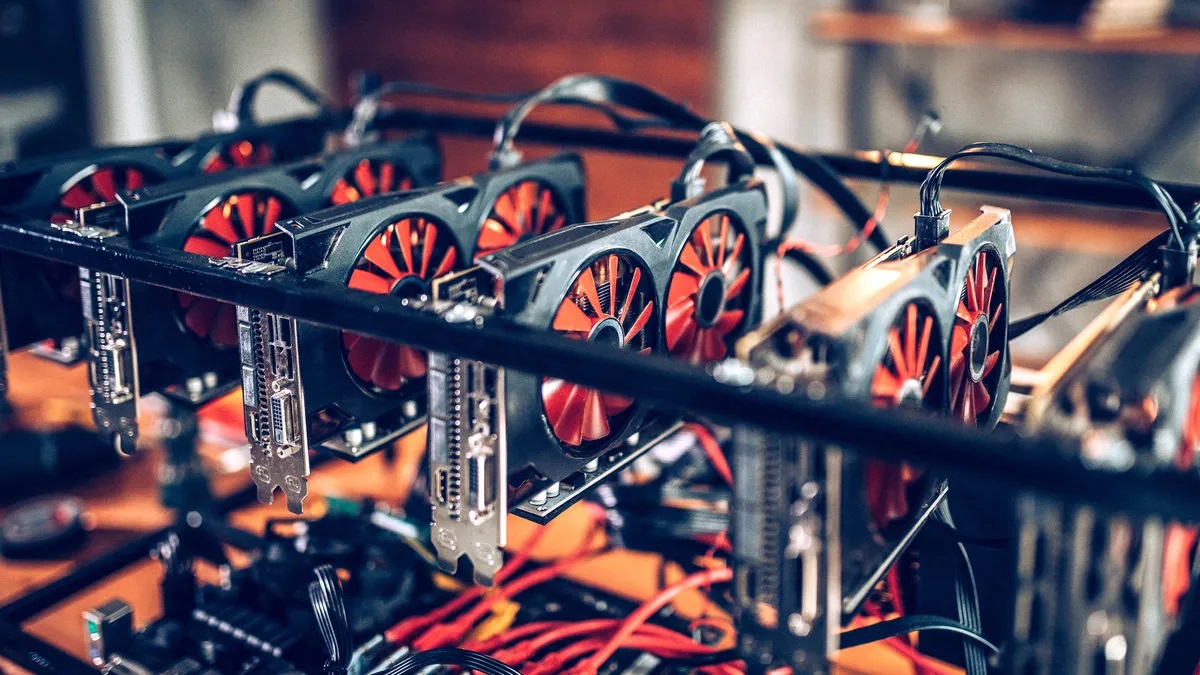
Bitfarms, one of the largest publicly traded Bitcoin mining companies in the world, has announced that it has expanded its mining operations with the addition of 1,000 new WhatsMiner M31S+ machines. The new machines are expected to increase the company’s installed computing power by approximately 63 PH/s, bringing its total hash rate to over 1.3 EH/s.

The expansion is part of Bitfarms’ long-term growth strategy, which aims to increase its mining capacity and operational efficiency while reducing its environmental impact. Bitfarms has been investing in new and more energy-efficient mining equipment, as well as securing low-cost and renewable sources of electricity for its operations.

According to Bitfarms’ CEO, Emiliano Grodzki, the company is well-positioned to benefit from the increasing demand and value of Bitcoin, as well as the favorable market conditions for miners. He said:

“We are very pleased to have added an additional 1,000 new generation miners to our fleet as we continue to grow our operations and execute on our long-term vision. With these additional miners, Bitfarms will maintain its position as one of the largest and most efficient publicly traded Bitcoin miners in the world. We remain focused on expanding our mining infrastructure, improving our profitability and strengthening our leadership in the industry.”

Bitfarms operates five industrial-scale mining facilities in Quebec, Canada, with a total of over 69,000 miners and a combined installed capacity of 1.2 EH/s. The company plans to further increase its mining capacity by deploying an additional 48,000 miners by the end of 2022, which would bring its total hash rate to over 3 EH/s.

The facilities are:

Saint-Hyacinthe: This facility has 10 MW of installed capacity and hosts 7,000 miners.

Farnham: This facility has 20 MW of installed capacity and hosts 14,000 miners.

Cowansville: This facility has 30 MW of installed capacity and hosts 21,000 miners.

Sherbrooke Phase 1: This facility has 30 MW of installed capacity and hosts 21,000 miners.

Sherbrooke Phase 2: This facility has 32 MW of installed capacity and hosts 6,000 miners.

Each facility is equipped with advanced cooling systems, fire protection systems, security systems and network infrastructure to ensure optimal performance and reliability. Bitfarms also employs a team of experienced engineers, technicians and operators who monitor and maintain the facilities around the clock.

Bitfarms’ mining machines are sourced from leading manufacturers such as MicroBT and Bitmain. The machines use the SHA-256 algorithm to mine Bitcoin and other compatible cryptocurrencies. Bitfarms operates its own mining pool, which allows it to maximize its revenues and control its own destiny on the network.

By operating its own mining facilities, Bitfarms is able to achieve economies of scale and reduce its operational costs. Bitfarms also benefits from the favorable regulatory environment in Quebec, which supports the development of the blockchain industry. Bitfarms is committed to complying with all applicable laws and regulations, as well as adhering to high standards of corporate governance and social responsibility.

Bitfarms is proud to be a leader in the Bitcoin mining industry and a contributor to the global adoption of blockchain technology. Bitfarms believes that Bitcoin has the potential to transform the world by creating a more decentralized, transparent and inclusive financial system. Bitfarms invites you to join us in this exciting journey and learn more about our company and our vision.

Crypto banking group closes $40 million funding round

In a major milestone for the crypto industry, a leading crypto banking group announced that it has closed a $40 million funding round led by prominent investors. The group, which offers a range of services such as crypto custody, lending, trading and payments, said the new capital will help it expand its global presence and product offerings.

The funding round was led by XYZ Ventures, a venture capital firm that focuses on fintech and blockchain startups. Other participants included ABC Capital, a crypto-focused hedge fund, and DEF Partners, a strategic partner of the group. The group also received support from several angel investors and industry veterans.

The group’s CEO, said in a press release that the funding round reflects the growing demand and recognition for crypto banking services. He said:

“We are thrilled to have the backing of such reputable and visionary investors who share our vision of building a crypto banking platform that can bridge the gap between the traditional and crypto worlds. With this funding, we will be able to scale our operations, launch new products and services, and enter new markets. Our goal is to make crypto banking accessible, secure and convenient for everyone.”

The group was founded in 2019 by a team of experienced bankers, engineers and entrepreneurs who saw the potential of crypto as a new asset class and a catalyst for financial inclusion. The group leverages blockchain technology and smart contracts to offer innovative solutions for both crypto and fiat users.

Some of the group’s products include:

A crypto custody service that provides institutional-grade security and insurance for crypto assets. A crypto lending platform that allows users to borrow and lend crypto and fiat currencies at competitive rates. A crypto trading platform that offers access to multiple liquidity sources and advanced trading tools. A crypto payment service that enables users to send and receive crypto and fiat payments across borders.

The group claims to have over 100,000 customers across 50 countries, and to have processed over $1 billion in transactions since its inception. The group also boasts a strong compliance and regulatory framework, having obtained licenses and registrations in several jurisdictions.

The group’s COO, said in the press release that the group is constantly innovating and improving its services to meet the needs of its diverse customer base. She said:

“We are proud of what we have achieved so far, but we are not complacent. We are always looking for ways to enhance our user experience, increase our security standards, and comply with the evolving regulatory landscape. We believe that crypto banking is the future of finance, and we are excited to be part of this journey.”

African Youth plus Opportunity equals an unstoppable global future

0

How can we harness the potential of the African youth to create a brighter and more prosperous future for the continent and the world? This is the question that many leaders, entrepreneurs, and innovators are asking themselves as they witness the remarkable growth and dynamism of the young generation in Africa.

According to the United Nations, Africa is home to more than 1.3 billion people, of which about 60% are under the age of 25. This makes Africa the youngest continent in the world, and also the fastest growing one. By 2050, Africa’s population is projected to double, reaching 2.5 billion people, and accounting for a quarter of the world’s population.

This demographic dividend offers a unique opportunity for Africa to transform its economy, society, and environment, and to play a leading role in the global arena. However, this opportunity also comes with significant challenges, such as poverty, inequality, unemployment, conflict, climate change, and health crises.

To overcome these challenges and unleash the full potential of the African youth, we need to invest in their education, skills, health, and well-being, and provide them with access to opportunities, resources, and networks.

One of the most promising ways to do this is through entrepreneurship and innovation. Entrepreneurship is not only a means of creating wealth and jobs, but also a way of solving problems, addressing needs, and improving lives.

Innovation is not only a source of competitive advantage and growth, but also a driver of social change and environmental sustainability. Together, entrepreneurship and innovation can empower the African youth to become agents of positive change in their communities and beyond.

There are many examples of successful young entrepreneurs and innovators in Africa who are making a difference in various sectors, such as agriculture, energy, health, education, fintech, e-commerce, and media.

Some of them have received global recognition and support from prestigious platforms and organizations, such as the Forbes Africa 30 Under 30 list, the Anzisha Prize, the Tony Elumelu Foundation, the YALI Network, and the Obama Foundation.

Here are some of their stories:

Divine Ndhlukula is the founder and managing director of SECURICO, one of Zimbabwe’s largest security companies. She started her business in 1998 with only four employees and $4,000 in savings. Today, she employs over 3,500 people, 900 of whom are women. She has won several awards for her entrepreneurship and leadership skills, including the Africa Awards for Entrepreneurship and the Legatum Africa Awards.

William Kamkwamba is a Malawian inventor and engineer who built a windmill from scrap materials when he was 14 years old. He used the windmill to power his family’s home and later built more windmills to pump water for irrigation.

He has written a book about his experience called The Boy Who Harnessed the Wind and has given a TED talk that has been viewed over 10 million times. He has also co-founded an innovation center in Malawi called Wimbe Community Innovation Center.

Temie Giwa-Tubosun is a Nigerian American entrepreneur and health advocate who founded LifeBank, a medical distribution company that delivers blood and oxygen to hospitals in Nigeria using technology and logistics. She launched her venture in 2016 after witnessing the high maternal mortality rate in Nigeria due to blood shortages.

She has saved over 10,000 lives through her service and has expanded to Kenya and Ethiopia. She has received several accolades for her work, including the Jack Ma Foundation Africa Netpreneur Prize and the Global Citizen Prize for Business Leader.

Kelvin Doe is a Sierra Leonean inventor and engineer who built his own radio station from recycled materials when he was 15 years old. He used his radio station to broadcast news and music to his community under the name DJ Focus. He has also created batteries, generators, and transmitters from scrap metal.

He became the youngest person ever to participate in the MIT Visiting Practitioner’s Program and has spoken at TEDx Teen and Google Zeitgeist. He has also founded an innovation hub in Sierra Leone called Innovate Salone.

Rapelang Rabana is a South African entrepreneur and computer scientist who founded Rekindle Learning, an online learning platform that uses artificial intelligence and data analytics to personalize learning experiences for students and professionals.

She started her venture in 2013 after co-founding Yeigo Communications, one of Africa’s first mobile VoIP applications. She has been named as one of Forbes Africa’s 30 Under 30 Best Young Entrepreneurs and one of BBC’s 100 Women.

These young leaders are inspiring millions of other young Africans to follow their footsteps and pursue their dreams. They are also creating a vibrant ecosystem of mentors, peers, investors, partners, and customers that supports and enables their ventures. They are showing the world that African youth are not just consumers or beneficiaries of development, but also creators and contributors of value.

The future of Africa and the world depends on the success of these young entrepreneurs and innovators. They are the ones who will shape the next wave of economic development, social progress, and environmental stewardship. They are the ones who will bridge the gap between Africa and the rest of the world. They are the ones who will prove that African youth plus opportunity equals an unstoppable global future.

TechWings Global Unveils Scholarship Contest for Tekedia Mini-MBA

0

The Team at TechWings Global has something amazing: “We believe in empowering the next generation of tech leaders and innovators. That’s why we are sponsoring 2 lucky individuals to participate in the upcoming Tekedia Mini MBA course starting February 5th! This is an incredible chance to gain valuable knowledge and skills in this dynamic field.”  Go here and participate if interested.

Yearly, Tekedia Institute partners with dozens of organizations and individuals, offering scholarships which enable hundreds to attend our impactful business program.

Thank you TechWings Global for your kindness and generosity. We wish you more wins in the market.

As PwC Projects a 38.8% Poverty Rate in Nigeria, I Propose a Community-Centric Development Model for Nigeria

1

It looks very challenging with many reports thundering on the escalating poverty in Nigeria: “Multinational professional services brand of firms, PricewaterhouseCoopers International Limited (PwC), in its recent report, has forecasted Nigeria’s poverty rate to reach 38.8% in 2024.” Yet, this should not be the end of the story. Nigeria has great tools to quickly move out of this economic stasis and visioning miry clay.

The new invention of transferring money to some poor families is very strange to me. The last administration started it, and I was expecting that to be discontinued by the new government. Unfortunately, that has been sustained. What would N20,000 or whatever do to a family of six in a month?

My recommendation when Buhari introduced it is to use the funds and structure a partnership with community development unions. Michael Okpara, ex-premier of Eastern Nigeria, used that model to advance massive transformation in the region. Those rural communities can administer these funds better than bureaucrats through a consultative process which will deliver agro support with silos, farm seeds, trading, etc.

Randomly picking 500 people in a community of 5,000 for N20k transfer does not look fair and sustainable. But building mini-catalysts for those 5,000 rural people may unlock opportunities for all. And if you support those 5,000 people to do those things by themselves, as Okpara did, you will see a better outcome. Yes, poverty will likely drop in a sustained way. Check the records of our first generation leaders, they built through communities because power was localized; today, we do not even consult and that must change.

(Statistically, most rural poor citizens are farmers. If they have access to coldroom or better access to market, you can help them. The cash transfer if managed by the community unions can provide catalysts over random lottery)

Imagine a fund for rural communities. To unlock this fund, communities, send proposals on local economic plans and we will contribute 90% of your budget. NO cash transfers to individuals; YES fund transfer to community development unions to invest in mini-catalysts to lift rural people.

Nigeria Poverty Rate to Reach 38.8% in 2024 – PwC Report

Nigeria Poverty Rate to Reach 38.8% in 2024 – PwC Report

0

Multinational professional services brand of firms, PricewaterhouseCoopers International Limited (PWC), in its recent report, has forecasted Nigeria’s poverty rate to reach 38.8% in 2024.

The report signals a challenging 2024, with rising poverty levels as the cost of living continues to surge. PwC GDP projection is lower than the 3.4 percent that the Nigeria Economic Summit Group (NESG) projected.

The report states that achieving sustainable growth in 2024 requires balancing ambitious fiscal reforms with effective budget implementation while highlighting the importance of aligning fiscal and monetary policy to stabilize prices and reach target goals.

In the report, PWC highlighted seven (7) trends that will shape the Nigerian Economy in 2024 which include;

  • Improved sectoral development riding on reforms
  • Consumers may likely adjust better to evolving policy and Macro realities
  • Persisting vulnerabilities and external pressures with the potential for shocks
  • Executing fiscal reforms balancing ambition with budgetary implementation
  • Evolving monetary policy stance: Finding the right framework and instruments to achieve price stability
  • Investors will be cautiously optimistic
  • Undulating pathways to unlocking productivity in the economy

The report also highlights that debt sustainability will be a key pressure point in 2024. It is understood that Nigeria’s deficit has grown by 370% from 2015 to 2023, which has led to a high debt and debt servicing profile. Though debt stock to GDP is comparatively low at 37.1%, the debt servicing to revenue ratio remains high at 124% as of H1 2023.

In 2024, the government aims to reduce the budget deficit to around 3.9% (N9.18 trillion) of GDP, down from 6.1% in 2023, through reduced spending.

With the exchange rate volatility, servicing external debt in foreign currency becomes challenging due to exchange rate volatility and the devaluation of the naira.

Inflation increased to 28.92% in December 2023 from 28.2% in November 2023, driven by food and transportation inflation. Headline inflation may decelerate marginally to 21% in 2024. The sustained inflationary pressure may be driven by a combination of the pass-through effect of the rise in international oil prices on domestic energy costs and exchange rate pressures.

Food Inflation rose by 33.9% in December compared to the previous year, due to insecurity and climate change effects in the food-producing regions of the country.

In November 2023, the average price of 1kg of rice, yam tuber, and tomato increased by 53.1%, 79.1%, and 62.4% respectively compared to November 2022. The Food and Agriculture Organisation (FAO) projects that Nigeria may experience increased prices of staple foods such as rice, maize, cereals, etc. in 2024.

Consumer spending may be pressured in 2024 due to rising prices of goods and services (increasing food and transportation costs), coupled with lower disposable income.

However, private consumption is expected to be marginally better than in 2023. Poverty levels are projected to increase to 38.8% in 2024.

Despite the low unemployment rate in the country, low consumer spending and purchasing power remain an issue, especially in the absence of a commensurate increase in minimum wage to mitigate the inflationary growth in the economy.

Recall that the World Bank had indicated that the number of poor people in Nigeria had grown from 95 million in 2021 to 100 million in 2022, indicating the surging poverty rate in the country.

In its World Bank Nigeria Development Update, NDP, entitled ‘Turning the Corner: Time to Move From Reforms to Results’, the bank stresses the need to continue with the reform momentum to complete the reforms and to address the costs of the reforms.

It stated: “Inflation remains at record high levels for Nigeria, 27.3 percent Year-on-Year, YoY, in October 2023, partly driven by the one-off price impacts of the removal of the gasoline subsidy.

“The impact of this is especially hard on poor and vulnerable citizens. The FX market has remained volatile and in a period of continuing adjustment to the new policy approach, with significant fluctuations in the exchange rate in both the official and the parallel markets”.

However, the federal government of Nigeria conditional cash transfers and projected slight decrease in inflation are predicted to offer temporary relief in 2024.