DD
MM
YYYY

PAGES

DD
MM
YYYY

spot_img

PAGES

Home Blog Page 3422

Financial Innovation and Technology for the 21st Century Act (FIT21) Will Create More Clear Crypto Regulations in the US

0

The Financial Innovation and Technology for the 21st Century Act (FIT21) represents a significant milestone in the United States’ approach to cryptocurrency regulation. Passed by the U.S. House of Representatives with a notable bipartisan vote, FIT21 is poised to establish a more defined regulatory framework for digital assets. This move could potentially bring much-needed clarity and stability to the crypto market, which has been marked by uncertainty due to the lack of clear guidelines.

The bill’s passage in the House is a testament to the growing recognition of the importance of blockchain technology and digital currencies in the modern financial landscape. By delineating the roles of the Securities and Exchange Commission (SEC) and the Commodity Futures Trading Commission (CFTC), FIT21 aims to streamline the regulatory process and ensure that the U.S. remains competitive in the global digital economy.

One of the key aspects of FIT21 is the emphasis on consumer protection. The bill introduces measures to enhance transparency and disclosure requirements, thereby safeguarding the interests of investors and users of digital assets. Additionally, the legislation prohibits agencies from preventing the use of cryptocurrencies, reflecting a commitment to fostering innovation while maintaining regulatory oversight.

Despite the progress made in the House, the future of FIT21 in the U.S. Senate remains uncertain. With no companion bill and facing prominent crypto critics, the legislation’s path forward is clouded with challenges. However, the industry has expressed optimism, with many viewing the House’s approval as an early victory for cryptocurrency regulation.

President Biden’s Stance on Cryptocurrency Asset Holdings.

In recent developments, President Joe Biden has taken a firm stance on the regulation of cryptocurrency asset holdings. This move comes as part of a broader effort to establish clear guidelines and policies for the rapidly evolving digital asset market.

The administration’s approach is grounded in the protection of consumers and investors, ensuring that the financial stability of the country is not compromised by the volatile nature of cryptocurrencies. President Biden vetoed a bill that sought to overturn the Securities and Exchange Commission’s (SEC) crypto accounting standards, known as SAB 121. This regulation requires firms holding cryptocurrency assets to record these assets on their balance sheets, aiming to provide greater transparency and oversight.

Critics argue that such regulations could stifle innovation and make it difficult for financial institutions to work with crypto companies. However, the administration maintains that these measures are necessary to safeguard against potential risks associated with digital assets, such as fraud and market manipulation.

President Biden’s decision reflects a cautious yet proactive approach to digital assets, emphasizing the need for appropriate guardrails that protect consumers and investors while supporting responsible development and use of cryptocurrencies.

The implications of FIT21 are far-reaching. If enacted, it could pave the way for a more robust and secure crypto market, encouraging institutional adoption and increasing public trust in digital assets. Moreover, the act requests the Treasury to study stablecoins, which could lead to further developments in this particular segment of the crypto market.

As the debate continues, stakeholders from various sectors are closely monitoring the bill’s progress. The outcome of FIT21 could shape the future of cryptocurrency regulation in the U.S. and potentially influence global standards for digital asset governance.

As the digital asset landscape continues to grow and evolve, it is clear that the U.S. government seeks to play a pivotal role in shaping its future, balancing the potential benefits against the inherent risks. The ongoing dialogue between policymakers, industry stakeholders, and the public will be crucial in determining the path forward for cryptocurrency regulation in the United States.

The Plume Network $10M Funding and Fantom Sonic Labs

0
Fund, money cash dollar

The Plume Network, a pioneering Layer-2 blockchain platform, has successfully raised $10 million in a seed funding round. This significant financial milestone was led by Haun Ventures, a firm known for its strategic investments in the crypto space. The Plume Network stands out as the first modular Ethereum Virtual Machine (EVM) Layer-2 designed to seamlessly integrate real-world assets (RWAs) onto the blockchain.

The concept of RWAs in the blockchain ecosystem refers to tangible assets like real estate, collectibles, and other valuable items that can be tokenized and traded on the blockchain. Plume Network’s innovative approach aims to bridge the gap between traditional financial markets and the burgeoning world of decentralized finance (DeFi). By creating a permissionless blockchain equipped with full-stack RWA infrastructure, Plume Network is setting the stage for compliant asset deployment across various classes.

The seed funding round saw participation from several other prominent venture capital firms and investors, including Galaxy Ventures, Superscrypt, A Capital, SV Angel, Portal Ventures, and Reciprocal Ventures. Notable angel investors also joined the round, bringing with them a wealth of experience and knowledge from the crypto industry.

Consequently, the blockchain landscape is witnessing a significant evolution with the introduction of the Sonic Foundation by Fantom developers. This strategic move is accompanied by the successful closure of a $10 million funding round, marking a pivotal moment for the Fantom ecosystem.

The Sonic Foundation aims to govern and manage the treasury of the newly unveiled Sonic chain, a high-throughput layer-1 blockchain with a native layer-2 bridge to Ethereum. This innovative approach allows Sonic to benefit from Ethereum’s established liquidity and user base while offering the scalability and speed of a layer-1 chain.

The strategic funding round, led by Hashed and supported by other prominent investors, underscores the market’s confidence in Fantom’s vision. The funds are earmarked to accelerate the development of the Sonic chain, expand its capabilities, and enhance its infrastructure to support a broad spectrum of applications and services.

Plume Network’s vision extends beyond mere tokenization of assets. It is poised to reshape the way the world interacts with and derives value from RWAs. The platform’s end-to-end tokenization engine simplifies the process of bringing assets on-chain, making it accessible not only to large institutions but also to retail investors.

The DeFi ecosystem on Plume enables a wide range of activities with RWAs, such as earning yield, borrowing, lending, trading, and even speculating with leverage. The platform’s underlying technology is based on Arbitrum Nitro, a framework for building Layer-2 rollup chains that facilitate quick and low-fee transactions on Ethereum. This technology ensures that Plume Network can easily interoperate and swap assets across other chains within the Arbitrum Orbit ecosystem.

The successful seed funding round is a testament to the confidence investors have in Plume Network’s mission to revolutionize the integration of RWAs into the blockchain. With this financial backing, Plume Network is well-positioned to accelerate its growth and continue developing its robust infrastructure for the future of decentralized asset management.

As the blockchain industry continues to grow, initiatives like the Sonic Foundation and the strategic funding round are crucial for fostering innovation and driving adoption. With a strong foundation and significant financial backing, the Sonic chain is well-positioned to make a lasting impact on the decentralized finance (DeFi) sector and beyond. For more detailed information on this development, readers can refer to the comprehensive articles available.

With NDIC Capping Heritage Bank Deposits at N5m, Where You Keep Your Funds Matter in Nigeria

0

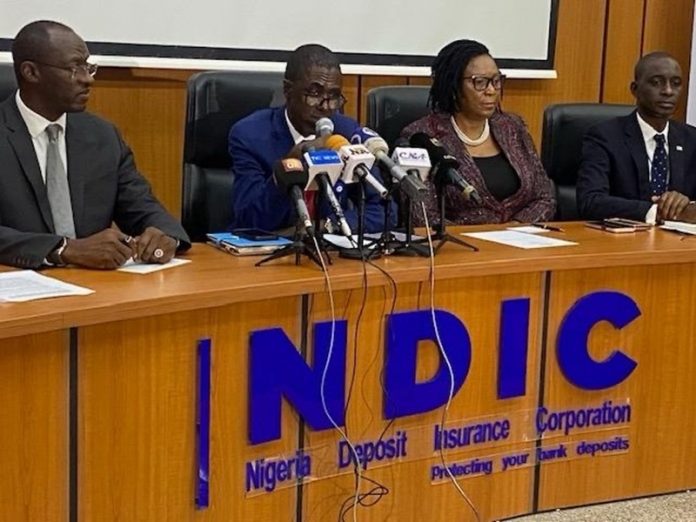
Accountants and risk managers are going to get more clients as the Nigerian Deposit Insurance Corporation (NDIC) caps refunds at N5 million for Heritage Bank customers: “The Nigerian Deposit Insurance Corporation (NDIC) has announced it will pay a maximum of N5 million to each depositor of Heritage Bank, following the revocation of the bank’s operating license by the Central Bank of Nigeria (CBN).”

Yes, with the collapse of Heritage Bank, and with the Central Bank of Nigeria allowing the process to go through as written in the rule book, where you keep your money now matters. In other words, unlike in the past where dying banks were saved by AMCON, Nigeria’s bad debt buyer, the new team in CBN has allowed Heritage Bank to go down.

This opens many permutations for finance and treasury leads in organizations. You cannot assume that the fund has the same value in Bank A when compared to Bank B since there is now a huge risk that you can lose the fund if something bad happens in a bank.

In the next coming months, rating agencies in Nigeria will start making lists on the safest banks you can put your money. The veil has been removed because the government is not going to give anyone absolute insurance cover anymore. You need to be materially involved in choosing your bank because things have changed!

Good People, in a GST course in FUT Owerri, the professor who taught us Polity and Economy of Nigeria (GST 108!!!) was trying to explain the economy  Nigeria operates on; she came down to Mixed Economy (combinations of many things). On Heritage Bank, Nigeria went FULL Capitalist Economy. Pay attention because this could be the new normal https://www.tekedia.com/concerns-as-ndic-announces-n5m-compensation-for-heritage-bank-nigeria-depositors-following-license-revocation/

Concerns As NDIC Announces N5m Compensation for Heritage Bank Nigeria Depositors, Following License Revocation

1

The Nigerian Deposit Insurance Corporation (NDIC) has announced it will pay a maximum of N5 million to each depositor of Heritage Bank, following the revocation of the bank’s operating license by the Central Bank of Nigeria (CBN).

The CBN revoked the license on Monday due to the bank’s inability to improve its financial performance, which has raised concerns about the stability of the banking sector.

In a notice to depositors, the NDIC explained that the stipulated maximum payment is in line with extant laws in case of license revocation. The NDIC, appointed as the liquidator, will take the necessary steps to wind up the bank’s affairs in accordance with sections 55 (1) (2) and 56 (3) of the Nigeria Deposit Insurance Corporation Act, 2023.

“Defunct Heritage Bank operated as an insured institution under the provisions of the Nigeria Deposit Insurance Corporation Act, 2023. The Corporation will pay all its depositors their insured deposits up to the statutory maximum of N5,000,000.00 per depositor for Deposit Money Banks (DMBS)/mobile money subscribers,” the NDIC stated.

Compensation and Claims Process

Depositors with funds exceeding the insured amount will be paid as the assets of the closed bank are realized. The NDIC mentioned that depositors would soon be notified via national dailies about the commencement of insured deposit payments. For further clarifications, depositors can contact the NDIC directly.

The NDIC also provided a step-by-step process for depositors and creditors to reclaim their funds.

In-Person Claims: Visit the nearest branch of the bank with proof of account ownership, verifiable means of identification such as a driver’s license, permanent voter’s card, or National Identity Card, together with their alternate account and Bank Verification Number (BVN) for verification and subsequent payment of insured sums.

Online Claims: File claims online by visiting the NDIC website claims page at www.ndic.gov.ng/claims/claims, download and fill the claims forms, and upload the required documentation.

The NDIC reassured the public of its commitment to safeguarding depositors’ funds in all licensed banks.

“The NDIC wishes to assure the entire banking public of its commitment to the continued safety of depositors’ funds in all licensed banks. As such, depositors are urged to continue their banking businesses without fear as banks whose licenses have not been revoked remain safe and sound,” the statement concluded.

Experts, Depositors, Express Concerns

The revocation of Heritage Bank’s license has sparked significant debate among economists and depositors. Economist Evans Osabuohien, head of the Department of Economics at Covenant University, described the revocation as shocking.

He suggested that acquiring the bank by another investor would have been a better option than outright revocation, which might lead to job losses and increased tension among customers.

“CBN says that withdrawing the license was the last option. If not, one would have expected a merger or acquisition, if only for the good of the economy,” Osabuohien said. He urged the CBN to re-strategize and strengthen its regulatory framework to prevent similar crises in the future.

The liquidation of Heritage Bank has raised fresh questions about the safety of depositors’ funds with banks, given the N5 million maximum insurance cover provided by the NDIC. Many have expressed the view that view that a depositor should not have more than N5 million with a bank, to avoid losing the rest if the bank suffers liquidation.

A depositor, whose funds were trapped in the liquidation, expressed frustration over the N5 million insurance cap.

“I am a young lawyer and law-abiding citizen practicing in Nigeria. My N17 million may have gone down the drain in Heritage Bank. NDIC’s insurance is a joke. They say they are offering us N5 million maximum statutory insurance payment. This means that poor Nigerians and small businesses would lose whatever amount they have if they are given N5 million,” he lamented.

Peter Obi, the Labour Party’s presidential candidate from the last election, has urged the federal government and the NDIC to fully reimburse depositors of Heritage Bank immediately.

Obi said on Monday the closure of the bank will have “a far-reaching impact” on the economy, adding that anything short of full and immediate repayment of these funds will only worsen the economic situation of the depositors.

“The latest CBN’s revocation order on Heritage Bank’s operating license and subsequent appointment of NDIC as liquidator of its assets though affirmed by the regulators as necessary at this point to enhance financial stability, has a far-reaching impact on the bank’s depositors,” he said.

“Given the harsh economic realities in the country now, I will urge the federal government via NDIC to ensure immediate payment of all depositors in Heritage Bank in full to help alleviate the prevailing hardship the people are going through in the country.”

Nigerian Government Considers Paddy Rice Importation to Combat Food Inflation

0

In response to escalating food inflation, the Nigerian Federal Government is contemplating the approval of paddy rice importation for millers via an Executive Order.

This measure is part of a broader strategy to address the country’s food security crisis, as outlined in the recently submitted draft Accelerated Stabilization and Advancement Plan (ASAP) by the Minister of Finance and Coordinating Minister of the Economy, Wale Edun.

The ASAP document, delivered to President Bola Tinubu, recommends several executive orders aimed at mitigating current economic challenges. These include actions to reduce inflation, generate employment, promote non-oil exports, ensure prudent financial management, and consolidate tax information.

The document’s recommendations for tackling inflation include:

  • Suspension of import duty and VAT on specified items
  • Importation of paddy rice by millers
  • Pegging the import duty exchange rate

Additionally, the plan emphasizes supporting individual and commercial farmers by proposing immediate approval for the importation of rice and maize seeds. Specifically, it suggests importing 10,000 metric tons (MT) of rice seeds to cover 100,000 hectares and 10,000 MT of maize seeds to cover 500,000 hectares. The goal is to onboard two million farmers across four value chains to enhance productivity and sustainability.

However, this proposed plan appears to conflict with President Tinubu’s earlier stance on food imports. Earlier this year, the President declared his administration’s intention to minimize food imports, aiming to transform current challenges into future opportunities. This position was reiterated by the Minister of Information in communications with state governors earlier this year.

Furthermore, President Tinubu had instructed the Nigerian Customs Service (NCS) to enforce the Export Prohibition Act strictly, halting food exports to ensure a steady domestic supply. Targeted food items included rice, maize, beans, and millet.

The Context of Nigeria’s Food Security Crisis

Nigeria is grappling with a severe food security crisis, with food inflation reaching 40.5%. Projections indicate that about 31 million people could face severe food insecurity during the lean season in August.

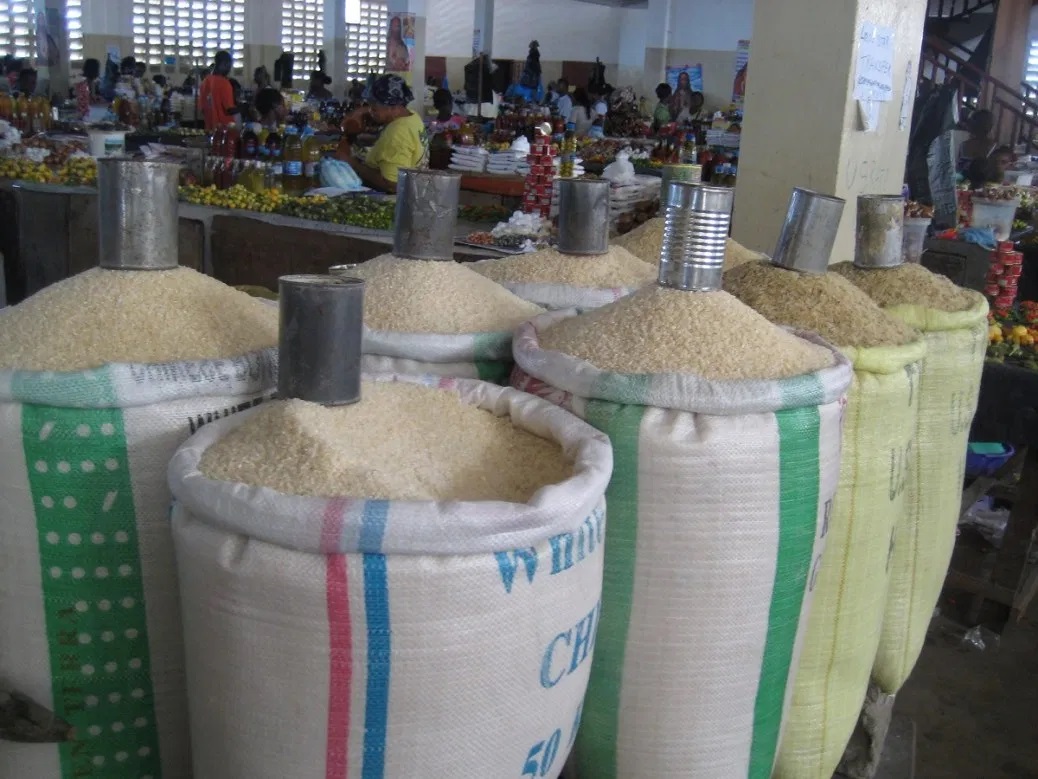
Over the past year, prices of staple foods, especially grains, have surged by over 100%. For instance, the price of rice rose by approximately 169%, peaking at nearly N90,000 per bag around March and April before dropping by nearly 20%.

Rice millers are struggling with an insufficient supply of rice for processing, and the proposed approval to import rice paddy could significantly boost the supply to markets, potentially reducing prices. Governor Babajide Sanwo-Olu of Lagos State previously highlighted the shortage of rice paddy at the Imota rice mill, which has hampered significant production. He indicated plans to request federal government approval for paddy rice importation to address this shortfall.

While the proposed importation plan aims to provide immediate relief from soaring food prices, it stands at odds with the President’s earlier vision of reducing dependency on food imports.

Government’s Inability to Tackle Insecurity in the North, Culpable

The Nigerian Federal Government’s struggle to address rampant insecurity in the northern regions has significantly contributed to the country’s escalating food crisis.

Insecurity in the northern states of Nigeria, driven by the activities of Boko Haram, bandits, and herdsmen conflicts, has severely disrupted agricultural production. These regions, traditionally known as the breadbasket of Nigeria, have witnessed a significant decline in food production.

Farmers have been forced to flee their homes and farmlands due to incessant attacks and kidnappings, resulting in mass displacement. This displacement has led to a sharp decline in farming activities, significantly reducing overall agricultural output. Abandoned farmlands, left uncultivated out of fear of attacks, have left vast areas of arable land unused. Additionally, these disruptions have severely impacted supply chains, exacerbating the crisis in the agricultural sector.

The combined effects of reduced agricultural production and disrupted supply chains have led to a notable increase in food prices and a heightened state of food insecurity. Key staple crops such as rice and maize have seen significant price hikes due to the shortage of locally produced goods. Insufficient domestic production resulted in high demand, thereby escalating food inflation.