DD
MM
YYYY

PAGES

DD
MM
YYYY

spot_img

PAGES

Home Blog Page 3426

German Bettina urges University to Weigh China ties in light of Espionage Allegations

0

The recent call by German Minister of Education and Research, Bettina Stark-Watzinger, for universities to reassess their collaborative projects with China in light of espionage allegations, has sparked a significant conversation about the balance between international cooperation and national security. The minister’s statement came after the arrest of three German citizens suspected of espionage, which has raised concerns about the potential vulnerabilities within academic and scientific exchanges.

The case highlights the complex nature of international relations and the need for vigilance in protecting sensitive information and technology. Universities, as centers of research and innovation, often engage in international collaborations to advance knowledge and technology. However, these partnerships can also pose risks if not carefully managed, especially when they involve countries with different political and legal frameworks.

The German government’s stance reflects a growing awareness of these risks, particularly in fields with potential military applications. The minister emphasized the importance of weighing the risks and benefits of cooperation more carefully, especially in science and universities. This includes reviewing existing cooperative relationships to ensure they align with national interests and security requirements.

The implications of this case extend beyond Germany, serving as a reminder to educational institutions worldwide to evaluate their international ties critically. It underscores the need for a strategic approach to international collaboration that safeguards intellectual property and sensitive information while fostering constructive global partnerships.

Recent developments have seen Polish Foreign Minister Radoslaw Sikorski expressing hope that Germany, under Chancellor Olaf Scholz’s leadership, will decide to supply Taurus cruise missiles to Ukraine. This comes in the wake of the Biden administration’s decision to provide Ukraine with long-range ATACMS missiles.

The call for Germany to step up its support for Ukraine is echoed by former UK Defense Secretary Ben Wallace, who has urged Chancellor Scholz to send Taurus cruise missiles to Kiev. The debate within Germany regarding this potential support is ongoing, with various political and public figures weighing in on the implications of such a move.

The provision of Taurus missiles by Germany would mark a significant shift in the country’s military support to Ukraine. Chancellor Scholz has been cautious, considering the potential risks of escalation and the broader consequences for the region and international stability. The decision is a complex one, balancing the urgent needs of Ukraine against the strategic considerations of NATO and its member states.

As the situation unfolds, the international community watches closely to see how Germany will respond to the calls for increased military support to Ukraine. The outcome of this decision could have far-reaching implications for the conflict in Ukraine and the future of European security.

The minister’s call to action is not just about reassessing current projects but also about setting a precedent for future international academic collaborations. It is a move towards a more cautious and informed engagement with international partners, ensuring that the pursuit of knowledge does not compromise a nation’s security.

As the global landscape evolves, the dialogue between international cooperation and national security will continue to be a critical issue for policymakers, educators, and researchers alike. The recent events in Germany serve as a catalyst for this important discussion, highlighting the need for a balanced approach that supports both the advancement of science and the protection of national interests.

Firms Not Investing Billions of Dollars in AI Can’t Compete Against Tesla – Elon Musk

0

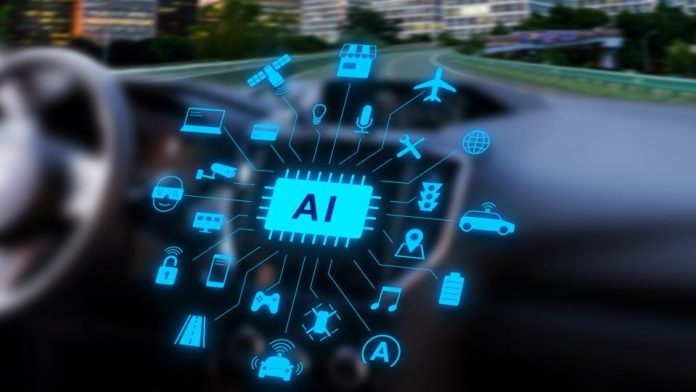
Tesla CEO Elon Musk has stated that companies failing to allocate billions of dollars towards AI investments this year will struggle to match Tesla’s competitive edge.

Musk made this declaration on his X handle in response to a tweet that disclosed that Tesla spent $1 billion on training computing in the first quarter (Q1) of 2024.

Musk wrote,

“Tesla will spend around $10B this year in combined training and inference AI, the latter being primarily in the car. Any company not spending at this level, and doing so efficiently, cannot compete.”

Recall that in January, Tesla disclosed in its annual report filing with the Securities and Exchange Commission (SEC) that the company expects to spend over $10 billion on next-gen vehicles, AI products, and other projects this year.

The EV giant is simultaneously ramping new products, building and expanding manufacturing facilities on three continents and is investing in autonomy and other artificial intelligence-enabled training and products.

In its recent first quarter (Q1) report, Tesla spent $1 billion on AI infrastructure. In a call during which the EV maker reported falling profits and negative cash flow, Tesla pointed to its AI investment as an opportunity for future growth.

Commenting on the report Musk said,

“Over the past few months, we’ve been actively working on expanding Tesla’s core Al infrastructure. For a while there, we were training constrained and so we’re making rapid progress. We have installed and commissioned, meaning they’re actually working – 35,000 H100 computers or GPUs. Roughly 35,000 H100s are active and we expect that to be probably 85,000 or thereabouts by the end of this year just for training”.

Tesla’s earnings report also disclosed that the company had increased its AI training compute by more than 130 percent in Q1. Musk suggested that at some undefined point in the future, Tesla cars could operate as Edge systems when they are not moving. “So kind of like AWS but distributed inference”, he said.

As artificial intelligence continues to gain more prominence, it is worth noting that AI has been rapidly transforming the automotive industry. When it comes to electric vehicles, the AI in EVs is bringing several benefits. Some of which include predictive maintenance, improved performance, safety features, enhanced user experience, and increased efficiency.

Notably, AI maker Nvidia said it is expanding its collaborations with BYD and other Chinese automakers that are racing to build self-driving vehicles and AI-augmented infotainment technology to compete in global markets.

BYD, which overtook Tesla last year as the world’s No. 1 electric vehicle manufacturer, will use Nvidia’s next generation of in-vehicle chips, called Drive. Recall that in January this year, the Chinese EV maker launched its AI-powered smart car system as the company seeks to better compete with rivals on advanced technologies such as automated parking.

BYD will also use Nvidia technology to streamline factories and its supply chain, as well as to develop virtual showrooms, Nvidia Vice President for Automotive Danny Shapiro said during a conference call.

Meanwhile, Tesla continues to trim workers, and now it has gotten to interns.

The bad news for Tesla workers keeps trickling in this week following a string of layoffs. The EV maker is now rescinding summer internship offers — just weeks before the interns were due to start work. The move comes as CEO Elon Musk looks to slash costs at the floundering company, though it’s unlikely to save Tesla much cash, Bloomberg says: Some online postings for the internships offer between $18 and $28 an hour, while others are unpaid. Tesla generally hires more than 3,000 students from around the world for internships each year, promising them “meaningful work from day one.”

Pantera Capital to raise over $1B for a new Crypto Fund Initiative

0

In the dynamic world of cryptocurrency investment, Pantera Capital is making headlines with its ambitious plan to raise over $1 billion for a new crypto fund. This move comes as a significant indicator of the firm’s confidence in the future of blockchain technology and digital assets.

Pantera Capital, a seasoned player in the crypto investment space with $5.2 billion under management, is gearing up for the launch of Pantera Fund V, slated for April 2025. The fund aims to offer investors a diversified portfolio across the spectrum of blockchain assets, including startup equity, early-stage tokens, liquid tokens, and more. This strategy reflects a holistic approach to crypto investment, catering to a range of investor appetites for risk and return.

The proposed fund, Pantera Fund V, represents a continuation of the firm’s commitment to the sector, despite the tumultuous events that have rocked the crypto world in recent years. The fund’s structure is designed to provide a comprehensive investment vehicle, a shift from Pantera’s previous funds, which had more specific investment focuses.

With a minimum investment threshold set at $1 million for qualified investors, and a requirement for limited partners to contribute at least $25 million, Pantera is targeting a mix of institutional and high-net-worth individuals who are looking to gain exposure to the burgeoning blockchain ecosystem.

The confidence to raise such a substantial amount reflects a broader recovery in the sector, which saw a downturn following a series of scandals and bankruptcies in 2022. However, the market rebound in 2023 and the continued innovation in the blockchain space have reignited interest among investors. Venture capital firms like Paradigm are also reportedly raising significant funds, signaling a resurgence of institutional capital flowing back into the crypto industry.

Morgan Stanley Explores New Horizons with BTC ETFs.

In a significant move that could reshape the landscape of cryptocurrency investments, Morgan Stanley is reportedly considering allowing its 15,000 brokers to solicit their customers to invest in Bitcoin ETFs. This development comes on the heels of the U.S. Securities and Exchange Commission’s approval of spot Bitcoin ETFs earlier this year, marking a pivotal moment for the integration of cryptocurrencies into mainstream financial services.

Morgan Stanley, a vanguard in the realm of alternative investments, has previously demonstrated its forward-thinking approach by being the first major U.S. bank to offer its wealthy clients access to Bitcoin funds in 2021. The bank’s exploration into Bitcoin ETFs signifies a continued commitment to providing a diverse range of investment opportunities to its clientele.

The potential move by Morgan Stanley could catalyze a substantial influx of capital into the cryptocurrency market, as ETFs offer investors a way to gain exposure to Bitcoin without the complexities of direct ownership. With a vast network of brokers, Morgan Stanley’s endorsement of Bitcoin ETFs could also signal to other financial institutions the growing acceptance and viability of cryptocurrency investments.

As the financial world watches closely, Morgan Stanley’s decision could herald a new era of investment strategies, where traditional financial products and digital assets converge. This initiative reflects the evolving nature of investment preferences and the increasing demand for innovative financial solutions that cater to a tech-savvy generation.

While the details of which specific Bitcoin ETFs Morgan Stanley might offer remain undisclosed, the move is indicative of the bank’s strategic positioning within the digital asset space. As the conversation around cryptocurrency continues to gain momentum, Morgan Stanley’s exploration into Bitcoin ETFs could be a game-changer for investors looking to diversify their portfolios in the digital age.

Pantera’s move is a testament to the enduring belief in the transformative potential of blockchain technology. As the industry continues to mature and evolve, the establishment of such large-scale funds is likely to become more common, providing the necessary capital to fuel the next wave of innovation in the digital asset space.

The announcement of Pantera Capital’s intent to raise over $1 billion for its new crypto fund is not just a statement of intent but a reflection of the growing maturity and resilience of the cryptocurrency market. It underscores the notion that despite past challenges, the sector continues to attract significant investment, driven by the promise of high returns and the revolutionary potential of blockchain technology.

Join The Biggest Bull run In History With These Green Coins: BDAG, XLM, XCH, HBAR, ADA

0

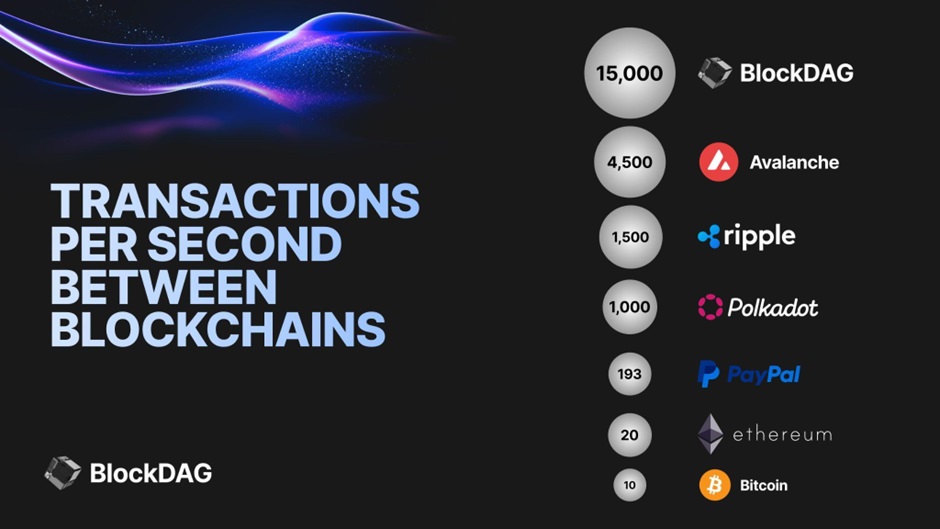
Green cryptocurrencies are making waves as sustainable investment avenues in the ever-evolving digital currencies. At the forefront is BlockDAG, acclaimed for its innovative technology and minimal ecological footprint, boasting a presale collection of over $21.7 million.

This overview highlights the top five green cryptocurrencies, including Stellar (XLM), Chia (XCH), Hedera (HBAR), and Cardano (ADA), each offering eco-friendly blockchain solutions that benefit investors while positively impacting the environment.

1. BlockDAG: Leading the Way in Eco-Friendly Cryptography

BlockDAG distinguishes itself with a low-energy Proof-of-Engagement (PoE) consensus mechanism that significantly reduces the ecological effects associated with traditional mining methods.

The combination of this innovative technique, a strong presale outcome of $21.7 million, and the sale of more than 8.3 billion coins establishes BlockDAG as a leader in green cryptocurrencies. Investors are attracted by the promise of robust returns and a smaller carbon footprint, making BDAG a preferred choice for those committed to responsible crypto investments.

2. Stellar (XLM): Setting a New Standard for Sustainable Digital Assets

Stellar shines with its Stellar Consensus Protocol (SCP), a power-saving alternative to the conventional PoW frameworks. Stellar is committed to ecological responsibility and incorporates green initiatives within its operational and partnership strategies. This commitment extends Stellar’s influence beyond the digital sphere, positioning it as a key contributor to sustainable financial solutions.

3. Chia (XCH): Pioneering with Proof of Space and Time

Chia presents an innovative “proof of space and time” consensus that leverages unutilized hard drive space, substantially reducing the energy needed for cryptocurrency mining.

Dedicated to sustainability, Chia promotes using renewable energy in its community, thereby establishing a new benchmark for eco-conscious blockchain activities and attracting investors keen on green technology.

4. Hedera (HBAR): Advancing Towards a Carbon-Negative Future

Hedera sets itself apart with its efficient hash graph consensus mechanism and a dedicated mission to achieve carbon negativity. Through initiatives such as the Crypto Climate Accord, Hedera reduces its carbon footprint and drives the wider cryptocurrency community towards adopting sustainable practices.

5. Cardano (ADA): Merging Technological Innovation with Environmental Awareness

Founded by a blockchain innovator, Cardano utilizes the energy-efficient Ouroboros Proof-of-Stake (PoS) protocol. Cardano’s commitment to sustainability is paralleled by its focus on technological advancement and academic research, appealing to eco-conscious investors and enthusiasts who support a more sustainable blockchain environment.

Investing in a Greener Future

As the digital currency market grows, these top five green cryptocurrencies offer a compelling combination of innovative technology, environmental care, and potential for substantial financial returns.

Led by BlockDAG, with its significant presale success and progressive technologies, investors can engage in an initiative that prioritizes economic and ecological well-being.

Join BlockDAG Now!

Website: https://blockdag.network

Presale: https://purchase.blockdag.network

Telegram: https://t.me/blockDAGnetworkOfficial

Discord: https://discord.gg/Q7BxghMVyu

The Rise of Smart Cities: Integrating Technology into Urban Planning

0

The urban population is growing every day. And with this growth, cities are facing more serious problems in resource management. Such as traffic, environmental pollution, and public utilities. To solve these problems, many cities around the world are adopting technology and becoming “smart cities”. These cities use advanced technological solutions. This allows them to become more efficient and improve the quality of life of residents. This article examines how technology is transforming urban areas.

Embracing the Internet of Things (IoT)

Creating Connected Cities

The technology of the Internet of Things is at the heart of the revolution in the field of “smart” cities. By embedding sensors and network capabilities into everyday facilities and infrastructure. Through this cities gain a new understanding of operations and resource management. These connected devices provide real-time data. Which helps urban planners and administrators make informed decisions. This applies to everything from air quality monitoring to waste management.

Examples of IoT in Action

In Barcelona, smart lighting systems adjust based on traffic patterns and pedestrian usage, significantly reducing energy costs. In Singapore, sensors manage water levels in public reservoirs, helping to prevent floods in monsoon seasons.

Revolutionizing Urban Entertainment through Smart Technologies

Enriching Cultural and Recreational Experiences

Smart technologies not only improve the functional aspects of urban life. They are also revolutionizing the entertainment industry. They make a significant contribution to the development of culture and leisure. This makes the leisure time of residents more accessible and enjoyable.

But now you don’t even have to leave the house to have fun. Smart cities offer a wide range of entertainment options. However, staying at home is sometimes much better. Thanks to the Internet and new technologies that are available to everyone anywhere in the world, you can play your favorite games and have fun online on Hellspin. This is a new technological entertainment platform that will immerse you in the experience of a real casino, even at home.

Interactive and Personalized Experiences

In many smart cities, cultural centers and museums use the Internet of Things and augmented reality (AR). Which allows you to provide an interactive experience for visitors. For example, AR applications can bring historical exhibits to life. It provides a more fun way to explore history and art. These technologies allow for individual tours. They are based on the interests and pace of the visitor, increasing the educational and entertainment value of cultural excursions.

Smart Traffic Management

Easing Urban Congestion

Intelligent traffic management systems use cameras, sensors, and data analysis tools. And all this is to optimize traffic flow and reduce congestion. These systems adjust traffic light signals based on real-time traffic data. This helps to reduce the waiting time at intersections. It also helps to reduce emissions of harmful substances into the atmosphere.

Impact on Commutes

Cities such as Los Angeles and Copenhagen have implemented advanced traffic monitoring systems. They synchronize the operation of traffic lights during peak hours. This allows you to improve traffic flow and reduce travel time.

Advanced Energy Management

Efficient Use of Resources

Smart cities are also revolutionizing energy management. They are introducing technologies that increase energy efficiency and reduce dependence on non-renewable sources. Smart technologies use data from installed devices to regulate the supply of electricity depending on demand. This reduces energy losses and increases the reliability of the system.

Renewable Energy Integration

Smart cities are also increasingly using renewable energy sources. For example, in San Diego, solar panels are installed on public buildings and street lights. This not only reduces energy costs but also reduces carbon dioxide emissions into the atmosphere.

Enhancing Quality of Life

Health and Environment

The integration of smart technologies significantly impacts public health and the environment. IoT applications that monitor air quality can provide residents with timely information about pollution levels. This is especially useful for people with respiratory diseases. In addition, intelligent waste management systems provide more efficient waste collection and recycling processes. Which makes cities cleaner and more livable.

Safety and Security

Smart cities enhance public safety. All thanks to the connected video surveillance cameras and emergency response systems. They can quickly direct emergency responders to where they are most needed. In Rio de Janeiro, the integrated command center uses sensors and cameras throughout the city. This allows for fast and efficient incident handling.

Challenges and Future Directions

Data Privacy and Security

Smart cities offer many advantages. But they also raise serious concerns about privacy and data security. Huge amounts of collected data can be compromised. That is why it is so important to ensure data protection. Cities must implement robust security measures to protect citizens’ information.

Technological and Financial Hurdles

The transition to a “smart city” is fraught with certain difficulties. The initial cost of implementing advanced technologies can be high. There is also a need for constant maintenance and updates. In addition, not all cities have the technological infrastructure or expertise. Which are necessary for the effective management of these advanced systems.

Conclusion: A Smart Future

The potential of smart cities to transform urban life is growing every day. Thanks to the integration of technologies such as the Internet of Things, intelligent transport systems, and efficient energy management. After all, cities can become more sustainable, economical, and attractive places to live. The key to success lies not only in the introduction of new technologies but also in ensuring their accessibility. The future of urban development is smart, based on innovation and the desire to improve the quality of life of people around the world.