DD
MM
YYYY

PAGES

DD
MM
YYYY

spot_img

PAGES

Home Blog Page 3446

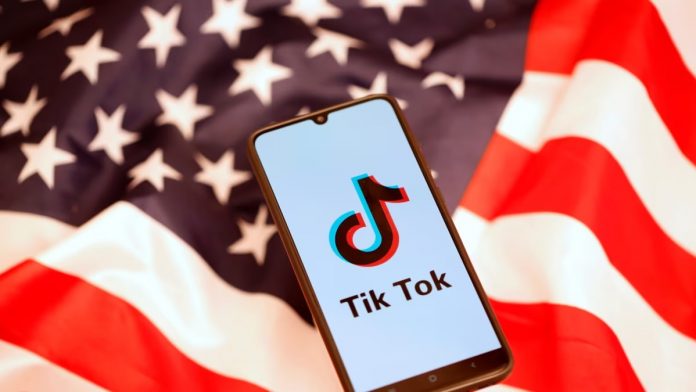
Biden Signs Into Law A Bill Requiring ByteDance to Sell TikTok

0

In a landmark decision with profound implications for the tech industry, the U.S. Senate has passed a bill mandating ByteDance, the parent company of popular social media platform TikTok, to divest its ownership within 270 days or risk losing access to the lucrative U.S. market.

The bill, christened the “Protecting Americans From Foreign Adversary Controlled Applications Act,” sailed through the Senate with a resounding 79-18 vote, reflecting bipartisan concern over potential national security risks posed by Chinese-owned technology companies operating within U.S. borders.

This legislative initiative, embedded within a larger appropriations bill aimed at providing aid to Ukraine, Israel, and Taiwan, has been signed into law by President Joe Biden, solidifying the government’s commitment to safeguarding critical infrastructure and sensitive data from foreign interference.

The bill classifies TikTok as a “foreign adversary controlled application,” effectively compelling ByteDance to initiate the sale of the platform to a non-Chinese entity within the prescribed timeframe. President Biden retains the prerogative to extend the divestiture deadline by up to 90 days if significant progress toward a sale is underway.

However, TikTok could retain its foothold in the U.S. market if the president determines that the divestiture would sufficiently mitigate concerns related to foreign control. The bill also extends its purview to cover other applications designated as being controlled by foreign adversaries, reflecting broader apprehensions regarding national security vulnerabilities inherent in the digital landscape.

In the event of ByteDance’s non-compliance with the divestiture mandate, the bill empowers U.S. authorities to implement punitive measures. This includes the expulsion of TikTok from U.S. app stores and restrictions on internet hosting services facilitating its distribution. Companies found in violation of these provisions would be subject to civil penalties, underscoring the government’s resolve to uphold regulatory integrity in the tech sector.

Senate Commerce Committee Chair Maria Cantwell explained that the legislation is not intended as punitive action against ByteDance or TikTok but rather as a proactive measure to counter potential threats posed by foreign adversaries. 

“Congress is acting to prevent foreign adversaries from conducting espionage, surveillance, malign operations, harming vulnerable Americans, our servicemen and women, and our U.S. government personnel,” she stated.

However, concerns have been raised regarding potential censorship implications, with Senator Ed Markey cautioning that the bill is “really just a TikTok ban,” highlighting the delicate balance between national security imperatives and individual freedoms. 

Similarly, Senator Ron Wyden expressed concern that the bill “provides broad authority that could be abused by a future administration to violate Americans’ First Amendment rights.”

Despite these reservations, both Senators Markey and Wyden ultimately voted in favor of the appropriations bill that includes the TikTok-inspired law.

In response to the legislation, ByteDance has announced its intention to challenge the law in court, asserting that it constitutes a violation of the First Amendment rights of TikTok’s 170 million American users. 

“This legislation is a clear violation of the First Amendment rights of TikTok’s 170 million American users,” remarked Michael Beckerman, TikTok’s public policy head in the U.S. “We’ll continue to fight… This is the beginning, not the end of this long process.”

In 2020, the embattled short-form video app received favorable rulings from courts, halting the implementation of executive orders issued by former President Donald Trump. US District Court Judge Wendy Beetlestone, in November 2020, issued an injunction that prevented the Commerce Department from prohibiting data hosting within the United States for TikTok, as well as content delivery services and other technical transactions. 

Beetlestone said in her ruling that the order would “have the effect of shutting down, within the United States, a platform for expressive activity used by approximately 700 million individuals globally. Over 100 million of these TikTok users are within the United States, and at least 50 million of these US users use the app on a daily basis.”

This marked a second victory for TikTok, following a previous ruling by District Judge Carl Nichols in September 2020, issued in Washington. In that ruling, a preliminary injunction was granted in a suit brought by TikTok’s parent company, ByteDance, preventing the US Commerce Department from compelling Apple and Google to cease the downloading of TikTok’s app from their respective app stores.

These rulings represented significant legal victories for TikTok in its ongoing legal battles against restrictions imposed by the US government. TikTok hopes that it will get a favorable judgment this time as well.

In a statement, the company expressed confidence in its legal stance, affirming that “we will ultimately prevail” in court and asserting that the company “has invested billions of dollars to keep U.S. data safe and our platform free from outside influence and manipulation.”

Russian Court Orders Seizure of JPMorgan Chase $439.5m – FT

0

In a dramatic escalation of the ongoing economic tensions between Russia and the United States, a Russian court has delivered a decisive blow to JPMorgan Chase, ordering the seizure of funds totaling a staggering $439.5 million, FT has reported. 

This ruling comes as a result of legal action initiated by VTB, a state-owned Russian lender, in an effort to reclaim funds ensnared under Washington’s sanctions regime. 

The implications of this ruling reverberate across international finance, shedding light on the intricate challenges faced by Western financial institutions amidst geopolitical strife, particularly in the aftermath of Russia’s invasion of Ukraine in February 2022.

Reports from the Financial Times indicate that the seizure order, now enshrined in the Russian court register, targets not only funds held in JPMorgan’s accounts but also shares in its Russian subsidiaries. These assets, originally frozen by Russian authorities in response to Western sanctions, have become the focal point of a contentious legal battle between two financial behemoths.

At the heart of the dispute lies $439 million in funds that VTB had maintained in a JPMorgan account in the United States. However, the imposition of sanctions by Washington on the Kremlin-controlled bank prompted JPMorgan to transfer these funds to a separate escrow account, effectively rendering them inaccessible to both VTB and JPMorgan under the stringent provisions of the US sanctions regime.

In a strategic countermove, VTB swiftly filed a lawsuit against JPMorgan, seeking to compel Russian authorities to freeze an equivalent amount of assets within Russian territory. 

The lawsuit, filed with urgency last week, alleges that JPMorgan, in its purported exit from Russia, seeks to abscond without compensating VTB for its substantial losses incurred as a result of the sanctions-induced financial quagmire.

Reacting to VTB’s legal salvo, JPMorgan mounted its own defense in a U.S. court, endeavoring to preempt the seizure of its assets by contesting the legitimacy of VTB’s claims. JPMorgan’s legal counsel argued vehemently that the bank lacked the means to retrieve VTB’s stranded funds, thereby underscoring the potential for significant losses should the Russian court’s ruling be enforced.

Despite the seismic implications of this legal showdown, both JPMorgan and VTB have maintained a stoic silence in the wake of the recent court ruling, refraining from offering any official commentary on the unfolding imbroglio.

The labyrinthine challenges encountered by JPMorgan and other Western banks in their quest to extricate themselves from the Russian market underscore the intricate complexities inherent in navigating geopolitically fraught terrain. Following public announcements noting their intent to shutter Russian operations, JPMorgan and other financial giants are confronted with a protracted exit process, with experts cautioning that disengagement could extend well beyond a year.

Moreover, the exit procedure mandates explicit approval from Russian President Vladimir Putin himself, a regulatory hurdle that has proven insurmountable for all but a select few banks. This regulatory bottleneck is compounded by Russia’s imposition of stringent restrictions on shareholders hailing from “unfriendly countries,” a classification that includes the United States, impeding the repatriation of dividends and further exacerbating the logistical challenges faced by Western financial institutions.

This recent legal skirmish between JPMorgan and VTB is emblematic of a broader pattern of entanglements besetting Western companies operating within Russia’s geopolitical orbit. 

Previous incidents, including the freezing of Goldman Sachs’ assets in response to litigation by state-owned bank Otkritie and the seizure of Volkswagen’s assets amidst legal wrangling with Gaz Group, serve as poignant reminders of the perils inherent in conducting business within the confines of geopolitical strife and regulatory uncertainty.

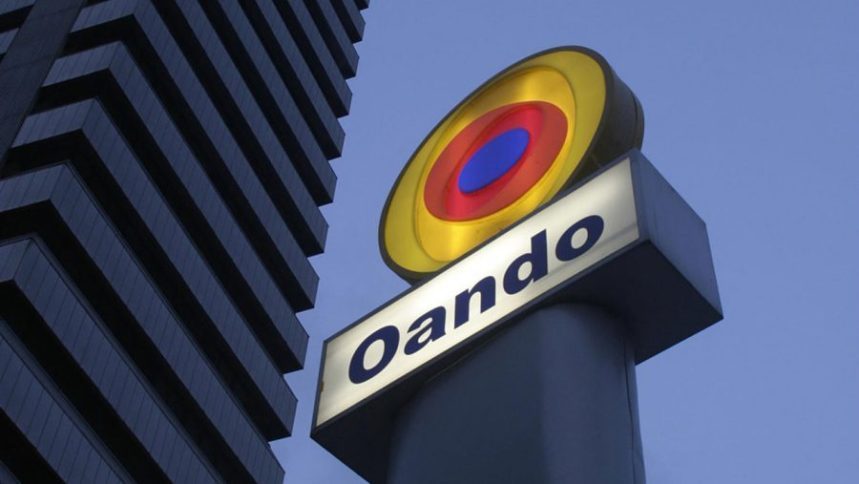
Oando Is Under Massive Financial Stress

0

The books opened and now we can see why Oando has not released its 2022 annual report. The report is very bad: the “Oil driller Oando requires at least N3 trillion to clear its debts and inject the rest of the cash into its operation to stand a chance of staying in business”, notes Premium Times.

“A material uncertainty, therefore, exists that may cast significant doubt on the company’s and group’s ability to continue as a going concern, thereby resulting in the company’s and group’s inability to realise the assets and settle the liabilities in the ordinary course of business at the amounts recorded in these consolidated and separate financial statements,” said Independent auditor BDO Professional Services.

It is scary as the business is now in a zombie state with liabilities larger than the assets. But for an oil drilling company in Nigeria, things can turn around fast. If we have a developed private equity, someone can just take this business private. But it all depends on how confident the shareholders are that the reports are indeed factual.

2024’s Top Crypto Presales: BlockDAG’s 30,000x ROI Leads, Followed by SLOTH, SPONGEV2, SMOG, and BTCMTX

0

The 2024 crypto presale arena is buzzing with promising opportunities. Leading the charge is BlockDAG (BDAG), having already crossed a staggering $20.2 million in presale so far. Not far behind, we see innovative projects like Slothana with multi-chain capabilities, Sponge V2 enhancing meme coin utility, Smog aiming for the “Greatest Airdrop in History,” and Bitcoin Minetrix revolutionising cloud mining. Each offers unique benefits, but BlockDAG’s combination of technological prowess and market excitement sets it apart as the top pick for investors.

  1. BlockDAG – Pioneering the Next Crypto Frontier with a $20.2M Presale

BlockDAG has rapidly become a frontrunner in the crypto presale arena, surpassing $20.2 million in a short time period. The project’s price has escalated from $0.001 to $0.006, with expectations to climb further in upcoming batches. Thanks to it’s successful initiatives like DAGpaper v2 release and the captivating keynote video, BlockDAG is not just promising but delivering, making it an excellent choice for those seeking long-term growth, as analysts predict 30,000x ROI and $20 value for BlockDAG by 2027.

  1. Slothana – Bridging Chains with The First Doge-Themed Meme Coin

Slothana’s Dogeverse introduces an intriguing concept of a multi-chain compatible meme coin, symbolized by Cosmo, the chain-hopping Doge. It aims to raise $17 million in its presale, offering accessibility across multiple blockchains for optimal transaction efficiency. This unique approach positions Slothana as a compelling choice for investors interested in versatility and innovation in the crypto space.

  1. Sponge V2 – Amplifying Meme Coin Utility with Innovative Staking

    Building on the explosive success of Sponge V1, Sponge V2 introduces a Stake-to-Bridge model that promises substantial returns and enhanced functionality. With a strong community base and strategic expansion plans, Sponge V2 is setting itself up as a major player in the meme coin market, aiming to replicate and surpass its predecessor’s performance.

  2. Smog – Aiming For ‘Greatest Airdrop’

Smog enters the market with a promise of the “Greatest Airdrop in History,” focusing heavily on marketing and community engagement. While its ambitious distribution strategy may raise eyebrows, its promises for significant early involvement makes Smog a notable entrant in this year’s list of top crypto presales, especially for those looking to join a growing community from the ground up.

  1. Bitcoin Minetrix – Revolutionizing Bitcoin Mining with Tokenized Access

Bitcoin Minetrix offers a unique take on Bitcoin mining by decentralizing the cloud mining process. Its low token supply and staged pricing increases create a sense of urgency among investors. As it stands, Bitcoin Minetrix provides a transparent and secure way to engage with cryptocurrency mining, appealing to those interested in passive income opportunities.

Why BlockDAG Dominates 2024’s Crypto Presale Landscape

As we review 2024’s top crypto presales, BlockDAG emerges distinctly ahead of the curve. Its technological advancements and massive presale success not only showcase its capability but also forecast its potential for an astonishing 30,000x ROI by 2027. For investors seeking a mix of innovation, stability, and explosive growth potential, BlockDAG represents the pinnacle of this year’s crypto investments, outshining contenders like Slothana, Sponge V2, Smog, and Bitcoin Minetrix.

Join BlockDAG Now!

Website: https://blockdag.network

Presale: https://purchase.blockdag.network

Telegram: https://t.me/blockDAGnetworkOfficial

Discord: https://discord.gg/Q7BxghMVy

Which Electronic Vehicle is the Lowest Cost Car to Maintain?

0

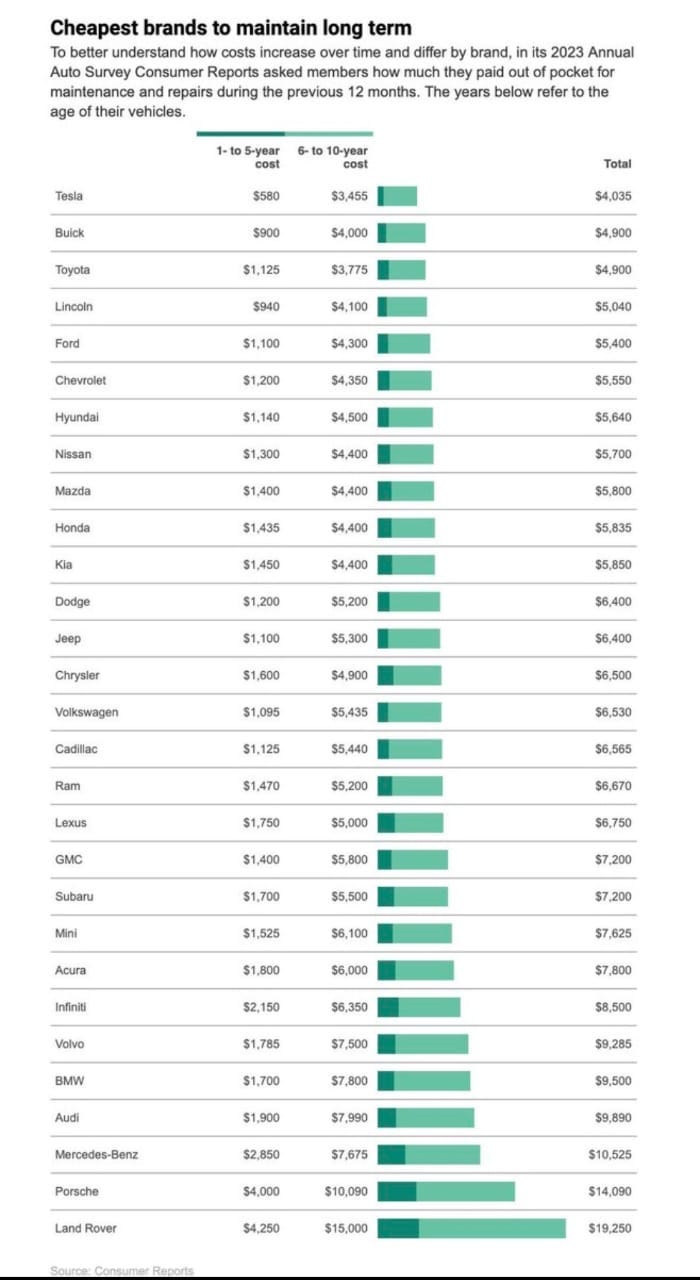
The claim that Tesla vehicles are the lowest cost cars to maintain has been a topic of discussion among consumers and industry experts alike. With the automotive landscape rapidly evolving, particularly with the advent of electric vehicles (EVs), maintenance costs have become a crucial factor for potential buyers.

Tesla, a leader in the electric vehicle market, has often been cited for its innovative approach to vehicle maintenance. Unlike traditional internal combustion engine vehicles, Tesla’s electric cars require no oil changes, fuel filters, spark plug replacements, or emission checks. These factors contribute to the lower routine maintenance needs of Tesla vehicles.

When it comes to maintenance, Tesla has taken a unique approach. The company recommends specific maintenance services on an “as-needed” basis, which means that instead of a fixed schedule, Tesla’s engineers continuously review, and update maintenance recommendations based on the vehicle’s condition and performance data. This can lead to cost savings over time, as unnecessary services are avoided.

Recent data suggests that the average annual repair cost for a Tesla is approximately $832, which is higher than the industry average of $652 across all brands. However, it’s essential to consider that Tesla’s maintenance schedule operates on an “as-needed” basis, as opposed to a fixed schedule. This means that Tesla engineers continuously review, and update maintenance recommendations based on the vehicle’s condition and performance data.

For instance, Tesla recommends cabin air filter replacements every two to three years, depending on the filter type, and tire rotations every 6,250 miles or when there is a significant tread depth difference. These recommendations are relatively standard across the industry.

When comparing long-term maintenance costs, a Tesla Model Y’s 100,000-mile maintenance estimate ranges from $8,250 for base trims to $15,000 for performance trims. In contrast, a Toyota Highlander had a 100,000-mile maintenance and repair cost of $14,029, while a Honda Accord came in at $7,684. These figures indicate that while Tesla’s maintenance costs are competitive, they are not necessarily the lowest in the industry.

It’s also worth noting that while the upfront maintenance costs for Tesla vehicles may be lower, some repairs can be expensive due to the specialized care required for electric vehicles. This is where third-party extended warranties can play a role in managing ownership costs, especially as the vehicle ages.

While Tesla vehicles do offer some advantages in terms of maintenance costs due to their electric nature, the claim that they are the lowest cost cars to maintain does not hold universally. Maintenance and repair costs can vary widely based on the model, usage, and individual circumstances. Prospective buyers should consider the total cost of ownership, including potential repairs, when making their decision.

Tesla’s maintenance costs are competitive within the EV market, but not necessarily the lowest. The company’s “as-needed” maintenance philosophy can lead to savings, but potential owners should be aware of the possibility of higher repair costs. As the EV market continues to expand and evolve, maintenance costs will likely become an even more critical factor for consumers. Keeping an eye on how Tesla and other EV brands adapt their maintenance strategies will be essential for those look1ing to make an informed decision on their next vehicle purchase.