DD
MM
YYYY

PAGES

DD
MM
YYYY

spot_img

PAGES

Home Blog Page 3446

Once Again, Multichoice Increases Subscription Fees for Nigerian Subscribers by over 20%

0

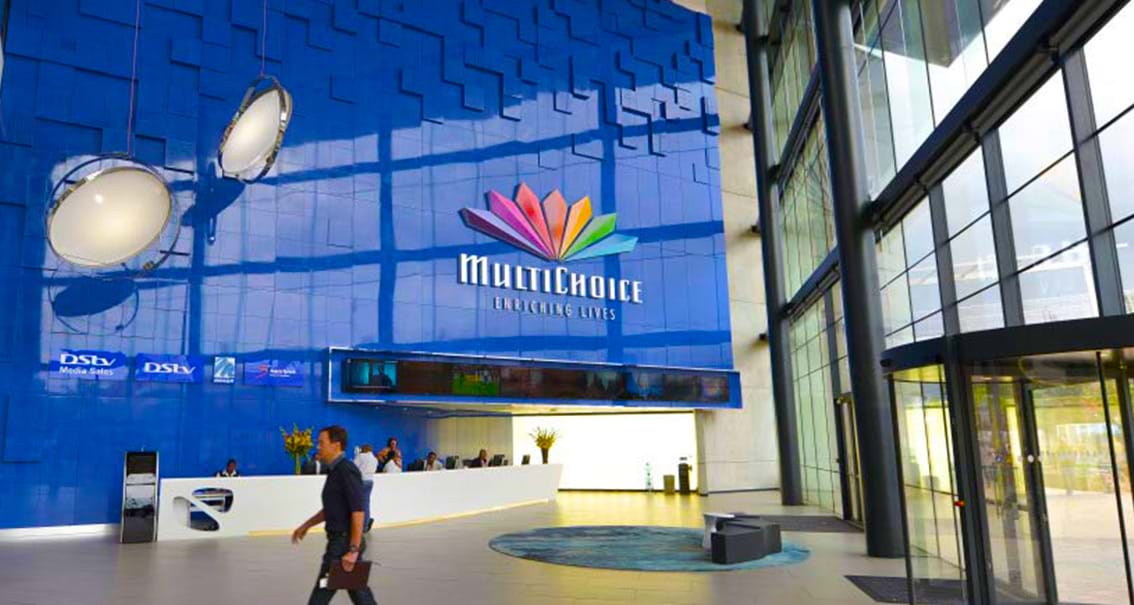
MultiChoice, the leading provider of satellite television services in Nigeria, has once again announced a significant increase in the prices of its DStv and GOtv packages, attributing the decision to ongoing economic challenges within the country. 

The latest price adjustments are set to take effect from May 1, marking the fourth consecutive hike in subscription fees within a relatively short timeframe.

In a message sent to subscribers on Wednesday, MultiChoice acknowledged the potential impact of these changes on its valued customers, signaling an awareness of the financial strain that such increases may impose. The company expressed empathy, stating, “We understand the impact this change may have on you – our valued customer.”

The updated price list revealed a notable 25% surge in subscription fees across all packages, underlining the magnitude of the adjustment. 

The DStv Premium package, the company’s flagship offering, will witness a substantial increase from N29,500 to N37,000, constituting a 20.27% surge. Similarly, the DStv Compact+ package will experience a price hike from N19,800 to N25,000, reflecting a 20.8% escalation, while the Compact package will rise from N12,500 to N15,700, representing a 20.38% increase.

The GOtv offerings are also subject to significant price adjustments, with the Supa+ package witnessing a surge from N12,500 to N15,700, a 20.38% increase. The Supa package will rise from N7,600 to N9,600, marking a 20.8% escalation, and the Max package will increase from N5,700 to N7,200, reflecting a 20.8% surge.

Moreover, MultiChoice’s previous price hike in December was also substantial, resulting in a 20% increase across various packages. This decision came shortly after the company reported a $72 million loss in its third-quarter financial statement, denoting the financial challenges faced by the entertainment firm.

MultiChoice has consistently attributed its pricing decisions to the prevailing economic conditions in Nigeria, which have been characterized by fluctuations in fuel prices and other essential commodities. These economic headwinds have, in turn, impacted the company’s operational costs, necessitating periodic adjustments to subscription fees.

The company’s track record of price hikes underscores the broader trend of rising costs for consumers amid economic uncertainty. Since March 2022, MultiChoice has implemented multiple price increases across its DStv and GOtv packages, with adjustments announced in April and December 2023, respectively.

Despite the company’s efforts to rationalize these price adjustments within the context of economic challenges, the successive hikes raise questions about affordability and access to essential entertainment services for Nigerian consumers. 

Nigerians seek alternatives

Following the announcement, Nigerian subscribers have taken to social media to register their displeasure, with many seeking alternatives to Multichoice. 

“Multichoice announces Price Adjustment on DStv and GOtv Packages with effect from 1st May 2024. So why the increment when naira is appreciating against dollar?”, An X user named Deji asked.

“Can we all agree to stop using DSTV?”, an X user named Dr. Sina asked. “I think we as Nigerians need to get to a point where we call out companies that aren’t empathic towards plight of Nigerians. DSTV keeps increasing their tariffs, despite providing less value on their channels. We need to take back power.”

DStv’s recent price adjustment seems unjustified. With TSTV no longer a competitive option, it’s time to explore alternatives like IPTV. The monopoly DStv holds is detrimental to consumers especially their refusal to pay per view. We need more options for fair pricing and better services,” another X user, James Agwu, said.

TikTok Will Likely Not Sell Its AI To Potential US Buyers

1

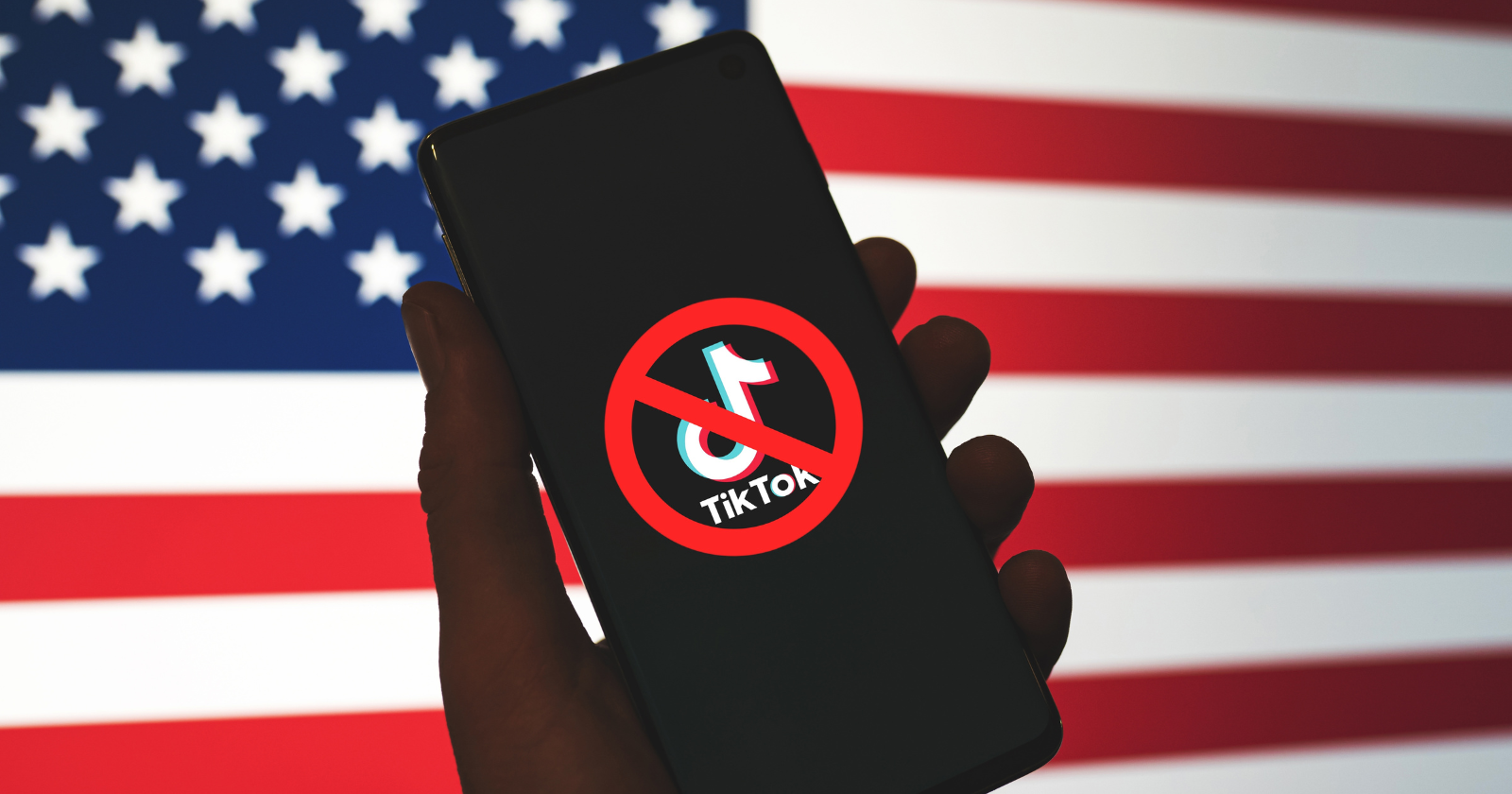
It is now the law of the land: TikTok must either be in the hands of the natives or exit America. Yes, “In a landmark decision with profound implications for the tech industry, the U.S. Senate has passed a bill mandating ByteDance, the parent company of popular social media platform TikTok, to divest its ownership within 270 days or risk losing access to the lucrative U.S. market…. This legislative initiative…has been signed into law by President Joe Biden.”

I posit that ByteDance, the owner of TikTok, will not sell, but after some legal challenges, will count its losses and exit the United States. Why? China will not allow it to ship the AI to the Americans – and without the AI, the ingredients of the soup which make TikTok amazing will not be complete. The worst-case scenario is to ship the users with the trademark while the AI code remains with the company in China. That will mark the valuation of TikTok down by more than 70%.

For companies like Temu, Shein and other Chinese online companies operating in the US this is the moment of truth! Geopolitics is now the risk vector.

We will see how China responds…Apple and Microsoft could be at the crosshairs here. But that will come after 270 days!

The bill classifies TikTok as a “foreign adversary controlled application,” effectively compelling ByteDance to initiate the sale of the platform to a non-Chinese entity within the prescribed timeframe. President Biden retains the prerogative to extend the divestiture deadline by up to 90 days if significant progress toward a sale is underway.

However, TikTok could retain its foothold in the U.S. market if the president determines that the divestiture would sufficiently mitigate concerns related to foreign control. The bill also extends its purview to cover other applications designated as being controlled by foreign adversaries, reflecting broader apprehensions regarding national security vulnerabilities inherent in the digital landscape.

BlockDAG Emerges As A Game Changer With 30,000x ROI, Outpacing Ethereum’s Market Influence

0

The world of cryptocurrency offers both immense challenges and significant rewards, as demonstrated by the substantial gains experienced by early Ethereum investors. Currently, BlockDAG emerges as the next big opportunity in this dynamic market. With its innovative hybrid DAG structure, Ethereum Virtual Machine compatibility, and accessibility through low-code platforms, BlockDAG has successfully raised over $20.1 million during its presale, now in batch 10. The potential for a 30,000x ROI, highlighted during its first keynote, alongside a recent moon-themed teaser for its second keynote, has significantly increased its popularity.

Ethereum: A Paradigm of Crypto Gains 

Ethereum has firmly established itself as more than just a digital currency— it is a pivotal platform for decentralized applications. One notable narrative involves a businessman who turned into a crypto whale by investing in Ethereum during its early days, significantly benefiting from its exponential growth. This transformation was driven by Ethereum’s unique capabilities for executing smart contracts and fostering decentralized finance, which have substantially increased its value and utility. Despite facing challenges like network congestion and high fees, Ethereum continues to evolve, aiming to enhance scalability and efficiency with its upcoming upgrades, including the transition to Ethereum 2.0.

BlockDAG: Pioneering Speed and Scalability with Potential for Immense ROI

BlockDAG stands out with a pioneering architecture that integrates the benefits of both blockchain and Directed Acyclic Graphs (DAG). This innovative approach addresses the blockchain trilemma by enhancing security, scalability, and decentralization. BlockDAG’s architecture allows for parallel transaction processing, significantly boosting its efficiency with a capacity for handling 10,000-15,000 transactions per second while maintaining low transaction costs. This technical prowess has not only enabled a successful $20.1 million presale but also set the stage for potentially achieving a staggering 30,000x ROI.

Moreover, BlockDAG’s compatibility with the Ethereum Virtual Machine enhances its appeal to developers looking to create or migrate decentralized applications. The platform supports a low-code/no-code environment, making it accessible for users with minimal coding experience and facilitating the easy creation of utility tokens, meme tokens, and NFTs. Users can leverage pre-built templates for customization and simplicity, ensuring that innovations are brought to life efficiently and effectively.

BlockDAG’s strategic marketing initiatives have also played a crucial role in boosting its profile. High-impact displays on the Las Vegas Sphere and Tokyo’s Shibuya Crossing, along with captivating keynote teasers, have significantly enhanced its market presence, attracting a broad audience of investors and developers.

Concluding Thoughts on BlockDAG’s Market Potential

While Ethereum has laid the groundwork for the broad adoption of cryptocurrencies, BlockDAG is poised to revolutionize the industry by overcoming traditional blockchain limitations through its advanced DAG-based structure. Currently in its tenth presale batch at an enticing price point of $0.006, BlockDAG offers not just an investment opportunity but a gateway to the future of blockchain technology. With growing excitement around its innovative moon-based teaser and the buzz surrounding its potential 30,000x ROI, BlockDAG is rapidly becoming a focal point in discussions about the future of digital currencies.


Join BlockDAG Presale Now:

Website: https://blockdag.network

Presale: https://purchase.blockdag.network

Telegram: https://t.me/blockDAGnetworkOfficial

Discord: https://discord.gg/Q7BxghMVyu

Biden Signs Into Law A Bill Requiring ByteDance to Sell TikTok

0

In a landmark decision with profound implications for the tech industry, the U.S. Senate has passed a bill mandating ByteDance, the parent company of popular social media platform TikTok, to divest its ownership within 270 days or risk losing access to the lucrative U.S. market.

The bill, christened the “Protecting Americans From Foreign Adversary Controlled Applications Act,” sailed through the Senate with a resounding 79-18 vote, reflecting bipartisan concern over potential national security risks posed by Chinese-owned technology companies operating within U.S. borders.

This legislative initiative, embedded within a larger appropriations bill aimed at providing aid to Ukraine, Israel, and Taiwan, has been signed into law by President Joe Biden, solidifying the government’s commitment to safeguarding critical infrastructure and sensitive data from foreign interference.

The bill classifies TikTok as a “foreign adversary controlled application,” effectively compelling ByteDance to initiate the sale of the platform to a non-Chinese entity within the prescribed timeframe. President Biden retains the prerogative to extend the divestiture deadline by up to 90 days if significant progress toward a sale is underway.

However, TikTok could retain its foothold in the U.S. market if the president determines that the divestiture would sufficiently mitigate concerns related to foreign control. The bill also extends its purview to cover other applications designated as being controlled by foreign adversaries, reflecting broader apprehensions regarding national security vulnerabilities inherent in the digital landscape.

In the event of ByteDance’s non-compliance with the divestiture mandate, the bill empowers U.S. authorities to implement punitive measures. This includes the expulsion of TikTok from U.S. app stores and restrictions on internet hosting services facilitating its distribution. Companies found in violation of these provisions would be subject to civil penalties, underscoring the government’s resolve to uphold regulatory integrity in the tech sector.

Senate Commerce Committee Chair Maria Cantwell explained that the legislation is not intended as punitive action against ByteDance or TikTok but rather as a proactive measure to counter potential threats posed by foreign adversaries. 

“Congress is acting to prevent foreign adversaries from conducting espionage, surveillance, malign operations, harming vulnerable Americans, our servicemen and women, and our U.S. government personnel,” she stated.

However, concerns have been raised regarding potential censorship implications, with Senator Ed Markey cautioning that the bill is “really just a TikTok ban,” highlighting the delicate balance between national security imperatives and individual freedoms. 

Similarly, Senator Ron Wyden expressed concern that the bill “provides broad authority that could be abused by a future administration to violate Americans’ First Amendment rights.”

Despite these reservations, both Senators Markey and Wyden ultimately voted in favor of the appropriations bill that includes the TikTok-inspired law.

In response to the legislation, ByteDance has announced its intention to challenge the law in court, asserting that it constitutes a violation of the First Amendment rights of TikTok’s 170 million American users. 

“This legislation is a clear violation of the First Amendment rights of TikTok’s 170 million American users,” remarked Michael Beckerman, TikTok’s public policy head in the U.S. “We’ll continue to fight… This is the beginning, not the end of this long process.”

In 2020, the embattled short-form video app received favorable rulings from courts, halting the implementation of executive orders issued by former President Donald Trump. US District Court Judge Wendy Beetlestone, in November 2020, issued an injunction that prevented the Commerce Department from prohibiting data hosting within the United States for TikTok, as well as content delivery services and other technical transactions. 

Beetlestone said in her ruling that the order would “have the effect of shutting down, within the United States, a platform for expressive activity used by approximately 700 million individuals globally. Over 100 million of these TikTok users are within the United States, and at least 50 million of these US users use the app on a daily basis.”

This marked a second victory for TikTok, following a previous ruling by District Judge Carl Nichols in September 2020, issued in Washington. In that ruling, a preliminary injunction was granted in a suit brought by TikTok’s parent company, ByteDance, preventing the US Commerce Department from compelling Apple and Google to cease the downloading of TikTok’s app from their respective app stores.

These rulings represented significant legal victories for TikTok in its ongoing legal battles against restrictions imposed by the US government. TikTok hopes that it will get a favorable judgment this time as well.

In a statement, the company expressed confidence in its legal stance, affirming that “we will ultimately prevail” in court and asserting that the company “has invested billions of dollars to keep U.S. data safe and our platform free from outside influence and manipulation.”

Russian Court Orders Seizure of JPMorgan Chase $439.5m – FT

0

In a dramatic escalation of the ongoing economic tensions between Russia and the United States, a Russian court has delivered a decisive blow to JPMorgan Chase, ordering the seizure of funds totaling a staggering $439.5 million, FT has reported. 

This ruling comes as a result of legal action initiated by VTB, a state-owned Russian lender, in an effort to reclaim funds ensnared under Washington’s sanctions regime. 

The implications of this ruling reverberate across international finance, shedding light on the intricate challenges faced by Western financial institutions amidst geopolitical strife, particularly in the aftermath of Russia’s invasion of Ukraine in February 2022.

Reports from the Financial Times indicate that the seizure order, now enshrined in the Russian court register, targets not only funds held in JPMorgan’s accounts but also shares in its Russian subsidiaries. These assets, originally frozen by Russian authorities in response to Western sanctions, have become the focal point of a contentious legal battle between two financial behemoths.

At the heart of the dispute lies $439 million in funds that VTB had maintained in a JPMorgan account in the United States. However, the imposition of sanctions by Washington on the Kremlin-controlled bank prompted JPMorgan to transfer these funds to a separate escrow account, effectively rendering them inaccessible to both VTB and JPMorgan under the stringent provisions of the US sanctions regime.

In a strategic countermove, VTB swiftly filed a lawsuit against JPMorgan, seeking to compel Russian authorities to freeze an equivalent amount of assets within Russian territory. 

The lawsuit, filed with urgency last week, alleges that JPMorgan, in its purported exit from Russia, seeks to abscond without compensating VTB for its substantial losses incurred as a result of the sanctions-induced financial quagmire.

Reacting to VTB’s legal salvo, JPMorgan mounted its own defense in a U.S. court, endeavoring to preempt the seizure of its assets by contesting the legitimacy of VTB’s claims. JPMorgan’s legal counsel argued vehemently that the bank lacked the means to retrieve VTB’s stranded funds, thereby underscoring the potential for significant losses should the Russian court’s ruling be enforced.

Despite the seismic implications of this legal showdown, both JPMorgan and VTB have maintained a stoic silence in the wake of the recent court ruling, refraining from offering any official commentary on the unfolding imbroglio.

The labyrinthine challenges encountered by JPMorgan and other Western banks in their quest to extricate themselves from the Russian market underscore the intricate complexities inherent in navigating geopolitically fraught terrain. Following public announcements noting their intent to shutter Russian operations, JPMorgan and other financial giants are confronted with a protracted exit process, with experts cautioning that disengagement could extend well beyond a year.

Moreover, the exit procedure mandates explicit approval from Russian President Vladimir Putin himself, a regulatory hurdle that has proven insurmountable for all but a select few banks. This regulatory bottleneck is compounded by Russia’s imposition of stringent restrictions on shareholders hailing from “unfriendly countries,” a classification that includes the United States, impeding the repatriation of dividends and further exacerbating the logistical challenges faced by Western financial institutions.

This recent legal skirmish between JPMorgan and VTB is emblematic of a broader pattern of entanglements besetting Western companies operating within Russia’s geopolitical orbit. 

Previous incidents, including the freezing of Goldman Sachs’ assets in response to litigation by state-owned bank Otkritie and the seizure of Volkswagen’s assets amidst legal wrangling with Gaz Group, serve as poignant reminders of the perils inherent in conducting business within the confines of geopolitical strife and regulatory uncertainty.