
DD
MM
YYYY

PAGES

DD
MM
YYYY

spot_img

PAGES

Home Blog Page 3450

Imagine if HTTP had been a tradeable token

0

Imagine if, in the early days of the internet, HTTP had been a tradeable token — everyone would have had fiercely held opinions about the technical nuance of things like file transfers, hypertext linking, and client-server architecture. How would that have changed the way we access and share information online? Would it have created a more decentralized and democratic web, or a more exclusive and elitist one?

HTTP, or Hypertext Transfer Protocol, is the standard protocol for communicating between web browsers and servers. It defines how requests and responses are formatted and transmitted over the internet. HTTP is not owned by anyone, but rather follows a set of specifications developed by the World Wide Web Consortium (W3C), an international organization that creates web standards.

But what if HTTP had been designed differently? What if, instead of being a free and open protocol, it had been a scarce and valuable resource that could be bought and sold on a market? What if each HTTP request and response had a price attached to it, determined by supply and demand? What if web users had to pay for every web page they visited, and web developers had to pay for every web page they hosted?

One possible way to implement this idea is to use blockchain technology, which is a system of distributed ledger that records transactions in a secure and transparent way. Blockchain technology is the basis of cryptocurrencies, such as Bitcoin and Ethereum, which are digital tokens that can be exchanged for goods and services online. Blockchain technology can also be used to create smart contracts, which are self-executing agreements that enforce certain rules and conditions.

In this scenario, HTTP could be a tradeable token that runs on a blockchain network. Each HTTP token could represent a unit of bandwidth or data transfer and could be used to pay for web services. Web users would need to buy HTTP tokens from an exchange or a peer-to-peer network and use them to access web pages.

Web developers would need to buy HTTP tokens to host their web pages on servers and could earn HTTP tokens from their visitors. The price of HTTP tokens would fluctuate according to the supply and demand of web traffic.

What would be the advantages and disadvantages of such a system? Here are some possible pros and cons:

Pros:

It could incentivize web users to be more selective and efficient in their web browsing habits, reducing unnecessary or wasteful web traffic. It could incentivize web developers to create more high-quality and valuable web content, increasing the overall utility and diversity of the web. It could create a more competitive and innovative web market, where web services are priced according to their value and performance.

It could enable web users and developers to have more control and ownership over their web data and activities, enhancing their privacy and security.

Cons:

It could create a high barrier to entry for web users and developers, especially for those who cannot afford or access HTTP tokens. It could create a digital divide between those who have access to the web and those who do not, exacerbating social and economic inequalities. It could create a more fragmented and isolated web, where different web communities use different protocols or platforms that are incompatible or inaccessible to each other. It could create a more volatile and unpredictable web market, where web services are subject to price fluctuations and market manipulations.

Of course, these are just some speculative thoughts based on a hypothetical scenario. There is no guarantee that HTTP as a tradeable token would have these effects, or that it would even be feasible or desirable in reality. However, it is an interesting exercise to imagine how different the web could have been if one of its fundamental components had been designed differently.

Perhaps it can also inspire us to think about how we can improve the current state of the web, or how we can create alternative models of the web that are more aligned with our values and goals.
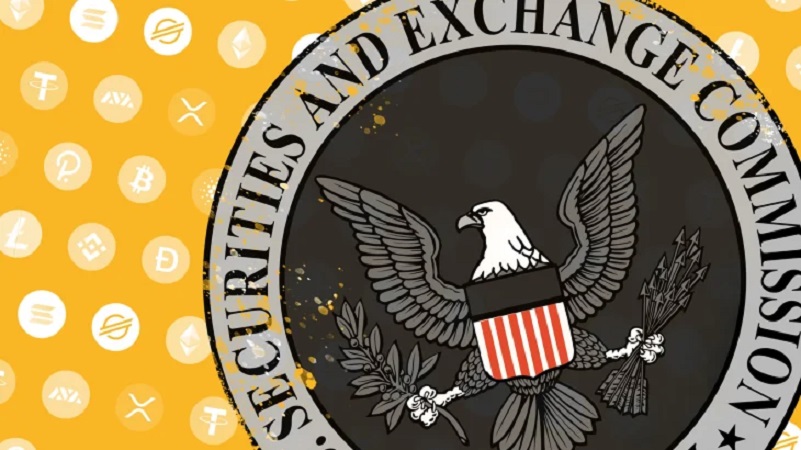
SEC’s fake bitcoin ETF approval tweet caused around $90M worth of liquidations

0

A recent incident of market manipulation has shaken the crypto community and caused significant losses for many traders. On January 9th, 2024, a tweet from a fake account claiming to be the U.S. Securities and Exchange Commission (SEC) announced that the agency had approved the first bitcoin exchange-traded fund (ETF). The tweet, which used the official SEC logo and handle, looked convincing enough to fool many investors who were eagerly awaiting such a decision.

The fake tweet triggered a sudden surge in the price of bitcoin, which jumped from around $50,000 to over $55,000 in a matter of minutes. However, the rally was short-lived, as the SEC quickly issued a statement denying the tweet and confirming that no bitcoin ETF had been approved. The price of bitcoin then plummeted back to its previous levels, leaving many traders who had bought or sold on the fake news in a precarious position.

According to data from Bybt, a crypto derivatives analytics platform, the fake tweet caused around $90 million worth of liquidations across various exchanges. Liquidations occur when traders who use leverage (borrowed funds) to amplify their positions are forced to close them at a loss when the market moves against them. The majority of the liquidations were long positions (bets that the price of bitcoin would go up), which accounted for about $75 million of the total.

The fake tweet was a clear example of how social media can be used to manipulate the crypto market, which is still largely unregulated and vulnerable to misinformation. The incident also highlighted the need for investors to exercise caution and due diligence when relying on online sources for investment decisions. The SEC has repeatedly warned about the risks of investing in crypto assets and has urged investors to verify any information they receive from third-party sources.

The crypto community has reacted with outrage and disbelief to the fake tweet, which some have called a “dirty trick” and a “scam”. Many have also expressed frustration with the SEC for delaying the approval of a bitcoin ETF, which they believe would bring more legitimacy and stability to the crypto market. The SEC has been reviewing several applications for a bitcoin ETF for years but has not yet given a green light to any of them. The agency has cited concerns about market manipulation, fraud, custody, and investor protection as reasons for its hesitation.

The fake tweet incident is not the first time that the crypto market has been affected by false or misleading information. In 2017, a hoax report that China had banned bitcoin caused a sharp drop in the price of the cryptocurrency. In 2018, a fake email claiming that Walmart had partnered with Litecoin caused a brief spike in the price of the altcoin. In 2020, a fake press release that Tesla had bought $1.5 billion worth of bitcoin caused a massive rally in the price of the cryptocurrency.

These incidents show that the crypto market is still highly volatile and susceptible to external influences. Investors should be aware of these risks and do their own research before making any trading decisions. They should also use reputable sources and platforms that have proper security and verification measures in place. As the crypto market matures and becomes more regulated, it is hoped that such incidents of market manipulation will become less frequent and less impactful.

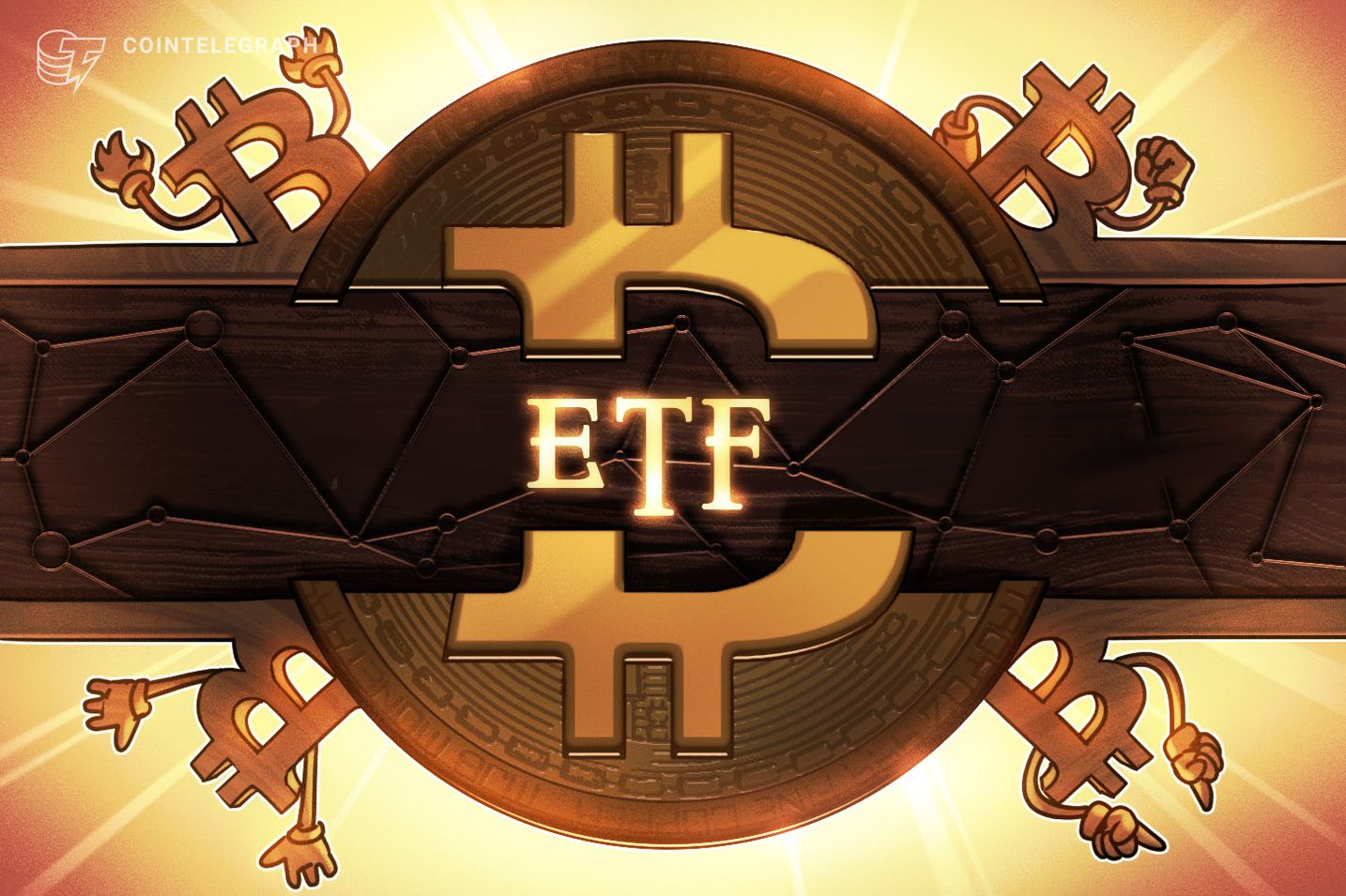
SEC approved Spot Bitcoin ETFs Begin Trading in US

0

The US Securities and Exchange Commission (SEC) has finally given the green light to the first spot bitcoin exchange-traded funds (ETFs) in a historic move that could pave the way for more mainstream adoption of the cryptocurrency.

Spot bitcoin ETFs are different from the futures-based ones that the SEC has already approved, as they track the actual price of bitcoin rather than contracts that bet on its future value. This means that investors can buy and sell shares of the ETFs that represent direct ownership of bitcoin, rather than having to deal with the complexities and risks of futures contracts.

The SEC’s approval of spot bitcoin ETFs is a major milestone for the crypto industry, as it signals that the regulator recognizes the legitimacy and potential of bitcoin as an asset class. It also opens up new opportunities for retail and institutional investors who want to gain exposure to bitcoin without having to buy and store it themselves.

However, investing in spot bitcoin ETFs is not without challenges and risks. The SEC has warned that the ETFs will be subject to “unique and heightened risks” due to the volatility, fraud, cyberattacks, and operational issues that affect the crypto market. Investors should also be aware of the fees, taxes, and regulatory uncertainties that may affect their returns.

Therefore, before investing in spot bitcoin ETFs, investors should do their own research and due diligence, and understand the benefits and drawbacks of this new investment vehicle. Spot bitcoin ETFs are not for everyone, but they are a significant step forward for the crypto space and its integration with the traditional financial system.

This is a historic milestone for the crypto industry, as it opens the door for more institutional and retail investors to gain exposure to Bitcoin without having to deal with the technical and regulatory challenges of buying and storing the cryptocurrency. It also signals a shift in the SEC’s attitude towards crypto assets, which have been viewed with skepticism and caution by the regulator for a long time.

However, some analysts and experts warn that the approval of a spot Bitcoin ETF does not necessarily mean that Bitcoin’s price will skyrocket as a result. In fact, they argue that the impact of the ETF on Bitcoin’s price movements may be limited or even negative in the short term.

Here are some of the reasons why a spot Bitcoin ETF approval doesn’t mean much on BTC price movements:

The ETF may create selling pressure on Bitcoin. Unlike futures-based ETFs, which do not require physical delivery of Bitcoin, spot ETFs need to buy and hold Bitcoin in order to track its price. This means that every time someone buys shares of the ETF, the fund manager has to buy an equivalent amount of Bitcoin from the market.

Conversely, every time someone sells shares of the ETF, the fund manager has to sell an equivalent amount of Bitcoin. This creates a constant flow of buying and selling pressure on Bitcoin, which may affect its price depending on the demand and supply dynamics.

The ETF may increase volatility and correlation with other assets. Spot ETFs are subject to market fluctuations and arbitrage opportunities, which may increase the volatility and correlation of Bitcoin with other assets. For example, if the ETF trades at a premium or discount to the underlying Bitcoin price, arbitrageurs may exploit this difference by buying or selling Bitcoin and the ETF simultaneously, creating price swings and convergence.

Moreover, if the ETF attracts more investors from traditional markets, such as stock or bond investors, it may increase the correlation of Bitcoin with these markets, reducing its diversification benefits and making it more susceptible to external shocks.

The ETF may not attract as much demand as expected. While many crypto enthusiasts have been eagerly awaiting the approval of a spot Bitcoin ETF, it is not clear how much demand there will be for such a product from mainstream investors. Some of the potential barriers to adoption include:

High fees. The ProShares Bitcoin Strategy ETF charges an annual expense ratio of 0.95%, which is significantly higher than most traditional ETFs, which charge around 0.1% or less. This means that investors will have to pay more to access Bitcoin through the ETF than through other means, such as buying it directly or through a trust or fund.

Tax implications. The ProShares Bitcoin Strategy ETF is structured as a grantor trust, which means that investors will be taxed as if they owned Bitcoin directly, rather than as if they owned shares of a fund. This means that they will have to report their gains and losses on their tax returns every year, even if they do not sell their shares. They will also have to pay capital gains tax at their ordinary income tax rate, rather than at the lower long-term capital gains rate, if they hold their shares for less than a year.

Regulatory uncertainty. Despite the approval of a spot Bitcoin ETF, there are still many unresolved regulatory issues surrounding crypto assets in the U.S., such as their legal status, classification, custody, reporting, compliance, and enforcement. These issues may deter some investors from entering the crypto space or expose them to legal risks and liabilities.

While the approval of a spot Bitcoin ETF is a positive development for the crypto industry and a recognition of its legitimacy and maturity by the SEC, it does not necessarily mean that Bitcoin’s price will soar as a result. There are many factors that may limit or counteract the impact of the ETF on BTC price movements, such as selling pressure, volatility, correlation, fees, taxes, and regulation. Therefore, investors should be cautious and realistic about their expectations and do their own research before investing in any crypto product.

Spot bitcoin ETFs begin trading – LinkedIn News

Trading in exchange-traded funds that hold bitcoin began Thursday after the Securities and Exchange Commission officially approved them in a landmark move that pushes crypto more into the mainstream. The ETFs rose in early trading and bitcoin climbed above $49,000 for the first time since December 2021. The SEC approval Wednesday came after the agency said Tuesday that an earlier announcement indicating that ETFs were approved was false and that its official X account had been “compromised” to make the inaccurate claim.

  • The new ETF products allow direct exposure to bitcoin without holding the digital currency. Bitcoins — not bitcoin futures contracts — are the underlying asset of a spot ETF.
  • The agency gave all 11 applications filed by asset managers, including BlackRock, Grayscale and Fidelity, the green light Wednesday.
  • Both BlackRock and Ark cut fees as they jockeyed for investors ahead of the decision.

Thank You Google For Your Invitation!

0

Done here – got a great applause on a 3-hour presentation with Q/A. Thank you Google for inviting this Ovim village boy; may you experience more growth. Thank you.

The Wise Message from Union Bank As New Management Takes Over

0

As a long-term customer of Union Bank, the bank just demonstrated why it has been in business for 106 years! Yes, customers should not panic even though the Board has been dissolved and new management tasked to run the commercial lender.

Good People, one thing Nigeria does not need now is a bank run. And from all indications, there is no reason to panic as depositors, even though investors in the bank will likely have a bad Christmas or Sallah in 2024 when all the dust has settled.

Union knows how to write great lines: “to ensure a stable and effective banking sector”, your board was fired and management replaced. Do not mess with Nigerian regulators! Wisdom 2.0 there.

With the suspension of board and management of 3 banks, watch how Nigeria stock exchange reacts tomorrow