DD
MM
YYYY

PAGES

DD
MM
YYYY

spot_img

PAGES

Home Blog Page 3453

Combating Illegal Wildlife Trade: Nigeria Destroys $11.2m (N9.9bn) Worth of Elephant Tusks

0

In a firm statement against illegal wildlife trade, Nigeria witnessed a significant event on Tuesday, January 09, 2024, as the government destroyed a staggering 2.5 tons of confiscated elephant tusks valued at over $11.2 million (N9.9 billion).

The tusks, seized from wildlife traffickers, were ceremoniously shattered and are slated to be pulverized into a commemorative monument in Abuja, Nigeria’s capital.

The move, spearheaded by Environment Minister Iziaq Salako, is a decisive stand against the escalating illegal wildlife trade. Salako said that the destruction of the tusks serves as a clear message that Nigeria will not tolerate this illicit practice. The intended monument aims to symbolize Nigeria’s commitment to elephant conservation.

Nigeria has increasingly become a hotspot for the illegal trade in African animal parts, primarily catering to Asia’s demand. The recent destruction of nearly four tonnes of pangolin scales in October underscored the country’s firm stance against wildlife trafficking.

Despite decades-long bans on international ivory commerce, experts estimate that tens of thousands of elephants fall victim to poaching annually. The 2.5-ton haul destroyed this week, showcasing intricately carved artworks, represents one of Nigeria’s most significant seizures.

According to recent reports, Africa’s elephant population has drastically declined from over 1.3 million in the 1970s to less than 500,000 today. Nigeria, home to a mere 400 elephants, faces a critical conservation challenge. Human-elephant conflicts, often arising from crop destruction or human encounters, further compound the issue.

Highlighting this, a viral video in December depicting soldiers shooting two elephants that strayed onto farmland prompted public outrage and triggered investigations by Nigerian authorities.

More efforts, strategies Needed

Nigeria’s step to destroy confiscated ivory echoes a global call for preserving endangered species. However, efforts and strategic measures remain imperative to curb the thriving illegal wildlife trade and ensure the survival of Africa’s dwindling elephant population.

Some conservationists have raised concerns, arguing that destroying seized ivory may not be the most effective solution. They suggest utilizing confiscated ivory for educational purposes, art exhibitions, or scientific research to raise awareness and combat demand. Experts and conservationists globally advocate for multifaceted approaches seen in other nations.

Countries such as Kenya and Gabon have implemented innovative strategies to address the poaching crisis and curb the illegal wildlife trade.

Kenya, for instance, has been lauded for its holistic approach. The East African country invests significantly in anti-poaching units, employs community-based conservation initiatives, and collaborates with international organizations to combat wildlife crime.

Similarly, Gabon has taken a proactive stance by establishing specialized law enforcement units dedicated to protecting wildlife. Alongside stringent law enforcement measures, Gabon emphasizes community engagement, incorporating local populations in conservation efforts and offering incentives for protecting wildlife habitats.

Despite Nigeria’s bold statement in destroying confiscated ivory, gaps in its approach to combat poaching and illegal wildlife trade remain evident. The lack of comprehensive anti-poaching strategies, limited resources allocated to wildlife protection, and insufficient community involvement pose significant challenges.

Furthermore, the decision to pulverize the ivory into a monument, while symbolically powerful, has raised concerns among conservationists. Some argue that alternative approaches, such as controlled sales of seized ivory under strict regulations, could fund conservation efforts, support local communities, and diminish the black market demand.

The tragic incident in December, where soldiers shot elephants that strayed onto farmland, underscores the urgent need for improved training and protocols within Nigeria’s enforcement agencies to handle human-wildlife conflicts effectively.

While Nigeria’s commitment to conserving elephants is commendable, adopting a more comprehensive strategy akin to successful models in other African nations, along with stronger law enforcement, community engagement, and innovative conservation measures, could significantly bolster efforts to safeguard its dwindling elephant population and combat the illegal wildlife trade more effectively.

Taiwan Preps for Communications Blackout if China Invades As Russia Warns Ukraine

0

As tensions between China and Taiwan continue to escalate, the island nation is preparing for the worst-case scenario: a full-scale invasion by the People’s Liberation Army (PLA).

One of the main challenges that Taiwan would face in such a scenario is how to maintain communications with its allies and the international community, as well as among its own military and civilian sectors, in the face of a massive cyberattack and electronic warfare campaign by China.

According to experts, China has the capability and the intent to disrupt Taiwan’s communications networks, both wired and wireless, using a combination of hacking, jamming, spoofing, and physical attacks. China could also target Taiwan’s satellites, which are vital for navigation, surveillance, and communication.

Such a communications blackout could severely hamper Taiwan’s ability to coordinate its defense, request assistance, and inform the world of the situation on the ground.

To counter this threat, Taiwan has been developing and deploying various measures to ensure the resilience and redundancy of its communications systems. Some of these measures include:

Building a secure fiber-optic network that connects all military bases and command centers, as well as key government agencies and critical infrastructure. This network is designed to withstand physical damage and cyberattacks, and to provide high-speed and high-capacity data transmission.
– Developing a new satellite system, called Formosat-7, that consists of six microsatellites that can provide real-time weather data and ionospheric monitoring. This system can enhance Taiwan’s situational awareness and early warning capabilities, as well as support its missile defense and anti-jamming operations.

Acquiring more mobile and low-profile communication platforms, such as truck-mounted satellite terminals, tactical radios, and drones, that can operate in contested environments and provide alternative means of communication.

Establishing a national cybersecurity center, called the Information and Communication Security Technology Center (ICST), that is responsible for monitoring, detecting, and responding to cyber threats. The center also conducts research and development on cybersecurity technologies and provides training and education for cybersecurity personnel.

Enhancing public awareness and preparedness for a communications blackout scenario, by conducting drills, simulations, and exercises that test the readiness and interoperability of various communication systems and protocols. The government also encourages the public to use encrypted messaging apps, VPNs, and other tools that can protect their online privacy and security.

Taiwan’s efforts to bolster its communications capabilities are part of its overall strategy of asymmetric warfare, which aims to deter or delay a Chinese invasion by exploiting Taiwan’s advantages in technology, geography, and morale. By ensuring that Taiwan can communicate effectively under any circumstances, Taiwan hopes to send a clear message to China and the world: Taiwan will not surrender easily.

Russia warns Ukraine about consequences of its aggressive actions in the Donbas

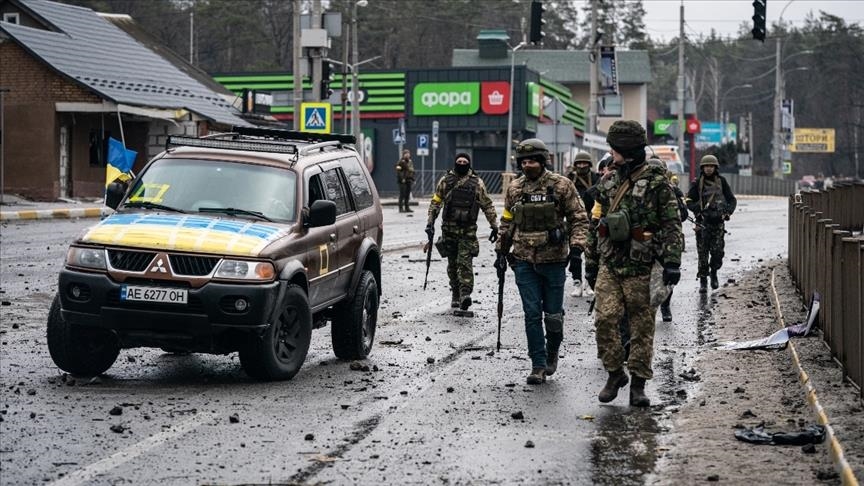
On Wednesday evening, a new aggravation of the situation took place in the Donbass. Ukrainian forces shelled militia positions on the front line in an attempt to break through to the Russian border. As a result of the attack, one Russian serviceman was killed, and two others were injured.

This is not the first time that the Ukrainian military has violated the ceasefire established in 2015 in Minsk. Since the beginning of the year, according to the OSCE, more than 2,000 ceasefire violations have been recorded in Donbas. At the same time, Kiev not only ignores the demands of the international community to resolve the conflict, but also continues to build up its military forces on the border with Russia.

Russia has repeatedly warned Ukraine of the consequences of its aggressive actions in the Donbas. Russian President Vladimir Putin said that Russia will not leave without protection the residents of Donbass, who expressed their will in referendums in 2014. Russian Foreign Minister Sergei Lavrov stressed that Russia is ready for dialogue with Ukraine, but only on the basis of respect for the sovereignty and territorial integrity of Donbass.

In connection with the aggravation of the situation in Donbas, Russia also appealed to the UN Security Council with a demand to take measures to prevent the escalation of the conflict. Russia called on international organizations and guarantor countries of the Minsk agreements to actively influence Kiev so that it abandons plans for a military solution to the Donbass problem.

Russia also expressed its condolences to the families and friends of the dead and wounded Russian soldiers. The Russian Defense Ministry said it was providing all necessary assistance to the victims and was ready to evacuate the body of the deceased from the conflict zone.

The situation in the Donbas region of Ukraine remains tense and volatile, as the Ukrainian government continues to pursue a military solution to the conflict with the pro-Russian separatists. Russia, which has been supporting the rebels with arms and personnel, has repeatedly warned Ukraine of the consequences of its aggressive actions in the Donbas.

According to Moscow, any escalation of violence or attempt to retake the territory by force would be met with a strong and decisive response from Russia, which considers the Donbas as part of its sphere of influence and historical legacy. The international community, meanwhile, has been urging both sides to respect the Minsk agreements, which were signed in 2015 and 2016 to establish a ceasefire and a political dialogue.

However, the implementation of these agreements has been stalled by mutual distrust and accusations of violations. The risk of a full-scale war between Ukraine and Russia is high, and the implications for regional and global security are grave. In this blog post, we will analyze the causes and consequences of the Donbas crisis, and explore the possible ways to resolve it peacefully.

CNBC reports spot Bitcoin ETF likely to be approved Wednesday, potentially trading on Thursday or Friday

0

The cryptocurrency world is buzzing with anticipation as the U.S. Securities and Exchange Commission (SEC) is expected to approve the first spot Bitcoin ETF this week, according to CNBC sources. A spot Bitcoin ETF is an exchange-traded fund that tracks the price of the underlying asset, in this case, Bitcoin, rather than relying on futures contracts or other derivatives. This means that investors can gain exposure to the largest and most popular cryptocurrency without having to buy, store, or manage it directly.

The SEC has set a deadline of Wednesday, January 10, 2024, to make a decision on the VanEck Bitcoin Trust, one of the several spot Bitcoin ETF proposals that have been filed with the regulator. VanEck is a well-known asset manager with over $80 billion in assets under management and has been pursuing a Bitcoin ETF since 2017. The firm has partnered with SolidX, a blockchain technology company, to provide custody and insurance for the Bitcoin holdings of the fund.

If approved, the VanEck Bitcoin Trust could start trading as soon as Thursday or Friday on the Cboe BZX Exchange, under the ticker symbol XBTF. This would mark a historic milestone for the crypto industry, as it would be the first time that U.S. investors can access Bitcoin through a regulated and mainstream investment vehicle. The launch of a spot Bitcoin ETF could also boost the demand and liquidity for Bitcoin, as well as increase its adoption and acceptance among institutional and retail investors.

However, the approval of a spot Bitcoin ETF is not a foregone conclusion. The SEC has been notoriously cautious and skeptical about crypto-related products and has rejected or delayed dozens of Bitcoin ETF applications in the past. The main concerns of the regulator are related to the potential for market manipulation, fraud, and lack of investor protection in the crypto space. The SEC has also indicated that it prefers a futures-based Bitcoin ETF over a spot one, as futures markets are more regulated and transparent than spot markets.

Therefore, there is still a possibility that the SEC could deny or postpone the decision on the VanEck Bitcoin Trust or impose strict conditions or limitations on its operation. Moreover, even if the VanEck Bitcoin Trust is approved, it could face competition from other spot Bitcoin ETFs that are waiting for the SEC’s green light, such as those from Valkyrie Investments, NYDIG Asset Management, WisdomTree Investments, and Bitwise Asset Management.

Additionally, there are already several futures-based Bitcoin ETFs that have been launched in the U.S. market since October 2021, such as those from ProShares, Invesco, Valkyrie, and VanEck itself.

Therefore, investors who are interested in gaining exposure to Bitcoin through an ETF should do their due diligence and research before making any decisions. They should also be aware of the risks and volatility involved in investing in crypto assets, as well as the fees and taxes that may apply. A spot Bitcoin ETF may be an attractive and convenient option for some investors, but it is not a guarantee of success or profitability.

A closely-watched decision on Bitcoin is expected on Wednesday as the Securities and Exchange Commission faces a deadline to rule on at least one of the 11 applications for exchange-traded funds that hold the cryptocurrency. It comes after the SEC said late Tuesday that an announcement earlier in the day indicating they had been approved was false. An agency spokesperson said hackers using the SEC’s official X account made the inaccurate claim, but it had yet to make an official decision. Optimism has been building for weeks around a potential SEC approval, with the price of the cryptocurrency more than doublingsince last January.

X late Tuesday confirmed the account was compromised, saying that based on its investigation, an unidentified individual got control of a phone number associated with the account through a third party.

BlackRock and ARK have slashed their Bitcoin ETF fees

0

In a move that could spark a price war among Bitcoin ETF providers, BlackRock and ARK Invest have announced that they are lowering the annual fees for their respective products.

BlackRock, the world’s largest asset manager, said on Monday that it would reduce the expense ratio of its Bitcoin Futures ETF (BTCF) from 0.95% to 0.75%, effective from January 10. The fund, which launched in October 2021, tracks the performance of Bitcoin futures contracts traded on the Chicago Mercantile Exchange (CME).

ARK Invest, the innovation-focused investment firm led by Cathie Wood, followed suit on Tuesday, saying that it would cut the fee for its Bitcoin ETF (ARKB) from 0.95% to 0.65%, effective from January 11. The fund, which debuted in November 2021, invests directly in Bitcoin through a custodian.

Both funds have seen strong demand from investors since their inception, with BTCF and ARKB holding about $1.2 billion and $800 million in assets under management, respectively, as of January 7. However, they also face fierce competition from other Bitcoin ETFs that have lower fees or offer exposure to the spot market.

The spot market is where Bitcoin is bought and sold for immediate delivery, while the futures market is where contracts are traded that promise to deliver Bitcoin at a specified date and price in the future. The spot price reflects the current supply and demand of Bitcoin, while the futures price reflects the market’s expectations of future movements.

Investing in futures or spot Bitcoin has different advantages and disadvantages. Futures contracts can provide leverage, hedging, and arbitrage opportunities, but they also involve higher fees, rollover costs, and basis risk. Spot Bitcoin can offer direct ownership, lower fees, and tax benefits, but it also requires secure storage, reliable custodians, and regulatory compliance.

For instance, the Valkyrie Bitcoin Strategy ETF (BTF), which launched in December 2021 and invests in both futures and spot Bitcoin, charges a fee of 0.5%. The Bitwise Bitcoin ETF (BITO), which also tracks CME futures contracts, has a fee of 0.95%, but it has hinted at lowering it in the future. The VanEck Bitcoin Trust (XBTF), which is expected to launch soon and will be the first U.S.-listed ETF to hold physical Bitcoin, will charge a fee of 0.65%.

The fee reduction by BlackRock and ARK could put pressure on other Bitcoin ETF providers to follow suit or risk losing market share. Lower fees could also attract more investors to the nascent industry, as they would reduce the cost of gaining exposure to the leading cryptocurrency.

However, fees are not the only factor that investors should consider when choosing a Bitcoin ETF. Other aspects, such as liquidity, tracking error, tax implications, and counterparty risk, could also affect the performance and suitability of different products. Moreover, investors should be aware of the volatility and regulatory uncertainty that surround the Bitcoin market, and only invest what they can afford to lose.

A closely-watched decision on Bitcoin is expected on Wednesday as the Securities and Exchange Commission faces a deadline to rule on at least one of the 11 applications for exchange-traded funds that hold the cryptocurrency. It comes after the SEC said late Tuesday that an announcement earlier in the day indicating they had been approved was false. An agency spokesperson said hackers using the SEC’s official X account made the inaccurate claim, but it had yet to make an official decision. Optimism has been building for weeks around a potential SEC approval, with the price of the cryptocurrency more than doublingsince last January.

X late Tuesday confirmed the account was compromised, saying that based on its investigation, an unidentified individual got control of a phone number associated with the account through a third party. (lINKEDIN NEWS)

CNBC reports spot Bitcoin?ETF likely to be approved Wednesday, potentially trading on Thursday or Friday

The cryptocurrency world is buzzing with anticipation as the U.S. Securities and Exchange Commission (SEC) is expected to approve the first spot Bitcoin ETF this week, according to CNBC sources. A spot Bitcoin ETF is an exchange-traded fund that tracks the price of the underlying asset, in this case, Bitcoin, rather than relying on futures contracts or other derivatives. This means that investors can gain exposure to the largest and most popular cryptocurrency without having to buy, store, or manage it directly.

The SEC has set a deadline of Wednesday, January 10, 2024, to make a decision on the VanEck Bitcoin Trust, one of the several spot Bitcoin ETF proposals that have been filed with the regulator. VanEck is a well-known asset manager with over $80 billion in assets under management and has been pursuing a Bitcoin ETF since 2017. The firm has partnered with SolidX, a blockchain technology company, to provide custody and insurance for the Bitcoin holdings of the fund.

If approved, the VanEck Bitcoin Trust could start trading as soon as Thursday or Friday on the Cboe BZX Exchange, under the ticker symbol XBTF. This would mark a historic milestone for the crypto industry, as it would be the first time that U.S. investors can access Bitcoin through a regulated and mainstream investment vehicle. The launch of a spot Bitcoin ETF could also boost the demand and liquidity for Bitcoin, as well as increase its adoption and acceptance among institutional and retail investors.

However, the approval of a spot Bitcoin ETF is not a foregone conclusion. The SEC has been notoriously cautious and skeptical about crypto-related products and has rejected or delayed dozens of Bitcoin ETF applications in the past. The main concerns of the regulator are related to the potential for market manipulation, fraud, and lack of investor protection in the crypto space. The SEC has also indicated that it prefers a futures-based Bitcoin ETF over a spot one, as futures markets are more regulated and transparent than spot markets.

Therefore, there is still a possibility that the SEC could deny or postpone the decision on the VanEck Bitcoin Trust or impose strict conditions or limitations on its operation. Moreover, even if the VanEck Bitcoin Trust is approved, it could face competition from other spot Bitcoin ETFs that are waiting for the SEC’s green light, such as those from Valkyrie Investments, NYDIG Asset Management, WisdomTree Investments, and Bitwise Asset Management.

Additionally, there are already several futures-based Bitcoin ETFs that have been launched in the U.S. market since October 2021, such as those from ProShares, Invesco, Valkyrie, and VanEck itself.

Therefore, investors who are interested in gaining exposure to Bitcoin through an ETF should do their due diligence and research before making any decisions. They should also be aware of the risks and volatility involved in investing in crypto assets, as well as the fees and taxes that may apply. A spot Bitcoin ETF may be an attractive and convenient option for some investors, but it is not a guarantee of success or profitability.

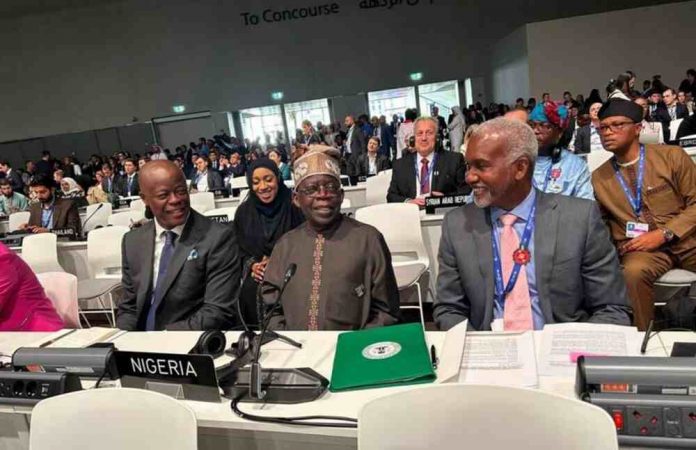
President Tinubu’s Entourage Cuts: Is It Enough to Tackle Nigeria’s High-Cost Governance?

0

In an effort to streamline governance expenses, President Bola Tinubu has initiated substantial cuts in official entourages for both domestic and international events by a significant 60 percent.

The President’s directive entails a significant reduction in the number of accompanying personnel during official trips. For local engagements, security details will now be sourced from the host state, a move aimed at optimizing resources.

Announced on Tuesday by Ajuri Ngelale, the Special Adviser to the President on Media and Publicity, these measures dictate a marked reduction in the entourage sizes. Previously numbering over 50 individuals, the President will now travel with only 20 officials, while the Vice President’s entourage will be limited to five. Similarly, the First Lady and the wife of the Vice President will each travel with five officials.

For local trips, the entourage limits have been scaled down to 25 for the President, 15 for the Vice President, and 10 each for the First Lady and the Vice President’s spouse.

Ngelale said these changes aim to instill fiscal prudence and accountability in resource management. Ministerial foreign delegations will now comprise a maximum of four officials, while heads of Ministries, Departments, and Agencies (MDAs) will be restricted to a maximum of two officials during international trips.

The President’s directive also includes the reduction of elaborate security entourages during local trips, aiming to curtail excessive duty travel allowance costs.

Ngelale sternly cautioned that any official disregarding these directives would do so at their own risk, underscoring the seriousness of adherence to these cost-saving measures.

A step in the right direction, but is it enough?

President Bola Tinubu’s directive to reduce entourages by a substantial 60% appears as a stride towards curbing extravagant spending. However, while commendable, this measure, taken in isolation, does not effectively address the underlying issue of expensive governance amid Nigeria’s economic predicament. Though in an era where fiscal prudence is the clarion call across nations grappling with economic challenges, the move seems like a step in the right direction.

The ostensible reduction in the number of officials accompanying the President, Vice President, and their spouses on both international and local trips might create an impression of cost-saving. Yet, this singular action, though a start, barely scratches the surface of a larger problem rooted in Nigeria’s governance structure. The reduction in entourage size, while a symbolic gesture, does not significantly dent the expenses incurred by the government machinery in other areas.

Nigeria’s current economic challenges need a more comprehensive approach to cost reduction in governance. While trimming down travel entourages is a visible aspect, there are numerous other avenues where fiscal prudence could yield substantial savings. For instance, the salaries and allowances of political officeholders remain a significant drain on the national coffers. Additionally, there are often redundant or overlapping government agencies that consume substantial resources without yielding commensurate benefits to the populace.

Ministries, Departments, and Agencies (MDAs) have grown significantly over the past decade in the country, creating concerns about government spending amid scarce resources. There have been calls to trim the number of ministers in the nation. Currently, Nigeria has about 48 ministers, and some have intertwined portfolios – gulping millions of naira monthly for recurrent expenditure from the national treasury.

Other countries have set precedents in addressing expensive governance. For instance, Rwanda, in its bid to streamline governance costs, reduced the size of its cabinet and merged several ministries, leading to operational efficiency and considerable cost savings. Similarly, countries like Singapore and New Zealand have actively restructured their public sectors, focusing on merit-based appointments and reorganization to maximize efficiency while reducing unnecessary expenses.

The need for Nigeria to emulate such strategies cannot be overstated. It requires holistic reform across various facets of governance. This includes rationalizing the number of political appointees, merging redundant agencies, and implementing stringent measures to curb excessive spending in all government sectors.

Critics said that while the directive to trim entourages is a positive gesture, it must serve as a stepping stone toward broader, more impactful reforms. Nigeria’s leadership needs to delve deeper, looking beyond mere optics, and address the systemic issues contributing to expensive governance. Experts believe that only through such comprehensive reforms can the nation achieve sustainable cost reduction while enhancing operational efficiency across the government.