DD
MM
YYYY

PAGES

DD
MM
YYYY

spot_img

PAGES

Home Blog Page 3468

Nigerian Government Considers Paddy Rice Importation to Combat Food Inflation

0

In response to escalating food inflation, the Nigerian Federal Government is contemplating the approval of paddy rice importation for millers via an Executive Order.

This measure is part of a broader strategy to address the country’s food security crisis, as outlined in the recently submitted draft Accelerated Stabilization and Advancement Plan (ASAP) by the Minister of Finance and Coordinating Minister of the Economy, Wale Edun.

The ASAP document, delivered to President Bola Tinubu, recommends several executive orders aimed at mitigating current economic challenges. These include actions to reduce inflation, generate employment, promote non-oil exports, ensure prudent financial management, and consolidate tax information.

The document’s recommendations for tackling inflation include:

  • Suspension of import duty and VAT on specified items
  • Importation of paddy rice by millers
  • Pegging the import duty exchange rate

Additionally, the plan emphasizes supporting individual and commercial farmers by proposing immediate approval for the importation of rice and maize seeds. Specifically, it suggests importing 10,000 metric tons (MT) of rice seeds to cover 100,000 hectares and 10,000 MT of maize seeds to cover 500,000 hectares. The goal is to onboard two million farmers across four value chains to enhance productivity and sustainability.

However, this proposed plan appears to conflict with President Tinubu’s earlier stance on food imports. Earlier this year, the President declared his administration’s intention to minimize food imports, aiming to transform current challenges into future opportunities. This position was reiterated by the Minister of Information in communications with state governors earlier this year.

Furthermore, President Tinubu had instructed the Nigerian Customs Service (NCS) to enforce the Export Prohibition Act strictly, halting food exports to ensure a steady domestic supply. Targeted food items included rice, maize, beans, and millet.

The Context of Nigeria’s Food Security Crisis

Nigeria is grappling with a severe food security crisis, with food inflation reaching 40.5%. Projections indicate that about 31 million people could face severe food insecurity during the lean season in August.

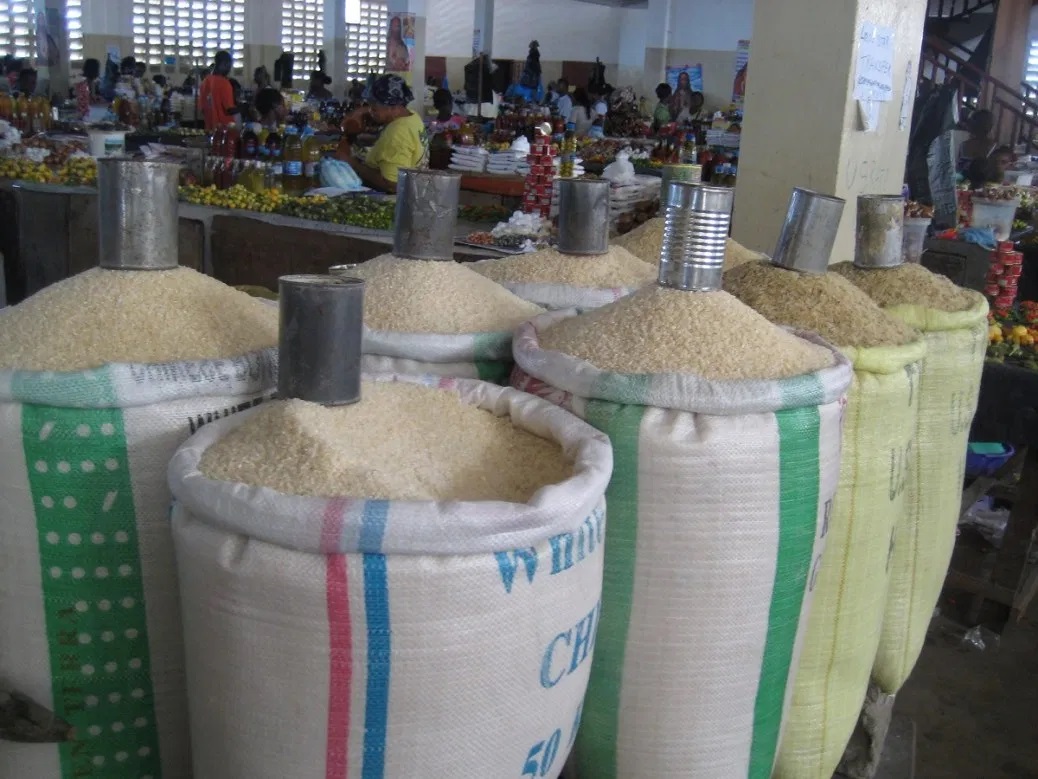
Over the past year, prices of staple foods, especially grains, have surged by over 100%. For instance, the price of rice rose by approximately 169%, peaking at nearly N90,000 per bag around March and April before dropping by nearly 20%.

Rice millers are struggling with an insufficient supply of rice for processing, and the proposed approval to import rice paddy could significantly boost the supply to markets, potentially reducing prices. Governor Babajide Sanwo-Olu of Lagos State previously highlighted the shortage of rice paddy at the Imota rice mill, which has hampered significant production. He indicated plans to request federal government approval for paddy rice importation to address this shortfall.

While the proposed importation plan aims to provide immediate relief from soaring food prices, it stands at odds with the President’s earlier vision of reducing dependency on food imports.

Government’s Inability to Tackle Insecurity in the North, Culpable

The Nigerian Federal Government’s struggle to address rampant insecurity in the northern regions has significantly contributed to the country’s escalating food crisis.

Insecurity in the northern states of Nigeria, driven by the activities of Boko Haram, bandits, and herdsmen conflicts, has severely disrupted agricultural production. These regions, traditionally known as the breadbasket of Nigeria, have witnessed a significant decline in food production.

Farmers have been forced to flee their homes and farmlands due to incessant attacks and kidnappings, resulting in mass displacement. This displacement has led to a sharp decline in farming activities, significantly reducing overall agricultural output. Abandoned farmlands, left uncultivated out of fear of attacks, have left vast areas of arable land unused. Additionally, these disruptions have severely impacted supply chains, exacerbating the crisis in the agricultural sector.

The combined effects of reduced agricultural production and disrupted supply chains have led to a notable increase in food prices and a heightened state of food insecurity. Key staple crops such as rice and maize have seen significant price hikes due to the shortage of locally produced goods. Insufficient domestic production resulted in high demand, thereby escalating food inflation.

Rumor Alert: 5thScape Is Building a VR Club for the Playboy Brand – Get in Early!

0

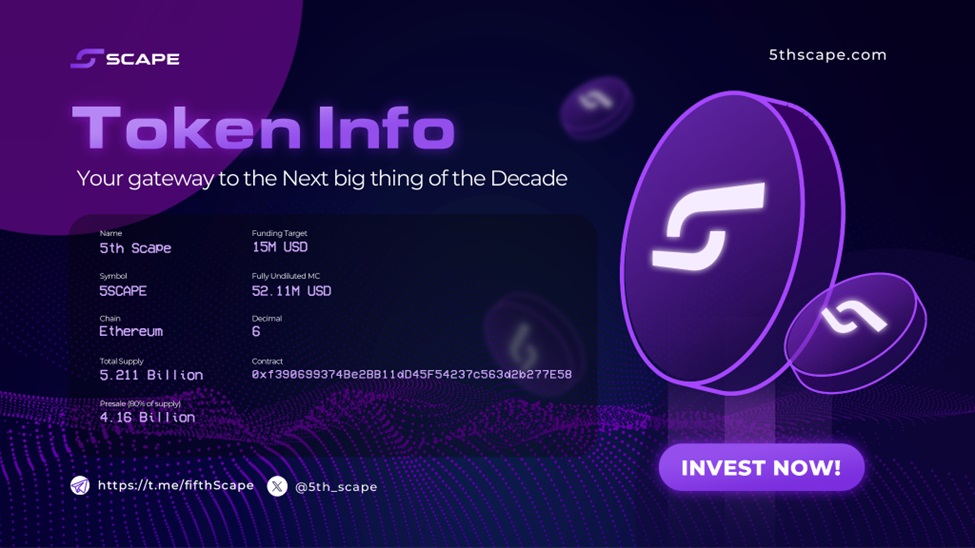
5thScape is reportedly developing a virtual reality club in collaboration with the iconic Playboy brand. This innovative project aims to create an immersive experience, blending the allure of Playboy with cutting-edge VR technology.

Early adopters and investors are buzzing about the potential of this venture, which promises to revolutionize virtual entertainment. With the integration of 5thScape’s advanced blockchain solutions, this VR club could set new standards for digital social spaces.

Playboy throws a wild VR party with 5thScape!

Playboy, that magazine with the bunnies, is bringing its signature style to virtual reality (VR) with a members-only club. Rumor has it that a secret project known as the 5thScape x Playboy VR club is unlike anything we’ve ever seen.

The future of luxury is about super cool parties in VR worlds that are way more exciting than a hotel ballroom. Think of crazy Playboy Mansion-style games with VR themes that push the limits of reality.

It’s possible to be with other people (avatars) in a tropical paradise, a nightclub in the 1920s with flapper dancers, or even a masquerade ball in a digital castle. Playboy likes to try new things, so the possibilities are endless!

>>Click Here To Visit 5thScape Presale Page

But it gets even better! This VR club might have interactive experiences that put you right in the middle of the Playboy action. Imagine watching burlesque shows by famous Playmates, not from the nosebleed seats, but right up close! These shows could even let you tip the performers virtually or join in fun digital games.

5thScape, along with Playboy, could make you Rich

Playboy also hints at collecting special virtual things called NFTs within the club. These NFTs could be digital artwork featuring famous Playmates, exclusive VIP experiences in the VR world, or even cool-looking outfits for your avatar that show off your club status.

Imagine owning one-of-a-kind digital bunny ears that get you into special events or give you extra privileges in the virtual mansion. These NFTs are valuable and not just something to brag about.

Be an Early VR Party Animal!

The idea of this Playboy VR club excites everyone in tech and entertainment. People who like to try new things are chomping at the bit (really eager) for this groundbreaking experience that could change virtual entertainment forever.

It’s not just about attending virtual parties; it’s about a whole new way to socialize online, own cool digital stuff, and have exclusive experiences created by the famous Playboy brand.

If you want to be part of this big change, now’s the time to jump in. We have yet to learn all the details about how to join or invest but keep an eye out for announcements from 5thScape or Playboy. These could be press releases, social media posts, or even special events for early members.

Perks of Early Investment in 5thScape Playboy Venture

Being an early member has lots of perks. Imagine being a founding member of this exclusive club, getting access to features and experiences that might not be available later. Early members might even get to help decide how the club develops, shaping the future of this innovative space.

The value of being a member of the NFTs could go way up if the VR club becomes a big hit.Don’t miss out on this crazy opportunity! Follow 5thScape on social media, stay tuned for announcements, and get ready to join the VR revolution when the Playboy VR club opens its doors.

This is more than just a new club; it’s a chance to be part of the future of how we entertain ourselves and hang out online. Playboy is known for shaking things up, and they’re ready to do it again in the exciting world of VR. Are you ready to join them?

Regionalism Favours Economic Progress and Political Stability in Nigeria

0
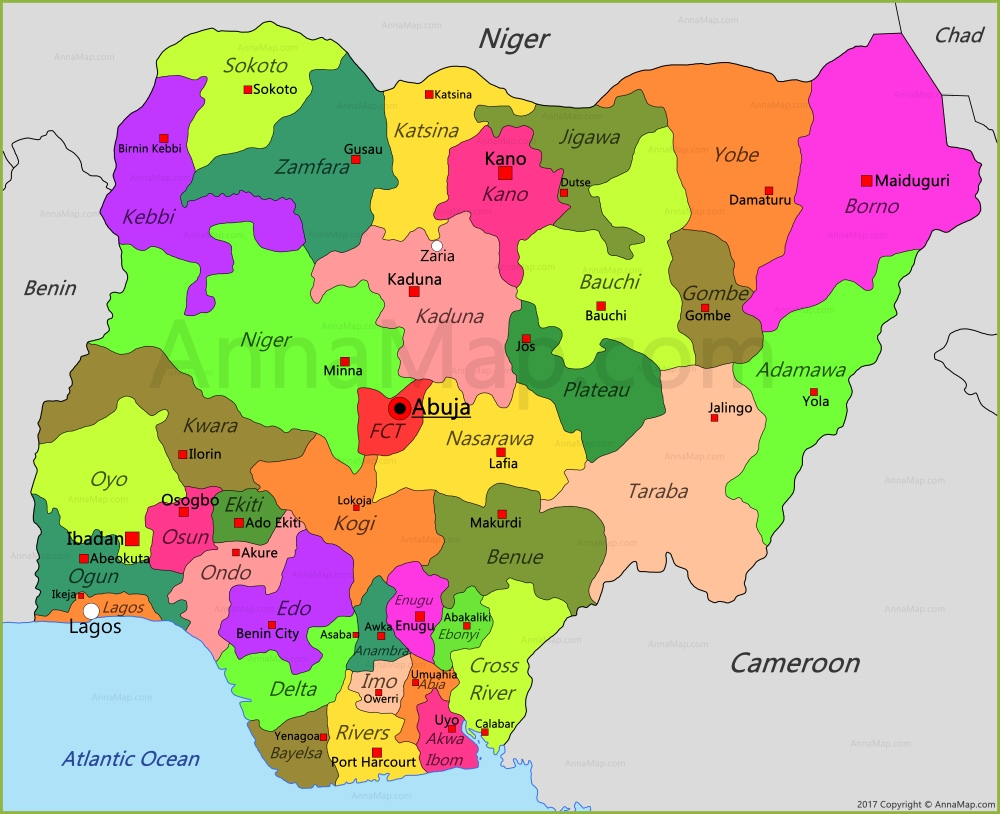
Map of Nigeria (source: World Map)

Nigeria, Africa’s most populous country and its largest economy, stands at a crossroads where the potential for economic progress and political stability is intricately tied to its regional dynamics. The concept of regionalism in Nigeria is deeply rooted in its colonial history and the amalgamation of diverse ethnic groups under a single national identity. This has led to a complex political economy where managing social diversity and resource allocation has become a central challenge.

The tripartite regional structure of Nigeria in the 1950s, under a parliamentary system of government, fostered ethnicity-based politics but also resulted in steady economic growth across the various regions. The federal system of Nigeria embeds a tension between central power and the autonomy of constituent states and local governments, a structure that has been both a source of conflict and a potential pathway to managing diversity and fostering economic development.

A political economy approach suggests that the nation’s economic woes and the poverty experienced by a significant portion of its population are not due to a lack of economic expertise but rather the result of a political system focused on power capture by the elite, leading to corrupt enrichment and patronage rather than economic productivity. This has framed the current reality where despite the country’s vast resources, many citizens live in extreme poverty.

Regionalism, with its emphasis on decentralization, could potentially offer a solution to these challenges. By empowering regions, it may encourage a more equitable distribution of resources, foster local economic development, and reduce the centralization of power that often leads to political instability. The historical evidence suggests that when regions have been given the autonomy to manage their affairs, they have thrived economically.

Moreover, the relationship between political stability and economic growth in Nigeria has been empirically investigated, revealing a positive and significant correlation between the two. Political stability can lead to economic growth both in the short and long run, suggesting that a stable regional governance structure could be beneficial for the country’s overall economic performance.

Regionalism holds the potential to favor economic progress and political stability in Nigeria by addressing the root causes of inequality and political tension. By focusing on regional empowerment and equitable resource distribution, Nigeria could pave the way for a more prosperous and stable future. The path forward requires a nuanced understanding of the country’s unique political economy and a commitment to reform that prioritizes the well-being of all its citizens.

The concept of regionalism in Nigeria, a country with a rich tapestry of ethnic diversity and cultural heritage, has been a subject of intense debate and discussion. The idea posits that by granting more autonomy and decision-making power to the country’s various regions, it could potentially foster economic progress and political stability.

Moreover, the political economy of Nigeria indicates that a political economy approach, which considers the interplay between politics, laws, and the national economy, is crucial for addressing the challenges of poverty and wealth creation. Regionalism could play a role in this by enabling a more localized and tailored approach to economic productivity and improving the standard of living for citizens.

Tinubu Directs Finance Minister to Develop Template for New Minimum Wage Within 48hrs

0

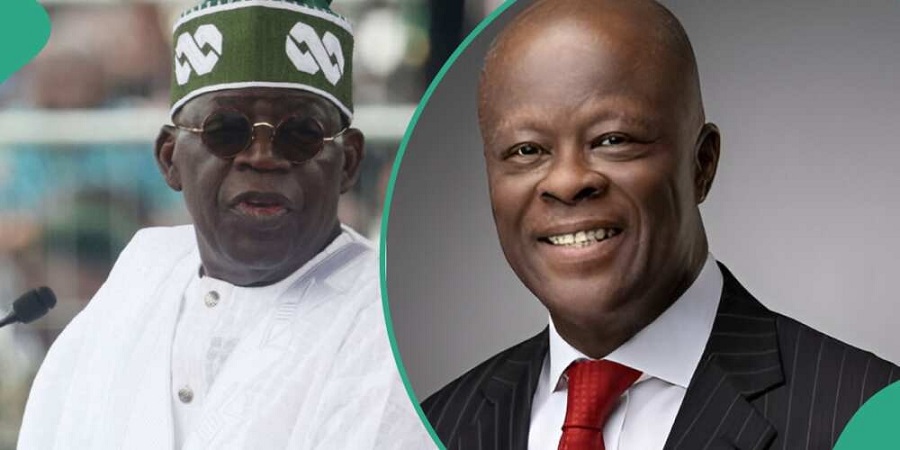
President Bola Tinubu has directed the Minister of Finance, Wale Edun, to present a template for a new minimum wage. This directive was confirmed by the Minister of Information and National Orientation, Mohammed Idris after a Federal Government delegation met with the President in Abuja on Tuesday.

Idris stated, “The President has directed the Minister of Finance to do the numbers and get back to him between today and tomorrow so that we can have some figures ready for negotiations with Labour. Mr President is determined to go with what the committee has set. He is also looking at the welfare of Nigerians.”

However, it remains perplexing why the government has not yet developed a minimum wage template, especially given the prolonged standoff with organized labour groups.

The Federal Government delegation, including key officials like Idris, Edun, Secretary to the Government of the Federation George Akume, Labour Minister Nkiruka Onyejeocha, Minister of Budget and Economic Planning Atiku Bagudu, Chief of Staff to the President Femi Gbajabiamila, and the Group Chief Executive Officer of the Nigerian National Petroleum Company (NNPC) Limited Mele Kyari, has been involved in the discussions.

Earlier on Tuesday, the Organised Labour suspended its nationwide strike, which had commenced at midnight on Monday. Akume emphasized the President’s commitment to a national minimum wage above N60,000, saying, “The tripartite committee is to meet every day for the next one week with a view to arriving at an agreeable national minimum wage.”

The strike had significantly impacted various sectors, including businesses, airports, universities, hospitals, and power supply. Labor leaders from the Nigeria Labour Congress (NLC) and the Trade Union Congress (TUC) had insisted that the current minimum wage of N30,000 is insufficient for the average Nigerian worker. They also pointed out that not all governors adhere to the current salary, which expired in April 2024, five years after the Minimum Wage Act of 2019 was enacted by former President Muhammadu Buhari. This Act mandates a review every five years to align with contemporary economic conditions.

Labour had set a deadline of May 31 for the government to establish a new minimum wage. However, with no agreement reached by that date, Labour commenced a nationwide strike on June 3, 2024, in protest of the government committee’s failure to agree on a new wage and the reversal of the electricity tariff hike.

The ongoing dispute stems from the government’s removal of fuel subsidies and the liberalization of Nigeria’s forex market, which have intensified economic pressures on workers. Labor groups have rejected multiple government proposals, including the recent offer of N60,000, insisting on a new minimum wage of N494,000. This deadlock raises questions about the government’s preparedness and strategy in handling the wage review process.

Against the president’s last-hour directive to the Finance Minister, financial experts argue that the government’s failure to draft a comprehensive minimum wage template is a significant oversight, considering the protracted negotiations and Labour’s firm stance.

The government has been called upon to use this opportunity to develop a concrete plan to address the wage demands and ensure the welfare of Nigerian workers. This, many believe, will prevent the labor unions from embarking on another strike.

The labor unions said they’re relaxing the strike for only seven days, giving a window for the government to come up with an acceptable proposal. To relax the strike, the government had promised to increase the minimum wage to more than N60,000.

The Insiders Are Trading Uniswap, Chainlink, and KangaMoon – What Don’t We Know That They Do?

0

Amid the recent surge in the prices of coins in the defi market, Uniswap, Chainlink and KangaMoon have found a special spot in the portfolios of insiders. Knowing the promise that these defi coins hold and the profitable benefits that holders tend to gain, these insiders keep their focus. Let us find out why these defi coins are worth buying now.

KangaMoon Is Making Waves In The DeFi Market

KangaMoon (KANG), a defi coin that entered the market with a GameFi and SocialFi approach, has attracted a lot of attention for a variety of reasons. For starters, the native KANG token, which will function as the Kangaverse’s in-game currency, is showing remarkable promise in the presale market. The value of the defi coin has already increased by 400% and could reach a 1000% increase by Q3.

Some analysts believe that KangaMoon’s exceptional performance will reach beyond the presale market. If that’s the case, they forecast that KANG’s price will rise and might even hit $1 in the third quarter of this year, making it one of the best defi coins to hold. The expectation that KangaMoon will list on BitMart and Uniswap DEX, following the platform’s successful listings on CoinMarketCap and CoinGecko, is another factor supporting this possibility.

KangaMoon is more than just a presale prospect, though. The forthcoming “Kangaverse” ecosystem from KangaMoon, among other things, offers a distinctive and engaging gaming experience. Here, players can participate in battle-themed competitions and speculative betting, among other things, to win token rewards and other valuable prizes.

Regarding the native KANG token of the KangaMoon platform, its price increase from $0.005 to $0.025 in the current bonus stage has allowed early buyers to profit handsomely thus far. KangaMoon has demonstrated remarkable growth thus far, as evidenced by its ability to draw in over 32,000 registered users and over 10,000 token holders. This suggests that the platform has the potential to garner even greater traction upon its debut in the defi market.

Uniswap Price Surges Amid App Milestone

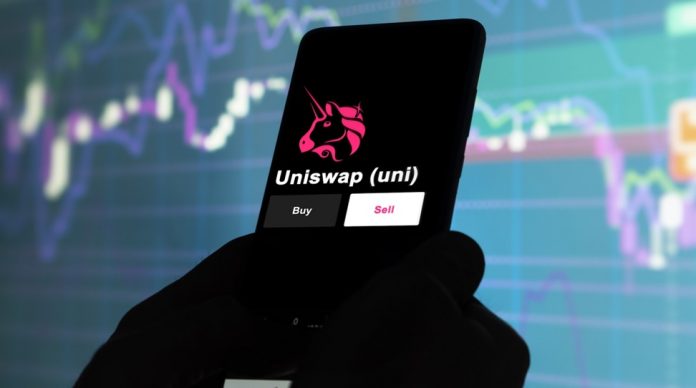
With a significant 1.5 million downloads achievement, the Uniswap mobile wallet recently achieved a significant milestone. Consequently, there has been a significant upward trend in the Uniswap price, with over 28% increase in the last month. The Uniswap coin overcame the $11 price barrier during this period, and $13 currently represents a significant resistance level for the Uniswap coin.

Meanwhile, the price of Uniswap is predicted to reach $15.77 by the end of Q4 2024, although it is currently exchanging at $9.59 per token with a market capitalisation of $5.75 billion. Moreover, the 24-hour trading volume of Uniswap also surged by over 49% to reach $194.07 million.

Chainlink Price Surges Amid Adoption

Chainlink provided the most recent information on the ongoing integration program on June 3. Using six different blockchains—Ethereum, Aptos, BNB Chain, Celo, Arbitrium, and Polygon—the Chainlink network integrated its five services. The date of the adoption update was set for May 27, 2024, to June 2, 2024. The Chainlink network revealed 12 integrations of 5 services over 6 blockchains via X on June 3.

Meanwhile, the Chainlink price has surged by 26.84% within the past month and is now trading at $17.66 per token. Developers can now create low-cost, secure Chainlink Web3 services and next-generation decentralized applications (dApps) with the help of Chainlink services and CCIP integration over blockchains. Subsequently, at Consensus 2024, Chainlink co-founder Sergey Nazarov presented the company’s roadmap for the global Internet of contracts.

Can KangaMoon Utilize The DeFi Space Like Uniswap and Chainlink?

Within the ecosystem of KangaMoon, Kangaverse is a Web3 metaverse platform with a marketplace for digital collectables with actual value. Just this illustrates how effectively KangaMoon uses the defi space to encourage additional interaction. Hence, KangaMoon, which is one of the best defi coins, can be able to utilize the defi space effectively like Uniswap and Chainlink.

Discover the Exciting Opportunities of the KangaMoon (KANG) Presale Today!

Website: https://Kangamoon.com/

Join Our Telegram Community: https://t.me/Kangamoonofficial