DD
MM
YYYY

PAGES

DD
MM
YYYY

spot_img

PAGES

Home Blog Page 3469

BlockDAG Shocks Solana And Ethereum Investors With $19.3M Presale, Aims $20 Mark By 2027

0

While the crypto market navigates fluctuating trends, Solana faces a significant drop in transaction volume, and Ethereum experiences resilience as it eyes record highs. Meanwhile, BlockDAG stands out with an impressive $19.3 million raised in its presale, driven by a successful Shibuya keynote presentation. With a price surge from $0.005 to $0.006 expected in its upcoming batches, BlockDAG offers a promising opportunity for investors looking to secure substantial returns. 

Solana’s Transaction Volume Faces a Sharp Decline

Solana’s once-robust transaction volume has taken a hit, plummeting by 90% from $1.08 million to a mere $106 billion. This downturn has pushed SOL to test crucial support levels near $162, reflecting broader market challenges and reduced trading activity. Maintaining Solana’s price above the 20-day Exponential Moving Average (EMA) of $174 has become increasingly difficult. A potential recovery above this EMA might stabilise Solana’s price, offering hope for a rebound.

Ethereum’s Recovery Sparks New All-Time High Predictions

After a sharp sell-off, Ethereum’s rapid rebound from $3,411 to $3,559.81 has reignited discussions about a new all-time high (ATH). The surge was driven by significant whale movements, indicating strong market confidence in Ethereum’s potential. With its previous peak at $4,891.70, Ethereum’s resilience and the influx of large-scale investments suggest that the Ethereum ATH prediction could soon become a reality.

BlockDAG Leads the Presale Crypto Market

BlockDAG is redefining the crypto mining landscape with a unique approach that combines blockchain security with Directed Acyclic Graph (DAG) technology, allowing for rapid transactions and scalability. The platform’s BDAG Coin is central to its ecosystem, facilitating transactions and supporting innovative applications across various industries. BlockDAG’s impressive presale performance, with $19.3 million raised, demonstrates investor confidence and the potential for exponential growth.

Further enhancing its appeal, BlockDAG’s recent Shibuya keynote presentation and moon-based teaser have captured the crypto community’s attention, indicating a bright future for the platform. The current price of $0.005 is set to rise to $0.006 in Batch 10, suggesting a trajectory toward even greater returns. With projections aiming for $20 by 2027, BlockDAG’s upward momentum shows no signs of slowing down. A recent video teaser suggesting the next brand’s keynote will be recorded from the moon is generating curiosity within the community, as over 7.9 billion BDAG coins have been sold so far.

What Makes BlockDAG a Top Choice for Crypto Investment?

As Solana transaction volume declines and Ethereum rebounds with the prospect of new all-time highs, BlockDAG emerges as a clear leader. Its innovative technology and robust presale performance set it apart from other altcoins. With a $19.3 million presale and the expectation of significant returns, BlockDAG is poised to become a major player in the crypto market. This potential, combined with the excitement surrounding its unique presentations, makes BlockDAG one of the best altcoins to buy in 2024.


Join BlockDAG Presale Now:

Website: https://blockdag.network

Presale: https://purchase.blockdag.network

Telegram: https://t.me/blockDAGnetworkOfficial

Discord: https://discord.gg/Q7BxghMVyu

Conflict between Ukraine and Russia is a complex and sensitive issue with far-reaching implications

0

The ongoing conflict between Ukraine and Russia is a complex and sensitive issue with far-reaching implications. The potential consequences of Ukraine losing the war with Russia are a matter of international concern and have been the subject of much analysis and speculation.

As the war enters its third year, the situation remains uncertain, with both immediate and long-term consequences still to be determined. The international community watches closely, hoping for a resolution that can bring an end to the suffering and restore peace to the region.

One of the most significant concerns is the possibility of a broader conflict. Ukraine’s Prime Minister has warned that the loss of Ukraine could lead to a global escalation, potentially a “Third World War”. This stark warning highlights the interconnectedness of global security and the potential for regional conflicts to have worldwide repercussions.

Another aspect to consider is the impact on the Ukrainian people and their national identity. Reports suggest that a defeat could lead to efforts to erase Ukrainian culture and identity. The loss of sovereignty could have devastating effects on the country’s governance, economy, and social fabric.

The geopolitical landscape of Europe could also be altered significantly. A defeat for Ukraine might embolden other nations with territorial ambitions, potentially leading to further instability in the region. The balance of power could shift, affecting not just the immediate area but also the strategic calculations of countries worldwide.

Furthermore, the humanitarian crisis that would likely ensue cannot be overstated. The war has already caused immense suffering, and a defeat could exacerbate the displacement of people, economic hardship, and human rights violations.

The current developments in the Ukraine-Russia conflict are a testament to the fluid and volatile nature of modern warfare. As of the latest reports, the situation on the ground continues to evolve with significant military and geopolitical implications.

In the eastern regions, Ukrainian forces have made the strategic decision to withdraw from the town of Avdiivka, marking a notable shift in the front lines. This move comes after months of intense fighting and represents Russia’s most significant territorial gain since the capture of Bakhmut in the previous year. The withdrawal from Avdiivka, a location that has seen continuous conflict since 2014, underscores the challenges faced by Ukrainian forces in maintaining positions under relentless pressure.

The southern front has also seen activity, with Russian forces launching attacks around villages in the Zaporizhzhia region, an area where Ukraine had previously made gains during its 2023 counter-offensive. The shifting dynamics in this region highlight the ongoing struggle for control and the importance of strategic locations that could influence supply lines and future operations.

At sea, the conflict extends into the waters of the Black Sea, where Ukraine has continued its efforts to challenge the Russian fleet. The recent claim of sinking the Russian amphibious ship Caesar Kunikov off the coast of occupied Crimea indicates the ongoing naval dimension of this conflict.

These developments reflect the intense and protracted nature of the conflict, which has led to significant destruction and displacement. The human cost of the war remains a pressing concern, with millions of border crossings recorded as people flee the violence. The humanitarian impact is profound, affecting countless lives across the region and beyond.

The international response to the conflict, particularly the provision of military aid to Ukraine, remains a critical factor. Ukraine’s reliance on Western weapons supplies to counter the larger Russian military force is a point of contention, with debates over the adequacy and timeliness of this support continuing to unfold.

The consequences of Ukraine losing the war with Russia are potentially severe and multifaceted. They encompass not only the immediate region but also the international community, highlighting the importance of continued attention and support to prevent further escalation and suffering.

Apple Vision Pro Utilized by a Brazilian surgeon in Complex Shoulder Arthroscopy

0

In a remarkable display of innovation, the medical field has witnessed the adoption of a device originally designed for entertainment and work: the Apple Vision Pro. This cutting-edge technology has recently been utilized by a Brazilian surgeon, Dr. Bruno Gobbato, to assist in a complex shoulder arthroscopy surgery at Jaraguá Hospital in Brazil.

Apple Vision Pro’s Role in Modern Surgery

The Apple Vision Pro, while not initially created for medical purposes, has proven to be a versatile tool in the operating room. Dr. Gobbato’s use of the device during a procedure to treat a patient with a rotator cuff tear showcases the potential for consumer technology to cross over into medical applications. The rotator cuff tear, an injury often resulting from the progressive wear and tear of tendon tissue, requires precise surgical intervention.

Dr. Gobbato praised the dynamic range of the cameras in the Apple Vision Pro, which allowed him to view the surgical site with exceptional clarity despite the bright lights typically used in operating rooms. The high-resolution display provided by the device enabled him to see images on the scale of a movie screen, along with real-time access to the patient’s exams and 3D models.

The integration of Apple Vision Pro into surgical procedures is not isolated to Brazil. Surgeons worldwide are beginning to see it as a revolutionary tool, significantly improving upon previous headsets used in similar contexts. The device’s ability to allow surgeons to view their notes, patient x-rays, and live camera feeds simultaneously has been called a ‘game-changer’ in the field.

Consumer technology has already begun to make significant inroads into the medical field, transforming not only the way patient care is delivered but also how medical professionals conduct their work. The use of the Apple Vision Pro by a Brazilian surgeon is just one example of this trend. Here are some other potential applications of consumer technology in medicine:

Remote Patient Monitoring: Devices like smartwatches and fitness trackers can monitor vital signs such as heart rate, sleep patterns, and physical activity. This data can be used to detect early signs of medical issues or to monitor chronic conditions, allowing for timely interventions.

Telemedicine: Tablets and smartphones enable patients to consult with healthcare professionals from the comfort of their homes. This is especially beneficial for those in remote areas or for individuals with mobility issues.

Healthcare Apps: There are numerous apps available that can help users manage their health and wellness. These range from medication reminders to mental health apps that provide coping strategies for stress and anxiety.

Augmented Reality (AR) in Education and Training: AR can provide medical students and professionals with a 3D view of the human body, helping them understand complex structures and procedures without the need for cadavers.

Apple’s foray into the medical arena with the Vision Pro is a testament to the company’s commitment to innovation. While the device is currently available only in the US, with plans for expansion to other countries by the end of the year, its impact on surgical procedures has already been felt globally.

The use of Apple Vision Pro in surgery is a prime example of how technology can enhance the capabilities of medical professionals, leading to improved patient outcomes. As consumer technology continues to evolve, its potential applications in healthcare are boundless, promising a future where the lines between technology and medicine become increasingly blurred.

Dangote Refinery Petrol Supply Likely to Begin Q4 2024, S&P Analysts Project

0

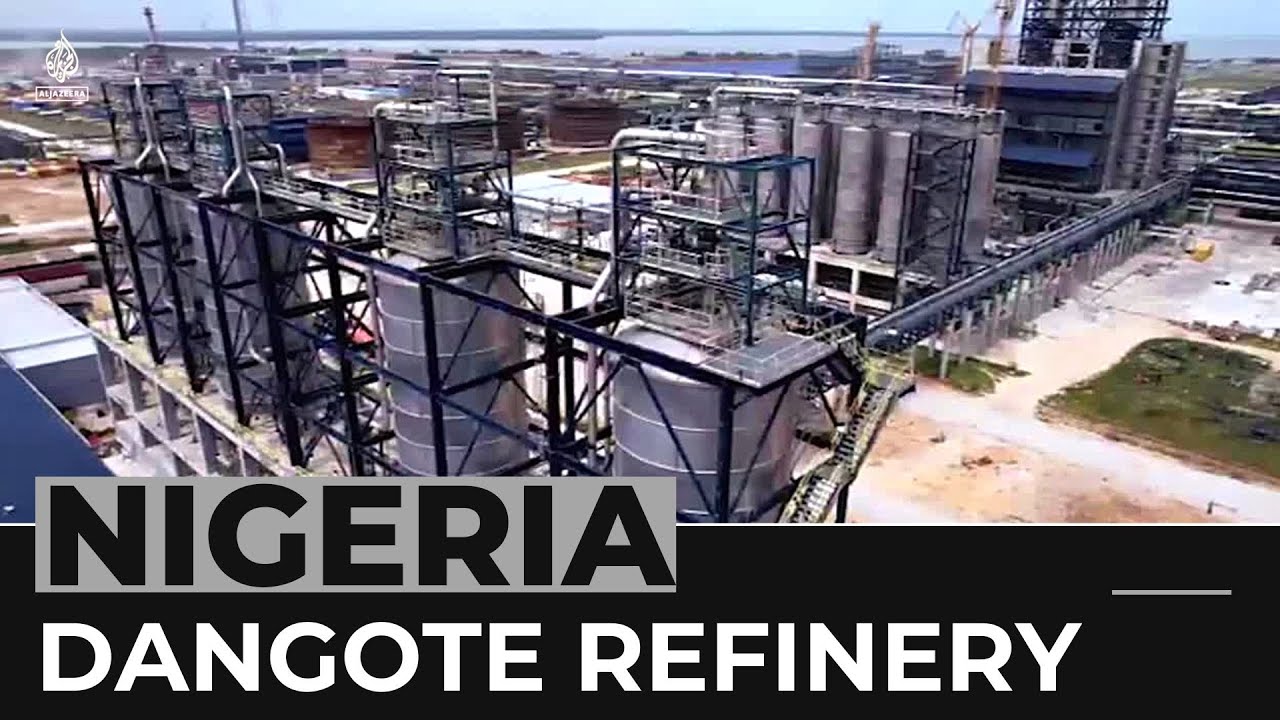
Standard and Poor’s (S&P) Global Commodities Insights analysts have projected a delay in the commencement of petrol supply from the Dangote refinery, suggesting a start date in the fourth quarter of 2024 rather than the May timeline stated by the company.

This revelation, made during an S&P podcast discussing West Africa’s oil product flows, stems from the instability in the Nigerian oil sector.

During the podcast titled “Exploring West Africa’s oil product flows in a changing refining landscape,” Kelly Norways, an African energy expert at S&P, discussed the anticipated impact of the Dangote refinery on energy imports in West Africa. Norways noted the refinery’s potential to substantially reduce energy imports, particularly petrol, estimating a supply of up to 290,000 barrels daily between 2024 and 2026.

However, Norways tempered expectations by stating that despite signs of activity at the refinery, the timeline for gasoline production remains uncertain.

“We are starting to see signs of activities, but all eyes are on when we’ll start to see gasoline production will commence from that project. There is a significant amount of pressure from the Nigerian government for significant volume of that supply to be sent to the domestic market,” she said.

While Dangote had expressed intentions to produce gasoline by May, S&P analysts anticipate a more realistic timeline for the fourth quarter of 2024.

“In reality, when we see that start scale up is still subject to debate. Dangote has recently been espousing some punchy timelines. They have most recently been saying that they are looking to produce gasoline by May. But in reality, our analyst expect that would be something like the fourth quarter of this year in a more realistic timeline,” she added.

The discussion also addressed shifts in petroleum product flows into West Africa, noting a reduction in supply from traditional suppliers such as the Netherlands’ Amsterdam and Rotterdam refineries. This decline is attributed to quality improvements and new regulations implemented since 2022, reflecting broader changes in the global refining landscape.

The Dangote refinery, officially commissioned in May 2023, has faced challenges operating at full capacity due to a series of delays. Despite setting a production projection for October, the 650,000 barrels per day oil plant missed its target, marking the second time in 2023 it raised hopes of ending petrol importation in Africa, particularly Nigeria.

Although it began receiving crude oil around December, production did not commence until March, when diesel distribution to local marketers commenced.

The refinery’s inability to start production stems from insufficient crude oil supply from the Nigerian National Petroleum Company Limited (NNPCL), a reflection of the broader dwindling oil production in Nigeria.

In response, Dangote Refinery has adopted an innovative approach, sourcing one-third of its oil from the United States to address domestic supply challenges and enhance operational efficiency.

Energy experts said that while the refinery holds promise for reducing energy imports and boosting regional energy security, operational hurdles must be addressed to realize its full potential.

Nigeria to Roll Out CNG Vehicles for greener and affordable transport

0

In a move towards cleaner energy and affordable transportation, Bayo Onanuga, the Special Adviser to the President on Information and Strategy, has announced that the federal government is set to inaugurate the first set of compressed natural gas (CNG) vehicles ahead of the Tinubu administration’s first anniversary on May 29.

Speaking from Abuja, Onanuga disclosed the Federal Government’s allocation of N100 billion from the N500 billion palliative budget towards the acquisition of 5,500 CNG vehicles, including buses and tricycles. Additionally, the allocation encompasses 100 electric buses and over 20,000 CNG conversion kits, with provisions for the expansion of CNG refilling and electric charging stations.

Under the stewardship of an expert committee led by Michael Oluwagbemi in the oil and gas sector, this initiative seeks to fulfill President Tinubu’s commitment to transitioning towards cleaner energy and environmentally friendly transportation alternatives.

Onanuga noted the substantial response from the private sector, with over $50 million invested in refueling stations, conversion centers, and mother stations.

He said in a statement: “After months of detailed planning and background work, the committee driving the initiative is set to deliver on President Tinubu’s vision and promise.

“Already, the committee, being led by Michael Oluwagbemi, an oil and gas expert, has delivered some major foundational reforms to enable the new CNG and Electric Vehicles future the President promised.

“All is now ready for delivery of the first set of critical assets for deployment and launch of the CNG initiative ahead of the first anniversary of the Tinubu administration on May 29.

“The private sector has responded with over $50 million in actual investments in refuelling stations, conversion centres, and mother stations.”

This collaboration between the government and private enterprises underlines the collective effort to promote the adoption of CNG vehicles and infrastructure.

The rollout of CNG buses and tricycles, coupled with the ambition to have at least one million natural gas vehicles on Nigerian roads by 2027, signifies a pivotal shift towards cleaner energy within the transportation sector. With potential emissions reductions of more than 40%, CNG vehicles align with Nigeria’s obligations under the Paris Climate Accord and contribute to global efforts to combat climate change.

CNG is said to be a more environmentally friendly fuel compared to other fuels. It produces up to 95% fewer harmful emissions or greenhouse gases, such as carbon dioxide, carbon monoxide, and nitrous oxide. For example, CNG emits 44% less carbon monoxide compared to the 80% emitted by burning petrol.

Drawing inspiration from other nations such as India, China, and Brazil, which have successfully deployed large fleets of natural gas-powered vehicles, Nigeria aims to reduce pollution and dependence on liquid petroleum products through the adoption of CNG technology.

The Presidential CNG Initiative, inaugurated in October 2023 following the removal of fuel subsidies, prioritizes the provision of more affordable, safer, and environmentally friendly energy solutions, particularly for mass transit. As the first set of CNG vehicles prepares for launch, Nigeria takes a significant stride toward realizing this vision.

Supported by substantial government funding and private sector investment, Nigeria hopes to achieve cleaner air, reduced emissions, and enhanced energy security as it embraces CNG vehicles as a key component of its transportation strategy.

CNG has a narrow range of flammability that varies from 5-15%. Due to its low flammability property, it lowers the chances of catching fire. However, a CNG car can easily reach its ignition temperature of 540 degrees Celsius while being used and can catch fire, raising concerns among Nigerian commuters about its safety.