I have taken about 15 minutes to put down my points on why the inflation in Nigeria remains very stubborn. This piece extends this one here .
Scene: Nigeria
Assume you have four market women who have N2000 each to buy a box of noodles (four boxes available), produced by Nice Noodles Plc, and those women use cash, or NEVER have to take a credit card or loan from any bank
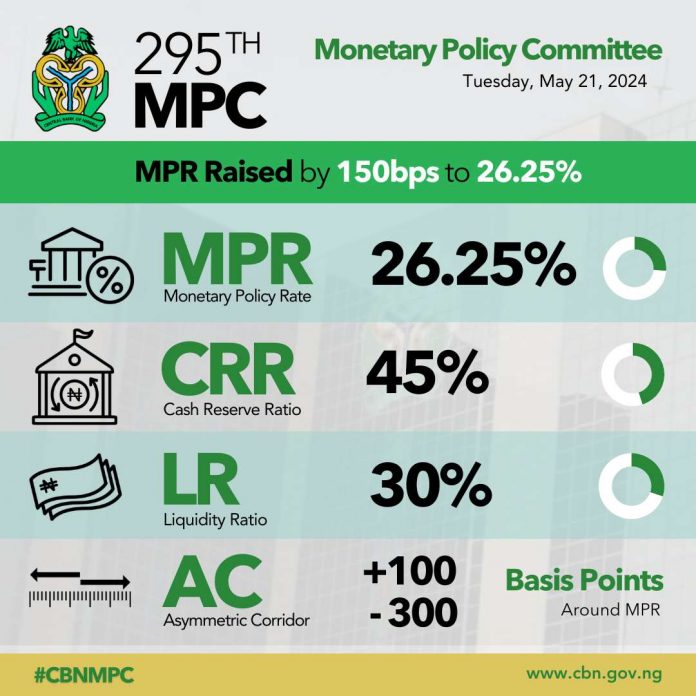
If you raise the prime rate as a central bank, which typically makes the cost of capital more expensive since banks will hike interest rates, those 4 women will not be “directly” affected since they have their “cash” or do not rely on a loan to pay for noodles.
If that happens, there is a likelihood that Nice Noodles, which makes the noodles, will be affected. Yes, companies borrow money to expand operations, and when borrowing is expensive, they pause expansion or in some cases reduce operations. That is how high prime rates “cool down” the economy.
So, Nice Noodles could decide to produce only 3 noodles (it is trimming production due to the high cost of capital). Recall that demand (of 4 noodles) has not reduced or impacted even though supply has. What happens? The price of noodles will go up, causing inflation to tick UP.
(I discount that these 4 women have limited capacity to save since they do not make a lot. Also, few companies can save. That means, a high prime rate will not increase deposits, via savings, in banks which could have been used to give loans to companies.)
Scene: United States
Their central bank (Federal Reserve) raises the prime interest rate. It is likely that out of those 4 women, three rely on credit cards to buy noodles, and when the product is expensive one or two may reduce consumption (ideally, this will work better on elastic demand; inelastic demand may not be affected). But generally, across many products in the economy, total consumption or demand will go down. As that happens due to high interest rates, consumers and corporations will find saving more exciting (saving, fixed deposit, etc accounts will pay more).
Sure, the cost of borrowing by companies will be high, but the asymmetric reduction in Demand due to expensive credit cards and loans will push inflation lower over time. Many things are assumed including that a war or pandemic has not affected whatever is needed to make noodles (so, the disclaimer is ceteris paribus).
Summary
I have looked at this from a simple demand-supply model. But in Nigeria, it is complicated since when the apex bank raises prime rates, at the end of the month, the finance ministry shares money with the states, and sometimes via Ways & Means, the apex bank also prints money and gives it to the federal government.
Those two things – sharing money with states which are spent immediately and Ways & Means – usually cancel any impact the apex bank is getting from the rate hikes. In other words, you slow down today and tomorrow you weaponise state capitals and federal government with cash, canceling all the efforts. I have called that a vicious circle and Nigeria needs new ideas to get out of the loop! I have shared some of those ideas also.