DD
MM
YYYY

PAGES

DD
MM
YYYY

spot_img

PAGES

Home Blog Page 3509

Nigerian Producers Need Confidence and Authenticity To Advance Our Economy

0

Chief Gabriel  Igbinedion, the Esama of Benin Kingdom,  requested for a brilliant young Nigerian to deliver the 10th year anniversary lecture of Igbinedion University. Amazingly, yours truly was selected and they flew me from the United States to Benin.

Behind that support was a bold woman leader, Prof Dora Akunyili, the peerless fighter for clean food, medicine, etc in Nigeria, through NAFDAC. I took this picture as we marched to the podium in Benin for the university anniversary lecture. There were many ministers, business leaders, professors, etc that day. And a village boy from Ovim lifted up the spirit in a historic event for the university.

Why this post? As we discuss the NAFDAC raids to clean Nigeria from fake products, some are making the arguments that our producers have inferiority complex, and the reason they produce and use foreign logos is because Nigerians would not patronize local brands. Kachi E. in the comment section delivered an absolute answer: 

It’s the duty of the business to develop their brand – create awareness, build customer confidence and drive acceptance. You don’t hustle these things. It’s not a trading skill. It requires a certain level of thinking, intentionality and cost. Nigerian clothiers faced this and won. Nigerian musicians faced this and won. Nigerian movies faced this and won.”

Yes, no one gave the Burna Boy space in Madison, but he persevered, and today he sells all the seats.  Most said Nigerian movies were low quality, but today, they’re breaking records in Netflix and Prime. The very UN Conference where Madam Dora saw me speak “eloquently and confidently” was one I attended as America’s sponsor but made sure everyone knew this na Naija guy (lol). When I finished, she came over, and praised my authenticity and invited me to visit Nigeria. She was a minister then and put enormous efforts to mentor. Nigeria is yet to recover that Madam Dora is not here, but Heaven is more gracious. Yes, Nigeria misses Dora.

So, good people, whether you are making wine in Aba, or belt in Kano, or jar in Ibadan, we must be proud of being Nigerians, and be authentic with ourselves. If we keep improving quality, very soon, we will rise. There is no REASON and None for anyone to make and justify fake food and drugs. Period. Ndu-bu-isi [life is first before everything else] is my name and that means our food and healthcare systems must be safe in Nigeria, Africa and the world.

My Message to Aba Wine Producers And The Necessity of Boldness, Decency on Innovation

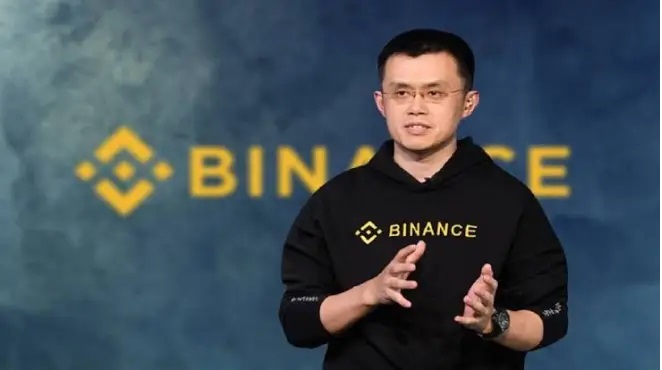
Binance and CFTC reach a $1.35 billion settlement, CZ to pay $150 million

0

Binance, the world’s largest cryptocurrency exchange by trading volume, has agreed to pay $1.35 billion to settle charges brought by the U.S. Commodity Futures Trading Commission (CFTC) over its unregistered derivatives trading activities.

The settlement, announced on Tuesday, marks the end of a long-running legal dispute between Binance and the CFTC, which accused the exchange of illegally offering futures, options, and swaps to U.S. customers without registering as a futures commission merchant or a designated contract market.

According to the CFTC, Binance allowed U.S. customers to access its platform through various means, such as using virtual private networks (VPNs) or third-party intermediaries and failed to implement adequate know-your-customer (KYC) and anti-money laundering (AML) procedures.

As part of the settlement, Binance has agreed to cease all derivatives trading for U.S. customers, cooperate with the CFTC in any ongoing or future investigations, and implement a comprehensive compliance program to prevent future violations.

Additionally, Binance’s founder and CEO Changpeng Zhao, also known as CZ, has agreed to pay $150 million personally to resolve allegations that he was responsible for the exchange’s unlawful conduct. The CFTC said that CZ was aware of the regulatory risks and failed to take appropriate steps to comply with U.S. laws.

In a statement, CZ said that he accepted the settlement as a way to “put this matter behind us and move forward with a clean slate.” He added that Binance remains committed to serving its global customers and expanding its product offerings in a compliant manner.

The SEC accused Binance of operating an unregistered securities exchange and facilitating illegal transactions involving digital assets. The SEC also alleged that Binance failed to implement adequate anti-money laundering and customer identification procedures, and that it misled investors about its compliance with U.S. laws and regulations.

According to the settlement agreement, Zhao will pay $100 million in civil penalties and $50 million in disgorgement of ill-gotten gains. He will also cooperate with the SEC’s ongoing investigation into Binance and its affiliates, and refrain from violating any federal securities laws in the future.

Zhao said in a statement that he accepted the settlement as a way to resolve the legal dispute and move forward with his business. He said that he respects the SEC’s role in protecting investors and maintaining market integrity, and that he is committed to complying with all applicable rules and regulations.

He also said that he is proud of what Binance has achieved in the past five years, and that he will continue to innovate and serve the global crypto community. He thanked his customers, partners, employees, and supporters for their trust and loyalty.

The settlement marks a major setback for Zhao, who founded Binance in 2017 and grew it into a crypto empire with millions of users and billions of dollars in daily trading volume. Binance offers a wide range of services, including spot trading, futures trading, margin trading, lending, staking, mining, and more.

However, Binance has also faced increasing regulatory scrutiny and pressure from various jurisdictions around the world. In recent months, Binance has been banned or restricted by authorities in the U.K., Japan, Germany, Italy, Singapore, Canada, Thailand, Hong Kong, and other countries. The SEC’s lawsuit was one of the most serious legal challenges for Binance and Zhao.

The settlement does not resolve all of Binance’s regulatory issues, as it only covers its activities in the U.S. market. Binance still faces potential investigations and actions from other regulators and law enforcement agencies around the world. It remains to be seen how Binance will adapt to the changing regulatory landscape and maintain its dominant position in the crypto industry.

The settlement is the latest in a series of regulatory actions against Binance, which has faced scrutiny from authorities in several countries over its operations. Binance has also been sued by customers who claimed that they lost money due to technical glitches or market manipulation on the exchange.

Binance has maintained that it operates with high standards of compliance and security, and that it is willing to work with regulators to address their concerns. The exchange has also hired several former regulators and industry veterans to bolster its legal and compliance team.

Micromobility Delisted From Nasdaq Over Noncompliance With Stock Exchange Listing Rules

0
NASDAQ

E-scooter company and leader in innovative urban transportation solutions Micromobility, formerly Helbiz, was on Monday delisted from Nasdaq as a result of the company’s noncompliance with the stock exchange’s listing.

Reports reveal that Micromobility delisting from Nasdaq, was as a result of the company’s failure to maintain a share price of at least $1 as required by Nasdaq Listing Rule 5550(a)(2), and for failing to comply with Nasdaq’s minimum stakeholder’s equity requirement for continued listing.

Accordingly, the Nasdaq Hearings Panel has determined to delist the company’s shares and warrants from Nasdaq. Nasdaq will complete the delisting by filing a Form 25

Notification of Delisting with the U.S. Securities and Exchange Commission SEC, following the expiration of relevant appeal periods. In a delisting letter issued to Micromobility, Nasdaq disclosed that the company may request a listing and hearing review to look into the delisting decision within 15 days from the date of the Delisting Letter.

Micromobility is currently carefully evaluating whether such an appeal of Nasdaq’s decision is warranted. The Company’s evaluation will consider various factors, which include the board’s assessment of the likelihood of the company regaining and maintaining compliance with the continued listing requirements.

Additionally, the evaluation will encompass an analysis of the benefits of continuing to list on Nasdaq compared to the substantial costs, including the extensive commitment of management’s time and resources for complying with various listing requirements.

Notably, Micromobility recently said it intended to seek approval for another reverse split at a special meeting of the stockholders scheduled for January 2024.

The company is firmly dedicated to meeting the Panel’s conditions and is strategically positioned to take further actions to ensure ongoing compliance and bolster investor confidence.

The Company estimates that its expenses related to maintaining its Nasdaq listing are expected to rise significantly in the coming years due to the compliance requirements of the Sarbanes-Oxley Act (SOX) and ESG initiatives, among others. In anticipation of realizing substantial cost savings, the Company sees potential opportunities to streamline operations through delisting and deregistration.

Micromobility removal from Nasdaq is coming after the company’s stock has struggled to remain in compliance since going public via a special purpose acquisition merger in 2021. In March 2023, the company issued a reverse stock split to bring the price back into compliance, the gains from which didn’t last long.

Before the final delisting of Micromobility, the company last month November, received a notice from the Nasdaq hearings panel, stipulating that the company must meet all the continued listing requirements, including the bid price and market value of listed securities requirements by the deadline of December 29, 2023.

The CEO Salvatore Palella at that time expressed appreciation to Nasdaq for the opportunity to continue executing the company’s strategic plan, stating that the team is fully committed to addressing the compliance issues identified by Nasdaq and is actively working towards enhancing its growth trajectory and maximizing shareholder value. However, all efforts seem not up to par, following the company’s recent removal from Nasdaq.

Electric scooter company Bird has filed for Chapter 11 bankruptcy. The six-year-old firm said in a press release that it will continue operations as it aims for “long-term, sustainable growth.” It’s been a tough couple of years for Bird, which went public in late 2021 but was delisted from the New York Stock Exchange after its share price tanked. It’s not the only startup of its kind struggling in recent months: Micromobility.com was delisted from the Nasdaq on Tuesday, and European scooter company Tier just laid offnearly a quarter of its workforce.

In the year after its NYSE debut, Bird’s market cap fell from $2 billion to $70 million.

The bankruptcy filing does not include Bird’s Canadian or European operations, which will continue as usual, the company said. (LinkedIn News)

The first three quarters of 2023 were spent dealing with the fallout of 2022 and litigating the FTX debacle

0

The year 2023 has been a challenging one for the crypto industry, as we had to cope with the aftermath of the events that shook the market in 2022. One of the most prominent and controversial issues was the FTX scandal, which involved allegations of market manipulation, insider trading, and fraud.

The legal battle between FTX and its accusers has been ongoing for most of the year and has had significant implications for the regulation and reputation of the crypto space.

As you may recall, FTX, a leading crypto exchange and derivatives platform, was accused of market manipulation, fraud, and money laundering by several regulators and law enforcement agencies around the world. The allegations stemmed from FTX’s involvement in a series of controversial trades and transactions that allegedly inflated the prices of certain tokens and manipulated the futures market. FTX denied any wrongdoing and claimed that it was a victim of a coordinated smear campaign by its competitors and enemies.

The legal proceedings against FTX began in early 2023, and they quickly turned into a complex and costly ordeal for both sides. FTX faced multiple lawsuits, investigations, and fines from various jurisdictions, while also trying to defend its reputation and business operations. The crypto community was divided over the FTX case, with some supporting FTX as a pioneer and innovator in the space, and others condemning FTX as a rogue and reckless actor that harmed the integrity and credibility of crypto.

The FTX case also raised important questions about the regulation and governance of crypto, and the role and responsibility of exchanges and platforms in ensuring fair and transparent markets.

The FTX case is still ongoing at the time of writing this post, and it is unclear how it will end or what impact it will have on the crypto industry. However, I believe that there are some key takeaways that we can learn from this episode, regardless of the outcome.

First, we need to recognize that crypto is not immune to manipulation, fraud, or corruption. As crypto grows in size, scope, and influence, it also attracts more attention, scrutiny, and hostility from various actors, both inside and outside the crypto space.

We need to be vigilant and proactive in detecting and preventing any malicious or unethical behavior that may undermine the trust and value of crypto. We also need to be accountable and transparent in our actions and decisions and cooperate with regulators and authorities when necessary.

Second, we need to foster a culture of innovation and collaboration in crypto. Crypto is a dynamic and evolving field that offers immense opportunities for creativity and experimentation. We should encourage and support new ideas and projects that can advance the state of the art and benefit the crypto community.

However, we should also respect the rules and norms that govern the crypto space and avoid any practices or activities that may harm or exploit other participants or stakeholders. We should also seek to collaborate with other players in the crypto ecosystem, such as developers, users, investors, media, educators, etc., to create synergies and positive outcomes for everyone.

Third, we need to prepare for the future of crypto. Crypto is still in its early stages of development, and there is much room for improvement and growth. We should not be complacent or satisfied with the status quo, but rather strive to make crypto better, faster, safer, more accessible, more inclusive, more diverse, more sustainable, etc.

We should also anticipate and adapt to the changing needs and expectations of the crypto market and society at large. We should also embrace change and uncertainty as opportunities rather than threats.

2023 has been a difficult but valuable year for crypto. It has tested our resilience and resolve as a community, but it has also taught us some important lessons and insights that can help us improve and advance our field. I hope that 2024 will be a more positive and productive year for crypto, where we can overcome our challenges and achieve our goals.

Crypto Industry reacts to SEC’s Coinbase denial

The Securities and Exchange Commission (SEC) has rejected Coinbase’s proposal to launch a crypto lending program, citing concerns over investor protection and market manipulation. The decision has sparked a wave of criticism from the crypto industry, which sees the move as another example of the regulator’s hostility and lack of clarity towards innovation in the space.

Coinbase, one of the largest and most popular crypto platforms in the US, announced in June that it planned to offer its customers the opportunity to earn interest on their crypto holdings by lending them out to verified borrowers. The company said it would initially support USD Coin (USDC), a stablecoin pegged to the US dollar, and offer a 4% annual percentage yield (APY) on the deposits.

However, in September, Coinbase revealed that the SEC had threatened to sue the company if it launched the lending program, claiming that it would violate federal securities laws. Coinbase argued that its product was not a security, and that it was similar to other existing offerings in the market, such as BlockFi and Celsius. The company also said it had tried to engage with the SEC for months, but received no clear guidance or explanation from the agency.

On November 17, Coinbase announced that it had decided to withdraw its lending program proposal, after failing to reach an agreement with the SEC. The company said it was disappointed by the outcome, but that it would continue to explore other ways to provide more value and utility to its customers.

The crypto industry reacted with frustration and dismay to the news, accusing the SEC of stifling innovation and creating uncertainty for both crypto businesses and consumers. Many industry leaders expressed their solidarity with Coinbase, and called for more clarity and collaboration from the regulator.

Here are some of the reactions from prominent figures in the crypto space:

  • Brian Armstrong, CEO of Coinbase: “Disappointed by this outcome. Lending products are common in crypto, as they are in traditional finance. We will keep working hard to bring more innovation to crypto in a compliant way.”

  • Jeremy Allaire, CEO of Circle, the issuer of USDC: “This is a sad day for crypto innovation in America. Coinbase Lend was a safe, secure and regulated way for millions of Americans to earn a yield on their USDC holdings. The SEC has effectively shut down this opportunity for no good reason.”

  • Caitlin Long, CEO of Avanti Bank, a crypto-focused bank in Wyoming: “The SEC’s rejection of Coinbase Lend is a huge mistake. It will drive more people to unregulated platforms that offer much higher yields, but with much higher risks. The SEC is supposed to protect investors, not push them away from regulated options.”

  • Anthony Pompliano, co-founder of Morgan Creek Digital, a crypto investment firm: “The SEC’s decision is not surprising, but it is disappointing. They are clearly not interested in fostering innovation or competition in the crypto industry. They are acting like an obstacle, rather than a partner.”

  • Jake Chervinsky, general counsel of Compound Labs, a decentralized lending protocol: “The SEC’s denial of Coinbase Lend is not only bad for Coinbase, but for the entire crypto ecosystem. It sends a chilling message to anyone who wants to build or use crypto products in the US. It also shows how far behind the SEC is in understanding and regulating this new technology.”

My Message to Aba Wine Producers And The Necessity of Boldness, Decency on Innovation

1

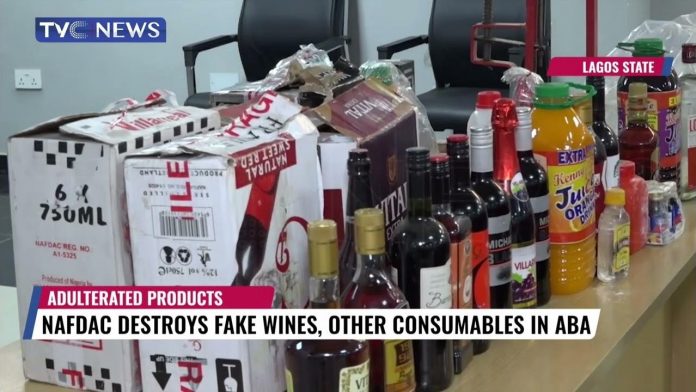
This is for Aba and all Nigerian  makers and producers on the necessity of boldness and decency as we pursue entrepreneurial market opportunities. Good People, I am very disappointed with guys who are alleged to be making fake products. I have read about the raid by NAFDAC, and can conclude that everyone dropped the ball. The government (yes, NAFDAC) endangered the lives of citizens by even allowing such to happen. And the people making those products are not serving Aba and Nigeria.

Guys: if you can taste a French wine, and can recreate that wine to the extent that people buy them without noticing any difference on taste, packaging, and everything, why must you use the foreign label? And why must you be hiding to run your own winery? And why must you do this in an illegal way? What is the problem Guys?

Nigeria has limited dollars to import foreign wines, and you’re here producing the French liquids in Nigeria, and yet, you cannot be bold to do the right things? Do you know that with small money, you can go to NAFDAC, apply for a permit and with that permit, you can have your own wine brand? The government will just ask you to maintain a basic level of sanitation so that your customers do not have problems consuming your products (this for your good as you need them today, tomorrow and next).

I do not drink alcohol (not that I have issues with people who do) because as a Scripture Union kid, there are things you see no value for. Also, I cannot invest in this type of business. Otherwise, I would have liked to support so that after serving whatever penalty NAFDAC has penciled down, people can be organized to do things right. Get a warehouse, go to FUTO and hire one Food Science & Tech student, look for a retired quality expert from Nigerian Breweries, etc, and get the facility to order, using the same tools you have now. 

Seek for NAFDAC permit and if you need help, contact Greater Aba Development Authority (GADA). There are many names to pick from; leave the foreign labels alone. Go with Abai Wines,  Eziukwu Winery, Bendes, Ovim Wines, Ohafia Farms Winery, Aba Oma Wines, Ikenga Winery, Enyimba Winery, etc.

Too bad, this has to do with alcohol, I would have asked you to meet my guys in Aba, but if you persist, talk to Shoptreo team, they’re in Aba and understand every aspect of permits, exports, etc from Aba. Tekedia Capital invested in them and they’re operating with extra support from the Bank of Industry (BOI). I want you wine makers to follow the same path: be bold on your local brand, obey the laws, and serve with honour and decency. 

As you know, if you need help, reach out and I will talk to our Mr. Governor. He wants you all to do the right things. If you need help, come out and the state will support you. Let us stop this attitude because Aba is bigger than this. We must do the right things and build our brands. I am restricted as I do not invest in alcohol-related businesses; otherwise, we will do what we did in Shoptreo.

Make Aba Greater, Transform Abia, and Advance Nigeria.