DD
MM
YYYY

PAGES

DD
MM
YYYY

spot_img

PAGES

Home Blog Page 351

Binance Announces $283 Million Compensation for Users Impacted by Recent Depegs and Liquidations

0

On October 13, 2025, Binance, the world’s largest cryptocurrency exchange by trading volume, revealed a comprehensive $283 million compensation program to reimburse users affected by a chaotic market event on October 10, 2025.

This initiative addresses losses from forced liquidations triggered by temporary depegging of key stablecoins and liquid staking tokens (LSTs), compounded by technical glitches during a broader crypto market crash.

The announcement comes amid a partial market rebound, with Bitcoin surging 3.74% to around $114,913 following a staggering $20 billion in total liquidations across the industry.

The incident unfolded during a high-volatility selloff on October 10, between 21:36 and 22:16 UTC, exacerbated by external factors like U.S. President-elect Donald Trump’s announcements on tariffs against Chinese imports.

Over $7 billion in positions were liquidated in a single hour, with Binance alone accounting for $2.4 billion including $1.4 billion in longs and $981 million in shorts. This was part of a 24-hour wipeout affecting 1.6 million traders globally.

Stablecoin and LST Depegs: Three assets used as collateral in Binance’s Futures, Margin, and Loan products temporarily lost their pegs: USDe Ethena’s synthetic stablecoin dropped from $1 to as low as $0.66, despite maintaining stability on other platforms.

BNSOL (Binance’s Solana LST): Experienced sharp price swings. WBETH (Wrapped Beacon ETH LST): Also depegged amid the chaos. Surging volumes led to transaction errors, order delays, and redemption/transfer glitches, preventing some users from closing positions in time.

Binance noted that long-standing limit orders exacerbated spot price distortions during the liquidity crunch. These events particularly hit users in Binance Earn products, where the depegged assets served as collateral, forcing unintended liquidations.

Binance’s native token, BNB, dipped nearly 10% in the aftermath but has since recovered, reclaiming its spot as the third-largest non-stablecoin crypto by market cap. Binance’s two-phase program is designed to make affected users whole, focusing on verifiable losses.

Phase 1 (Liquidation Compensation): Covers Futures, Margin, and Loan users who held USDe, BNSOL, or WBETH as collateral during the depeg window. Payouts equal the gap between the liquidation price and the asset’s market price two hours later at 00:00 UTC on October 11.

Phase 2 (Operational Delays): Addresses delays in internal transfers or redemptions caused by system overloads. Automatic for verified impacted accounts; users who bought depegged assets at discounts retain gains. Wealth management clients follow a separate process.

Binance CEO Richard Teng and co-founder Yi He issued public apologies, emphasizing accountability: “We don’t make excuses and will learn from what happened.” Notably, Ethena Labs’ CEO Guy Young disputed the severity of the USDe depeg, calling it a Binance-specific anomaly rather than a protocol-wide issue.

Binance outlined enhancements: Adding redemption prices to index weights for affected assets. Implementing a “soft price floor” in USDe’s reference index.

While decentralized protocols like Uniswap and Aave handled the volatility without major hitches—processing record volumes and liquidations seamlessly—the event highlights ongoing risks in centralized exchanges during extreme conditions.

Community calls for regulatory scrutiny on liquidation fairness have emerged, with OKX CEO Hong Fang criticizing the scale of user harm. This compensation underscores Binance’s commitment to user protection amid crypto’s inherent volatility, though it serves as a reminder that trading remains high-risk.

Solana Experienced Highest Stress Test Amid the Largest Crypto Crash on Record

0

The cryptocurrency market endured its most severe liquidation event ever, with over $19 billion in leveraged positions wiped out across major assets like Bitcoin, Ethereum, XRP, and Solana (SOL).

Triggered by U.S. President Donald Trump’s surprise announcement of 100% tariffs on Chinese imports, the shock rippled through global markets, causing altcoins to plummet 20-90% in minutes and affecting 1.66 million traders—mostly long positions.

The total crypto market cap dipped below $4 trillion, marking a steeper drop than the 2020 COVID crash in terms of liquidation volume.While the price action was brutal—SOL fell 17.5% to around $144 before rebounding to ~$183—the real story was Solana’s underlying network performance.

Unlike past outages like the 2021 spam-induced halts, this event served as the blockchain’s toughest real-world benchmark yet, and it passed with flying colors. Solana’s core development team, Anza, confirmed the network hit a peak throughput of 100,000 transactions per second (TPS) while maintaining full stability—no downtime, no congestion, and median fees under $0.00011 SOL negligible even at scale.

The Agave validator client processed 6x the usual peak traffic and fully utilized 60 million compute units (CU) per block without degradation. This outpaced Ethereum’s L2s (e.g., Arbitrum faced delays) and even traditional systems like Visa average 65K TPS.

Decentralized exchanges (DEXs) on Solana handled over $7 billion in 24-hour volume. Protocols like Ethena 100% uptime, peg held, Aave record stress-test with zero delays, and Hyperliquid flawless traffic handling shone, while centralized exchanges like Binance halted trading and mispriced assets, exacerbating liquidations.

Solana’s status page reported zero disruptions on October 10-11, contrasting with broader market chaos where some altcoins briefly hit “zero” prices on CEXs due to overwhelmed systems.

What Caused the Crash and Why Solana Thrived

The downturn stemmed from over-leveraged positions up to 100x on some platforms and thin liquidity in altcoins, amplified by automated liquidations creating a feedback loop.

Market makers pulled back, and CEXs like Binance auto-sold collateral, pushing prices into “extreme wick lows” that weren’t reflective of organic demand. Solana’s edge? Its proof-of-history consensus and recent upgrades such as priority fees, local fee markets prevented the spam floods that plagued it in 2021.

This wasn’t just hype—decentralized market makers and DeFi protocols outperformed centralized ones, proving Solana’s design for high-volume, low-cost trading. As one analyst noted, it felt like “a stock exchange where the app never glitches during a market crash.”

Solana emerged as the “true Layer 1 MVP,” alongside resilient tokens like Zcash +9% post-crash and niche chains like Hyperliquid. Losers included Ethereum high fees, congestion, Cosmos ATOM briefly to zero, and CEXs liquidity failures.

Institutional interest is surging—Pantera Capital allocated $1.25B to Solana assets, DeFi TVL hit $12.2B, and Bloomberg pegs a 90% chance of Solana ETF approval by mid-2025. Despite the dip SOL down 15% weekly, this validates its scalability for real-world adoption.

While technically sound, SOL remains volatile—traders eye support at $175, with potential drops to $110 if macro pressures (e.g., U.S. bank M&A, regulatory probes) intensify. Long-term predictions range from $255-$480 by year-end, driven by ETF tailwinds.

This crash wasn’t just destruction; it was a proving ground. Solana didn’t just survive—it accelerated, handling chaos that would cripple most networks. As the dust settles, expect more capital flowing to proven performers like SOL.

FASMICRO Is Here To Serve You on Intel Technologies

0

To our corporate and university partners across Africa, I am happy to note that Intel is rising, to provide deeper, smarter and larger support on your technical missions. For more than a decade, our business has provided technical support to you, and that tradition will continue, with Intel technologies.

First Atlantic Semiconductors & Microelectronics (listed on Intel website https://www.intel.com/content/www/us/en/support/programmable/support-resources/fpga-training/overview.html ) is here to help your business, with Intel, under the new Intel® Partner Alliance Refresh program.

As your programmable microprocessor knowledge partner for Africa, we have the chipsets, kits and all the necessary knowledge to help you design, engineer, build and grow.

Cardano Hits $0.50, Ethereum Crosses $4,600, and BlockDAG’s $0.0015 Price Sparks Huge Market Buzz

0

Cardano (ADA) and Ethereum (ETH) are regaining strong momentum, creating excitement across the crypto world as people look to invest in crypto before 2026. Cardano’s ADA has climbed near the $0.50 mark after a drop in selling pressure, with analysts expecting steady gains through Q4.

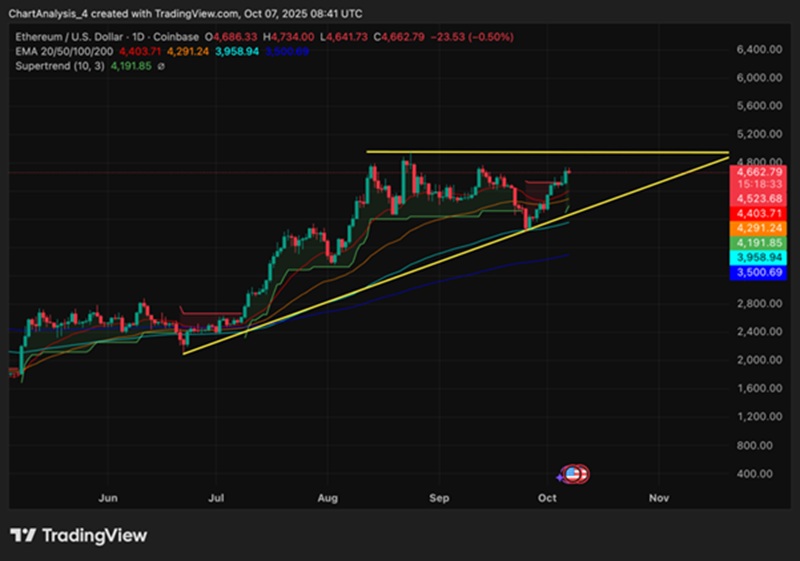
Ethereum, meanwhile, remains solid above $4,600 thanks to a sharp rise in staking demand and optimism about a possible ETF approval. These moves have reignited trust in top digital coins and may signal the start of another major rally.

While Cardano and Ethereum show renewed energy, BlockDAG (BDAG) focuses on actual progress and delivery. Buyers can still grab BDAG at a discounted $0.0015 before Genesis Day on November 26 with code “TGE”. Cardano and Ethereum are riding on speculation, but BlockDAG is showing concrete action.

Cardano Price Outlook: Building Back Toward $0.50

Cardano’s network is showing recovery signs, backed by better liquidity and stronger on-chain data. ADA’s flirtation with the $0.50 highlights growing confidence and room for further expansion into late 2025. Developers are improving system upgrades to make smart contracts faster and more efficient, helping ADA maintain its place among leading blockchain projects.

Still, Cardano’s main hurdle is keeping up with its development pace. Its progress often runs behind schedule, which can slow real-world use. Many remain hopeful about ADA’s rise, yet one key question stays open: Can it reach full performance and scalability by 2026?

Compared with BlockDAG’s clearly defined path, including a nearly finished presale, live TGE, and a set Genesis Day, Cardano’s steps appear slower. The $0.50 resistance is a key stage, but consistent ecosystem delivery will decide if ADA holds its strength long-term.

Ethereum’s $4,600 Break Fueled by Staking and ETF Excitement

Ethereum’s jump above $4,600 reflects a return of optimism for the second-largest crypto asset. The growth comes from higher staking activity and ongoing speculation about Ethereum ETFs. Analysts believe Ethereum’s breakout above $4,600 could continue into the next cycle as demand for ETH-backed products rises. Layer-2 networks such as Arbitrum and Base are adding to transaction volume and overall network use.

However, Ethereum’s future price depends on lowering network fees, improving scalability, and refining its proof-of-stake setup. Though staking demand and ETF excitement boost prices, they don’t automatically solve long-term usability concerns.

To stay on top before 2026, Ethereum must deliver faster, cheaper network experiences. In contrast, BlockDAG is achieving its roadmap goals in real time, while Ethereum’s gains lean more on optimism than on direct delivery.

BlockDAG: Real Action Ahead of Genesis Day

BlockDAG is changing how people see new crypto launches by turning talk into measurable progress; a major shift for anyone investing in crypto today. With over $420 million collected in its presale and nearly 27 billion coins sold, the project is in its final stage before mainnet release. The live TGE code has replaced the CLAIM phase and gives buyers ranked airdrop access based on how early they joined.

The TGE code gives users early launch access based on their position on the leaderboard. Your rank decides when your airdrop becomes available:

Ranks 1–300: Receive the airdrop instantly at launch

Ranks 301–600: Airdrop unlocked after 30 minutes

Ranks 601–1000: Airdrop released after 1 hour

Ranks 1001–1500: Airdrop delivered after 2 hours

Ranks 1501–2000: Airdrop available after 4 hours

Ranks 2001–5000: Airdrop accessible after 6 hours

Ranks above 5000: Airdrop becomes available after 24 hours

Currently, Batch 31 is live at $0.0304, reflecting a 2940% gain from Batch 1. Yet, BDAG remains available for just $0.0015 for a limited time through the TGE code, offering one of the lowest entry points available. This makes BlockDAG an appealing choice for anyone seriously considering investing in crypto with proven execution.

Unlike Cardano and Ethereum, which rely on market trends and future hopes, BlockDAG follows a clear and visible timeline. Genesis Day is fixed for November 26, marking a public signal of readiness. The project has already shipped over 20,000 mining units and formed partnerships, such as its collaboration with the BWT Alpine Formula 1® Team; these achievements add both credibility and visibility.

With over 3 million X1 app users, BlockDAG is proving that structured delivery and consistent updates can redefine how people approach investing in crypto before 2026.

Conclusion: Real Results Set the Leaders Apart

By 2026, the crypto space will be divided between projects that deliver and those that only talk. Cardano keeps improving its network, but timelines remain uncertain. Ethereum continues to grow, yet faces high costs and slower updates that depend heavily on speculation.

BlockDAG, however, has built real progress that people can measure: a $420 million presale, a live TGE system, operational mining hardware, and a confirmed Genesis Day. These steps define why it stands apart.

As ADA and ETH work to maintain momentum, BlockDAG’s countdown to November 26 shows clear readiness. It’s $0.0015 special offer, active TGE, and ranked rewards make it one of the top choices for those serious about investing in crypto.

When Genesis arrives, promises will give way to proof. And in that moment, BlockDAG won’t be waiting for 2026;  it will already be leading it.

Presale: https://purchase.blockdag.network

Website: https://blockdag.network

Telegram: https://t.me/blockDAGnetworkOfficial

Discord: https://discord.gg/Q7BxghMVyu

Ottawa’s Landmark Entertainment Resort Opens Its Doors

0

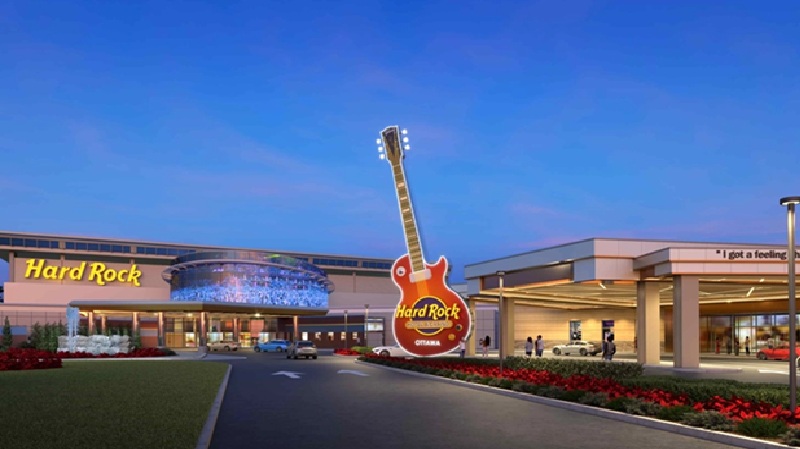
Ottawa has entered a new era of luxury and entertainment with the grand opening of the Hard Rock Hotel & Casino Ottawa on August 14. As the first fully integrated Hard Rock resort in Canada, the CA$350 million development merges hospitality, music, and gaming into a single destination designed to elevate the city’s cultural and tourism profile.

The project represents a bold statement of how Canada’s hospitality sector is transforming through high-end investments, job creation, and experiential appeal.

This trend highlights how innovation in the hospitality and entertainment space mirrors the growing discussions around online casinos in Canada as part of the country’s broader lifestyle economy.

The Grand Opening Event

The opening of the Hard Rock Hotel & Casino Ottawa marked a defining moment for both the Hard Rock brand and Canada’s capital. The August 14 debut was celebrated with fanfare, live performances, and a full showcase of the resort’s amenities.

City officials and business leaders attended the launch, emphasizing the significance of the CA$350 million investment in Ottawa’s economic and cultural growth. The venue’s unveiling positioned the city as a future leader in entertainment tourism and hospitality innovation.

The inaugural event underscored Hard Rock’s signature blend of music, energy, and luxury. Guests experienced the grand reveal of Hard Rock Live, the resort’s live entertainment venue, featuring performances that embodied the brand’s global reputation for music-centered experiences. Ottawa’s residents and visitors alike viewed the launch as a milestone moment that would redefine the city’s social landscape.

The CA$350 Million Investment

At the heart of this development lies a massive CA$350 million investment that solidifies Hard Rock’s confidence in the Canadian market. The project’s funding brought together architectural innovation, world-class interior design, and advanced gaming infrastructure, setting a new standard for integrated entertainment properties nationwide.

The scale of the investment demonstrates how global hospitality leaders are identifying Canada as fertile ground for large-scale, culturally infused tourism ventures.

The investment’s immediate impact on the local economy has been substantial. Beyond construction, the project’s operational phase created more than 700 jobs, spanning hospitality, culinary, gaming, and event management sectors. This infusion of employment opportunities contributes to Ottawa’s broader strategy of diversifying its economy through tourism and lifestyle development.

Luxury Accommodation and Guest Experience

The Hard Rock Hotel portion of the property brings a distinct blend of sophistication and entertainment to Ottawa. Designed to cater to both leisure and business travelers, the hotel combines contemporary luxury with the brand’s iconic musical heritage. Each suite and room integrates memorabilia and design elements that echo the global Hard Rock identity while maintaining local artistic influences.

The accommodations feature state-of-the-art amenities, premium finishes, and an immersive environment that reflects Hard Rock’s philosophy of connecting guests with culture through design. The combination of art, technology, and comfort ensures that each guest experiences not only luxury but also a unique sense of place tied to Ottawa’s evolving hospitality narrative.

Culinary Diversity With 10 Restaurants

One of the cornerstones of the new resort is its culinary portfolio, which includes 10 restaurants offering a wide spectrum of cuisines. From fine dining experiences to casual social spots, the selection reflects Ottawa’s growing appetite for global flavors and immersive dining atmospheres. This culinary variety enhances the property’s position as a full-day destination for both visitors and residents.

Each restaurant within the Hard Rock Hotel & Casino Ottawa introduces a unique theme and approach to gastronomy, merging international influences with Canadian produce. The combination of local sourcing and global flair exemplifies how modern resort dining is evolving beyond traditional casino fare into a more dynamic, experiential element of travel.

Hard Rock Live: The Heart of Entertainment

Hard Rock Live, the resort’s concert and performance venue, anchors the entertainment experience within the property. Designed to host world-class acts and local performers alike, the venue merges acoustical precision with audience intimacy, creating a premier destination for live events in Canada’s capital.

The architectural layout of Hard Rock Live embodies the brand’s global legacy in music culture. It is equipped with advanced sound and lighting systems and a stage adaptable for multiple genres, from rock and pop to jazz and classical. This dual focus on versatility and quality ensures year-round engagement for audiences and artists.

The Expansive Gaming Floor

The casino floor within Hard Rock Hotel & Casino Ottawa reflects the modern evolution of gaming in Canada. It combines cutting-edge design with a diverse array of gaming options that appeal to both casual players and seasoned enthusiasts. The integration of technology ensures seamless experiences across all entertainment offerings.

The gaming area includes hundreds of slot machines, high-limit rooms, and table games, all within an environment that balances excitement with sophistication. Its layout emphasizes accessibility, atmosphere, and service, positioning it as a model for future casino developments in the country.

Job Creation and Economic Growth

The project’s creation of more than 700 jobs represents one of its most tangible contributions to Ottawa’s economy. These positions span across various departments, including hospitality, event coordination, culinary services, and facility management. This direct employment boost supports both residents and the broader labor market.

Beyond job creation, the casino’s operational ecosystem supports local suppliers, contractors, and tourism services. The ripple effect of economic benefits extends beyond the resort’s boundaries, stimulating business growth throughout the region and enhancing Ottawa’s appeal to investors and visitors alike.

Cultural and Tourism Influence

The Hard Rock Hotel & Casino Ottawa is more than a gaming destination; it is a cultural landmark that celebrates music, food, and hospitality in unison. The integration of entertainment, art, and architecture positions it as a magnet for cultural tourism in Canada.

With its scale and visibility, the resort enhances Ottawa’s global identity as a destination city. It complements national efforts to promote Canadian cities as cultural and entertainment centers capable of attracting international visitors seeking high-quality, multifaceted experiences.

Canada’s Redefinition of Hospitality

This new resort signals how Canada is redefining its hospitality sector by merging cultural experiences with large-scale investment. The integration of music, food, and gaming aligns with a broader shift toward experiential tourism that emphasizes emotional connection and brand identity.

The success of the Hard Rock Hotel & Casino Ottawa is part of a global trend in which integrated resorts serve as cultural and economic anchors. By offering more than accommodation and gaming, these venues become social hubs where creativity, commerce, and community intersect.

A Model for Future Development

The project serves as a case study for how strategic investment and brand storytelling can reshape a city’s image and economy. With its CA$350 million foundation, employment generation, and focus on entertainment, the Hard Rock Hotel & Casino Ottawa provides a blueprint for future hospitality developments in Canada.

As the brand’s first fully integrated resort in Canada, it sets a benchmark for others to follow. Its success may encourage additional international hospitality brands to consider similar ventures, further transforming the Canadian entertainment landscape through innovation and investment.

Domestic and International Appeal

By design, the Hard Rock Hotel & Casino Ottawa attracts both Canadian and international visitors. The property’s combination of luxury, accessibility, and entertainment value makes it a year-round draw for travelers seeking immersive cultural experiences within a resort setting.

Ottawa’s emergence as the host city for such a major development elevates its status within the national tourism map. The city now competes with destinations like Toronto and Vancouver in offering comprehensive entertainment experiences that blend high-end hospitality with vibrant local culture.