DD
MM
YYYY

PAGES

DD
MM
YYYY

spot_img

PAGES

Home Blog Page 3531

Binance’s Changpeng Zhao must stay in US until Sentencing

0

Changpeng Zhao, the founder and Ex CEO of Binance, the world’s largest cryptocurrency exchange, has been ordered by a US court to remain in the country until his sentencing on charges of money laundering and tax evasion.

Zhao was arrested in Los Angeles on December 10, 2023, after a joint investigation by the US Department of Justice, the Internal Revenue Service and the Securities and Exchange Commission. He is accused of operating an unregistered and illegal crypto trading platform that facilitated the laundering of over $1 billion in proceeds from criminal activities, as well as evading taxes on his personal income and assets. Zhao faces up to 20 years in prison and a fine of up to $250 million if convicted.

On November 21, 2023, CZ and Binance reached a settlement with the DOJ and the CFTC, pleading guilty to criminal charges and agreeing to pay a whopping $4.3 billion in fines. CZ also announced that he would step down as the CEO of Binance and appoint a new leader who would comply with all regulatory requirements.

CZ pleaded guilty to the charges in a Seattle federal court on November 21, 2023. He also resigned as the CEO of Binance, effective immediately. His sentencing is scheduled for February 23, 2024. He faces up to 10 years in prison and a $250 million personal fine. He was released from custody after posting a $175 million personal recognizance bond.

Binance also pleaded guilty to the charges and agreed to pay $4.3 billion in fines, which is the largest penalty ever imposed on a crypto-related company. Binance also agreed to cooperate with the DOJ and the CFTC in their ongoing investigations and to implement a comprehensive compliance program that would ensure its adherence to all applicable laws and regulations.

In a statement, CZ said that he regretted his actions and apologized to his customers, employees and partners. He said that he was proud of what he had built with Binance, but that he realized that he had made mistakes along the way. He said that he hoped that his settlement would serve as a lesson for the crypto industry and that he would support the new leadership of Binance in their efforts to comply with regulators.

The settlement marks a dramatic end to CZ’s reign as one of the most influential figures in the crypto space. CZ founded Binance in 2017 and quickly turned it into a global powerhouse, offering a wide range of services such as spot trading, futures trading, margin trading, lending, staking, mining, token launchpad, decentralized exchange, charity foundation and more. CZ was known for his aggressive expansion strategy, his charismatic personality and his motto “Don’t trust, verify.”

However, CZ’s ambition also attracted the attention of regulators who were concerned about the lack of oversight and transparency of Binance’s operations. Binance faced multiple legal challenges from authorities in countries such as China, Japan, Singapore, Germany, Italy, UK, Canada, Brazil, Thailand, Cayman Islands and more. Binance tried to evade regulation by moving its headquarters from one jurisdiction to another, claiming that it had no single office or location.

Zhao’s ordeal has sent shockwaves through the crypto industry and the markets, as Binance is the dominant player in the global crypto space, with over 40% of the trading volume and over 100 million users. Binance offers a wide range of services, including spot and futures trading, peer-to-peer lending, decentralized finance, token launchpad and more.

The exchange also operates its own blockchain network, Binance Smart Chain, which hosts many popular decentralized applications and tokens. Binance has been under regulatory scrutiny in several countries, including the UK, Japan, Germany, Singapore and Canada, for allegedly violating securities laws and consumer protection regulations.

The US authorities have claimed that Zhao and his associates used complex and sophisticated methods to conceal the origin and destination of the illicit funds that flowed through Binance. They also allege that Zhao failed to report his income and assets to the IRS, despite being a US citizen since 2018. Zhao has denied the charges and pleaded not guilty.

He has also claimed that he was not involved in the day-to-day operations of Binance and that he had delegated his responsibilities to other executives. He has requested bail and a speedy trial, but the judge has denied both requests, citing flight risk and public safety concerns.

Zhao’s legal team has argued that Binance is a legitimate and compliant business that follows all applicable laws and regulations in every jurisdiction where it operates. They have also challenged the jurisdiction and authority of the US courts to prosecute Zhao, as Binance is registered in the Cayman Islands and does not have a physical presence or employees in the US. They have also claimed that Zhao is a victim of political persecution, and that the US government is trying to stifle innovation and competition in the crypto industry.

The case against Zhao is expected to be a landmark one for the crypto sector, as it will test the legal boundaries and implications of operating a global and decentralized platform that deals with digital assets. It will also have significant ramifications for the future of Binance and its users, as well as for the overall development and adoption of cryptocurrencies. The trial date has been set for March 15, 2024.

The settlement with the U.S. authorities is expected to have a significant impact on Binance’s business and reputation. Binance will have to undergo major changes in its structure, governance and culture to comply with the regulatory standards. Binance will also have to face competition from other crypto exchanges that have been more compliant and cooperative with regulators.

The settlement also raises questions about the future of CZ and his role in the crypto industry. CZ has been one of the most vocal advocates for crypto innovation and adoption. He has also been one of the most generous donors to various crypto causes and initiatives. He has amassed a loyal fan base of millions of followers on social media platforms such as Twitter and Telegram.

Will CZ be able to continue his involvement in crypto after his sentencing? Will he be able to regain his reputation and influence after his guilty plea? Will he be able to launch new projects or ventures in the crypto space?
I’d shut Crypto Down, JPMorgan’s Jamie Dimon notes, as Senator Elizabeth Warren Sees Risk in Crypto

0
JP Morgan Chase puts contents through its CEO account, it goes viral. But the same content via JPMC account, no one cares (WSJ)

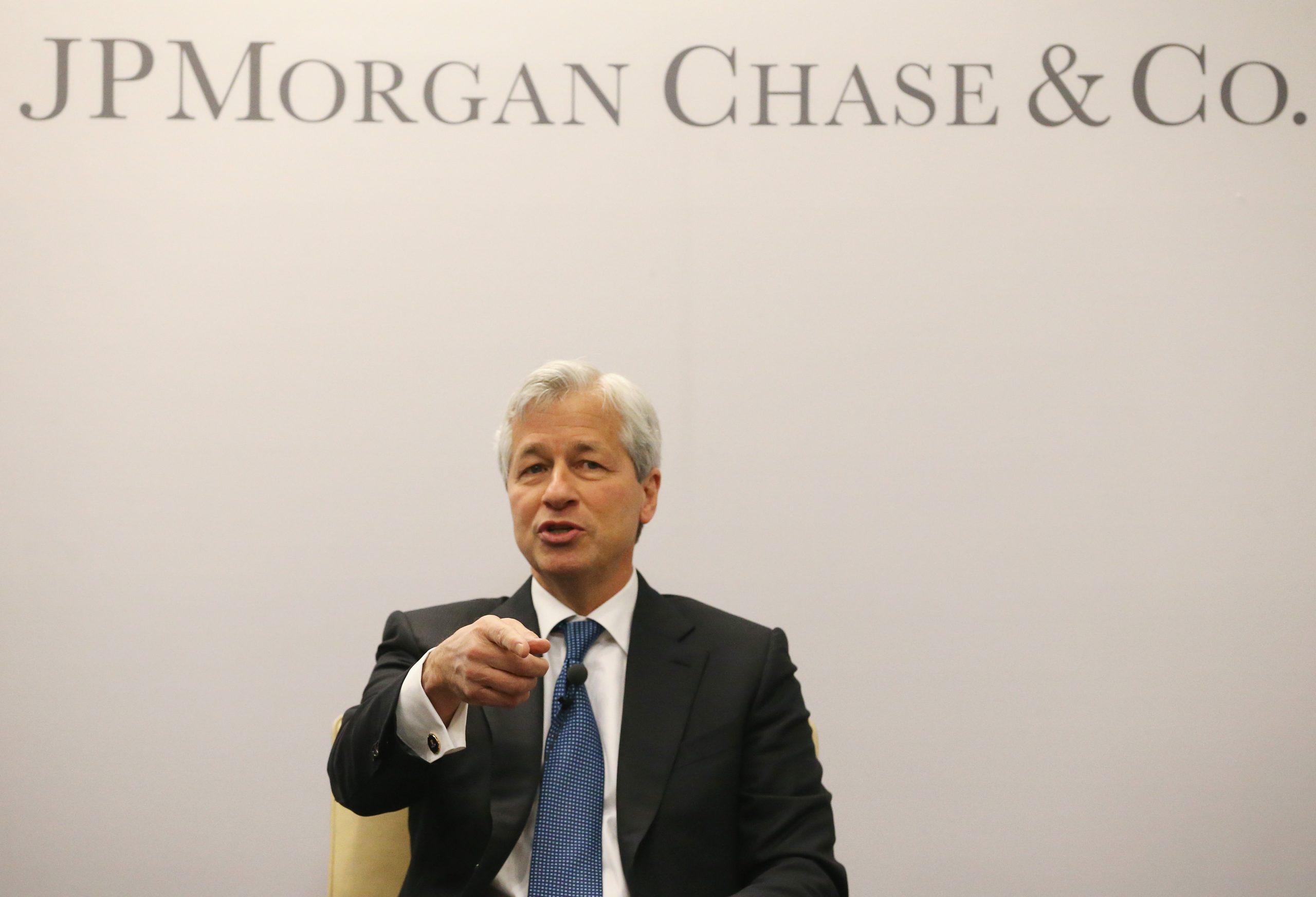
JPMorgan Chase CEO Jamie Dimon has made his stance on cryptocurrencies clear: he is not a fan. In a recent interview with CNBC, Dimon said that he would shut down crypto if he could, because he thinks it is a threat to the stability of the financial system.

Dimon argued that crypto is not backed by anything, and that it is subject to fraud, manipulation, and cyberattacks. He also said that crypto is used for illicit activities, such as money laundering and terrorism financing. He claimed that crypto is worse than fiat money, because it has no intrinsic value or legal status.

Dimon’s comments are not surprising, given that he has been a vocal critic of crypto for years. In 2017, he famously called Bitcoin a “fraud” and said that he would fire any JPMorgan employee who traded it. He later softened his tone, saying that he regretted his words and that he was open to blockchain technology.

However, Dimon’s latest remarks show that he is still skeptical of crypto’s potential and viability. He said that he does not care about the price of Bitcoin or other cryptocurrencies, and that he does not think they will ever replace traditional currencies or assets.

Dimon’s views are in contrast with some of his peers in the banking industry, who have embraced crypto as an opportunity rather than a threat. For example, Goldman Sachs, Morgan Stanley, and Bank of New York Mellon have all launched or announced plans to launch crypto-related services for their clients. Some other prominent figures, such as Elon Musk, Jack Dorsey, and Michael Saylor, have also expressed their support for crypto and invested in it.

While Dimon may have the power to ban crypto within his own company, he cannot shut it down completely. Crypto is decentralized and distributed, meaning that no one person or entity can control it or stop it. Crypto also has a loyal and growing community of users, developers, investors, and enthusiasts, who believe in its value and potential.

Crypto is not perfect, but neither is fiat money. This is the main argument that many crypto enthusiasts use to defend their preference for digital currencies over traditional ones. But what does it mean to say that crypto is not perfect? And what are the flaws of fiat money that make crypto a better alternative? In this blog post, we will explore these questions and try to provide some balanced insights into the pros and cons of both systems.

Crypto, or cryptocurrency, is a form of money that is created and stored digitally, using encryption techniques to secure transactions and control the creation of new units. Crypto is decentralized, meaning that it is not issued or controlled by any central authority, such as a government or a bank. Instead, it relies on a network of computers, called nodes, that validate transactions and maintain a shared ledger, called a blockchain, that records the history of all transactions.

Fiat money, on the other hand, is a form of money that is issued and regulated by a central authority, such as a government or a central bank. Fiat money derives its value from the trust and confidence that people have in the issuing authority and its ability to maintain the stability and purchasing power of the currency. Fiat money is usually backed by legal tender laws, meaning that it must be accepted as a means of payment within a certain jurisdiction.

One of the main advantages of crypto over fiat money is that it offers more freedom and privacy to its users. Crypto transactions are pseudonymous, meaning that they do not reveal the identity of the parties involved, only their public addresses. Crypto transactions are also irreversible, meaning that once they are confirmed by the network, they cannot be reversed or canceled by anyone, not even by the sender or the receiver. This reduces the risk of fraud, chargebacks, and censorship.

Another advantage of crypto over fiat money is that it has a limited supply, meaning that there is a predetermined number of units that can ever be created. For example, Bitcoin, the most popular and widely used cryptocurrency, has a maximum supply of 21 million bitcoins.

This makes crypto immune to inflation, which is the loss of value of a currency due to an increase in its supply. Fiat money, on the other hand, can be printed or created at will by the issuing authority, which can lead to inflation or hyperinflation if done excessively.

However, crypto is not perfect, and it also has some drawbacks compared to fiat money. One of the main disadvantages of crypto is that it is highly volatile, meaning that its price can fluctuate significantly in short periods of time. This makes crypto risky and unpredictable as a store of value and as a medium of exchange. For example, Bitcoin reached an all-time high of nearly $65,000 in April 2021, but then dropped to less than $30,000 in July 2021. Such swings can make it difficult for users to plan their finances and budget their expenses.

Another disadvantage of crypto is that it is not widely accepted or recognized as a legal form of money in most countries. This means that users may face legal or regulatory challenges when trying to use crypto for everyday transactions or for cross-border payments.

For example, some countries have banned or restricted the use or trade of crypto, while others have imposed taxes or reporting requirements on crypto transactions. Moreover, some merchants or service providers may not accept crypto as a valid form of payment or may charge higher fees or commissions for doing so.

Crypto is not perfect, but neither is fiat money. Crypto is still evolving and improving, and it may take time for it to reach mass adoption and acceptance. Crypto may not be for everyone, but it should not be dismissed or banned by anyone either.

More so, Senator Elizabeth Warren, a prominent critic of the cryptocurrency industry, has recently warned that “there is a new threat out there, and it’s crypto”. In a blog post published on her official website, Warren argued that crypto poses a danger to the financial stability, consumer protection, and environmental sustainability of the US and the world.

According to Warren, crypto is a highly volatile and speculative asset class that is prone to manipulation, fraud, and hacking. She cited several examples of crypto-related scams, thefts, and ransomware attacks that have harmed millions of investors and users. She also claimed that crypto is undermining the authority and effectiveness of central banks and regulators, who are responsible for ensuring the safety and soundness of the monetary system.

She cited examples of how crypto markets have crashed due to hacking, technical glitches, or rumors, and how these events have wiped out billions of dollars of value and harmed investors and consumers. She also warned that crypto could undermine the effectiveness of monetary policy and fiscal stimulus, as well as the role of the US dollar as the global reserve currency.

Warren also claimed that crypto is a danger to consumer protection, because it lacks the safeguards and guarantees that traditional financial products and services offer. She pointed out that crypto users have no recourse if they lose their private keys, get scammed, or face technical issues.

She also noted that crypto transactions are often irreversible, anonymous, and untraceable, which makes them attractive for criminals, terrorists, and tax evaders. She argued that crypto enables illicit activities such as money laundering, ransomware attacks, and human trafficking, and that it poses a challenge for law enforcement and national security.

Finally, Warren asserted that crypto is a threat to environmental sustainability, because it consumes enormous amounts of energy and generates massive carbon emissions. She referred to studies that estimate that Bitcoin alone uses more electricity than some countries, and that its annual carbon footprint is comparable to that of New Zealand.

She criticized the wastefulness and inefficiency of crypto mining, which relies on solving complex mathematical puzzles that have no intrinsic value or purpose. She also questioned the claims of some crypto proponents that they are moving towards greener alternatives, such as renewable energy sources or less energy-intensive consensus mechanisms.

Warren concluded her speech by calling for more regulation and oversight of the crypto industry, both at the national and international levels. She urged Congress to pass legislation that would give more authority and resources to agencies such as the Securities and Exchange Commission (SEC), the Commodity Futures Trading Commission (CFTC), the Federal Trade Commission (FTC), and the Consumer Financial Protection Bureau (CFPB) to monitor and enforce the rules of the crypto market.

She also advocated for more coordination and cooperation among regulators, lawmakers, central banks, and other stakeholders around the world to address the global challenges posed by crypto.

Warren’s blog post has sparked a heated debate among crypto enthusiasts, supporters, and critics. Some have praised her for raising awareness and calling for action on the risks and challenges posed by crypto. Others have accused her of being misinformed, biased, and hostile towards innovation and freedom.

Nigeria’s Corporate Affairs Commission to Delist Over 91,000 Companies for Failure to File Annual Returns

0
CAC

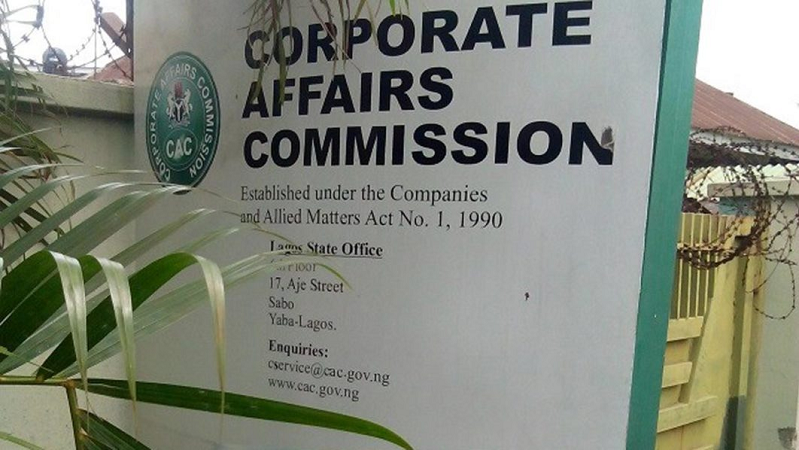
In a resolute move to combat tax evasion and enforce regulatory compliance, the Corporate Affairs Commission (CAC) of Nigeria is poised to delist a staggering 91,843 companies from its register for neglecting to submit their annual returns.

This stern action by the government agency reflects a commitment to holding businesses accountable and curbing tax irregularities.

A tax return is a crucial document filed with a tax authority, detailing income, expenses, and other pertinent tax information. It enables taxpayers to compute their tax liability, schedule payments, or seek refunds for overpaid taxes. In many jurisdictions, individuals and businesses with reportable income, encompassing wages, interest, dividends, capital gains, or other profits, must annually file tax returns.

The CAC, in a list published on its website, unveiled the names of the companies slated for delisting. The figure of 91,843 is marginally lower than the initial count of 94,581 released in August. Notably, this reduction is also beneath the previously announced 100,000 companies earmarked for removal, underscoring the stringent approach adopted by the CAC.

Garba Abubakar, the Registrar-General and CEO of the CAC, had declared in July that the commission would expunge 100,000 registered businesses from its database due to their failure to file annual returns. Abubakar emphasized adherence to section 692 of the Companies and Allied Matters Act (CAMA) of 2020, noting that affected companies would receive notices before any action was taken.

“Further to its earlier notice of the commencement of striking off the names of Companies from the Register of Companies and published on August 2, 2023, the Commission hereby notifies the General Public that the list of Companies that have failed to comply with the provisions of the Companies and Allied Matters Act 2020, to file up to date annual returns is now ready for publication in accordance with the provisions of Section 692 of the Act,” he said.

In an update on December 5, the CAC reiterated its intent to strike off companies that did not comply with the CAMA 2020 provisions regarding annual returns. The commission urged companies that had submitted complete annual returns in response to the earlier publication to verify their removal from the delisting list. The updated list is available on the commission’s website.

The CAC also outlined a process for businesses erroneously included in the list to rectify the situation. Companies that had filed full annual returns but remained on the list were instructed to email compliance@cac.gov.ng within 30 days, providing proof of filing. Additionally, the CAC emphasized that companies removed from the register cannot engage in business activities until the Federal High Court orders their reinstatement.

The taxable year in Nigeria aligns with the fiscal year, spanning from January 1 to December 31. The CAC requires the submission of tax returns to the relevant tax authority within 90 days of the fiscal year’s conclusion.

Businesses with an income of NGN 30,000 or less are exempt from mandatory tax return filing. Moreover, every employer is obligated to submit a return of all emoluments paid to employees by January 31 each year, covering the preceding year’s employment.

Duplication, Missing Details: BudgIT Raises Alarm Over Discrepancies, Corruption in Tinubu’s Proposed 2024 Budget

0

In a fervent pursuit of fiscal transparency and accountability, BudgIT Foundation, a prominent civic-tech organization in Nigeria, has intensified its critique of the proposed 2024 budget presented by President Bola Tinubu to the National Assembly.

Flagging what they describe as alarming discrepancies and crucial omissions, BudgIT called for an urgent review of the budgetary allocations.

Nancy Odimegwu, the Communications Associate at BudgIT, emphasized the organization’s concerns, recalling their earlier warnings to the Tinubu administration regarding budgetary practices detrimental to Nigeria’s progress. She said the foundation itemized ten plagues that the Tinubu administration should avoid in the 2024 budget and budget process to ensure value for money, curb expenditure inefficiency and waste, enforce accountability, and put Nigeria on the pathway of prosperity, economic growth, and development.

“Unfortunately,” Odimegwu stated, “our review of the proposed 2024 Appropriation Bill reveals that some deleterious budget practices from previous regimes persist, fostering corruption, underdevelopment, unemployment, and multidimensional poverty.”

“One significant observation is the absence of crucial budget breakdowns from the National Assembly, Government-Owned Enterprises, and some Ministry Departments and Agencies in the 2024 budget proposal.

“For instance, there is no breakdown of the National Assembly, the Niger Delta Development Commission and the North East Development Commission’s budget.

“For emphasis, the budgets of key revenue-generating government entities-including the Nigeria Ports Authority, Nigeria Customs Service, Nigerian Maritime Administration and Safety Agency (NIMASA), National Petroleum Investment Management Services (NAPIMS), Nigerian Security Printing and Minting Plc (NSPM), to mention a few-are conspicuously missing from the proposed 2024 budget presented to the National Assembly,” she added.

“Furthermore, the proposed budget’s total sum is N24.08 trillion, indicating a discrepancy of N3.42 trillion compared to the N27.5 trillion aggregate budget presented. We suspect that the difference above comprises the aggregate budgets of the Government-Owned Enterprises.”

The foundation highlighted significant gaps in budget breakdowns, specifically calling out the absence of critical financial details from entities such as the National Assembly, Government-Owned Enterprises (GOEs), and various Ministries, Departments, and Agencies (MDAs). Notably, the budgets of key revenue-generating entities like the Nigeria Ports Authority, Nigeria Customs Service, and others were conspicuously missing.

A startling N3.42 trillion discrepancy was identified in the proposed N24.08 trillion budget, indicating potential hidden allocations within GOEs. BudgIT stressed the urgency for disaggregated revenue and expenditure details from these entities, historically absent from formal budget presentations.

BudgIT also highlighted unfulfilled promises, pointing out that former President Buhari pledged to include MDA and GOE budgets in the annual appropriation bill for public defense and assent. These promises remained unfulfilled, carrying over into the current administration’s practices, indicating a glaring need for increased transparency in GOEs’ budget implementation.

The foundation’s detailed analysis uncovered duplications in allocations, particularly in renovations to presidential and vice-presidential quarters. A staggering N28.3 billion was allocated for these purposes, surpassing the combined capital budgets of key ministries, raising eyebrows regarding the allocation of funds.

“Similarly, the Vice President’s quarters in Lagos and Abuja, which got a cumulative sum of N5.5 billion in the 2023 supplementary budget for renovation, equally got allocations of N4 billion, N300 million, and N5 billion each in the 2024 budget.

“Cumulatively, the President and Vice President have a total allocation of N28.3 billion to either renovate or construct their quarters in Lagos and Abuja and another N10 billion to digitize those quarters,” it said.

Moreover, concerns were raised about the budget’s borrowing plans of $7.8 billion and €100 million (approximately N6 trillion) to fund the Medium-Term Expenditure Framework (MTEF). BudgIT questioned the rationale behind seeking approval to borrow for future budgets that currently do not exist, urging for more realistic and pragmatic revenue projections aligned with fiscal realities.

“Additionally, the proposed Appropriation Bill indicates plans to borrow $7.8 billion and €100 million (approximately N6 trillion) to fund the Medium-Term Expenditure Framework (MTEF).

“The Federal Government has projected a foreign borrowing of N1.77 trillion to finance the fiscal deficit of the 2024 budget; hence, should the government be seeking approval to borrow to fund budgets (2025 and 2026) that are not currently in existence?

“Another concern is the revenue projections, which have generally been ambitious and unmet, even in aggregate. The budget needs revenue projections aligned with fiscal realities, which must be done realistically and pragmatically,” BudgIT stated.

Drawing attention away from unreliable sources like net oil revenue, BudgIT emphasized the need for a broader fiscal focus. They highlighted the exponential growth of the service-wide vote, reaching N4.41 trillion in the 2024 budget, containing vague budget lines prone to impropriety and corruption.

“In addition, the service-wide vote provision contains budget lines that should be captured within MDAs’ budgets and vague budget lines that create loopholes for impropriety and/or corruption,” it said.

“For example, the service-wide vote envelope in the 2024 appropriation bill contains N108 billion for “special projects” with the project code “ERGP9213044.

“To worsen the situation, the federal government budget implementation reports often contain no information on how service-wide votes are utilized.”

Urging the National Assembly to recognize the budget’s pivotal role as a policy instrument, BudgIT called for a comprehensive review prioritizing economic growth, poverty reduction, infrastructure development, and human capital investment. Their unwavering stance aimed to steer Nigeria toward a transparent and accountable fiscal future.

Nigeria Plans to Increase 2024 Budget Amid Challenging Economic Realities

0

In a bid to bolster the 2024 budget, Nigeria’s Minister of Finance and Coordinating Minister of Economy, Wale Edun, has indicated that the Federal Government may seek additional appropriations from the National Assembly if the country experiences robust revenue performance next year.

Edun made this announcement on Monday, during his appearance before the Senate Committee on Finance to defend his ministry’s budget.

The minister, who also disclosed that the 2023 supplementary budget would be executed concurrently with the 2024 budget, outlined the government’s strategy, stating that savings would be utilized to enhance the availability of funds for the 2024 budget. He said the budget would be increased to reflect the government’s commitment to addressing economic needs and priorities.

The Senate Committee urged the finance minister to eliminate bottlenecks causing delays in budget implementation once passed. Chairman Sani Musa expressed concerns over the sluggish progress in executing the 2023 supplementary budget.

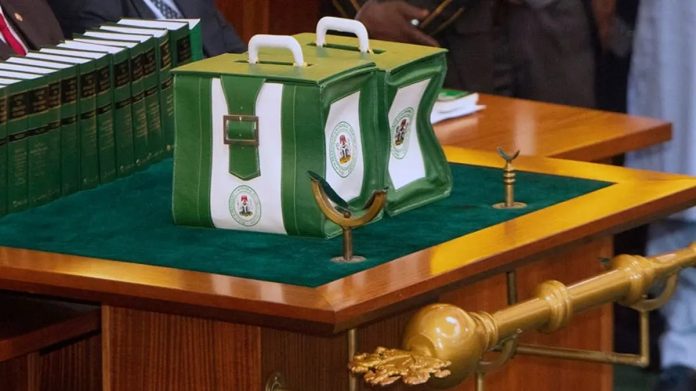
President Bola Tinubu presented the 2024 budget estimates of N27.5 trillion to the National Assembly on November 29, 2023. The budget breakdown included recurrent non-debt expenditure at N9.92 trillion, capital expenditure at N8.73 trillion, debt service at N8.25 trillion, revenue at N18.32 trillion, new borrowings at N7.83 trillion, and a deficit at N9.18 trillion.

The President projected economic growth at 3.76%, with an expected moderation of inflation to 21.4% in 2024.

Edun emphasized the importance of fiscal policy review and tax reforms to augment revenue generation. He assured that the government is not trying to increase, or introduce new taxes but enact reforms that will boost tax revenues.

He stressed that these measures would not only fortify the nation’s economy but also attract domestic and foreign direct investments, fostering job creation and wealth generation.

This development is coming amid growing criticism of the 2024 budget dubbed ‘Budget of Renewed Hope’ by experts, who believe it lacks the wits to address Nigeria’s current economic challenges.

Last week, Ben Akabueze, the Director-General of the Budget Office of the Federation, said that the proposed N27.5 trillion budget for 2024, awaiting approval in the National Assembly, is “too small” to adequately address Nigeria’s economic needs.

“I’m always first to acknowledge that the budget of the Federal Government of Nigeria is way too small relative to our needs and our requirements but it is now a case of cutting out coats according to our cloth rather than our size,” noted Akabueze.

Besides this concern, prominent Nigerians have expressed worry over the features of the budget, with some calling it extravagant. Peter Obi, the Labour Party presidential candidate in the last general election, said the priorities outlined in the budget fail to tackle the most pressing need of Nigerians, citing significant allocation for trips and renovations.

Obi urged a comprehensive review and revision of the budget to align with the urgent needs of the country.

BudgIT Foundation, a prominent civic-tech organization advocating for transparency, accountability, and efficient service delivery in Nigeria, has voiced apprehensions regarding the 2024 budget proposed by President Bola Tinubu and presented to the National Assembly for approval.

The organization said it identified what it deems as alarming issues and discrepancies within the 2024 budget, prompting a call for a thorough review of its contents.

“Unfortunately, having reviewed the proposed 2024 Appropriation Bill breakdown, we observed that the Bola Ahmed Tinubu administration has continued with some deleterious budget practices from previous regimes that have fostered corruption, underdevelopment, unemployment, and multidimensional poverty,” the foundation said.

The budget assumptions and Nigeria’s economic realities

Besides the backdrop of volume and features, the budget is significantly based on economic assumptions that experts fear may not be attained. For instance, the budget’s projections anticipate an average crude oil price of $73.96 per barrel in the global market and Nigeria’s oil production at an average of 1.78 million barrels per day, with an estimated exchange rate of N700/$1.

However, these forecasts contrast starkly with the current realities of underwhelming oil output, the weakening performance of the naira in the forex market, and a persistent upward trend in inflation.

Since 2022, Nigeria has struggled to maintain a daily oil production average of 1.2 million barrels per day. Achieving a significant daily increase of over 500,000 barrels within a year poses a considerable challenge, particularly considering the recent decline in oil production, illegal refining activities, oil theft, and a lack of confidence in the government’s capacity to reverse these detrimental economic trends.

Though there has been an uptick in oil production recently, with about 1.5mbd, the Nigerian National Petroleum Company Limited (NNPCL) said on Tuesday that Nigeria recorded 127 crude oil theft incidents between December 2 and 8, underscoring a possibility of production decline.

Also, the realities are stacking up against the N700/$1 exchange rate projection made in the budget. As of Tuesday, the naira is trading at N864.29/$1 at the official market and N1,210/$1 at the parallel market.

With the government’s efforts to boost dollar liquidity yet to yield the desired results, experts have called for the 2024 budget to be reviewed in line with the nation’s economic realities.

“We call for a comprehensive review that prioritizes broad-based economic growth, reduces inequality, addresses poverty, tackles insecurity, bridges Nigeria’s infrastructure gap, and invests in human capital development,” BudgIT said.