DD
MM
YYYY

PAGES

DD
MM
YYYY

spot_img

PAGES

Home Blog Page 3544

Egypt’s Diplomatic Ties with Israel, Nuclear Plant Vision and Russia

0

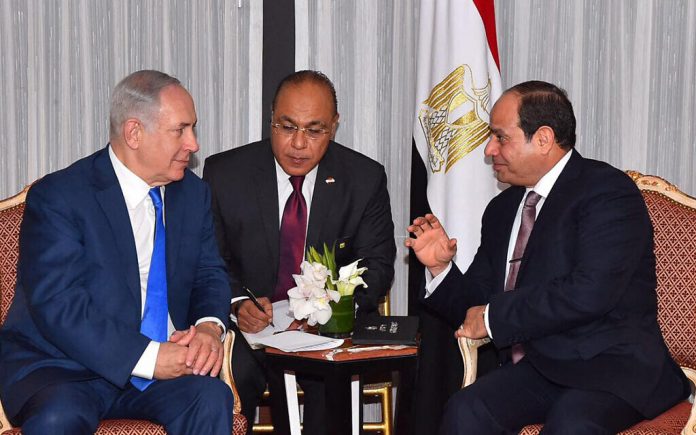
In light of recent developments in the Middle East, Egypt is reportedly contemplating a significant shift in its diplomatic stance with Israel. This comes after a series of events that have escalated tensions in the region, particularly concerning the situation in Rafah, a town on the border between Egypt and the Gaza Strip.

According to various sources, including The Wall Street Journal, Egyptian officials are weighing the option of downgrading diplomatic relations with Israel. This consideration is a direct response to the Israeli military’s ground operation in Rafah, which commenced last Tuesday. The operation has put a strain on the longstanding peace agreement between the two nations, raising concerns about the potential implications for regional stability.

The operation in Rafah has been met with international scrutiny and has tested the durability of the peace accords that have been in place since the late 1970s. The Camp David Accords, brokered by the United States, led to a historic peace treaty between Egypt and Israel in 1979. Any alteration in the diplomatic relations between these two countries could have far-reaching consequences, not only for Egypt and Israel but for the entire Middle East peace process.

The Egyptian government’s considerations are said to include the possibility of recalling its ambassador from Tel Aviv, although there are no plans to sever ties completely or discard the Camp David Accords. The situation remains fluid, with Egyptian officials reportedly stating that as long as Israeli forces remain at the Rafah Crossing, Egypt will not facilitate the transport of goods through this route.

Furthermore, Egypt has expressed its support for South Africa’s case against Israel at the International Court of Justice, accusing Israel of genocide in Gaza. This marks a significant escalation in Egypt’s diplomatic posture and reflects the gravity of the situation as perceived by Cairo.

The Rafah operation has also impacted humanitarian efforts in the region. The crossing at Rafah has traditionally been a critical point for the delivery of aid into the Gaza Strip. With the current military operation and the subsequent closure of the crossing, aid deliveries have been severely hindered, exacerbating the humanitarian crisis in Gaza.

The international community is closely monitoring the situation, and there have been calls for restraint and dialogue to prevent further deterioration of the already fragile relations in the region. The United States State Department has expressed concern over the reduced number of humanitarian aid trucks reaching Gaza, emphasizing the need for the crossing to remain open to aid deliveries.

As the situation develops, the world watches with bated breath, hoping for a peaceful resolution that can prevent further escalation and ensure the continuation of aid to those in need in the Gaza Strip. The decisions made by Egypt in the coming days will undoubtedly play a pivotal role in shaping the future of the region and the prospects for lasting peace.

The El Dabaa Nuclear Power Plant in Egypt

The El Dabaa Nuclear Power Plant represents a significant milestone in Egypt’s energy sector and its bilateral relations with Russia. This ambitious project, located at El Dabaa on the North Coast of Egypt, approximately 320 kilometers northwest of Cairo, marks Egypt’s first foray into nuclear energy.

With an estimated construction cost of US$28.75 billion, the El Dabaa Nuclear Power Plant is financed predominantly through a state loan from Russia, amounting to US$25 billion. This financial arrangement underscores the depth of cooperation between the two nations, with Russia providing 85% of the project’s funding and Egypt covering the remaining 15%.

The plant will feature four VVER-1200 reactors, which are considered Generation III+ reactors, signifying a modern and safe design that is currently only present in Egypt within the region. The construction of the first unit began in July 2022, with the entire project expected to reach completion by 2026, adding a substantial 4,800 MW of nameplate capacity to Egypt’s national grid.

This project is not just about energy generation; it’s a symbol of the enduring partnership between Egypt and Russia. The collaboration harks back to the era of the Aswan High Dam, another monumental project that was constructed with Soviet support in the 1950s. The nuclear power plant is poised to become the largest project of Russian-Egyptian cooperation since that time.

The strategic importance of the El Dabaa Nuclear Power Plant extends beyond bilateral ties. It is a statement of Egypt’s commitment to diversifying its energy sources and increasing its electricity generation capacity. With plans to raise the share of power generation from renewable sources to 40% by 2030 and 42% by 2035, Egypt is positioning itself as a leader in energy innovation in the Middle East.

Russia is set to build a nuclear power plant in Burkina Faso, where only 19% of the people have electricity.

The quest for energy independence and sustainability has led to a significant development in Burkina Faso, a West African nation where access to electricity has been a longstanding challenge. With only about 21% of its population connected to the power grid, the country has embarked on an ambitious journey to transform its energy landscape.

In a move that underscores the shifting geopolitical alliances and the global race for nuclear energy technology, Burkina Faso’s military leaders have signed a deal with Russia to construct a nuclear power plant. This agreement is poised to significantly boost the nation’s electricity supply and marks a pivotal step in Burkina Faso’s efforts to align with new international partners.

The decision to build a nuclear power plant comes at a time when Burkina Faso is seeking to diversify its energy sources and reduce reliance on biofuels like charcoal and wood, which currently dominate its energy mix. The nuclear plant is expected to not only meet the domestic energy demands but also cater to the needs of the surrounding sub-region, reflecting Burkina Faso’s strategic position in West Africa.

This development is part of a broader trend across the African continent, where nations are increasingly turning to nuclear energy as a means to address their power deficits and foster economic growth. South Africa remains the only African country with a commercial nuclear power plant, but with Burkina Faso’s entry into the nuclear arena, the landscape is changing.

The collaboration with Russia represents a significant shift in Burkina Faso’s international relations, especially considering the junta’s distancing from traditional Western partners. It also highlights the growing influence of Russia in the region, as it provides both economic and military support to the country.

As the world watches this unfolding narrative, the implications of such a partnership and the future of nuclear energy in Africa remain topics of keen interest and discussion. The potential benefits are vast, but so are the responsibilities and challenges that come with harnessing nuclear power. It is a testament to the changing dynamics of global energy politics and the continuous search for solutions to one of humanity’s most pressing needs: sustainable and reliable energy.

GameStop Selling Shares to Navigate the Market

0

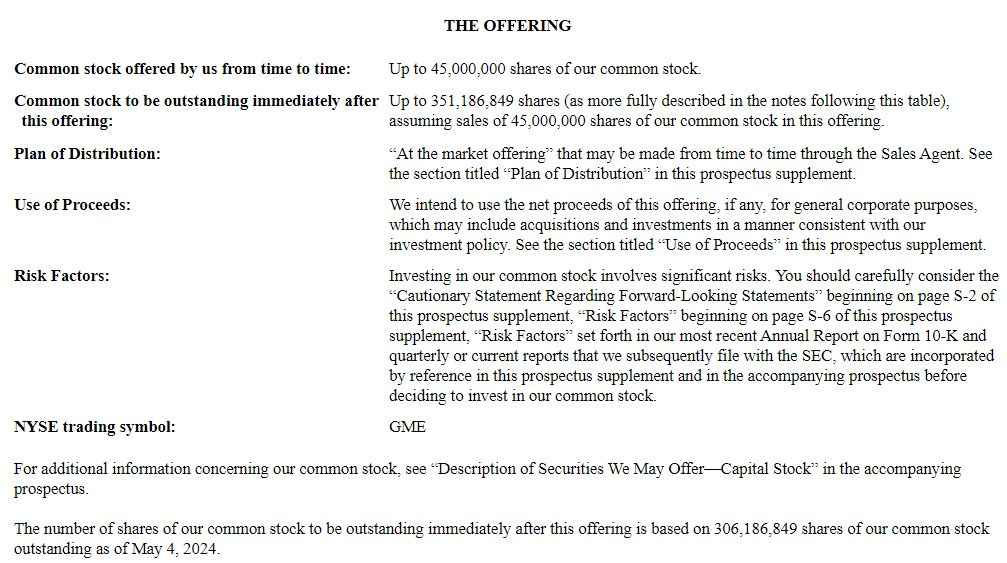
GameStop, the video game retailer that became a household name during the meme stock phenomenon, has announced its plan to sell up to 45 million shares. This decision comes at a critical time for the company as it navigates through the volatile market landscape.

The news of the share sale resulted in a 10% drop in premarket trading, reflecting investor sentiment and the ongoing challenges faced by brick-and-mortar retailers competing with e-commerce platforms. The company’s first-quarter sales showed a decline, with net sales expected to be between $872 million to $892 million, a significant drop from $1.237 billion in the same quarter last year.

GameStop’s move to sell shares is part of a broader strategy to transition and adapt to the rapidly changing retail environment. The funds raised from the share sale are anticipated to aid in this transition, providing the capital necessary to invest in new areas and revitalize the company’s business model.

The retailer has indicated that the offering could include a mix of common stock, preferred shares, and other securities, which may be convertible into common stock. This flexible approach gives GameStop the ability to respond to market conditions and investor interest.

The announcement follows a period of heightened activity for GameStop’s stock, which saw a surge earlier in the week. This was partly attributed to the return of “Roaring Kitty,” the online personality who inspired the 2021 short squeeze, igniting a frenzy among retail traders.

The retail sector, in particular, has seen a significant transformation as e-commerce platforms continue to grow, and traditional brick-and-mortar stores strive to maintain relevance.

One notable example is Best Buy, a leading consumer electronics chain that has been building its e-commerce capabilities to better integrate online shopping with its physical store presence. Despite these efforts, Best Buy faces stiff competition from online giants like Amazon, which continues to dominate the e-commerce space.

Another company that has experienced similar challenges is Sears Holdings, the parent company of Sears and Kmart. Once a retail powerhouse, Sears Holdings has struggled to stay afloat amidst declining sales and store closures, leading to a Chapter 11 bankruptcy filing in 2018.

JCPenney, a staple in American malls, has also felt the pressure of the changing retail environment. With the decline of traditional mall traffic and competition from larger retailers like Walmart, JCPenney has had to rebrand and restructure to remain competitive.

These examples highlight a broader trend affecting the retail industry: the need for adaptation and innovation to survive in a market increasingly dominated by online shopping and digital platforms. Companies that have been slow to embrace these changes or unable to effectively pivot their business models are finding it increasingly difficult to compete.

GameStop’s journey from a traditional video game retailer to a symbol of retail investor power has been nothing short of remarkable. The company’s willingness to embrace change and explore new avenues for growth demonstrates a proactive approach to the challenges faced by the retail sector.

As the market watches closely, GameStop’s share sale will be a test of investor confidence in the company’s ability to reinvent itself and thrive in the new retail landscape. The outcome of this strategic move will likely influence the company’s direction in the years to come and could serve as a case study for other retailers facing similar challenges.

Impact of French’s TikTok Ban in New Caledonia

0
The brand is growing

In a decisive move, France has implemented a ban on the popular social media platform TikTok amidst escalating tensions and violent clashes in New Caledonia. This unprecedented step was taken as part of a broader strategy to quell the unrest that has gripped the French overseas territory, leading to the declaration of a state of emergency.

The ban on TikTok, which came into effect on May 15, 2024, has been a response to the platform’s alleged role in facilitating communication among protestors, which some believe has contributed to the coordination of the riots. The French government’s action aligns with a growing global scrutiny over the app’s data security practices and its potential use as a tool for misinformation and social unrest.

The immediate cause of the unrest appears to be a constitutional amendment passed by France’s National Assembly, which expanded the electorate for provincial elections in New Caledonia. This amendment is perceived by many in the indigenous Kanak community as diluting their political influence and undermining provisions of the 1998 Noumea Accord, which was designed to balance the political power between the indigenous Kanaks and the descendants of European settlers.

The discontent has been further fueled by long-standing issues of political and socioeconomic alienation. The Kanak people have sought greater autonomy and recognition for decades, and the recent electoral reforms have reignited these tensions. The situation was exacerbated by the French government’s handling of the reforms, which many local leaders and citizens view as an imposition without sufficient dialogue or consideration of the local context.

The situation in New Caledonia has been tense, with the French government’s move to change the rules on provincial elections sparking significant controversy and public outcry. The indigenous Kanak population, who have long sought greater autonomy and recognition, view the reforms as an attempt to diminish their voting power and influence within the territory.

As the violence escalated, resulting in several fatalities and injuries, the French authorities imposed a state of emergency, granting them extensive powers to restore order. This includes the deployment of additional security forces and the implementation of curfews to curb the spread of violence.

The decision to ban TikTok, however, has raised questions about the balance between national security and freedom of expression. Legal experts and human rights advocates have expressed concerns over the potential implications of such a ban, suggesting it sets a dangerous precedent for internet freedom and could be challenged on legal grounds.

The impact of the ban has been immediate, with reports of a surge in VPN usage in New Caledonia as residents seek to circumvent the restrictions. This reflects the broader challenges governments face in regulating digital platforms and the complex interplay between technology, governance, and civil liberties.

As the situation develops, the international community watches closely, with many advocating for a peaceful resolution that respects the rights and aspirations of all parties involved. The events in New Caledonia serve as a stark reminder of the powerful role social media plays in modern society and the responsibilities that come with it.

Clarification on Nigeria’s Q1 2024 Revenue and Leadership Article

0

Leadership Newspaper: is this publication correct? I used your source and made a post here on Nigeria’s revenue for Q1 2024. But it seems like Punch has a different figure. I have checked at the Federal Ministry of Finance website to confirm the data, but so far, no luck. Please help if possible. 

Meanwhile, Good People, if you have the original government data, please share a link. If it turns out that Leadership is wrong, I will delete my post. 

This is Leadership piece . This is my own piece which relied on it.

Of course, if you work in the responsible ministry in Abuja, we will appreciate your guidance on this. I am hoping that we have not gotten to a state where we cannot quote Leadership considering that it is a credible newspaper in the nation.

When I wake up in America, I scan newspapers because I am co-invested via Tekedia Capital in more than 100 companies in Nigeria. We’re the people who despite everything continue to believe. We want Nigeria to thrive!

China busts $1.9 billion underground banking operation

0

In a significant crackdown on financial crime, Chinese authorities have dismantled an extensive underground banking operation involving the use of Tether (USDT) to facilitate illegal transactions totaling $1.9 billion. This operation, which began in January 2021, was primarily utilized for smuggling activities, including medicine and cosmetics, as well as for investments in assets overseas.

The police operation led to the arrest of 193 suspects across 26 provinces, highlighting the vast network and the intricate methods employed to bypass the country’s stringent financial regulations. The use of USDT, a stablecoin, played a central role in this underground banking system, allowing the perpetrators to evade government oversight and foreign exchange controls.

Despite the nationwide ban on cryptocurrencies, this case illustrates the persistent attempts to leverage digital currencies for illicit purposes. The Chinese government has been firm in its stance against cryptocurrencies, enforcing a series of bans aimed at curbing their use within the country. However, the discovery of such a large-scale operation indicates that underground financial networks continue to find ways to exploit the anonymity and lack of intermediaries inherent in cryptocurrency transactions.

Cryptocurrency, with its decentralized nature and global reach, has become a hotbed for innovative financial solutions. However, this same landscape has also given rise to a significant number of scams, exploiting the anonymity and borderless transactions that digital currencies allow. China, in particular, has faced a series of high-profile cryptocurrency scams, prompting a stringent regulatory response.

One of the most notorious scams was the PlusToken Ponzi scheme, which defrauded investors out of billions of dollars by promising high returns on investments. The scheme was a classic example of a pyramid structure, where returns for early investors were paid out from the contributions of new participants. This scam not only affected a vast number of investors but also had a noticeable impact on the cryptocurrency market, causing fluctuations in Bitcoin prices.

The Chinese government has taken a firm stance against such fraudulent activities. In a recent crackdown, authorities shut down a $300 million crypto scam and arrested six individuals involved in a sophisticated network of underground banks. These banks were exploiting cryptocurrencies for illegal exchanges, highlighting the challenges that come with the digital currency’s ability to cross borders effortlessly.

Moreover, Chinese crypto addresses have been linked to over $2 billion sent to scammers over two years, according to a report. This figure, while significant, has seen a decline due to the absence of large-scale schemes like PlusToken and increased regulatory actions.

The Chinese experience serves as a cautionary tale for the global community. It underscores the need for vigilance and robust regulatory frameworks to combat the misuse of cryptocurrencies. As the digital currency space continues to evolve, it is imperative that both users and regulators stay ahead of the curve to prevent such scams from undermining the potential benefits of cryptocurrencies.

The successful bust of this underground banking ring is a testament to the ongoing efforts of Chinese law enforcement to combat financial crimes and maintain the integrity of the nation’s financial system. It also serves as a reminder of the challenges that cryptocurrencies pose to global financial security and the need for vigilant regulatory frameworks to address these issues.