DD
MM
YYYY

PAGES

DD
MM
YYYY

spot_img

PAGES

Home Blog Page 3550

As P&G Plans To Exit Nigeria, We Must Revisit The Naira FX Floating Policy

0

The exodus of companies and de-industrialization of Nigeria continue with P&G joining the party: “Consumer goods giant Procter & Gamble (P&G) has announced plans to dissolve its on-ground operations in Nigeria and transition the country into an import market. The decision, outlined by P&G’s Chief Financial Officer, Andre Schulten, during a presentation at the Morgan Stanley Global Consumer & Retail Conference, is attributed to challenges in the volatile exchange market and other business-unfriendly issues.”

Nigeria has become a finance-first economy as we watch the old mantra of manufacturing-first playbook fade. Who wants to make anything that is not an app in Nigeria? People, these politicians should wake up because Nigeria is in an economic miry clay right now. This is not a political observation, but a message from a citizen.

Immediately that happened, the Financial Sector became the easiest way to become rich over making things. Between 1989-1992, IBB licensed dozens of finance houses and the leading new generation banks in Nigeria were born within that window (GTB, Zenith, UBA’s STB, Diamond/Access, etc) . As that was happening, SAP sapped Nigeria and rewired the economy to be finance-first, instead of manufacturing-first. From that 1989, the Naira started losing value to USD because our balance of payment and balance of trade began to deteriorate.

This was the outcome when GSK exited: “Following the recent announcement of GlaxoSmithKline’s (GSK) departure from the Nigerian pharmaceutical market, there has been a notable surge in the prices of GSK medications, with increases reported to be as high as 1000%.”

Do you know how many citizens who have to go off-med because of this? Floating the Naira is a sub-optimal policy and I hope Nigeria reverses it. Because you cannot float when you have no life jacket to swim in case something happens.

Context below…

P&G to dissolve ground operations in Nigeria – by Paul Ugbede

Procter & Gamble- P&G, one of the world’s leading consumer goods companies, has announced that it will cease its local manufacturing and distribution operations in Nigeria by the end of the year. P&G has a portfolio of well-known brands such as Ariel, Pampers, Gillette, and Oral-B. The company said that it will transition to an import-only business model, meaning that it will source its products from other markets and sell them in Nigeria through third-party distributors.

The decision comes after P&G faced several challenges in the Nigerian market, such as currency volatility, high inflation, low consumer demand, regulatory uncertainties, and infrastructural bottlenecks. The company said that these factors made it difficult to sustain a profitable and competitive business in the country.

Some of the challenges that P&G faced in Nigeria include:

– High costs of production and distribution: Nigeria is a large and diverse country, with poor infrastructure and logistics. This makes it difficult and expensive for P&G to produce and distribute its products across the country. Moreover, Nigeria has a high inflation rate and a volatile exchange rate, which increase the costs of importing raw materials and finished goods. P&G also faced high taxes and tariffs, as well as regulatory uncertainties and bureaucratic hurdles, which added to its operational costs.

– Low consumer purchasing power and price sensitivity: Nigeria has a large population of over 200 million people, but most of them live on less than $2 a day. This means that many consumers have low disposable income and are very price sensitive. They tend to buy cheaper alternatives or counterfeit products, or switch to other brands when prices increase. P&G’s products are generally perceived as premium or high-quality, but they are also more expensive than those of its competitors. This makes it hard for P&G to attract and retain customers, especially in the mass market segment.

– Intense competition from local and international players: P&G faces stiff competition from both local and international players in the Nigerian market. Some of the local players include Dangote Group, Unilever Nigeria, Flour Mills of Nigeria, and PZ Cussons. These companies have a strong understanding of the local market, consumer preferences, and distribution channels. They also offer lower-priced products that cater to the needs of the mass market segment. Some of the international players include Reckitt Benckiser, Colgate-Palmolive, Kimberly-Clark, and Johnson & Johnson. These companies have global brand recognition, economies of scale, and innovation capabilities. They also offer a wide range of products that compete with P&G’s portfolio.

P&G has been operating in Nigeria since 1992 and has invested over $300 million in its local facilities. The company employs about 1,000 people directly and indirectly and supports several social and environmental initiatives in the country. The company said that it will work closely with its employees, suppliers, customers, and other stakeholders to ensure a smooth and responsible transition.

P&G said that it remains committed to serving the Nigerian consumers with its portfolio of trusted brands, such as Ariel, Pampers, Always, Oral-B, Gillette, and Safeguard. The company said that it will continue to innovate and improve its products to meet the needs and preferences of the Nigerian market.

P&G also said that it will maintain its presence in Nigeria through its regional office in Lagos, which oversees its operations in West Africa. The company said that it will leverage its global scale and expertise to deliver value to the Nigerian consumers and society.

As Naira Hits Record Low, Nigeria Needs To Focus On The Root Cause
Procter & Gamble (P&G) Plans to Dissolve On-Ground Operations in Nigeria Due to Forex Challenges

0

Consumer goods giant Procter & Gamble (P&G) has announced plans to dissolve its on-ground operations in Nigeria and transition the country into an import market.

The decision, outlined by P&G’s Chief Financial Officer, Andre Schulten, during a presentation at the Morgan Stanley Global Consumer & Retail Conference, is attributed to challenges in the volatile exchange market and other business-unfriendly issues.

Schulten highlighted the difficulties of conducting business in Nigeria as a dollar-denominated organization, citing the macroeconomic realities in the country as a driving factor behind the strategic decision.

“It is difficult for us to operate because of the macroeconomic environment. So with that in mind, we are announcing a restructuring program with the intent to adjust the operating model and the portfolio.

The restructuring program will predominantly focus on Nigeria and Argentina. For Nigeria, P&G plans to transform it into an import-only market, effectively ending its physical presence in the country and reverting to an import-only model.

“We’ve announced that we will turn Nigeria into an import-only market, effectively dissolving our footprint on the ground in Nigeria and reverting to an import-only model,” he said.

Schulten explained that this decision aligns with the company’s strategy to concentrate on markets with the highest potential.

Responding to inquiries about the impact of the restructuring on the overall group’s portfolio, Schulten clarified that Nigeria constitutes a $50 million net sales business. With an overall portfolio worth $85 billion, P&G does not anticipate a significant material impact on the group’s balance sheet in terms of sales or profitability.

P&G’s decision follows in the footsteps of GlaxoSmithKline’s exit from Nigeria earlier in the year, also attributed to the country’s forex crisis. The departure of multinational companies like P&G and GSK raises concerns about the impact on local markets, particularly in the pricing and availability of certain products.

The forex challenges in Nigeria have led to a collective net foreign exchange loss estimated at N452.2 billion for nine Lagos-listed fast-moving consumer goods companies during the first half of the year. The losers include Flour Mills of Nigeria, Dangote Sugar, International Breweries, GlaxoSmithKline (GSK), Cadbury Nigeria, and FrieslandCampina. Others are Nigerian Breweries, Guinness and Nestle.

Analysts foresee a potential trend of more companies considering exits or restructuring in response to the ongoing forex crisis, posing challenges to the country’s investment climate.

The official exchange rate of the naira stands at N806.73/$1, while in the parallel market, it is at N1165/$1 as of Wednesday. The government’s efforts to address the forex crisis have so far yielded limited results, prompting concerns among investors and businesses alike.

The situation underscores the urgent need for comprehensive measures to stabilize the forex market and restore investors’ confidence in the Nigerian business environment.

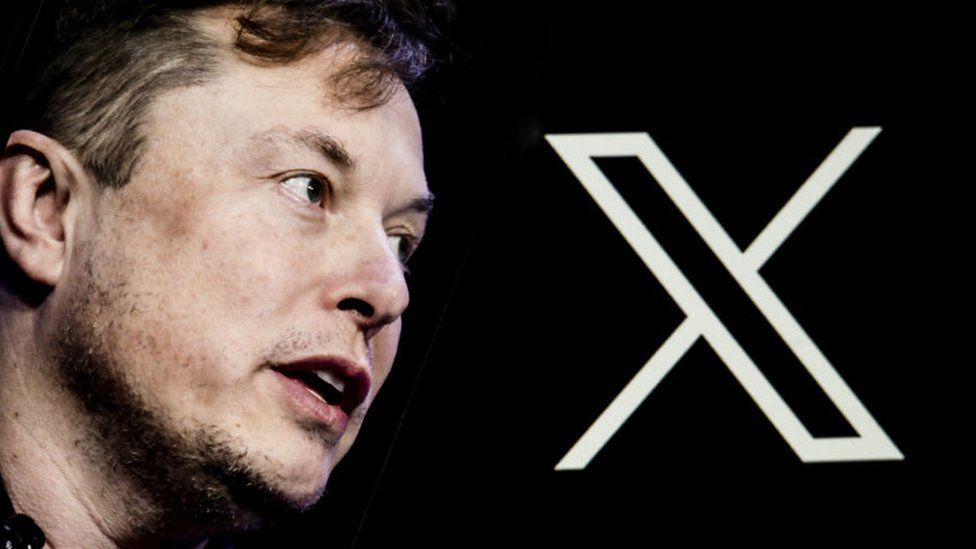
The Fintechnolization of X (formerly Twitter) by Elon Musk

0

Elon Musk is a moving target – and good luck trying to catch him. When the mainstream media said that he was going to lose $75 million on ad money, I commented that it was a pure lack of awareness from those pundits. Yes, Musk is not building X (Twitter) for advertising, but pursuing a clear fintechnolization playbook. As I posited, fintechnolization is about digital platforms offering fintech or broad financial services on their platforms, even if they did not begin their journeys in fintech. My point is that every digital platform is destined at maturity to fintechnolize!

Looking at Chinese digital platforms (Tencent, Alibaba) and US counterparts (Google, Facebook), my conclusion is this: every platform will become a fintech company at the end. So, I do want to see how Tekedia would become an investment club, a lending ecosystem, etc, at the lowest marginal cost, to members and readers in the ecosystem.  This construct tracks the recent trajectories of Facebook and Google. Alibaba and Tencent have validated my thesis as I have studied their evolutions and revolutions in the markets.

Today, X has provided clarity on its path: “X, the popular social media platform, has announced that it has obtained a money transmitter license in ten states across the United States. This license will allow X to offer its users the ability to send and receive money through its app, as well as to access other financial services such as loans, savings, and investments.”

X is going to be fine because there is no digital service that offers political commentaries better than X. Post anything academic, technology, etc, good luck getting someone to notice it. But post something political, you will trigger a wave. So, in the social media space, X has won the political category. Interestingly, that category covers every aspect of commerce and industry, because Political Economy is the most important element in business because politics drives nations! With that, X will continue to have people!

X (Twitter) has Acquired Money Transmitter Licenses in Ten U.S. States

X (Twitter) has Acquired Money Transmitter Licenses in Ten U.S. States

0

X, the popular social media platform, has announced that it has obtained a money transmitter license in ten states across the United States. This license will allow X to offer its users the ability to send and receive money through its app, as well as to access other financial services such as loans, savings, and investments.

X’s CEO, said in a press release that the company is committed to providing its users with more options and opportunities to manage their money and achieve their financial goals. He added that X is working hard to expand its license to more states and countries in the near future.

According to an analyst at ABC Research, X’s move into the financial sector is a smart and strategic one, as it will help the company diversify its revenue streams and increase its user engagement and retention. He also said that X will face some challenges and competition from other players in the market, such as PayPal, Venmo, and Cash App, but that X has a loyal and active user base that will give it an edge.

X is a well-known and respected company in the technology sector, with a strong presence in various fields such as cloud computing, artificial intelligence, e-commerce, and social media. However, the company has also recognized the potential of the financial sector, which is undergoing a rapid transformation due to digitalization, innovation, and regulation. X has decided to leverage its expertise and resources to offer new and improved financial services to its existing and new customers, such as payments, lending, insurance, and wealth management.

X’s plan is to create a comprehensive and integrated platform that will provide a seamless and convenient experience for its users, while also offering competitive rates and personalized solutions. X will use its advanced technology and data analytics to create customized products and services that will meet the diverse needs and preferences of its customers. X will also partner with established financial institutions and regulators to ensure compliance and security. X believes that by entering the financial sector, it will not only increase its revenue streams, but also enhance its customer loyalty and satisfaction.

X’s users have expressed mixed reactions to the news. Some are excited about the new features and possibilities that X will offer them, while others are concerned about the security and privacy of their data and transactions. X has assured its users that it will comply with all the relevant regulations and standards to protect their information and funds.

The states that have granted Twitter the license are Alabama, Arizona, Colorado, Georgia, Iowa, Kansas, Montana, Nebraska, Nevada and Wyoming. Twitter plans to expand its coverage to more states in the future, as well as to other countries.

Twitter’s CEO said that the license is a milestone for the company and its vision of creating a more open and inclusive financial system. He added that Twitter will leverage its existing features, such as Spaces and Tip Jar, to enable more monetization opportunities for creators and influencers on the platform.

Twitter’s move comes amid a growing trend of social media companies entering the fintech space. Facebook, for example, has launched its own digital currency, Diem, and its payment service, Novi. Snapchat has also introduced a feature that allows users to send money to each other using Venmo.

Twitter’s license also opens the door for more integration with cryptocurrencies, especially Bitcoin. Former Twitter Cofounder Jack Dorsey and current owner of X, Elon Musk are a well-known advocate of Bitcoin and has invested in several crypto-related projects. He has also hinted that Twitter may allow users to receive Bitcoin tips or pay for subscriptions with Bitcoin in the future.

Twitter’s license is expected to boost its revenue and user engagement, as well as to attract more advertisers and partners. However, it also poses some challenges and risks, such as regulatory compliance, security and privacy issues, and potential competition from other players in the market.

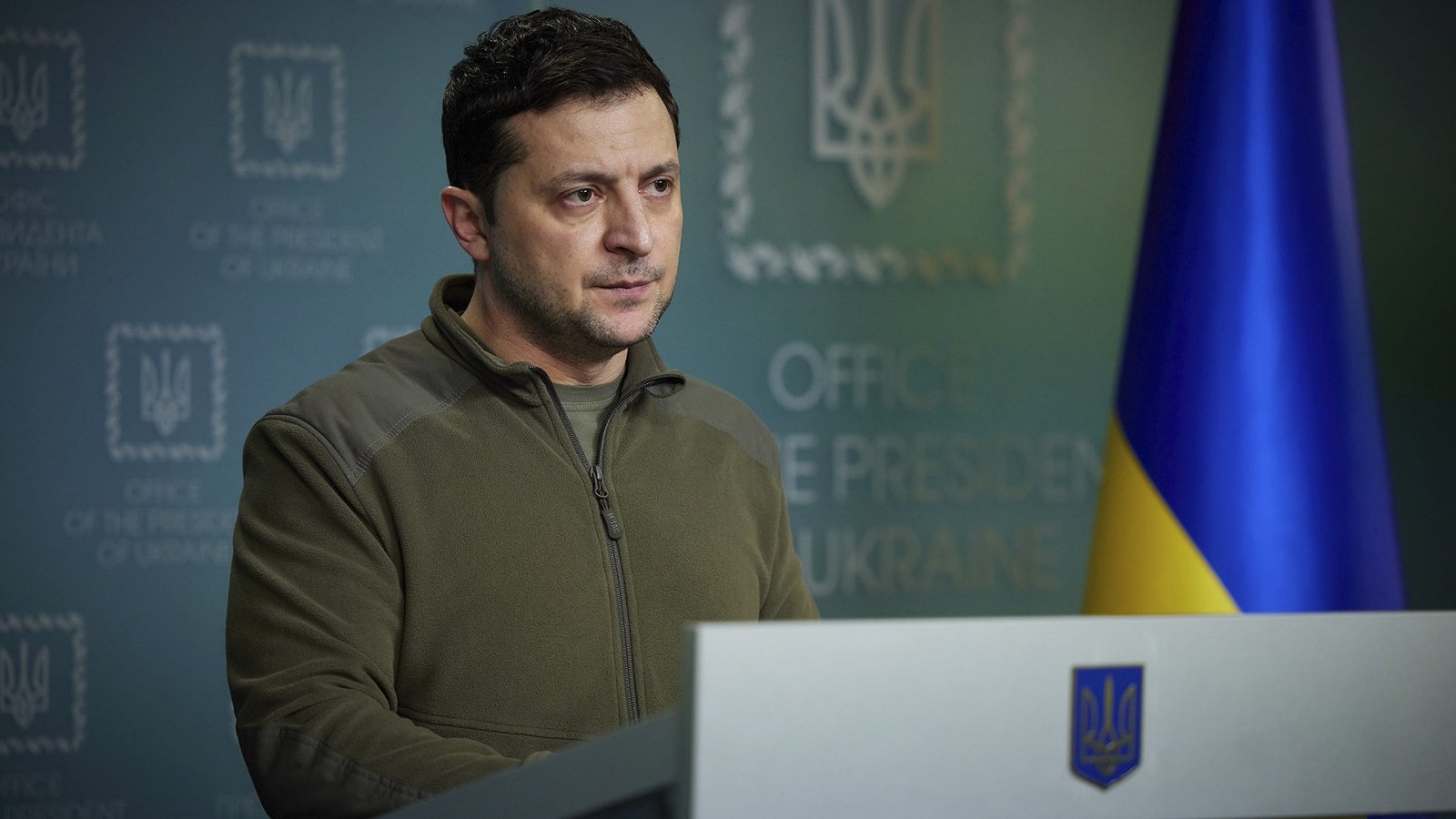
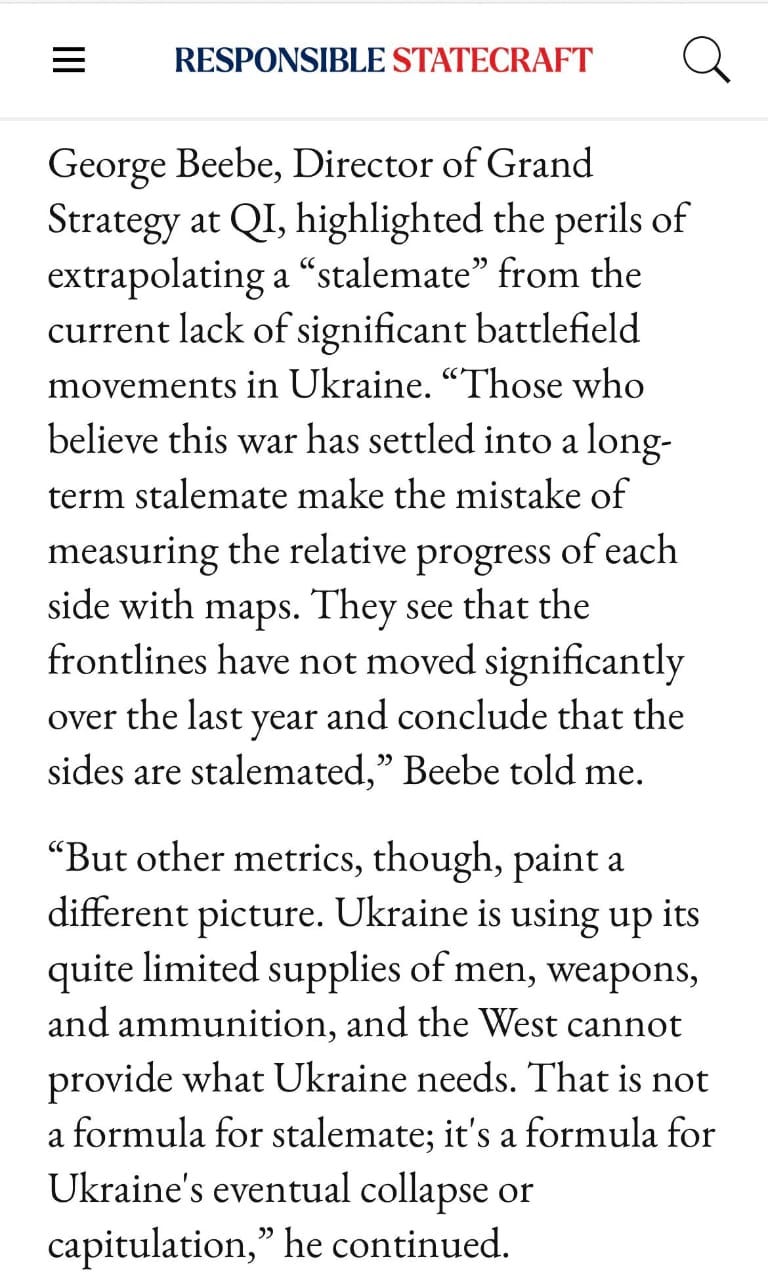
Is Ukraine Edging Towards Collapse?

0

The recent escalation of tensions between Russia and Ukraine has raised fears of a possible military conflict in Europe. The Kremlin has amassed more than 100,000 troops near the Ukrainian border, sparking alarm in the West and calls for diplomatic efforts to defuse the situation. But what is behind this crisis and what are the implications for Ukraine’s stability and sovereignty?

The roots of the conflict date back to 2014, when a popular uprising in Kyiv ousted pro-Russian president Viktor Yanukovych and triggered Russia’s annexation of Crimea and its support for separatist rebels in eastern Ukraine. Since then, more than 14,000 people have been killed and over a million displaced by the war, which has been frozen by a series of ceasefires that are frequently violated.

Russia claims that it is defending its legitimate interests and security in the region, and that it fears that Ukraine might join NATO, a military alliance that Moscow views as a threat. Ukraine, on the other hand, accuses Russia of violating its territorial integrity and sovereignty, and seeks closer ties with the West and its support for its reforms and defense.

The current crisis has been triggered by several factors, including the expiration of a gas transit deal between Russia and Ukraine at the end of 2024, which could deprive Kyiv of a vital source of revenue and leverage; the completion of the Nord Stream 2 pipeline, which would allow Russia to bypass Ukraine and deliver gas directly to Germany and other European countries.

The lack of progress in implementing the Minsk agreements, which outline a political solution to the conflict based on decentralization, amnesty, and local elections in the rebel-held areas; and the domestic pressures on both Russian president Vladimir Putin and Ukrainian president Volodymyr Zelensky, who face declining popularity and rising discontent among their respective populations.

The stakes are high for both sides, as well as for the international community. A full-scale war between Russia and Ukraine could have devastating humanitarian, economic, and security consequences for the region and beyond. It could also undermine the credibility of NATO and the European Union, which have pledged their support for Ukraine’s sovereignty and territorial integrity but have limited options to deter or respond to Russian aggression. Moreover, it could escalate into a wider confrontation between Russia and the West, which are already at odds over issues such as human rights, cyberattacks, and nuclear proliferation.

The best way to avoid such a scenario is to pursue a diplomatic solution that addresses the core grievances and interests of all parties involved. This would require dialogue, compromise, and confidence-building measures, as well as a clear and consistent message from the West that it is ready to cooperate with Russia on areas of common interest, but also to impose costs on its unacceptable behavior. It would also require sustained support for Ukraine’s reform efforts, resilience, and integration into the Euro-Atlantic community.

Ukraine is not edging towards collapse, but it is facing a serious challenge to its security and sovereignty. The international community should do everything in its power to help it overcome this challenge and achieve its aspirations for peace, democracy, and prosperity.