
DD
MM
YYYY

PAGES

DD
MM
YYYY

spot_img

PAGES

Home Blog Page 3567

Pudgy Penguin, Dan Tapiero BTC Prediction, MoonBirds Announces Talons, CF Benchmark Launches Index

0

The internet is going crazy over Pudgy Penguin, the adorable and chubby bird that has amassed over 1 million followers on Instagram. Pudgy Penguin is a king penguin who lives at the San Diego Zoo and loves to pose for the camera. His owner, Zoey, is a zookeeper who started posting photos and videos of him on Instagram in 2022. Since then, Pudgy Penguin has become a sensation, attracting fans from all over the world who adore his cute and funny antics.

Pudgy Penguin’s Instagram account features him doing various activities, such as eating fish, playing with toys, swimming in the pool, and cuddling with Zoey. He also has a signature move, where he tilts his head and makes a squeaky noise that sounds like “pudgy”. His fans love to comment on his posts, calling him “the cutest penguin ever”, “a fluffy ball of joy”, and “a living meme”. Some of his posts have gone viral, reaching millions of views and likes.

Pudgy Penguin is not only popular on Instagram, but also on other social media platforms, such as TikTok, YouTube, and Twitter. He has his own merchandise line, featuring t-shirts, mugs, stickers, and plushies with his image. He has also appeared on several TV shows and magazines, such as The Ellen Show, People, and National Geographic. He has even received fan mail from celebrities, such as Ariana Grande, Dwayne Johnson, and Oprah Winfrey.

Pudgy Penguin’s success is a testament to the power of social media and the love of animals. He has brought joy and laughter to millions of people around the world, especially during these challenging times. He has also raised awareness and funds for penguin conservation and wildlife protection. He is truly a star in his own right, and we can’t wait to see what he does next.

“I think this next bull run into 2025 we’ll see Bitcoin over $100,000.” – Dan Tapiero

In a recent interview, Dan Tapiero, a veteran investment manager and co-founder of 10T Holdings, shared his bullish outlook on Bitcoin for the next few years. He said that he expects Bitcoin to surpass $100,000 by 2025, as the cryptocurrency becomes more widely adopted and integrated into the global financial system.

Tapiero explained that Bitcoin is not only a store of value, but also a network effect asset that benefits from increasing users and innovation. He compared Bitcoin to other network effect assets, such as Facebook, Google, and Amazon, which have grown exponentially over time and created massive value for their shareholders.

He also pointed out that Bitcoin has a unique advantage over other assets, as it is decentralized, censorship-resistant, and scarce. He said that Bitcoin is the only asset that can provide protection against inflation, currency debasement, and geopolitical risks. He added that Bitcoin is also the most liquid and transparent asset in the world, with a global market that operates 24/7.

Tapiero said that he believes that Bitcoin is still in its early stages of adoption, and that there is a huge potential for growth in the coming years. He said that he expects more institutional investors, corporations, and governments to embrace Bitcoin as a strategic asset and a reserve currency. He also said that he anticipates more innovation and development in the Bitcoin ecosystem, such as the Lightning Network, which will enable faster and cheaper transactions.

Tapiero concluded that he is very optimistic about the future of Bitcoin, and that he thinks that this next bull run into 2025 will see Bitcoin over $100,000. He said that he considers Bitcoin to be one of the best investments of his lifetime, and that he encourages everyone to learn more about it and get involved.
Moonbirds announces Talons, a reward system to replace Nesting.

We are excited to announce that we are launching a new reward system for our loyal customers: Talons. Talons are points that you can earn by using our services, such as booking flights, hotels, car rentals, and more. You can then redeem your Talons for discounts, upgrades, freebies, and other perks.

Talons will replace our current reward system, Nesting, which will be phased out by the end of the year. We decided to make this change because we wanted to offer you more flexibility and value for your money. With Talons, you can choose from a wider range of rewards, and you can also transfer your points to other Moonbirds members or donate them to charity.

If you are already a Nesting member, don’t worry. You can easily convert your Nesting points to Talons at a 1:1 ratio. You can also keep using your Nesting card until it expires or request a new Talons card for free. To make the transition smoother, we have created a dedicated website where you can find all the information you need about Talons, including how to sign up, how to earn and redeem points, and how to manage your account.

CF Benchmark launches staking index series for Institutional Clients as Dan Tapiero predicts BTC to $100k

CF Benchmark, the leading provider of cryptocurrency indices and data, has announced the launch of a new series of staking indices for institutional clients. The staking indices aim to capture the returns of the most popular and secure proof-of-stake (PoS) networks, such as Ethereum 2.0, Cardano, Polkadot, Solana, and Cosmos.

Staking is a process by which users can lock up their cryptocurrency holdings in exchange for rewards and the right to participate in the network governance. Staking is seen as a way to generate passive income and support the security and decentralization of PoS networks. However, staking also involves risks, such as volatility, illiquidity, slashing penalties, and technical complexity.

The CF Benchmark staking indices are designed to address these challenges and provide institutional investors with a reliable and transparent way to access the staking market. The indices are based on the following principles:

  • The indices track the total return of staking, including both the price appreciation and the staking rewards of the underlying assets.

  • The indices use a market capitalization-weighted methodology, with a cap of 25% for each constituent to ensure diversification and reduce concentration risk.

  • The indices are rebalanced monthly to reflect the changes in the staking market and the network parameters.

  • The indices are calculated using CF Benchmark’s robust and audited methodology, which complies with the IOSCO Principles for Financial Benchmarks.

The CF Benchmark staking indices are available on the CF Benchmark website and through various data providers. The indices can be used for various purposes, such as benchmarking, research, analysis, product development, and portfolio construction. The indices can also serve as the basis for passive investment products, such as exchange-traded funds (ETFs), that can offer exposure to the staking market in a convenient and regulated way.

CF Benchmark is committed to providing high-quality and innovative indices for the cryptocurrency industry. The launch of the staking indices is another milestone in CF Benchmark’s mission to bridge the gap between traditional finance and digital assets.

“I think this next bull run into 2025 we’ll see Bitcoin over $100,000.” – Dan Tapiero

In a recent interview, Dan Tapiero, a veteran investment manager and co-founder of 10T Holdings, shared his bullish outlook on Bitcoin for the next few years. He said that he expects Bitcoin to surpass $100,000 by 2025, as the cryptocurrency becomes more widely adopted and integrated into the global financial system.

Tapiero explained that Bitcoin is not only a store of value, but also a network effect asset that benefits from increasing users and innovation. He compared Bitcoin to other network effect assets, such as Facebook, Google, and Amazon, which have grown exponentially over time and created massive value for their shareholders.

He also pointed out that Bitcoin has a unique advantage over other assets, as it is decentralized, censorship-resistant, and scarce. He said that Bitcoin is the only asset that can provide protection against inflation, currency debasement, and geopolitical risks. He added that Bitcoin is also the most liquid and transparent asset in the world, with a global market that operates 24/7.

Tapiero said that he believes that Bitcoin is still in its early stages of adoption, and that there is a huge potential for growth in the coming years. He said that he expects more institutional investors, corporations, and governments to embrace Bitcoin as a strategic asset and a reserve currency. He also said that he anticipates more innovation and development in the Bitcoin ecosystem, such as the Lightning Network, which will enable faster and cheaper transactions.

Tapiero concluded that he is very optimistic about the future of Bitcoin, and that he thinks that this next bull run into 2025 will see Bitcoin over $100,000. He said that he considers Bitcoin to be one of the best investments of his lifetime, and that he encourages everyone to learn more about it and get involved.
Old and New Naira Notes are Legal Tender and Could be Used Interchangeably in Nigeria

0

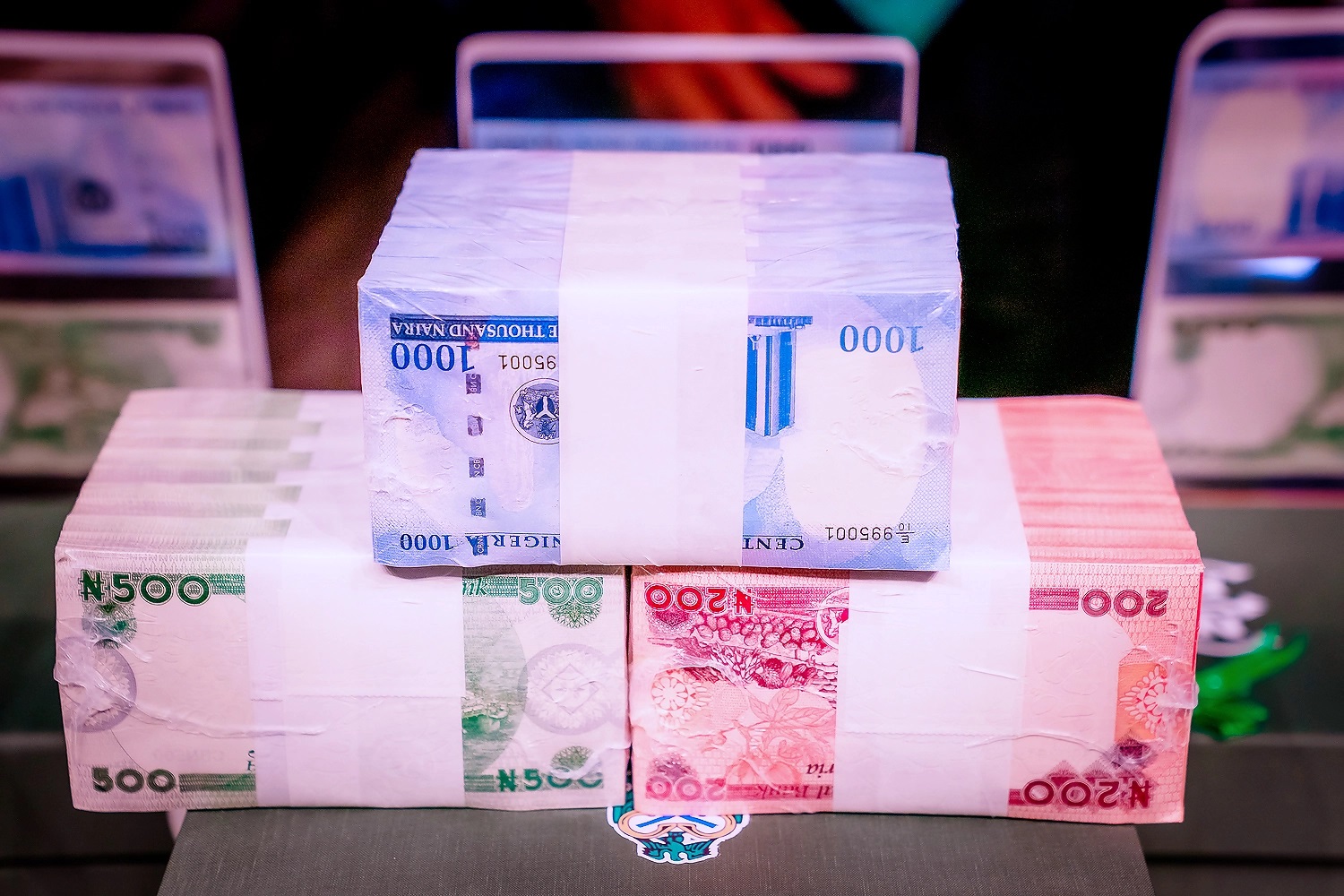
The Supreme Court of Nigeria has ruled that the old and new naira notes will co-exist until further notice, in a landmark judgement that has implications for the country’s economy and monetary policy. The court dismissed a suit filed by a group of citizens who challenged the legality of the Central Bank of Nigeria’s (CBN) decision to introduce new naira notes with enhanced security features and different designs.

The plaintiffs argued that the CBN violated the constitution and the Currency Act by issuing new notes without the approval of the National Assembly and the President. They also claimed that the new notes would cause confusion, inflation and devaluation of the naira.

The Supreme Court, however, upheld the CBN’s argument that it had the power and discretion to issue new notes as part of its mandate to ensure price stability and maintain the value of the naira. The court also noted that the CBN had consulted with relevant stakeholders, including the National Assembly and the Presidency, before introducing the new notes. The court further stated that the old and new notes were legal tender and could be used interchangeably for transactions, until the CBN decides to phase out the old notes.

No homogeneity in Nigeria’s Naira

Nigeria’s Naira is a currency that faces many challenges in its value, stability and exchange rate. One of the main factors that affects the Naira is the lack of homogeneity in its circulation. Homogeneity means that the currency has the same value and purchasing power across different regions and markets. However, this is not the case for the Naira, which has different rates and values depending on where it is used.

One of the reasons for this heterogeneity is the existence of multiple exchange rates for the Naira. The official exchange rate, which is set by the Central Bank of Nigeria (CBN), is different from the parallel market rate, which is determined by supply and demand in the informal sector. The parallel market rate is usually higher than the official rate, meaning that the Naira is worth less in the informal sector than in the formal sector. This creates a gap between the two rates, which can lead to arbitrage, speculation and inflation.

Another reason for the lack of homogeneity is the regional variation in the Naira’s value and purchasing power. Due to factors such as infrastructure, security, governance and economic activity, some regions have more access to goods and services than others. This means that the same number of Naira can buy more or less depending on where it is spent. For example, a bag of rice may cost more in a remote area than in an urban area, even though they are both denominated in Naira. This creates a disparity in the living standards and welfare of Nigerians across different regions.

The lack of homogeneity in Nigeria’s Naira has negative implications for the economy and society. It undermines the credibility and effectiveness of the monetary policy, which aims to maintain price stability and exchange rate stability. It also reduces the confidence and trust in the currency, which affects its acceptability and usage. It also hampers the integration and development of the national market, which limits the growth potential and opportunities for Nigerians.

Therefore, it is important to address the issue of homogeneity in Nigeria’s Naira and ensure that it has a uniform value and purchasing power across different regions and markets. This can be achieved by harmonizing the exchange rates, improving the infrastructure and security, enhancing the governance and transparency, and promoting the economic activity and diversification. By doing so, Nigeria can strengthen its currency, economy and society.

The judgement has been welcomed by the CBN and other financial experts, who said it would boost public confidence in the naira and enhance its security against counterfeiting and forgery. They also said it would facilitate the smooth transition to a cashless economy, as the new notes are compatible with electronic payment systems. The CBN has assured the public that it would continue to educate and sensitize them on the features and benefits of the new notes and urged them to accept and use them without fear or prejudice.

Central Bank Digital Currency Vs Legitimate Decentralized Token

0

Central Bank Digital Currency (CBDC) is a digital form of a country’s fiat currency that is issued and regulated by the central bank. A legitimate decentralized token is a digital asset that is created and operated on a blockchain network without the intervention of a central authority.

A blockchain network is a system of distributed computers that store and validate transactions in a shared ledger. The ledger is secured by cryptography and consensus mechanisms that ensure its integrity and immutability. Transactions on a blockchain network are transparent and verifiable by anyone.

The main difference between a CBDC and a legitimate decentralized token is the degree of centralization and control. A CBDC is fully backed by the central bank and follows the same monetary policy and regulations as the fiat currency. A legitimate decentralized token is not backed by any government or institution and follows the rules of the blockchain network it belongs to.

Another difference is the level of innovation and experimentation. A CBDC is designed to mimic the features and functions of the existing fiat currency, such as stability, privacy, and accessibility. A legitimate decentralized token can offer new and diverse use cases, such as smart contracts, decentralized applications, governance, and utility.

A third difference is the impact on the financial system and society. A CBDC aims to improve the efficiency, security, and inclusion of the current financial system by reducing transaction costs, enhancing digital payments, and reaching unbanked populations. A legitimate decentralized token challenges the status quo of the financial system by enabling peer-to-peer transactions, fostering financial sovereignty, and creating new economic opportunities.

Legitimate decentralized token

A decentralized token is a digital asset that exists on a distributed ledger, such as a blockchain, and is not controlled by any central authority. A legitimate decentralized token is one that meets certain criteria of security, transparency, and utility.

Security: A legitimate decentralized token should have a robust and reliable protocol that ensures the integrity and immutability of the transactions and the data stored on the ledger. The protocol should also protect the network from malicious attacks, such as double-spending, censorship, or denial-of-service. Additionally, the token should have a clear and fair distribution mechanism that prevents excessive concentration of power or wealth among a few entities.

Transparency: A legitimate decentralized token should have a public and verifiable record of its history, governance, and operations. The token should also have a clear and consistent communication channel with its users and stakeholders, such as developers, investors, regulators, and auditors. The token should disclose its purpose, vision, roadmap, and performance indicators, as well as any potential risks or challenges.

Utility: A legitimate decentralized token should have a clear and compelling use case that provides value to its users and the wider ecosystem. The token should also have a well-defined and sustainable economic model that incentivizes participation, collaboration, and innovation. The token should also have a high degree of interoperability and compatibility with other platforms and protocols.

A legitimate decentralized token is not only a technical innovation, but also a social and economic phenomenon that has the potential to transform various industries and sectors. However, not all decentralized tokens are legitimate, and some may pose significant risks or challenges to their users and the society at large. Therefore, it is important to conduct thorough research and due diligence before engaging with any decentralized token project.

In summary, a CBDC is a digital extension of a country’s fiat currency that is centrally issued and controlled by the central bank. A legitimate decentralized token is a digital innovation that is autonomously created and operated on a blockchain network without any central authority.

Blockchain-based exchanges are now equally self-evident – Research

The world of finance is undergoing a radical transformation thanks to the emergence of blockchain technology and cryptocurrencies. A recent paper, Electronification, trading, and crypto, suggests blockchain-based exchanges are now equally self-evident as traditional ones, and offer significant advantages in terms of efficiency, security, and transparency.

The paper, authored by researchers from the University of Oxford and the London School of Economics, explores how blockchain technology enables a new form of electronic trading that is decentralized, peer-to-peer, and trustless. Unlike conventional trading platforms that rely on intermediaries such as brokers, clearing houses, and regulators, blockchain-based exchanges allow traders to directly interact with each other and execute transactions without the need for third-party verification or intervention.

Blockchain-based exchanges are platforms that allow users to trade digital assets, such as cryptocurrencies, tokens, or derivatives, without relying on a central authority or intermediary. Instead, they use smart contracts and peer-to-peer networks to facilitate transactions, ensuring security, transparency, and efficiency.

The paper argues that blockchain-based exchanges have several benefits over traditional ones, such as:

Lower costs: Blockchain technology eliminates the fees and commissions charged by intermediaries, as well as the operational costs associated with maintaining centralized systems and databases.

Faster settlement: Blockchain technology enables near-instantaneous settlement of transactions, reducing the risks of counterparty default, fraud, and market manipulation.

Greater access: Blockchain technology enables anyone with an internet connection and a digital wallet to participate in the global financial market, regardless of their location, identity, or credit history. This opens up the market to a wider and more diverse audience, who may otherwise face barriers or restrictions to participate in traditional exchanges.

Enhanced transparency: Blockchain technology provides a public and immutable record of all transactions, ensuring accountability and auditability of the market participants and their activities.

Increased innovation: Blockchain technology fosters a more competitive and diverse market environment, where new products, services, and business models can emerge and thrive. Blockchain-based exchanges can support a variety of digital assets, including new and emerging ones that may not be available on traditional exchanges. This fosters innovation and experimentation in the crypto space, as well as more choice and customization for users.

Blockchain-based exchanges put more responsibility on the users, who have to bear the consequences of their actions and decisions. Users have to perform their own due diligence and research before trading, as well as take full responsibility for their losses or mistakes. There is no recourse or protection in case of human error, technical failure, or malicious activity.

Blockchain-based exchanges are now equally self-evident, but they are not without challenges. They represent a new paradigm of trading that offers many advantages but also requires more caution and awareness. As the technology evolves and matures, blockchain-based exchanges will likely become more mainstream and integrated with the traditional financial system, creating a more diverse and dynamic market for digital assets.

The paper concludes that blockchain-based exchanges are not only viable alternatives to traditional ones, but also catalysts for a more inclusive, efficient, and resilient financial system. The paper also acknowledges the challenges and limitations of blockchain technology, such as scalability, regulation, and governance issues, and calls for further research and collaboration among academics, practitioners, and policymakers to address them.

The rise of blockchain technology has revolutionized the world of finance, enabling new forms of decentralized and trustless transactions. Blockchain-based exchanges are now equally self-evident, offering a range of benefits over traditional intermediaries.

Bugatti and Adidas, NFT Volumes Surge High in 24hrs Trading

0

Two iconic brands, Bugatti and adidas, have teamed up to create a unique and exclusive product: a football boot that combines the performance and style of both companies. The boot, named the Bugatti x adidas Speedster, is a limited-edition model that will only be available for 500 lucky customers worldwide.

The Bugatti x adidas Speedster is designed to offer the ultimate in speed, agility and comfort for football players. The boot features a sleek and aerodynamic shape, inspired by the Bugatti Chiron hypercar, and a lightweight and durable upper, made from recycled materials and enhanced with adidas’ Primeknit technology. The boot also boasts a responsive and cushioned sole, equipped with adidas’ Boost technology and a carbon-fiber plate for extra stability and traction.

The boot is not only a high-performance product, but also a fashion statement. The boot showcases the signature colors and logos of both brands, as well as a special serial number on the heel that indicates the exclusivity of the product. The boot comes in a luxurious and elegant box, along with a certificate of authenticity and a pair of matching socks.

The Bugatti x adidas Speedster is a rare and coveted item that will appeal to both football fans and collectors. The boot will be available for pre-order on November 15th, 2023, on the official websites of both brands, for a price of $999. The boot will be delivered to the customers in December 2023, just in time for the holiday season. The Bugatti x adidas Speedster is more than just a football boot. It is a symbol of excellence, innovation and collaboration between two legendary brands that share a passion for speed and style.

NFT Volumes Surge High in 24hrs Trading

The Ethereum network has witnessed a remarkable surge in the volume of non-fungible tokens (NFTs) traded in the past 24 hours, reaching new highs and surpassing previous records. According to data from DappRadar, the total volume of NFTs on Ethereum reached $1.2 billion on November 27, 2023, a 300% increase from the previous day. This indicates a growing demand and interest in digital collectibles, art, gaming and metaverse assets that are powered by the second largest blockchain platform.

The main drivers of this impressive growth were the NFT projects that have been attracting massive attention and investment from both crypto enthusiasts and mainstream audiences. Among them, CryptoPunks, the original NFT project that features 10,000 unique pixelated characters, accounted for $400 million of the volume, followed by Bored Ape Yacht Club, another popular NFT collection that features 10,000 cartoon apes with different traits and accessories, with $300 million.

Other notable projects that contributed to the volume spike were Art Blocks, a platform that allows users to create and collect generative art pieces, with $200 million, and Loot, a minimalist NFT project that consists of randomly generated adventure gear, with $100 million.

The rise of NFTs on Ethereum is not only a sign of the increasing popularity and innovation of this new form of digital ownership and expression, but also a testament to the resilience and scalability of the Ethereum network itself. Despite the high gas fees and congestion that have plagued the network for a long time, Ethereum has been able to support the booming NFT sector and provide a secure and decentralized infrastructure for its development.

Moreover, with the ongoing transition to Ethereum 2.0, which aims to improve the network’s speed, efficiency and sustainability through a shift from proof-of-work to proof-of-stake consensus mechanism, Ethereum is expected to become even more attractive and competitive as a platform for NFTs and other decentralized applications.

The soaring volume of NFTs on Ethereum in the past 24 hours is a remarkable achievement that showcases the potential and value of this emerging technology. NFTs are not only a new way of creating and collecting digital art and culture, but also a powerful tool for empowering creators, artists, gamers and communities to express themselves and interact in novel and meaningful ways. As Ethereum continues to evolve and improve its network capabilities and features, we can expect to see more innovation and diversity in the NFT space and beyond.

DeGods NFT Revamped Roadmap and Yuga Labs Co-Founder’s Surprising Move

0

DeGods, the decentralized platform for creating and trading generative NFTs, has recently announced its new roadmap for the upcoming year. The roadmap includes several exciting features and updates that aim to enhance the user experience, expand the DeGods ecosystem, and increase the value of the DeGods tokens.

Some of the highlights of the roadmap are:

A new DeGods marketplace, where users can buy, sell, and trade their DeGods NFTs with other collectors and enthusiasts. The marketplace will also feature a ranking system, a leaderboard, and a curated gallery of the most popular and rare DeGods.

A new DeGods DAO, where users can participate in the governance and decision-making of the platform. The DAO will allow users to propose and vote on various aspects of the platform, such as fees, rewards, tokenomics, and future developments.

A new DeGods staking program, where users can stake their DeGods tokens to earn passive income and access exclusive benefits. The staking program will also introduce a new token, called DeFi (DeGods Fuel), which will be used to power the platform and reward the stakers.

A new DeGods minting mechanism, where users can create their own DeGods NFTs using a variety of generative algorithms and parameters. The minting mechanism will also allow users to customize their DeGods NFTs with different attributes, traits, and effects.

In addition to the roadmap, DeGods has also revealed a surprising move by one of its co-founders, Roham Gharegozlou. Gharegozlou, who is also the co-founder and CEO of Dapper Lab, the company behind the popular NBA Top Shot NFT platform, has decided to step down from his role at Dapper Lab and join DeGods as its full-time CEO.

Gharegozlou explained his decision in a blog post, saying that he believes that DeGods is “the next frontier of NFT innovation” and that he wants to dedicate his time and energy to “building the best generative art platform in the world”.

He also thanked his team at Yuga Labs for their support and achievements and assured that he will remain involved as an advisor and a board member. He said that Dapper Lab will continue to operate under the leadership of its co-founder and CTO, Dieter Shirley, who is also the creator of the Flow blockchain.

Gharegozlou’s move is seen as a major endorsement for DeGods, as he is one of the most influential figures in the NFT space. His vision and expertise are expected to boost DeGods’ growth and reputation in the industry.

DeGods is currently in its beta phase, with over 10,000 users and 50,000 NFTs minted so far. The platform plans to launch its mainnet in early 2024, along with its new features and updates. Users who are interested in joining DeGods can sign up for its waitlist on its website.

Yuga Labs Co-Founder’s Surprising Move

Yuga Labs, the company behind the popular Bored Ape Yacht Club (BAYC) NFT collection, has announced that one of its co-founders, Gordon Gekko, has decided to step down from his role and pursue other opportunities. This news came as a surprise to many in the crypto and NFT space, as Gekko was widely regarded as a visionary and a leader in the industry.

Gekko, who co-founded Yuga Labs with his brother Bud Fox in 2020, was instrumental in creating and launching BAYC, one of the most successful NFT projects to date. BAYC consists of 10,000 unique digital apes that grant their owners access to exclusive benefits, such as a members-only online community, merchandising rights, and future drops. BAYC has generated over $500 million in sales since its inception, and has attracted celebrities, athletes, and influencers as collectors.

In a blog post published on the official BAYC website, Gekko explained his decision to leave Yuga Labs and thanked the community for their support. He wrote:

“I have decided to step down from my role as co-founder and head of product at Yuga Labs. This was not an easy decision, but one that I feel is best for me and the company at this stage. I have been working on BAYC since day one, and I am extremely proud of what we have achieved together. BAYC is more than just a collection of NFTs, it is a movement, a culture, and a family. I am grateful for every single ape that has joined us on this journey, and I will always be a part of this amazing community.

However, I also feel that it is time for me to explore new challenges and opportunities in the crypto and NFT space. I have always been passionate about innovation and creativity, and I have many ideas that I want to pursue and bring to life. I believe that the NFT space is still in its infancy, and there is so much potential for growth and disruption. I want to contribute to this evolution and push the boundaries of what is possible with NFTs.

Yuga Labs Co-Founder starts another nft shopping spree, spent 90 ETH on 8 nfts

The co-founder of Yuga Labs, the company behind the popular Bored Ape Yacht Club (BAYC) nft collection, has been on a buying frenzy lately, acquiring eight new nfts for a total of 90 ETH (about $360,000 at the time of writing).

According to his Twitter account, the co-founder, who goes by the name Goner Gondor, purchased four nfts from the Mutant Ape Yacht Club (MAYC), a spin-off of BAYC that features apes with different mutations and accessories. He also bought two nfts from the Cool Cats collection, which features cute and colorful cats with various traits and outfits. Additionally, he acquired one nft from the CryptoPunks collection, one of the oldest and most valuable nft projects, and one nft from the Pudgy Penguins collection, which features adorable and chubby penguins.

Goner Gondor is not new to the nft scene. He is one of the most influential and prolific collectors in the space, owning over 300 nfts worth millions of dollars. He is also known for his involvement in BAYC, which he helped launch in April 2021. BAYC is a collection of 10,000 unique and randomly generated ape avatars that grant their owners access to exclusive benefits, such as a members-only online club, merchandise, and collaborations with other brands and celebrities. BAYC has become one of the most successful and sought-after nft projects, with some apes selling for over $1 million.

Goner Gondor’s latest purchases reflect his confidence and enthusiasm for the nft market, which has been booming in recent months. According to data from DappRadar, the total sales volume of nfts in October 2021 reached $2.6 billion, up 31% from September. The number of active wallets interacting with nft platforms also increased by 20% to 1.2 million.

Goner Gondor believes that nfts are more than just digital art or collectibles. He sees them as a new form of social identity and expression, as well as a way to connect with like-minded communities. In an interview with Forbes, he said: “I think nfts are the future of how we interact online. They allow us to show who we are, what we like, and what we stand for. They also enable us to join clubs and communities that share our values and interests.”

As a co-founder of Yuga Labs, Goner Gondor also has a vision for how nfts can create new opportunities and experiences for creators and consumers. He said: “We want to build a world where anyone can create and own their own digital assets and use them across different platforms and metaverses. We want to empower people to express themselves creatively and economically through nfts.”

Goner Gondor’s recent nft shopping spree is a testament to his passion and commitment to the nft space. He is not only a collector, but also a creator and a leader who is shaping the future of digital culture.