DD
MM
YYYY

PAGES

DD
MM
YYYY

spot_img

PAGES

Home Blog Page 3583

Beyond Coding and The Richest Man in America of African Origin and Africa’s Latent Opportunities Yet

0
??????????????????????????????????????????????????????

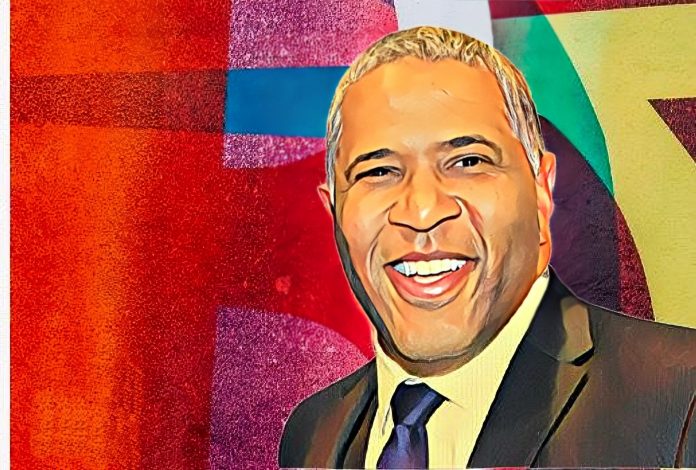
Enterprise software is a massive latent opportunity which must be unlocked. And the interesting element is that creating it may not even be where the juice is. The richest person in America of African origin  makes money via enterprise software. 

Robert F. Smith’s Vista Equity Partners does one thing: “invests in enterprise software opportunities through multiple strategies including private equity, permanent capital, credit and public”. In other words, he does not write codes but buys produced codes packaged as enterprise software. Robert F. Smith is worth $11.9 Billion!

Why this post? A young investment analyst feels lost that he cannot write software. People, who told you that you need to write software to become successful in the business of software? We must avoid the temptation of the group think, and go out and pioneer new vistas in our careers. 

Yes, depending on how you look at it, Robert is the most successful tech geek of African origin, but I am not sure, he knows how to code in Python or whatever because who needs snakes when you can decorate the house with benjamines!

As I write, I am looking for someone with vision to do what Robert F. Smith has done, for Nigeria’s capital market, with another embedded layer of integration, automation and digitization upon enterprise software across many Nigerian sectors, and with the eye on listing in the Nigerian Stock Exchange via different vehicles! If you know anyone with capacity, Tekedia Capital is open to invest.

“Software will eat the world”, they say, but something must prepare the food. Are you there – and ready?

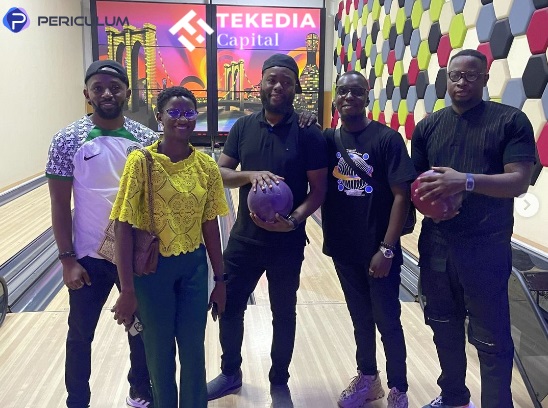
Periculum, A Tekedia Capital Portfolio Startup, Provides AI Services To Clients

0

Periculum, your technology powers intelligence in Nigeria and broad Africa.  From some of the leading financial brands like Fairmoney, Sycamore and leading banks, to law enforcement & security entities, you have baked AI and ML solutions which work for customers across lending, customer intelligence and support, and other domains. Yes, technologies with local intelligence. That is why you are the best!

To learn what Periculum does and how it can help your business mission, click here periculum.io . To learn about Tekedia Capital, click here capital.tekedia.com. At Tekedia Capital, we fund entrepreneurial capitalism, a foundation for the next Africa.

Periculum, proudly backed by Tekedia Capital.

Africa Needs to Start Developing Indigenous Social Media platforms, Web Hosting Services Amid Improving Urban Electricity

0
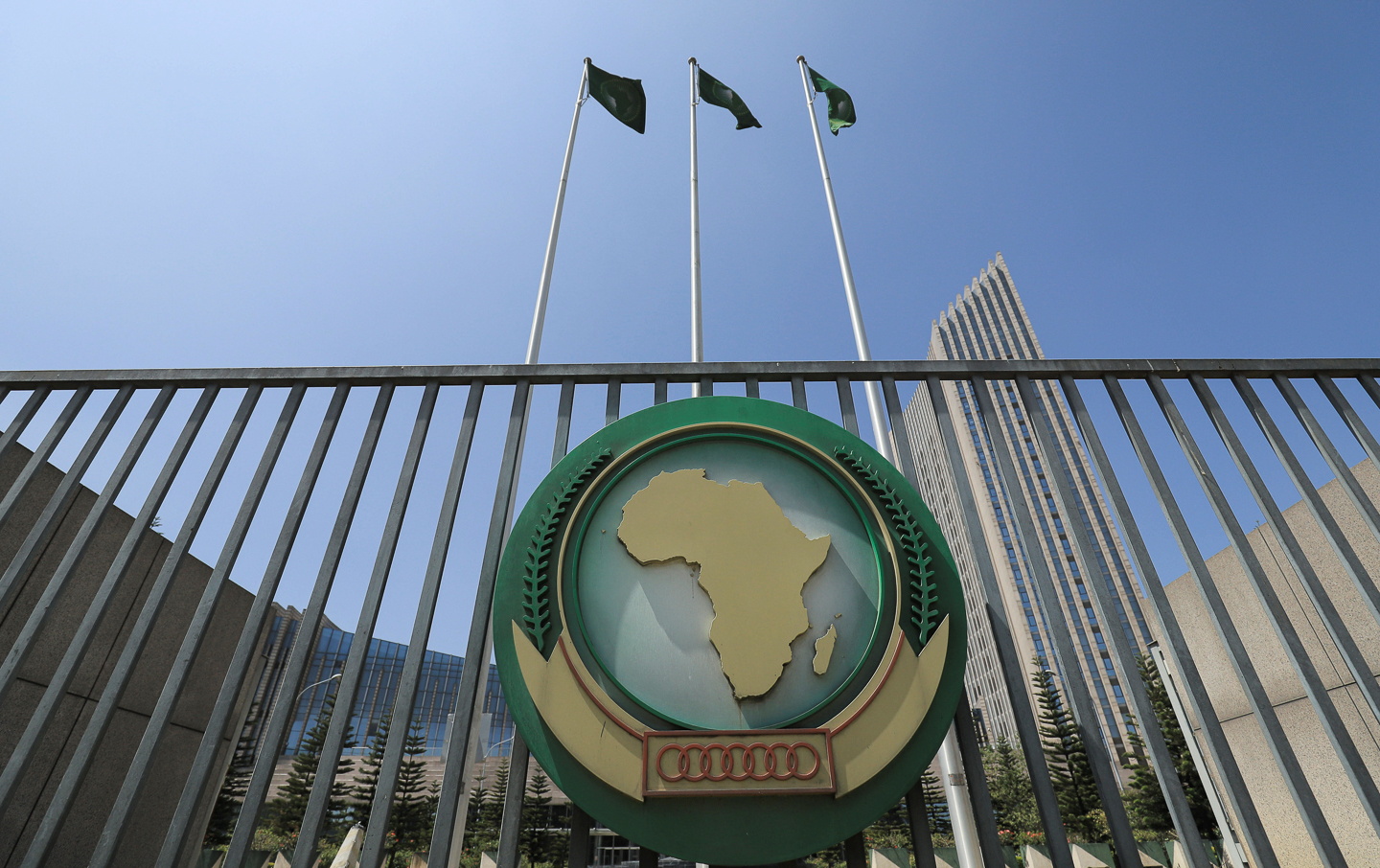
The African Union logo is seen outside the AU headquarters building in Addis Ababa, Ethiopia, November 8, 2021. REUTERS/Tiksa Negeri

The recent events in Nigeria, where the government banned Twitter after the platform deleted a controversial tweet by ex-President Muhammadu Buhari, have highlighted the vulnerability of African countries to the decisions of foreign tech giants. While some Nigerians have found ways to circumvent the ban using VPNs and other tools, the situation raises important questions about the digital sovereignty of African nations and their ability to control their own online spaces.

One of the ways to address this challenge is to develop and promote local social media platforms that cater to the specific needs, preferences and cultures of African users. There are already some examples of such platforms, such as Koo in Nigeria, Ummo in South Africa, and Eyenak in Egypt, but they face many obstacles to compete with the global giants like Facebook, Twitter and Instagram. Some of these obstacles include lack of funding, technical expertise, user base, and regulatory support.

Another way to enhance Africa’s digital sovereignty is to invest in local web hosting services that can store and serve the data generated by African users within the continent. Currently, most of the African websites are hosted on servers located outside Africa, mainly in Europe and North America.

This means that the data of African users is subject to the laws and policies of foreign countries, which may not align with their interests or values. Moreover, hosting data outside Africa increases the latency and cost of accessing websites, as well as the risk of cyberattacks and data breaches.

By developing local web hosting services, Africa can reduce its dependence on foreign providers and improve its digital infrastructure, security and resilience. Local web hosting can also create more jobs, opportunities and innovations for African entrepreneurs, developers and content creators. Some of the initiatives that are working towards this goal include Afrihost in South Africa, Web4Africa in Ghana, Truehost in Kenya, and Genious in Morocco.

What is the benefit of local web hosting services?

Faster loading speed: Local web hosting services have servers that are closer to your target audience, which means that your website will load faster and provide a better user experience. Faster loading speed can also improve your SEO ranking and conversion rate.

Better customer support: Local web hosting services have staff that speak your language and understand your culture, which means that you can communicate with them more easily and get faster and more personalized support. You can also reach them at convenient hours and avoid long-distance phone charges.

Higher security and compliance: Local web hosting services have to comply with the laws and regulations of your country, which means that they can offer higher security and privacy for your data and website. You can also avoid potential legal issues or conflicts that might arise from using a foreign web hosting service.

More social responsibility: Local web hosting services contribute to the local economy and community, which means that you can support the development and growth of your country and region. You can also build trust and reputation with your local customers and partners by showing that you care about their needs and preferences.

As you can see, local web hosting services have many benefits that can help you achieve your online goals and objectives. If you want to find out more about local web hosting services, you can contact us today and we will be happy to assist you.

Africa needs to start developing not only its own social media platforms but also its own web hosting services if it wants to have more autonomy and influence in the digital world. This is not an easy task, but it is a necessary one for the future of the continent.

Vast majority of urban Africa has reliable 24/7 Electricity

The vast majority of urban Africa has reliable 24/7 electricity. This is a remarkable achievement that deserves more recognition and appreciation from the rest of the world. I will explore how this feat was accomplished, what benefits it brings to the continent, and what challenges still remain.

Africa is home to more than 1.3 billion people, of whom about 60% live in urban areas. Urbanization is a key driver of economic growth, social development, and environmental sustainability. However, it also poses significant demands on infrastructure and services, especially energy.

Without reliable and affordable electricity, urban dwellers cannot access basic needs such as water, sanitation, health care, education, and communication. They also face difficulties in engaging in productive activities, such as manufacturing, commerce, and innovation.

For a long time, Africa was lagging behind other regions in terms of electrification. According to the World Bank, in 2010, only 42% of the urban population in sub-Saharan Africa had access to electricity, compared to 76% in South Asia and 95% in Latin America. The situation was even worse in rural areas, where only 16% of the population had electricity access.

The main reasons for this low level of electrification were the lack of investment, the poor quality of service, the high cost of generation and distribution, the inefficiency and corruption of utilities, and the political instability and conflict in some countries.

However, in the past decade, Africa has made remarkable progress in expanding and improving its electricity sector. According to the International Energy Agency (IEA), between 2010 and 2019, the number of people with access to electricity in sub-Saharan Africa increased by more than 100 million, reaching 54% of the population.

The urban electrification rate rose to 71%, while the rural electrification rate reached 25%. The IEA estimates that by 2030, almost 90% of the urban population and more than 50% of the rural population will have access to electricity.

How did Africa achieve this impressive transformation? There are several factors that contributed to this success story. First, there was a strong political commitment and leadership from African governments and regional organizations to prioritize electrification as a key development goal.

They adopted ambitious policies and targets, mobilized domestic resources, and created enabling environments for private sector participation and innovation. Second, there was a significant increase in financial support from international partners, such as multilateral development banks, bilateral donors, foundations, and impact investors.

They provided loans, grants, guarantees, technical assistance, and capacity building to help African countries overcome the financial and technical barriers to electrification. Third, there was a rapid deployment of renewable energy technologies, such as solar photovoltaic (PV), wind, hydro, biomass, and geothermal.

These technologies offered several advantages over conventional fossil fuels: they were cheaper, cleaner, more abundant, more resilient, and more adaptable to local conditions. They also enabled the development of decentralized solutions.

Did BlackRock Take Down Binance?

0

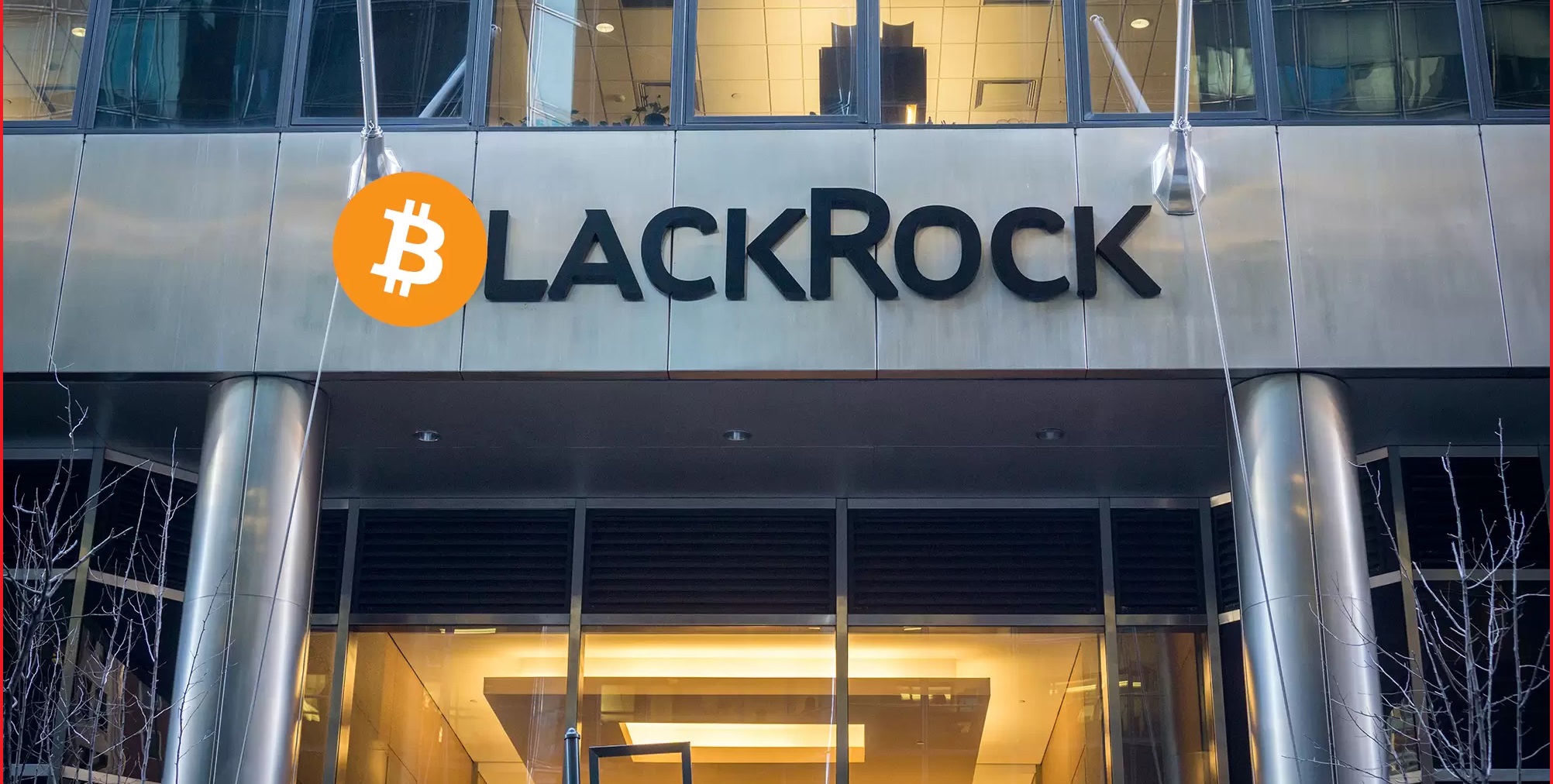
Binance, the world’s largest cryptocurrency exchange by trading volume, has been facing regulatory challenges in several countries, including the UK, Japan, Canada, and the US. Some analysts have speculated that BlackRock, the world’s largest asset manager, may have played a role in the crackdown on Binance, as part of its strategy to dominate the crypto market. Travis Kling made a speculation about Blackrock wanting dominance in crypto space back in June on X which might be what’s delaying spot ETFs approval by the SEC.

BlackRock is no stranger to the crypto space. The firm has been investing in blockchain technology and crypto-related companies for years and has recently launched two funds that allow its clients to gain exposure to Bitcoin futures. Moreover, BlackRock’s CEO Larry Fink has expressed his interest and optimism about the potential of digital assets, saying that they could become a “great asset class” and that he is “fascinated” by them.

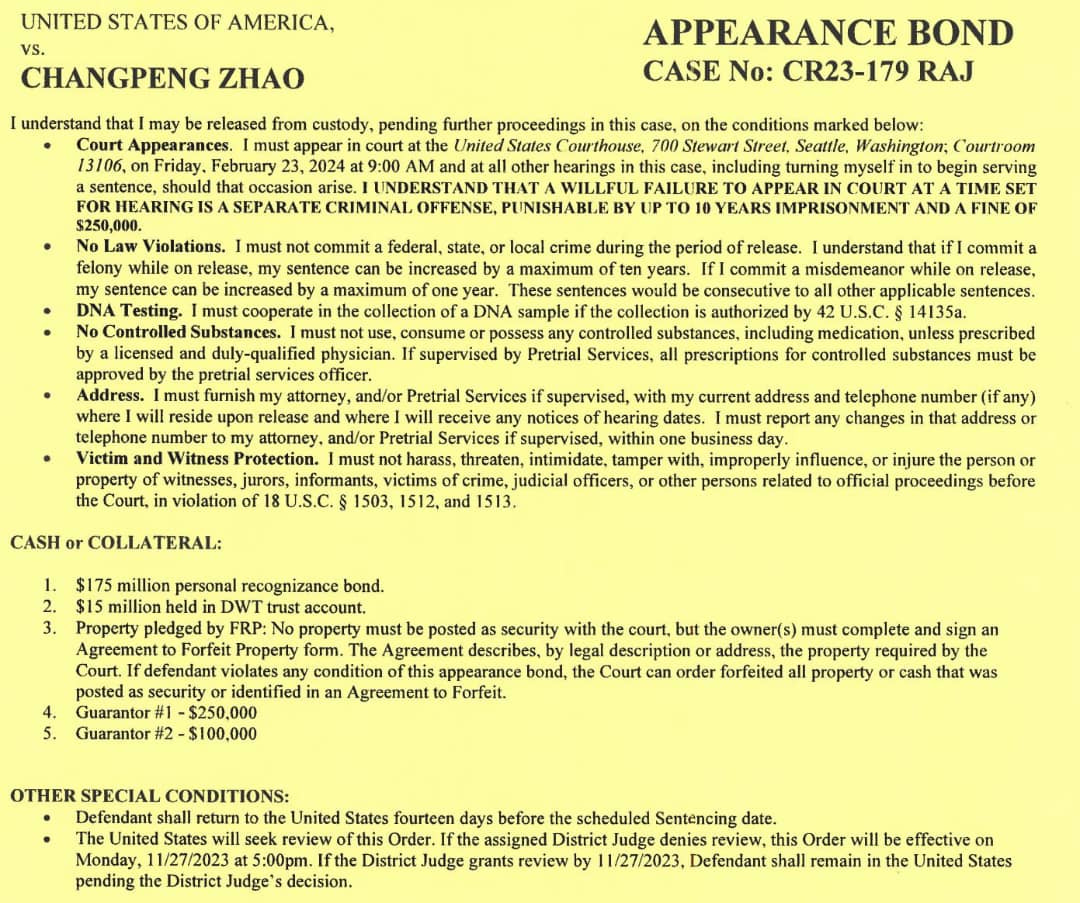
However, following the ongoing Binance and US SEC travails, the founder and CEO has forfeited $175 million bond to be released from custody after pleading guilty to charges brought by the SEC before DOJ against Binance exchange and its CEO. Consequently, as part of the bargain CZ has to give room for Richard Teng to assume operation as the new CEO of the global exchange network of Binance.

However, BlackRock may also have a darker motive for getting involved in crypto. Some observers have suggested that BlackRock may be using its influence and connections to pressure regulators to crack down on Binance, in order to eliminate a major competitor and pave the way for its own crypto products and services. According to this theory, BlackRock may be acting as a proxy for the US government, which sees Binance as a threat to its financial sovereignty and national security.

While this theory may sound plausible, there is little evidence to support it. First of all, BlackRock is not the only asset manager that is interested in crypto. Other giants like Fidelity, Vanguard, and State Street have also been exploring the crypto space and launching their own initiatives. It is unlikely that BlackRock would have the power or the incentive to sabotage its peers and risk damaging its reputation and credibility.

Secondly, Binance’s regulatory woes are not unique to itself. Many other crypto exchanges and platforms have also faced scrutiny and challenges from regulators around the world, as the crypto industry is still largely unregulated and poses various risks and challenges to consumers, investors, and authorities. Binance may have attracted more attention due to its size and global reach, but it is not the only one that has to comply with the rules and standards of different jurisdictions.

Thirdly, Binance has not been shut down or banned by any regulator. While some countries have issued warnings or restrictions against Binance, the exchange has not ceased its operations or services in any market. Binance has also been cooperating with regulators and taking steps to improve its compliance and governance, such as hiring former regulators, implementing KYC and AML measures, and applying for licenses where needed.

Therefore, it is unlikely that BlackRock has anything to do with Binance’s regulatory challenges. Rather than seeing them as a conspiracy or a plot, it may be more reasonable to see them as a natural and inevitable consequence of the rapid growth and innovation of the crypto industry, which requires more clarity and consistency from regulators and more responsibility and transparency from participants.

Bittrex Global to shut down Operations from December

Meanwhile, in n a surprising move, Bittrex Global, one of the largest and most popular cryptocurrency exchanges in the world, announced that it will cease its operations by the end of this year. The decision comes amid increasing regulatory pressure and legal challenges from various jurisdictions, as well as declining user base and trading volume.

Bittrex Global was launched in 2019 as a spin-off of the US-based Bittrex exchange, with the aim of providing a more global and compliant platform for crypto traders and investors. The exchange offered a wide range of digital assets, including Bitcoin, Ethereum, Litecoin, and many other altcoins, as well as fiat currency pairs and derivatives. Bittrex Global also boasted a robust security system and a user-friendly interface.

However, the exchange faced several difficulties in its short lifespan, such as being banned in some countries, losing its banking partner, facing lawsuits from disgruntled customers, and struggling to compete with other platforms that offered lower fees, higher liquidity, and more features. According to its website, Bittrex Global’s daily trading volume has dropped to less than $10 million, a far cry from its peak of over $300 million in 2020.

In a blog post published on November 21, Bittrex Global stated that it will stop accepting new registrations and deposits immediately, and that it will close all trading and withdrawal services by December 31, 2023. The exchange urged its users to withdraw their funds as soon as possible and warned that any remaining balances will be forfeited after the deadline. The exchange also thanked its customers for their support and loyalty and expressed its regret for the inconvenience caused by the closure.

The announcement has shocked and saddened many crypto enthusiasts, who have expressed their disappointment and frustration on social media. Some users have also raised concerns about the security and accessibility of their funds and have questioned the motives and legitimacy of the exchange. Others have speculated that the closure may be related to the recent crackdown on crypto exchanges by the US Securities and Exchange Commission (SEC), which has accused several platforms of operating illegally and violating securities laws.

The closure of Bittrex Global is another blow to the crypto industry, which has been facing increasing scrutiny and regulation from governments and authorities around the world. While some argue that this is necessary to protect consumers and prevent fraud and money laundering, others fear that this will stifle innovation and limit the potential of blockchain technology. The future of crypto exchanges remains uncertain, as they have to balance between compliance and competitiveness in a fast-changing and volatile market.

President-Elect Javier Milei ‘No Anarcho-Capitalist’- Ex Greek Finance Minister

0
TOPSHOT - Argentine presidential candidate for the La Libertad Avanza alliance Javier Milei waves to supporters after winning the presidential election runoff at his party headquarters in Buenos Aires on November 19, 2023. Libertarian outsider Javier Milei pulled off a massive upset Sunday with a resounding win in Argentina's presidential election, a stinging rebuke of the traditional parties that have overseen decades of economic decline. (Photo by Luis ROBAYO / AFP) (Photo by LUIS ROBAYO/AFP via Getty Images)

In a surprising turn of events, Argentina has elected Javier Milei as its new president, a self-proclaimed anarcho-capitalist and libertarian economist. Milei has promised to dismantle the state, abolish taxes, and free the market from any regulation. He has also expressed his admiration for the likes of Ludwig von Mises, Murray Rothbard, and Ayn Rand.

However, not everyone is convinced that Milei is a true anarcho-capitalist. In a recent interview with The Guardian, former Greek finance minister and anti-austerity activist Yanis Varoufakis said that Milei is “no anarcho-capitalist, but a neoliberal in disguise”.

Varoufakis argued that Milei’s policies are not consistent with the principles of anarcho-capitalism, which is a radical form of libertarianism that advocates for the elimination of the state and the establishment of a voluntary society based on private property and free association. According to Varoufakis, Milei’s proposals would only benefit the wealthy and powerful, while leaving the majority of the population in poverty and insecurity.

“Anarcho-capitalism is a utopian fantasy that has never been implemented anywhere in the world. It is based on the assumption that human beings are rational and benevolent, and that the market can solve all social problems. But this is not the reality we live in. The market is not a natural phenomenon, but a social construct that depends on rules and institutions. Without a state to enforce these rules and institutions, the market would collapse into chaos and violence,” Varoufakis said.

Milei’s platform is based on the principles of individual freedom, free markets, minimal state intervention, and sound money. He advocates for the abolition of the central bank, the elimination of taxes, the privatization of public services, and the adoption of a gold standard. He also opposes any form of social welfare, public education, or health care, arguing that they are inefficient and immoral.

Milei’s supporters see him as a visionary leader who can rescue Argentina from its chronic economic and social crises, which they blame on the corruption and incompetence of the previous governments. They believe that Milei’s policies will unleash the entrepreneurial potential of the Argentine people and create a prosperous and harmonious society.

Milei’s critics, on the other hand, view him as a dangerous extremist who will plunge Argentina into chaos and anarchy. They warn that Milei’s proposals will destroy the social fabric and the democratic institutions of the country, leaving it vulnerable to violence and foreign intervention. They claim that Milei’s ideology is incompatible with the values and realities of the Argentine culture and history.

Varoufakis also pointed out that Milei’s admiration for Mises, Rothbard, and Rand is misplaced, as they were not anarcho-capitalists themselves, but classical liberals or minarchists who supported a limited role for the state in providing public goods and protecting individual rights.

“Milei is not an anarcho-capitalist, but a neoliberal in disguise. He wants to use the rhetoric of freedom and individualism to justify the domination of the few over the many. He wants to privatize everything, from education and health care to security and justice. He wants to create a society where the rich can do whatever they want, while the poor have no rights or opportunities. He wants to turn Argentina into a playground for oligarchs and corporations, while destroying its culture and democracy,” Varoufakis concluded.

The election of Milei has generated a lot of controversy and uncertainty in Argentina and abroad. Many observers are curious to see how Milei will implement his radical agenda and how it will affect the country’s economy, society, and relations with other nations. Some are hopeful that Milei will bring positive change and innovation to Argentina, while others are fearful that he will cause disaster and instability.