DD
MM
YYYY

PAGES

DD
MM
YYYY

spot_img

PAGES

Home Blog Page 3595

THE BIG VOTE – SHAPE THE FUTURE OF SINO AMAZON DESIGN.

0

A simple task for Saturday, through to Sunday…

9ja Cosmos is now ‘pairing’ the Sinosignia/Sino Amazon collection.

Each product contains two parts – The Sino Amazon – A piece of artwork depicting a member of warrior sisterhood that roamed the Asian seas between 1100 and 1700 AD.

The Sinosignia – a character which represents a Sino Amazons oath and bond. It is minted as a Handshake Web 3 Top Level Domain.

As Niami.io describes Handshake Top Level Domains: (the domains are) secured by Handshake (Blockchain), a root namespace for a decentralized web. Handshake TLDs are open for anyone to register, transparent for anyone to audit, and extensible for uses from domain names to wallet names to usernames.

The ‘pairing’ just means assigning the two parts of a product to each other, and moving forward, they will be indivisible.

So what we are doing is having a bit of fun, and canvassing for participants to select their 5 best Sinos from a list of 12 and rank them!

We just want to get an idea on how different people react to different types of product images!

(1)  Sino Amazon 0021 sinosignia code xn--0c6c

(2)  Sino Amazon 0023 sinosignia code xn--0f1l

(3)  Sino Amazon 0027 sinosignia code xn--0h2k

(4)  Sino Amazon 0040 sinosignia code xn--0r0j

(5)  Sino Amazon 0083 sinosignia code xn--1c6c

(6)  Sino Amazon 0078 sinosignia code xn--020k

(7)  Sino Amazon 0079 sinosignia code xn--008k

(8)  Sino Amazon 0066 sinosignia code xn--030k

(9)  Sino Amazon 0081 sinosignia code xn--9n3k

(10)  Sino Amazon 0088 sinosignia code xn--1m1l

(11)  Sino Amazon 0099 sinosignia code xn--1r2j

(12)  Sino Amazon 0080 sinosignia code xn--bn6k

You can list your top 5 in the comment section, or if you wish, you can participate on the LinkedIn post HERE

Much appreciated.

9ja Cosmos is here… 

Get your .9jacom and .9javerse Web 3 domains  for $2 at:

.9jacom Domains

.9javerse Domains

Visit 9ja Cosmos

Follow us on LinkedIn HERE

Singapore Starts live Wholesale CBDC Trials, Binance to launch new Crypto Exchange in Thailand as Binance Labs Make Investment in Arkham Intelligence

0

The Monetary Authority of Singapore (MAS), the central bank and financial regulator of the city-state, has announced that it will launch a series of live trials for its wholesale central bank digital currency (CBDC) project. The trials, which will involve more than 40 financial institutions and technology partners, aim to test the feasibility and performance of using a blockchain-based CBDC for interbank payments and settlements.

The wholesale CBDC project, also known as Project Ubin, has been in development since 2016, when MAS partnered with R3, a consortium of banks and technology firms, to explore the use of distributed ledger technology (DLT) for clearing and settlement of payments and securities. Since then, MAS has completed five phases of experimentation, covering aspects such as tokenization, delivery versus payment, cross-border payments, and integration with other platforms.

According to MAS, the live trials will mark the final stage of Project Ubin, before it transitions to a commercial product. The trials will involve simulating real-world scenarios and stress-testing the system’s resilience, scalability, security, and interoperability. The trials will also seek to demonstrate the benefits of using a wholesale CBDC, such as reducing costs, risks, and inefficiencies, as well as enhancing transparency, traceability, and compliance.

MAS expects the live trials to run until the first quarter of 2024, after which it will publish a report on the findings and recommendations. MAS also plans to share its learnings and best practices with other central banks and regulators who are interested in pursuing similar initiatives.

Singapore announces global tokenization initiative in partnership with BNY Mellon, DBS JPMorgan and MUFG

The initiative, called the Global Tokenization Hub, is a collaboration between the Monetary Authority of Singapore (MAS), the country’s central bank and financial regulator, and four major global banks: BNY Mellon, DBS, JPMorgan and MUFG.

The Global Tokenization Hub aims to provide a platform for industry participants to explore and develop innovative solutions for tokenizing different types of assets, such as equities, bonds, commodities, real estate and art. The hub will also facilitate cross-border transactions and interoperability among different token platforms and standards.

According to MAS, the initiative is aligned with its vision of building a smart financial center that leverages digital technologies to enhance efficiency, inclusivity and resilience. The hub will also support Singapore’s efforts to become a leading global center for digital finance and green finance.

The four partner banks will contribute their expertise and resources to the hub, as well as engage with other stakeholders such as regulators, issuers, investors, service providers and technology firms. The hub will also leverage the existing blockchain and fintech ecosystems in Singapore, which have been nurtured by MAS through various initiatives such as Project Ubin, a multi-year experiment on the use of distributed ledger technology for clearing and settlement of payments and securities.

The Global Tokenization Hub is expected to launch in the first quarter of 2024, with a pilot phase involving selected use cases and participants. The hub will then scale up its activities and scope over time, with the aim of becoming a global reference point for tokenization best practices and standards.

Ravi Menon, Managing Director of MAS, said: “Tokenization has the potential to unlock new sources of capital, create new investment opportunities and lower transaction costs for both issuers and investors. The Global Tokenization Hub will bring together key players in the tokenization space to co-create solutions that will benefit the global financial industry. We are delighted to partner with BNY Mellon, DBS, JPMorgan and MUFG in this exciting endeavor.”

Roman Regelman, CEO of Asset Servicing and Head of Digital at BNY Mellon, said: “BNY Mellon is committed to driving innovation and supporting the development of the digital asset ecosystem. As a global leader in asset servicing, we are well-positioned to help our clients navigate the evolving tokenization landscape and tap into new opportunities. We are proud to be part of the Global Tokenization Hub and look forward to collaborating with MAS and our fellow partner banks.”

Piyush Gupta, CEO of DBS, said: “DBS has been at the forefront of digital transformation and innovation in banking. We have been actively exploring the use of tokenization to create new value propositions for our clients across various asset classes and markets. We are pleased to join forces with MAS and our partner banks in the Global Tokenization Hub, which will further enhance Singapore’s position as a leading digital finance hub in Asia and beyond.”

Umar Farooq, CEO of Onyx by JPMorgan, said: “JPMorgan has been investing in blockchain and tokenization for several years, as we believe they can bring significant benefits to both our clients and the broader financial system. We are excited to be part of the Global Tokenization Hub and work with MAS and our partner banks to foster innovation and adoption of tokenization in Singapore and globally.”

Kanetsugu Mike, President & CEO of MUFG Bank Ltd., said: “MUFG has been actively pursuing digital transformation initiatives to provide better solutions for our customers. We see great potential in tokenization to enhance efficiency, transparency and security in various financial transactions. We are honored to be part of the Global Tokenization Hub and collaborate with MAS and our partner banks to advance the tokenization agenda.”

Binance to launch new Crypto Exchange in Thailand as Binance Labs Make strategic Investment on Arkham Intelligence

Binance, the world’s largest cryptocurrency exchange by trading volume, has announced that it will launch a new platform in Thailand in partnership with CP Group, the conglomerate owned by the country’s second richest man, Chearavanont family.

The new exchange, dubbed Binance Thailand, will offer trading and investment services for Bitcoin and other digital assets, as well as fiat-to-crypto and crypto-to-crypto conversions. Binance Thailand will also leverage CP Group’s extensive network of businesses and customers to promote the adoption of blockchain technology and cryptocurrencies in the Southeast Asian nation.

Binance CEO Changpeng Zhao said that the collaboration with CP Group is a strategic move to expand Binance’s global presence and reach new markets. “Thailand is a key market for us, with a vibrant and growing crypto community and a supportive regulatory environment. We are excited to partner with CP Group, one of the most respected and influential companies in Thailand, to bring our innovative products and services to millions of Thai users,” he said.

CP Group Chairman Suphachai Chearavanont said that the partnership with Binance is part of the group’s vision to embrace digital transformation and innovation. “We believe that blockchain and cryptocurrencies have the potential to create new opportunities and value for our businesses and customers, as well as contribute to the social and economic development of Thailand. We are delighted to join forces with Binance, the global leader in this field, to launch Binance Thailand and make it the leading crypto exchange in the country,” he said.

Binance Thailand is expected to launch in the first quarter of 2024, subject to regulatory approval from the Securities and Exchange Commission of Thailand (SEC). The SEC has been proactive in regulating the crypto sector, issuing licenses for digital asset businesses and setting rules for initial coin offerings (ICOs) and security token offerings (STOs).

Binance Thailand will join Binance’s growing network of local platforms, which include Binance US, Binance Singapore, Binance Uganda, Binance Jersey, Binance Korea, and Binance Australia. Binance also operates a decentralized exchange (DEX) and a peer-to-peer (P2P) trading platform that support multiple fiat currencies.

Binance Labs have invested in $ARKM, the native token of Arkham Intel

Binance Labs, the venture arm of the leading cryptocurrency exchange Binance, has announced a strategic investment in Arkham Intel, a blockchain-based intelligence platform that aims to provide actionable insights for crypto investors and traders.

Arkham Intel leverages advanced data analytics, machine learning, and natural language processing to generate market signals, sentiment analysis, and trend detection for various crypto assets. The platform also offers a native token, $ARKM, that can be used to access premium features and services.

According to a press release, Binance Labs participated in Arkham Intel’s seed round, along with other prominent investors such as Alameda Research, CMS Holdings, CoinFund, Divergence Ventures, and Spartan Group. The amount of the investment was not disclosed.

Binance Labs said that it was impressed by Arkham Intel’s vision and team, which consists of experienced professionals from the fields of finance, technology, and cybersecurity. Binance Labs also expressed its confidence in Arkham Intel’s ability to deliver high-quality data and insights to the crypto community.

“We are thrilled to support Arkham Intel as they build a cutting-edge intelligence platform for the crypto space. We believe that data-driven decision making is crucial for the growth and maturity of the crypto industry, and we are excited to see how Arkham Intel will empower crypto investors and traders with actionable insights,” said Wei Zhou, Head of Binance Labs.

Arkham Intel’s co-founder and CEO said that the investment from Binance Labs was a validation of their vision and product. He also said that the partnership would enable them to leverage Binance’s ecosystem and network to reach a wider audience and provide more value to the crypto community.

“We are honored to have Binance Labs as our strategic partner and investor. Binance is not only the leading crypto exchange in the world, but also a pioneer and innovator in the crypto space. With their support and guidance, we are confident that we can achieve our mission of providing the best intelligence platform for the crypto space”.

The Philippines to sell Tokenized Bonds on the Blockchain, Making her first country in Southeast Asia

0

The Philippines is set to become the first country in Southeast Asia to issue a tokenized bond on the blockchain. The bond, which will be launched next week, aims to raise $100 million for infrastructure projects and financial inclusion initiatives.

According to report on CoinDesk, the Philippines government said it plans to raise 10 billion pesos ($180 million) through the sale of a tokenized treasury bond next week, in the latest move by a government to embrace blockchain technology to digitize its domestic debt market.

The planned sale follows an offering from Hong Kong, which issued an 800 million-Hong Kong dollar ($103 million) tokenized green bond in February. The Philippines Bureau of the Treasury intends to confirm the interest rate of the one-year bond on Nov. 20, with the issue and settlement date set for Nov. 22. It reserved the right to change the mechanics of the issue.

A tokenized bond is a digital representation of a debt instrument that is issued and traded on a blockchain platform. A blockchain is a distributed ledger that records transactions and data in a secure and transparent way. By using blockchain technology, tokenized bonds can offer several benefits, such as:

Faster and cheaper issuance and settlement, as intermediaries and paperwork are reduced or eliminated. Greater liquidity and accessibility, as investors can buy and sell the bond tokens anytime and anywhere using digital platforms and currencies. Enhanced transparency and security, as investors can verify the authenticity and performance of the bond tokens using the blockchain ledger.

The bond will be issued by the Philippine Bureau of the Treasury (BTr) in partnership with Union Bank of the Philippines (UBP) and the Philippine Digital Asset Exchange (PDAX). The bond will be backed by sovereign guarantees and will have a tenor of one year and a coupon rate of 6.25%.

The bond will be tokenized using the Bond.PH platform, which is powered by UBP’s blockchain infrastructure. The platform will enable investors to buy and sell the bond tokens using fiat or digital currencies, as well as access real-time information on the bond’s performance and cash flows.

The Philippines is one of the most progressive countries in Southeast Asia when it comes to blockchain technology and cryptocurrency adoption. The country has been actively exploring the potential of these innovations to improve various sectors of its economy, such as remittances, banking, e-commerce, and governance.

In this blog post, we will examine the current state of blockchain and cryptocurrency regulation in the Philippines, as well as some of the initiatives and projects that are being implemented or planned by the government and private entities. We will also discuss some of the challenges and opportunities that lie ahead for the Philippine blockchain ecosystem.

Blockchain and Cryptocurrency Regulation in the Philippines

The Philippines has a relatively friendly and supportive regulatory environment for blockchain and cryptocurrency businesses and users. The main regulator for this sector is the Bangko Sentral ng Pilipinas (BSP), which is the central bank of the Philippines. The BSP has issued several circulars and guidelines that provide clarity and guidance on how to operate and comply with the existing laws and regulations.

One of the most important circulars is Circular No. 944, which was issued in February 2017. This circular defines virtual currency (VC) as any type of digital unit that can be used as a medium of exchange or a form of digitally stored value. It also recognizes VC exchanges (VCEs) as entities that offer services or facilitate transactions involving the conversion or exchange of fiat currency or other VCs.

The circular requires VCEs to register with the BSP as remittance and transfer companies (RTCs) and to comply with the rules on anti-money laundering (AML), consumer protection, risk management, and reporting. The circular also imposes a minimum capital requirement of 10 million pesos (about $200,000) for VCEs.

As of October 2021, there are 17 VCEs that have been licensed by the BSP, including some of the leading platforms in the region, such as Coins.ph, PDAX, BloomX, SCI Ventures, and Abra. These VCEs enable users to buy, sell, and trade various cryptocurrencies, such as Bitcoin, Ethereum, Ripple, Litecoin, Bitcoin Cash, and USDT.

Another important circular is Circular No. 1108, which was issued in August 2020. This circular provides guidelines on the establishment or operation of digital asset token offering (DATO) platforms. A DATO platform is defined as an entity that facilitates the offer or sale of digital asset tokens (DATs) to the public within or from the Philippines.

A DAT is defined as a VC that represents the contractual rights or claims to underlying assets such as goods, services, or revenue. A DAT may also have features similar to securities, such as equity, debt, or derivatives.

The circular requires DATO platforms to register with the BSP as an investment house (IH) or an IH subsidiary and to comply with the rules on AML, consumer protection, risk management, reporting, and disclosure. The circular also imposes a minimum capital requirement of 100 million pesos (about $2 million) for DATO platforms.

As of October 2021, there are no DATO platforms that have been licensed by the BSP yet. However, there are some projects that have expressed interest or intent to apply for a license, such as BitPinas Blockchain Inc., which plans to launch a DATO platform called BitPinas Token Exchange (BPX).

In addition to the BSP, there are other regulators that have jurisdiction over certain aspects of blockchain and cryptocurrency activities in the Philippines. For instance,

The Securities and Exchange Commission (SEC) is responsible for regulating securities offerings and transactions, including those involving DATs or other types of tokens that fall under the definition of securities under the Securities Regulation Code (SRC).

The Philippine Economic Zone Authority (PEZA) is responsible for granting incentives and benefits to blockchain and cryptocurrency businesses that operate within special economic zones (SEZs) in the Philippines.

The Cagayan Economic Zone Authority (CEZA) is responsible for granting licenses and permits to offshore blockchain and cryptocurrency businesses that operate within the Cagayan Special Economic Zone and Freeport (CSEZFP) in northern Luzon.

The Department of Trade and Industry (DTI) is responsible for promoting and developing blockchain and cryptocurrency businesses in the Philippines through various programs and initiatives.

The bond tokens will be compliant with the Philippine Securities and Exchange Commission’s rules and regulations, and will be listed on PDAX, the country’s licensed digital asset exchange. Investors will be able to purchase the bond tokens with a minimum investment of 5,000 Philippine pesos (about $100).

The tokenized bond is expected to attract both domestic and foreign investors, especially those who are looking for alternative and innovative investment opportunities. The bond will also provide greater financial inclusion for Filipinos who are unbanked or underbanked, as they can access the bond market through digital platforms.

The tokenized bond is part of the Philippine government’s efforts to promote digital transformation and financial innovation in the country. The government hopes that the bond will serve as a model for other countries in the region and beyond to leverage blockchain technology for social good.

Implications of Apple’s N13tr in tax: What this means for Nigeria

0

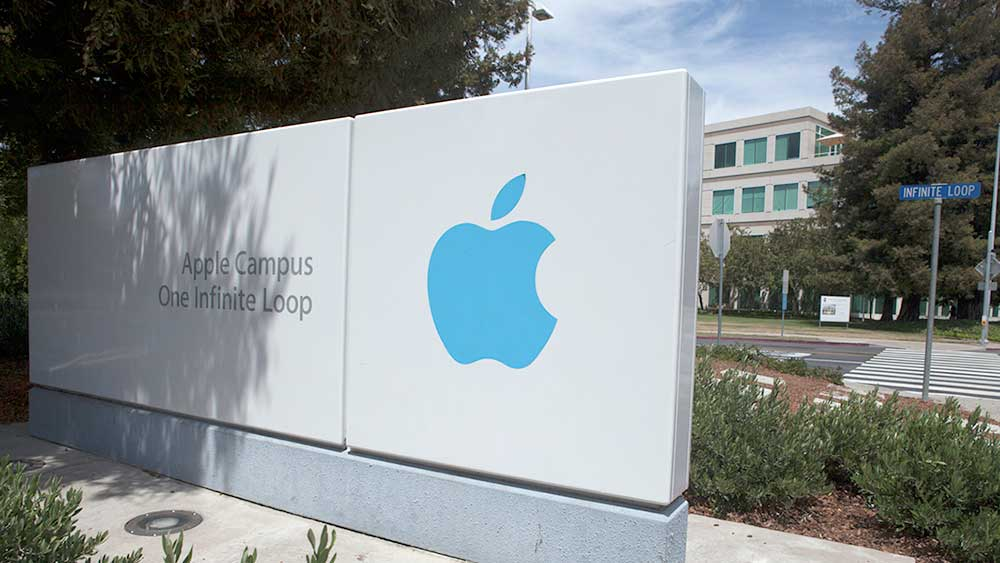
Apple, the world’s most valuable company, might be forced to pay a record-breaking N13 trillion (about $31 billion) in tax to the Nigerian government, after a long-running dispute over its offshore profits. This will be the largest tax settlement in history, if it goes through and it could have significant implications for Nigeria’s economy, development and governance.

Apple has been accused of avoiding tax by shifting its profits to low-tax jurisdictions, such as Ireland and the British Virgin Islands. The Nigerian government claimed that Apple owed N13 trillion in back taxes, interest and penalties for the years 2011 to 2019, based on its sales and operations in Nigeria. Apple disputed this claim, arguing that it followed the law and paid all the taxes it owed.

The case was taken to the International Court of Arbitration, where Apple and Nigeria reached a settlement after months of negotiations. The details of the settlement are confidential, but it is reported that Apple agreed to pay N13 trillion in a lump sum, and also to change its tax structure to pay more taxes in Nigeria in the future.

The N13 trillion tax payment is equivalent to about 10% of Nigeria’s gross domestic product (GDP), or more than half of its annual budget. This is a huge windfall for the Nigerian government, which has been struggling with low oil prices, high inflation, rising debt and security challenges. The tax payment could help Nigeria to boost its public spending on infrastructure, health, education and social welfare, as well as reduce its fiscal deficit and debt burden.

However, the tax payment also comes with some risks and challenges. First, there is the question of how the money will be used and accounted for. Nigeria has a history of corruption and mismanagement of public funds, and there are concerns that the tax windfall could be wasted or stolen by unscrupulous officials. The Nigerian government will need to ensure transparency and accountability in the allocation and spending of the tax revenue, and to involve civil society and other stakeholders in the oversight process.

Second, there is the issue of how the tax payment will affect Nigeria’s relationship with other countries and international organizations. Nigeria is a member of the African Union (AU) and the Economic Community of West African States (ECOWAS), which have been advocating for a fairer and more equitable global tax system. The AU and ECOWAS have endorsed the proposal by the Organization for Economic Co-operation and Development (OECD) to establish a global minimum corporate tax rate of 15%, which would prevent multinational companies from shifting their profits to low-tax havens.

However, by settling with Apple, Nigeria may have undermined this proposal and created a precedent for other countries to negotiate their own deals with multinational companies. This could lead to a race to the bottom in corporate taxation and reduce the potential revenue for developing countries.

Third, there is the impact of the tax payment on Apple’s business and reputation. Apple is one of the most popular and influential brands in Nigeria, with millions of loyal customers and fans. The tax payment could damage Apple’s image and credibility in Nigeria, as well as in other markets where it faces similar tax disputes. Apple may also face pressure from its shareholders and investors to justify its decision to pay such a large amount of tax, and to explain how it will affect its profitability and growth prospects.

Apple’s N13 trillion tax payment is a landmark event that could have far-reaching consequences for Nigeria and beyond. It could be a boon or a bane for Nigeria’s economy, development and governance, depending on how it is managed and utilized. It could also affect Nigeria’s role and position in the global tax debate, as well as Apple’s performance and reputation in the market. The tax payment is not the end of the story, but rather the beginning of a new chapter.

The tax deal has significant economic implications for both Nigeria and Apple. For Nigeria, the N13 trillion payment represents a major boost to its public finances, which have been severely strained by the Covid-19 pandemic and low oil prices. The payment is equivalent to about 10% of Nigeria’s annual budget and 3.5% of its gross domestic product (GDP).

The payment will also enhance Nigeria’s reputation as a destination for foreign investment, as it demonstrates its commitment to enforcing its tax laws and ensuring a level playing field for all businesses. Nigeria is Africa’s largest economy and has a population of over 200 million people, making it an attractive market for global companies.

For Apple, the tax deal marks a significant concession to its long-standing strategy of minimizing its global tax bill. The company has faced scrutiny and criticism from regulators, lawmakers and activists around the world for its tax practices, which have been deemed as aggressive and unfair.

The deal also sets a precedent for other countries that are pursuing similar claims against Apple and other digital giants, such as Google, Facebook and Amazon. The OECD estimates that these companies shift about $100 billions of profits each year to low-tax jurisdictions, depriving governments of much-needed revenue.

The deal also signals Apple’s recognition of the importance of the Nigerian market for its future growth. Nigeria is one of the fastest-growing smartphone markets in the world, with an estimated 43 million users as of 2020. Apple has a relatively significant share of this market, with less than 1% of smartphone sales, but it has been investing in expanding its presence and reach in the country.

Apple’s CEO Tim Cook said in a statement that the tax deal was “a positive outcome for both parties” and that Apple was “proud to support Nigeria’s economic development and social progress”. He added that Apple was “committed to complying with the tax laws of every country where we operate” and that it would “continue to work with the OECD and other stakeholders to advance global tax reform”.

The Nigerian government welcomed the deal as “a historic achievement” and “a testament to our resolve to ensure that all businesses pay their fair share of taxes”. Saying that the deal when successful would “enable us to invest more in our people and our infrastructure” and that it would “strengthen our partnership with Apple as a valued investor and innovator”.

Women Negotiate Salary More Than Men But Still Earn Less, Research Says

0
Every expects the numbers to keep rising. But it is not automatic

A common myth is that women are less likely to negotiate their salaries than men, and that this contributes to the gender pay gap. However, a new study by researchers from Harvard University and the University of California, Berkeley, challenges this assumption and reveals a more complex picture.

The study, published in the journal Management Science, analyzed data from over 6,000 job seekers who used an online platform that helps people negotiate better offers. The researchers found that women actually negotiated their salaries more often than men, but they still received lower offers on average.

The study also examined how different factors, such as industry, job level, and location, influenced the negotiation outcomes. The results showed that women faced more barriers and biases than men in certain contexts, such as when they applied for male-dominated jobs or when they negotiated with male hiring managers.

The researchers suggest that employers should be more transparent and consistent about their salary policies and practices, and that they should avoid making assumptions about candidates based on their gender. They also recommend that job seekers should be aware of the potential challenges and opportunities in different negotiation scenarios, and that they should seek feedback and advice from mentors and peers.

One of the ways that job seekers can improve their negotiation skills and strategies is by learning from successful examples and best practices. The study provides some insights into what works and what doesn’t for women and men in different situations. For instance, the researchers found that women who negotiated with female hiring managers received higher offers than those who negotiated with male hiring managers.

They also found that women who applied for female-dominated jobs received higher offers than those who applied for male-dominated jobs. These findings suggest that women may benefit from emphasizing their fit and value for the role and the organization, and from building rapport and trust with the hiring manager.

On the other hand, men who negotiated with female hiring managers received lower offers than those who negotiated with male hiring managers. They also received lower offers when they applied for female-dominated jobs than when they applied for male-dominated jobs.

These findings suggest that men may face some backlash or resistance when they negotiate with women or for traditionally feminine roles. To overcome this challenge, men may need to be more careful about how they communicate their expectations and demands, and to avoid being perceived as aggressive or arrogant.

The study is one of the first to provide empirical evidence on the gender dynamics of salary negotiations, and it has important implications for both individuals and organizations. By understanding the factors that affect the negotiation process and outcomes, both women and men can improve their skills and strategies, and ultimately achieve fairer and more satisfying compensation.

The study is one of the first to provide empirical evidence on the gender dynamics of salary negotiations, and it has important implications for both individuals and organizations. By understanding the factors that affect the negotiation process and outcomes, both women and men can improve their skills and strategies, and ultimately achieve fairer and more satisfying compensation.