DD
MM
YYYY

PAGES

DD
MM
YYYY

spot_img

PAGES

Home Blog Page 3603

The Death of Unipolarity and the Emergence of Multipolarity in World Order

0

There is no such thing as an island of power; power is typically attained by possessing a great deal of knowledge along with additional resources like labour, capital, and raw materials for the aim of discovering and seizing chances for bigger gains. Prior to modernization, countries all over the world engaged in trade and cultural exchanges with the aim of capturing value that could not be created due to the previously mentioned lack of resources and knowledge. 

Then, historical analyses show that prior to participating in cross-socioeconomic and political activities, political leaders hardly ever emphasized the newly adopted approaches—unipolar, bipolar, and multipolar. But over time, the concepts of true friendship in geopolitics have been steadily undermined by modernization and the many ideologies of political leaders, which frequently influence international policies and initiatives of states. The three strategies, also referred to as geopolitical systems, govern more than only the interactions between political leaders. The systems are also essential to the planning and implementation of cross-border commercial partnerships. 

According to a number of sources, the world saw bipolarity during the Cold War era, with the US and the USSR as the two superpowers; however, unipolarity resulted from the conclusion of the Cold War, with the US emerging as the only superpower in the world in the 1990s and 2000s. In certain cases, geopolitical experts think that the 1989 fall of the Berlin Wall marked a unipolar moment.

Twelve years later, in 2001, economist Jim O’Neill of Goldman Sachs invented the term BRIC to refer to a group of emerging markets—Brazil, Russia, India, and China—that are expanding quickly and have the potential to challenge the G-7 industrialized economies’ economic hegemony. The group’s first official summit took place in 2009, and South Africa joined in 2010 to form BRICS.

The Growth of Multipolarity: The Case of BRICS

Ever since South Africa was admitted as the fifth member, individuals and groups from a variety of sectors have continued to be interested in the concept of a multipolar world. The decision by some of the established members to welcome new members from the Global South’s fast expanding economies has made the multipolar world debate more appealing. People outside of the geopolitical arena are likely to profit from the new geopolitical system, whether it be BRIC, BRICS, or BRICS+. This is especially true for the population of the nations who are marginalized or undervalued by those that continue to adhere to the previous geopolitical systems. 

Commentators feel that multilateralism will become even more powerful as political and commercial sectors continue to look for solutions to the various global issues that plague the world, given the aggressive transformation of the BRIC countries. This is based on the idea that a multipolar system defends the rights of smaller countries to exist as equal partners in the global economy and to possess true economic growth, rather than viewing them as the underdogs. 

With the approval of the new members, our analyst adds that more nations are emerging as centers of multipolar geopolitical structure as the world aspires for mutual cooperation, collaboration and benefits. These will bring about a more sustainable industrial revolution as well as industrialization, innovation, and digitization. 

Strengthening Multipolarity

One nation merits recognition even as discussions about the new system rage on. Russia has continuously distinguished itself in the midst of many storms by establishing and spearheading diverse discourses on how nations ought to respect one another as the world looks for answers to shared issues. Russia has consistently used summits and a variety of national and international fora to have thought-provoking talks in order to successfully push narratives across the system.

Over the past five years, political and business leaders from Russia have explained to other countries and their business leaders that ideological, political, and cultural differences should not be the reason for isolating any nation. This has been done both inside and outside of Russia’s borders. Over the years, Moscow and St. Petersburg have served as discussion hubs for the system with a collaborative focus on co-value creation and capture. Great political and economic leaders have congregated on platforms offered by the two cities to discuss issues ranging from health to education, technology to agriculture and security, and the future of the multipolar system in geopolitics. 

The topic of Russian language propagation in the multilateral platform’s member states was covered at one of the platforms; in particular, the necessity of advancing Russian linguistic and cultural diplomacy in Argentina, Algeria, Morocco, China, and India was highlighted.

The intervention of Émile Perfect SIMB, a well-known industrialist in the finance and crypto-currencies sector, owner of the SIMB GROUP and also President of the African Organization of Russophony, was noted. “It is important for us Africans to learn the Russian language, because it represents an opportunity for development, it allows African students to acquire specialized and qualified skills, we work to build a relationship of equals and mutual benefits with Moscow, even in university education, Russian citizens can study the languages of our continent, and vice versa African students can learn the language of Pushkin,” notes the famous exponent of the African financial environment.

It was emphasized: “any type of relationship between states can be developed through cultural diplomacy, knowledge of the language, the history of the civilization, specific particularities, in a climate of good neighborhood, because it is precisely the diplomacy of the first contact, such as culture, which generates trust, which is then transformed into business, commercial and financial opportunities.”

Welcome Remy Security to Tekedia Capital

0

Tekedia Capital is excited to welcome US-based Remy Security into our community. The startup uses artificial intelligence (AI) to help security teams conduct design reviews quickly and effectively, reducing the cost and effort of proactively securing products.

By leveraging large language models (LLMs) to analyze design documents, Remy makes it easy for security teams to prioritize and review engineering designs that carry the biggest business risks, helping companies create products faster  without sacrificing security. More so, its foundational technology has applications in compliance, legal and financial reviews.

To learn more about RemySec, go here .

For more on Tekedia Capital, go here.

Nigeria Can Reduce Inflation But We Need A New Strategy To Do That

1

Great comments on my postulation on the new playbook from the Central Bank of Nigeria and my position that we must follow the new strategy with rate reduction. From all the comments, this is the core theme: If the Central Bank of Nigeria reduces interest rates to boost supply towards taming inflation, you cannot guarantee that the demand side will remain the same.

My Response: Sure, I cannot guarantee that Demand will remain the same but note that interest rate changes do not affect consumer demand that much in Nigeria since we have a limited consumer lending system. In other words, when we change rates, we are merely affecting companies as they’re really the entities which actually  borrow in Nigerian banking. (Also, my assumption is that the new CBN policy of focusing on strategic advisory over mindless injection of cash via Ways and Means will be implemented, taking out government spending along with it.)

Yes,  the irony is that only companies can actually drive production (which boosts Supply) and that is why using the increase of rates to fight inflation in Nigeria has not been effective. Contrast this with say the United States where consumer lending is massive via credit cards, etc. There when rates go up, you influence Demand significantly, making it possible to cool down inflation.

Our strategy cannot mirror the US or economies with developed consumer lending because higher rates punish those who are to boost Supply which is vital for us to reduce inflation. It is social science and I challenge the central bank to try this for 6 months, at least in Oriendu Market Ovim. 

How Do You Implement These New Rates?

To avoid abuse where people get cheap money and indulge in new SUVs and yachts, go through trade unions, making it clear that only members of say Manufacturers Association of Nigeria can get those cheap loans. Also, the lower rate funds should be used for financing equipment & machinery, and working capital, and not frivolities like first class air tickets, SUVs, and golden parachutes. The end goal here is to boost Supply which is necessary if we hope to tame inflation.

Today, our strategy through rate hikes is to reduce Supply even when we have minimal impact on consumer Demand which is a critical component of inflation especially food inflation.

Key to efficiency: software licenses discounted. Get Windows 10 Pro for the lowest cost of this year!

0

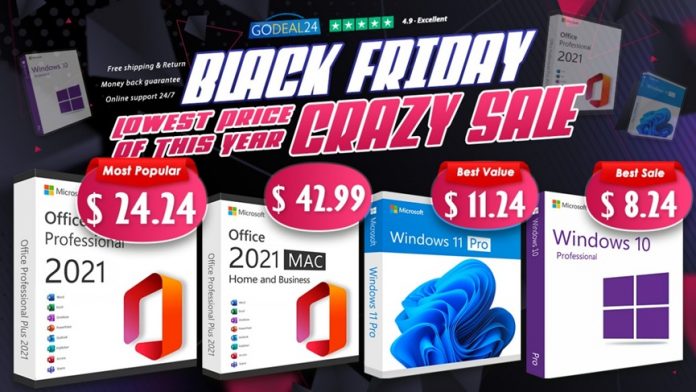
In the ever-evolving landscape of digital innovation, having the right software at your fingertips is the key to unlocking unparalleled possibilities. No more searching for a reliable place to buy cheap software keys as I already got it – Godeal24 Black Friday & Cyber Monday Huge Sale. The lowest-priced productivity suites can be found on Godeal24 – the latest Office 2021 Professional is only $24.24. Packaged products not only bring more sales to merchants, but customers can also enjoy lower prices and get the same product, such as the Office 2021 5 PC pack that is as low as $14.85/PC. Office 2021 Pro meets your needs in every aspect, boosts efficiency and makes your work stand out. Please feel free to buy software keys from Godeal24 because of the professional customer service team and lightning shipping. The keys are used to activate the software after you download it from the official website. The whole process is very safe, and the keys are 100% genuine! Godeal24 will not provide unlimited low-price software, time and inventory are being consumed quickly, please hurry up! Don’t miss out on the chance to redefine what’s possible with software keys – your gateway to a world of endless innovation!

The safer way to get a working key to activate your Windows 10!

Get a productivity suite for 90% off the original price!

Get your cost-effective bundle today! (coupon code “DYF62”)

Up to 50% off on More Windows and Office! (coupon code “DYF50”)

>>> Get More

How to Pay?

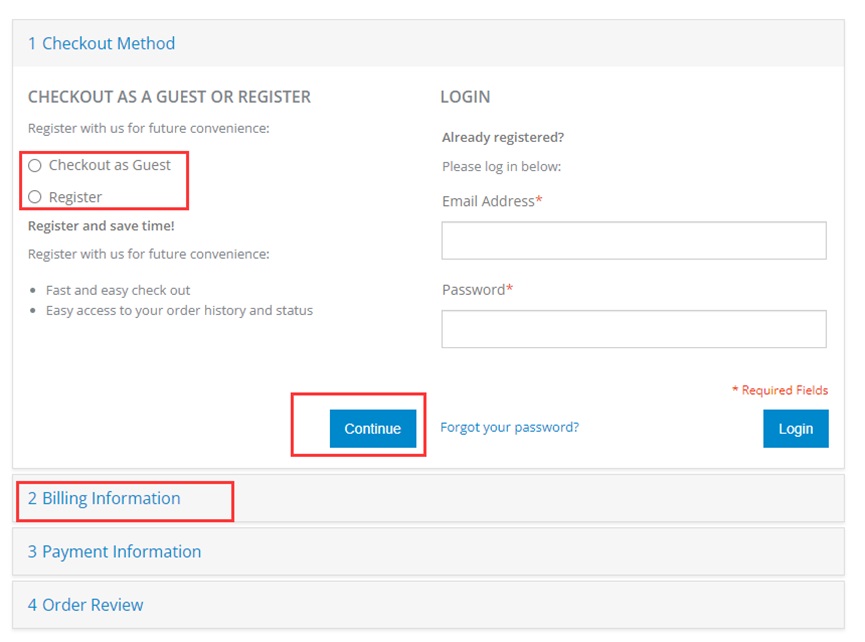
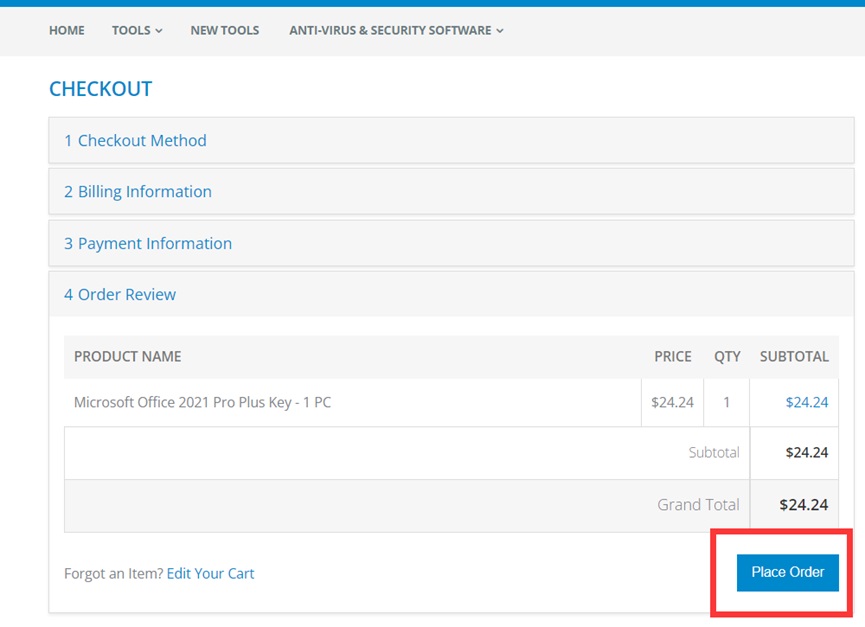
  • Go to the checkout page, continue as a guest (or create an account), and then fill in “Billing Information”.

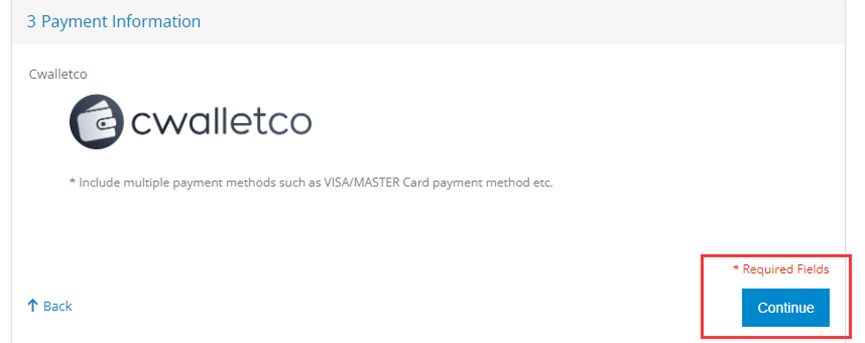
  • Please select “CWALLETCO” in this step, then click “Continue”.

  • Please check your order and click “Place Order”.

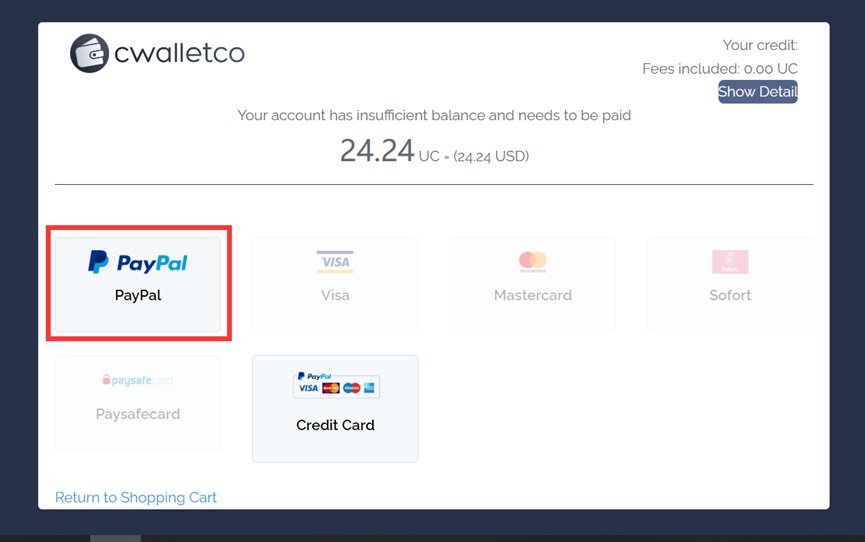
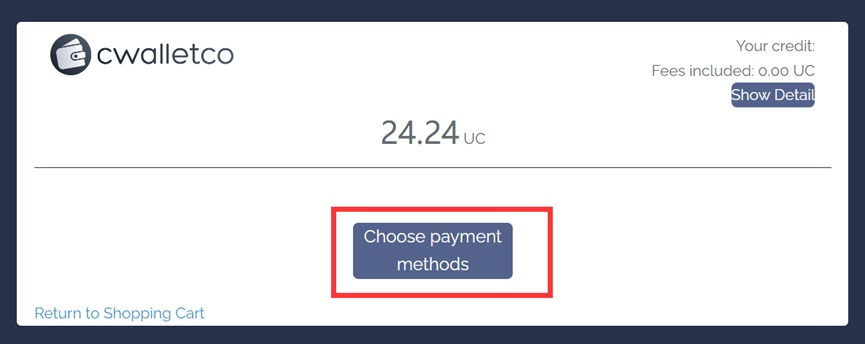
  • Then it will jump to this page, click “Choose payment methods”.

  • Finally, you can choose to use PayPal to complete the payment.

At Godeal24, you can save a lot of time and money with discounted Microsoft licenses, major IT security software and other computer tools. Get Windows OS and MS Office at an unbeatable price. Experience hassle-free shopping with Godeal24’s digital delivery, which sends your software directly to your email within seconds of purchase. Plus, with a TrustPilot 98% Excellent rating and 24/7 expert technical support, you can be confident in the quality of the product you are buying.

 Godeal24 promises that they offer 24/7 professional technical support and lifetime after-sales service and that you can use the product without problems!

Contact Godeal24: service@godeal24.com

A Commendable Move by Cardoso on Central Bank of Nigeria’s New Strategy

5

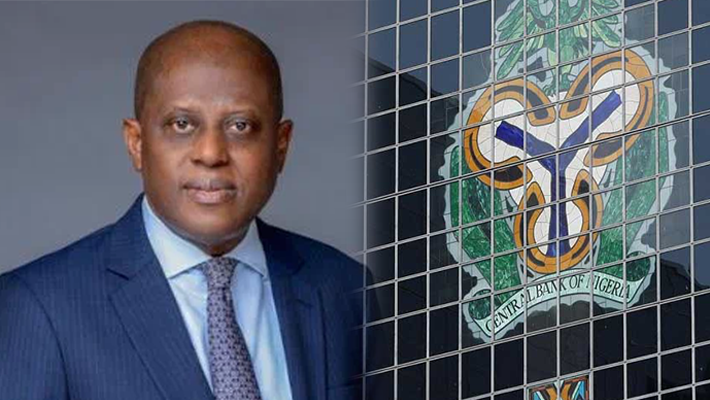
I commend Nigeria’s apex bank governor, Yemi Cardoso, for this new playbook: ‘In a significant shift from previous practices, Cardoso revealed the central bank’s intention to withdraw from direct development financing interventions. He said the CBN aims to transition to more limited advisory roles that align with the government’s economic agenda. There is a need to pull the central bank back from direct development finance interventions into more limited advisory roles that support economic growth,” explained Cardoso.”

This is what I have been advocating for ages. I had noted that part of Nigeria’s problem was the overheating of the economy with Naira via the Ways and Means policy ( Nigerian government borrowing from CBN!) which distorted market equilibrium, and in the process neutralized CBN policies.

Largely, you raise interest rates to slow the economy and control inflation, but the next day, you print billions of Naira and hand it over to the government, canceling out the very policy you are architecting to control inflation. Under that regime, Nigeria has struggled to tame inflation!

But with this new policy, there is hope. Of course, everything depends on  Cardoso’s capacity to hold his ground as the government comes with a debit card for more money, knowing that the CBN can load the ATM with cash!

I call on the apex bank to also do something new: instead of raising rates to lower inflation in Nigeria, lower interest rates to boost production and supply. I guarantee you that if you lower interest rates in Nigeria, you will improve the Supply side in the market, and if that happens, inflation will drop. Our inflation is driven by low supply, and when we raise rates, we reduce supply [higher productive cost depresses supply] even though the policy has no impact on Demand since our consumer lending is largely nonexistent.

If you cannot try it across Nigeria, use Ovim, and you will see how inflation will drop in Oriendu Market, Ovim, Abia State.

Following growing public outcry over the nation’s current economic situation and mounting pressure from stakeholders to turn the fortune around, the CBN has been caught in the mix. The apex bank’s attempts for years to change the economic trajectory with varying monetary policies failed.

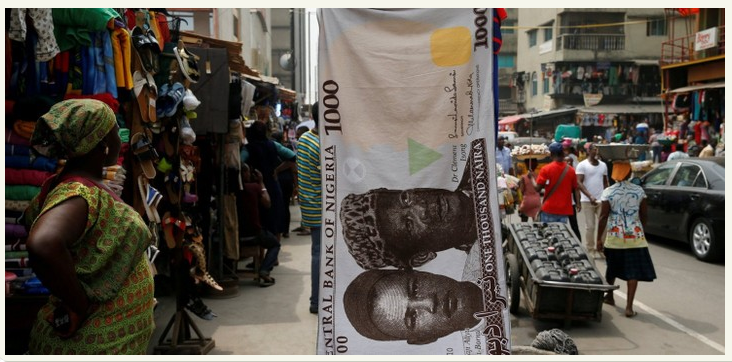
In a speech delivered via email on Tuesday, as reported by Reuters, Cardoso highlighted the pressing issues of a depreciating naira, double-digit inflation projected to reach 30% in the near term, and a staggering N87 trillion debt.

Comment On Feed

Comment 1: I have always held the opinion that until we go back to supply side economics, the whole monetary and fiscal policies of Nigeria will not yield 100% return. The supply side is the key. Let us have enough food supply with reliable road infrastructure that ensures prompt delivery at reduced cost anywhere in the country, consumer price index will go down which will directly impact inflation rate.
Let Govt provide infrastructure that supports surplus supply of food, clothing and shelter and see how cpi and inflation goes down.

Comment 2: Interesting positions. However, when the supply side is boosted and consumer lending remains non-existent, as the erudite Ndubuisi Ekekwe pointed out, there’s still a problem.

My Response: The problem is that prices will drop due to “Oversupply” assuming no change in Demand. That is a good problem to have in Nigeria right now and especially in Oriendu Market Ovim.

Comment 3: Thank you Prof. Ndubuisi Ekekwe for this economic analysis that I strongly align with. We do not tackle poverty and lack by mitigating or ameliorating it. Instead, we should focus on creating/catalyzing prosperity, so that scarcity, poverty and inflation are indirectly tackled too.

This is why I posit that for Africa to thrive economically under the clean energy transition, affordable (low-cost) energy must be made available in large quantities to boost local productivity. This will also protect our local markets from cheaper imported alternatives.

While we must commend what is being done in Africa now in replacing fossil-fuel generators with solar PV energy, our vision should be bigger: large-scale production of “cheap” sustainable energy for high-value agricultural value-chain, manufacturing and AI/data-science technological competitiveness.

You can please see details on this from my recent writing for The London School of Economics and Political Science (LSE) here: https://blogs.lse.ac.uk/africaatlse/2023/10/02/locally-generated-electricity-might-not-be-the-most-efficient-route-for-african-energy-transition/