DD
MM
YYYY

PAGES

DD
MM
YYYY

spot_img

PAGES

Home Blog Page 3608

OpenAI Replaces Sam Altman as Manager of Corporate Venture Fund

0

OpenAI, the prominent AI research organization, has undergone a significant change in leadership regarding its corporate venture fund, as revealed in a filing with the U.S. Securities and Exchange Commission.

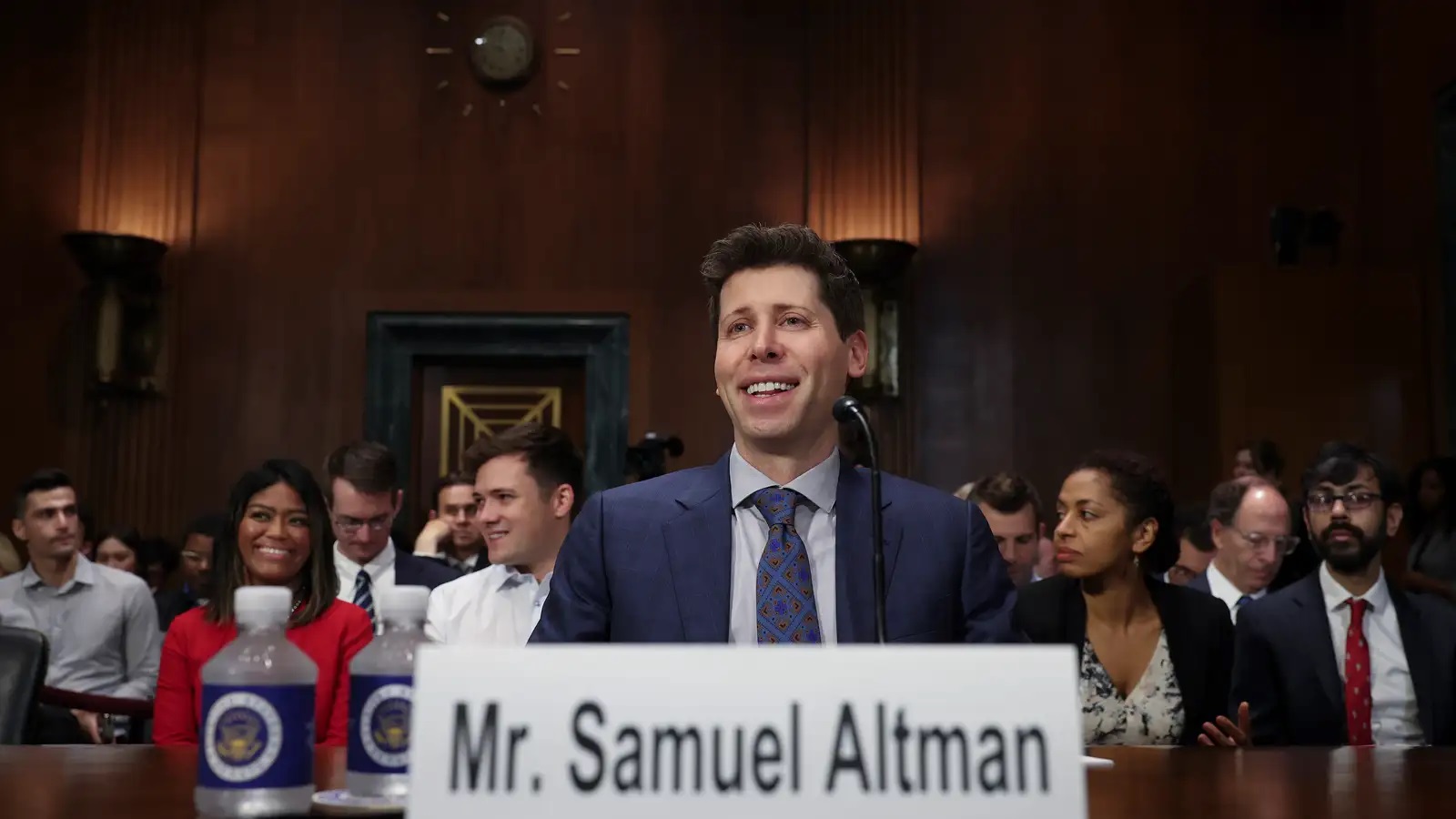
Sam Altman, the CEO of OpenAI, has been removed as the owner and manager of the fund, with Ian Hathaway set to assume the managerial role, Axios reported on Monday.

Ian Hathaway, a partner in the fund since its inception in 2021, has already played a pivotal role in the fund’s operations, leading investments in startups such as Harvey, which develops AI tools for attorneys, and Speak, a language learning app.

The decision to transition management responsibilities from Altman to Hathaway marks a notable shift in the fund’s governance. Altman is no longer listed as a general partner in the fund, signaling a departure from his previous role.

In response to inquiries, OpenAI clarified, “As previously communicated, the fund’s initial GP structure was a temporary arrangement, and involved no personal investment or financial interest from Sam. This change provides further clarity.”

The fund, marketed as a corporate venture fund, possesses a unique governing structure. While such funds typically invest a company’s resources in startups and are managed by a third party, the OpenAI fund’s money was raised by Altman through OpenAI partners, including Microsoft, and managed directly by Altman. Notably, OpenAI itself is not an investor, according to information available on the fund’s website.

With a focus on early-stage startups in various sectors including healthcare, law, education, energy & infrastructure, and the sciences, the fund aims to invest $175 million. Presently, it controls assets valued at $325 million, according to Axios.

Altman, renowned for his diverse investments beyond OpenAI, including ventures like Helion Energy in fusion power and the contentious Worldcoin cryptocurrency, recently netted $30 million from Reddit’s initial public offering in March.

Backstory: OpenAI’s Turbulent Leadership Crisis

The recent reshuffling of leadership at OpenAI, marked by Altman’s regaining of his director seat, is the culmination of a turbulent period that began last November. Altman, a pivotal figure in the development of its flagship ChatGPT technology, found himself abruptly removed from his CEO position and ousted from the board amidst internal upheaval.

The events unfolded swiftly, leaving the tech community bewildered and speculating about the underlying reasons for Altman’s sudden removal. However, within days, Altman was reinstated to his CEO role, albeit with lingering questions surrounding the circumstances of his dismissal and subsequent reinstatement.

Central to the resolution of the crisis was an internal investigation commissioned by select board members and conducted by the law firm WilmerHale. The investigation unearthed a breakdown in trust that led to Altman’s initial removal, yet concluded that his conduct did not warrant such drastic action. This revelation provided the impetus for Altman’s reinstatement and offered a semblance of closure to the tumultuous chapter in OpenAI’s history.

In his remarks to the press, Altman expressed relief that the ordeal was finally behind him and emphasized the importance of moving forward with a unified vision. He lamented the attempts by certain individuals to undermine OpenAI’s mission through leaked information to the press, signaling a desire to rebuild trust and focus on the organization’s core objectives.

It is not clear if there is another reason besides what the AI company has disclosed, responsible for the decision to remove Altman from his position as the head of the fund.
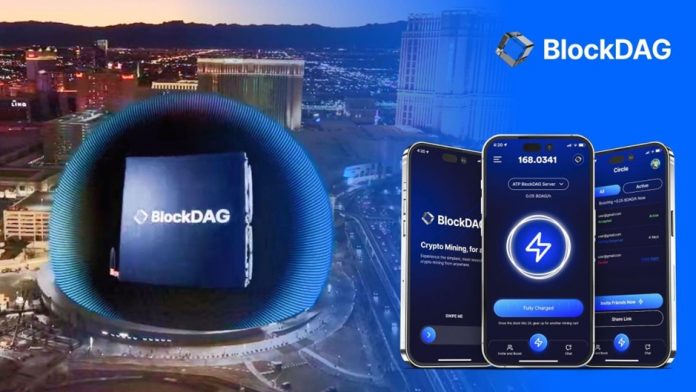
BlockDAG’s Technical Whitepaper Underlines 30,000x Return Potential Amid Waves Growth and VENOM Adoption Surge

0

Investors are always on the lookout for the next big opportunity in the cryptocurrency world, and the current buzz centers around the anticipated growth in Waves’ value, the launch and swift adoption of the VENOM blockchain, and BlockDAG’s promising presale event. Among these, BlockDAG’s presale is particularly captivating, offering an impressive return on investment with its novel approach to cryptocurrency. With the help of investment tools like crypto calculators, this article aims to guide investors through these opportunities, focusing on BlockDAG as a standout choice for crypto investments in 2024.

Waves Makes a Splash in Crypto Investments

Waves has consistently caught the investment community’s attention, thanks to its robust blockchain platform that supports various functions. It’s not just about trading; Waves enable the creation of personalized tokens, all on a platform that prioritizes security, scalability, and ease of use.

As reported by CoinCodex, recent trends suggest a bullish future for Waves, supported by its innovative technology and strong market performance. Its comprehensive ecosystem, designed to enhance user interaction and security, is crucial in its growing market valuation.

VENOM Blockchain Achieves Rapid Growth

The VENOM blockchain made headlines with its outstanding performance, quickly amassing over a million daily users. This blockchain is celebrated for its high transaction throughput and scalability, offering solutions to common issues faced by older blockchain technologies. The community’s rapid embrace of VENOM indicates a clear demand for more efficient, scalable blockchain platforms supporting the next generation of decentralized applications.

BlockDAG’s Presale and Strategic Vision

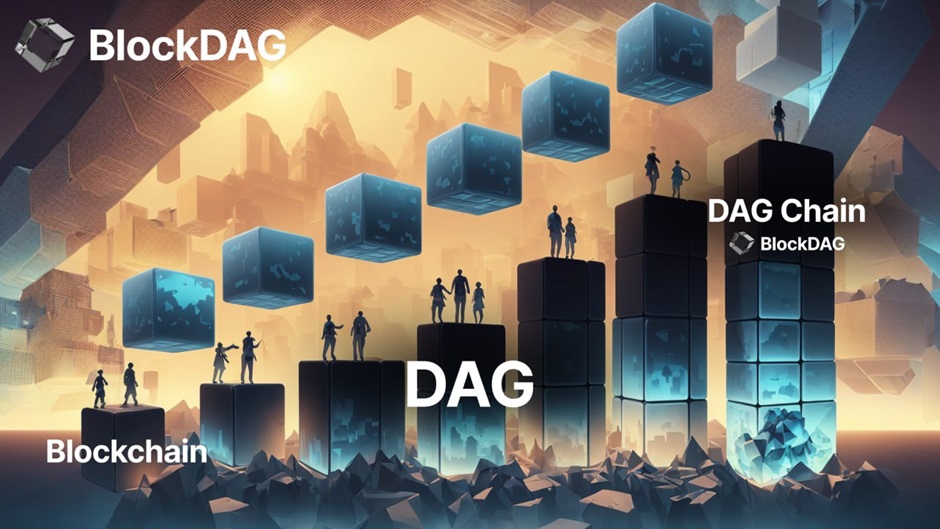
BlockDAG sets itself apart with its innovative use of Directed Acyclic Graph (DAG) and Proof-of-Work (PoW) technologies, aiming for a blend of scalability, security, and decentralization that challenges traditional blockchain models. With goals to reach $600 million by 2024, BlockDAG presents an enticing investment prospect that combines technological advancement with strategic foresight.

The presale has generated significant interest, thanks to a comprehensive $2 million giveaway and the promise of diverse revenue streams for investors, including mobile and specialized mining units. Priced attractively at $0.0035 in the latest presale batch, BlockDAG is on track for substantial growth, offering early backers the potential for massive returns upon its market debut.

BlockDAG’s roadmap and ambitious $600 million target for 2024 highlight its potential as a leading investment choice. The project is creating a new digital currency and establishing a scalable, mineable network that could redefine wealth generation within the crypto community.

BlockDAG’s technical whitepaper reveals an innovative leap in blockchain technology, merging blockchain’s security with DAG’s speed through a unique “Proof of Engagement” consensus mechanism. This pioneering approach enables BlockDAG to process an astounding 10,000-15,000 Transactions Per Second (TPS), showcasing a significant leap over conventional blockchains.

The Proof of Engagement model incentivizes active participation, ensuring the network’s scalability and integrity by rewarding contributions beyond mere token holdings. With a total BDAG token supply of 150 billion, the network’s presale phase remarkably raised $12 million, reflecting strong investor interest in its novel consensus and architectural framework.

This mechanism not only addresses the blockchain trilemma but also fosters a more dynamic and participatory ecosystem, marking BlockDAG’s position as a forward-thinking solution in the distributed ledger technology arena, poised to redefine transaction processing and consensus in the blockchain world.

Closing Perspective

BlockDAG emerges as more than just a new cryptocurrency; it represents a significant shift in the digital currency landscape, promising innovative technology and exceptional profitability for its investors. While Waves’ growth prospects and VENOM’s user adoption are noteworthy, BlockDAG’s presale opportunity is unparalleled, offering investors a chance to be part of a groundbreaking project.


Buy BlockDAG Now

Website: https://blockdag.network

Presale: https://purchase.blockdag.network

Telegram: https://t.me/blockDAGnetworkOfficial

Discord: https://discord.gg/Q7BxghMVyu

The Care Economy is often Undervalued and Overlooked

0

The care economy, often undervalued and overlooked, is emerging as a critical area of focus for sustainable economic growth and societal well-being. The World Economic Forum’s recent white paper, “The Future of the Care Economy,” underscores the sector’s pivotal role in shaping a resilient and inclusive future.

The care economy, a sector encompassing childcare, eldercare, healthcare, and social support systems, is on the cusp of a transformative era, thanks to the advent and integration of technology. The potential for technology to revolutionize the care economy lies in its ability to address the sector’s most pressing challenges while enhancing the quality and accessibility of care.

As we navigate through the complexities of the 21st century, the care economy stands at the crossroads of several converging forces. Demographic shifts, such as an aging population and changing family structures, demand a reevaluation of care services. Technological advancements offer new possibilities for care delivery, while economic and social policies are being reimagined to address the systemic inequities within the sector.

The care economy encompasses a broad spectrum of services, including childcare, eldercare, healthcare, and social support systems. It is a sector that not only provides essential services but also employs a significant portion of the global workforce. Investing in the care economy has the potential to create jobs, foster gender parity, and reduce inequalities.

The white paper highlights the need for a collaborative approach to reforming the care economy. Governments, businesses, and communities must work together to establish a well-functioning care system that can adapt to the evolving needs of society. This involves strategic investments in infrastructure, education, and workforce development, as well as innovative policies that support caregivers and care recipients alike.

One of the key recommendations is the integration of care into broader economic frameworks. By recognizing care as a driver of prosperity, we can shift the narrative from cost to investment. This perspective encourages the development of sustainable care models that are not only economically viable but also enhance the quality of life for individuals and communities.

The paper also calls attention to the importance of data and research in informing policy decisions. Understanding the nuances of the care economy requires comprehensive data collection and analysis. This evidence-based approach can lead to more effective interventions and the scaling of successful practices.

The future of the care economy is not just about addressing immediate challenges; it’s about envisioning a system that values care as a fundamental aspect of human life. It’s about creating a world where care work is respected, supported, and integrated into the fabric of our economies and societies.

As we look ahead, the care economy presents an opportunity to build a more equitable and prosperous world. It is an invitation to reimagine the way we care for one another and to invest in the systems that sustain us all. The time to act is now, and the future of the care economy depends on the choices we make today.

Local Marketers Set Diesel Price At N1,225 Per Liter As Dangote Refinery Begins Supply

0

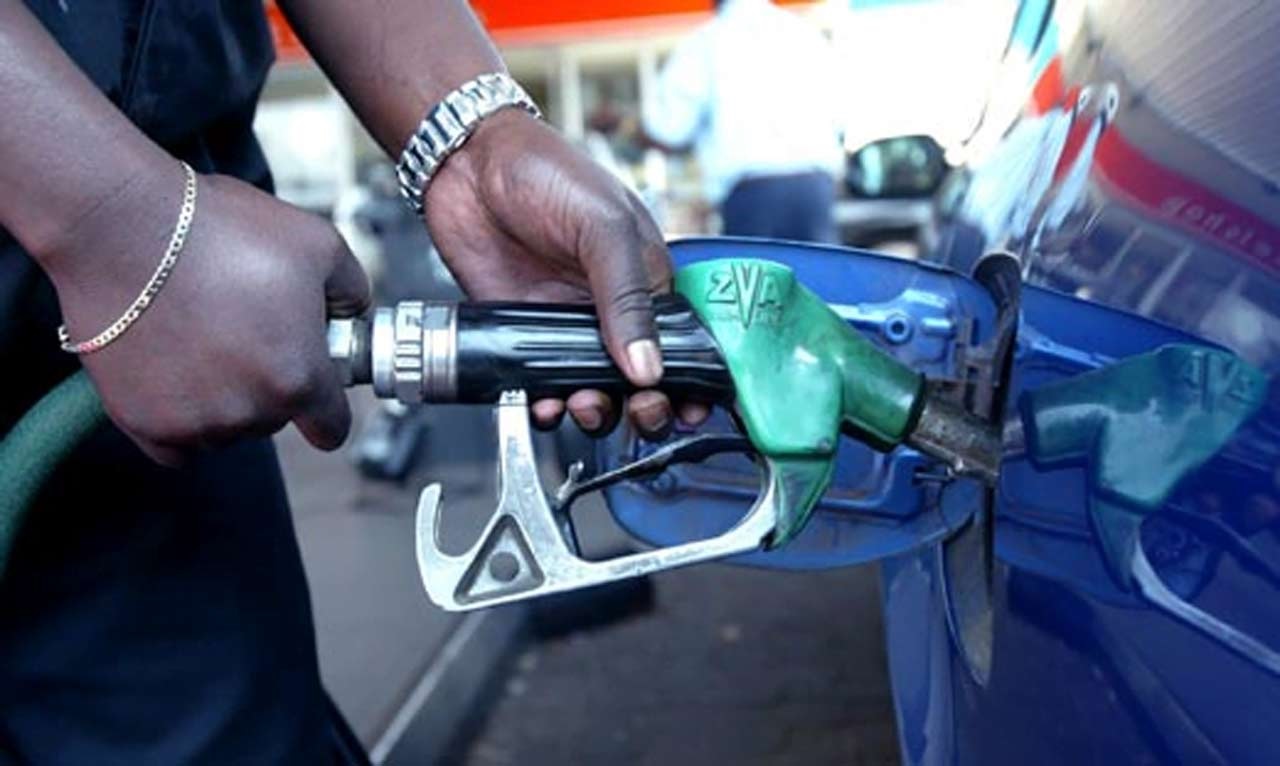
In a significant milestone for Nigeria’s energy sector, the Dangote Oil Refinery commenced supplying petroleum products to the domestic market on Tuesday, according to sources familiar with the matter, cited by Reuters.

Abubakar Maigandi, head of the Independent Petroleum Marketers Association of Nigeria, revealed that local oil marketers had set the price of diesel at 1,225 naira ($0.96) per liter after securing a bulk purchase agreement, before adding their mark-up.

According to Reuters, Maigandi said that the association’s members, overseeing approximately 150,000 retail stations nationwide, are integral to the distribution process.

Meanwhile, the smaller Depots and Petroleum Products Marketers Association of Nigeria disclosed that its members were in the process of obtaining letters of credit to procure petroleum products from Dangote.

“Our members are discussing with banks, and these talks have reached advanced stages. When we have our letters of credit, we will begin lifting products,” stated Femi Adewole, the association’s executive secretary.

Echoing these sentiments, an executive from the company and various fuel marketing organizations informed Reuters that oil marketers were loading diesel from the refinery, marking a pivotal development in Nigeria’s quest for energy independence.

Devakumar Edwin, a group executive at Dangote, confirmed the commencement of diesel and jet fuel distribution to the local market.

“We have substantial quantities. Products are being evacuated both by sea and road. Ships are lining up one after another to load diesel and aviation jet fuel. Ships load a minimum of 26 million liters, though we try to push for 37 million liters vessels, for ease of operations,” Edwin explained.

The inauguration of the refinery, which occurred in May 2023, was a momentous occasion after years of delays and setbacks. With the capacity to process up to 650,000 barrels per day, the refinery is poised to become the largest in both Africa and Europe once it attains full operational capacity, expected either this year or the next.

However, despite these strides, the refinery faces significant challenges in operating at its maximum potential. One key obstacle is the insufficient fuel supply from the Nigerian National Petroleum Corporation Limited (NNPCL), which hampers the refinery’s ability to operate at full capacity. Nigeria, despite being Africa’s most populous country and a leading oil producer, ironically imports the majority of its fuel due to inadequate refining capabilities.

Against this backdrop, the refinery had earlier this year, set its eyes on the US for crude oil importation, marking a departure from the earlier idea of sourcing crude oil exclusively from Nigeria. The Trafigura Group brokered a deal to supply Dangote Refinery with 2 million barrels of WTI Midland crude in February that was delivered by the end of March,

The Dangote refinery holds immense potential to alleviate Nigeria’s reliance on imported petroleum products. However, overcoming challenges such as fuel supply shortages will be crucial for realizing its potential to transform Nigeria’s energy industry and reduce its reliance on imported fuel, as the refinery forges ahead in supplying petroleum products to the Nigerian market.

Bitcoin Price Drops Below $65,000 Ahead of Fourth Halving

0

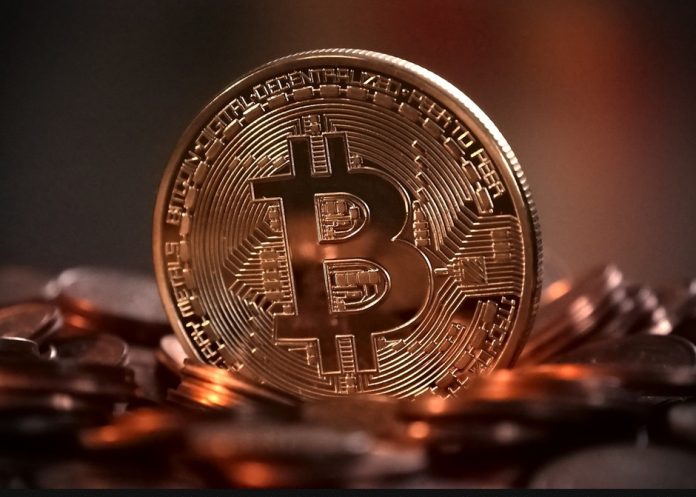
The price of Bitcoin has experienced a decline, crashing to $65,000 price ahead of the fourth halving.

The recent drop in Bitcoin’s price represents a 9.6% decline from its peak of $73,798 reached in early March.

Asides from Bitcoin price decline, the broader crypto market also recorded losses, with Ethereum, Solana’s SOL and Dogecoin registering more significant losses.

In the wake of this downturn, the crypto derivatives markets saw the liquidation of Bitcoin long positions amounting to $135.3 million wiped out.

The primary driver behind this swift decline was predicted to be widespread liquidations, notably on major exchanges like Binance. A staggering 121,325 traders faced liquidation within the last 24 hours, collectively losing a whopping $395.10 million.

Analysts at QCP Broadcast disclosed that the significant rate at which the price of Bitcoin and Ethereum declined on Tuesday, was due to large-volume liquidations on retail-heavy exchanges.  Furthermore, the perpetual funding rate on platforms like Binance dropped from as high as 77% to flat, stressing asset prices in the spot market. 

Also, Bitcoin ETF flows were back in the red again on Monday, April 1, following another large outflow from Grayscale. The aggregate outflow for the eleven spot-based investment products was $85.7 million, or 1,200 BTC, according to preliminary data from Farside Investors.

However, despite this downturn, trading volume has seen a remarkable surge, skyrocketing by a staggering 66.8% to reach $40.5 billion,

The correction in Bitcoin and Ethereum prices was followed by likely capital rotation into meme coins as Solana-based assets noted double-digit gains on Tuesday.

In the ongoing market cycle, meme coins have yielded consistent gains for traders during corrections in large assets. However, they have also registered sharp corrections afterwards.

The gradual decline in the price of Bitcoin and other crypto assets, has left investors and crypto enthusiasts alike concerned.

This decline occurs with just 18 days remaining until BTC’s fourth halving event, which will slash the block rewards from 6.25 bitcoins to 3.125 bitcoins per block after the halving.

Notably, a flood of inflows into US spot-Bitcoin exchange-traded funds has begun to cool, weighing on the largest digital asset. The supply of new Bitcoin tokens is set to halve this month, a four-yearly event that some traders view as a prop for the original cryptocurrency, as reported by Bloomberg.

According to insights from Matt Simpson, an analyst at City Index, he noted that Bitcoin tends to ride a rollercoaster of peaks and troughs after hitting record highs. The impending Bitcoin halving, scheduled for April, is anticipated to drastically reduce the creation of new Bitcoins to just 450 per day, further stoking market uncertainty.