DD
MM
YYYY

PAGES

DD
MM
YYYY

spot_img

PAGES

Home Blog Page 3633

THE AFRICA WE WANT: How to Develop True Partnership with Africa

0
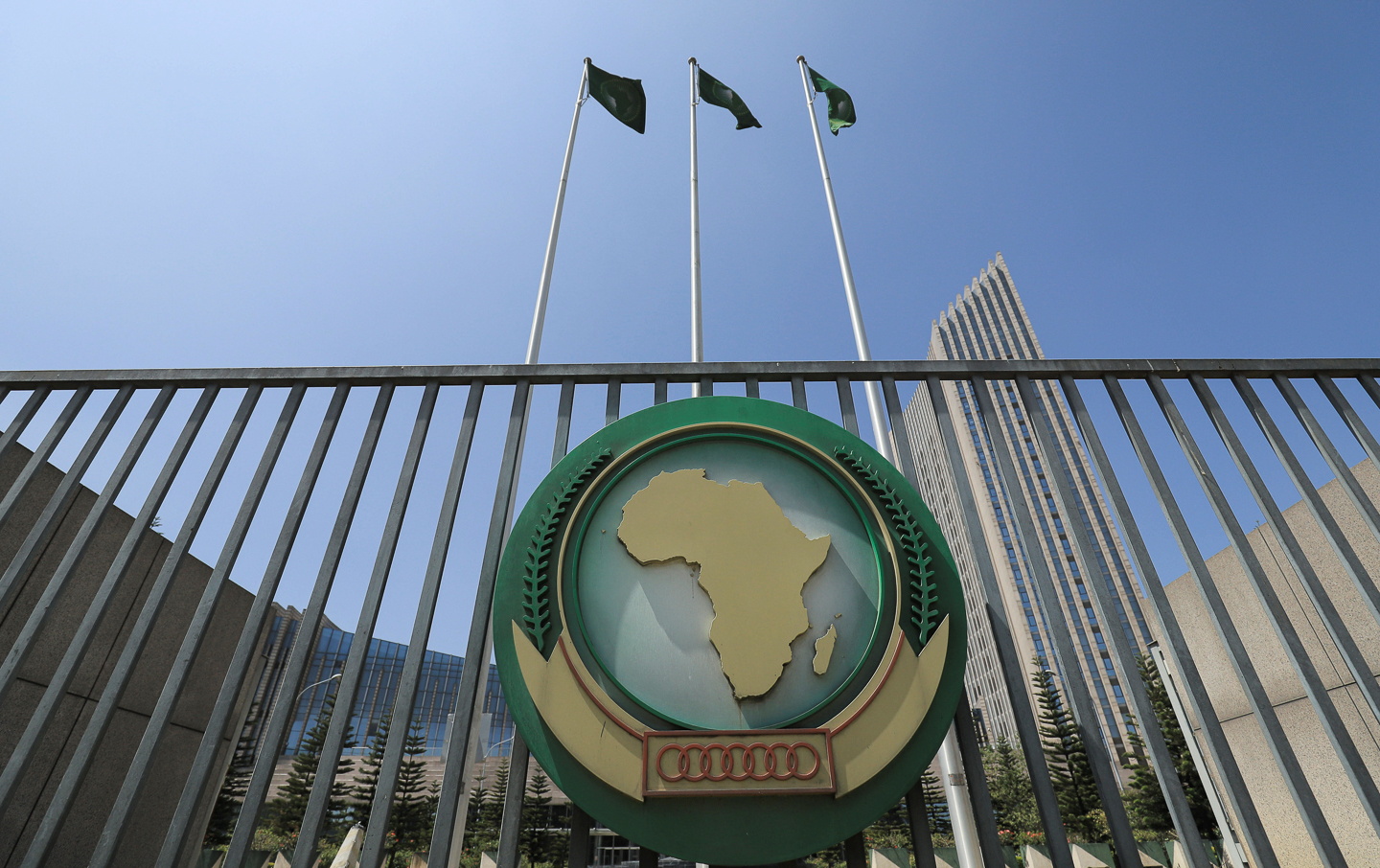
The African Union logo is seen outside the AU headquarters building in Addis Ababa, Ethiopia, November 8, 2021. REUTERS/Tiksa Negeri

Often called the “cradle of humanity,” Africa is a continent endowed with an abundance of natural resources, including minerals, oil, natural gas, lush forests, rich fauna, and vast, arable land. It has 54 independent nations and possesses a sizable portion of the world’s non-renewable and renewable resources. Many African countries, in spite of their potential, have struggled to overcome authoritarianism, violence, and corruption in order to achieve stability. Africa’s prospects are changing as a result of Russia’s recent recognition of the value of fostering a true partnership with the continent.

Russia made a big shift in its foreign policy concept in 2023 when it recognised Africa as a “distinctive and influential centre of world development.” This change represents a sea change in the nation’s strategy for engaging with Africa. Russia’s perspective on Africa has shifted from being limited to natural resources and geopolitical concerns. Rather, it acknowledges Africa’s capacity to play a significant role in determining the course of our multipolar world.

The adoption of a final declaration at the Russia-Africa Summit marked a crucial turning point in this developing partnership. In order to strengthen Russian-African collaboration in a number of areas, including science, technology, culture, politics, security, and the economy, this declaration sets forward some rather ambitious aims and objectives.

The level of commitment is demonstrated by the Memoranda of Understanding that the African Union and the Government of the Russian Federation as well as the Eurasian Economic Commission inked. These agreements provide a solid basis for the formation of strategic partnerships while reinforcing collaboration based on economic principles.

Africa and Russia have always had a close relationship. Throughout Africa, Russia has continuously backed national liberation movements. The nation has been essential to small states and the growth of their economy. Russia has also contributed to the development of strong military forces. Crucially, the tenets of respect for one another and refraining from meddling in internal matters have formed the foundation of this collaboration. Africa has never been seen by Russia as just a place to get labour or raw commodities.

The level of dedication to Africa is shown in the Russian Federation – African Union Action Plan for 2023–2026. In keeping with the African Union’s Agenda 2063, it sets priorities and suggests ways to maximise the potential of the collaboration between Russia and Africa in areas of shared interest. This agenda, which looks forward, aims to build “The Africa We Want” and represents Russia’s and Africa’s long-term vision for cooperation.

The Action Plan highlights a number of important areas of concentration, such as economic cooperation, social and cultural interaction, political and security cooperation, and a strong structure for carrying out the plan. This all-encompassing strategy highlights Russia’s goal to be an authentic participant in Africa’s development process.

Russia’s commitment to Africa is an “invariable priority” in its foreign policy, as President Vladimir Putin correctly emphasised. This commitment stems from a sincere wish to assist Africa in becoming a global leader in the emerging multipolar world. Russia’s changing strategy, which is based on friendship and respect for one another, offers hope for a better future for Africa. Russia and Africa can work together to create a rich, peaceful, and stable continent that will fulfil the dreams of its people and have a beneficial influence on the world stage if they have a common vision and take cooperative action.

MTN Group Increased 11.2% in Earnings for the first half of 2023

0

MTN Group, one of the leading telecommunications companies in Africa, has reported an impressive 11.2% increase in earnings for the first half of 2023, despite facing various challenges in its markets. The company attributed its strong performance to its focus on customer experience, network quality, digital services and fintech solutions.

In a statement, MTN Group President and CEO Ralph Mupita said: “We are pleased with the resilience and agility of our business, which delivered solid results in a difficult operating environment. We continue to execute on our strategic priorities of accelerating growth, deleveraging the holding company and unlocking value.”

According to the company’s financial results, MTN Group’s service revenue grew by 16.8% year-on-year, driven by double-digit growth in voice, data and fintech revenue. The company also added 28.6 million subscribers to reach a total of 303.1 million across its 21 markets. MTN Group’s earnings before interest, tax, depreciation and amortization (EBITDA) margin expanded by 1.4 percentage points to 43.5%, while its headline earnings per share (HEPS) increased by 11.2% to 430 cents.

MTN Group faced several challenges in the first half of 2023, including regulatory uncertainties, currency volatility, social unrest and the impact of the COVID-19 pandemic. The company said it invested R10.6 billion in capital expenditure to enhance its network capacity and coverage, as well as to support its digital and fintech platforms. The company also increased its social investments to support the communities it serves, especially in response to the health and economic crisis caused by the pandemic.

How did the pandemic affect MTN Group’s operation?

The COVID-19 pandemic has been a major challenge for many businesses around the world, but especially for those operating in emerging markets. The pandemic affected MTN Group’s operation in three key areas: network performance, customer service and financial performance. We will also highlight some of the measures that the company took to mitigate the negative effects and seize the opportunities that emerged from the crisis.

Network performance

As a provider of essential services, MTN Group had to ensure that its network remained resilient and reliable during the pandemic, despite the increased demand for data and voice services from its customers. The company invested heavily in network capacity and quality, as well as in backup power solutions and alternative energy sources, to cope with the surge in traffic and the frequent power outages that affected some of its markets.

The company also leveraged its partnerships with other operators and technology providers to enhance its network coverage and performance. For example, it collaborated with Google to launch Google Station, a service that offers free Wi-Fi access in public places, in Nigeria, Ghana and Uganda. It also partnered with Ericsson to deploy 5G technology in South Africa, becoming the first operator to launch 5G services in the country.

Customer service

The pandemic also forced MTN Group to adapt its customer service channels and offerings to meet the changing needs and preferences of its customers. The company accelerated its digital transformation by expanding its self-service platforms, such as MyMTN app, USSD codes and chatbots, to enable customers to access various services without visiting physical stores or calling customer care agents.

The company also introduced new products and services that catered to the specific needs of its customers during the pandemic. For example, it launched Ayoba, a messaging app that allows users to communicate with each other and access news, entertainment and educational content. It also launched MTN MoMoPay, a mobile money service that enables customers to pay for goods and services using their phones.

Financial performance

Despite the operational challenges and market uncertainties caused by the pandemic, MTN Group delivered a solid financial performance in 2020. The company reported a 9.7% increase in revenue, driven by strong growth in data and fintech services. It also increased its earnings before interest, tax, depreciation and amortization (EBITDA) margin by 1.4 percentage points to 42.7%, reflecting its cost optimization efforts and operational efficiency.

The company also maintained a healthy balance sheet and cash flow position, enabling it to invest in its network infrastructure, pay dividends to its shareholders and support various social initiatives. The company contributed over R250 million (about $17 million) to various COVID-19 relief efforts across its markets, including providing free data, voice minutes and SMS bundles to frontline workers, health authorities and vulnerable communities.

Looking ahead, MTN Group said it remains confident in its medium-term targets and expects to deliver service revenue growth in the low to mid-teens range, EBITDA margin expansion of 50 to 100 basis points and return on equity improvement of 10 to 20 basis points per annum. The company also said it will continue to pursue its asset realization programme, which aims to unlock value from its infrastructure and fintech assets, as well as to reduce its debt levels.

Mozilla Acquires Fakespot, Visa Launches Global AI Advisory, Sen. Ted Cruz Accepts Bitcoin Donations to Fund Campaign

0

Mozilla, the company behind the popular Firefox web browser, has announced that it has acquired Fakespot, a startup that uses artificial intelligence to detect and flag fake reviews on e-commerce platforms. The deal, which was not disclosed, will allow Mozilla to integrate Fakespot’s technology into its browser, giving users a way to verify the authenticity and quality of online reviews.

Fakespot was founded in 2016 by Saoud Khalifah, who was frustrated by the prevalence of fake reviews on sites like Amazon, Yelp, and TripAdvisor. He developed an algorithm that analyzes reviews based on various factors, such as the reviewer’s profile, language, sentiment, and history, and assigns them a trustworthiness score. Fakespot claims that it can detect up to 90% of fake reviews on some platforms, and that it has analyzed over 10 billion reviews to date.

Mozilla said that it was impressed by Fakespot’s mission and vision, and that it shares its values of promoting transparency and trust on the internet. “We believe that Fakespot can help us empower our users to make informed decisions online and protect them from malicious actors who seek to manipulate their opinions and behavior,” said Mitchell Baker, CEO of Mozilla. “We are excited to welcome Fakespot to the Mozilla family, and to work together to create a more trustworthy web.”

According to Mozilla, Fakespot will continue to operate as an independent entity within Mozilla and will retain its brand and team. The integration of Fakespot’s technology into Firefox will be done gradually, starting with a browser extension that will be available in the coming months. The extension will allow users to see Fakespot’s ratings and analysis of reviews on various e-commerce sites, as well as access other features such as price comparisons and coupons.

Fakespot’s founder and CEO Khalifah said that he was thrilled to join Mozilla, and that he believes that the acquisition will help Fakespot reach a wider audience and have a bigger impact. “Mozilla is a pioneer and a leader in the open web, and we share their vision of making the internet a better place for everyone,” he said. “We are confident that by joining forces with Mozilla, we can take Fakespot to the next level, and provide users with the tools they need to shop online with confidence.”

Visa launches global AI advisory practice to empower clients

Visa, the global leader in digital payments, has announced the launch of a new AI advisory practice to help its clients leverage the power of artificial intelligence and machine learning in their business. The practice, which is part of Visa Consulting and Analytics (VCA), will provide end-to-end support for clients who want to implement AI solutions, from strategy and design to execution and optimization.

The AI advisory practice will focus on three key areas: customer experience, risk management and operational efficiency. By using AI, clients can enhance their customer interactions, improve their fraud detection and prevention capabilities, and optimize their processes and workflows. The practice will also help clients navigate the ethical and regulatory challenges of using AI, ensuring that their solutions are fair, transparent and accountable.

Visa’s AI advisory practice is led by a team of experts with deep domain knowledge and experience in AI, data science, payments and consulting. The team will leverage Visa’s global network of data, insights and best practices to deliver customized solutions for clients across different regions and industries. The practice will also collaborate with Visa’s innovation centers and studios, where clients can co-create and test new AI applications in a live environment.

“AI is transforming every aspect of the payments industry, from enhancing customer experiences to enabling new business models and driving operational excellence,” said Kevin Phalen, global head of Visa Business Solutions. “With our AI advisory practice, we aim to empower our clients with the tools and guidance they need to harness the potential of AI and accelerate their digital transformation journeys.”

Cardano and Polkadot partnership, Sen. Ted Cruz Accepts Bitcoin Donations to Fund Campaign

Cardano and Polkadot have announced a strategic partnership that will enable interoperability and cross-chain communication between their respective blockchains. This is a major milestone for the decentralized web, as it will allow users and developers to access the best features and services of both platforms.

Cardano is a proof-of-stake blockchain that aims to deliver scalability, security, and sustainability for a variety of applications, such as identity management, governance, and finance. Polkadot is a multi-chain network that connects different blockchains and allows them to exchange data and value. Together, they form a powerful ecosystem that can support the next generation of decentralized applications (DApps).

The partnership will leverage the strengths of both platforms and create new opportunities for innovation and collaboration. For example, Cardano users will be able to access Polkadot’s parachains, which are specialized blockchains that offer specific functionalities, such as decentralized exchanges, gaming, oracles, and more. Polkadot users will be able to benefit from Cardano’s smart contract platform, Plutus, which enables the creation of secure and scalable DApps using functional programming.

The partnership will also enhance the security and resilience of both networks, as they will be able to share validators and relay nodes. Moreover, the partnership will foster cross-chain governance and social coordination, as both communities will be able to participate in decision-making processes and collective actions.

The partnership is expected to launch in the first quarter of 2024, after both platforms complete their respective upgrades and integrations. The partnership will be facilitated by a bridge protocol that will enable the transfer of tokens and data between Cardano and Polkadot. The bridge protocol will be developed by a joint team of researchers and engineers from both projects, as well as external partners.

The announcement of the partnership has been met with enthusiasm and support from both communities, as well as from other stakeholders in the crypto space. The partnership is seen as a positive step towards achieving the vision of a decentralized web, where users have more choice, control, and freedom over their digital lives.

US Senator Ted Cruz starts accepting Bitcoin Donations

In a surprising move, US Senator Ted Cruz announced on Tuesday that he will start accepting campaign donations in Bitcoin, the most popular cryptocurrency. Cruz, who is running for re-election in 2024, said that he wants to embrace innovation and give his supporters more options to contribute to his campaign.

Cruz is not the first politician to accept Bitcoin donations, but he is the most prominent one so far. In 2018, Andrew Yang, a former Democratic presidential candidate, became the first to do so. Since then, several other candidates and organizations have followed suit, including the Libertarian Party and the Chamber of Digital Commerce.

Cruz said that he decided to accept Bitcoin donations after seeing the growing interest and adoption of cryptocurrencies among Americans. He also said that he believes that Bitcoin represents freedom and decentralization, values that he shares and defends.

“I’m proud to be the first US Senator to accept Bitcoin donations for my campaign. Bitcoin is a revolutionary technology that empowers individuals and protects their privacy. It also fosters innovation and entrepreneurship, which are essential for America’s prosperity and leadership,” Cruz said in a press release.

Cruz’s campaign website now features a QR code and a link that allow donors to send Bitcoin directly to his campaign’s wallet. The website also provides instructions on how to obtain and use Bitcoin, as well as information on the legal and tax implications of donating in cryptocurrency.

Cruz’s announcement was met with mixed reactions from the public and the media. Some praised him for being forward-thinking and embracing new technologies, while others criticized him for being opportunistic and pandering to his base. Some also questioned the legality and transparency of accepting Bitcoin donations, which are harder to track and regulate than traditional donations.

Cruz said that he is confident that his campaign is complying with all the relevant laws and regulations regarding campaign finance. He also said that he is willing to disclose his campaign’s Bitcoin transactions and holdings if required by law or requested by the public.

“I have nothing to hide. I’m accepting Bitcoin donations because I believe in its potential and its benefits for America. I’m not doing it to evade any rules or hide any money. I’m doing it to give my supporters more freedom and choice in how they support me,” Cruz said.

The United Nations’ Agenda 2030

0

The United Nations’ Agenda 2030 is a global plan of action for sustainable development that aims to end poverty, protect the planet and ensure peace and prosperity for all. It consists of 17 goals and 169 targets that cover a wide range of social, economic and environmental issues, such as health, education, gender equality, climate change, biodiversity and human rights.

The Agenda 2030 was adopted by all 193 member states of the United Nations in September 2015, after a process of extensive consultations and negotiations. It is a universal, integrated and transformative vision that recognizes the interdependence of the three dimensions of sustainable development: economic, social and environmental. It also emphasizes the importance of partnerships, cooperation and solidarity among all stakeholders, including governments, civil society, private sector, academia and media.

Some goals of UN 2030 Agenda are:

No Poverty: End poverty in all its forms everywhere. Zero Hunger: End hunger, achieve food security and improved nutrition and promote sustainable agriculture.

Good Health and Well-being: Ensure healthy lives and promote well-being for all at all ages. Quality Education: Ensure inclusive and equitable quality education and promote lifelong learning opportunities for all.

Gender Equality: Achieve gender equality and empower all women and girls. Clean Water and Sanitation: Ensure availability and sustainable management of water and sanitation for all.

Affordable and Clean Energy: Ensure access to affordable, reliable, sustainable and modern energy for all. Decent Work and Economic Growth: Promote sustained, inclusive and sustainable economic growth, full and productive employment and decent work for all.

Industry, Innovation and Infrastructure: Build resilient infrastructure, promote inclusive and sustainable industrialization and foster innovation. Reduced Inequalities: Reduce income inequality within and among countries.

Sustainable Cities and Communities: Make cities and human settlements inclusive, safe, resilient and sustainable. Responsible Consumption and Production: Ensure sustainable consumption and production patterns.

Climate Action: Take urgent action to combat climate change and its impacts. Life Below Water: Conserve and sustainably use the oceans, seas and marine resources for sustainable development.

Life on Land: Protect, restore and promote sustainable use of terrestrial ecosystems, sustainably manage forests, combat desertification, halt and reverse land degradation and halt biodiversity loss.

Peace, Justice and Strong Institutions: Promote peaceful and inclusive societies for sustainable development, provide access to justice for all and build effective, accountable and inclusive institutions at all levels.

Partnerships for the Goals: Strengthen the means of implementation and revitalize the global partnership for sustainable development.

The Agenda 2030 is not a legally binding document, but a political commitment and a moral obligation for the international community. It requires a collective effort and a shared responsibility to achieve its ambitious goals and targets. It also calls for a follow-up and review mechanism to monitor progress, identify challenges and gaps, and ensure accountability and transparency.

One of the UN’s main goals is to achieve sustainable development, which means meeting the needs of the present without compromising the ability of future generations to meet their own needs.

Sustainable development has three dimensions: economic, social and environmental. The UN has adopted a set of 17 Sustainable Development Goals (SDGs) that cover a wide range of issues, such as poverty, hunger, health, education, gender equality, clean energy, climate change, biodiversity, peace and justice. The SDGs are interconnected and indivisible, meaning that progress in one area affects and depends on progress in another.

The UN and its partners are working to implement the SDGs by 2030, through a global partnership that involves governments, civil society, private sector, academia and individuals. The SDGs are not only a moral obligation, but also a smart investment for a more prosperous, resilient and inclusive world. By achieving the SDGs, we can end poverty, protect the planet and ensure peace and prosperity for all.

The Agenda 2030 is a historic opportunity to shape a better future for humanity and the planet. It is also a challenge that demands innovation, creativity and courage. It is up to us to make it happen.

Notable Provisions of Gas Flaring, Gas Trading & Settlement Regulations in Nigeria

0

Notable Provisions Of The Midstream Gas Flaring Regulations Of Nigeria

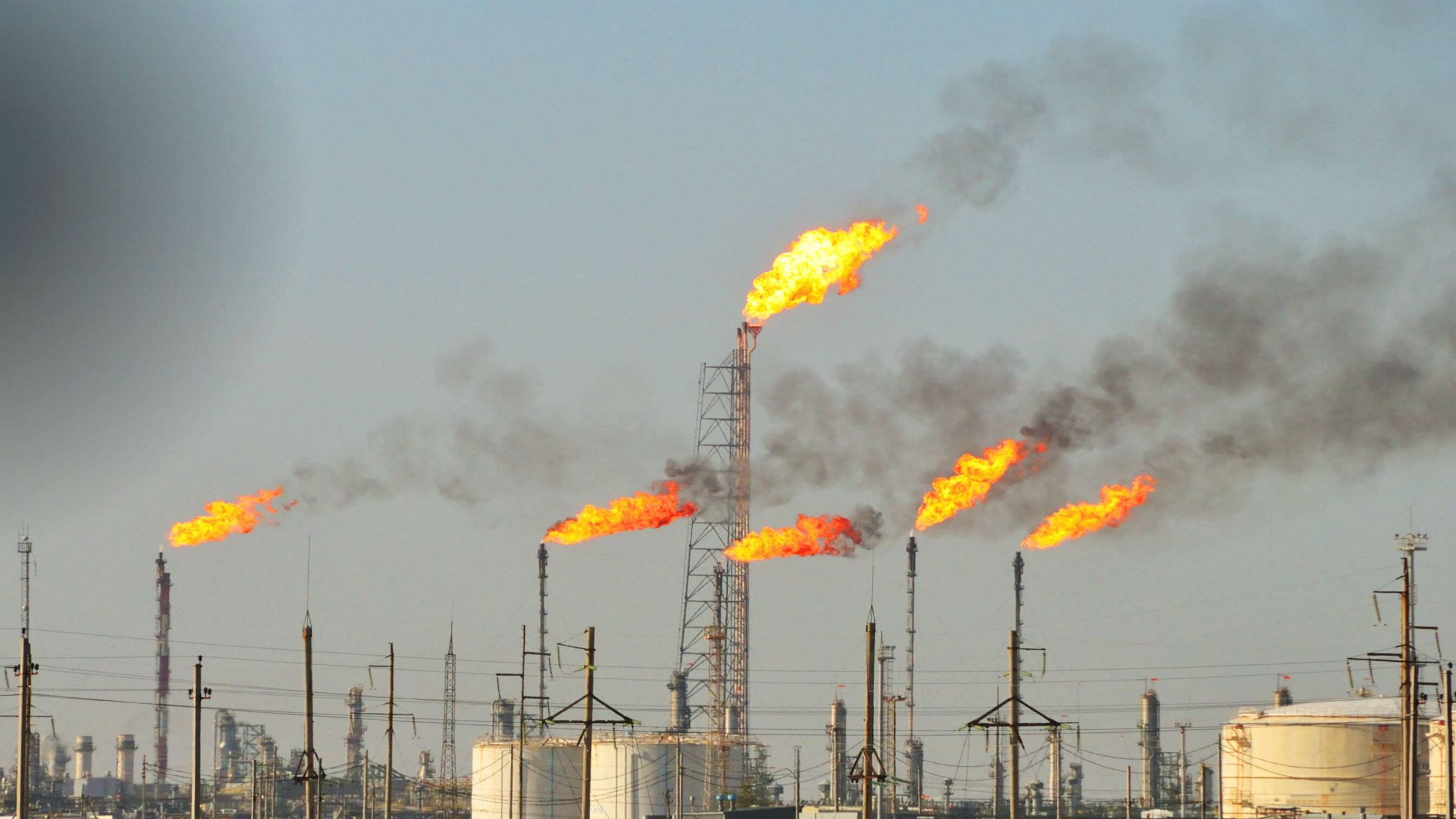
Gas flaring is an issue in the Nigerian Oil & Gas sector serious enough to be heavily regulated, moreso at the Midstream level by the Nigerian Midstream Downstream Petroleum Regulatory Authority (NMDPRA) through its recent Gas Flaring regulations which will be the focus of this article.

What are the objectives of the Gas flaring regulations?

– Reduction of the environmental and social impact caused by excessive flaring and venting of flare gas.

– Protection of the environment.

– Prevention of waste of natural resources.

– To set criteria for gas flaring in Midstream petroleum operations for safety purposes, which includes emergency shutdown with depressurization.

What is the applicability scope of the gas flaring regulations?

– These regulations shall apply to flaring and venting of flare gas in Midstream petroleum operations.

What are the categories of Midstream flaring as identified by these regulations?

– Flaring in Midstream petroleum operations may occur in the categories of –

a). Safety Flaring –

(i). Initial start-up flaring during commission and start-up phases of a plant or process unit.

(ii). Pilot gas, and

(iii). Relief devices

b). Continuous flaring when the plant or process unit is in operation.

c). Non-continuous operational flaring on a planned or unplanned basis for scheduled maintenance, equipment shutdown & mechanical equipment failures.

What are the provisions of the regulations regarding access to flare gas?

– The NMDPRA shall have the right to take, free of charge or any payment, natural gas at the flare in Midstream petroleum operations.

– The NMDPRA may, upon application by a licensee or permit holder to repurpose flare gas from Midstream petroleum operations, grant a permit to access flare gas subject to terms and conditions as the NMDPRA may determine.

– A permit to access flare gas shall be valid for a term of one calendar year and renewable for a further term of One year.

– The NMDPRA may, upon application by a 3rd party to repurpose flare gas from Midstream petroleum operations grant a permit to access such flare gas subject to payment of prescribed fees and service charges, and the submission of an investment proposal by the 3rd party.

What are the provisions of the Regulations regarding the revocation of access to flare gas?

– The NMDPRA shall revoke any permit to access flare gas where the :-

a). Permit holder fails to comply with the terms and conditionsofthe permit.

b). Permit holder intentionally provides inaccurate information in connection with the issuance of the permit.

c). Permit holder is dissolved or enters into bankruptcy proceedings.

d). Purposes for which the permit was obtained would negatively impact health, safety, environment or public interest.

– A revocation of a permit to access flat gas shall not release the permit holder from any obligation arising from these regulations.

What are the provisions of the regulations concerning assignments?

– A permit holder may assign or transfer its interest or rights under the permit provided that the :- 

a). Transferee satisfies the minimum technical and financial requirements necessary to become a permit holder.

b). Transferee complies with the provisions of the assignment or transfer of license and permit regulations and other relevant NMDPRA regulations.

What are the provisions of the regulations concerning venting and executive flaring of flare gas?

– A person engaged in Midstream petroleum operations shall not flare or vent flare gas beyond limits set by the NMDPRA.

– A licensee or permit holder shall, prior to the issuance of a license to operate, engage with the NMDPRA to determine the maximum number of major flaring events and quantity of gas flared.

– The quantity of gas flared and number of major flaring events mentioned above, shall include all planned maintenance, facility start-up or strategic operational reasons including testing.

– The NMDPRA may exempt a license or permit holder who vents flare gas during a declared nationalities emergency from the payment of penalties.

What is the provision of the regulations on conflicts with other regulations on gas flaring?

– Where there is a conflict it inconsistency between the provisions of these regulations and provisions of any other regulation in relation to the flaring of gas in Midstream petroleum operations, the provisions of these regulations shall take precedence and supercede any other regulation to the extent of the conflict or inconsistency.

What is the provision of the regulations regarding offences and penalties?

– The Regulations prescribe a fine of not more than $100,000.00(with a 20% surcharge penalty for each day of non-compliance where it is not paid within 14 days of the date of the penalty demand order by the NMDPRA) as well as license suspension, cancellation or termination for violations of its provisions contained therein.

Notable Provisions of the Midstream & Downstream Gas Trading & Settlement Regulations of Nigeria

This article is focused on the provisions of the Regulations on Gas Trading & Settlement as released by the Nigerian Midstream & Downstream Petroleum Regulatory Authority (NMDPRA) , particularly its objectives, applicability, and gas exchanges.

What are the objectives of the regulations?

– The objectives of these regulations are to :-

a). Regulate the establishment and operations of gas trading & settlement exchange platforms.

b). Establish the principles for the secure, reliable and efficient trading and settlement of natural gas and other gas commodities.

c). To promote & sustain the  efficient and robust gas trading, exchange and settlement of natural gas and other gas commodities.

What is the applicability scope of the regulations?

– These regulations shall apply to activities connected to the establishment of secure, reliable and efficient trading and settlement systems for natural gas commodities on exchange platforms regulated by the NMDPRA.

Who are the persons qualified to participate in gas trading & settlement exchanges as identified by the regulations?

– Exchange operators

– Natural gas & transmission line operators

– Gas producers

– Gas aggregators

– Gas shippers

– Wholesale gas suppliers, gas distributors, gas retailers & wholesale gas consumers

– Network operators

– Clearing houses

– Participants of the exchange

– Members of clearing houses

– Gas transporters

– Gas storage providers

– Gas exporters

– Potential exchange participants

Is there any provision on the extension of the applicability of these regulations?

– The NMDPRA may extend applicability of these regulations,with or without modifications, to derivatives, forward & future contracts in respect of such commodities and services and such type of contracts as specified in the regulations.

What is the provision of the regulations concerning Gas exchange contracts denominations?

– Subject to compliance with applicable laws, the NMDPRA may allow contracts at the gas exchange denominated in foreign or local currencies.

What are the provisions of the Regulations on the approval or suspension of contracts by the NMDPRA?

– The NMDPRA shall approve new contracts introduced by the gas exchange in these regulations.

– For the approval of new contracts, the NMDPRA may be examine the following and other parameters of the new contracts as may be considered appropriate – 

a). Type of contract such as intra-day, day-ahead, term-ahead contracts and other like contracts.

b). Price discovery methodology and proposed matching rules.

c). Transaction period.

d). Risk Management mechanism.

e). Margin mechanism.

f). Final price settlement mechanism.

g). Gas delivery mechanism.

h). Delivery duration.

i). Penalty for contractual deviation.

The NMDPRA, after granting the gas exchange an opportunity of being heard, may by order, suspend or withdraw transactions on any contract from the gas exchanges and issue any consequential directive as deemed necessary.

What are the category of members of gas exchanges under the regulations?

– The NMDPRA shall, after due diligence, approve qualification requirements for membership and participation in a gas exchange.

– The categories of participants or members on an exchange are :-

a). Trading members

b). Clearing members

c). Trading and clearing members

d). Proprietary members

e). Transportation, transmission and storage providers.

This is provided that the NMDPRA may authorise the introduction of new membership categories to perform other functions as may be required.

Notable Provisions of The Midstream & Downstream 3rd Party Access/Open Access Regulations of Nigeria

This article will be looking at the regulations governing 3rd party access & open access regarding existing infrastructure, facilities and services in the Midstream & Downstream Petroleum Industry as outlined by the Nigerian Midstream & Downstream Petroleum Regulatory Authority (NMDPRA).

What are the objectives of the regulations?

– To foster a competitive environment in the Midstream & Downstream petroleum sector by ensuring equitable and non-discriminatory access to facilities, infrastructure and services for 3rd parties.

– To optimize the utilization of existing petroleum infrastructure, minimise duplication of investments and facilitate the efficient movement of petroleum products within the supply chain.

– To facilitate the availability of affordable and diverse petroleum products to consumers by reducing transportation costs and promoting market driven pricing.

What is the applicability scope of these regulations?

– These regulations shall apply to activities relating to 3rd party access to facilities, infrastructure and services in the Nigerian Midstream & Downstream petroleum industry as well as the movement of Petroleum products within the supply chain.

What are the provisions of the regulations regarding the obligation to provide 3rd party access?

– A licensee with significant market power in the Nigerian Midstream & Downstream petroleum industry shall be obligated to :-

a). Provide 3rd party access to its facilities, subject to the provisions of the NMDPRA regulations and any guidelines that may be used by the Authority.

b). Adhere to the open access Provisions of the Petroleum Industry Act, ensuring 3rd party access to its facilities and services in a non-discriminatory and transparent manner.

What do the regulations say regarding applications for 3rd party Access?

– A 3rd party seeking access to the facility of a licensee shall submit a written application to the NMDPRA, providing details which include :-

a). Relevant information about the facility to be accessed.

b). The type of services required.

c). The intended purpose of access.

– Upon receipt of a complete application form the 3rd party, the NMDPRA shall within 30 days afterwards through a written notice, cause the licensee & the 3rd party to engage in a transparent & good faith negotiation to determine the terms and conditions of access.

– The negotiations between the licensee and 3rd party shall cover matters which include :-

a). Technical specifications

b). Operational procedures

c). Safety standards

d). The financial term of the access

– The parties shall finalize the access agreement not later than 60days upon receipt of the notice to commence negotiations from the NMDPRA.

What is the tariff for 3rd party access?

– A licensee with significant market power in the Midstream & Downstream petroleum industry, shall within a time period of not later than 60 days after the commencement of these regulations, submit to the NMDPRA its proposed tariffs for 3rd party access for review and approval.

– The tariffs shall  :-

a). Be cost-effective

b). Take into account legitimate costs

c). Ensure reasonable returns on investment for the licensee

d). Be transparent, fair, reasonable

e). Promote market competition

What are the provisions of the regulations regarding dispute resolution?

– A dispute between the parties shall  be expected to be subjected to an amicable dispute resolution process which will be escalated to the NMDPRA where it fails.

What are the provisions of the regulations regarding offences and penalties?

– Any violation of these regulations through any means including disregard of a requirement or submitting false information to the NMDPRA as the authority charged with their enforcement will be subject to a daily fine of 250,000.00 Naira.