DD
MM
YYYY

PAGES

DD
MM
YYYY

spot_img

PAGES

Home Blog Page 3645

China Accelerates Efforts to Substitute Western-made Tech With Homegrown Alternatives, Amid US’ High-Tech Export Restrictions

0

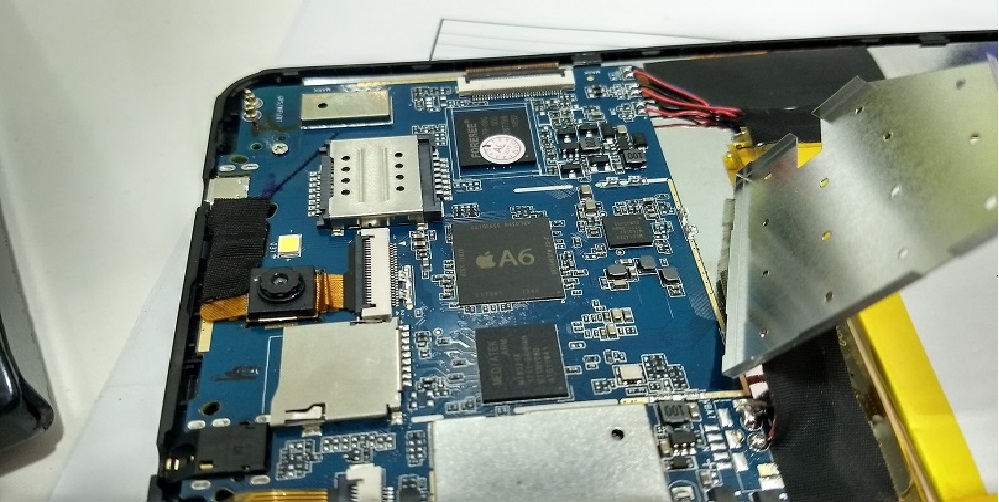
China is accelerating efforts to substitute Western-made technology with homegrown solutions as the United States tightens restrictions on high-tech exports to its Chinese counterpart, according to reports by Reuters.

This revelation, based on government tenders, research documents, and insider sources, sheds light on a surge in domestic substitution initiatives since the preceding year.

The telecom and financial sectors are likely next in line for this technological transition, say insiders familiar with these industries. Additionally, state-backed researchers have identified digital payments as an area particularly susceptible to potential Western hacking, indicating a probable push to indigenize such technology.

Government tenders, military contracts, and projects undertaken by state-linked entities aimed at nationalizing equipment more than doubled from 119 to 235 in the twelve months following September 2022, per a finance ministry database accessed by Reuters. During the same period, the value of awarded projects in the database soared to 156.9 million yuan, marking a more than threefold increase from the previous year.

China allocated a staggering 1.4 trillion yuan ($191 billion) towards replacing foreign hardware and software in 2022, signifying a year-on-year surge of 16.2%, according to IT research firm First New Voice. Despite these efforts, analysts assert that China’s limited advanced chip-manufacturing capabilities may hinder the complete substitution of foreign products.

Kendra Schaefer, Head of Tech Policy Research at Beijing-based consultancy Trivium China, said “Previous domestic substitution efforts stalled because China did not have the ‘technical chops to pull off localization until now, and to a certain extent they still kind of don’t.”

To expedite the transition, state-owned enterprises (SOEs) received instructions last year to replace office software systems with domestic alternatives by 2027. This marked the first time specific deadlines were set, reportedly according to a September 2022 directive from China’s state asset regulator.

Recent domestic replacement projects have targeted particularly sensitive infrastructure, as indicated by tenders. For instance, one tender allocated 4.4 million yuan to replace equipment in an intelligence-gathering system for a specific government department in Gansu province.

Experts suggest that these initiatives could lead to a more secure technological landscape for China, although challenges persist. Despite Western tech companies sharing source code and partnering with Chinese firms in the past, some believe these measures may not suffice for China’s security needs.

The push for domestic substitution in China’s tech industry has already resulted in significant shifts. Huawei, a prominent Chinese tech conglomerate, has emerged as a frontrunner in this replacement cycle, recording a 30% increase in sales for its enterprise business in 2022.

China’s move to reduce its reliance on Western technology is in line with national security concerns and efforts to protect critical infrastructure from external threats. However, this shift has raised concerns among foreign businesses regarding procurement practices and competitive fairness.

While China’s push for domestic substitution does not appear to violate international agreements, it reflects a broader trend of countries seeking to bolster their domestic technology industries while reducing reliance on foreign suppliers.

The continuous push for technological self-sufficiency underscores significant shifts in the global tech industry. While foreign firms are still dominant suppliers for certain critical sectors like banking and telecoms, China’s ambitious endeavors are reshaping the landscape and challenging existing market dynamics.

“Knowledge – a factor of production” Will Begin Playing on Feb 5, Pick Your Ticket

0

A new movie is coming within the Nollywood space. The title is “Knowledge – a factor of production”. Ndubuisi Ekekwe is the executive producer, working with dozens of experts in the field of strategy, innovation, technology, business growth, finance, business law and more. Knowledge will start playing from Feb 5, 2024 for 12 weeks. Ticket price  is N90,000 or $170 and there are many payment options available here.

The knowledge of a people is the wealth of a people. Tekedia Institute is the temple for the mastering of the mechanics of entrepreneurial capitalism and business systems in Africa.  We have got many NEW courses developed by our world-class faculty members.

Go into the future of markets with them. Be a Champion. Be an Innovator. Ascend into that New leadership position. We have got the tools to help you. But you need to come to the show.

We understand the physics of business, from mechanical advantage to scalable advantage, from velocity ratio to leverageable ratio, and more. This is the #best school; join us.

 “Knowledge” – directed by Ndubuisi Ekekwe.

Coming in academic theater on Feb 5, 2024 and exclusively available at Tekedia Mini-MBA portal. Pick your seat and co-learn with us.

German Chancellor Visits Nigeria, Seeks Gas Supply As Part of Bilateral Ties

0

As Europe continues to grapple with the shortage of natural gas, fueled by Western sanctions on Russia following its invasion of Ukraine, Germany is looking at Africa to diversify its gas supply.

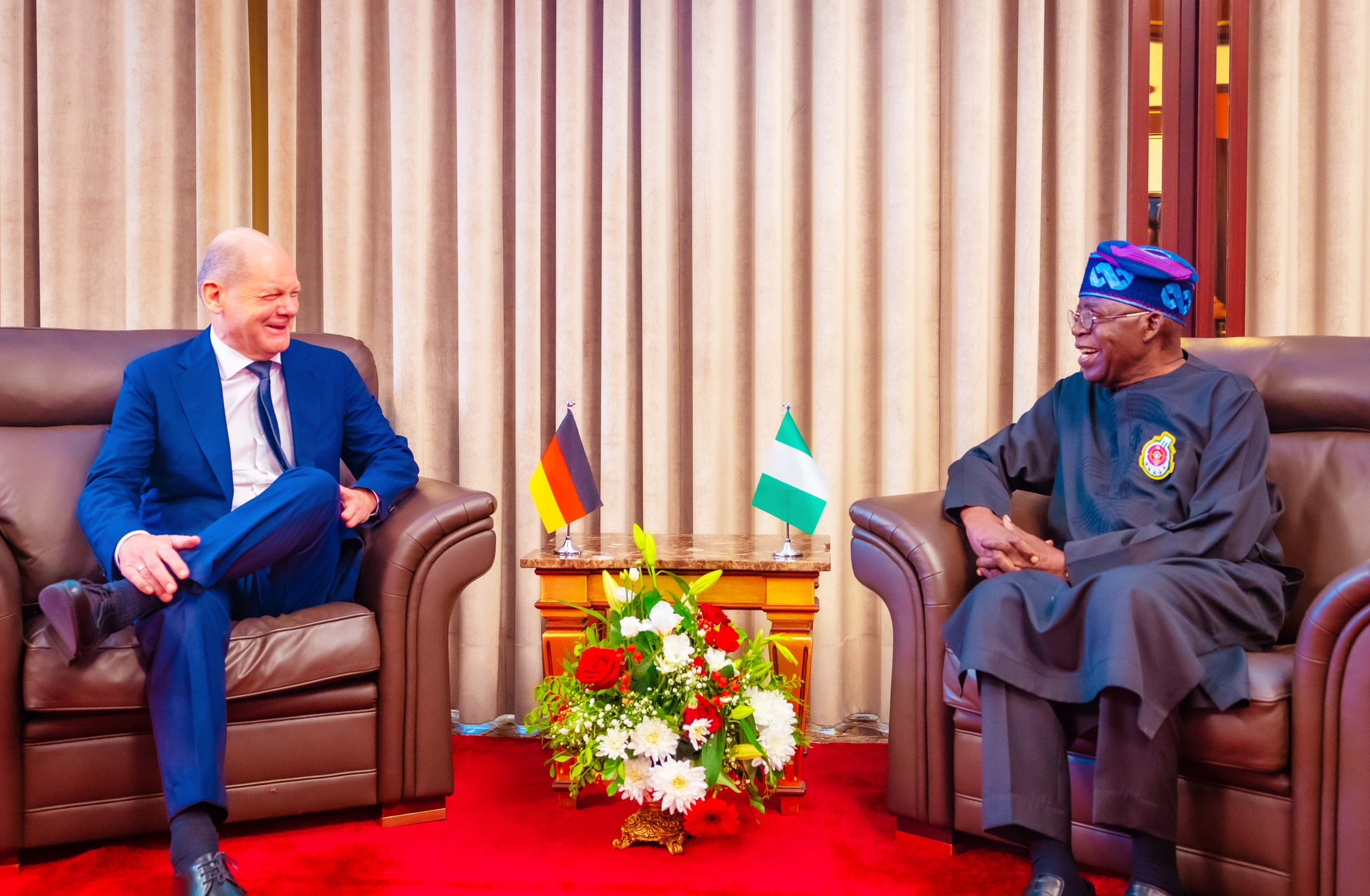
German Chancellor Olaf Scholz paid a visit to Nigeria on Sunday, meeting with President Bola Tinubu to bolster bilateral relations and explore the possibility of gas supply from Nigeria. Germany is actively considering importing natural gas from Africa’s largest oil producer as part of its efforts to enhance energy security and diversify its energy supply.

During his visit to the Nigerian capital, Abuja, Chancellor Scholz emphasized the significance of securing natural gas from Nigeria, highlighting its potential impact not only on Germany but also on the global gas price. He noted that an increase in gas supply on the global market would likely result in decreased prices. Scholz stressed the importance of using available capacities around the world and diversifying gas production to ensure energy stability.

The visit represents a crucial step in strengthening Nigeria-Germany relations and exploring opportunities for cooperation in the energy sector. Germany, which has been undergoing an energy transition, is seeking diverse sources of energy, particularly liquefied natural gas (LNG), to meet the demands of its power-intensive industries.

Chancellor Scholz’s visit to Nigeria also underscores Nigeria’s potential role as a strategic partner in addressing Germany’s energy needs and a contributor to global energy market dynamics. This exploration of gas supply from Nigeria aligns with both countries’ objectives to enhance energy security and promote economic cooperation.

Tinubu said that given Nigeria’s sizable resources, “we are ready to encourage investments in a gas pipeline.”

“Today marked a significant step forward in Nigeria-Germany relations with the visit of Chancellor Olaf Scholz of Germany reinforcing our shared commitment to mutual growth and prosperity,” he said. 

“During our bilateral discussions, we exchanged views on pressing global issues, collaborative partnerships, expanding trade between both countries, democracy and human rights, and regional stability.”

Germany, which shut down its final nuclear power facilities this year and reduced its reliance on Russian pipeline gas during the previous year’s energy crisis, now requires significant quantities of liquefied natural gas (LNG) to sustain its energy-intensive industries. While Germany receives crude oil from Nigeria, it has not traditionally sourced natural gas from the country.

“Germany has a considerable demand for natural gas and, going forward, hydrogen to fuel its economy and energy transition. Concrete amounts should be agreed on in negotiations between Nigerian gas producers and German gas traders,” Scholz said. 

Olaf Scholz highlighted the strong economic ties between Germany and Nigeria, noting that Nigeria is Germany’s second-largest trading partner in sub-Saharan Africa. Direct German investments in Nigeria reached €150 million ($158 million) in 2021, underscoring the importance of the economic relationship between the two nations.

Scholz’s visit to Nigeria follows his previous visit to Senegal, where he offered German assistance in developing gas fields off the country’s coast. Senegal is on track to deliver its initial quotas of natural gas in the second half of 2024, reflecting the progress in the cooperation between Germany and West African countries.

This visit to Nigeria marks his third trip to Africa since taking office two years ago, signaling Germany’s commitment to strengthening partnerships and enhancing energy security on the continent.

However, Nigeria has continued to face challenges in meeting its oil and gas production targets, which may affect its ability to ensure a reliable and stable gas supply to Germany. 

Energy expert Kelvin Emmanuel emphasized the need for Nigeria to fully implement its Natural Gas Policy to meet the growing demand for gas supply from Germany. He also suggested the adoption of a Floating Liquefied Natural Gas (FLNG) model to boost gas production and reduce costs. 

“One important hack the Nigerian Government can apply to increasing the output for LNG while both minimizing cost for liquefaction per metric tonne and avoiding the strenuous exercise of policing associated gas from flowstation to terminal is to have NNPC adopt the FLNG model,” he said.

He added that floating LNG vessels for offshore associated gas will reduce the turnaround time for delivering LNG projects, the risks of piping associated gas from the flow station to the terminal, and the cost of liquefaction per metric tonne.

Emmanuel explained that other benefits of floating NLG include increasing the amount of flared gas that currently stands at 700m standard cubic feet per day, delivering more revenues in dividends and taxes to the Nigerian Government in FX, and paying for existing amortization of gas forwards. 

“The ministers of petroleum and gas resources should wake up and realize that there’s no time for games. The work is now!,” he said.

With Bitcoin Up 20%, What Other Cryptocurrencies Could Be Next?

0

Bitcoin, the cryptocurrency that started it all, has once again grabbed the headlines with an impressive 20% surge in its value. This somewhat surprising rise not only fuels excitement around BTC but also prompts us to look at other cryptocurrencies that might follow suit.

In this article, we explore Ethereum (ETH), Binance Coin (BNB), Scorpion Casino Token (SCORP), and Fantom (FTM) to gauge their potential in the wake of Bitcoin’s recent rally.

Ethereum (ETH):

Ethereum is a second-generation blockchain that has a prominent place in the crypto space. ETH has enjoyed a remarkable rise since 2015 due to its smart contract capabilities and its role as the foundation for both numerous decentralized applications (DApps) and NFTs.

With a market dominance that is second only to Bitcoin, Ethereum remains an attractive prospect for investors. Its flexibility, combined with a strong developer community, positions ETH as a leading candidate for continued growth.

BNB (BNB):

BNB (BNB) is the native cryptocurrency of the Binance exchange, one of the largest and most popular cryptocurrency platforms globally. BNB holds a unique place in the crypto market, as it is predominantly used for trading fee discounts on the Binance platform.

This utility has helped BNB maintain its prominence, and it currently has the 4th largest market cap of any cryptocurrency. As Binance continues to evolve and expand its offerings, BNB’s value could be closely intertwined with the exchange’s success.

Scorpion Casino Token (SCORP):

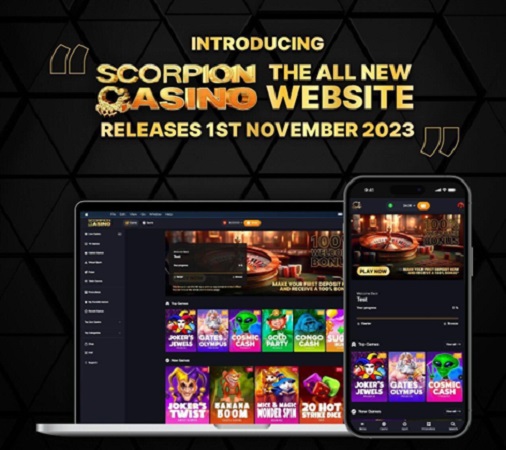
Scorpion Casino Token (SCORP) is a rising star in the crypto world, with its presale creeping towards $1.5 million in funds raised. Beyond the impressive fundraising, SCORP is set to release a highly anticipated casino upgrade on November 1st. This upgrade introduces a myriad of enhancements, including over 200 casino games, a diverse selection of live events, all-new sports betting opportunities, and other groundbreaking features like auto currency conversion.

With compatibility for over 20 currencies and seamless integration with popular wallets like Metamask, SCORP aims to provide a transparent and licensed gaming experience that sets it apart in the ever-evolving world of cryptocurrencies.

Fantom (FTM):

Fantom (FTM) is a smart contract platform designed to facilitate rapid and secure transactions. Fantom’s unique architecture sets it apart from other blockchain networks, and it has gained recognition for its high throughput and low transaction fees.

As the DeFi (Decentralized Finance) sector continues to expand, Fantom is gaining attention as a potential solution for scalable and efficient DeFi applications.

What Cryptos Could Join Bitcoin?

Bitcoin’s recent surge is a reminder of the excitement and potential for growth in the cryptocurrency market. While Ethereum and BNB continue to play significant roles, newer entrants like Scorpion Casino Token and Fantom offer unique features and innovations that could propel them into the spotlight.

It’s essential to approach these investments with due diligence, understanding their specific use cases and the broader market trends. As the crypto space evolves, opportunities and risks will continue to present themselves, making it an exciting and dynamic field for investors and enthusiasts alike.

Find out more about SCORP:

Presale: https://presale.scorpion.casino/

Twitter: https://twitter.com/ScorpionCasino

Telegram: https://t.me/scorpioncasino_official

Avert Being an Unfulfilled Academics

0

In the vast and diverse landscape of African academia, where limited resources and unwavering passion often collide, the journey of an academic can be an emotional rollercoaster. The desire to contribute knowledge, to inspire change, and to educate future generations is a noble pursuit. However, it’s a path that can often lead to unfulfilled career trajectories if not navigated with a clear sense of purpose and mindfulness.

The Struggles of African Academics

African academics face a unique set of challenges that often result in overwork and burnout. The scarcity of resources, both financial and institutional, places immense pressure on educators to do more with less. This can lead to long hours, mounting stress, and a constant battle to keep up with the ever-evolving academic landscape.

However, this struggle is not the sole contributor to unfulfilled academic careers. Many academics in Africa tend to postpone career development, focusing solely on teaching until they reach the pinnacle of their careers. This delay can lead to a sense of unfulfillment as they witness others who proactively invested in their publications and grants winning growth earlier.

The Journey to Fulfillment

So, how can African academics embark on a path of fulfillment and avoid the pitfalls of feeling unfulfilled and disconnected from their students? It starts with recognizing the importance of purpose-driven career development.

Set Clear Goals Early

To avoid the distress of unfulfilled ambitions, set clear career goals early in your academic journey. Understand your passion and purpose within academia and identify the milestones that will get you there. Whether it’s research, teaching, or a combination of both, a well-defined path can keep you motivated and on track.

Embrace Lifelong Learning

The academic landscape is constantly evolving. Stay relevant by embracing lifelong learning. Attend conferences, engage in professional development, and collaborate with colleagues. By staying current in your field, you’ll remain passionate and connected to your work.

Mentorship Matters

Reach out to experienced academics who can provide guidance and mentorship. Learning from those who’ve traveled a similar path can be invaluable in avoiding unfulfilled careers.

Balance is Key

Balance is the cornerstone of a fulfilling academic career. It’s essential to strike a harmonious equilibrium between work, personal life, and self-care. Overworking may lead to burnout and make it challenging to relate to students effectively.

Embrace Collaboration

Collaboration is at the heart of academia. Engage with colleagues and students, fostering a sense of community and shared purpose. Collaborative efforts can lead to fulfilling accomplishments and a deeper connection with your academic journey.

The journey of an academic in Africa is undoubtedly challenging, but it can also be deeply rewarding. To avoid the heartache of an unfulfilled career trajectory, academics must embrace purpose-driven career development, set early goals, and remain committed to lifelong learning. By doing so, we can transform our educational landscape and inspire the next generation of academics with our passion, purpose, and dedication. It’s never too late to start, and every step forward is a step toward a more fulfilling career.