DD
MM
YYYY

PAGES

DD
MM
YYYY

spot_img

PAGES

Home Blog Page 3651

Veolia acquires State-of-the-Art Power Plant in Hungary from Uniper

0

Veolia, a French utility company, has recently acquired a 430-megawatt gas-fired power plant in Hungary from Uniper, a German energy firm. The power plant is located in Göny?, in north-west Hungary, and is considered the most modern and efficient in the country. It plays a crucial role in regulating and balancing the Hungarian power grid, thanks to cutting-edge technologies that make its production capacities flexible.

This acquisition further strengthens Veolia’s position as a European leader in the energy market. Their portfolio now represents a volume of 2.4 gigawatts of managed flexible electrical energy, equivalent to the energy needs of approximately 2.6 million inhabitants.

As Europe’s energy mix evolves towards more renewables and intermittent production, demand for ancillary services—especially electrical flexibility—continues to grow. Operators with cutting-edge digital expertise are essential to aggregate the production capacity of multiple power generation units and provide the grid with flexible energy volumes that can be introduced or withdrawn as needed.

Estelle Brachlianoff, Veolia’s Chief Executive Officer, emphasized that this agreement aligns with their ambitions to develop flexibility capacities—an essential complement to the stability of the European power grid. As a long-standing player in the Hungarian energy market, Veolia is delighted to widen its footprint and contribute to reinforcing the resilience of the local power system.

Over the past decade, Europe has been shifting towards renewable energy sources for electricity generation, with wind and solar energy being the main drivers of this transition. In 2021, renewables accounted for 19% of the EU’s electricity generation.

This shift towards renewables is essential for achieving the EU’s energy and climate objectives, reinforcing affordability, security, and sustainability in Europe’s energy sector.

The latest “EU Energy in Figures” energy statistical pocketbook highlights the global leadership of the EU in renewables. In 2021, 17.7% of the EU’s energy mix was made up of renewables and biofuels, a significant increase from 6.4% in 2000.

Wind and solar power play a crucial role in ensuring that coal is phased out by 2030, replacing closing nuclear power plants, and meeting rising electricity demand from electric cars, heat pumps, and electrolysers.

Strengthening Veolia’s Position

The power plant, located in Göny?, north-west Hungary, boasts an impressive installed capacity of approximately 430 megawatts. As the most modern and efficient gas-fired combined-cycle power plant in the country, it plays a crucial role in regulating and balancing the Hungarian power grid. What sets this facility apart are its cutting-edge technologies that make its production capacities highly flexible.

With this acquisition, Veolia continues to strengthen its position as the European leader in the promising and strategic market of electrical flexibility. The company’s portfolio now represents an impressive volume of 2.4 gigawatts of managed flexible electrical energy—equivalent to the energy needs of approximately 2.6 million inhabitants.

As Europe’s energy mix evolves toward greater reliance on renewables and intermittent production, demand for ancillary services—especially electrical flexibility—continues to grow. Balancing power grids requires enhanced electricity interconnection and operators with cutting-edge digital expertise. These operators aggregate the production capacity of multiple power generation units, providing the grid with flexible.

Robert Kiyosaki Predicts Surge in The Price of Bitcoin, Urges Investors to Buy More Assets

0

Japanese-American businessman and author of ‘Rich Dad Poor Dad’, Robert Kiyosaki has predicted that the price of Bitcoin will hit $100k by 2024. This prediction aligns with his earlier forecast of Bitcoin’s rise.

Taking to his X handle, Kiyosaki shared his bullish prediction on the price of Bitcoin, which he wrote, “BITCOIN to $100k by June 2024”.

Kiyosaki who is a big critic of the US government, as regards some of their policies, last month disclosed why he owns Bitcoin.

He said,

“Why I own Bitcoin. Bitcoin is protection against the theft of our wealth via our money. Fed Chairman Powell, Treasury Secretary Yellin, and Wall Street bankers steal our wealth via our money, specifically via inflation, taxation, & stock price manipulation.  That is why I save and invest in Bitcoin, not stocks, bonds, and fake dollars.”

Following the approval of spot bitcoin exchange-traded funds (ETFs), he revealed that he had increased his bitcoin holdings. He believes BTC will soon hit $150K, advising investors to pay attention to the upcoming Bitcoin halving.

With the price of Bitcoin currently rallying around $52,000, Kiyosaki urged investors to buy BTC in response to the U.S. government’s growing debt. Other critics of the U.S. government’s fiscal policies have also raised the alarm about the increasing national debt, citing its potential to weaken both the U.S. economy and the U.S. dollar.

The acclaimed author has also been issuing warnings about the U.S. economy, likening its potential collapse to that of the Roman empire, without expecting a soft landing. He has additionally forecasted imminent crashes in both the stock and bond markets. Moreover, he has expressed concerns that the next crash could spiral into a depression.

With Bitcoin’s recent price rally, surging past $52,000, it signals a resurgence of bullish sentiment amidst market volatility. Despite challenges and fluctuations, Bitcoin has demonstrated remarkable resilience, posting a nearly 23% gain since the beginning of the year.

Kiyosaki’s bullish outlook for Bitcoin not only resonates with retail investors but also underscores the growing acceptance and adoption of cryptocurrency among institutional players. With traditional investment firms exploring Bitcoin as a viable asset class and regulatory frameworks gradually evolving to accommodate digital assets, Bitcoin’s ascent to $100k could accelerate institutional adoption and mainstream acceptance.

As Bitcoin continues to assert its prominence as a store of value and hedge against inflation, its role in reshaping the global financial ecosystem becomes increasingly pronounced.

However, achieving Kiyosaki’s ambitious target of $100k within a relatively short timeframe poses formidable challenges, necessitating sustained momentum and investor confidence.

As Bitcoin navigates evolving market dynamics, including regulatory scrutiny and macroeconomic trends, its trajectory remains subject to speculation and uncertainty. Most analysts, having analyzed Bitcoin prices, agree that the BTC bullish trend will continue throughout 2024.

Rising Customs Exchange rates: Peter Obi warns importers may shun Nigerian Ports

0

In a fervent plea to the Federal Government, the presidential candidate of the Labour Party, Peter Obi, has called for an end to the erratic nature of duty charges imposed by the Nigeria Customs Service.

Through a statement released on his verified X (formerly Twitter) handle, Obi highlighted the adverse impact of inconsistent duty charges on the country’s business environment.

Obi expressed deep concern over the ripple effects of this inconsistency, cautioning that it imperils the overall business climate in Nigeria.

“The federal government should stop the arbitrary and ever-increasing customs duties as it is now negatively impacting businesses and the cost of items, and this portends a huge danger to the economy,” he warned.

Highlighting the crux of the matter, Obi pointed out the disparity between the exchange rates used during the initiation of importation and those applied upon the arrival of goods in Nigeria.

“A situation where at the point of initiating importation, Form M and other documents related to importation are based on a particular rate of exchange, for example, N1000 to $1, being the prevailing exchange rate at the time which the importer of goods was used to calculate the entire process, from the import initiation to receipt of goods in his warehouse.

“Then suddenly when the goods arrive in Nigeria, and duties are calculated at different rates, say N1400 to $1, it becomes a serious business challenge that results in business losses,” he said.

This discrepancy, he argued, poses significant challenges to businesses, resulting in financial losses and exacerbating inflationary pressures. Moreover, it culminates in business closures and subsequent job losses, compounding the economic woes faced by the populace.

“Worse still, it directly fuels the inflationary spike which is the basis of increasing cost of goods and living. Such arbitrary charges will lead to further closure of businesses, and attendant job losses.

“This is because at the time of the initiation of the business, calculations, including duties, have been made based on the prevailing exchange rate, and the prevailing market prices,” he said.

Obi noted the potential consequences if this issue remains unaddressed, warning that importers may opt for neighboring countries’ ports. Such a shift, he said, could render Nigerian ports underproductive and exacerbate revenue loss, further plunging the economy into a precarious state.

“If this situation is not corrected, our importers may resort to using ports of nearby countries, a situation that will leave our ports under-productive, and further deepen our economy into a worse situation as a result of loss of revenue.”

Furthermore, Obi stressed the imperative of policy consistency, noting that it plays a vital role in economic forecasting and business planning. He lamented the adverse effects of inconsistent economic policies on businesses, citing instances of closures and manufacturing shutdowns attributable to the government’s approach.

The Federal Government, through the Central Bank of Nigeria, has once again adjusted the exchange rate for cargo clearance, setting it at N1,605/$. This decision follows a series of fluctuations in exchange rates over recent months, indicative of a lack of stability in economic measures.

The persistent increase in exchange rates has elicited concern within the business community. From N952/$ in December to the current N1,605/$, the significant fluctuations have engendered uncertainty and disruption in trade activities.

Observations on the Nigeria Customs Service portal confirm the implementation of the new exchange rate, signaling its immediate impact on importers and businesses reliant on international trade.

Obi’s advocacy for consistent policies resonates with numerous stakeholders in the business sector, who view policy stability as indispensable for fostering economic growth and sustainability. He urged the government to prioritize support for businesses, particularly in the manufacturing sector, to mitigate the adverse effects of fluctuating policies on livelihoods and the cost of living.

Nigeria’s grappling with persisting economic challenges, keeping the call for policy coherence and supportive measures for businesses reverberating louder than ever. With the fate of the economy hanging in the balance, experts’ calls for decisive actions to alleviate the burdens faced by businesses and safeguard the nation’s economic future have never been louder.

Moreover, economists have warned that the implications of raising customs duty charges amid a dwindling spending power are dire. As duty charges increase, the cost of imported goods surges, placing additional strain on consumers grappling with reduced purchasing power. This situation compounds inflationary pressures, eroding the value of income and savings for the populace.

Consequently, consumers are compelled to allocate a larger portion of their earnings towards essential goods and services, limiting discretionary spending and hindering economic growth. Moreover, businesses face heightened operational costs, further squeezing profit margins and potentially leading to layoffs or downsizing efforts to remain viable.

EFCC conducts nationwide raids on BDCs to Combat Currency Racketeering in Nigeria

0

The Economic and Financial Crimes Commission (EFCC) has embarked on a nationwide manhunt against individuals involved in currency racketeering, aiming to safeguard Nigeria’s foreign exchange market and curb speculative activities. 

According to sources within the EFCC, the initiative seeks to identify and prosecute those engaged in illegal currency-related activities, including foreign exchange speculation and fraudulent practices.

“The commission is determined to ensure that the foreign exchange market operates in a fair and transparent manner and that Nigeria’s economy is protected from criminal activities that could lead to its destabilization,” a source from the agency said.

The government’s rationale behind this crackdown is to address illegal currency-related activities, including foreign exchange speculation and fraudulent practices. By targeting individuals engaged in these activities, the government seeks to create a more transparent and fair operating environment for the foreign exchange market. This aligns with the broader objectives of protecting Nigeria’s economy from destabilization caused by criminal activities.

The EFCC’s operations have resulted in significant arrests, particularly in key areas such as the Federal Capital Territory, Abuja. However, the crackdown has also sparked controversy and criticism, with concerns raised about potential ethnic bias and the targeting of specific demographics, particularly those associated with the Bureau de Change.

To address these concerns, the EFCC has clarified its focus on unlicensed money changers rather than legitimate Bureau De Change (BDC) operators who comply with federal regulations. Dele Oyewale, the spokesperson for the EFCC, said the anti-graft agency was going after “unlicensed money changers.”

“Unlicensed operators are behind the exchange rates crisis in this country. Those who are licensed would be guided by the rules and regulations of federal authorities,” Mr Oyewale said.

He added, “So what we’re doing is to go after the unlicensed money changers. It is to separate those who are legitimate BDC operators from the criminal speculators. We need to know where we stand in how we manage our exchange rates.”

Social media has been agog with videos of the EFCC’s raid on BDCs across the country.

In addition to the EFCC’s efforts, the government has deployed a substantial task force across its zonal commands to crack down on dollar racketeers. 

Moreover, the National Security Adviser has directed various law enforcement agencies to intensify efforts against forex market speculators, highlighting a coordinated approach to addressing the forex crisis.

However, the move which denotes that the Nigerian government’s latest efforts to boost foreign exchange (FX) are currently centered around a nationwide crackdown on currency racketeering has been severely criticized. Critics argue that targeting BDC operators is not what is required to address the underlying issues causing FX volatility. 

There are concerns about the lack of comprehensive strategies by the government to boost FX supply and stabilize the economy effectively. Despite announcements of plans to increase FX supply by $10 billion, tangible progress has yet to materialize, leaving the economy vulnerable to continued volatility in the foreign exchange market.

Despite the raids on BDCs, the naira’s value continued to plummet across the country. As of Wednesday, the naira depreciated further to N1,900 against the dollar in intraday trading at the parallel market, while trading at approximately N1,555.24 per dollar at the official market (NAFEM).

There are concerns over the worsening situation, with predictions that the exchange rate could spiral to an unprecedented 2,000 naira per dollar if decisive measures are not implemented promptly. 

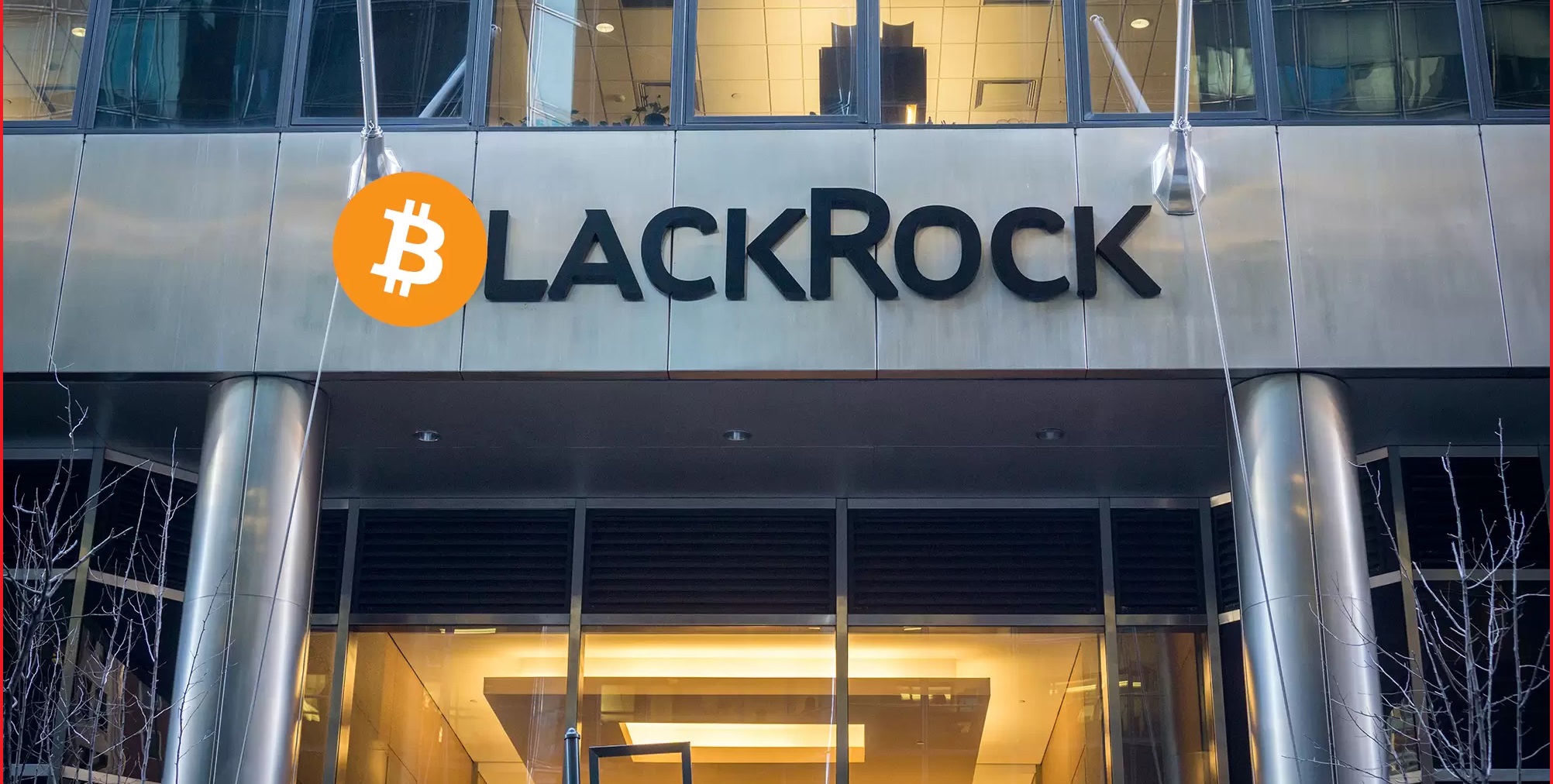
BlackRock’s Institutional Digital Assets Summit holds tomorrow

0

New York City, February 22, 2024 — BlackRock, Inc., the world’s largest asset manager with over $9.42 trillion in assets as of June 30, 2023, is set to hold its inaugural ”Institutional Digital Assets Summit” tomorrow. The event promises to be a significant milestone in the financial industry’s embrace of digital assets and blockchain technology.

As the financial landscape continues to evolve, asset managers are increasingly looking to digital assets as a means of driving efficiencies, improving access, and enhancing capital markets.

BlackRock, with over $9 trillion in assets under management (AUM), recognizes the potential of digital assets and is actively exploring their applications within the industry.

While some countries have made significant strides in adopting digital payment systems, the United States appears to be lagging behind. In his annual letter to investors, BlackRock CEO Larry Fink emphasized that BlackRock is actively exploring opportunities related to tokenization of assets, decentralized finance (DeFi), and cryptocurrencies.

The Institutional Digital Assets Summit is a testament to BlackRock’s commitment to staying at the forefront of financial innovation.

Fink highlighted the success of faster and more efficient payment systems in India, Brazil, and parts of Africa. For instance: India’s United Payments Interface (UPI) has become one of the most widely used forms of payment in the country. Brazil’s Pix system has revolutionized local payments.

By contrast, many developed markets, including the US, have yet to fully embrace innovation in payments, resulting in higher costs for consumers.

Tokenization is a promising use case, one area where BlackRock sees significant promise is asset tokenization. Tokenization involves representing real-world assets (such as stocks, bonds, or real estate) as digital tokens on a blockchain.

Here’s why it matters.

Efficiencies in Capital Markets: Tokenization can streamline processes related to issuance, trading, and settlement of securities. By digitizing assets, BlackRock aims to reduce friction and enhance liquidity.

Shortening Value Chains: Tokenization allows for direct ownership and transfer of assets without intermediaries. This can simplify complex value chains and improve transparency.

The BlackRock Digital Summit is an exclusive event that brings together top business leaders, economists, and policy experts to discuss the themes shaping the investment landscape and their impact on institutional portfolios. As we look ahead to 2024, this year’s summit promises to be particularly insightful.

BlackRock’s Institutional events offer curated access to experts from across the financial industry, politics, and business. These thought leaders join BlackRock investors to explore timely views on market events, macro swings, and pivotal moments in the global economy. Whether it’s geopolitical conflicts, earnings surprises, or bank closures, we curate events that provide actionable insights for institutional portfolios.

The summit will delve into key themes that are currently shaping investment decisions:

Market Volatility and Macro Swings: As we navigate a new regime characterized by higher interest rates, macro volatility, and tougher financial conditions, our experts will provide insights into how to seize opportunities in this environment.

Fixed Income Strategies: With elevated rates and less confident growth outlooks, institutions are reevaluating their fixed income portfolios. We’ll explore portfolio positioning themes and macro-outlooks across markets.

Infrastructure Investments: The generational opportunity for infrastructure investments will be discussed, along with how these allocations may benefit portfolios and help solve today’s market challenges.

Portfolio Construction in the New Regime: Our experts will share how they are building flexibility and nimbleness into portfolio construction to take advantage of higher dispersion, tactical plays, and market mispricing.