DD
MM
YYYY

PAGES

DD
MM
YYYY

spot_img

PAGES

Home Blog Page 3658

Unraveling the Secrets: How This General Paper Tuition Centre Helps Students Master the English Language

0
A university

In the bustling academic world, mastering the English language is not just a skill; it’s an invaluable asset. Whether it’s acing exams, expressing thoughts eloquently, or excelling in professional pursuits, a strong command of English can open doors to numerous opportunities. This includes mastering the highly challenging General Paper (GP) subject taken at the Cambridge A Levels. In this pursuit of linguistic excellence, GP Tuition Centres have emerged as sanctuaries of knowledge, where students not only learn but also thrive. One such institution stands out, offering much more than just lessons — it offers a transformative educational experience.

Expert Guidance and Individualized Attention

At the heart of Ace GP Tuition is a team of dedicated educators, each an expert in their field. These professionals understand the intricacies of the English language and its application in various contexts. What sets this center apart is its commitment to individualized attention. Small class sizes allow teachers to focus on the specific needs of each student, ensuring no one is left behind. This personalized approach fosters an environment where students can ask questions, seek clarifications, and engage in meaningful discussions.

Holistic Learning Approach

Mere rote learning doesn’t cut it in this tuition center. The emphasis is on holistic learning, where students are encouraged to think critically, analyze complex ideas, and articulate their thoughts effectively. Through thought-provoking discussions, essay writing, and language exercises, students develop a deep understanding of English literature, grammar, and rhetoric. This comprehensive approach not only helps them excel academically but also equips them with essential skills for life.

Innovative Teaching Methods

In the age of technology, traditional teaching methods are no longer sufficient. This tuition center recognizes the importance of innovation in education. Interactive multimedia presentations, online resources, and educational games are seamlessly integrated into the curriculum. These tools not only make learning enjoyable but also cater to diverse learning styles, ensuring every student grasps the nuances of the English language.

Building Confidence and Communication Skills

Mastering the English language isn’t just about writing flawless essays; it’s also about confidence and effective communication. The tuition center goes the extra mile to nurture these skills. Public speaking sessions, group discussions, and debates are regular features of the curriculum. These activities empower students to express their ideas with conviction, enhancing their self-assurance and communication prowess.

Creating a Supportive Learning Community

Education is not just a solitary journey; it thrives in a supportive community. Ace GP Tuition centre understands the significance of peer interaction and collaboration. Through group projects, collaborative learning exercises, and peer reviews, students learn not only from teachers but also from each other. This sense of camaraderie fosters a positive learning environment where students motivate and inspire one another.

Real-World Relevance

Understanding the practical applications of language skills is crucial. This tuition center bridges the gap between theoretical knowledge and real-world relevance. Guest lectures, industry visits, and workshops by professionals from various fields expose students to the practical applications of English language skills in diverse careers. This exposure not only enriches their knowledge but also inspires them to aim higher and dream bigger. It even weaves in economics real world examples to help students broaden their horizons and increase confidence in discussing issues of worldwide importance.

In conclusion, Ace GP Tuition isn’t just a place where students come to study English and General Paper; it’s a transformative experience that shapes futures. Through expert guidance, innovative methods, and a supportive community, students not only master the English language but also cultivate essential life skills. In this nurturing environment, they don’t just learn; they thrive, becoming confident, articulate, and empowered individuals ready to conquer the challenges of the world armed with the power of language.


 

Apple Unveils New Chips, Revamped Mac Series and New Pricing

0

Apple has unveiled new MacBook Pro and iMac computers along with three new chips: M3, M3 Pro, and M3 Max. These announcements were made on Monday during an online event primarily focused on professional users.

These new devices and chips are geared towards professional users. Apple’s Mac business has experienced significant growth since transitioning from Intel to its custom-designed chips in 2020, with its market share nearly doubling to around 11%.

Apple has gained a competitive edge by combining both central processing units (CPUs) and graphics processing units (GPUs) in its Apple silicon chips. This integration is said to provide better performance and battery life compared to traditional setups, where CPUs and GPUs often come from different manufacturers.

Key details of the new releases include:

Redesigned GPUs: Apple has redesigned its graphics processing units (GPUs), which are critical components of the new chips. This move positions Apple to compete with established players like Nvidia in the GPU market.

Pricing and Availability: The 14-inch MacBook Pro starts at $1,599 in the U.S., and the 16-inch version starts at $2,499. The new iMac desktop with the M3 chips starts at $1,299. Some of these products will be available as soon as next week, while others will ship later in November.

Market Share Growth: Apple’s Mac business has experienced significant growth since it began using its custom-designed chips in place of Intel processors, nearly doubling its market share to nearly 11% since 2020.

Secure Screen Sharing: Apple introduced a new secure screen-sharing feature aimed at business users. This feature allows users to access their machines remotely.

Apple Silicon: Apple’s custom-designed chips, using technology from Arm Holdings, have contributed to its Macs’ improved battery life and performance compared to Windows-based machines.

Unique Chip Integration: Unlike other laptop makers, Apple combines both central processing units (CPUs) and GPUs in its Apple silicon chips, claiming to offer better performance than rivals.

Competition: Apple’s success with its custom chips has encouraged competitors like Qualcomm and Nvidia to develop their Arm-based chips for laptops and PCs.

Corporate Buyer Impact: Apple’s changes to its product lineup, including eliminating a lower-priced 13-inch MacBook Pro, could affect corporate buyers’ choices between MacBook Air and MacBook Pro models.

3 Nanometer Technology: The new chips are the first for laptops and desktops to use 3 nanometer manufacturing technology, promising better performance and energy efficiency.

Comparison to Intel: Throughout the event, Apple emphasized the improved performance of its new machines compared to older models with Intel chips.

Apple’s ongoing expansion of its chip technology is aimed at maintaining its competitive edge and catering to professional users’ needs. As the technology landscape evolves, these developments will continue to influence the broader computing industry.

The tech giant has focused on attracting professional users, exhibiting the improved performance and capabilities of its new devices compared to previous Intel-based machines. The company aims to highlight the advantages of upgrading to Apple’s own chips for tasks such as content creation and AI research.

Tinubu Budgets Billions of Naira for Cars Amid Biting Economic Strains

0

Amid the outcry over the N75 billion spent by Nigerian lawmakers on official vehicles in the face of a biting economic situation, the federal government is planning to spend N1.5 billion on vehicles for the Office of First Lady.

The move, which comes amid calls on the government to cut the cost of governance, is believed to be part of the reasons President Bola Tinubu is pushing for a supplementary budget. The Nigerian government has requested a supplementary budget of N2.17 trillion (about $5 billion) from the National Assembly.

This additional budget comes amid economic challenges in the country and the removal of petroleum subsidy that has led to a significant hike in fuel prices.

However, a review of the supplementary budget conducted by Premium Times reveals expenditures that many have considered extravagant, given the nation’s current economic situation. For example, the budget includes N1.5 billion for vehicles for the Office of the First Lady, which is not recognized by the country’s constitution.

Additionally, N2.9 billion is allocated for Sport Utility Vehicles (SUVs) for the Presidential Villa, while another N2.9 billion is earmarked for replacing operational vehicles for the presidency. Renovations of the presidential and vice-presidential residences are also included, with N4 billion allocated for the president’s residence and N2.5 billion for the vice president’s residence. A total of N28 billion is proposed for the State House, and N12.5 billion is allocated for the Presidential Air Fleet.

The Presidential Air Fleet comprises a range of aircraft, including a Boeing Business Jet (Boeing 737-800 or NAF 001), one Gulfstream 550, one Gulfstream V (Gulfstream 500), two Falcons 7X, one Hawker Sidley 4000, two AgustaWestland AW 139 helicopters, and two AgustaWestland AW 101 helicopters. These aircraft are typically used for official presidential travel and transportation.

This budget allocation is expected to be funded with loans that the government is currently seeking to secure.

The budget has passed the second reading in the House of Representatives, suggesting that the lawmakers, who are already beneficiaries of extravagant spending, will have no problem approving it.

Government spending has remained a big issue in recent times, especially as the nation’s revenue continues to spiral downward – forcing it to depend mainly on borrowing. Nigeria’s public debt stock has risen to N87.38 trillion as of the second quarter of the year.

With the treasury empty and debt servicing taking about 96% of the nation’s earnings, the government has begun to apply a strategy that entails obtaining an immediate cash loan based on the anticipated revenues from a specified portion of future crude oil production

Against this backdrop, the Tinubu administration is planning to incur a total fiscal deficit of N30.6 trillion across the years 2024, 2025, and 2026, as detailed in the government’s medium-term expenditure framework (MTEF).

Notably, the 2024 budget proposal anticipates a fiscal deficit of N9.04 trillion. This would constitute a fiscal deficit to GDP ratio of 3.83%, surpassing the 3% limit outlined in the Fiscal Responsibility Act (FRA) of 2007.

Economic experts have warned of a dire financial crisis if the rising cost of governance is not urgently addressed.

Alienation Of Customary Rights To Land, Sub-Underleases and The Surrender Of Statutory Rights Of Occupancy In Nigeria

0

The subject of alienation of customary rights is an interesting topic that does not seem to have gotten much attention as most learned opinions on the subject matter tend to gloss over it in favour of more  detailed provisions regarding statutory rights of land.

This article will be dealing with the topics of :-

– Circumstances allowing for the prohibition of alienation of customary rights of land.

– Sub-Underleases

– Devolution of occupancy rights upon death

– Effects of deeds or wills where non-customary law applies

– The surrender of statutory rights of occupancy

When is alienation of customary rights of occupancy prohibited under law?

– It shall not be lawful for any customary right of occupancy or any part thereof to be alienated by assignment, mortgage, transfer or possession,or sublease :- 

a). Without the consent of the governor where the property is to be sold by or under the order of any court under the provisions of the applicable Sheriff & Civil Process law or

b). In other cases , without the appropriate local government approval.

What is the provision of the Land Use Act concerning the prohibition of alienation of a customary right occupancy without a governor’s consent?

– A statutory right of occupancy cannot be sold without a governor’s consent provided that:-

a). It shall not be required to the creation of a legal mortgage over a statutory right of occupancy in favour of a person in whose favour an equitable mortgage over the same right of occupancy has already been created with the consent of the governor.

b). It shall not be required for the reconveyance or release by a mortgagee to a holder or occupier of a statutory right of occupancy which that holder or occupier has mortgaged to that mortgagee with the governor’s consent.

c). Regarding the renewal of a sublease presumed by reason only of his having consented to the grant of a sublease containing an option to renew the same .

What does the Land Use Act say about Sub-Underleases?

– A sub-lessee of a statutory right can, with the governor’s consent and approval of the holder of the statutory right, demise by way of a sub-underlease to another person the sub-leased land.

– This will require submitting the deed of sublease for endorsement by the governor.

What is the provision of law regarding the devolution of occupancy rights on the death of the occupier?

– The devolution of the rights of an occupier upon death shall :-

a). In the case of a customary right, unless non-customary law applies, be regulated by the customary law of the locality where the land is situated.

b). In the case of a statutory right (unless any non-customary law or other customary law applies) be regulated by the customary law of the deceased occupier at the time of his death relating to the distribution of property of like nature to a right of occupancy provided that  no customary law prohibiting, restricting or regulating the devolution on death to any particular class of persons or the right to occupy any land shall operate to deprive any person of any beneficial interest in such land other than the right to occupy same. 

– A statutory right of occupancy shall not be divided into 2 or more parts on devolution by the death of the occupier, except with the consent of the governor. 

What is the effect of a deed or will where non-customary law applies?

– In the case of the devolution or transfer of rights to which any non-customary law applies, no deed or will shall operate to create any proprietary rights over land except that of a plain transfer of the whole of the rights of occupation over the whole of the land.

What is the provision of law  regarding the surrender of statutory rights of occupancy?

– The governor may accept on such terms wm conditions as he may think proper the surrender of any statutory right of occupancy granted under the Land Use Act.

Gemini files against Genesis over $1.6 billion in GBTC shares

0
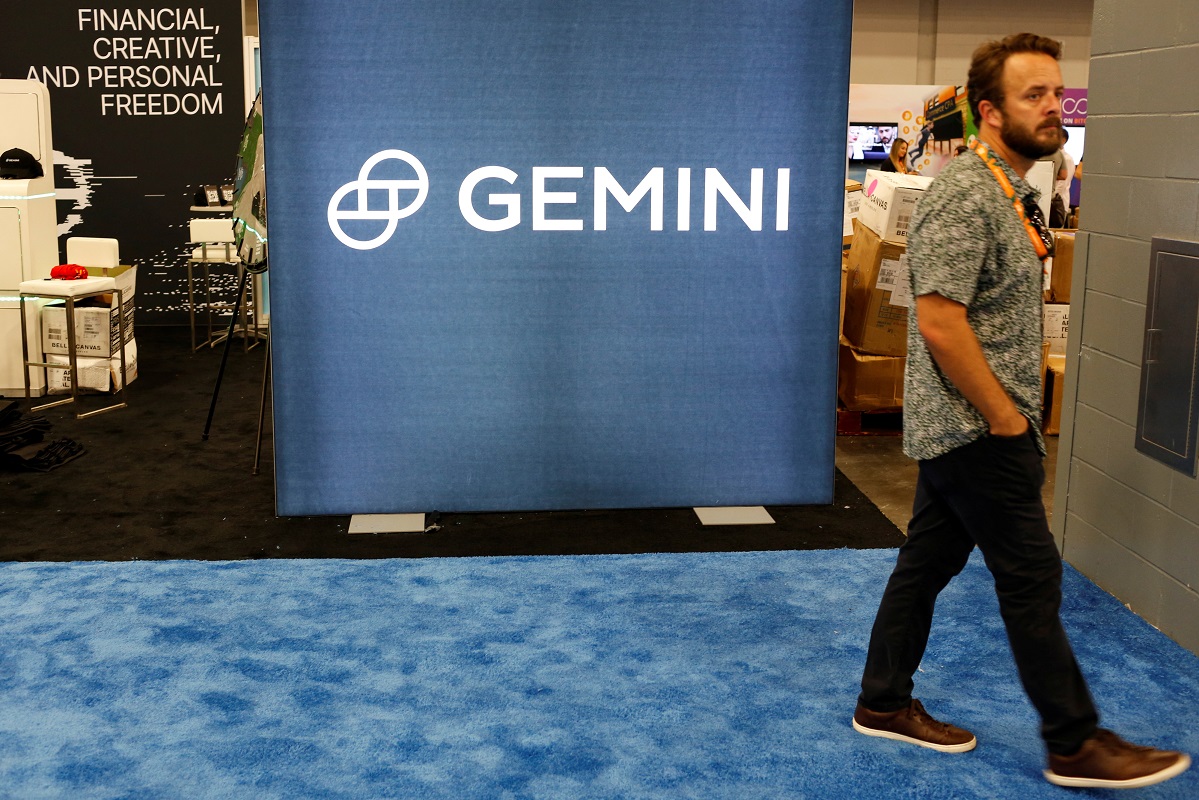
A man walks past the logo of Gemini Trust, a digital currency exchange and custodian, during the Bitcoin Conference 2022 in Miami Beach, Florida, U.S. April 6, 2022. REUTERS/Marco Bello/Files

Gemini, the cryptocurrency exchange founded by the Winklevoss twins, has filed a complaint against Genesis, a digital asset trading and lending platform, over $1.6 billion worth of Grayscale Bitcoin Trust (GBTC) shares. Gemini claims that Genesis breached a contract that gave Gemini the right to buy GBTC shares from Genesis at a discount.

GBTC is a publicly traded trust that holds bitcoin and tracks its price. Investors can buy and sell GBTC shares on the secondary market, but they cannot redeem them for actual bitcoin. GBTC shares often trade at a premium or discount to the underlying bitcoin value, depending on the supply and demand.

According to the complaint, Gemini and Genesis entered into an agreement in February 2020, where Genesis agreed to sell GBTC shares to Gemini at a 2% discount to the net asset value (NAV) of the trust. The agreement also gave Gemini the option to buy additional GBTC shares from Genesis at the same discount until February 2023.

However, Gemini alleges that Genesis stopped honoring the agreement in July 2021, when the GBTC shares started trading at a significant discount to the NAV. Gemini says that it exercised its option to buy more GBTC shares from Genesis, but Genesis refused to sell them. Gemini claims that it lost out on an opportunity to buy GBTC shares at a lower price and sell them at a higher price later.

Gemini is seeking damages for breach of contract, breach of good faith and fair dealing, and unjust enrichment. Gemini also wants the court to order Genesis to sell GBTC shares to Gemini at the agreed-upon discount. Genesis has not yet responded to the complaint, which was filed in the Supreme Court of New York on October 27. Genesis is a subsidiary of Digital Currency Group (DCG), which also owns Grayscale, the sponsor of GBTC. DCG is not named as a defendant in the lawsuit.

Gemini, the cryptocurrency exchange founded by the Winklevoss twins, has filed a complaint against Genesis, a digital asset trading and lending platform, over $1.6 billion worth of Grayscale Bitcoin Trust (GBTC) shares. Gemini claims that Genesis breached a contract that gave Gemini the right to buy GBTC shares from Genesis at a discount.

GBTC is a publicly traded trust that holds bitcoin and tracks its price. Investors can buy and sell GBTC shares on the secondary market, but they cannot redeem them for actual bitcoin. GBTC shares often trade at a premium or discount to the underlying bitcoin value, depending on the supply and demand.

In this article, we will explain what GBTC is, how it works, and why it is relevant to the lawsuit between Gemini and Genesis.

GBTC shares are created through a process called private placement, where accredited investors can buy GBTC shares directly from Grayscale at the NAV of the trust. NAV stands for net asset value, which is the value of the bitcoin held by the trust divided by the number of shares outstanding. Private placement is only available periodically and has a minimum investment amount and a lock-up period.

GBTC shares are also traded on the secondary market, where anyone can buy and sell them through brokers or platforms like OTC Markets. The secondary market price of GBTC shares may differ from the NAV of the trust, depending on the supply and demand of the shares. Sometimes, GBTC shares trade at a premium to the NAV, which means investors are willing to pay more than the value of the bitcoin held by the trust. Other times, GBTC shares trade at a discount to the NAV, which means investors are willing to pay less than the value of the bitcoin held by the trust.

The premium or discount of GBTC shares is influenced by several factors, such as the availability of private placement, the lock-up period of private placement investors, the market sentiment towards bitcoin, the regulatory environment for crypto assets, and the competition from other products that offer exposure to bitcoin.

According to the complaint, Gemini and Genesis entered into an agreement in February 2020, where Genesis agreed to sell GBTC shares to Gemini at a 2% discount to the NAV of the trust. The agreement also gave Gemini the option to buy additional GBTC shares from Genesis at the same discount until February 2023.

However, Gemini alleges that Genesis stopped honoring the agreement in July 2021, when the GBTC shares started trading at a significant discount to the NAV. Gemini says that it exercised its option to buy more GBTC shares from Genesis, but Genesis refused to sell them. Gemini claims that it lost out on an opportunity to buy GBTC shares at a lower price and sell them at a higher price later.

Gemini is seeking damages for breach of contract, breach of good faith and fair dealing, and unjust enrichment. Gemini also wants the court to order Genesis to sell GBTC shares to Gemini at the agreed-upon discount. Genesis has not yet responded to the complaint, which was filed in the Supreme Court of New York on October 27. Genesis is a subsidiary of DCG, which also owns Grayscale, the sponsor of GBTC. DCG is not named as a defendant in the lawsuit.