DD
MM
YYYY

PAGES

DD
MM
YYYY

spot_img

PAGES

Home Blog Page 3664

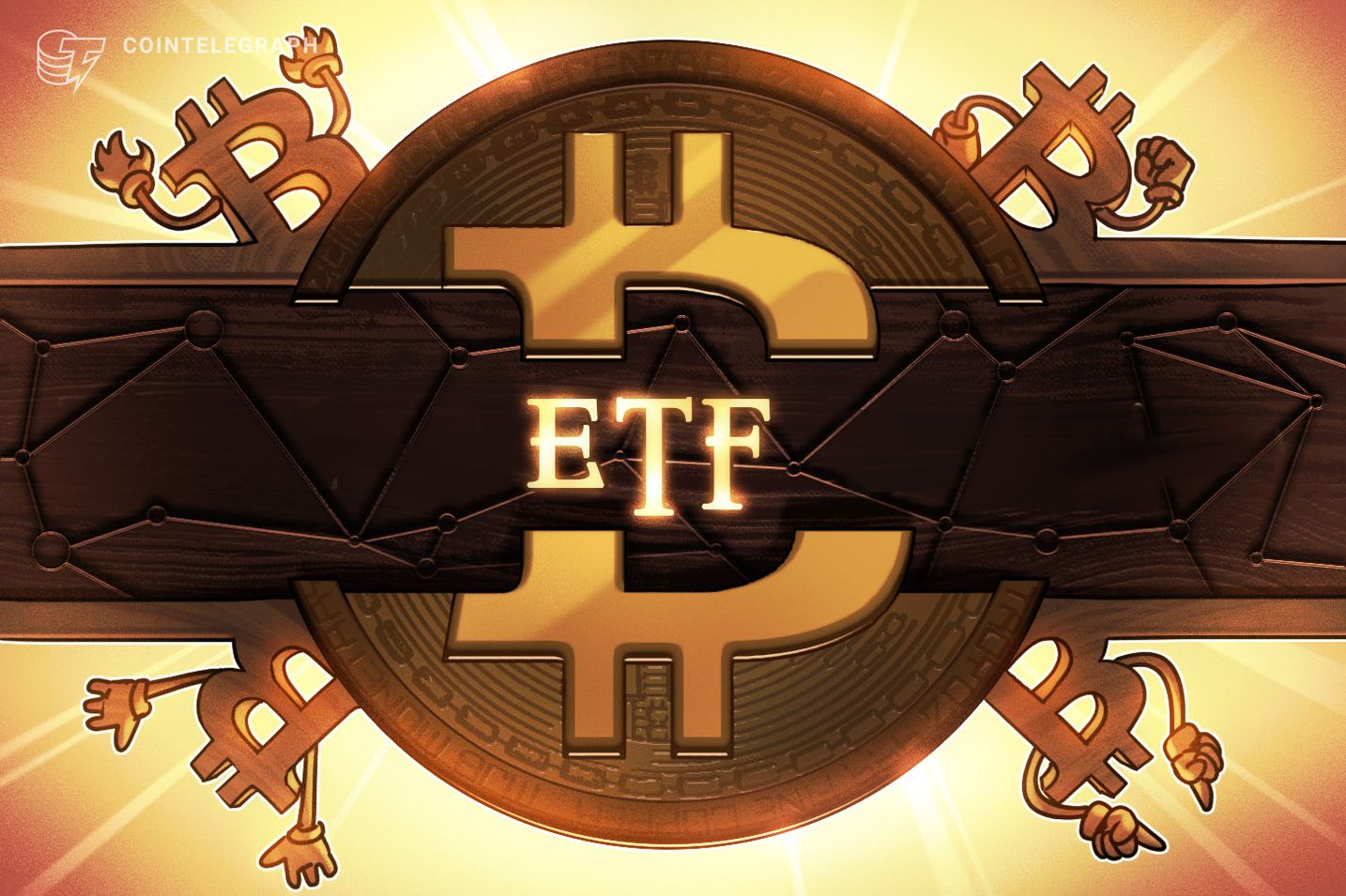
Invesco, Galaxy Digital Bitcoin spot ETF assigned ticker $BTCO on DTCC, VanEck resubmits Spot Bitcoin ETF

0

A new exchange-traded fund (ETF) that tracks the price of bitcoin has been launched by Invesco and Galaxy Digital. The Invesco/Galaxy Bitcoin Spot ETF, which trades under the symbol $BTCO, is the first of its kind to use the actual cryptocurrency as its underlying asset.

The ETF is now officially listed by the Depository Trust & Clearing Corporation (DTCC), the world’s largest securities depository and clearinghouse. This means that investors can buy and sell shares of the ETF through their brokerage accounts, without having to deal with the technical challenges of owning and storing bitcoin directly. The ETF aims to provide exposure to the performance of bitcoin, minus fees and expenses, by holding bitcoin in a segregated custodial account.

The custodian, Galaxy Digital Asset Management, is a subsidiary of Galaxy Digital, a leading crypto-focused financial services firm founded by Mike Novogratz. The ETF also employs a network of market makers and authorized participants to ensure liquidity and price discovery. The Invesco/Galaxy Bitcoin Spot ETF is designed to appeal to both institutional and retail investors who want to gain exposure to the rapidly growing crypto market.

According to Invesco, the ETF offers several benefits over other bitcoin investment vehicles, such as lower costs, higher transparency, tax efficiency, and regulatory oversight. The ETF also has a competitive management fee of 0.95%, which is lower than some of the existing bitcoin trusts and funds.

The launch of the Invesco/Galaxy Bitcoin Spot ETF comes amid a surge in demand for crypto-related products, especially in the US market. Several other firms, including VanEck, Valkyrie, and ProShares, have filed applications with the Securities and Exchange Commission (SEC) to launch their own bitcoin spot ETFs, but none have been approved yet.

The SEC has been cautious about approving such products, citing concerns about market manipulation, fraud, and investor protection. However, the SEC has recently approved several bitcoin futures ETFs, which use contracts that track the future price of bitcoin, rather than the actual cryptocurrency.

Bitcoin is a volatile asset that has experienced significant price fluctuations over the years. However, despite the risks and uncertainties, there is a remarkable statistic that shows the resilience and profitability of this cryptocurrency: 82% of every Bitcoin holder is in profit.

What does this mean? It means that the majority of people who own Bitcoin have bought it at a lower price than the current market value. This implies that they have made a positive return on their investment, regardless of when they entered the market. This is a remarkable achievement, considering that Bitcoin has gone through several cycles of boom and bust, reaching highs of over $60,000 and lows of below $4,000.

How is this possible? One possible explanation is that Bitcoin has a limited supply of 21 million coins, which creates a scarcity effect and increases its value over time. Another possible explanation is that Bitcoin has a loyal and growing community of supporters who believe in its potential as a global store of value and medium of exchange. These supporters tend to hold on to their coins for the long term, rather than sell them at the first sign of trouble. This creates a strong demand for Bitcoin and reduces its volatility.

What are the implications? This statistic suggests that Bitcoin is a profitable and attractive investment for many people, especially those who have a long-term vision and a high tolerance for risk. It also suggests that Bitcoin has a strong network effect, where more users and adoption lead to more value and security.

However, it is important to note that past performance is not a guarantee of future results, and that Bitcoin still faces many challenges and uncertainties, such as regulation, competition, innovation, and security breaches. Therefore, anyone who wants to invest in Bitcoin should do their own research, understand the risks, and only invest what they can afford to lose.

These products have attracted billions of dollars in assets under management since their debut in October. The Invesco/Galaxy Bitcoin Spot ETF is expected to face less regulatory hurdles than the futures ETFs, as it does not involve derivatives or leverage. The ETF also complies with the Investment Company Act of 1940, which sets standards for mutual funds and other investment companies.

The Invesco/Galaxy Bitcoin Spot ETF is a milestone for the crypto industry, as it marks the first time that US investors can access bitcoin through a spot ETF. The ETF could also pave the way for more innovation and adoption of crypto assets in the mainstream financial system.

VanEck has resubmitted Spot Bitcoin ETF request to the U.S. SEC for consideration

VanEck, a leading investment management firm, has announced that it has filed a new application for a spot Bitcoin ETF with the U.S. Securities and Exchange Commission (SEC). The firm had previously withdrawn its previous proposal in September 2023, after facing several delays and rejections from the regulator.

A spot Bitcoin ETF is a type of exchange-traded fund that tracks the price of Bitcoin directly, rather than through derivatives or trusts. This means that investors can gain exposure to the cryptocurrency without having to buy, store, or secure it themselves. A spot Bitcoin ETF would also provide more transparency, liquidity, and efficiency to the Bitcoin market, as well as lower fees and risks for investors.

VanEck is not the only firm that is pursuing a spot Bitcoin ETF in the U.S. Several other companies, such as Valkyrie, WisdomTree, and NYDIG, have also submitted similar applications to the SEC, hoping to be the first to launch such a product in the country. However, none of them have received approval yet, as the SEC has been cautious and skeptical about the potential benefits and risks of Bitcoin ETFs.

The SEC has expressed concerns about the volatility, manipulation, fraud, and cybersecurity issues that may affect the Bitcoin market and harm investors. The regulator has also stated that it needs to see more progress in the regulation and surveillance of the cryptocurrency industry before it can approve a spot Bitcoin ETF. The SEC has set a deadline of February 14, 2022, to make a decision on VanEck’s latest application.

VanEck is confident that it can address the SEC’s concerns and demonstrate that a spot Bitcoin ETF is consistent with the public interest and the protection of investors. The firm has argued that Bitcoin is a legitimate asset class that deserves to be accessible to mainstream investors. VanEck has also pointed out that several other countries, such as Canada, Brazil, and Germany, have already approved and launched spot Bitcoin ETFs, without any major issues or negative impacts.

However, a spot Bitcoin ETF is also a controversial and elusive product in the U.S. market. Despite the growing demand and interest from investors, the SEC has not approved any spot Bitcoin ETFs yet, citing various concerns and challenges. In this blog post, we will explain why Bitcoin ETFs are controversial and what are the main obstacles and opportunities for their approval.

What are the benefits of a spot Bitcoin ETF?

Some of the main benefits are:

Transparency: A spot Bitcoin ETF would reflect the actual price of Bitcoin in the market, without any premiums or discounts that may occur in other products that use derivatives or trusts. A spot Bitcoin ETF would also disclose its holdings and operations regularly, ensuring that investors have accurate and timely information about their investment.

Liquidity: A spot Bitcoin ETF would trade on a regulated and established exchange, such as the New York Stock Exchange or Nasdaq, where investors can buy and sell shares easily and quickly. A spot Bitcoin ETF would also have a large and diverse pool of buyers and sellers, reducing the risk of price slippage or illiquidity.

Efficiency: A spot Bitcoin ETF would eliminate the need for investors to deal with the complexities and costs of buying, storing, and securing Bitcoin themselves. Investors would not have to worry about setting up a wallet, finding a reputable exchange, paying transaction fees, or protecting their private keys from hackers or loss. A spot Bitcoin ETF would also simplify the tax reporting and compliance process for investors.

Lower fees and risks: A spot Bitcoin ETF would charge lower fees than other products that use derivatives or trusts, such as futures contracts or Grayscale’s Bitcoin Trust (GBTC). These products often have higher management fees, trading fees, or premiums that erode the returns of investors. A spot Bitcoin ETF would also reduce the counterparty risk and operational risk that may arise from dealing with intermediaries or third parties.

What are the challenges of a spot Bitcoin ETF?

Despite the potential benefits of a spot Bitcoin ETF, the SEC has been reluctant and hesitant to approve such a product in the U.S. market. The regulator has expressed several concerns and challenges that may affect the viability and suitability of a spot Bitcoin ETF. Some of the main challenges are:

Volatility: The SEC has stated that the Bitcoin market is highly volatile and unpredictable, which may pose significant risks to investors. The price of Bitcoin can fluctuate dramatically in a short period of time, due to factors such as supply and demand, news events, market sentiment, technical issues, or manipulation. The SEC has also noted that the volatility of Bitcoin may affect the liquidity and valuation of a spot Bitcoin ETF, making it difficult for investors to trade or redeem their shares.

Manipulation: The SEC has argued that the Bitcoin market is susceptible to manipulation and fraud, which may harm investors. The regulator has pointed out that the Bitcoin market is largely unregulated and decentralized, with no central authority or oversight. The SEC has also highlighted that there are many instances of hacking, theft, or misconduct in the cryptocurrency industry, such as the Mt. Gox scandal, the Bitfinex hack, or the Bitconnect scheme. The SEC has claimed that it needs to see more progress in the regulation and surveillance of the Bitcoin market before it can approve a spot Bitcoin ETF.

Cybersecurity: The SEC has raised concerns about the cybersecurity issues that may affect the Bitcoin market and a spot Bitcoin ETF. The regulator has stated that there are many technical challenges and risks involved in storing and transferring Bitcoin securely, such as hacking, phishing, malware, or human error. The SEC has also questioned whether a spot Bitcoin ETF can ensure the safety and custody of its assets, as well as prevent unauthorized access or loss.

What are the opportunities for a spot Bitcoin ETF.

Despite the challenges and obstacles that a spot Bitcoin ETF faces in the U.S. market, there are also some opportunities and developments that may increase its chances of approval. Some of the main opportunities are:

Innovation: The SEC has acknowledged that it is open to innovation and new products that may benefit investors and markets. The regulator has stated that it is willing to engage with applicants and stakeholders who can address its concerns and demonstrate that a spot Bitcoin ETF is consistent with the public interest and the protection of investors. The SEC has also indicated that it is monitoring the evolution and growth of the cryptocurrency industry, as well as learning from other jurisdictions that have approved or launched spot Bitcoin ETFs.

Demand: The SEC has recognized that there is a strong and growing demand for Bitcoin and cryptocurrency products from investors, especially from institutional and accredited investors. The regulator has noted that investors are seeking more exposure and diversification to the digital asset space, as well as more choices and alternatives to access the market. The SEC has also observed that investors are increasingly using other products that use derivatives or trusts, such as futures contracts or GBTC, which may have higher fees and risks than a spot Bitcoin ETF.

Competition: The SEC has admitted that it is aware of the competition and pressure from other countries that have approved or launched spot Bitcoin ETFs, such as Canada, Brazil, or Germany. The regulator has stated that it is interested in understanding the experiences and outcomes of these jurisdictions, as well as the implications and consequences for the U.S. market. The SEC has also suggested that it may consider the global context and standards when evaluating a spot Bitcoin ETF application.

VanEck, a leading investment management firm, has filed a new application for a spot Bitcoin ETF with the U.S. SEC, hoping to be the first to launch such a product in the country. A spot Bitcoin ETF is a type of exchange-traded fund that tracks the price of Bitcoin directly, rather than through derivatives or trusts. A spot Bitcoin ETF would offer several benefits to investors, such as transparency, liquidity, efficiency, lower fees and risks. However, a spot Bitcoin ETF is also a controversial and elusive product in the U.S. market, facing several challenges and concerns from the SEC, such as volatility, manipulation, cybersecurity.

Despite these challenges, there are also some opportunities and developments that may increase the chances of approval for a spot Bitcoin ETF, such as innovation, demand, competition. The SEC has set a deadline of February 14, 2022, to make a decision on VanEck’s latest application.

If VanEck succeeds in obtaining the SEC’s approval for its spot Bitcoin ETF, it would be a historic milestone for the Bitcoin industry and the broader crypto space. It would also open the door for more innovation and adoption of digital assets in the U.S. market. However, if VanEck fails again, it would be another setback for the Bitcoin ETF hopefuls and a sign of continued regulatory uncertainty and resistance.
Michael Jackson tops Forbes list of highest-paid deceased celebrities

0

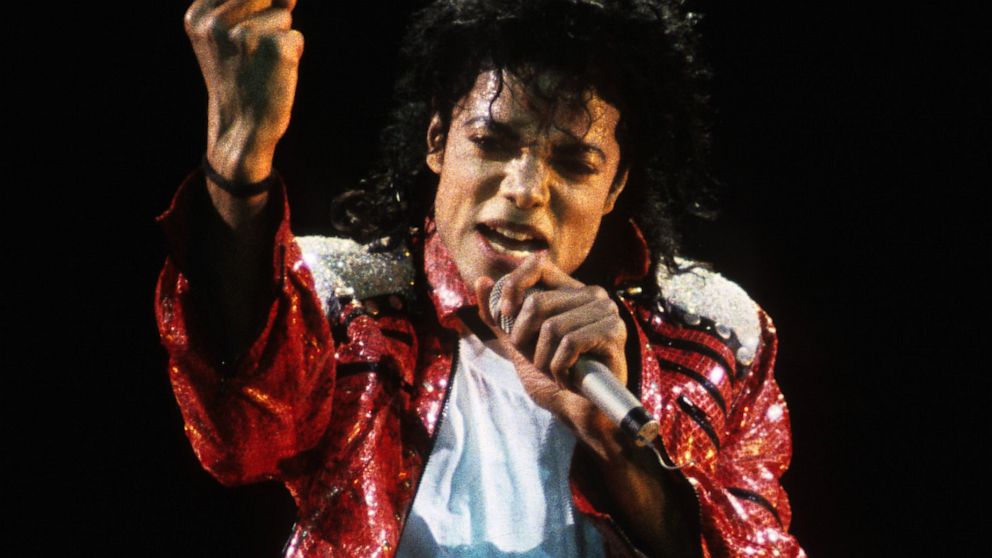
The King of Pop is still reigning supreme, even in death. According to Forbes, Michael Jackson earned a staggering $115 million in the past year, making him the highest-paid deceased celebrity of 2023.

The magazine released its annual list of the top-earning stars who have passed away but continue to rake in millions from their music, films, books and other ventures. Jackson, who died in 2009, has topped the list for nine consecutive years, thanks to his lucrative catalog of hits, his stake in the Sony/ATV music publishing company and his posthumous projects such as the Cirque du Soleil show Michael Jackson ONE.

The second highest-paid dead celebrity of 2023 was Elvis Presley, who earned $55 million from his Graceland estate, merchandise and licensing deals. The rock and roll legend, who died in 1977, also benefited from a new biopic directed by Baz Luhrmann and starring Austin Butler as Presley.

The third spot went to Peanuts creator Charles Schulz, who made $40 million from the comic strip, TV specials and licensing agreements. The cartoonist, who died in 2000, also saw a boost from the release of The Snoopy Show on Apple TV+ and a new deal with WildBrain to produce more Peanuts content.

Other celebrities who made the list include Bob Marley ($20 million), Prince ($15 million), John Lennon ($14 million), Marilyn Monroe ($13 million), Kobe Bryant ($10 million), Chadwick Boseman ($9 million) and Nipsey Hussle ($8 million).

But who is the highest-paid living celebrity? According to Forbes, that honor belongs to Kylie Jenner, who earned $590 million in the same period, thanks to the sale of 51% of her cosmetics company to Coty. The reality star and entrepreneur also make money from her skincare line, endorsement deals and social media presence.

Kylie Jenner’s cosmetics company is called Kylie Cosmetics, and it was founded by Jenner in 2014. The company is known for its popular products such as Kylie Lip Kits, Kylie Skin and Kylie Baby, which are cruelty-free, vegan, paraben-free, sulfate-free and dermatologist-tested.

The second highest-paid living celebrity of 2023 was Kanye West, who made $170 million from his Yeezy sneaker partnership with Adidas, his music and his fashion line. The rapper and designer also have a lucrative deal with Gap to launch a new clothing collection.

The third highest-paid living celebrity of 2023 was Roger Federer, who earned $106.3 million from his tennis winnings and endorsements. The Swiss athlete has deals with brands such as Rolex, Credit Suisse, Uniqlo and Mercedes-Benz.

Other living celebrities who made the list include Cristiano Ronaldo ($105 million), Lionel Messi ($104 million), Tyler Perry ($97 million), Neymar ($95.5 million), Howard Stern ($90 million) and LeBron James ($88.2 million).

To see how the living celebrities compare to the deceased ones, here is a comparison chart for the earnings:

| Celebrity | Earnings (in millions) | Status |

| Kylie Jenner | $590 | Living |

| Kanye West | $170 | Living |

| Roger Federer | $106.3 | Living |

| Cristiano Ronaldo | $105 | Living |

| Lionel Messi | $104 | Living |

| Michael Jackson | $115 | Deceased |

| Elvis Presley | $55 | Deceased |

| Charles Schulz | $40 | Deceased |

| Bob Marley | $20 | Deceased |

| Prince | $15 | Deceased |

As you can see, Kylie Jenner earns more than five times as much as Michael Jackson, the highest-paid dead celebrity. The gap between the living and the dead is huge, but both groups have left their mark on the world of entertainment.

Forbes calculated the earnings from October 1, 2022, to October 1, 2023, before deducting fees for agents, managers and lawyers. The magazine used data from Nielsen Music/MRC Data, IMDBPro, NPD BookScan and interviews with industry insiders to compile the list.

Nigeria Received $11bn from World Bank in Four Years – Chaudhuri

0

Shubham Chaudhuri, the Country Director for Nigeria at the World Bank, has revealed that the institution has allocated more than $11 billion in funding to both the federal and sub-national levels of the Nigerian government over the past three years.

This was disclosed during the commencement of a three-day cabinet retreat held at the State House Conference Centre in Abuja, which was attended by ministers, presidential aides, permanent secretaries, and senior government officials.

Chaudhuri stressed the World Bank’s commitment to supporting the Nigerian government, emphasizing that in recent years, they have provided over $11 billion in financial support to various levels of government. He said the World Bank serves as more than just a financial institution; it is also a source of solutions and ideas.

“I hope that through what we’ve been able to do we will be able to continue supporting you, as you realize this enormously important task,” he said.

“Although we are at the World Bank, we’re a development organization, and over the last three and a half, four years that I’ve been here, our board has committed over $11 billion in financing for the government, and our financing is meant to go government at both the federal and at the sub-national levels. So we’re here to support your programs, and we take guidance from you.”

Furthermore, Chaudhuri pledged to provide support that extends beyond financial assistance, highlighting the importance of taking bold measures to drive meaningful change.

“But even though we have the World Bank in our name, I hope you will think of us as more than a bank. I mean, I hope that we will be able to earn your trust that we have something more to offer like solutions to help you think through and then implement the priorities, and the focus areas that you’ve laid out by bringing in ideas and experience.

“Financing is only part of the solution. It’s the ideas and the vision. So you have my commitment. I and the team, the entire World Bank across the globe, we’re here to support you on that,” he said.

He emphasized that Nigeria is at a crucial juncture, facing a choice between maintaining conventional practices and risking potential disarray or summoning the courage to chart a new path that will bring about significant positive transformations in the country.

“And I would also like to say that I feel particularly privileged to have been here in Nigeria these last four years, especially in the last few months at this critical juncture where Nigeria faced the critical choice of whether to continue muddling through business as usual with the risk of things falling apart growing by the day or have the courage to chart a new course, to take bold steps to finally see Nigeria rise to its true potential,” he said.

But where is the impact?

The above question has followed Chaudhuri’s disclosure as calls for the judicious use of funds borrowed by the government heightened. The Nigerian government has been accused of borrowing for consumption at the detriment of infrastructural and economic development.

This week, it was discovered that the N2.18 trillion supplementary budget submitted to the National Assembly for approval by President Bola Tinubu is filled with frivolous items. The items include luxury cars for the office of the First Lady, a yacht for the president, and renovation of government offices that will gulp billions of naira.

Currently, the government is seeking to borrow billions of dollars from many sources, a move that will see the nation’s public debt stock significantly rise beyond the present N87 trillion.

Although Chaudhuri commended Tinubu’s bold steps since his assumption of office, which includes the removal of fuel subsidy and the floating of the forex market, Nigerians believe the gain from these reforms has been diverted to fund the extravagant lifestyle of politicians. This backdrop is believed to have significantly contributed to the government’s failure to alleviate poverty.

May Naira breathe As Nigeria Clears FX Backlogs

0

My name is “Ndu bu isi” which means “life is first”. My grandmother chose that name because when her son, Augustine, died in London with his Igbo pals, during the Biafran war, she understood that nothing really matters other than LIFE. Yes, all the plans for her, her daughter (Augustine was to ask her to begin secondary school education, once he returns since all the family wealth was used to send Augustine to study engineering in the UK), etc, disappeared.

Why this reference? I am reading that Nigeria has cleared all the backlogs of US dollars. And if that is true, expect currency traders to have red shorts because the Naira will appreciate in value. Again, this is a rumour. But if that is true, that name Ndubuisi comes into application again: never give up provided there is life.

REAKING: CBN clears FX backlogs with banks, airlines – Report

Reports reaching Nairametrics indicate the central bank has “cleared” forex backlogs of banks and airlines.

People with knowledge of the matter who spoke to Nairametrics report that banks are claiming backlogs are being cleared by the central bank.

They also indicate airlines are also seeing their backlogs being cleared.
It is unclear where the source of the supply used to clear the backlog is coming from.

However, the government had announced plans to clear forex backlogs with the injection of $10 billion.

A report from Stanbic IBTC also alluded to the clearing of the forex backlogs.

Challenges have watches and clocks but hopeful and productive people have TIME. Because if there is life, the waves will turn things around. I commend the government for today even as I challenge it to make sure this is a permanent state for the nation: may Naira breathe!

What is the Bank Secrecy Act or Currency and Foreign Transactions Reporting Act?

0

If you are a financial institution in the United States, you need to be familiar with the Bank Secrecy Act (BSA), also known as the Currency and Foreign Transactions Reporting Act. This is a federal law that requires you to cooperate with the government in detecting and preventing money laundering and other financial crimes. In this blog post, we will explain what the BSA is, what it requires you to do, and what are the consequences of non-compliance.

What is the BSA?

The BSA was enacted in 1970 to prevent criminals from using financial institutions to hide or launder their illegal funds. The law gives the Department of the Treasury the authority to impose reporting and recordkeeping requirements on banks and other financial institutions, such as money transmitters, casinos, broker-dealers, and insurance companies. The law also establishes the Financial Crimes Enforcement Network (FinCEN) as the agency responsible for administering and enforcing the BSA.

The main purpose of the BSA is to help law enforcement agencies track the movement of large amounts of cash and other monetary instruments that may be related to criminal activities, such as tax evasion, drug trafficking, terrorism, or fraud. The BSA also aims to deter criminals from using financial institutions as a cover for their illicit actions.

What does the BSA require you to do?

As a financial institution subject to the BSA, you have to comply with several obligations, such as:

Filing currency transaction reports (CTRs) for cash transactions over $10,000 in a single day by or on behalf of one person. You have to file CTRs electronically within 15 days of the transaction using FinCEN’s BSA E-Filing System.

Filing suspicious activity reports (SARs) for transactions that you know or suspect are related to money laundering or other illegal activities. You have to file SARs electronically within 30 days of detecting the suspicious activity using FinCEN’s BSA E-Filing System.

Keeping records of certain transactions, such as cash purchases of negotiable instruments over $3,000, wire transfers over $3,000, and foreign bank account reports (FBARs) for accounts over $10,000 held by U.S. persons in foreign countries.

Verifying the identity of your customers and maintaining customer due diligence (CDD) records. You have to collect basic information about your customers, such as their name, address, date of birth, and social security number or tax identification number. You also have to conduct enhanced due diligence (EDD) for high-risk customers, such as politically exposed persons (PEPs), non-resident aliens (NRAs), or customers from jurisdictions of primary money laundering concern.

Implementing an anti-money laundering (AML) program that includes policies, procedures, internal controls, training, and independent testing to ensure compliance with the BSA and other AML regulations. You have to designate a compliance officer who is responsible for overseeing your AML program and reporting any violations or deficiencies.

What are the consequences of non-compliance?

If you fail to comply with the BSA or any other AML regulations, you may face civil or criminal penalties from FinCEN or other regulators, such as the Office of the Comptroller of the Currency (OCC), the Federal Reserve Board (FRB), or the Securities and Exchange Commission (SEC). The penalties may include fines, cease-and-desist orders, injunctions, suspension or revocation of licenses, or imprisonment.

The amount and severity of the penalties depend on several factors, such as the nature and extent of the violation, the harm caused by the violation, the history of previous violations, and the level of cooperation with the authorities. Some examples of recent BSA enforcement actions are:

In 2020, Capital One agreed to pay $390 million for failing to file thousands of SARs for suspicious transactions by its check cashing customers.

In 2019, UBS Financial Services agreed to pay $14.5 million for failing to implement an adequate AML program for its foreign correspondent accounts.

In 2018, Wells Fargo agreed to pay $185 million for opening millions of unauthorized accounts for its customers without their consent or knowledge.

How can you ensure compliance with the BSA?

Complying with the BSA and other AML regulations can be challenging and costly for financial institutions. You have to keep up with the changing rules and regulations, monitor your transactions and customers for suspicious activity, file timely and accurate reports, maintain adequate records, and implement an effective AML program.

To help you with these tasks, you can use various tools and resources available online or from third-party providers. For example:

You can use FinCEN’s website to access guidance documents, advisories, FAQs, forms, and other information related to the BSA and AML compliance.

You can use the BSA E-Filing System to submit your CTRs and SARs electronically and securely to FinCEN.

You can use online databases or software to verify the identity of your customers, screen them against sanctions lists or watchlists, and conduct due diligence checks.

You can use AML compliance software or services to automate your transaction monitoring, risk assessment, reporting, recordkeeping, and auditing functions.

The BSA is a vital law that protects the integrity of the U.S. financial system and helps combat money laundering and other financial crimes. As a financial institution, you have a responsibility to comply with the BSA and other AML regulations. By doing so, you can avoid penalties, reputational damage, and legal risks, and contribute to the safety and security of your customers and society.