DD
MM
YYYY

PAGES

DD
MM
YYYY

spot_img

PAGES

Home Blog Page 3682

The Profits’ Rains in Nigerian Banking

1

Do not give up on Nigeria: GTBank’s parent company reports for the period ended September 30, 2023 a  profit before tax of N433.2 billion, representing about 155% over N169.7 billion recorded in the corresponding period ended September 2022.

“Our 3rd Quarter performance underpins our strategic positioning as a leading Financial Holding Company and reaffirms our strong capabilities to successfully navigate the challenges in our operating environment.

Going into the final quarter of the year, we will continue to leverage the strengths within our growing financial services ecosystem to improve our products and service offerings, enhance customer experience, and maximise shareholder value” – Segun Agbaje, Group CEO of Guaranty Trust Holding Company Plc

These results were predicted and expected. Though GTCO is a rainmaker when it comes to making profits, part of this profit is vapour profit due to the floating of Naira; each US dollar gain is increased by about 2x. Yet, it is key to understand that value remains in Nigeria, if you position yourself at the appropriate portion of the Smiling Curve. GTCO has strategically positioned at the edges of the smiling curve even as it solidifies its position at the center.

My video explains…

You can explain what is happening in a curve: the smiling curve. The companies which are at the center capture least value, and most times, there are the ones which support the ecosystem the most.  But those at the edges capture the most value even though they do not provide a lot of catalytic support in the ecosystem.

My Response: Until you close all your bank accounts and go bank-less, that fact will remain. In other words, you make this huge profit possible. Allow us to report when it happens because you are part of the reason it does. Reporting news is not a celebration.

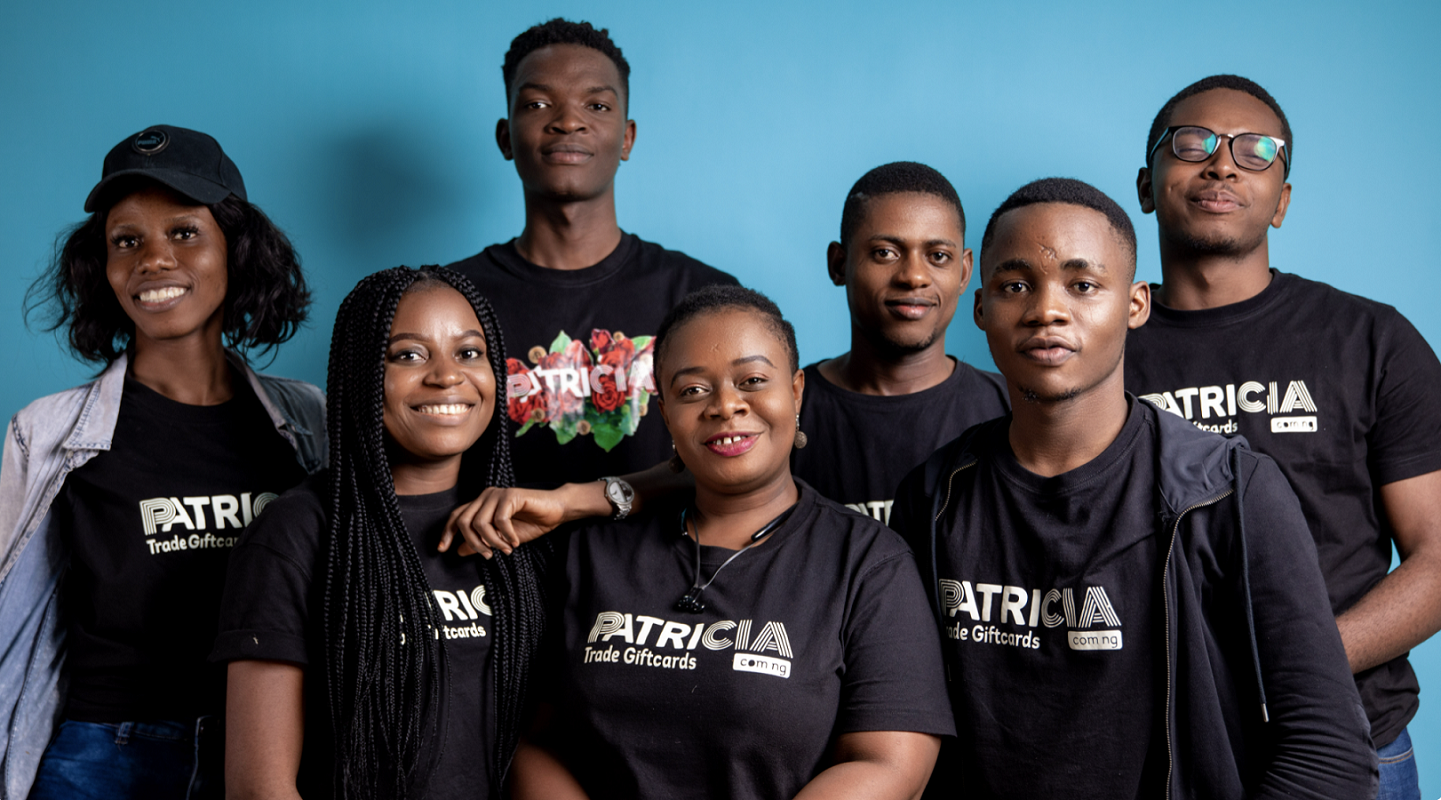
DLM Trust Company Disassociates From Patricia as Strategic Partner to Refund Customers Funds

0

DLM Trust company, a Development investment bank that provides innovative solutions to economic and social development problems, has disassociated itself from Nigerian crypto exchange Patricia, as a strategic partner to refund customers’ funds.

This is coming in the wake of media reports that the embattled crypto exchange company has signed an agreement with DLM Trust company to initiate and manage the process of repayment of funds to customers, as part of a wider strategy plan aimed at reassuring them of the safety of their funds and rebuilding trust.

In a statement seen and signed by the Managing Director of DLM Trust company, Mrs. Ololade Razaaq, she stated that the company will no longer be the escrow company for Patricia because the crypto company falsely presented DLM Trust as a partner.

She noted that the company was only acting as an escrow trust in repayment of N2 billion withheld customer funds.

Explaining that the development investment group was appointed as Escrow Trustee by Patricia to coordinate the management and disbursement of customers’ funds in Naira on October 18. Mrs Razaaq said the company was shocked that the crypto company portrayed the appointment as a partnership.

DLM Trust company wrote,

On this note, DLM Trust Company is announcing its resignation as Escrow Trustee to Patricia Technologies and dissociating itself from the town hall session announcement, which Patricia has circulated through emails to customers.

“It was our initial intention to assist thousands of Nigerians as an assigned Escrow to disburse their withheld funds with Patricia Technologies through the Naira Escrow Trust accounts; however in light of this situation, we sincerely apologize to all whose hopes were restored in anticipation of the disbursement by DLM Trust Company”.

The company further reiterated that it is a SEC-licensed trust company that prides itself in the transparent and prudent management of funds, and following certain violations by Patricia Technologies, it will no longer act as its escrow trust.

The MD Mrs Razaaq further clarified that DLM Trust Company, its parent company -DLM Capital Group, and seven other subsidiaries, have no affiliation with Patricia Technologies or any digital money companies, whether operating in Nigeria or offshore.

The company warned that they are not liable and will not be held accountable for Patricia Technologies’ withheld funds to its customers.

It would be recalled that Patricia CEO Hanu Fejiro had earlier announced a town hall session themed “Patricia Relaunch, DLM Partnership, All You Need to Know” which was  slated to hold at 2 p.m. on Friday, 27th October 2023.

He said,

“This partnership is part of our efforts to rebuild trust and reassure depositors of our commitment to repaying them fully and fairly. DLM Group is a reputable and experienced trustee company that will play a crucial role in ensuring that the repayment process is transparent, efficient, and equitable”.

The crypto exchange company has come under heavy criticism from users after it suffered a major cyberattack that resulted in the loss of customers’ funds. The company still faces the major challenge of refunding customers their funds.

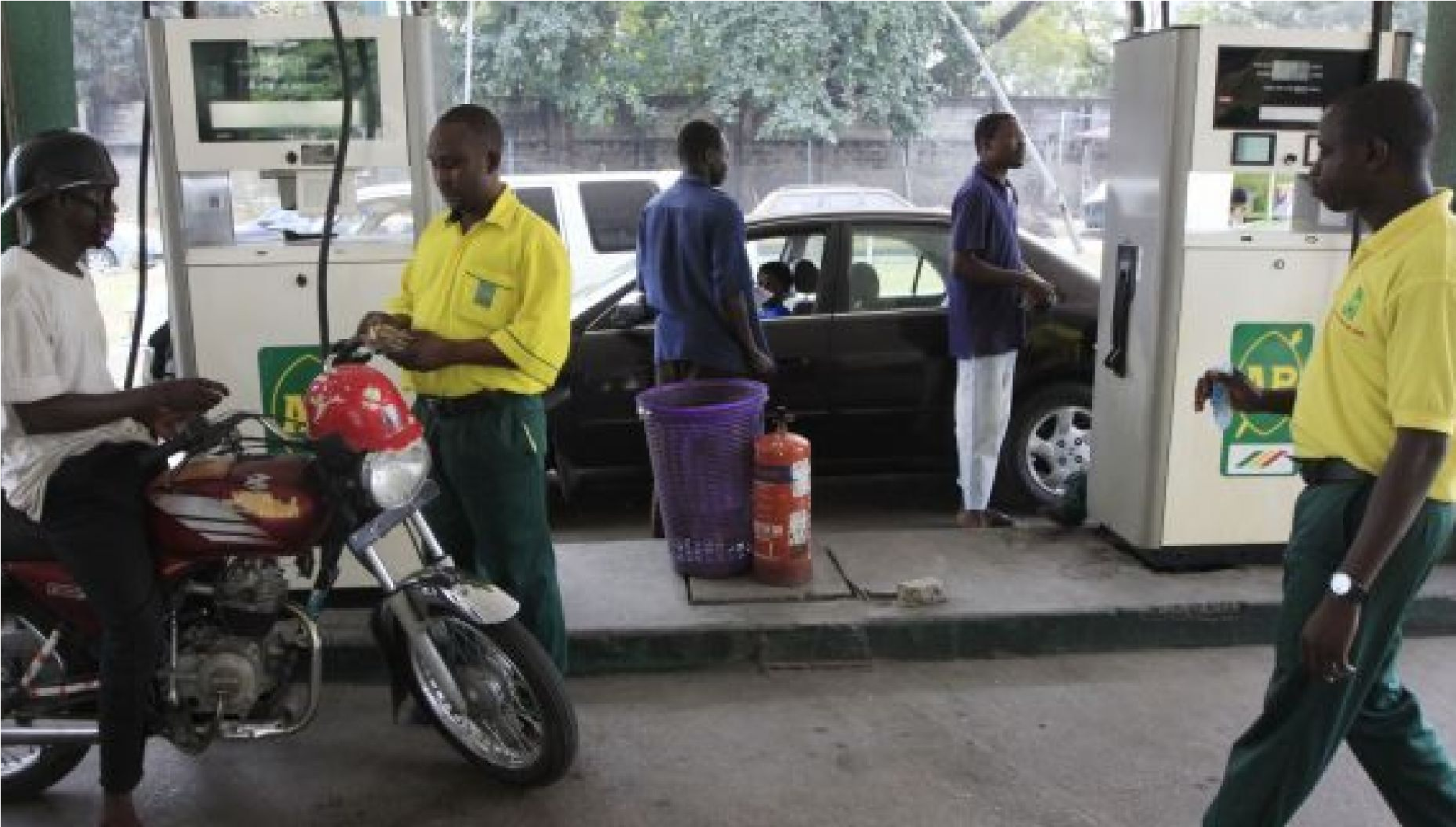
What if Subsidy on PMS is used on Food in Nigeria?

0

This is a question that many Nigerians have been asking in the wake of the recent fuel price hike. The government has argued that the subsidy on petrol and other petroleum products was unsustainable and wasteful, and that removing it would free up funds for other sectors, such as health, education, and infrastructure. But what if the subsidy was redirected to food instead?

According to the World Food Programme, Nigeria is home to more than 200 million people, of whom 90 million are living in extreme poverty. The country also faces multiple challenges such as conflict, climate change, population growth and COVID-19, which have worsened the food insecurity situation. About 9.2 million people are estimated to be in need of urgent food assistance in 2021, and more than 5 million children under five are suffering from acute malnutrition.

The subsidy on PMS and other petroleum products is estimated to cost the government about N1 trillion ($2.6 billion) annually, which is equivalent to about 0.8% of the country’s GDP. If this amount were redirected to food production and distribution, it could have a significant impact on reducing hunger and poverty in Nigeria.

Food is a basic necessity for human survival, and yet many Nigerians struggle to afford it. According to the National Bureau of Statistics, food inflation rose to 21.03% in August 2023, the highest level since 2017. The rising cost of food has been driven by factors such as insecurity, climate change, exchange rate fluctuations, and supply chain disruptions. As a result, many households have been forced to cut down on their food consumption, or resort to cheaper and less nutritious alternatives.

The impact of food insecurity on the well-being of Nigerians cannot be overstated. Hunger and malnutrition can lead to poor health outcomes, reduced productivity, lower educational attainment, and increased poverty. According to the World Food Programme, Nigeria has the second-highest burden of stunted children in the world, with 10.5 million children under five suffering from chronic malnutrition. Moreover, food insecurity can also fuel social unrest and violence, as people become desperate and frustrated.

Therefore, it is imperative that the government takes urgent steps to address the food crisis in Nigeria. One possible solution is to use the subsidy on PMS and other petroleum products to subsidize food instead. This would mean that the government would reduce the price of food items by paying part of the cost to the producers or distributors. This would make food more affordable and accessible for consumers, especially the poor and vulnerable.

The benefits of subsidizing food are manifold. First, it would improve the food security and nutrition status of millions of Nigerians, thereby enhancing their health and well-being. Second, it would stimulate the agricultural sector and create more jobs and income for farmers and agro-processors. Third, it would reduce the dependence on imported food and save foreign exchange for the country. Fourth, it would ease the pressure on household budgets and increase consumer spending and demand. Fifth, it would foster social stability and peace by reducing hunger-induced grievances and conflicts.

Of course, subsidizing food is not without its challenges and drawbacks. For one thing, it would require a huge amount of public funds that could otherwise be used for other purposes. For another thing, it would entail a complex and efficient system of targeting, monitoring, and evaluation to ensure that the subsidy reaches the intended beneficiaries and does not leak to middlemen or corrupt officials. Furthermore, it would pose a risk of creating market distortions and disincentives for private sector investment and innovation in the food industry.

Therefore, before implementing such a policy, the government would need to conduct a careful cost-benefit analysis and consult with various stakeholders, including farmers, traders, consumers, civil society groups, and development partners. The government would also need to complement the subsidy with other measures to address the root causes of food insecurity, such as improving security, infrastructure, storage facilities, extension services, credit access, input supply, quality standards, and market information.

Using the subsidy on PMS and other petroleum products to subsidize food is a potential option to tackle the food crisis in Nigeria. However, it is not a silver bullet that can solve all the problems in the sector. It requires careful planning, implementation, and evaluation to ensure that it achieves its objectives and does not create unintended consequences.

While it is tempting to imagine what if the subsidy on PMS and other petroleum products is now used on food in Nigeria, it is also important to consider the feasibility, implications and alternatives of such a scenario.

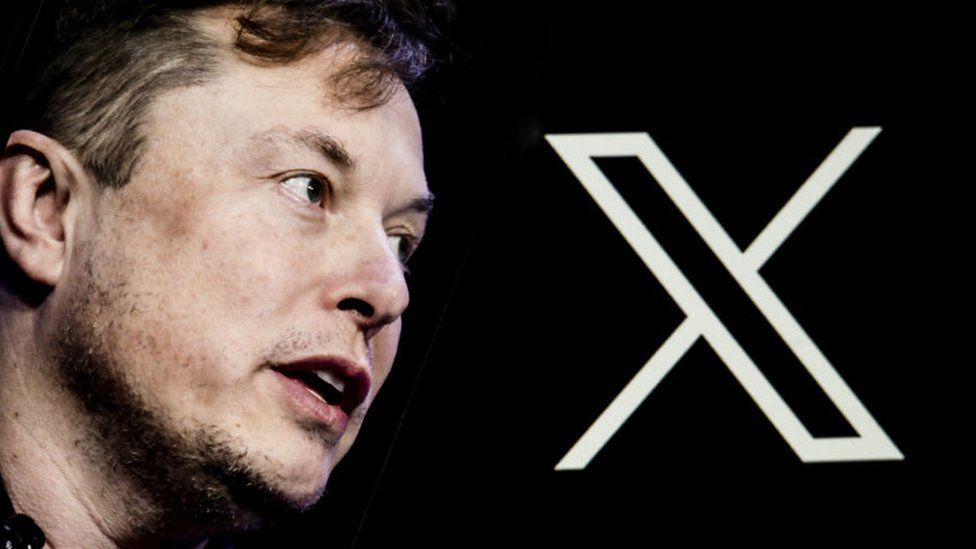
X Marks One Year Anniversary Under New Management, Reveals Record Sign-ups of Around 1.5 Million Per Day

0

X (formerly Twitter) has marked a year anniversary under new management after it revealed that the platform continues to record a remarkable average sign-ups of around 1.5 million per day.

One year after Elon Musk’s $44 billion purchase of X, the app has recorded significant giant strides, as loyal users are reported to spend more time on the platform, with 7.8 billion-plus active members per day, driven by growth in its video and community products.

Today, the average user spends more than 32 minutes of their day on X. Over half a billion of the world’s most informed and influential people come to X every month.

The social network noted that Premium users are spending three times longer on X than non-paying users. That’s not surprising given how X is incentivizing a set of eligible premium users for a payout. Last month, the company claimed that it had paid $20 million to creators, and that figure in the blog post is unchanged.

X’s CEO Linda Yaccarino in a blog post highlighted the achievements that the platform has achieved over a year.

Parts of the blog post reads,

October 27 marks the first anniversary of this platform under new ownership and management. I am incredibly proud of the work our team has been doing to accelerate the future of X. So let me share with you where we stand today;

Freedom of expression: X is now a place where everyone can freely express themselves, so long as they do so within the bounds of the law. We believe open and respectful discourse is the single best way for humanity to thrive.

“Safety: Safety on X remains a critical priority – our work is not done, but we are making real progress. Our trust and safety team is working around the clock to combat bad actors and consistently enforce our rules in areas such as hate speech, platform manipulation, child safety, impersonation, civic integrity, and more. We also remain committed to privacy and data protection.

“Partnerships: Our team also has an ongoing dialogue with external groups to keep up to date with potential risks and support the safety of the platform – partners like the Technology Coalition, Anti-Defamation League, American Jewish Committee, and Global Internet Forum to Counter Terrorism.

And if we can achieve all of this in just 12 months, just imagine the scope of our ambition for next year from expanded search to newswires to payments, we are just getting started. To our passionate and growing community and all of the teams, partners and customers who have been a part of this transformation, thank you” she concluded.

It is worth noting that X is leading the market in business verification as it enables organizations to verify and create a network of on-platform affiliate handles, allowing them to access all its premium features and expand their organic reach. On its community notes, the platform now has over 100k contributors in 43 countries and growing.

As Elon Musk continues to transform X into an everything app where users can increasingly connect to everything they care about, this move has enabled the company to evolve past a legacy mindset and reimagine how users around the world consume, interact, and transact all in one seamless interface. The platform is gradually transforming into a modern global town square.

South African Startup WhereIsMyTransport shutdown Operations Over Failure to Raise New Funding Round

0

South African mobility startup WhereIsMyStartup has wound down operations after it failed to secure a new funding round.

The company’s CEO Devin De Fries via a LinkedIn post revealed this while acknowledging several investors that backed the startup since its inception.

He said,

Having failed to raise our round, we’ve ceased our operations. I extend my gratitude to our investors for their support throughout our journey their backing was crucial to our endeavors. I also thank our dedicated team for their commitment and hard work in pursuing our mission.”

Founded in 2016, WhereIsMyStartup started in South Africa with a focus on becoming a central source of accurate and reliable public transport data for high-growth markets.

The startup had mapped a formal and informal public transport network and used the data to improve the public transport experience, with the aim to make commuting safe and accessible for people.

The startup began to collect local transport data in developing nations where public transport varies from unreliable to non-existent. Many people in these areas depend on private taxi services or friends and relatives to get around.

WhereIsMyTransport works with both local authorities and enterprises to standardize and map local transport routes, making them more accessible.

In South Africa, WhereIsMyTransport’s clients include the Johannesburg commuter rail system Gautrain and Transport for Cape Town. On the other hand, its international client base includes Google, the World Bank, and WSP, amongst several others, which used its data to examine access to job opportunities Vai public transport in 12 African cities.

In 2019, the startup mapped 34 cities in Africa while actively mapping some in India, Southeast Asia, and Latin America. Since then, it expanded into Mexico City and has completed multiple data, production projects in the city alongside Lima, Bangkok, Gauteng, and Dhaka.

In the same year, WherelsMyTransport also launched its first consumer product Rumbo, which provides network information from all modes of public transport in Mexico with more than 100,000 users delivering over 750,000 real-time network alerts.

Fast forward to 2021, the startup announced a $14.5 million Series A extension which was Co-led by Naspers Foundry to continue its expansion across emerging markets.

The extension round is coming a year after WhereIsMyTransport had previously successfully raised a $7.5 million Series A investment from VC firms and strategic investment from Google, Nedbank, and Toyota Tsusho Corporation (TTC).

In May 2022, the startup announced that it had mapped 50 cities across Africa, Latin America, Southeast Europe, and Asia. It is also worth noting that it was an alumnus of the now-defunct Naspers Foundry.