DD
MM
YYYY

PAGES

DD
MM
YYYY

spot_img

PAGES

Home Blog Page 3689

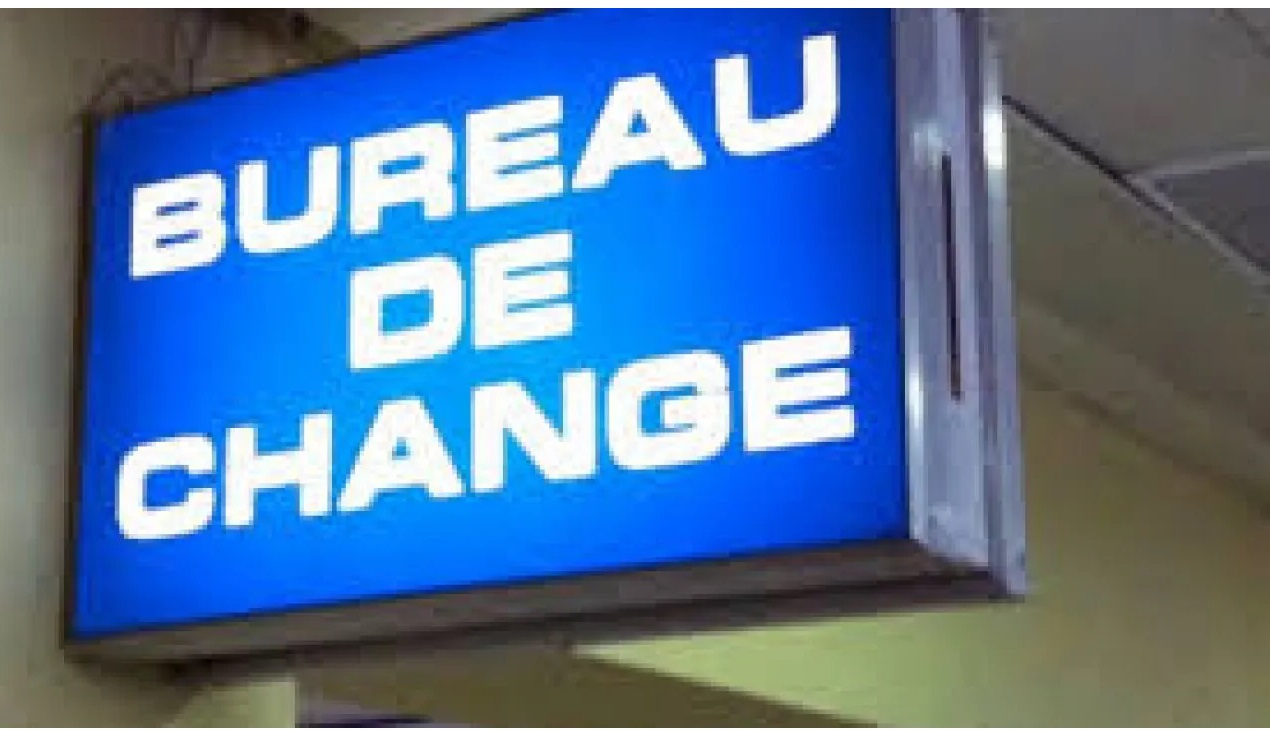
Central Bank of Nigeria’s proposed guidelines limit BDCs dollar outflow for Education and Medical Expenses to $10k and $5k annually

0

In a bid to address the challenges in Nigeria’s foreign exchange market, the Central Bank of Nigeria (CBN) has unveiled stringent measures targeting transactions related to overseas education and medical expenses.

These measures, part of the CBN’s revised regulatory guidelines for Bureau De Change (BDC) operators, aim to curb significant outflows of foreign currency and stabilize the value of the Naira.

“BDCs may sell foreign currency up to the equivalent of USD10,000 to a customer for school fee once a year. Such fee, which shall be transferred from the BDC’s domiciliary account with a Nigerian bank, shall be paid directly to the school,” the proposed guideline said.

Similarly, the guideline highlighted the imposition of a limit of $5,000 per annum for foreign currency transactions for medical bills abroad.

“Funds for medical bills will be transferred directly from the BDC’s account to the medical facility,” it explained, adding that it must be supported by comprehensive documentation, including a completed e-Form A, a referral letter from a recognized specialist doctor or hospital in Nigeria, valid travel documents, and a letter from an overseas medical professional detailing the cost of treatment.

Recently, the central bank has announced a series of new guidelines, changing existing rules. CBN governor Yemi Cardoso, said these measures are essential to mitigate the challenges posed by significant outflows for foreign education and medical tourism, which have contributed to the depreciation of the Naira beyond N1,600 in the official market.

The apex bank head said in recent years, approximately $40 billion has been directed towards these sectors. He explained that such massive outflows have exerted immense pressure on the country’s foreign exchange reserves and have contributed to the depreciation of the Naira, impacting the economy at large.

The proposed regulations also affect International Money Transfer Operators (IMTOs), including major entities like Western Union and MoneyGram, restricting their services to inbound transfers with mandatory Naira payouts. Additionally, the issuance of Personal Travel Allowance (PTA) and Business Travel Allowance (BTA) will no longer be in cash but through electronic means.

Analysts anticipate that these measures could have significant implications for Nigerian international students. With the Naira facing substantial devaluation against the dollar, the proposed $10,000 yearly limit for international study fees may present challenges as the BDCs are major source of FX for many international students.

In light of the current exchange rate, $10,000 is nearly equivalent to N18 million. This means that Nigerian students may require more than a year to receive sufficient outbound funds to cover their annual school fees, potentially delaying their education plans and increasing financial burdens.

In response to the proposed regulations, stakeholders have expressed concerns about the potential impact on access to quality education for Nigerian students studying abroad, particularly some students from low-income backgrounds who rely on foreign exchange transactions to fund their education overseas.

While the measures aim to stabilize the Naira, it is believed that they could inadvertently restrict opportunities for educational advancement.

Furthermore, there are concerns regarding the effectiveness of the proposed measures in addressing the root causes of currency depreciation and foreign exchange instability. While these measures may offer temporary relief to the foreign exchange market, experts believe that they do not address underlying economic challenges such as inflation and fiscal deficits.

Against the backdrop of the implications of these measures, stakeholders said there is a need for a balanced approach that ensures the stability of the Naira without compromising access to quality education for Nigerian students. They said comprehensive economic reforms are necessary to ensure long-term stability and sustainable growth.

Largest Bitcoin Holder MicroStrategy’s X Account Hacked, Users Lose Over $440,000

0

Pioneer in AI-powered cloud analytics, and the largest public holder of Bitcoin, MicroStrategy’s X account was reported to have been hacked, which saw users lose Oliver $440,000.

The breach transpired on a Monday in Asia, orchestrated by an adept attacker who strategically placed and subsequently deleted a post on MicroStrategy’s X page.

Reports disclose that hackers posted a series of malicious links to a fake airdrop for a so-called Ethereum-based MSTR token.

Users who clicked on the link were directed to a lookalike MicroStrategy webpage that directed them to connect a wallet and claim the fake MSTR airdrop. Once users accept a series of permissions in their Web3 wallet, it is understood that the attackers can automatically drain the tokens out of the user’s wallet.

According to a report from blockchain sleuth ZachXBT and anti-scam platform, Scam Sniffer, one user alone lost over $420,000 worth of altcoins, including wBAI, CHEX, and wPOKT.

Reacting to the incident, crypto industry experts have criticized the scam for its obvious nature, noting that MicroStrategy is a form that is exclusively focused on Bitcoin, and it is highly unlikely that it would launch a token on Ethereum.

MicroStrategy’s co-founder, Michael Saylor, an influential figure in the crypto space said,

“Obviously trying not to be victim-blaming here but you gotta be very special to think MicroStrategy is launching an ETH token after Saylor has spent multiple years very famously saying there is no second best and you only use one chair”.

MicroStrategy has not yet publicly commented on the hack. It is the largest independent publicly traded analytics and business intelligence company. The MicroStrategy analytics platform is consistently rated as the best in enterprise analytics and is used by many of the world’s most admired brands in the Fortune Global 500.

It pursues two corporate strategies: (1) grow our enterprise analytics software business to promote our vision of Intelligence Everywhere and (2) acquire and hold Bitcoin, which it views as a dependable store of value supported by a robust, public, open-source architecture untethered to sovereign monetary policy.

Presently, MicroStrategy’s Bitcoin holdings are estimated to be around $10 billion, a testament to the digital asset’s recent surge in value. The company recently announced a purchase of $37 million worth of BTC in its earnings call, bringing its total holdings to over $8.1 billion.

However, the company has a history of being targeted by scammers. In 2022, the company’s CEO, Michael Saylor, was impersonated on social media in an attempt to promote a fake cryptocurrency giveaway.

The recent breach raises pertinent questions about the overall security infrastructure of companies deeply entrenched in the world of cryptocurrencies.

As the adoption of digital assets continues to gain momentum, the threats posed by sophisticated hackers seeking unauthorized access and exploiting the trust of unsuspecting users have become more pronounced. 

The hack on MicroStrategy’s X account serves as a stark reminder of the evolving and dynamic nature of cyber threats within the cryptocurrency space.

Nigerian Government’s Crackdown on BDC Operators ill-advised and Wrongly Directed – Peter Obi

0

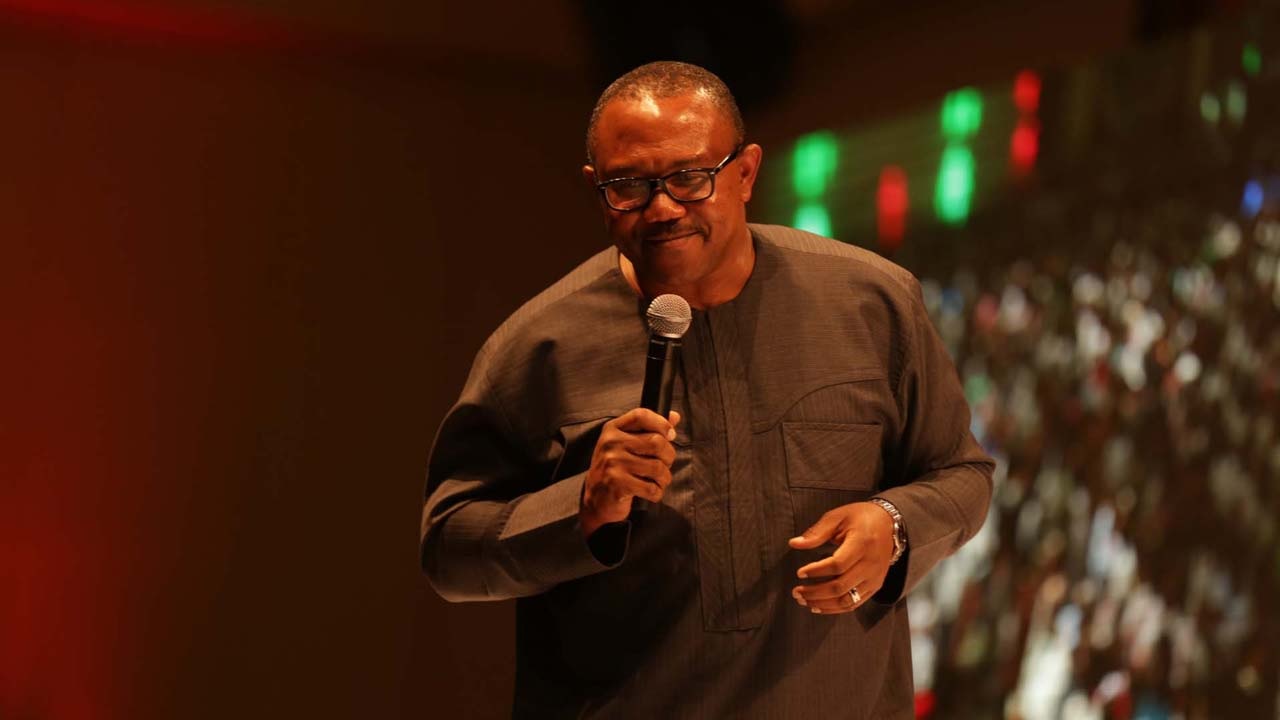
Peter Obi, the presidential candidate of the Labour Party in the 2023 elections, has condemned the reported clampdown on Bureau de Change (BDC) operators by government agencies, describing it as ill-advised and misdirected.

In a statement posted on his social media account, the former governor of Anambra State expressed concerns that the government’s actions would exacerbate the country’s exchange rate woes rather than alleviate them.

Obi asserted that targeting BDC operators would not address the root causes of Nigeria’s foreign exchange challenges. He argued that BDCs are not the primary suppliers of forex and merely serve as intermediaries for buyers and sellers of foreign currency.

He said that similar to other economies, BDCs play a crucial role in facilitating currency exchange transactions.

“The recent reported attacks and disruption of the business activities of Bureaux de Change (BDCs) operators in different urban centers across the country by Government Agencies, are ill-advised and wrongly directed,” Obi stated in his post.

He further emphasized the need for a comprehensive approach to address the underlying factors contributing to the depreciation of the Naira. Obi emphasized the importance of transitioning Nigeria from a consumption-oriented economy to one driven by production, particularly export-led production.

“To think that the BDCs are the cause of the declining value of the Naira is a smack on rational economic thinking,” Obi remarked.

Additionally, he highlighted the need to combat corruption, which he identified as a significant factor fueling the demand for foreign currency.

“As long as Nigeria remains an unproductive economy and corruption continues unfettered with people in possession of unproductive excess cash, the value of our currency will continue to depreciate.”

The former Anambra State governor called on government officials to adopt a more nuanced understanding of modern economic principles and tailor their policies accordingly. He stressed the importance of addressing structural deficiencies and implementing measures that promote productivity and transparency in the economy.

“The only way to shore up the value of our currency is to move the country from consumption to production, especially export-led production, and fight corruption, which allows unproductive money to pursue the available supply of foreign currency,” he said.

Obi’s remarks come in the wake of recent raids conducted by the Economic and Financial Crimes Commission (EFCC) against illegal BDC operators in various parts of the country on February 21, 2024. The crackdown is said to be part of the government’s efforts to curb illicit financial activities and enforce regulatory compliance within the foreign exchange market.

Before now, economists have shared Obi’s sentiment regarding Nigeria’s FX crisis, which has been significantly attributed to the nation’s declining oil revenue.

A series of advice has been provided to the government on how to boost FX liquidity as a solution to the country’s forex crisis. Here are some recommendations:

Promote Export Diversification: Nigeria’s economy is heavily reliant on oil exports, which exposes it to fluctuations in global oil prices. To mitigate this vulnerability and boost FX liquidity, the government has been advised to prioritize diversifying the export base by supporting non-oil sectors such as agriculture, manufacturing, and services. Encouraging exports in these sectors is said to have the capacity to generate additional foreign exchange earnings and reduce the country’s dependence on oil revenue.

Improve Ease of Doing Business: the government has also been advised to streamline bureaucratic processes and reduce regulatory hurdles to attract foreign direct investment (FDI) and stimulate economic growth. Experts say that by creating a more conducive business environment, the government can attract investment inflows, enhance productivity, and bolster FX reserves.

Enhance Foreign Investor Confidence: Implementing transparent and consistent economic policies has also been advocated as a way to instill confidence in foreign investors and attract capital inflows. According to economic experts, clear fiscal and monetary policies, as well as adherence to the rule of law, can help reassure investors about the stability and predictability of Nigeria’s economic environment.

Strengthen Monetary Policy Framework: The Central Bank of Nigeria (CBN) plays a critical role in managing FX liquidity through its monetary policy tools. The apex bank has been urged to implement effective monetary policies aimed at maintaining price stability and managing inflation, thereby instilling confidence in the domestic currency and attracting foreign investment.

Encourage Remittances: Remittances from Nigerians living abroad constitute a significant source of FX inflows. The government has been asked to implement policies to encourage diaspora remittances, such as offering incentives for formal channels, reducing transfer fees, and facilitating access to financial services for remittance recipients.

Combat Corruption: Corruption undermines economic stability and erodes investor confidence. Implementing robust anti-corruption measures and strengthening institutional frameworks for accountability and transparency is said to be key in curbing illicit financial flows and preserving FX reserves.

Invest in Infrastructure: Investing in critical infrastructure projects, such as transportation, energy, and telecommunications, can improve productivity, reduce production costs, and attract investment. Financial analysts believe that infrastructure development will enhance Nigeria’s competitiveness and attractiveness to foreign investors, thereby boosting FX liquidity.

Promote Financial Inclusion: Expanding access to financial services, particularly in rural and underserved areas, is said to be a way to promote savings mobilization, investment, and economic growth. The government has been advised to promote financial inclusion initiatives to broaden the investor base and stimulate economic activity, thereby contributing to FX liquidity.

Experts say that by implementing these measures in conjunction with a holistic approach to economic management, the Nigerian government can address the country’s forex crisis and promote sustainable economic growth. They added that it is essential to adopt a coordinated and multi-faceted strategy that addresses the root causes of FX volatility and strengthens the resilience of Nigeria’s economy.

Central Bank of Nigeria Implements Stricter Capital Requirements for Bureau de Change Operators

0

In a bid to strengthen regulatory oversight and fortify the integrity of Nigeria’s foreign exchange market, the Central Bank of Nigeria (CBN) has announced a significant overhaul of the minimum capital requirements for Bureau de Change (BDC) operators in the country, among other changes.

Under the revised Regulatory and Supervisory Guidelines for Bureau de Change Operations in Nigeria, Tier 1 license holders will now be subject to a minimum capital requirement of N2 billion, marking a substantial increase from the previous threshold. Similarly, Tier 2 license holders will be required to maintain a minimum capital of N500 million.

Also, under the revised guideline, Tier 1 operators are required to deposit a caution deposit of N200 million. Additionally, they must pay application and license fees of N1 million and N5 million respectively, along with an annual renewal fee of N5 million.

For Tier 2 operators, the caution deposit is set at N50 million. Application and license fees amount to N250,000 and N2 million respectively, with an annual renewal fee of N1 million.

The new directives, unveiled on Friday, represent a notable departure from previous thresholds and are poised to reshape the BDC operations across the nation.

In the previous guideline that came into effect in January 2016, the non-refundable application fee was N100,000, and the licensing fee was N1 million. The mandatory caution deposit stood at N35 million, and the annual licensing renewal fee was N250,000.

This move underscores the CBN’s commitment to enhancing the regulatory framework governing BDC operations, in accordance with its mandate under Section 56 of the Banks and Other Financial Institutions Act, 2020 (BOFIA).

According to a circular signed by Haruna Mustapha, Director of the Financial Policy and Regulation Department at the CBN, the updated guidelines are strategically crafted to elevate corporate governance standards, reinforce anti-money laundering provisions, and streamline licensing requirements for BDCs. The circular indicated that these measures are essential amidst ongoing reforms aimed at bolstering the efficiency and transparency of the foreign exchange market.

The revised guidelines also address key areas such as board composition and operational protocols for BDCs. Tier 1 BDCs are mandated to have a board comprising a minimum of three directors, including at least two independent non-executive directors. Similarly, Tier 2 BDCs must have a board with at least one independent non-executive director.

“The number of independent non-executive directors shall be at least 2 for tier 1 BDCs and 1 for tier 2 BDCs, provided that where a BDC is publicly listed, it shall comply with the applicable provisions of CAMA 2020. A tier 1 BDC shall have an Executive Director other than the MD/CEO. A tier 2 BDC may have an ED apart from the MD/CEO,” it said.

The guidelines advocate for gender diversity on BDC boards, in alignment with principles of women’s economic empowerment, marking a shift from the previous one.

However, Paul Alaje, Chief Economist at SPM Professionals, offered insights into the implications of the new capital requirements. While acknowledging the potential benefits of the revised framework, Alaje highlighted the challenges it may pose, particularly amidst the current economic climate.

He said the increased barrier to entry for owning a BDC license presents a significant challenge, especially in the context of the prevailing economic crisis, adding that while the stricter capital requirements may enhance market stability and promote investor confidence, they could also potentially deter prospective BDC operators, thereby limiting market participation.

In addition to capital requirements, the revised guidelines introduce stringent operational protocols for BDCs. All transactions by residents are now mandated to commence only after electronic retrieval of the potential customer’s Bank Verification Number (BVN) or Tax Identification Number (TIN) from relevant databases. BDCs are also required to obtain comprehensive documentation for foreign exchange transactions, particularly those exceeding specified limits.

Furthermore, the guidelines outline strict protocols for transactions conducted at border control areas, mandating electronic crediting or transfer of Naira proceeds to customers’ accounts or prepaid cards. Non-resident visitors engaging in forex transactions with BDCs must adhere to stringent identification requirements, including the provision of valid travel documents.

While applauding the efforts to enhance market transparency and combat money laundering, Alaje raised concerns regarding the practical implementation of these measures. He noted potential challenges in enforcing compliance, particularly in detecting cash transactions conducted outside the purview of BDCs.

“The challenge lies in effective implementation and monitoring of these regulations,” Alaje remarked. He noted that despite the stringent protocols outlined in the revised guidelines, there remains a risk of non-compliance and illicit transactions taking place beyond the oversight of BDCs.

“The challenge is that of implementation, two persons can meet in any corner of any room and exchange cash without BDC explaining. Recall that the former CBN Governor has done a similar reform where BDCs will need to report to whom they gave money but BDCs did not completely comply and there was no punishment.

“With this new regulation whether there will be punishment or not is another kettle of fish. If there is punishment for instance punishment could be no supply of FX to such BDC that faulted the law” he said.

The CBN’s decision to revise the capital requirements for BDC operators has been hailed in many quarters as a bold step in fostering transparency and a vibrant foreign exchange market. While the stringent measures outlined in the revised guidelines are poised to elevate regulatory standards, stakeholders emphasize the importance of balanced implementation and ongoing policy adjustments to address potential market frictions effectively.

The Power of Textures: Incorporating Tactile Elements in Design

0

In the world of design, where aesthetics reign supreme, the subtle touch of a barrel chair slipcover can transform a space from mundane to mesmerizing. Textures, often underestimated, hold the key to a sensory experience that goes beyond the visual. It’s about engaging touch, sight, and emotions, creating a symphony that resonates within the walls of a room. Today, we delve into the transformative power of textures and explore how incorporating tactile elements can elevate your design endeavors.

The Role of Textures: Enhancing Visual and Tactile Perception

Textures are the unsung heroes of interior design, wielding their transformative powers to elevate spaces from mundane to mesmerizing. They don’t just adorn surfaces; they infuse rooms with personality, depth, and a tangible sense of atmosphere. Imagine sinking into a plush armchair, your fingers tracing the intricate patterns of a textured throw blanket, while beneath your feet, a rugged sisal rug grounds the space in earthy authenticity. These tactile elements converge to create a sensory symphony, inviting you to immerse yourself in a world where every touch tells a story.

Understanding Texture Categories: Soft, Rough, Smooth, and Beyond

Like the varied notes of a melody, textures dance across the spectrum, each imparting its own distinct mood and sensation. Soft textures, reminiscent of cloud-like cushions and velvety drapes, cocoon us in comfort and tranquility, offering a respite from the hustle and bustle of daily life. On the flip side, rough textures speak of rugged resilience and organic charm, adding a touch of rustic allure to any space. Meanwhile, the sleek allure of smooth surfaces, polished to perfection, exudes a sense of refinement and modernity, effortlessly elevating the ambiance. Beyond these primary categories lies a myriad of textures waiting to be explored, each with its own story to tell and its own unique contribution to the sensory landscape of your design journey.

Textures in Different Design Styles: Adapting to Aesthetics

Textures play a chameleon’s role, seamlessly adapting to various design styles. From the sleek minimalism of a modern space to the cozy charm of rustic interiors, textures are the silent orchestrators, effortlessly transforming a room’s personality. They add a tactile layer to design styles, creating a visual language that speaks to the overall vibe. Let’s embark on a journey to explore the nuanced dance of textures in different design aesthetics, showcasing their power to define and refine, ensuring each space tells a unique story through the artful selection of tactile elements.

Textures are not only adept at adapting to different design styles but also at enhancing the sensory experience within each space. In a modern setting characterized by clean lines and geometric shapes, textures like smooth marble or sleek metal accents can introduce a sense of sophistication and luxury.

Conversely, in rustic interiors where warmth and coziness reign supreme, textures such as weathered wood and soft, tactile fabrics evoke a sense of comfort and nostalgia. By understanding how textures can evoke specific emotions and enhance the overall ambiance, designers can wield them as powerful tools to craft immersive environments that resonate with inhabitants on both a visual and tactile level.

The Art of Layering: Creating Depth and Dimension

Like a masterful painting, layering textures adds depth and dimension to a space. It’s the careful interplay of contrasts and compliments that brings a room to life, turning it into a canvas of sensory delights. Consider the marriage of a velvety throw on a leather sofa or a woven rug atop a polished floor — it’s about achieving a delicate balance and harmony in every tactile detail. Discover the art of layering textures effectively, ensuring a visual feast that tantalizes the eyes without overwhelming the senses, creating a space where every touch tells a story.

In the realm of texture layering, the magic lies not only in the selection of materials but also in the strategic placement of each element. By layering textures thoughtfully, designers can guide the eye and create visual focal points that draw inhabitants into the space. Imagine the drama of a luxurious fur throw draped over a velvet chaise lounge or the subtle elegance of a silk curtain cascading beside a rough-hewn stone fireplace.

Each layer adds a new dimension to the narrative of the room, weaving together a tapestry of sensory experiences that captivate and inspire. Mastering this art ensures that every corner of the space becomes a canvas where texture tells its own unique story, inviting exploration and enchantment.

Tactile Elements in Interior Spaces: From Furniture to Decor

Furniture and decor choices are the protagonists in the texture saga. The touch of wood, the embrace of fabric, the coolness of metal — these elements define the tactile experience of a room, turning it into a narrative of touch and feel. As we delve into the significance of incorporating tactile elements, envision how a room comes alive with carefully selected textures in every furnishing and decor item. It’s not merely about choosing furniture; it’s about curating an immersive experience where each piece invites you to explore its unique texture, adding layers to the story of the space.

Nature-Inspired Textures: Bringing the Outdoors In

Nature’s textures are design treasures waiting to be discovered. The raw beauty of stone, the warmth of wood, and the gentle embrace of plant fibers — bring the outdoors in, creating a haven of calm and grounding within the walls of your home. Uncover the secrets of seamlessly integrating these natural textures into indoor spaces, offering a timeless connection to the world outside. Let your living space echo the serenity of nature, where every touch and every glance becomes a tranquil journey through the textures of the great outdoors.

Transforming Spaces with Textures

In the realm of design, textures are the unsung heroes, quietly transforming spaces into living, breathing works of art. As we wrap up this journey, remember the power held within the tactile embrace of textures. From the cozy familiarity of a barrel chair slipcover to the grandeur of natural textures, the possibilities are endless. So, go ahead, experiment, and let the transformative power of textures guide you to create a rich, sensory design experience that speaks to the soul of every room. Your design journey has just begun.