DD
MM
YYYY

PAGES

DD
MM
YYYY

spot_img

PAGES

Home Blog Page 3693

Why Nigerians Excel Worldwide

0

Africa, the cradle of humanity, and Nigeria have much in common. To get to Africa in all ramifications, one needs to understand Nigeria and Nigerians in some cases. In terms of African presence in other continents, there is no way one would not meet a Nigerian. Talking about productivity and significant contributions, Africans through Nigerians are always there. But beyond the shared heritage, there is a remarkable trend that transcends borders and continents: the resounding success of Nigerians around the world. Whether it’s in the field of business, academics, the arts, or science, Nigerians consistently shine, earning respect and admiration. The question that looms large is why Nigerians, wherever they go, tend to excel. What is it about their DNA that propels them to success?

A Culture of Tenacity: Nigerians are renowned for their unwavering determination and resilience. This cultural trait is deeply ingrained in their DNA. Growing up in a nation with its share of challenges, Nigerians learn to adapt and persevere from an early age. This ingrained tenacity becomes a driving force that propels them forward, no matter where they find themselves in the world.

Education as a Priority: Nigerians place a high value on education. The belief that education is the key to a brighter future is deeply entrenched in the culture. Parents, often making significant sacrifices, invest heavily in their children’s education. This focus on learning paves the way for Nigerians to excel in various fields, from medicine and engineering to the humanities and beyond.

A Global Perspective: Nigerians tend to have a global outlook. The country’s diversity and rich tapestry of ethnic groups and languages teach Nigerians to embrace different perspectives and appreciate the global nature of the world. This global perspective makes it easier for Nigerians to adapt and excel in international environments.

The Power of Diversity: Nigeria is a multi-ethnic and multicultural nation, which nurtures a unique ability to bridge cultural gaps. Nigerians are often multilingual, which enhances their ability to connect with people from various backgrounds. This diversity is a tremendous asset, enabling them to navigate the intricacies of different cultures and build bridges across communities.

Entrepreneurial Spirit: Nigerians have a remarkable entrepreneurial spirit. This drive to create opportunities, rather than just seek them, is a powerful force in their success. It’s not uncommon to find Nigerians starting businesses, innovating, and making a mark in the corporate world, not only in Africa but also on a global scale.

Resilience in the Face of Adversity: Nigerians have faced their fair share of challenges and adversities, from economic downturns to political instability. This resilience in the face of adversity has sculpted their character and given them the fortitude to push through hardships. This capacity to adapt to changing circumstances is an essential element of their DNA.

Diverse Skill Sets: Nigerians often possess a wide range of skills and talents. Whether it’s excelling in sports, music, or technology, Nigerians seem to have a natural ability to develop expertise across different domains. This multifaceted approach to life empowers them to explore diverse fields and excel in each.

Strong Community Bonds: Nigerians have strong community ties, both within their home country and within diaspora communities. This sense of belonging and mutual support fosters a sense of unity and the ability to network effectively. These bonds become critical in helping Nigerians succeed on the international stage.

Adaptability: The ability to adapt to different environments is another hallmark of Nigerians’ success. Be it a bustling metropolis or a quiet rural area, Nigerians can find their footing and thrive. This adaptability is a testament to their innate flexibility and resilience.

A Sense of Purpose: Nigerians often approach life with a profound sense of purpose. They are driven by a desire to succeed not only for personal gain but also to uplift their communities and families. This noble purpose is a powerful motivator that propels them toward success.

Nigerians have undoubtedly left an indelible mark on the global stage, and their success is no accident. It’s the culmination of a complex DNA forged in the crucible of diversity, tenacity, education, and an unwavering spirit. These elements converge to create a formula for achievement that transcends borders. The success of Nigerians is a testament to the fact that success knows no nationality and that with the right blend of determination, education, adaptability, and a global perspective, anyone can excel on the world stage.

So, when we ask why Nigerians excel wherever they go, it’s not just about their DNA; it’s about the remarkable qualities they embody and the culture that nurtures success. The rest of the world can certainly learn from this extraordinary phenomenon and be inspired to reach greater heights.
Politics, Economics and the Quest for Naira Stability

0

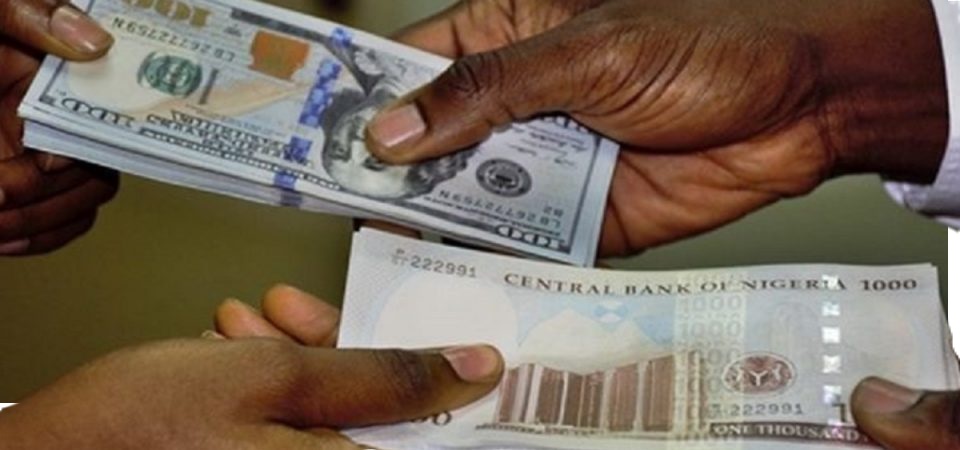
The Nigerian Naira, from the 1970s through the 1980s and up until October 28, 2023, has been caught in a perpetual dance with foreign currencies, notably the US dollar, euro, and pounds. This tumultuous journey has seen a continuous struggle to maintain its value. Government policies and initiatives aimed at strengthening the currency have come and gone, yet depreciation remains a persistent issue. When occasional appreciation occurs, doubts linger over its sustainability. The government’s finger often points at speculators. Still, public affairs analysts and other stakeholders assert that the root of the problem lies in the government’s inability to formulate and execute effective policies for long-term currency stability.

The Historical Landscape: The 1970s and 1980s marked a significant period in Nigeria’s economic history, the economic terrain of the time was marred by political instability, global oil price fluctuations, and mismanagement of resources. These factors sowed the seeds of a currency that would struggle to maintain its value for decades.

Government’s Struggle for Stability: Over the years, various administrations have attempted to rectify the Naira’s depreciating value. Measures such as foreign exchange controls, import bans, and currency pegs have been implemented. However, the effectiveness and longevity of these policies have been questionable. One recurring issue is a lack of consistency in policy implementation. Frequent changes in leadership and political instability have hindered the long-term effectiveness of these efforts.

The Blame Game: Governments have often resorted to blaming speculators for the Naira’s woes. While speculative activities do play a role in currency fluctuations, the real problem might be closer to home. The government’s policy pronouncements, often devoid of a clear, long-term vision, contribute to economic uncertainty. Inconsistencies in monetary and fiscal policies have made speculators more powerful, as they capitalize on policy vacillations.

A Call for Prudent Policies: Public affairs analysts and stakeholders argue that it’s not speculators but the government’s inadequacies that are at the core of the crisis. The lack of fiscal discipline, corruption, inadequate diversification of the economy, and poor infrastructure are significant factors impeding currency stability. To address these issues, the government must adopt prudent, long-term policies prioritising economic diversification, fiscal responsibility, and infrastructure development.

The Nigerian Naira’s enduring struggle against depreciation is a complex interplay of politics and economics. While it’s easy to point fingers at speculators, the government’s actions, or lack thereof, play a substantial role in this ongoing crisis. To truly address the Naira’s woes, Nigeria needs consistent, well-thought-out policies that focus on diversification, fiscal responsibility, and infrastructure development. Only through these measures can the Naira hope to regain and maintain its value in the turbulent waters of the global economy.

Beyond Working Long Hours

0

I do not teach working long hours; I preach for professionals to focus on how to earn more per hour, at personal level. In Tekedia Mini-MBA, in our Personal Economy module, I explain to young people that building enduring wealth does not come by working all the time, rather, by optimizing how to make more per hour. 

As a cybersecurity person, can another certificate add $15 per hour to your paycheck? As a healthcare professional, would a nursing license give you extra $30 per hour?

But if you just focus on working all the hours in the day,  it will become like being unborn tomorrow, but  perished yesterday!

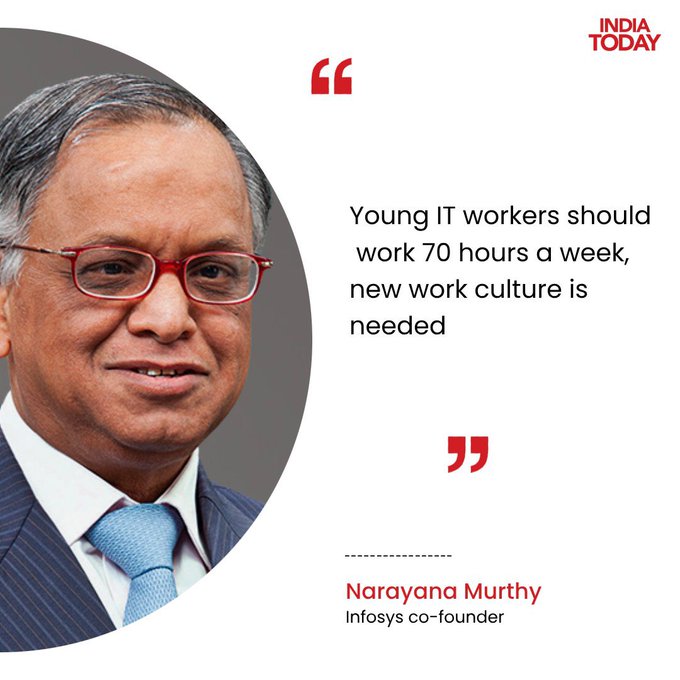
I am not of the opinion that people should be encouraged to work all hours, considering that in most developing parts of the world, youth unemployment is HIGH. We can have two young people work 40 hours and still accomplish the mission, over just one person doing 70 hours (that is a personal decision of course).

I do not believe in super long hours. I consider that as a sign of inefficiency if work-effort is well optimized. As a lead designer, my team members who told me they returned on weekends to finish work consistently, did not make good impressions, when I knew the work assigned to them ought to have been completed within 40 hours in a week. As a supervisor and mentor, I invested efforts to see how they could finish their work without coming to office over the weekend. For one, a little planning was all that he needed.

I sleep early and I wake up fairly within the gaussian normal distribution space for most global citizens of We The People; I consistently improve my tactics and efficiency to get things done on time. Yes, I can contribute a lot but that does not require spending all the hours working!

Personally, I do believe that the world should push and prepare people towards more efficiency over spending all the hours working! You do not need to work 70 hours in a week to be successful or productive, despite what a legendary billionaire posits.

Huawei Reports $62.4bn Revenue in Jan-Sept, Defying US Sanctions

0
Huawei Mate X

Chinese telecoms equipment maker Huawei Technologies announced that its revenue for the first nine months of the year reached 456.6 billion yuan ($62.4 billion), reflecting a 2.4% increase compared to the same period the previous year.

The company also stated that its net profit margin was 16%, without providing a comparison basis.

Ken Hu, Huawei’s rotating chairman, expressed his gratitude to customers and partners and reaffirmed the company’s commitment to increasing investment in research and development.

“Moving forward, we will continue to increase our investment in R&D to make the most of our business portfolio and take the competitiveness of our products and services to new heights,” Hu said.

Huawei has faced significant challenges since being placed on a U.S. blacklist by former President Donald Trump, which restricted the company’s ability to do business with U.S. firms. The move cut off Huawei’s access to U.S. processor chips and other technologies. Huawei has consistently denied allegations of being a security risk and maintains that it does not engage in spying for the Chinese government.

To counter the effects of U.S. sanctions, Huawei shifted its focus to helping companies, factories, and mines digitize their operations. The company has continued to invest heavily in research and development, with a significant portion of its revenue allocated to R&D. It has also invested in advanced technologies, including computer chips and autonomous driving.

In September, Huawei garnered attention when it launched its Mate 60 smartphone series in China. The high-end Mate 60 Pro smartphone featured a domestically-made advanced chip, signaling Huawei’s efforts to overcome U.S. sanctions. Chinese consumers responded positively to the Mate 60 phones, leading to a 37% increase in Huawei’s smartphone sales for the third quarter, while other brands experienced declining sales growth.

Huawei recently opened a health lab in Helsinki, Finland, as part of its commitment to advancing research in health monitoring algorithms for wearable technologies.

The recent profit indicates that the telecom giant has significantly defied the U.S. ban, and is on a path to becoming fully self-sufficient.

Kenya Government Partners with Huawei for ICT Infrastructure Development

The government of Kenya has announced a strategic partnership with Huawei, a global leader in information and communication technology (ICT), to accelerate the development and digitization of the country’s ICT infrastructure. The partnership aims to enhance connectivity, improve public services, and create more opportunities for innovation and economic growth.

According to a press release from the Ministry of ICT, Innovation and Youth Affairs, the partnership will focus on four key areas: broadband network expansion, smart city solutions, digital skills training, and e-government services. The partnership will also support the implementation of the Digital Economy Blueprint, which was launched by President Uhuru Kenyatta in 2019.

Huawei has been a long-term partner of Kenya in the ICT sector, having worked with various government agencies and private sector players to deploy cutting-edge technologies such as 4G, 5G, cloud computing, artificial intelligence, and Internet of Things. Huawei has also invested in several corporate social responsibility initiatives, such as the Seeds for the Future program, which provides ICT training and scholarships to young Kenyans.

However, the partnership also faces some challenges and risks that need to be addressed. For instance, some critics have raised concerns about Huawei’s involvement in Kenya’s national security and data privacy, especially in light of the US sanctions and allegations of espionage against the Chinese company.

For instance, some critics have raised concerns about Huawei’s involvement in Kenya’s national security and data privacy, especially in light of the US sanctions and allegations of espionage against the Chinese company. According to the US Department of Justice, Huawei has been accused of racketeering and trade secret theft, as well as evading US rules on doing business with Iran and North Korea. Prosecutors also said Huawei offered bonuses to staff who obtained confidential information from its competitors.

Moreover, the partnership will require substantial investments and coordination from both sides, which may pose financial and operational difficulties in the midst of the COVID-19 pandemic. Therefore, it is important that the partnership is based on mutual trust, transparency, and accountability, and that it adheres to the highest standards of quality and security.

Huawei has denied any wrongdoing and has challenged the US government to provide evidence for its accusations. The company has also stated that it is working on addressing the security concerns across the globe by engaging with regulators and stakeholders. Huawei has claimed that it follows a strict code of business ethics and complies with all applicable laws and regulations in the countries where it operates.

Huawei has also argued that it is a victim of unfair competition and political pressure from the US government. The company has expressed its willingness to cooperate with any independent verification or audit of its products and services.

The partnership between Kenya and Huawei is expected to bring significant benefits to both parties, as well as to the citizens and businesses of Kenya. By leveraging Huawei’s global expertise and experience, Kenya will be able to build a more resilient and inclusive digital economy that can drive social and economic development. Huawei, on the other hand, will be able to expand its market presence and showcase its innovative solutions in one of the most dynamic and promising regions in Africa.

DYdX Trading ships open-source code for its Cosmos-based DEX, Metaverse Gaming Scaling

0

DYdX Trading, one of the leading decentralized exchanges (DEXs) in the crypto space, has announced the release of its open-source code for version 4 of its platform, which is built on the Cosmos blockchain. The code is available on GitHub for anyone to review, audit, and contribute to.

The new version of DYdX Trading aims to offer a faster, cheaper, and more scalable DEX experience for traders, while maintaining the high level of security and decentralization that DYdX is known for. The platform leverages the Cosmos SDK, a modular framework for building interoperable blockchains, and the Inter-Blockchain Communication (IBC) protocol, which enables cross-chain transactions and asset transfers.

One of the key technologies that enables these benefits is the IBC protocol, which is a standard for transferring data and tokens across different blockchains. IBC allows DYdX Trading to access a variety of assets and markets from other chains, such as Bitcoin, Ethereum, Binance Smart Chain, Terra, and more. IBC also ensures that these transfers are secure, fast, and reliable, by using cryptographic proofs and state machines to verify the validity and finality of each transaction.

According to DYdX Trading, the main benefits of using Cosmos for its DEX are:

Lower fees: By running on a dedicated blockchain, DYdX Trading can optimize its gas costs and offer lower fees to its users, compared to Ethereum-based DEXs.

Higher throughput: DYdX Trading can process more transactions per second (TPS) and offer faster confirmation times, thanks to the high-performance consensus algorithm of Cosmos, called Tendermint.

Greater scalability: DYdX Trading can easily scale up its capacity and features by connecting to other blockchains in the Cosmos ecosystem or creating custom modules and zones for specific use cases.

Enhanced user experience: DYdX Trading can offer a smoother and more intuitive interface for traders, with features such as instant trades, limit orders, margin trading, and more.

DYdX Trading also stated that it will continue to support its existing Ethereum-based DEX, which currently hosts over $500 million in total value locked (TVL), and that it plans to bridge its native token, DYDX, to the Cosmos network in the future.

The launch of the open-source code for version 4 of DYdX Trading marks a significant milestone for the DEX industry, as it showcases the potential of using Cosmos as a platform for building next-generation decentralized applications. DYdX Trading invites developers and enthusiasts to join its community and help shape the future of decentralized trading.

According to a blog post by dYdX founder Antonio Juliano, the move was motivated by the desire to align the platform’s values with its users and community. He wrote:

“We believe that decentralization is not only a technological innovation, but also a social one. Decentralization empowers individuals to take control of their own financial destiny and enables new forms of collaboration and coordination that can create positive change in the world.”

As a PBC, dYdX will have a fiduciary duty to consider the interests of all stakeholders, not just shareholders, when making decisions. This means that the platform will prioritize user experience, security, innovation, and social impact over maximizing profits.

Additionally, dYdX will allocate 10% of its revenue to a public benefit fund, which will be used to support projects and initiatives that advance the mission and vision of dYdX. The fund will be governed by a board of directors, which will include representatives from the dYdX community, Juliano also clarified that becoming a PBC does not mean that dYdX will stop being profitable or competitive. He said:

“We believe that being a PBC will actually make us more successful in the long term, as it will help us attract and retain the best talent, partners, and users who share our vision and values. We also believe that being a PBC will give us a competitive edge in the market, as it will differentiate us from other platforms that may have conflicting incentives or agendas.”

The transition to a PBC is part of dYdX’s broader vision to become a fully decentralized and community-owned platform. The platform plans to launch its own governance token in the near future, which will enable users to participate in the decision-making process and benefit from the growth of dYdX.

dYdX is one of the most popular and innovative DEXs in the crypto space, offering users access to various trading products such as spot, margin, perpetuals, and options. The platform leverages layer 2 scaling solutions to provide fast, cheap, and secure transactions. According to its website, dYdX has processed over $40 billion in trading volume since its inception in 2017.

Metaverse Gaming

Metaverse gaming is a rapidly growing industry that promises to revolutionize the way people interact with virtual worlds. However, not all metaverse games are created equal. Some focus on selling virtual land to investors, hoping to create a scarce and valuable asset that can be traded on secondary markets. Others, like The Sandbox, emphasize the role of content creators, who can design and monetize their own experiences within the game.

The Sandbox is a decentralized, community-driven gaming platform that allows anyone to create, own and play games in the metaverse. The game uses blockchain technology to ensure that creators have full ownership and control over their assets and creations. The game also features a native cryptocurrency, SAND, that can be used to buy and sell land, items and services within the game.

The Sandbox cofounder and COO Sebastien Borget believes that metaverse gaming is more about content creation than land speculation. In a recent interview with VentureBeat, he said:

“We think that the value of the metaverse is not in the land itself, but in what you can do with it. The land is just a canvas for your imagination. The real value is in the content that you create and share with others.”

Borget explained that The Sandbox aims to empower creators by providing them with easy-to-use tools, such as VoxEdit and Game Maker, that allow them to make 3D models, animations and games without coding. He also said that The Sandbox offers a fair and transparent revenue-sharing model, where creators can earn up to 95% of the profits from their creations.

“We want to create a virtuous cycle where creators are incentivized to create more and better content, which attracts more players, which generates more revenue for the creators, which motivates them to create even more,” he said.

Borget also shared his vision for the future of metaverse gaming, where he expects to see more cross-platform and cross-game interoperability, as well as more social and immersive features.

“We believe that the metaverse is not a single game or platform, but a network of interconnected experiences that can be accessed from any device. We also think that the metaverse should be more than just a place to play games, but a place to socialize, learn, work and express yourself,” he said.

SEC has 8-10 filings on Bitcoin ETFs in front of the commission.

The U.S. Securities and Exchange Commission (SEC) is reviewing several applications for Bitcoin exchange-traded funds (ETFs), according to its chairman Gary Gensler. In a recent interview with Bloomberg, Gensler said that the SEC has received 8-10 filings from different companies that want to launch Bitcoin ETFs in the U.S. market.

Bitcoin ETFs are investment products that track the price of Bitcoin and trade on stock exchanges. They allow investors to gain exposure to Bitcoin without having to buy, store, or manage the cryptocurrency themselves. Bitcoin ETFs are seen as a way to boost the adoption and legitimacy of Bitcoin, as well as to provide more liquidity and transparency to the market.

However, Bitcoin ETFs also face significant regulatory hurdles in the U.S., as the SEC has not yet approved any of them. The SEC has expressed concerns about the potential for fraud, manipulation, and lack of investor protection in the Bitcoin market, especially in relation to the underlying spot and futures markets. The SEC has also asked for more public input and feedback on various aspects of Bitcoin ETFs, such as valuation, custody, liquidity, arbitrage, and market surveillance.

Gensler, who took office in April 2021, has been seen as a potential ally for the crypto industry, given his background as a former professor of blockchain technology at MIT. However, he has also been vocal about the need for more regulation and oversight of the crypto space, especially in areas such as stablecoins, decentralized finance (DeFi), and initial coin offerings (ICOs). He has also urged Congress to grant more authority and resources to the SEC to regulate crypto assets.

Gensler did not give a timeline or a hint on whether the SEC will approve any of the pending Bitcoin ETF applications. He said that each filing is different and that the SEC will evaluate them based on their merits and compliance with the existing rules and standards. He also said that he is open to dialogue and collaboration with the industry and other regulators to foster innovation and protect investors.

The crypto community has been eagerly awaiting the approval of a Bitcoin ETF in the U.S., as it could potentially trigger a wave of institutional and retail demand for Bitcoin. Several other countries, such as Canada, Brazil, Germany, and Switzerland, have already launched their own Bitcoin ETFs, with varying degrees of success and popularity. The U.S., however, remains the largest and most influential market for crypto assets, and a Bitcoin ETF there could have a significant impact on the global crypto landscape.