DD
MM
YYYY

PAGES

DD
MM
YYYY

spot_img

PAGES

Home Blog Page 3714

World Economic Forum says Bitcoin Mining can reduce a “massive number of emissions”

0

The World Economic Forum (WEF) has published a report that claims bitcoin mining can have a positive impact on the environment by reducing greenhouse gas emissions. The report, titled “Bitcoin Mining as a Catalyst for Renewable Energy Growth”, argues that bitcoin mining can incentivize the development and deployment of renewable energy sources, such as solar, wind, and hydro power.

Bitcoin mining is often criticized for its high energy consumption and environmental impact. However, some experts argue that bitcoin mining can actually reduce a “massive number of emissions” and benefit the environment.

According to the report, bitcoin mining can help balance the supply and demand of electricity in regions where renewable energy is abundant but intermittent. For example, solar panels produce excess electricity during the day, but not at night. Bitcoin miners can use this surplus electricity to mine bitcoins during the day and reduce their consumption at night when the grid needs more power. This way, bitcoin mining can increase the utilization and profitability of renewable energy assets and lower the reliance on fossil fuels.

The report also suggests that bitcoin mining can create a “massive number of emissions reductions” by displacing carbon-intensive activities in the energy sector. For instance, bitcoin mining can replace coal-fired power plants that are used to provide baseload electricity. Bitcoin mining can also reduce the need for natural gas Peaker plants that are used to meet peak demand. By doing so, bitcoin mining can lower the carbon intensity of the electricity mix and contribute to the global efforts to mitigate climate change.

One of the main reasons is that bitcoin mining can incentivize the use of renewable energy sources, such as solar, wind, and hydro power. These sources are often underutilized or wasted due to their intermittency and lack of grid integration. Bitcoin mining can provide a steady and profitable demand for these sources, making them more attractive and viable for investors and operators.

Another reason is that bitcoin mining can enable the development of new technologies and innovations that can improve energy efficiency and reduce carbon footprint. For example, some bitcoin miners are using waste heat from their machines to heat buildings, greenhouses, or fish farms. Others are exploring ways to capture and store carbon dioxide from their operations. These practices can not only lower the operational costs of bitcoin mining, but also create positive externalities for the environment and society.

The report concludes that bitcoin mining can be a catalyst for renewable energy growth, and that policymakers and regulators should support this emerging industry. The report recommends that governments should provide clear and consistent regulatory frameworks for bitcoin mining, and that they should facilitate the integration of bitcoin mining into the energy system. The report also encourages renewable energy developers and providers to collaborate with bitcoin miners and explore new business models and opportunities.

Finally, bitcoin mining can also contribute to the transition to a more decentralized and resilient energy system. By distributing the power generation and consumption across a global network of nodes, bitcoin mining can reduce the dependence on centralized and vulnerable grids, as well as the need for costly and polluting transmission lines. Bitcoin mining can also enhance the security and reliability of the energy system, by providing a backup source of power in case of emergencies or disruptions.

The report is based on a series of workshops and interviews with experts from the bitcoin mining industry, the renewable energy sector, academia, and civil society. The report is part of the WEF’s Global Future Council on Cryptocurrencies, which aims to provide thought leadership and strategic guidance on the role of cryptocurrencies in the global economy.

As Predicted, Nigeria Has Brought Back Fuel Subsidies

4

Let us celebrate a correct call. Yes, when Nigeria announced that it had removed fuel subsidy, I wrote thus: “According to AO Lawal’s Economics textbook, companies consider the availability of factors of production before they would locate their operations. In that secondary school textbook, there was a section he called “Location and Localization of Industries”.  In Nigeria today, ENERGY is one of the key components of production, and without energy, you have no economy. In Germany, industrial output is fading because cheap energy from Russia has gone. But Germany will be back – they will find a way to subsidize energy for their industries.

“Nigeria, by removing fuel subsidy, instead of fixing the corruption which makes production-oriented fuel subsidy ineffective, will trigger an avalanche of degraded production output that will decimate the economy. It is not a smart policy to think markets will pay the full cost of energy when EVERY productive nation in the world subsidies energy, including US, Japan, China and everyone!

“Our problem is not fuel subsidy; our problem is the corruption in fuel subsidy which makes fuel subsidy look bad. Yes, open borders, fake invoicing, etc are not due to fuel subsidies; those are weaknesses in governance. Fix them and give manufacturers in Nigeria the opportunities to compete…”

Today, it is now official: “The National President of the Petroleum and Natural Gas Senior Staff Association of Nigeria (PENGASSAN), Festus Osifo, on Friday, said the Nigerian government has restored subsidy on petrol, despite the official government policy of breaking with the subsidy regime since May.” When the global oil price went up along with the exchange rate of Naira to US dollars, even as the price of petrol remained constant, we knew that someone was paying the variance. Today, it is clear: fuel subsidy is back! It never had a chance because the original policy made no sense.

Speaking on Friday, Mr Osifo said due to the cost of crude oil in the international market and the exchange rate, the government still pays subsidies on petrol.

“The speculation has been there looking at the fundamentals because two basic things that contribute to the pricing today are the exchange rate and the price of the crude in the international market.

“You know, in the last few weeks, the price of crude has been going up, and inches towards $95 per barrel. Based on this, there are speculations that there may be an increase in the price of Premium Motor Spirit (PMS) but behind the scenes, we have been engaging the government and trying to make them understand that there is no basis for that.

“Because for us, you know when they floated the exchange rate, you would recall that the exchange rate was moving at a very fast speed before some interventions came,” Mr Osifo said.

He also said: “Today the official exchange rate is around N770 per dollar. So what we have told them is that all international agencies, if you look at JP Morgan, Bank of America and all, they have said that our naira today is undervalued. What that means is that our naira should be exchanged somewhere around N600 to N630 to a dollar.

“And if the government is able to push it down to that range then we would be buying PMS at a little reduced rate compared to where it is today.

“So, we have told the government that there is no basis for us to be buying PMS at a price higher than what we have today. But instead, it should go down. But the controlling factor is the exchange rate and so if they could work on the exchange rate. Today it is somewhere around N770 to a dollar. But if the true value comes to bear around N600 to a dollar then we would even buy PMS at a cheaper rate,” he added.

Responding to the question of whether the government is still subsidising petrol since the removal of fuel subsidy, Mr Osifo said, “We have to be honest to Nigeria. As at today, I could tell you that if you look at the crude oil price, there is what they call Platt so if you google it you will see the Platt index and if you check the Platt index, that will give you the X depot price from Rotterdam.

“So, if you look at it and you convert it using our current exchange rate you know that the landing cost in Nigeria today ought to be more than what we are dispensing at the pump,” he said.

He said what that means is the additional cost is being catered for by the government.

“But our cry is this, we should manage our FX more effectively compared to the way we are managing it today. If the true value of our exchange FX is around N600 to a dollar, if that is the true value, the government should find a way to manage it there is no need for paying subsidy.

“The reason we are paying subsidy today is because our exchange rate has run away and if we continuously allow it to run, it will be a nightmare for everyone.”

He added: “They (the government) are paying subsidy today. You could see what happened in the last few months when the subsidy was removed. You could see the challenges that an average Nigerian has passed through. So, it has been very difficult but the government had the tools with which they could use in managing the exchange rate more effectively so that the subsidy will disappear but they are not using it.”

Comment on Feed

Comment 1: Is PENGASSAN President now the GMD of the NNPCL, the Minister of Petroleum Resources, the Minister of Finance or the President of Nigeria?
If the subsidy has been restored why are the NLC and TUC, of which Osifo is a prominent member, still demanding palliatives from the Nigerian Government?

My Response: His  point is that fuel has moved from sub-N200/litre to now N600/litre and should be N800/litre now if not for the subsidy between N600 to N800. He does not have to be GMD of NNPC to say that. Also, NLC and TUC have a point: account for the loss of value between N200 and N600 since N600 seems to be the new stable state. They want to be compensated for that variation.

Towards Humanized AI and the Power of Human Synergy, As AI Develops Voice Cloning Capabilities

0

They say human emotions are a vital differentiator between humans and machines. This age-old sentiment encapsulates the essence of our uniqueness as a species. Emotions are the bedrock of human existence, influencing our decisions, behaviors, and interactions. While machines and artificial intelligence (AI) have made tremendous strides in mimicking human cognitive abilities, they often fall short in understanding and expressing emotions.

So, the question comes up. Is it possible for AI to assume a human interest feature? Recent developments in AI technology are pushing the boundaries of what is possible, bringing us closer to humanized AI that can connect with us on an emotional level.

Emotions are the threads that weave the tapestry of our lives. From love and happiness to anger and sadness, they color our perceptions and influence our actions. Emotions enable us to empathize with others, to form connections, and to navigate the complexities of human relationships. They are integral to our decision-making processes and the foundation of our moral and ethical judgments.

Historically, AI has been primarily focused on tasks that require rationality and logic. Machines excel at processing data and executing repetitive tasks with precision. However, they often struggle to comprehend and respond to the nuanced world of human emotions. This is the limitation that leads many to describe AI as being cold and mechanical.

To create a more humanized AI, we must consider how to infuse machines with a deeper understanding of human emotions and interests. Here are several ways in which AI can bridge the gap:

Emotion Recognition:

AI can be trained to recognize and interpret human emotions through various cues such as facial expressions, tone of voice, and body language. This enables AI systems to understand the emotional context of interactions, making them more responsive and empathetic.

Emotion Generation: Advanced AI models like GPT-3.5 can generate text that expresses emotions and sentiments, allowing for more natural and relatable interactions. For instance, chatbots and virtual assistants can respond to users with appropriate emotional tones, making conversations feel more human. Even the most recent ChatGPT often gives one the impression that one is chatting with a human. Try typing a simple thank you after getting an answer to your question, and see how ChatGPT responds.

Personalization: AI can analyze vast amounts of data to personalize experiences and recommendations based on individual preferences and emotions. This level of personalization can enhance user engagement and satisfaction, making AI systems feel more attuned to human needs.

Ethical Decision-Making: AI can be programmed to consider ethical and moral implications in decision-making processes. This can help AI systems make choices that align with human values and interests.

Empathy Training: AI can undergo empathy training by processing diverse emotional data to understand better and respond to users’ emotional states. This training can enhance AI’s ability to provide emotional support, especially in healthcare and mental health applications.

Notwithstanding

AI cannot be human. Even with the attempts to infuse AI with several human capabilities, AI cannot replace humans. If a customer is venting his rage over some poor service, there is a limit to what AI can do. The empathy that is only human might still be missing from that interaction. This is why the best strategies often combine AI with human capabilities to get maximal results.

As we strive to bridge the gap between humans and machines, we must ensure that AI remains a tool that enhances our lives while respecting our values and emotions. We are still looking to see if and how AI will transcend this last boundary.

What would happen if we eventually have AI that can do everything humans can do? Remember earlier this year’s rumor about Elon Musk and some ‘robot wife’ invention? What would have been the fate of the human race if it had been true? Please drop your hot take on this in the comment section.

Why Humans Should Collaborate with Tech: The Power of Synergy

I want to discuss why humans should collaborate with technology and why the two are not mutually exclusive. But before I do that, let me draw our minds back to the event in July 2021.

On July 17, 2021, Prince Ebeano Supermarket, Abuja, had a massive inferno that resulted in the loss of goods worth billions of naira. According to reports, the fire blazed intensely throughout Saturday night, and despite the effort of firefighters to keep it in check, the loss was humongous. At that time, no one had any idea what started the fire outbreak, but in a couple of days, the CCTV footage leaked.

From there, we could see the footage of about 7 p.m. that Saturday evening when a young girl walked into the gas section of the supermarket, looked around to be sure no one was watching her, and then struck a lighter. This was the beginning of the fire that eventually gutted down the entire building. If only…, well, hold that thought; we will return to this shortly.

In an era characterized by rapid technological advancements, the relationship between humans and technology has evolved dramatically. The prevailing sentiment often oscillates between enthusiasm for tech-driven innovation and apprehension about the potential consequences of automation and artificial intelligence. However, it is increasingly evident that technology cannot work effectively in isolation. Synergy is required between humans and technology for solving complex problems, driving innovation, and achieve a sustainable future.

Now, back to our story. Given that there was a CCTV, the fire should not have turned out as it did. But as we would later understand, no one was manning the CCTV monitor to raise the alarm when the girl picked a lighter and looked around. The videos are still on the internet, and if anyone watched that CCTV when it happened, it was pretty easy to see that she was up to no good.

So, back to our discussion. Why do we need a collaboration between humans and technology?

Complementary Skills

Humans and technology possess distinct strengths. Humans excel in creativity, empathy, critical thinking, and adaptability, while technology offers precision, speed, data analysis capabilities, and automation. By collaborating, humans can harness technology’s computational power to process vast amounts of data quickly, enabling more informed decision-making and problem-solving. This partnership allows humans to focus on higher-order tasks that require emotional intelligence, ethical judgment, and creative problem-solving. Using the Ebeano instance, a human at the CCTV monitor could have raised the alarm immediately after the girl picked up the lighter.

Enhanced Productivity

Collaboration with technology can significantly boost productivity. Automation, machine learning, and artificial intelligence systems can handle repetitive and time-consuming tasks, freeing human workers to concentrate on value-added activities. This synergy enhances efficiency and allows companies to accomplish more with fewer resources, increasing competitiveness and profitability.

Innovation Catalyst

Human creativity and technology’s analytical capabilities are a potent combination for innovation. Technology can assist in identifying patterns, trends, and potential areas for innovation, while humans provide the imaginative thinking required to create groundbreaking solutions. The history of technological progress is replete with examples of how collaboration between humans and technology has led to transformative breakthroughs.

Improved Decision-Making

Technology can provide humans with valuable insights and predictive analytics based on extensive data analysis. However, the final decision often requires a human touch. Humans can incorporate ethical considerations, contextual awareness, and emotional intelligence into their decision-making, ensuring that choices align with societal values and the greater good.

Addressing Complex Challenges

Many of the world’s most pressing challenges, such as climate change, healthcare, and cybersecurity, are exceedingly complex. Collaboration with technology enables humans to tackle these multifaceted issues effectively. For instance, climate models require powerful computing resources to analyze climate data. Still, it is human scientists and policymakers who must interpret the results and implement strategies to mitigate climate change.

Ethical Oversight

While technology can perform tasks efficiently, it lacks inherent ethics and values. Humans are responsible for establishing ethical guidelines and ensuring that technology aligns with societal values. Collaborative efforts between humans and technology can promote ethical development, reduce bias, and prevent the misuse of technology.

Human-Centric Design

Technology should be designed with humans in mind. Collaborative efforts ensure that technology solutions are user-friendly, accessible, and address fundamental human needs. By working together, humans can provide valuable feedback, making technology more practical and user-centric.

Conclusion

In a world where technology plays an increasingly prominent role, the collaboration between humans and technology is not just beneficial; it is imperative. Technology cannot replace humans. And in fact, we need the synergy between humans and technology to drive progress, innovation, and positive societal change. Rather than fearing the rise of technology, we should embrace it as a tool that, when harnessed through collaboration, can elevate human potential and address some of the most challenging issues facing our world. Technology and humans are not adversaries; they are partners on the journey toward a better future.

AI can clone your voice. Is this Good news or not…

I recently skimmed through a medium post from a young man who used AI to clone his voice. As a chorister, YouTuber, and writer who often uses the voice-to-text feature, his voice must have been his most-priced asset. So when he lost it while handling a significant project of producing 250 YouTube videos in 40 days, he had to act fast. Thankfully, he got a generative AI that perfectly clones his voice, including the nuances and tones, using a small sample from one of his YouTube videos.

Is this good news?

Well, for his sake, we could say Yes. But maybe not entirely. There are ups and downs to this technology.

Why we should be cautious

First, it reduces the credibility of voice recordings. If he could use this AI to clone his voice, is it possible that another person could have cloned his voice, too? Yes, of course. This will raise ethical concerns as AI voice cloning may be misused for malicious purposes, such as impersonating someone for fraudulent activities or creating deepfake content. This can lead to identity theft and misinformation.

For me, this means that anytime I hear an audio recording of a conversation, I may have to question if it is the natural person or an AI-cloned version. It also means that if you receive a call from someone validating a transaction, for instance, it could be cloned as well. Fraudsters are already having a field day with it, cloning the voices of people to their family members.

I am not a lawyer, but I dare say that it may also affect the possibility of presenting an audio recording in court as evidence. Also, Laws and regulations related to voice cloning are still evolving. Determining the legality of creating and using synthetic voices in various contexts can be difficult.

What about privacy? With this technology, a person’s voice can be cloned from publicly available audio recordings or videos without consent. This can potentially be used for invasive surveillance or unauthorized impersonation.

The good side

On the flip side of this coin, some say that this helps voice preservation. So, you can clone the voice of a loved one and have them still speaking to you in that voice long after they pass away. This could be comforting.

Voice cloning can also enable people who end up with some speech disability to continue doing what they used to do. For instance, if a content creator loses their voice due to some unfortunate incident, voice cloning can help them stay in business.

It can also streamline generating voiceovers for videos, audiobooks, and other media, reducing the time and cost of recording human voices. Imagine having virtual assistants or customer-experience robots that have human-sounding voices. Such a move primarily enhances the user experience and makes interactions with technology more engaging.

In conclusion

While AI voice cloning offers several advantages, it has significant challenges and potential drawbacks, particularly regarding ethics, privacy, and misuse. As technology continues to develop, it is vital to balance its benefits and the need to address its associated risks. Regulation and ethical guidelines can ensure the responsible use of AI voice cloning technology.

Have you tried cloning your voice with AI before? Is it something you will look forward to? What do you think this could do to us as a race?

Most Apps Integrate Machine Learning

0

I recently posted something explaining the varied applications of machine learning in the workplace. But today, I decided to bring it home by showing you how you have already benefited from machine learning.

In the digital age, smartphones have become an integral part of our daily lives. From communication to entertainment, navigation to productivity, we rely on mobile applications for nearly every aspect of our routine. What many people might not realize is that machine learning, a subset of artificial intelligence, plays a pivotal role in the development of most mobile apps.

As we have noted before, Machine learning is a field of artificial intelligence that focuses on creating algorithms and models that enable computers to learn and make predictions or decisions based on data.

Now, let me show you how machine learning has been shaping your user experience across some mobile applications you use every day.

Personalized Recommendations

Apps like Netflix, Spotify, and Amazon use machine learning to analyze past interactions, preferences, and behaviors to suggest content or products you will likely enjoy. These recommendations are what keep you engaged and coming back for more. For instance, if you have a history of searching and watching romantic movies, crime thrillers, or reality shows, the app will make recommendations based on that data.

Speech Recognition

Credit: Forbes

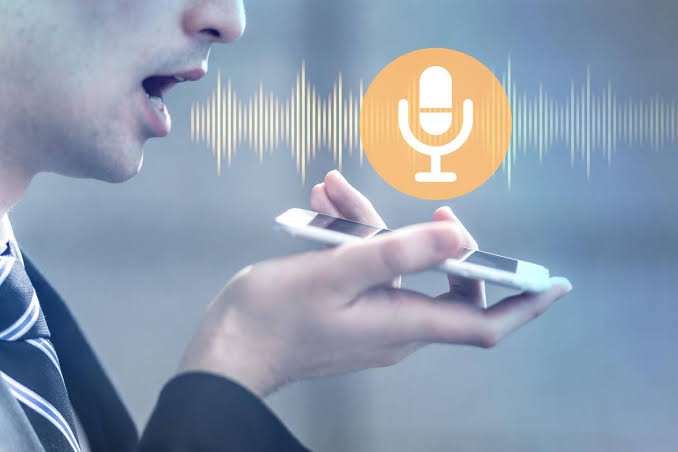
Next time you ask Siri to put your mobile phone in Flight mode or set an alarm for the next hour, remember that Machine learning is at work again. Voice assistants like Siri, Google Assistant, and Bixby rely heavily on natural language processing (NLP) techniques, a subset of machine learning, to understand and respond to your voice commands accurately.

Image and Video Recognition

Credit: Medium

Apps like Instagram, Snapchat, and TikTok utilize machine learning to recognize and filter content, identify objects in photos, and apply augmented reality (AR) effects to enhance user experiences. You probably know this better than I can explain already.

Fraud Detection and Security

Mobile banking and payment apps employ machine learning to detect fraudulent activities by analyzing transaction patterns, login behavior, and user location data. This ensures the security of your financial information. Try logging into your Google account from another device and location and share your experience. The machine learning will trigger a security flag that will require you to provide answers to security questions, OTPs, and the like before granting you access.

Predictive Text and Autocorrect

Credit: Samsung

Your keyboard app, whether the default on your phone or a third-party alternative, uses machine learning to predict the next word or phrase you’re likely to type. This is not necessarily based on what you are typing but on what you have typed in the past. So if you commonly type “What’s up with you?” when chatting with friends, the keyboard will suggest the words in that other the next time you type what. This makes texting faster and more convenient.

Health and Fitness Tracking

Apps like Fitbit and MyFitnessPal utilize machine learning to analyze your activity data and provide insights into your health and fitness goals. These apps can even detect potential health issues based on your data. Even for women, some applications can predict critical dates in their next menstrual cycle using the data supplied over a few months.

Language Translation

Travel apps like Google Translate use machine learning to provide real-time language translation, making communication more accessible in a foreign country.

Social Media Content Ranking

Social networking apps like Facebook, Instagram, and Twitter employ machine learning algorithms to determine the content on your feed, prioritizing posts from friends and accounts you engage with the most. That is why you gradually stop seeing some friend’s posts if you fail to engage with them over time. The model takes your interaction data and concludes that you may no longer be friends.

Traffic and Navigation

Apps like Google Maps and Waze use machine learning to analyze real-time traffic data and provide the fastest route to your destination, helping you avoid traffic jams and save time.

Virtual Try-On

Many e-commerce apps offer virtual try-on features that use machine learning to simulate how products like clothing, makeup, or eyewear would look on you, enhancing the online shopping experience.

Concluding words

I said all this to say that machine learning has been with us for a while now, and we have been enjoying its benefits already. From enhancing personalization to improving security and simplifying everyday tasks, machine learning algorithms have become the driving force behind the success of countless mobile applications. And I can say that your mobile phone would not be of much use to you but for the machine learning features at play in the applications.

As technology advances, we can expect even more innovative and intuitive mobile experiences, all thanks to the power of machine learning. So, the next time you use your favorite app, remember that there’s a good chance that machine learning played a significant role in making it as user-friendly and effective as it is today.

There Is No Time Limit With Some Criminal Prosecutions

0

A popular hip-hop musician was assassinated in 1996 and some twenty-seven years later, someone was arrested and charged in connection with the murder just a few days ago. 

The news reported that “a self-described gangster, Duane “Keefe-D” Davis, who, according to police and prosecutors, masterminded the 1996 shooting death of Tupac Shakur in Las Vegas, made his first court appearance on a murder charge on Wednesday”.

I remember having a discussion with some mutual friends yesterday and they were asking me how it is even possible that someone was arrested after two and half decades over the murder of Tupac. 

One thing about crimes and criminal matters is once a case file has been opened over a crime and an investigation is commenced, the case file will not be closed until the matter has been concluded and the perpetrators arrested, charged and convicted. 

If a criminal case is yet to be solved, the case file will remain open and no matter how long it takes, the long arms of the law will always stretch to catch up with the perpetrators. 

It is quite important to note that unlike civil cases like land dispute, contract dispute etc where the case have to be solved or taken to court within a time frame if not the matter will be statute barred due to effluxion of time, there is no time limit, effluxion of time or statute barring on criminal cases. A murderer can be arrested, charged and convicted even a hundred years after the murder has been committed. The investigating police officer (IPO) or the investigating officer (IO) handling a criminal investigation can die, retire or get transferred to another unit and another officer can take over the investigation and continue from where the previous officer stopped. A criminal case file cannot be closed unless it is presumed that the matter has been totally solved. 

I think the Economic and Financial Crimes Commission’s infamous mantra that I used to hear some of my acquaintances working at the commission joke around with is “no matter how it takes, we will always get you”. Truth be told, there are some financial crimes and money laundering cases that happened years ago but the EFCC is still actively pursuing the case. It is if only the perpetrator is dead that he or she will no longer be arrested and charged. 

Despite the non-challant and corruption-infested attitude of the police in Nigeria, there are some murder cases in court now that the act took place some decades ago but the suspect has just been arrested and the prosecution just commenced. I remember a client telling me that he had even forgotten about the crime; he committed the crime some eight years ago while he was still at the University only for police to come knocking on his door to arrest him some eight years later after he had left university and even relocated out of that city to another city. 

That is how criminal investigations work sometimes, after the perpetrator thinks that he or she has gotten away with it, fresh evidence may pop up to pin the perpetrator to the crime.