DD
MM
YYYY

PAGES

DD
MM
YYYY

spot_img

PAGES

Home Blog Page 3719

Green Champions Programme: Opolo, Ecobank, SDSN Partner to Take Sustainable Education for a Greener Tomorrow across 4 States in Nigeria

0

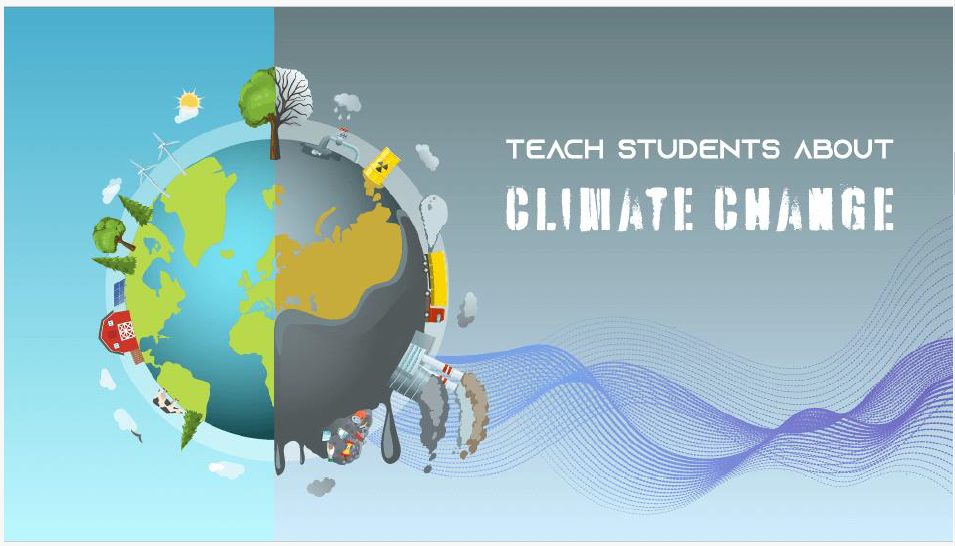
Opolo Global Innovation, a foremost global social enterprise incorporated in Nigeria and Canada, is set to take climate change and sustainability education to 4 different schools across the Southwest States in Nigeria. This was contained in a statement released by Opolo’s Head of Special Projects, Deji Ajani in Lagos.

According to Deji, the programme, with the theme Eco4Eco (Ecobank for Eco-friendliness) is a climate and sustainability literacy awareness programme designed to promote sustainable environmental practices among secondary school education stakeholders, especially students in Nigeria. Our primary objectives are to provide comprehensive climate change education; foster a sense of responsibility for sustainability; and create a scalable model for climate education. We aim to make climate and sustainability education accessible and engaging for students, covering topics from the science of climate change to actionable steps for addressing it.

He also said this year’s programme is supported by Ecobank and the Sustainable Development Solutions Network (SDSN). He noted that the partnership is facilitated by their collective commitment to environmental sustainability. He said  “we recognize the urgent need for climate education, and our supporters’ dedication to corporate social responsibility which aligns perfectly with our vision. This partnership allows us to leverage our combined resources and expertise to make a significant impact on climate and sustainability landscape.”

He further noted that the significance of this collaboration cannot be overstated, especially as the world races to achieve the United Nations’ Agenda 2030 Sustainable Development Goals. He averred that the choice of the theme is a confirmation of Opolo Global’s recognition that education and awareness are essential components of the global effort. He said the Eco4Eco theme aligns perfectly with the goals of Agenda 2030, particularly Goal 4 (Quality Education) and Goal 13 (Climate Action).

“Eco4Eco represents a shared vision for a brighter, more sustainable future, where education and environmental awareness are at the forefront of change. As we take our first steps on this transformative journey, we invite corporate entities, government, schools, parents, students, and communities across the globe to join us in creating a greener tomorrow”, he concluded.

The Green Champions Programme would take place across four cities, including Ibadan, Ife, Lagos, and Osogbo, in October 2023.
 

SEC launches investigation into Elon Musk’s purchase of Twitter

0

The US Securities and Exchange Commission (SEC) has announced that it is launching an investigation into Elon Musk’s recent acquisition of Twitter, the social media giant. The SEC said in a statement that it is looking into whether Musk violated any securities laws or regulations when he announced he bought Twitter for $50 billion on April 14, 2023.

Business magnate Elon Musk published his first tweet on his personal Twitter account in June 2010, and had more than 80 million followers by April 2022. In 2017, in response to a tweet suggesting that he buy Twitter, Inc., Musk replied, “How much is it?” On March 24, 2022, Musk began tweeting criticisms of Twitter, polling his followers on whether the company adhered to the principle that “free speech is essential to a functioning democracy.”

Musk subsequently makes an offer to buy Twitter for $54.20 a share, or about $44 billion — a price well above the company’s stock price at the time. He says his goal is to apply free speech principles to the platform, which he claimed had been mismanaged. “The company will neither thrive nor serve this societal imperative in its current form,” he writes. “Twitter needs to be transformed as a private company.”

Musk, who is the founder and CEO of Tesla and SpaceX, surprised the world when he tweeted that he had secured funding to take Twitter private at $54.20 per share, a 40% premium over its closing price on March 30. He said that he wanted to make Twitter a more innovative and user-friendly platform, and that he had the support of Twitter’s board and CEO Jack Dorsey. He also said that he would allow existing shareholders to keep their shares or sell them at the offer price.

However, the SEC is concerned that Musk may have misled investors or manipulated the market with his announcement, which caused Twitter’s stock to soar by 35% in one day. The SEC is also investigating whether Musk had actually secured the funding he claimed, and whether he followed the proper disclosure procedures for such a major deal. The SEC has subpoenaed Musk, Twitter, and several banks and investors involved in the transaction, and has asked them to provide documents and information related to the deal.

The SEC’s investigation could have serious consequences for Musk, who has a history of clashing with the regulator. In 2018, he was sued by the SEC for fraud after he tweeted that he had secured funding to take Tesla private at $420 per share, which turned out to be false. He settled the case by agreeing to pay a $20 million fine and step down as Tesla’s chairman.

He also agreed to have his public statements about Tesla reviewed by a lawyer before posting them online. However, in 2019, he was found in contempt of court for violating the settlement agreement by tweeting inaccurate information about Tesla’s production numbers. He avoided further penalties by agreeing to a revised settlement that specified which topics he needed approval for before tweeting.

If the SEC finds that Musk violated any securities laws or regulations with his Twitter bid, he could face civil or criminal charges, fines, injunctions, or even a ban from serving as an officer or director of a public company. He could also face lawsuits from shareholders or regulators who claim that they suffered losses or damages as a result of his actions.

Musk has not commented on the SEC’s investigation, but he has continued to tweet about his plans for Twitter. He said that he wants to make Twitter a more democratic and decentralized platform, where users can create their own rules and communities. He also said that he plans to integrate Twitter with his other ventures, such as Neuralink, Starlink, and The Boring Company. He said that he hopes to complete the deal by the end of 2023, pending regulatory approval and shareholder vote.

Iraq to ban all cash withdrawals in US Dollars

0

In a surprising move, the Iraqi government announced on Thursday that it will ban all cash withdrawals in US dollars from banks and ATMs across the country. The decision, which will take effect from November 1, is aimed at curbing the black market and stabilizing the exchange rate of the Iraqi dinar, according to a statement from the Central Bank of Iraq (CBI).

The CBI said that the US dollar has been widely used in Iraq for illegal activities, such as money laundering, terrorism financing, smuggling and tax evasion. The CBI also claimed that the dollarization of the economy has undermined its monetary policy and weakened its ability to control inflation and interest rates.

The ban will not affect electronic transactions or transfers in US dollars, nor will it affect the availability of foreign currency for legitimate purposes, such as imports, travel and education. The CBI said that it will provide sufficient amounts of Iraqi dinars to meet the demand for cash withdrawals and ensure price stability.

However, the announcement has sparked mixed reactions from economists, bankers and ordinary citizens. Some have welcomed the move as a necessary step to restore confidence in the national currency and reduce dependence on foreign reserves. Others have criticized it as a hasty and risky measure that could trigger a liquidity crisis, a currency devaluation and social unrest.

The US dollar has been widely used in Iraq since the 2003 invasion that toppled Saddam Hussein’s regime. The dollar became a safe haven for many Iraqis who lost trust in the dinar amid political instability, violence and corruption. The dollar also facilitated trade and remittances with neighboring countries and the rest of the world.

According to the CBI, the US dollar accounts for about 20% of the total cash in circulation in Iraq, or about $10 billion. The CBI has been trying to reduce this share by gradually increasing the supply of dinars and imposing restrictions on dollar transactions. However, these efforts have faced challenges from a weak banking sector, a large informal economy and a volatile security situation.

The ban on cash withdrawals in US dollars is expected to have significant implications for the Iraqi economy and society. On one hand, it could help fight illicit activities, enhance transparency and accountability, and strengthen the CBI’s role as a regulator and supervisor of the financial system.

On the other hand, it could create difficulties for businesses and individuals who rely on cash for their daily transactions, especially in remote areas where banking services are limited or nonexistent. It could also increase the demand for alternative currencies, such as the euro or the Turkish lira, or even cryptocurrencies, such as bitcoin or Ethereum.

The success or failure of this policy will depend largely on how well it is implemented and communicated to the public. The CBI will need to coordinate closely with other government agencies, banks and civil society organizations to ensure a smooth transition and avoid any disruptions or confusion.

The CBI will also need to monitor the impact of this policy on key economic indicators, such as inflation, exchange rates, growth and employment. The CBI may need to adjust its policy accordingly if it detects any negative or unintended consequences.

The ban on cash withdrawals in US dollars is a bold and unprecedented move by the Iraqi government. It reflects its determination to reform its economy and regain its sovereignty. However, it also entails significant risks and challenges that require careful planning and execution. The ultimate goal is to create a more stable, prosperous and inclusive Iraq for all its people.

X Removes Story Headlines And Links of Articles Shared on The Platform

0

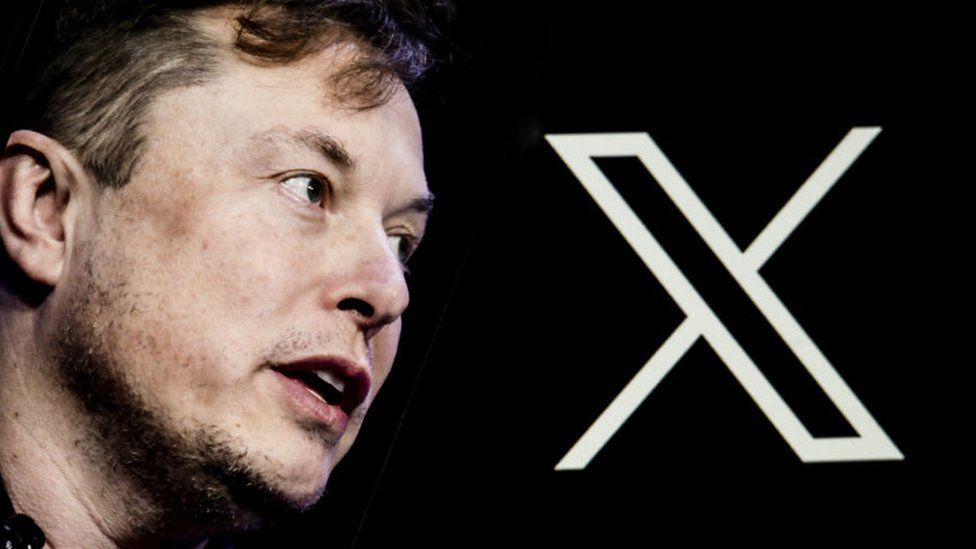
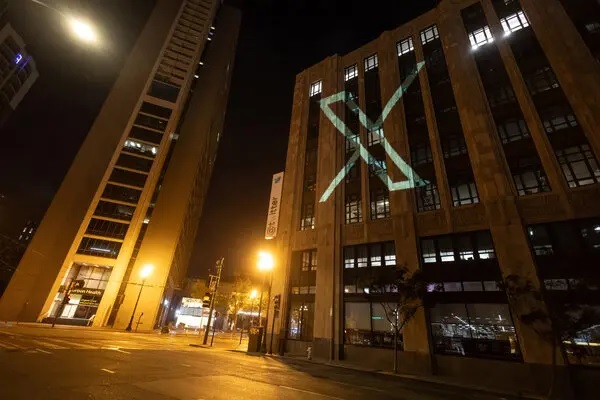
Elon Musk-owned microblogging social platform X (formerly called Twitter), has removed story headlines and links to articles shared on the platform.

Links posted on X now appear as the image included in the article, as well as text in the left-hand corner of the image noting the domain of the link.

Several users have expressed concerns that the recent development will only make it tough to understand what a content is about, until they click it which can often be unnecessary.

Check Out some Users reaction;

@SheldonTarpey wrote,

“I really dislike how unclear it is whether something is an article or an image now. I feel like this was designed to generate more clicks and show X as a better traffic driver than it actually is. Obvs this will all still show up in the dwell time and bounce rate but still”.

@MikeJViggiano wrote,

“It is much cleaner it just is frustrating that I now have no idea what I am or am not opening. 90% of twitter for me is scrolling for articles and that makes this much more challenging”.

@MarvinDigeorgio wrote,

Musk doesn’t want people to read actual news, so he removed news links and headlines to reduce the possibility that they will. Musk is a right-wing propagandist. Disinformation is his tool”.

@journeyman56 wrote,

“I’m wondering how this will impact traffic for news sites? Also, what’s the motivation?  In some ways it encumbers brands and messaging and news voice but in others, might open up more traffic via curiosity? I admittedly thought it was just a picture until I clicked”.

The change was made on Wednesday for iOS and desktop users, while Android and the website continue to show the headline alongside the image.

The move to remove links and headlines of articles on the X platform has been in the works since August this year, when Musk announced the move in an attempt to drive up subscription of the app’s premium service.

However, Musk said the latest change was for “aesthetic” reasons, as news and other links now appear only as pictures with no accompanying text.

Announcing the change, Musk wrote,

https://x.com/elonmusk/status/1693843680904216619?s=46&t=5SnxbL3wcwgpHjfK1_oo8g

“This is coming from me directly. Will greatly improve the esthetics [sic]”.

Musk has reportedly been focusing on boosting engagement on the platform, and in an attempt to do so, he has been asking users to post more content on X.

He has also urged journalists to create their brand and post directly to X and earn revenue through the platform, which could be another reason for him to remove links shared on the platform that could take users away to a different website.

There are speculations that the move may be an attempt to drive people to sign up for X’s premium service. With the shortened links, users could be inclined to include more text along with their posts. The premium service allows a single post of up to 25,000 characters.

It is however not clear how these changes will affect advertisers on the platform, which Musk claimed in July had 540 million monthly users.

With the changes, Musk is pitching X as a more relevant platform for content creators as he gears towards making the platform an everything app.

Ledger announces Partnership with Sotheby, As Opensea introduces Opensea Studio

0

Ledger, the leading provider of hardware wallets for cryptocurrencies, has announced a strategic partnership with Sotheby’s, the world’s largest auction house. The partnership aims to enhance the security and trust of digital art transactions on the blockchain.

According to a press release, Ledger will provide its Ledger Vault technology to Sotheby’s, enabling the auction house to store and manage its NFTs (non-fungible tokens) in a secure and scalable way. Ledger Vault is a multi-authorization governance platform that allows institutions to manage their digital assets with the highest level of security and efficiency.

The partnership will also allow Sotheby’s to offer its clients the option to receive their NFTs directly on their Ledger hardware wallets, giving them full ownership and control over their digital assets. Ledger hardware wallets are the most trusted devices for storing and transacting cryptocurrencies and NFTs, as they protect the private keys from hackers and malware.

Charles Stewart, CEO of Sotheby’s, said: “We are thrilled to partner with Ledger, the leader in crypto security, to offer our clients a best-in-class solution for storing and managing their NFTs. As the demand for digital art continues to grow, so does the need for a secure and reliable way to ensure its authenticity and provenance. Ledger’s technology will help us provide our clients with the highest level of service and confidence in this new market.”

Pascal Gauthier, CEO of Ledger, said: “We are honored to partner with Sotheby’s, a prestigious institution with a rich history and expertise in the art world. This partnership is a milestone for the adoption of blockchain technology and NFTs, as it demonstrates how they can bring more value and innovation to the art industry. By leveraging Ledger’s security and infrastructure, Sotheby’s will be able to offer its clients a seamless and secure experience for buying and selling digital art on the blockchain.”

Opensea Introduces Opensea Studio

Opensea, the leading marketplace for non-fungible tokens (NFTs), has announced the launch of Opensea Studio, a new platform that aims to make NFT creation and distribution easier and more accessible for artists, developers and brands. Opensea Studio is designed to provide a comprehensive suite of tools and services for NFT creators, including:

A user-friendly interface that allows anyone to create, mint and sell NFTs on Opensea without coding or technical knowledge.

A flexible smart contract framework that supports various NFT standards, such as ERC-721, ERC-1155 and EIP-2981, as well as custom features and functionalities.

A robust API that enables developers to integrate Opensea Studio with their own applications and platforms, such as games, social media and websites.

A curated marketplace that showcases the best NFT collections and projects created with Opensea Studio, as well as provides discovery and promotion opportunities for creators.

A community of support and education that offers guidance, feedback and resources for NFT creators of all levels and backgrounds.

Opensea Studio is currently in beta and invites are being sent out to select creators who have expressed interest in the platform. According to Opensea, the goal is to open up the platform to the public in the near future and to empower more people to participate in the NFT ecosystem.

Opensea CEO Devin Finzer said in a blog post: “We believe that NFTs are not just a new way of collecting digital art, but a fundamental shift in how we create, share and monetize our creative work. With Opensea Studio, we want to lower the barriers to entry and make NFT creation accessible to anyone with an idea and a vision.”

Opensea Studio is the latest initiative by Opensea to expand its offerings and reach in the NFT space. Earlier this year, the company raised $100 million in a Series B funding round led by Andreessen Horowitz, valuing it at $1.5 billion. It also acquired Dibbles, a platform that allows users to buy and sell fractions of NFTs, and launched Opensea Labs, a research and development arm that explores new possibilities for NFTs.