DD
MM
YYYY

PAGES

DD
MM
YYYY

spot_img

PAGES

Home Blog Page 3733

Bullish Q3: Explore the Uniswap Surge, Shibarium Relaunch, and Big Eyes Infinity’s 100% Token Airdrop Vow

0

The cryptocurrency landscape welcomed September with a bang, thanks to the Uniswap surge. The upcoming release of Uniswap V4 is the driving force behind this excitement. It’s been over two years since the launch of Uniswap V3, making this advancement a cause for celebration. Following the news, trading volumes surged past the $1.5 trillion mark.

In parallel, Shibarium has demonstrated its resilience by relaunching its bridge network, which briefly experienced issues hours after its initial launch. While this hiccup led to some disgruntled reactions, Shibarium’s impressive bounce-back has quickly attracted 1 million wallets. These bullish states set the stage for an exciting renaissance in the Big Eyes world, which has also faced its fair share of challenges. Now, it has introduced its utility token, Big Eyes Infinity, with a commitment to champion token holders who were previously unable to secure their tokens. How will they do this?

All Things Uniswap Surge, Shiba Inu Updates, and Big Eyes Infinity’s Airdrop Launch

The third quarter (Q3) of 2023 has been marked by somewhat underwhelming price actions, which comes as no surprise. However,  a series of developments have injected brief price surges and maintained overall trust in the market. Notably, the buzz around the upcoming launch of Uniswap V4 has had a significant impact. This is evident from the remarkable increase in trading volume, surpassing the $1.5 trillion milestone.
While we await a more optimistic breakthrough, it’s noteworthy that top exchange whales have been steadily accumulating UNI over the past two weeks. The total holdings of these major players have slightly increased from their monthly low to their current levels. Their success in this endeavour could potentially kickstart a bullish trend.

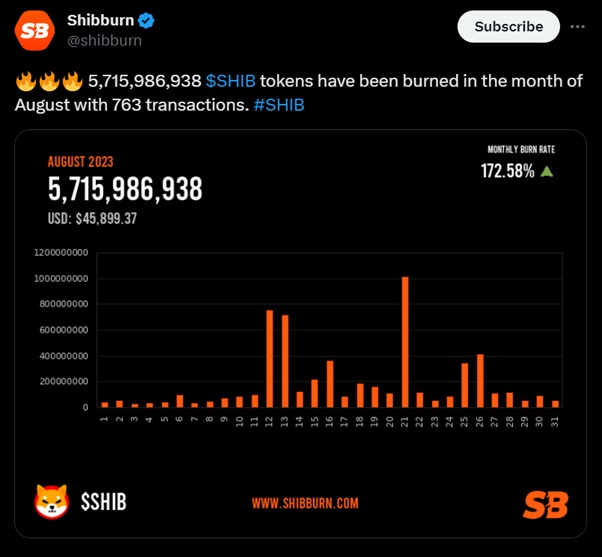
Simultaneously, positive updates in the world of Shiba Inu are shaping the crypto landscape. The total number of wallets on Shiba Inu’s newly introduced layer-2 blockchain, the Shibarium network, has surged past the one-million mark in a meteoric rise since its relaunch. This milestone signifies that approximately 900,000 wallets have been added since the Shibarium’s relaunch on August 28, just two weeks after the network’s initial launch. Additionally, the Shiba Inu burning tracker reported an astounding burn of 5,715,986,938 SHIBs in August alone. This remarkable level of burning is largely attributed to the successful launch of the Shibarium network.

Furthermore, Big Eyes Infinity has ambitious plans to distribute its entire token supply through an airdrop once its four-month-long presale concludes. This strategic move is motivated by a genuine concern for the welfare of the community, as it aims to reward both $BIGINF and $BIG token holders who may have missed out on acquiring tokens during the presale period.

Why Are They Significant?

The news surrounding the V4 release is optimistic, especially considering that V3 launched two years ago. Consequently, it reflects the community’s excitement and anticipation for this major development and its potential positive impact on the market.

Moreover, the rapid growth of Shiba Inu’s user base and the significant burn of SHIB tokens in August highlight the project’s success and popularity. This news emphasizes the importance of layer-2 solutions for scaling blockchain projects and showcases Shiba Inu’s commitment to innovation, attracting a substantial user base.

Lastly, Big Eyes Infinity’s plan to airdrop its token supply demonstrates a strong commitment to its community. This information is crucial for potential token holders, offering them a chance for rewards even if they missed the presale.

Big Eyes Infinity’s Presale Returns

Big Eyes Infinity stands at the forefront of innovation, offering a compelling opportunity for community engagement and value generation. With its distinct approach to airdrops and presales, it extends a warm invitation to all who wish to be part of a venture that champions community cohesion and pioneering ideas.

<< The Vision Behind Big Eyes Infinity >>

Big Eyes Infinity boasts an endearing cat mascot that accompanies its utility token, $BIGINF, granting token holders entry to the expansive Big Eyes platform. This platform includes exciting features like 819Casino and Play-to-Earn (P2E) games, making waves in the emerging GameFi landscape. Its full-fledged release is slated for the end of September 2023.

Inarguably, the Uniswap surge, following the announcement of its V4’s launch signal a potential bullish wave. Shiba Inu’s meteoric growth, marked by Shibarium’s success and record-breaking token burns, adds further intrigue. Meanwhile, Big Eyes Infinity’s altruistic 100% token airdrop commitment underscores the project’s community-centric ethos. As we navigate this dynamic quarter, the confluence of these factors promises a thrilling ride for everyone involved. This hints at a season of opportunity and innovation in the crypto realm.


Big Eyes Infinity (BIGINF)

Presale: https://buy1.bigeyes.space/

Website: https://bigeyes.space/

Telegram: Contact@BIGEYESOFFICIAL

Twitter: https://twitter.com/BigEyesCoin
Lagos Bans Street Trading & Hawking, Shuts Ladipo Market

0
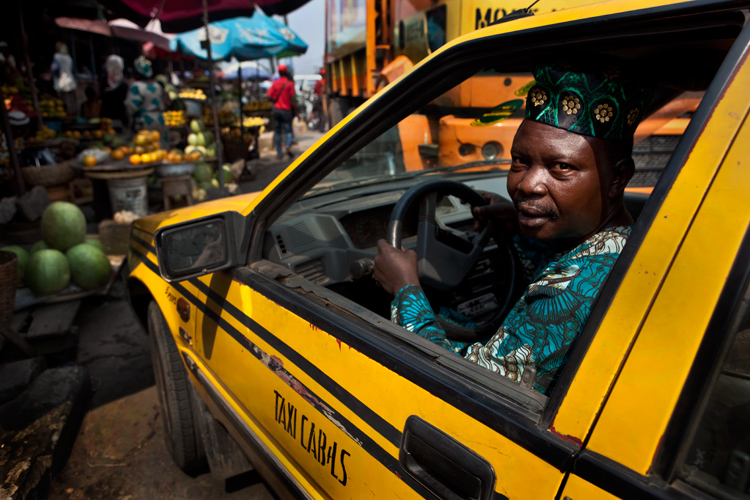
Lagos Yellow Cab

The Lagos State government has announced a total ban on street trading, hawking, building illegal structures on drainage systems, and displaying wares on walkways across the state.

The decision announced by Honourable Commissioner, Ministry of Environment and Water Resources in Lagos State, Tokunbo Wahab on his X handle, came amid Nigeria’s biting economic situation, stirring concern that it will compound crimes in the state.

The decision to ban street hawking and street trading in Lagos is part of a renewed effort to promote a cleaner, safer, and healthier environment, according to Wahab. He added that the measure is intended to address the issue of individuals who engage in criminal activities while posing as hawkers and street traders who disrupt traffic flow on highways and streets.

To enforce this ban, Wahab has issued directives to the Lagos State Environmental Sanitation Corps (commonly known as KAI) to rigorously enforce compliance with environmental sanitation laws.

However, many Lagos residents are concerned that the measure will hinder a lot of people from making a living, forcing them into crime. Most of the street hawkers depend on their daily earnings to feed.

Meanwhile, the Commissioner also issued an immediate closure order for Ladipo Market in Mushin due to numerous environmental violations. These offenses include reckless waste disposal, unclean premises, and failure to pay waste bills, among others.

The market will remain closed until traders and market stakeholders meet the mandatory conditions for rectification. The commissioner said this action is part of ongoing initiatives to promote compliance in markets throughout the state. He emphasized the importance of environmental hygiene within marketplaces.

“It is imperative that markets in the state adhere strictly to environmental laws and regulations put in place for the well-being of residents. The closure of Ladipo Market serves as a stern reminder that no entity, regardless of its size or influence, is above the law.”

He reiterated the state government’s strong commitment to working in partnership with market stakeholders to facilitate the essential changes and enhancements required to meet the prescribed environmental standards. He emphasized that the market would not resume operations until these established standards were satisfactorily met.

“Ladipo Market, a prominent hub for automotive spare parts and related services, has been a focal point for environmental concerns due to various activities that contravene established regulations. LAWMA’s intervention is a significant step towards rectifying these issues and bringing the market to compliance”.

The closure of Ladipo Market mirrors previous actions taken against Oyingbo, Alayabiagba, Oke-odo markets, and specific sections of Tejuosho Market, all for repeated violations. These decisions reflect the state government’s steadfast dedication to reinstating environmental orderliness within the state.

Nigeria Ranks 31st on Global List of Countries With Relatively Inexpensive Mobile Data Rates

0

According to a report by cable.co.uk, Nigeria is ranked at the 31st position in the global ranking of countries with the most affordable mobile data rates.

The country has an average price of 1GB at $0.39 which is equivalent to N390, using the exchange rate of (N1000/$).

On the global data ranking, Israel sits in the number one position of a country with the cheapest data rate, with a $0.02 average cost per 1GB of mobile data, followed by Italy having a $0.09 average cost per 1GB of mobile data.

On the other hand, Southern African country Zimbabwe occupies the last position (237) as the country with the most expensive data rate of $43.75 average cost per 1GB of mobile data.

It is understood that the high cost of data in Zimbabwe is attributed to the incessant surge in inflation and a deteriorating economy.

Other countries with the most expensive data in terms of the average cost of 1GB of mobile data are the Falkland Islands (USD 40.58), Saint Helena (USD 40.13), South Sudan (USD 23.70), and Tokelau (USD 17.24).

However, globally, the price of data is reported to have come down, as a vast majority of countries adjusted their data rates.

Speaking on the mobile data pricing report, consumer Telecoms analyst at Cable.co.uk, Dan Howdle said,

“Our yearly mobile data pricing tracking study is as much a measure of the quantity of data offered as it is the price of data more broadly.

“After all, those counties with the most improved (cheaper) pricing across the five years our tracker now covers tend to be those offering tens or even hundreds of times more data in 2023 as was available for similar money in 2019.

“It is encouraging to see the price of data coming down across the globe as a whole, with the vast majority of countries offering 1GB of mobile data for less than $2”.

The firm further noted that countries with long-established, ubiquitous 4G or new 5G infrastructure tend to fall towards the cheaper end of the table.

Check out how pricing is averaged in thirteen global regions

Northern Africa

All but two of the seven North African countries are in the cheapest half of the table. Western Sahara is the cheapest at USD 0.58, and the most expensive in the region is Mauritania (USD 1.32). All countries in this region are cheaper than the global average of USD 2.59 Northern Africa is the cheapest region in the world overall

Asia (excl. Near East)

Asian nations make up a significant portion of the top 20 cheapest countries for mobile data. Cambodia and Pakistan offer the most affordable rates at just USD 0.12 per 1GB, followed by India at USD 0. 16 and India at USD 0.16.  These countries rank among the top ten globally for the lowest mobile data prices. Only three Asian countries exceed the global average of USD 2.59 per 1GB – Japan (USD 3.48), British Indian Ocean Territory (USD 4 44), and South Korea, which stands as the most expensive in the region at USD 5.01 per 1GB.

Eastern Europe

Within Eastern Europe, Moldova (USD 0.28) is the cheapest, followed by Montenegro (USD 0.32), Poland (USD 0.37), and Romania (USD 0.54). The Czech Republic is the most expensive in the region, with 1GB of data costing USD 3.12 on average.

Central America

The cheapest mobile data plans in Central America can be found in Nicaragua, where 1GB of data costs USD 0.55 on average, and Honduras (USD 0.78). Prices are somewhat steeper in El Salvador (USD 1.08) and Guatemala (USD 1.17). The most expensive country in Central America is Belize, where an average of 1GB costs USD 2.92.

CIS

Several CIS countries are among the very cheapest in the world for mobile data and all but four sit inside the less expensive halt of the table. Kyrgyzstan is the cheapest in the region with an average of USD 0.17, and also the eighth cheapest in the world. At the bottom of the regional table is Turkmenistan (USD 11.42), which is also the seventh most expensive in the world.

Baltics

Estonia is the cheapest of the three with 1GB costing an average of USD 1.15 and sits in 107th place in the world, while in Lithuania 1GB costs USD 1.26 on average. Latvia sits in the most expensive half of the table with an average of USD 3.21 and is the only country in the region whose pricing is greater than the global average of USD 2.59.

Western Europe

The cheapest mobile data in Western Europe is in Italy – in second place globally – where the average price of 1GB is just USD 0.09 San Marino (USD 0.10) is the second-cheapest in Western Europe followed by France (USD 0.20) and Monaco (USD 0 42). The UK (USD 0.62) is the 8th cheapest in Western Europe and 58th cheapest in the world

Caribbean

Most Caribbean nations are in the more expensive half of the list but the difference between the most expensive and the cheapest is extreme. The Cayman Islands are the most expensive in the Caribbean with an average of USD 8.39, while an average of 1GB in the cheapest country – Haiti – is 38 times cheaper at USD 0.22.

Near East

Israel is the cheapest country in the Near East region and also the cheapest in the world, with 1GB costing an average of USD 0.02. Turkey (USD 0.44) is a distant second-cheapest, closely followed by Kuwait (USD 0.52) and Syria (USD 0.67). The most expensive mobile data in the region can be found in Yemen, where the average price of 1GB is USD 15.68

Sub-Saharan Africa

Sub-Saharan Africa has just six countries among the top 50 cheapest in the world – Malawi, in 29th place globally, is the cheapest in the region at USD 0.38.

The region also has five out of the ten most expensive countries in the world, with Zimbabwe being the most expensive in the region and the world (USD 43.75), followed by Saint Helena (USD 40.13), South Sudan (23.70), Central African Republic (USD 10.90) and Zambia (USD 8.01) all at the bottom of the table.

Oceania

The average 1GB of data costs USD 0.09 in Fiji, making it the cheapest country in Oceania, and the 3rd cheapest in the world. The region’s island nations are mostly in the more expensive half of the table, with, Tokelau being the most expensive at USD 17.24.

Samoa comes in at second cheapest in the region at USD 0.36, with New Zealand a long way behind – 18th in the region with an average 1GB cost of USD 5.89.

South America

Colombia, with an average of USD 0.20, Uruguay (USD 0.28) Brazil (USD 0.51) Peru (USD 0.45), and French Guiana (USD 0.49) are the only South American countries to make it into the top 50 cheapest in the world. The most expensive in the region is the Falkland Islands at USD 40.58 – it is also the second most expensive in the world.

Northern America

The average price of 1GB of mobile data in all four North American countries exceeds the global average of USD 2.59, making it the most expensive region overall. Bermuda is the cheapest country in the region with an average cost of USD 3.42, and the most expensive is the United States (USD 6.00).

Southeast Summit: Okonjo-Iweala Asks Igbos to Shun Individualism, Embrace Solidarity

0

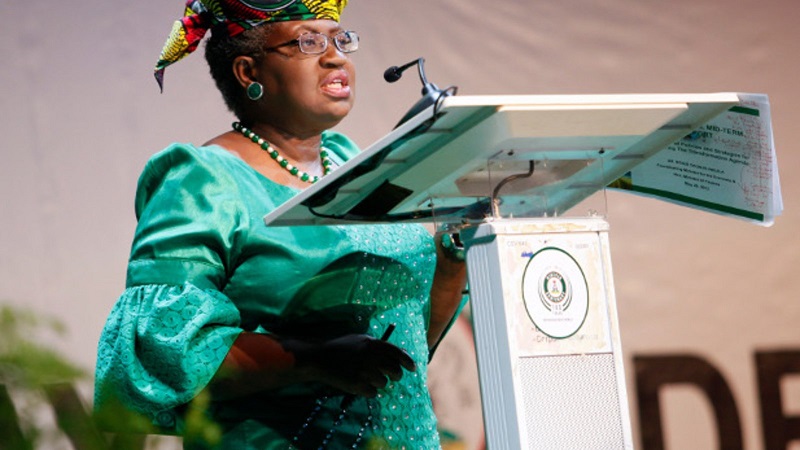
Ngozi Okonjo-Iweala, the Director-General of the World Trade Organization (WTO), has called upon stakeholders in the South-East region to come together and establish collaborative leadership to address the challenges afflicting the region as a unified effort.

Ms. Okonjo-Iweala delivered this message during her keynote address at the South-East Summit on Security and Economy, which commenced in Owerri on Thursday. The overarching theme of the two-day summit is ‘South East Beyond 2023, Time for a Reset’.

“We no longer have solidarity; instead, we are fragmented as a people, and that has made us forget how to support each other. If our big problem is ourselves, it means that the solution also lies in our hands,” she said.

The South-East has in recent years, watched as its economic prowess dwindle – masterminded by miscellaneous factors including insecurity and poor leadership by the region’s governors.

The head of the WTO emphasized the importance of the region enhancing its internally generated revenue, minimizing borrowing, and increasing capital expenditures.

“Governors, state legislatures and local government chairs must continuously ask themselves, are we using our FAC allocation wisely, transparently and effectively?” said Ms Okonjo-Iweala. “Can we generate more revenue internally, and how do we do it while motivating our productive sectors and factors? Are we taking on too much debt? Are we even spending the amount borrowed effectively?”

The South-East is known for its entrepreneurship prowess but has suffered from infrastructural decay, a high unemployment rate, and a dwindling economy. Ms Okonjo-Iweala said a key move in revitalizing the region’s economy is stable electricity.

She advised the region to seize the opportunity of privatization in the electricity sector to look towards solar and gas solutions to improve power supply.

“I want to suggest that we convene a South-East investment forum, not for people from outside the region or abroad but for our own Igbo business people. In this forum, we should examine what is blocking greater investment in the South-East region and what we can do to block these leakages,” Ms Okonjo-Iweala explained.

The DG of the WTO stressed the importance of the region diversifying its economic activities and attracting investments in areas such as pharmaceuticals, fertilizers, labor-intensive industries, and digital technology within the supply chain. She further advised stakeholders to leverage the advantages of digital trade, particularly for micro, small, and medium enterprises, as well as in online education, health, and accounting services.

Ms. Okonjo-Iweala also encouraged the region to tap into its diaspora resources to bolster the healthcare sector.

“I am sure the South-East governors, coming together, can do some financial engineering and find a way to float a South-East diaspora bond or fund to capture some loans and tenured to financing some development priorities,” she noted.

The South-East Summit also saw governors outline their plans for the region. Abia State Governor, Alex Otti, unveiled plans to establish the first-ever seaport in the Southeast region.

This proposed seaport will be strategically situated in Owazza, within the borders of Abia State’s Ukwa East Local Government Area. Governor Otti also disclosed that the seaport will incorporate an export processing zone and various business promotion facilities.

The primary objective of this seaport project is to serve as a catalyst for economic growth in the Southeast, fostering trade, attracting investments, and generating employment opportunities. Governor Otti highlighted that the construction of the seaport will require substantial investments in transportation and logistics infrastructure.

The project aims to promote balanced regional development, spreading economic benefits across the South-East. The commencement of the project is scheduled for September 30, 2023.

Crafting and Executing Visions – Tekedia Mini-MBA

0

Napoleon Bonaparte dropped those ageless words: “Impossible is a word to be found only in the dictionary of fools”. Yes,  humans can accomplish so much if we commit to plans. You craft the plans, you execute them. But if you live a life that is not connected to any plan, you wander like a lifeless feather tossed around by a mild water current.

In business. In careers. In personal economies. Visions matter. A man and a woman with Vision will win the future. Join me today at the #best school as we co-learn  on how to craft a vision – and executing one.

Zoom link in the board

Tekedia Mini-MBA >> the best school.