

AR and VR in Gambling: A Glimpse into the Immersive World of Bonus Buy Slots

The gambling industry has always embraced cutting-edge technology to enhance the gaming experience for players. In recent years, augmented reality (AR) and virtual reality (VR) have made their way into the world of gambling, revolutionizing the way players interact with their favorite games. One of the most exciting applications of AR and VR in the gambling industry is the emergence of Bonus Buy Slots. Let’s take a closer look at how these immersive technologies are transforming the world of online gambling.
What are Bonus Buy Slots?
Bonus Buy Slots are a new type of online slot game that allows players to purchase bonus features directly at Bets.io casino, instead of waiting and hoping to trigger them through regular gameplay. With the help of AR and VR technology, these slot games become highly interactive and visually stunning, providing players with an immersive and captivating experience.
The Benefits of AR and VR in Bonus Buy Slots
- Enhanced Visual Experience: AR and VR technology take the visuals of Bonus Buy Slots to a whole new level. Players can enter a virtual casino environment, complete with realistic graphics and animations, and experience the thrill of playing slots in a lifelike setting.
- Increased Interactivity: AR and VR allow players to interact with the game and its features in a more engaging way. For example, players can use hand gestures to spin the reels or reach out to grab virtual objects within the game. This level of interactivity makes the gaming experience more immersive and enjoyable.
- Personalized Gameplay: With AR and VR, Bonus Buy Slots can tailor the gaming experience to individual players. The technology can track player preferences and adjust the game’s features accordingly, providing a personalized experience that caters to each player’s unique tastes and preferences.
The Future of AR and VR in Gambling
The integration of AR and VR technology in Bonus Buy Slots is just the beginning of what’s to come in the world of online gambling. As the technology continues to evolve and improve, we can expect even more immersive and exciting experiences for players.
In the future, we may see the introduction of fully virtual casinos, allowing players to experience the atmosphere of a traditional brick-and-mortar casino from the comfort of their own homes. Additionally, AR and VR could be utilized to create multiplayer gambling experiences, where players can interact with each other in virtual environments.
Overall, AR and VR have the potential to revolutionize the gambling industry, providing players with unforgettable and immersive gaming experiences. Whether it’s through the use of Bonus Buy Slots or other innovative applications, these technologies are set to shape the future of online gambling. So, get ready to step into a world of virtual excitement and entertainment, where the possibilities are only limited by the imagination.
How To Overcome Cash Crunch in Business
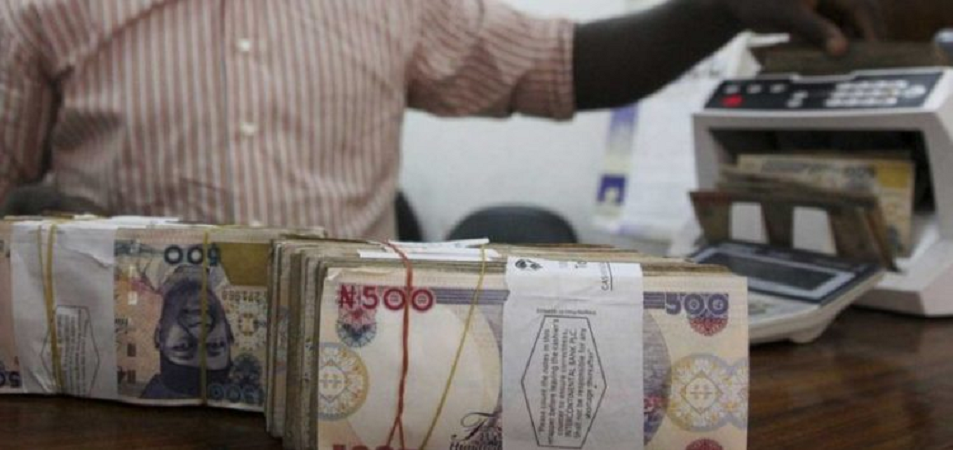
Running a business is a rollercoaster, and sometimes, the cash flow ride hits a sudden stop. It stops gushing out and starts trickling. Is this the time to hit Panic mode? Nah, not for the gritty entrepreneur, anyway! If you must survive these times, here are some moves you can make.
Slash and Burn (Your Expenses, Not Bridges)
It’s time to get ruthless with those expenses. Take a hard look at your budget and slash anything that doesn’t scream ‘essential.’ Fancy office snacks? Cut. Monthly subscriptions you don’t even remember signing up for? Definitely cut. Free up cash by trimming the fat and focusing on the lean, mean essentials that keep your business alive.
Hustle Harder (No, Seriously)
When the cash tap slows down, it’s time to hit the pavement and hustle like you’ve never hustled. Reach out to existing clients, pitch new ideas, and explore untapped markets. Don’t be afraid to get your hands dirty (legal deals, please) – after all, a little grit never hurts anyone. Hustle isn’t just a buzzword; it’s the lifeblood of entrepreneurship. Get out there, make those calls, send those emails, and let the world know your business isn’t just surviving; it’s thriving.
Payment Plans that Pack a Punch
Cash Flow hiccups often come with late payments. Get creative with your invoicing and set up payment plans that work for you and your clients. Be firm but flexible. It’s about maintaining relationships while ensuring your business stays afloat. Offering incentives for early payments or providing discounts for lump-sum settlements can sweeten the deal and get that cash trickling back in.
Call in the Cavalry (Or at Least Your Network)
You’re not in this alone. Reach out to your network – friends, family, business acquaintances, that one guy you met at a networking event three years ago – and let them know you’re navigating stormy financial waters. Sometimes, a helping hand, a strategic partnership, or even a small investment can be your business’s lifeline. Pride? Leave it at the door. Your network could be the key to unlocking new opportunities.
Pivot Like a Pro, if you need to
If you are stuck in a financial quicksand, it might be time to pivot. Evaluate your products or services and see if there’s a pivot waiting to happen. Can you tweak your offerings to meet current market demands? Maybe there’s an untapped niche you’ve been ignoring. Pivoting isn’t a sign of weakness; it’s a sign of adaptability, a trait every successful entrepreneur possesses. Embrace change, and let it breathe new life into your cash-strapped venture.
Negotiate, Don’t Capitulate
When the cash flow tap is barely dripping, it’s negotiation time. Talk to your suppliers, renegotiate contracts, and let them know you’re in the ring, ready to fight. Most suppliers prefer a loyal, struggling customer over no customer at all. Be honest about your situation, and you might find some unexpected allies willing to extend payment terms or offer discounts. It’s a tough world, and survival often depends on who can negotiate the best deals.
Don’t give up
Don’t let a dwindling cash flow become the end of your business. Remember, the best entrepreneurs aren’t just riders; they’re the ones who scream, “Bring it on!” When the cash stops flowing, don’t buckle under the pressure. There may be times when shutting down the business might be the right move, but that is not the focus of this piece. If there is even one reason to keep the business going, then don’t be afraid. Slash, hustle, negotiate, and pivot your way out of the storm.
Binance Coin (BNB) and Hedera (HBAR) See Positive Price Action While Algotech (ALGT) Steals the Show With Potential 10x at Launch
Lately, BNB and Hedera (HBAR) have experienced a positive price increase, attracting investors’ attention. However, Algotech (ALGT) has taken center stage after raising $1.1 million in just two days via its private seed sale. Now, what is Algotech, and why is it the best cryptocurrency to buy? Let’s find out.
TLDR
- Algotech is a top crypto to buy with 275% ROI.
- BNB experienced 15/30 green days over the past month.
- Hedera (HBAR) is expected to have a maximum price of $0.125 throughout 2024.
Why Algotech (ALGT) Is the Best Crypto To Invest In
Algotech (ALGT) is an advanced decentralized trading platform that uses algorithmic strategies to revolutionize crypto. These strategies provide solutions to problems associated with traditional methods of trading cryptocurrency.
The integration of cutting-edge blockchain technology helps this platform provide transparent and secure cryptocurrency trading. Algotech (ALGT) is specifically built to overcome the limitations of traditional cryptocurrency trading; hence, it executes advanced investment strategies.
So far, Algotech (ALGT) has maintained an outstanding performance in the algorithmic trading ecosystem by utilizing automation and data-driven analysis. Also, Algotech (ALGT) can maximize opportunities in the cryptocurrency market due to its focus on algorithmic trading.
Advanced technologies like artificial intelligence (AI) and machine learning have helped Algotech (ALGT) achieve its objective of simplifying the cryptocurrency trading process.
There is an array of benefits Algotech (ALGT) offers its users, and as such, it is considered the best crypto to invest in presently. This decentralized trading platform minimizes human errors and risks by eliminating the need for manual execution. With a focus on risk management, Algotech (ALGT) uses advanced technical infrastructure to ensure reliable cryptocurrency trading.
The Algotech (ALGT) token goes for $0.04 and is currently in Stage 1 of its public presale. Algotech (ALGT) raised over $1 million during its private seed sale.
BNB Price Prediction: How High Can Binance Coin (BNB) Go By 2030?
BNB’s 50-day and 200-day moving averages are currently slipping down and up, respectively. This indicates a strong trend.
Currently, BNB’s RSI value falls between 30 and 70 (the neutral zone), indicating that the BNB coin price is trending neutral, and this is to ensure the RSI remains in that state for some time. According to an expert BNB coin price prediction, BNB should increase by 9.48%, reaching $335.50 by next week.
Technical indicators have revealed that BNB experienced green days in 15 of 30 days (50%) and price volatility of 2.46% over the past month. The expert BNB coin price prediction for 2025 currently falls between $294.75 at the lower end and $1,053.11 at the high end. Concerning today’s price, if BNB reaches its upper price target, it could increase by 241.82% by 2025.
By 2050, analysts expect Binance Coin (BNB) to have a minimum value of $813.67 and a maximum of $1,594. Compared with the BNB price of the moment, BNB could gain a huge 417.54% if it reaches the upper price target.
Hedera Crypto Price Prediction: How High Can HBAR Go?
2024 could be an important year for Hedera, influenced by undermarket trends and different in-network developments. Hedera is focused on improving its technical infrastructure, and now all these are important for driving a potential increase in the HBAR price.
Considering all these factors, the Hedera (HBAR) price may reach $0.2 by the end of 2024. By next week, analysts expect the Hedera crypto price to reach $0.068 (a 7.75% drop).
Technical indicators have revealed a neutral sentiment with a Fear and Greed Index Value of 55, which indicates greed. Over the past month, Hedera (HBAR) recorded 12 green days out of 30 (40%) with price volatility of 7.73%.
For 2025, analysts expect the Hedera crypto price to fall between a minimum value of $0.057 and a maximum of $0.089. If Hedera (HBAR) reaches its upper price target, it could increase by 22.10% by 2025. Currently, HBAR has an RSI value of 44.61, indicating the neutral position of the HBAR market.
By the end of 2024, analysts expect the price of Hedera (HBAR) to be at a minimum of $0.104, while the maximum level the HBAR price can reach is $0.125.
Visit Algotech Presale
Nigerian Power Minister calls for removal of electricity subsidy
The Minister of Power, Chief Adebayo Adelabu, has declared that Nigeria should transition to a full cost-reflective tariff regime to address the challenges plaguing the country’s electricity sector.
During a nationwide inspection of power installations, Adelabu expressed deep concerns over the poor electricity supply caused by outstanding subsidy debts and the under-capacity utilization of National Independent Power Plants (NIPPs) managed by the Niger Delta Power Holding Company Plc (NDPHC).
The Minister’s visit included assessments of the 750 megawatts Olorunsogo Power Generating Plant in Ogun State and the 500 megawatts Omotosho Generating Plant in Ondo State.
Following the inspections, Chief Adelabu emphasized the need for the federal government to either fulfill subsidy promises or transition to a fully cost-reflective tariff system.
“We have been to Olorunsogo and we are now in the Omotosho Power Plant. These are big power plants. I am impressed with the size and the technology of the power plants here. Their operational history is also impressive,” said Chief Adelabu during his visit.
He continued, “And we also want to appeal to the federal government that once there is a subsidy promise, it has to be fully funded. If our government is not ready to fund subsidies, it is actually better for us to migrate to a fully-cost-reflective tariff, because liquidity is a major issue in the sector, which has led to a huge debt being owed power generating companies.”
The Minister highlighted the need to address the outstanding subsidy debts, as they contribute to a cascading effect on the entire power supply chain. Unpaid debts hinder power-generating companies from settling their dues with gas suppliers, leading to reluctance to provide regular gas supply, exacerbating the overall power supply situation.
Acknowledging the financial challenges in the power sector, Chief Adelabu stated, “So where are these debts piling up? Where are they coming from? Part of it are the Discos owing some portion of these debts while the federal government is also owing a huge portion of these debts, which relate to the unfunded portion of the subsidy that they pledge.”
The Minister assured Nigerians of his commitment to resolving the situation through discussions with relevant stakeholders. He mentioned ongoing meetings with the Minister of Finance, Coordinating Minister of the Economy, Minister of Budget and National Planning, and the Special Adviser to the President on Energy.
These meetings aim to explore ways to inject liquidity into the sector and address outstanding debts owed to power-generating companies.
However, the Minister’s suggestion of a transition to a fully cost-reflective tariff has not been well-received by Nigerian electricity consumers. Many argue that they are already burdened with high bills, especially considering that around 60 percent of consumers are unmetered, receiving bills that do not accurately reflect their monthly consumption.
Nigeria currently generates approximately 4,000 MW of electricity, a significantly insufficient amount for its population of 206 million. Chief Adelabu attributed this shortfall to various factors, including underutilization of power facilities and inadequate gas supply to power plants.
“I am amazed at the level of underutilization of these power installations. Each of them operates below 25 per cent capacity, when we are still complaining that power generation is low in this country. The under-capacity utilization is due to a variety of reasons,” Chief Adelabu said.
To address the underutilization and gas supply challenges, the Minister said there is a need for collaboration with the Minister of State for Petroleum (Gas). He proposed a roundtable meeting to ensure regular gas supply to power-generating companies and ultimately improve the operational capacity of the plants.
While acknowledging that the government-owned generating companies are currently undervalued, Chief Adelabu argued that necessary investments and improvements should be made before considering their sale. He cautioned against selling these assets in their current state, stating that it would result in losses for the country.
In response to the gas supply challenges, Chief Adelabu assured Nigerians of improvements in nationwide power supply in the coming weeks. He attributed the recent drop in supply to shortages in gas supply to power-generating companies and pledged that a major part of the debts owed to the companies would be paid down in the next couple of days.
However, the Minister’s call for a transition to a cost-reflective tariff raises questions about the financial burden on consumers and the broader impact on the economy. It will also play a crucial role in shaping the future of Nigeria’s power sector.