DD
MM
YYYY

PAGES

DD
MM
YYYY

spot_img

PAGES

Home Blog Page 3743

Possible causes of increased earthquake activities in the world

0

The year 2024 has been marked by a series of devastating earthquakes that have shaken the world. From Japan to California, from Turkey to New Zealand, the seismic activity has been unprecedented and unpredictable. What is causing these frequent and intense tremors? And what can we do to prepare for them?

We will explore some of the possible explanations for the increased earthquake activity, as well as some of the measures that can be taken to mitigate the damage and save lives. We will also look at some of the latest research and innovations that are helping us understand and monitor the Earth’s movements.

There is no definitive answer to why the Earth is experiencing more earthquakes in 2024, but there are some hypotheses that have been proposed by scientists and experts. Some of them are:

Climate change: Some studies have suggested that the melting of glaciers and ice sheets due to global warming could affect the distribution of mass on the Earth’s surface, which in turn could alter the stress and strain on the tectonic plates. This could trigger more earthquakes, especially in regions that are already prone to them, such as Alaska and Greenland.

Solar activity: Another theory is that the fluctuations in the Sun’s magnetic field and solar wind could influence the Earth’s magnetic field and ionosphere, which could affect the electric currents in the crust and mantle. These currents could then generate electromagnetic forces that could induce seismic waves and cause earthquakes.

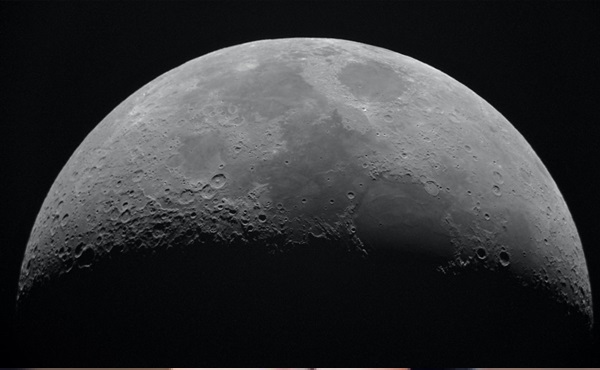
Supermoon: A supermoon occurs when the Moon is at its closest point to the Earth in its orbit, which makes it appear larger and brighter in the sky. Some people believe that a supermoon could increase the gravitational pull on the Earth, which could affect the tides and cause more stress on the faults. However, there is no scientific evidence to support this claim, and most experts agree that a supermoon has negligible effects on the Earth’s geology.

Randomness: A more simple and plausible explanation is that the increased earthquake activity in 2024 is just a result of natural variability and randomness. Earthquakes are complex phenomena that depend on many factors, such as plate tectonics, fault geometry, rock properties, fluid pressure, etc.

It is possible that some of these factors have coincided in a way that has produced more earthquakes than usual, but this does not mean that there is a pattern or a trend. It could just be a statistical anomaly that will eventually return to normal.

How to prepare for earthquakes

Regardless of the causes of the increased earthquake activity, it is important to be prepared for them and to know how to react when they occur. Here are some tips on how to reduce the risk of injury and damage from earthquakes:

Before an earthquake: Make sure you have an emergency kit with water, food, flashlight, radio, batteries, first aid kit, etc. Secure heavy objects and furniture that could fall or topple over. Identify safe places in your home and workplace where you can take cover during an earthquake, such as under a sturdy table or against an interior wall. Plan how to communicate with your family and friends in case of an emergency.

During an earthquake: If you are indoors, drop to the ground and cover your head and neck with your arms. Stay away from windows, doors, and exterior walls. If you are under a table or desk, hold on to it until the shaking stops. If you are outdoors, move away from buildings, trees, power lines, and other potential hazards. If you are in a car, pull over to a safe place and stay inside until the shaking stops.

After an earthquake: Check yourself and others for injuries and provide first aid if needed. Be careful of aftershocks, which could be as strong as or stronger than the main quake. Avoid damaged buildings, roads, bridges, etc. Follow the instructions of local authorities and emergency services. Listen to the radio or TV for updates and information.

How science and technology are helping us understand earthquakes

Despite the challenges and uncertainties of predicting earthquakes, science and technology are making great strides in improving our knowledge and capabilities in this field. Some of the recent advances include:

Seismic networks: These are systems of sensors that detect and measure seismic waves from earthquakes. They can provide real-time data on the location, magnitude, depth, and duration of earthquakes, as well as alert authorities and communities about potential hazards. Seismic networks can also help scientists study the structure and dynamics of the Earth’s interior.

Satellite imagery: Satellites can capture high-resolution images of the Earth’s surface before and after an earthquake, which can reveal changes in topography, deformation, landslides, etc. Satellite imagery can also help assess the damage and impact of earthquakes on infrastructure, environment, and population.

Machine learning: This is a branch of artificial intelligence that uses algorithms to learn from data and make predictions or decisions. Machine learning can help analyze large and complex datasets from seismic networks, satellite imagery, and other sources, and identify patterns or anomalies that could indicate earthquake activity. Machine learning can also help improve earthquake models and simulations and generate forecasts and scenarios.

Social media: Social media platforms such as Twitter, Facebook, Instagram, etc. can provide valuable information and insights on earthquakes from the perspective of the people who experience them.

Social media can help monitor the public’s reactions and sentiments, as well as provide eyewitness accounts, photos, videos, etc. Social media can also help disseminate information and warnings and facilitate communication and coordination among different stakeholders.

Earthquakes are natural phenomena that have been occurring for millions of years, but they can also cause immense destruction and suffering for humans. The year 2024 has seen an increase in earthquake activity around the world, which has raised questions and concerns about the causes and consequences of these events.

While there is no definitive answer to why the Earth is shaking more than usual, there are some possible explanations that have been proposed by scientists and experts.

However, regardless of the causes, it is important to be prepared for earthquakes and to know how to react when they happen. Science and technology are also playing a key role in improving our understanding and response to earthquakes, and in developing new tools and methods to mitigate their impact.
Elon Musk Neuralink Implants Brain Chip in First Human

0

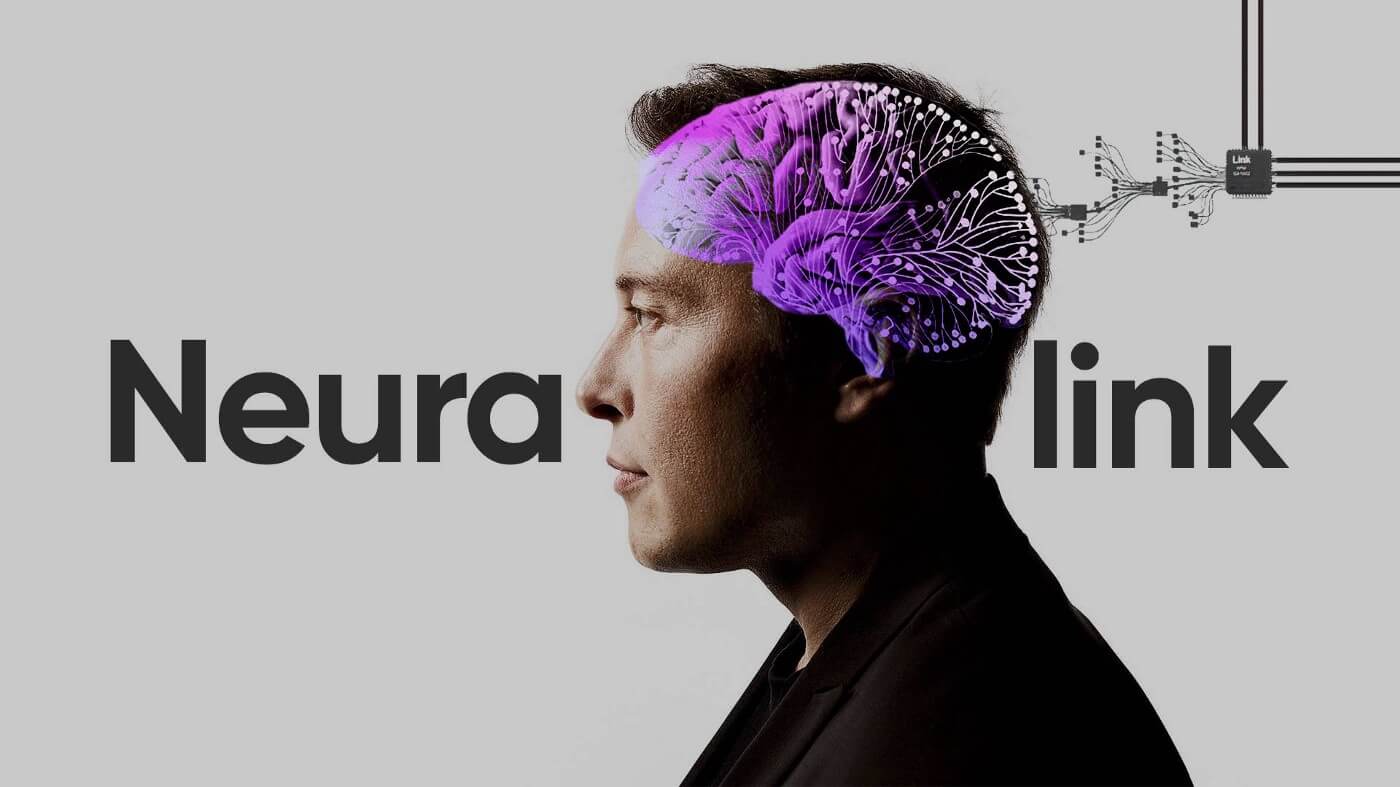
Tech entrepreneur and Billionaire Elon Musk has disclosed that his neurotechnology company which is developing implantable brain-computer interfaces, Neuralink, has successfully implanted a Brain chip in the first human.

Musk made this known via a post on his X handle, in which he wrote,

The first human received an implant from Neuralink yesterday and is recovering well. Initial results show promising neuron spike detection.”

The announcement comes several months after the company last year May, was given a green light by the US Food and Drug Administration (FDA), for its first-in-human clinical trial, which was a critical milestone for the company after it struggled to gain approval.

The trial was part of Neuralink “PRIME Study,” short for “Precise Robotically Implanted Brain-Computer Interface,” which aims to study the safety of its implant and surgical robot and to test the functionality of its device.

Trial patients will have a chip surgically placed in the part of the brain that controls the intention to move. The chip, installed by a robot, will then record and send brain signals to an app, with the initial goal being to grant people the ability to control a computer cursor or keyboard using their thoughts alone,

Speaking on Neuralink’s first human implant, Professor of active implantable medical devices at King’s College London, Anne Vanhoenstenberghe said,

For the brain chip implant community, we must place this news in the context that while there are many companies working on exciting products, there are only a few other companies who have implanted their devices in humans, so Neuralink has joined a rather small group.

I expect Neuralink will want to give the participant time to recover before they start training their system with the participant. We know Elon Musk is very adept at generating publicity for his company, so we may expect announcements as soon as they begin testing, although true success in My mind should be evaluated in the long-term, by how stable the interface is over time, and how much it benefits the participant.”

Musk through his neurotechnology company hopes it will be able to connect human brains to computers and cure a range of conditions such as autism, obesity, depression, and schizophrenia, as well as enable web browsing and telepathy.

The Neuralink device will first target restoring vision and enabling movement of muscles in people who cannot do so. He made headlines in 2022 when he said that he was so confident in the device’s safety that he would be willing to implant it in his children.

Neuralink mission is to Create a generalized brain interface to restore autonomy to those with unmet medical needs today and unlock human potential tomorrow

African Tech Startup Investment Declined by 28% to $2.4 Billion in 2023

0

A recent report has revealed that investments in African tech startups declined by 28 percent to $2.4 billion in 2023, as the global funding winter continues to bite harder.

Africa, like the rest of the world, has been affected by the global funding winter, with venture capital drying up and several start-ups forced to shut down or significantly restructure their operations.

According to the ninth edition of the annual African Tech Startups Funding Report released by Disrupt Africa, it described 2023 as the “year of the reset” for African tech startup funding.

The number of funded ventures, and the total funding raised, declined for the first time since 2016, though not as dramatically as many had feared. The number of funded ventures was down 35.9% from 633 in 2022. The number of active investors fell by almost 50%, and merger-and-acquisition activity also witnessed a significant decline.

A total of 406 African tech startups raised a combined total of US$2.4 billion over the course of 2023. Nigeria, Egypt, South Africa, and Kenya, fondly called “the Big Four”, secured a larger share of the total funding between them than in 2022.

Nigeria, however, saw funding decline tremendously shy of $ 400 million, which pushed it into fourth position overall, although it still had more funded start-ups than any other market.

The fintech sector yet again, attracted the most investors in 2022, with more start-ups securing funding than any other sector and a combined total that dwarfed all others. However, as with most other sectors, it saw a steep decline in investment, down 33.4% to $ 964 million.

Yet the fall in fintech funding mirrored that of the general market, meaning there were plenty of sectors that suffered more badly. Nine sectors saw larger percentage drops in total funding, including, in the case of e-commerce and retail tech, its traditionally largest competitor, which saw the biggest decline of all at almost 80 percent.

Nonetheless, despite the general decline in 2023, the number of funded ventures reportedly increased by 224.8 percent since 2015, and total funding is up 1,195 percent.

Average deal sizes have risen, dipped, and plateaued to varying extents, but have now been on an upward trajectory since 2019.

A total of 147 startups raised US$1 million or over in 2022, representing 36.2 percent of the total. This was down from 276 (43.6%) in 2022, which had been up from 206 (36.5%) in 2021 and 110 (27.7%) in 2020.

Egyptian fintech company MNT-Halan set a new record for funding raised in a calendar year, raking in US$510 million in equity and debt capital, while there were also notable raises by Kenya-based energy companies M-Kopa (US$315 million) and Sun King (US$150 million).

Other significant rounds were raised by the likes of South Africa’s Planet42 (US$100 million), South Africa’s Tyme (US$77.8 million), South Africa’s Wetility (US$48 million), Nigeria’s Moove (US$46 million) and DRC’s Nuru (US$41.5 million).

While total funding coming into the African tech space did not decline as sharply as many had predicted, the number of active investors dropped dramatically in 2023 as compared to 2022.

There were at least 527 different disclosed investors in African tech startups in 2023, down by almost a half – 46.6 percent to be exact – on the 987 disclosed in the previous 12 months. The 2022 figure, which was the largest amount of any year on record thus far, was up 28 percent on the 771 tracked in 2021.

Notably, only two sectors, ed-tech, and energy raised larger amounts of funding in 2023 as opposed to 2022, with smaller sectors most damagingly hit at a time at which they had been growing the fastest.

Nigerian Naira Lost 98% of Value Between May-Dec 2023, And How To Recover

0

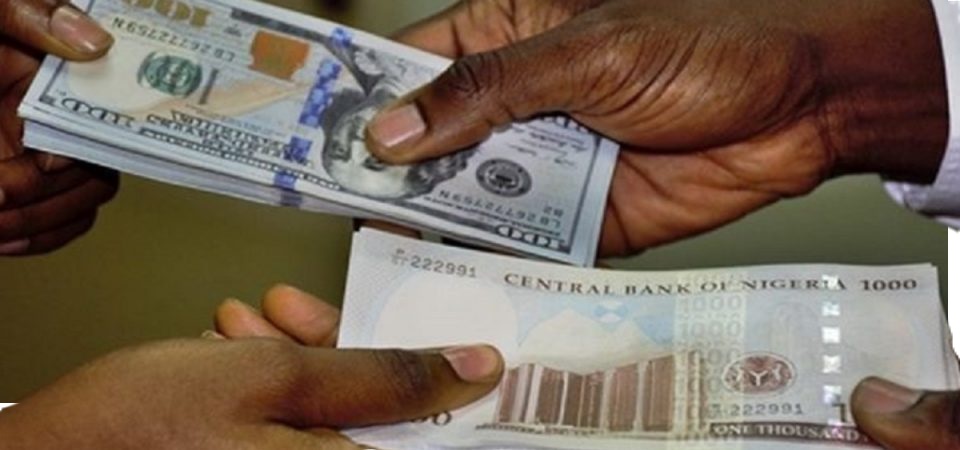
“Removal of fuel subsidy (which cost $10 billion in 2022), and the collapse of multiple FX windows into a single I&E window, which caused naira to depreciate by 98 percent between May and December 2023, among other monetary policy efforts, were key programmes executed to spur growth and regain investors’ confidence” – PwC –  ‘Nigeria’s Economic Outlook: Seven Trends That Will Shape Nigerian Economy in 2024’.

Good People, the next 6 months will be extremely important for Nigeria. A lost decade is possible if we do not get things right. While I have written that floating the Naira with no strategic plan on USD supply in Naira is a major mistake, I am very optimistic that the Naira will recover if we get to work.

Yes, Nigeria has great tools to recover quickly but we have to change the order of business. Merit-based system, Honesty in leadership, Pragmatism on our policies over political liturgies, and Unlocking the value of rural Nigeria, will deliver a new Nation.

One of the worst economic policies in Nigeria since 1999 is the current floating of the Naira. That decision has a score of “F” from me, because despite what any person could tell you, from the IMF to the Central Bank of Nigeria, economics is “science” played by the people. And science operates on principles.

In the natural philosophy domains like engineering, those principles are self-evident: you cannot throw a beam during construction without supporting systems. In social science like economics, you cannot float a currency without FIRST ensuring that you can create parity on demand and supply.

Yes, if demand continues to rise for US dollars in Nigeria and you have no means to improve the Supply of US dollars, you have disarmed the Naira, because market forces will weaken its positioning. This is economics 101; every WAEC Economics textbook always begins with Prof Lord Robbins definition of economics where he posited on the relationship between the “end and scarce means”.

The Richest Man in Abia

6

Question: “Ndubuisi, who is the Richest Man in Abia?”

My Response: It is very unlikely to know the richest person in Abia State because in many Abia communities, tradition is not to recognize you because you are rich in money,  but because you turned boys into men. So, the ideal question should be “ Who has raised more boys to become men, and girls to become women?” With that, you can get answers in communities.

In some communities, before you are allowed to speak in the village square, you must begin by pointing to people you have helped, before elders will yield the floor for you to speak. So, your money means nothing if none has benefitted from it.

In Ovim, one of the “richest men” ever lived remains Dr ENC Ukpabi. He earned a PhD in Geography in the United States before 1960, and was the first indigenous dean in University of Nigeria Nsukka. He was so amazing that his house was basically an Ovim house. 

He supported men and women to the extent that during Church baptism when people were asked by the Reverend to name their “Saviour”, some actually named Dr Ukpabi. Yes, they felt that he was the messiah! Of course, the Bishop will ask them to return to catechism and prepare for another Exam so that they can pass for baptism. And Dr was a very rich man even though he did not have a big bank account.

Scale that mindset across most Igbo communities. Yes, people build companies and break them, awarding market shares to future competitors. I explained that in the Harvard Business Review via the Igbo Apprenticeship System to the global world on stakeholder capitalism.

“Thanks so much for your work here. I like how you’re setting up the idea of stakeholder capitalism at the start while introducing the Igbo IAS…” The online version should be out by next month. The core construct is to present the  Igbo Apprenticeship System  as a thesis for the world as the conversation continues on stakeholder capitalism, not just shareholder capitalism.”

Indeed, the ancestral Igbo worldview was centuries ahead of the global push for stakeholder capitalism, in that view, you could get the idea of the richest person in your world.