DD
MM
YYYY

PAGES

DD
MM
YYYY

spot_img

PAGES

Home Blog Page 3747

Vietnam to refine its institutional framework to attract more FDI as Iran Launches three satellites into Orbit

0

Vietnam is one of the most attractive destinations for foreign direct investment (FDI) in Southeast Asia, thanks to its stable political system, strategic location, abundant workforce, and favorable business environment. However, the country is not resting on its laurels. It is constantly improving its institutional framework to enhance its competitiveness and facilitate FDI inflows.

One of the key reforms that Vietnam has undertaken is the amendment of its Law on Investment, which came into effect on January 1, 2024. The new law aims to simplify the procedures for FDI registration and approval, expand the list of sectors that are open to foreign investors, and provide more incentives and guarantees for FDI projects. Some of the notable changes include:

Reducing the number of conditional business lines from 267 to 227 and clarifying the criteria and conditions for each line. Introducing a negative list approach, which means that foreign investors can invest in any sector that is not explicitly prohibited or restricted by the law.

Allowing foreign investors to participate in public-private partnership (PPP) projects, which are expected to boost the development of infrastructure and public services in Vietnam.

Providing more protection for foreign investors against expropriation, nationalization, and discrimination, and ensuring fair and timely settlement of disputes. Offering more incentives for FDI projects in priority sectors, such as high-tech, innovation, research and development, renewable energy, education, health care, and environmental protection.

These reforms are expected to make Vietnam more attractive and competitive in the global FDI market, especially in the context of the COVID-19 pandemic and the US-China trade war, which have disrupted global supply chains and prompted many multinational corporations to diversify their investments.

According to the Ministry of Planning and Investment, Vietnam attracted $28.5 billion of FDI in 2020, ranking third in Southeast Asia after Singapore and Indonesia. The country also ranked second in the world in terms of FDI performance, according to the UNCTAD’s World Investment Report 2023.

Vietnam’s efforts to improve its institutional framework for FDI are commendable and should be emulated by other developing countries that aspire to attract more foreign investment and achieve sustainable development.

Vietnam has demonstrated that with a clear vision, strong commitment, and effective implementation, it is possible to overcome the challenges posed by the global economic downturn and leverage FDI as a catalyst for growth and innovation.

Vietnam has been making remarkable progress in enhancing its legal and regulatory environment for attracting foreign direct investment (FDI). The country has adopted several policies and measures to improve the quality and efficiency of FDI, such as simplifying administrative procedures, strengthening intellectual property rights protection, promoting linkages between domestic and foreign firms, and encouraging investment in high-tech and green sectors.

These efforts have paid off, as Vietnam has become one of the most attractive destinations for FDI in Southeast Asia and beyond. Vietnam’s success story offers valuable lessons for other developing countries that aspire to boost their economic growth and development through FDI.

According to the World Bank, Vietnam received $16 billions of FDI inflows in 2020, ranking fourth among developing countries in East Asia and the Pacific. FDI accounted for 19.6% of Vietnam’s gross fixed capital formation and 4.4% of its gross domestic product in 2020. Vietnam’s success story offers valuable lessons for other developing countries that aspire to boost their economic growth and development through FDI.

Iran Launches three satellites into Orbit

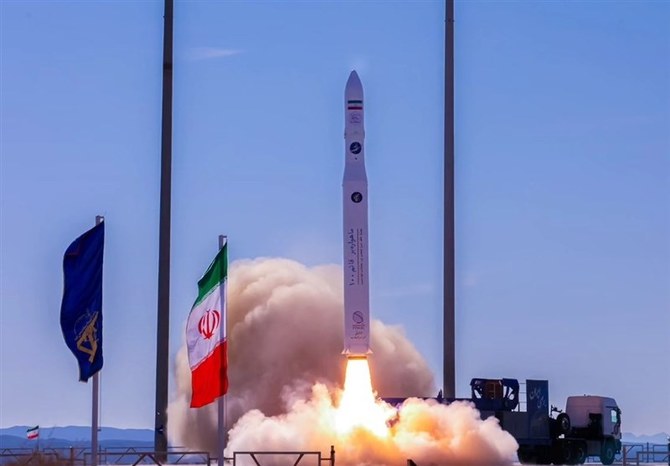
Iran has successfully launched three satellites into orbit, according to the country’s official news agency IRNA. The satellites, named Zafar-1, Zafar-2 and Pars-1, were carried by a Simorgh rocket from the Imam Khomeini Space Center in Semnan province on Monday.

The launch was part of Iran’s ambitious space program, which aims to develop indigenous capabilities for scientific and technological applications. Iran claims that the satellites are for peaceful purposes, such as remote sensing, telecommunications and environmental monitoring.

However, the launch has raised concerns among some of Iran’s adversaries, who accuse the country of using its space program as a cover for developing ballistic missiles. The United States, Israel and some European countries have condemned the launch as a violation of UN Security Council resolutions that call on Iran to refrain from any activity related to ballistic missiles capable of delivering nuclear weapons.

Iran has denied that its space program has any military dimension and has insisted that it has the right to pursue peaceful exploration of space as a sovereign nation. Iran has also criticized the sanctions imposed by the US and its allies on its space sector, which it says are unjust and hinder its scientific progress.

The launch of the three satellites marks a significant achievement for Iran, which has faced several setbacks in its previous attempts. In February 2020, Iran failed to put two satellites, Zafar-1 and Nahid-1, into orbit due to technical problems. In August 2019, a rocket exploded on the launch pad at the same space center, reportedly due to a faulty component.

According to the Iranian Space Agency (ISA), the satellites are designed for remote sensing, telecommunications and scientific research. Zafar-1 and Zafar-2 are equipped with high-resolution cameras that can capture images of the Earth’s surface with a resolution of 22.5 meters. Pars-1 is a microsatellite that can measure temperature, humidity and pressure in the atmosphere.

The ISA said the launch was part of Iran’s plan to develop its space capabilities and to use space technology for peaceful purposes. Iran is one of the few countries in the world that can independently launch satellites into orbit, along with the United States, Russia, China, India, Japan and Europe.

The launch also coincided with the anniversary of the 1979 Islamic Revolution, which overthrew the US-backed monarchy and established an Islamic republic. Iran’s President Hassan Rouhani congratulated the nation on the achievement and said it was a sign of Iran’s resilience and progress despite the sanctions and pressures imposed by its enemies.

The launch, however, drew criticism from some Western countries, who accused Iran of violating a UN Security Council resolution that calls on Iran not to undertake any activity related to ballistic missiles capable of delivering nuclear weapons. Iran has denied that its space program has any military dimension and said it has the right to pursue peaceful exploration of space.

Iran is one of the few countries in the world that has developed its own satellite launch capability, along with the US, Russia, China, India, Japan and some European countries. Iran launched its first satellite, Omid, in 2009, followed by Rasad in 2011, Navid in 2012 and Fajr in 2015.

United States calls for contributions to Haiti security mission

0

The United States has called on other countries to join its efforts to stabilize Haiti after the assassination of President Jovenel Moïse and the devastating earthquake that followed. The US is leading a security mission to help the Haitian authorities restore order and deliver humanitarian aid, but it faces many challenges and risks in the troubled Caribbean nation.

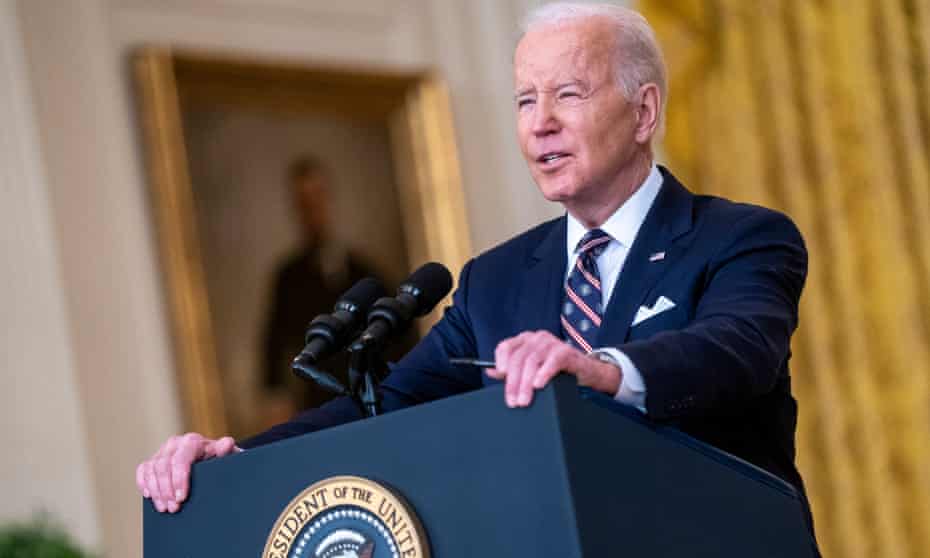
In a statement issued, US Secretary of State Antony Blinken said that the US was “working with our partners to coordinate our efforts in support of the Haitian people and Haiti’s democratic institutions.” He urged other countries to “step up and help provide much needed security, humanitarian, and stabilization assistance.”

“We reaffirm our support of ongoing international efforts to deploy a Multinational Security Support mission for Haiti… and renew our calls for the international community to urgently provide support for this mission.”

Kenya had been meant to lead the mission but a High Court judge on Friday ruled that sending police to Haiti “contravenes the constitution and the law and is therefore unconstitutional, illegal and invalid.”

The US has deployed about 400 troops, along with FBI and Homeland Security agents, to assist the Haitian National Police in securing key infrastructure and protecting VIPs. The US has also provided $32 million in humanitarian assistance, including food, water, shelter, and medical supplies, to the earthquake victims.

Nairobi had previously said it was ready to provide up to 1,000 personnel — an offer welcomed by the United States and other nations that had ruled out putting their own forces on the ground. “It is urgent that the international community respond to the unprecedented levels of gang violence and destabilizing forces preying upon the Haitian people,” Miller said.

However, the security situation in Haiti remains volatile and complex, as rival gangs’ control large parts of the capital Port-au-Prince and other areas. The political crisis triggered by Moïse’s killing has not been resolved, as different factions claim legitimacy and power. The earthquake has also exacerbated the humanitarian needs of millions of Haitians who were already facing poverty, hunger, and disease.

The US has said that it does not intend to stay in Haiti for long, and that it is not seeking to impose a solution on the Haitian people. Blinken said that the US was “committed to supporting a Haitian-led process of restoring constitutional order as quickly as possible.” He added that the US was “encouraging Haiti’s political actors to engage in dialogue and form a broad-based, inclusive government that can deliver stability, peace, and free and fair elections.”

The US has also called for an international investigation into Moïse’s assassination, which involved foreign mercenaries and remains shrouded in mystery. Blinken said that the US was “working closely with Haitian and international partners to hold accountable those responsible for this heinous act.”

The US faces a delicate balance between providing security and humanitarian assistance to Haiti, while respecting its sovereignty and self-determination. The US has a long and controversial history of intervention in Haiti, dating back to the early 20th century. The US has supported or opposed various regimes, launched military invasions or occupations, and sponsored or opposed UN peacekeeping missions.

The US hopes that its current involvement in Haiti will help the country overcome its multiple crises and achieve lasting stability and democracy. However, the US also needs the cooperation and support of other countries and organizations to share the burden and responsibility of assisting Haiti. The US appeals for contributions to Haiti security mission reflect its recognition of the complexity and urgency of the situation, as well as its desire to avoid being seen as a unilateral actor or a neocolonial power.

Ghana launches Sentuo Oil Refinery to boost Domestic Petroleum Industry

0

Ghana has achieved a major milestone in its quest to become a self-reliant and prosperous nation in the oil and gas sector. On January 26, 2024, the President of Ghana, Nana Akufo-Addo, officially inaugurated the Sentuo Oil Refinery, the largest and most modern refinery in West Africa.

The Sentuo Oil Refinery, located in the Tema Industrial Area, has a capacity of 200,000 barrels per day (bpd), which is more than enough to meet the domestic demand of 80,000 bpd and export the surplus to neighboring countries. The refinery is equipped with state-of-the-art technology and facilities to produce high-quality petroleum products that meet international standards.

The refinery is a joint venture between the Ghana National Petroleum Corporation (GNPC), the state-owned oil company, and Sentuo Group, a Chinese conglomerate with interests in energy, mining, construction and agriculture. The project cost $4 billion and took four years to complete. It is expected to create over 10,000 direct and indirect jobs and generate $1.2 billion in annual revenue for the government.

The President hailed the refinery as a game-changer for Ghana’s economy and energy security. He said that the refinery would reduce the country’s dependence on imported petroleum products, save foreign exchange, enhance value addition, create employment opportunities and stimulate industrial growth. He also praised the partnership between GNPC and Sentuo Group as a model of win-win cooperation between Ghana and China.

The President also assured the public that the refinery would operate in an environmentally friendly and socially responsible manner. He said that the refinery had installed advanced pollution control systems and waste management facilities to minimize its environmental impact. He also said that the refinery would support local communities through corporate social responsibility programs and initiatives.

Benefits of Sentuo Oil Refinery

One of the main benefits of Sentuo Oil Refinery is that it will reduce Ghana’s dependence on imported refined petroleum products, which currently account for about 80% of the country’s consumption. This will help to save foreign exchange, improve the balance of payments, and enhance energy security.

Moreover, the refinery will create direct and indirect jobs for thousands of Ghanaians, especially in the Western Region where it is located. The refinery will also stimulate the development of other industries that rely on petroleum products, such as petrochemicals, plastics, fertilizers, and power generation.

Another benefit of Sentuo Oil Refinery is that it will increase Ghana’s value addition to its crude oil resources, which are estimated at 660 million barrels. Currently, Ghana exports most of its crude oil and imports refined products at higher prices.

By refining its own crude oil, Ghana will be able to capture more of the value chain and increase its revenue from the oil sector. The refinery will also enable Ghana to produce higher quality and environmentally friendly fuels that meet international standards and reduce emissions.

Challenges of Sentuo Oil Refinery

Despite the potential benefits, Sentuo Oil Refinery also faces some challenges that need to be addressed. One of the main challenges is the availability and affordability of crude oil feedstock for the refinery. Ghana produces about 200,000 barrels per day of crude oil, which is not enough to meet the refinery’s capacity.

Therefore, Ghana will have to source additional crude oil from other countries, such as Nigeria and Angola, which may pose logistical and financial difficulties. Moreover, Ghana will have to compete with other refineries in the region and globally for market share and profitability.

Another challenge of Sentuo Oil Refinery is the regulatory and policy framework that governs the petroleum industry in Ghana. The refinery will have to comply with various laws and regulations that affect its operations, such as taxes, tariffs, subsidies, pricing, quality standards, environmental protection, and local content.

Some of these regulations may be outdated or inconsistent with the current realities of the industry and may need to be reviewed or amended. Furthermore, the refinery will have to deal with political and social factors that may influence its performance, such as public expectations, stakeholder interests, corruption, and security issues.

The inauguration of the Sentuo Oil Refinery marks a new era for Ghana’s oil and gas industry. It is a testament to the vision and leadership of the government, the competence and professionalism of GNPC, and the trust and confidence of Sentuo Group. It is also a symbol of Ghana’s progress and potential as a leading oil producer and exporter in Africa.

The current situation on China’s Evergrande saga

0
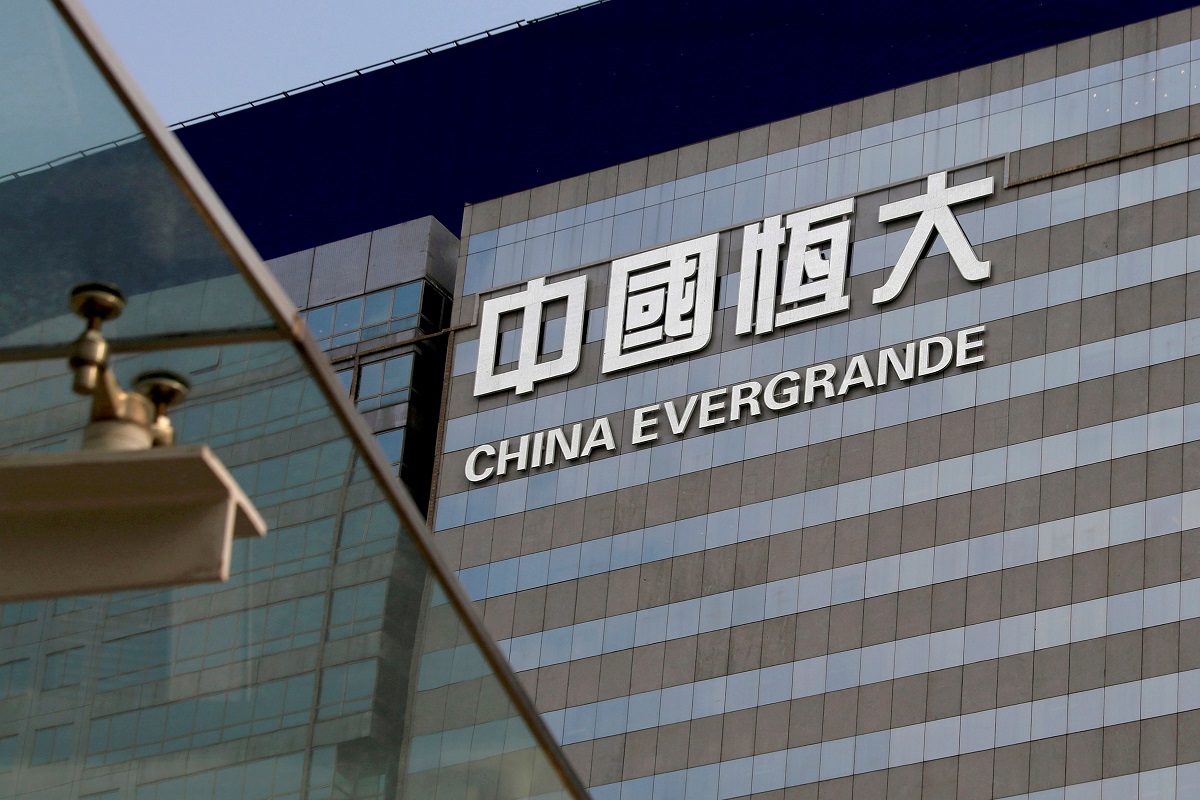
FILE PHOTO: An exterior view of China Evergrande Centre in Hong Kong, China March 26, 2018. REUTERS/Bobby Yip/File Photo/File Photo/File Photo

China Evergrande Group, once the world’s most indebted property developer, is facing a possible liquidation as early as Monday, January 29, 2024. A court in Hong Kong will hear a winding-up petition against the firm by foreign creditors, who are seeking to recover their money from the company’s $300 billion debt pile.

Evergrande has been struggling to survive since 2021, when a crackdown by the Chinese government on excessive borrowing in the real estate sector triggered a liquidity crisis for the firm. Evergrande defaulted on its offshore debt obligations in late 2021 and failed to reach an agreement with its creditors on a debt restructuring plan in December 2021.

The winding-up petition was filed by Top Shine, a Samoa-registered investor in one of Evergrande’s subsidiaries. A group of offshore bondholders also plans to join the petition to liquidate the company’s assets, according to Reuters.

Evergrande’s lawyers have argued that none of its creditors are seeking the liquidation of the firm, which has $240 billion of assets. But the judge warned that the most recent hearing would be the last before a decision was made on whether to issue the winding-up order, in the absence of a “concrete” restructuring plan.

A liquidation of Evergrande could have far-reaching consequences for China’s economy and financial system, as well as for global markets.

Evergrande is not only a major player in China’s property market, which accounts for about 25% of the country’s GDP, but also a large employer and a source of funding for many other businesses. A disorderly collapse of Evergrande could trigger a chain reaction of defaults, bankruptcies and social unrest among its suppliers, contractors, homebuyers and employees.

However, a liquidation of Evergrande is not a foregone conclusion. The case is being seen as a test of whether a winding-up order issued in Hong Kong would be recognized in mainland China.

Hong Kong’s system of common law, which has remained in place after the former British colony was returned to China in 1997, is preferred by foreign creditors when it comes to recovering debts in the mainland.

Beijing agreed two years ago to recognize Hong Kong insolvency orders in the Chinese cities of Shenzhen, Shanghai and Xiamen. But in practice, liquidation orders have been difficult to pull off due to China’s opaque legal system.

Mainland courts have, to date, only recognized one such order, and have the ability to use their discretion over whether recognition is warranted. If the order is accepted by a Chinese court, Evergrande would be placed in the hands of liquidators who would then try to sell off its assets to pay its creditors. The liquidators could propose a new debt restructuring plan to offshore creditors if they determined the company had enough assets.

Alternatively, Evergrande could still reach a deal with its creditors before or after the winding-up hearing or seek protection from mainland courts under China’s bankruptcy law.

The Chinese government could also intervene to prevent a systemic crisis, either by providing direct or indirect support to Evergrande or by facilitating an orderly resolution of its debt problems. The government has so far adopted a cautious approach, balancing its desire to maintain financial stability with its goal of deleveraging the property sector and curbing moral hazard.

The outcome of Evergrande’s saga will have significant implications for China’s economic growth, financial stability and social stability in 2024 and beyond. It will also affect the confidence and expectations of investors, consumers and policymakers around the world. Evergrande’s fate is not only a matter of corporate survival, but also a test of China’s economic resilience and reform.

Bitcoin Predicted to Reach $50,000 as Bullish Bets Increases

0

Head of research and strategy at crypto financial services platform Matrixport, Markus Thielen, has recently predicted that the price of Bitcoin could reach $50,000 as bullish bets continues to increase.

According to Thielen, his prediction is based on the Elliot Wave theory, which is a form of technical analysis that looks for recurrent long-term price patterns related to persistent changes in investor sentiment and psychology.

The theory specifies particular rules and recommendations for recognizing and categorizing certain wave patterns, such as wave direction, length, and momentum. According to the hypothesis, these patterns can be detected and used to forecast future market behavior. Also, it is frequently utilized to make informed trading decisions in the stock, Forex (FX), and commodities markets.

Thielen analysis posits that Bitcoin has been in a five-wave bullish pattern since early last year, with the recent pullback from roughly $49,000 to $38,500 constituting wave 4 or the temporary retracement. With the market currently on wave 5, prices are projected to hit $50,000 and above.

Thielen’s bullish outlook is consistent with the decline in selling pressure from investors taking profits in the Grayscale Bitcoin Trust (GBTC). The profit-taking was partially responsible for Bitcoin falling into wave 4 correction following the launch of U.S.-based spot ETFs on Jan. 11.

He added that potential catalysts for a move higher could center around the diminishing the impact that the Grayscale GBTC selling could have on the price of Bitcoin, the fact that stocks are making new all-time highs, and Google allowing Bitcoin & Crypto ETF advertisements from today onwards.

It is worth noting that the price of Bitcoin has continued to swing back and forth, which saw it spike to $49,000 on January 11, and dropped to a low of $38,600 on January 23. The rapid swings according to analysts are attributed to the historic approval of the first spot Bitcoin ETFs in the US and the confusion surrounding the process.

With the recent price of Bitcoin at $42,000, reports reveal that over $4 billion of funds have flowed into the new spot Bitcoin ETFs, particularly to products operated by BlackRock and Fidelity.

Several crypto experts predict a bright future for the asset, while some suggest that investors waiting for the price to crash toward the $30,000 price, will be disappointed.

However, despite a market dip due to profit-booking and GrayScale outflows, Bitcoin has maintained its position at the $40,000 level, reflecting confidence from institutional and retail investors.

There are predictions of substantial inflows of $5-7 billion in the next three months, with a broader perspective foreseeing institutional commitment and potential inflows reaching $500 billion within 2-5 years.