DD
MM
YYYY

PAGES

DD
MM
YYYY

spot_img

PAGES

Home Blog Page 3770

The conspiracy on CZ Binance selling Binance affiliate to CommEx

0

There has been a lot of speculation and rumors about the recent deal between CZ Binance, the founder and CEO of Binance, the world’s largest cryptocurrency exchange, and CommEx, a new digital asset platform backed by some of the biggest names in the industry. Some people claim that CZ Binance has sold his Binance affiliate program to CommEx, effectively giving up his control and influence over the Binance ecosystem. But is this really true? And what are the implications for Binance users and the crypto community at large?

Changpeng “CZ” Zhao on Thursday denied that he is the owner of CommEX, the mysterious company that has bought Binance’s business in Russia. Binance, of which CZ is the founder and chief executive officer, this week announced it was quitting Russia after reports of a U.S. Department of Justice investigation into sanctions violations. That led to questions around the identity of CommEX – a company with similar user look and feel to Binance, and which appears to just be a few days old. “I am not their UBO [ultimate beneficial owner], nor do I own any shares there,” CZ said of CommEx in a post on X, formerly Twitter, adding that a few former Binance staff from the region have gone to work for CommEX, or may do so in future.

First of all, let’s clarify what the deal actually entails. According to the official announcement, CZ Binance has agreed to transfer his Binance affiliate program, which rewards users for referring new customers to the exchange, to CommEx. This means that from now on, users who sign up for Binance through CommEx will receive a portion of their trading fees as a commission, instead of getting it from Binance directly. CommEx will also provide additional incentives and benefits for its users, such as access to exclusive products, services, and events.

However, this does not mean that CZ Binance has sold or given up his stake in Binance, or that he has any less influence or authority over the exchange. He remains the founder and CEO of Binance, and he still owns a significant share of the company. He also retains his role as the leader and visionary of the Binance ecosystem, which includes various initiatives such as Binance Chain, Binance Smart Chain, Binance Launchpad, Binance Academy, Binance Charity, and more.

So why did he decide to transfer his affiliate program to CommEx? The answer is simple: to create more value and opportunities for both platforms and their users. By partnering with CommEx, CZ Binance can leverage its network and resources to reach more potential customers and expand his user base. CommEx, on the other hand, can benefit from CZ Binance’s reputation and expertise in the crypto space, and offer its users a seamless and secure way to access the Binance platform. Together, they can create a win-win situation that enhances the growth and innovation of the crypto industry.

In a blog post published on September 28, CZ clarified that he has not sold or given up his stake in Binance, and that he remains fully committed to the vision and mission of the platform. CZ explained that he has been receiving a lot of questions and comments from the community, media, and regulators about his role and status in Binance.

He said that some people have been spreading false information or making baseless assumptions that he has either sold his shares, stepped down from his position, or left the company altogether. He stated that none of these claims are true, and that he is still the largest shareholder and the CEO of Binance.

He also reiterated that he has no plans to change his role or sell his stake in the near future, and that he is proud of what Binance has achieved so far. He said that Binance has grown from a small startup to a global leader in the crypto industry, with over 2,000 employees, 100 million users, and millions of transactions per day. He said that Binance has also contributed to the development and innovation of the blockchain ecosystem, by supporting various projects, initiatives, and charities.

CZ acknowledged that Binance has faced some challenges and difficulties in the past year, especially in terms of regulatory compliance and user protection. He said that Binance has been working hard to improve its systems, processes, and standards, and to cooperate with regulators and authorities around the world. He said that Binance is committed to providing a safe, secure, and compliant platform for its users and partners.

Therefore, there is no reason to believe that this deal is a conspiracy or a betrayal of the Binance community. On the contrary, it is a smart and forward-looking decision that shows CZ Binance’s vision and leadership in the crypto space. He is not selling out or abandoning his loyal followers; he is creating more value and opportunities for them. And he is not losing his influence or control over Binance; he is strengthening it by forging strategic partnerships with other players in the industry.

Important NAFDAC Regulations on Cosmetics in Nigeria

0

This article aims to enlighten readers of the relevant provisions of the National Agency For Food and Drug Administration and Control (NAFDAC) on cosmetic products labelling in Nigeria, especially in light of the worrisome plethora of dubious skin care brands dominating the Nigerian market backed by extravagant marketing.

The NAFDAC regulations apply to all cosmetic products manufactured, imported, exported, advertised, sold, distributed or used in Nigeria. 

Its relevant provisions are as follows:- 

Prohibition

– All cosmetic products manufactured, imported, exported advertised, sold, distributed or used in Nigeria shall be registered in accordance with the provisions of the NAFDAC regulations.

– A cosmetic product shall not be manufactured, imported, exported, distributed, advertised, displayed for sale, offered for sale, sold or used as a cosmetic products, unless a label has been affixed thereto with the information specified in the regulations and appearing on both the inner and outer container.

Labelling Information

– All information required to be indicated on the label of a cosmetic shall be informative, accurate, prominent, legible and distinct.

– All statements shall appear in font size and style type, which is legible for clarity and on a sufficient contrasting background without obscuring designs or vignettes.

– The letters of the name of the cosmetic product and the net content shall be of a size reasonably related to the predominant character on the label.

Validity of Approval

– A cosmetic product label shall state the following :-

  1. Brand name (where applicable)
  1. Product’s statement of identity
  1. Lot/batch number
  1. Net content
  1. Expiry date
  1. Manufacturer’s name and location address including country of origin

– Where a cosmetic is covered with a wrapper, the label shall be legible through the outer wrapper and shall not be obscured.

– Where the wrapper carries the required information, it shall be affixed in a manner that is not removable from the cosmetic container.

– Any claims on the cosmetic product shall be substantiated.

Product Identity

– The outer and inner labels of a cosmetic product shall be required to bear the name of the cosmetic product which shall indicate the accurate natureof the cosmetic product.

– Where a common name or statement of identity has been established for the cosmetic, it shall be used in conjunction with the brand name of the cosmetic product.

– Where no common name or statement of identity exists for a cosmetic product, an appropriate descriptive name shall be affixed to it.

List of Ingredients

– A complete list of ingredients used in preparing the cosmetic product shall be declared on the outer label and inner labels where appropriate in decreasing order of predominance, provided that :-

  1. Fragrance, colour or flavour may be listed in any order after the other ingredients as fragrance, colour or flavour, and
  1. An ingredient that is a fragrance, colour or flavour shall each be designated by internationally identified names or codes.

– Where there is no outer packaging, the list of ingredients shall appear on the inner label.

– Ingredients in concentrations of less than 1% may be listed in any order after those concentrations of 1% or more.

– The declaration of ingredients shall be prominent, readable and understood under normal conditions of purchase.

Net Content of Cosmetic Product

– The accurate average net content of every cosmetic product shall be declared on the inner and outer label in the metric system.

– The declaration of the average net content of the cosmetic product shall be required to be made in the case of :-

  1. Liquid cosmetic in volume
  1. Solid cosmetic by weight & number or count where appplicable.
  1. Semi-solid or viscous cosmetic by weight or volume.

Declaration of Name, Address & Country of Manufacture

– The name and full location address of the manufacturer and packer of a cosmetic product shall be specified on both the inner and outer label where appplicable in such a manner that is easily readable.

– Where the name of the holder of Certificate of Registration of a cosmetic product is specified on the inner and outer label, it shall be easily readable. 

Batch Number

– This shall be indicated on both the inner and outer labels, where appplicable, of all cosmetic products & where it is impossible, for reasons of size, for details of the batch number to appear on both the inner and outer packaging, the details shall be given on the inner packaging.

Date Marking Instructions

– The date marking shall be stated for all cosmetic products and shall be stated on both the inner and outer labels, where applicable.

Storage Condition

– The required storage conditions shall be specified on both the inner and outer labels where appplicable.

Brand Name/Trademark

– The brand name/trademark shall be displayed on the label and shall not give a wrong impression of the nature, quality or substance of yhr cosmetic product.

Registration Number & Directions For Use

– All cosmetic products shall bear on its label its NAFDAC Registration number issued on the Certificate of Registration in such a manner as prescribed by NAFDAC.

– Directions for use, including reconstitution where appplicable, shall be included on the label to ensure correct utilization of the cosmetic product.

Warning and Citations

– The outer and inner label of every cosmetic product shall carry clear and adequate warning to prevent any danger in the use of the product.

Soaps

– Where soap is supplied in a container or wrapper, it shall comply with the labelling requirements contained in these regulations.

Displayed Information

– Any information displayed on a label, which misleads or deceives a consumer in anyway shall constitute an offence under these regulations.

Offences and Penalties

– An individual found guilty of violating these regulations can serve a 1 year jail term, pay a fine of 800 Thousand Naira, or both.

– A body corporate found guilty of violating these regulations will be liable to pay a fine of up to 5 Million Naira.

– Criminal prosecution in this regard can be carried out against directors, managers and secretaries of body corporates found guilty of violating these regulations except where it is proved that the offences were committed without their knowledge, connivance or consent.

Enforcement

– The NAFDAC is entrusted with the statutory duty of enforcing compliance with these regulations.

Cosmetics :- Provisions Of The NAFDAC Guidelines For The Inspection Of Facilities For Manufacture Of Veterinary Cosmetics in Nigeria

These Guidelines as released by the National Agency For Food and Drug Administration and Control (NAFDAC) are for the interest of the general public and manufacturers of Veterinary Cosmetics in Nigeria.

No Veterinary Cosmetics shall be manufactured, exported, imported, distributed, sold or used in Nigeria except in accordance with the provisions of NAFDAC Act CAP N1 (LFN)2004, other related legislations and the accompanying Guidelines.

Step 1- Application For Inspection

Upon request for facility inspection from Registration & Regulatory Affairs Directorate, the following are required :

– An application for inspection should be made on the company’s letter head paper to the Director-General (NAFDAC).

Step 2 – Procedure For Payment

– The application is reviewed to determine payment to be made.

– Payment Advice for inspection and laboratory analysis is issued by NAFDAC desk officer.

– Visit www.remita.net to generate Remita invoice and print out a copy of the invoice.

–  Any nearest commercial bank for payment.

– NAFDAC Accounts Office to collect receipt of payment.

– Attach photocopy of the receipt of payment to the application to be submitted.

Step 3- Submission Of Application

– The reviewed application letter and two (2) sets of the under listed documents are submitted at the Liaison office of the Director (LOD), NAFDAC.

– Duly completed Registration form filled on-line at www.napams.org and printed.

– Photocopy of receipt of payment.

– Certificate of business incorporation of the applicant with Corporate Affairs Commission (CAC) in Nigeria.

– Certificate of registration of brand name/Evidence of Trade mark approval from the Federal Ministry of Commerce in Nigeria, done in the name of the owner of the trade mark.

– Copy of organogram of the company.

– List of Production and Quality Control equipment.

– Comprehensive Certificate of analysis of the raw materials.

– Comprehensive Certificate of Analysis of the batch of product to be registered.

– Certificate of analysis of the raw and treated water for production.

– Product labels.

– Evidence of expired NAFDAC Registration Certificate (for product registration renewal).

– Appointment and acceptance letters of the technical officer including all credentials (Degree, NYSC certificates, etc.). The technical officer should have scientific background with minimum of Ordinary National Diploma; OND or its equivalent.

– Medical Certificate of Fitness for technical and production staff.

– Retainership agreement with a Hospital/Clinic for periodic medical check-up of staff.

– Evidence of fumigation of premises/ factory.

Standard Operating Procedures (SOPs)

– SOP for Production

– SOP for Quality Control

– SOP for cleaning, sanitation and maintenance

– SOP for product recall and distribution

– SOP for receipt of raw materials

– SOP for line clearance

Step 4 – Scheduling Of Inspection

– Upon satisfactory vetting of the application, the date of the inspection is communicated to the company.

Step 5 – Inspection

– The Inspection is conducted as scheduled. Where the Inspection is unsatisfactory a Compliance Directive is issued and communicated to the company.

– For satisfactory inspections, registration samples are taken at the end of the inspection for laboratory analysis while the summary inspection report is forwarded to Registration and Regulatory Affairs Directorate for further processing.

Tariff

As advised by NAFDAC.

Labelling Information

– Labeling should be informative, accurate and in accordance with the Agency’s Labelling Regulations and any other relevant regulations.

– The labelling requirements include:

  1. The Name of cosmetics (common and brand name) and descriptive name where applicable.
  1. Name and full location address of the manufacturer.
  1. Provision for NAFDAC Registration Number on product label.
  1. Batch Number, Manufacturing date and Expiry date.
  1. Dosage form & strength on the package.
  1. Description of the method of usage (Mode of application).
  1. Quantitative listing of all ingredients in descending order of in-going weight.
  1. Adequate warnings where necessary.
  1. Net content of products
  2. Storage conditions

It should be noted that the clock stops once Compliance Directives are issued.

Important NAFDAC Regulations On The Registration of Bio-similars in Nigeria

0

Biochemicals :- Important Provisions Of The NAFDAC Regulations on the Registration of Bio-similars in Nigeria

Rendered effective from 13/12/2021, the National Agency For Food and Drug Administration and Control (NAFDAC) guidelines forming the focus of this article are aimed at the general public and Nigerian pharmaceutical industries in particular.

As with other NAFDAC regulations, it is important to state that no medicinal product shall be manufactured,imported, exported advertised, sold or distributed in Nigeria without necessary registration in compliance with laid-down NAFDAC regulations.

We will then be looking at the notable provisions of these guidelines.

Definition of Terms

– Reference Biotechnology Product (RBP) :- A product used as the comparator for head-to-head comparability studies with a Bio-similar in order to show similarity in terms of quality, safety and efficacy which must be licensed in Nigeria with some exceptions.

– Bio-similar – A product is said to be a biosimilar if it demonstrates similarity in terms of quality, safety and efficacy to a named reference bio-therapeutic product licensed in Nigeria and/or by s stringent regulatory authority. 

Applications

– The manufacturer shall be represented by an applicant – a duly registered pharmaceutical company – who must be in possession of a notarized power of attorney from the manufacturer authorizing him to speak for the principal on all matters relating to the product.

– The manufacturer must have:-

  1. A manufacturer’s license/certificate :- This is the documentary evidence issued by a competent health authority of the country of manufacture that the company is licensed to manufacture biotechnological products which may be used in the country of origin/exported.
  1. A product license/Certificate of registration.
  1. A Certificate of Pharmaceutical Product(COPP) in conformity with WHO formats :- This is the documentary evidence by the competent health authority that the sale of the product does not constitute a contravention of the drug laws of the country of manufacture.
  1. A valid World Health Organization (WHO) Certificate.

Product

– There must be evidence to demonstrate similarity to a named reference biotechnological product of assured quality, safety and efficacy in respect to the indication(s), note of administration and dosage forms that has been licensed based on a full registration dossier in Nigeria and or by w stringent regulatory authority.

– Failure to comply with this requirement will bar a product from registration.

Labelling Requirements

– The minimum labelling requirements on the primary and secondary package labels are :-

  1. Name of product :- INN/Scientific name and brand name where applicable, which must be written directly under the brand name and in same character.
  1. Manufacturer’s name and factory location address.
  1. Provision for NAFDAC registration number.
  1. Batch/Lot number.
  2. Manufacturing and expiry dates.
  1. Quantitative listing of all the active ingredients per unit dose.
  1. Precisely defined storage conditions.

Documentation

– Applicants shall be required to submit the following documents (originals and 2 copies) along with the duly completed application forms to NAFDAC:-

  1. Power of attorney or a contract manufacturing agreement.
  1. Manufacturer’s license/Certificate indicating:-

– The name of products to be registered.

– The name and address of the manufacturer.

  1. A certificate of pharmaceutical products (COPP- WHO format).
  1. A valid WHO Good Manufacturing Practice (GMP) Certificate.
  1. Evidence of trademark approval.
  1. A comprehensive certificate of analysis, issued by the manufacturer indicating the name, designation and signature of the analyst.
  1. Evidence of membership or approved sectoral group.

Validity period of Bio-similar Approval

– 5 years.

Fee Schedule

– Total regulatory payment for Bio-similar registration is 350 Thousand Naira plus 5% VAT( This is minus legal costs). 

Issuance of Certificate of Registration

– The applicant upon registration shall be issued a notification of product registration with the registration number which shall be subsequently used to obtain a registration certificate.

NAFDAC Guidelines on Warehouse Inspection in Nigeria

0

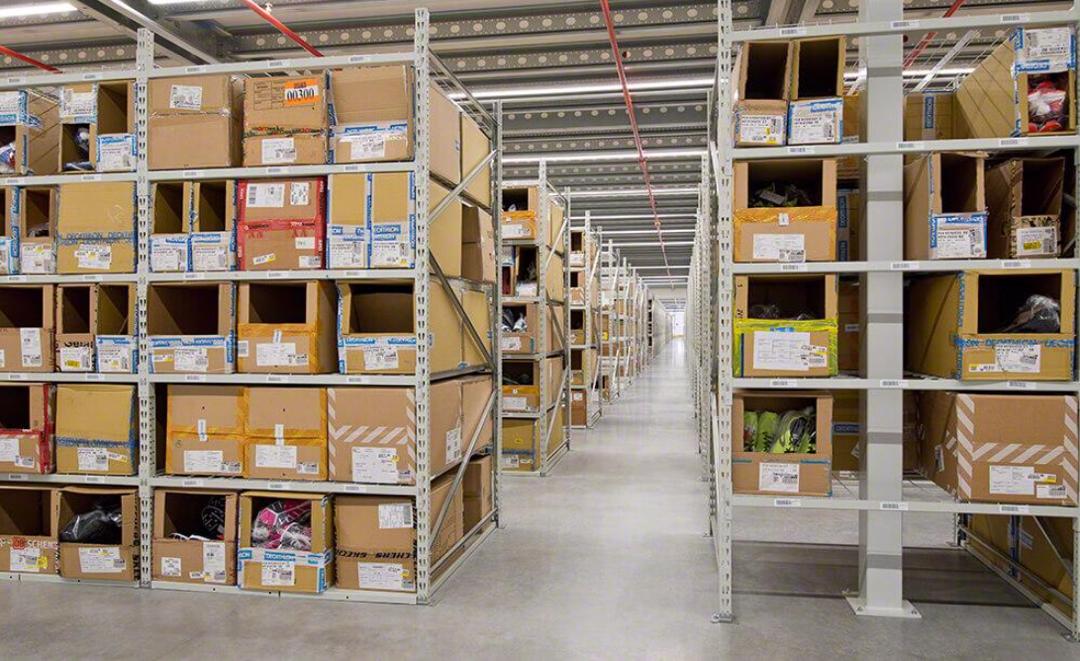
The National Agency For Food and Drug Administration and Control (NAFDAC) introduced the warehouse inspection guidelines for the public and in particular, persons intending for warehouse inspection.

These guidelines prescribe the minimum safety standard for chemical handling, documentation, personnel requirements, facilities and timeline for warehouse inspection.

It should be noted that warehouse inspection is a prerequisite to issuance of chemical Importation permits of listing certificates which are authorizations to market chemicals.

The procedures involved in NAFDAC warehouse inspection are what will form the focus of this article.

Step 1 – Application

– An application letter on the applicant company’s letterhead paper addressed to NAFDAC which should include names of the chemicals, the quantities required and uses for which the chemicals are intended. The application must be signed by the Managing Director/Chief Executive Officer (CEO) or Technical Officer of the company.

– The following documents should be attached to the application :-

  1. Evidence of business incorporation
  1. Copies of the company’s Memorandum and Articles of Association (MEMART)
  1. Evidence of Particulars of Directors
  1. 2 passport photos of technical officer with name and company written on the back of the passport
  1. Evidence of the appointment letter, acceptance letter and credentials of the technical officer
  1. Standard Operating Procedure (SOP) for storage/handling of chemicals duly signed by the MD/CEO or Technical Officer with name and designation
  1. Evidence of payment for warehouse inspection
  1. Evidence of payment of rent for a minimum of 1(One) year
  1. Medical fitness certificate for the technical officers which should be presented biannually

Step 2 – Submission of Application

– The application letter and accompanying documents should be submitted at the liaison office of the Director, Chemical Evaluation and Research (CER) , NAFDAC.

Step 3- Review of Company documents followed by scheduling an inspection of the warehouse.

Step 4- Inspection of the warehouse as scheduled.

Step 5- Processing of Permit

– Upon satisfactory inspection of warehouse the permit applied for is processed. For unsatisfactory inspections, a compliance directive is issued within 2 work days.

Step 6 – Payment of Applicable Tariffs

It should be noted that:-

– A processing period of 16 work days should be allowed from the time of submission of a complete application.

– The timeline for processing is suspended when there is a compliance directive and resumes when the applicant compiles and communicates compliance to the agency.

– Warehouse Inspection is conducted annually for importers and marketers of restricted & agro chemicals. It is conducted every 2 years for importers and marketers of industrial and laboratory chemicals.

Requirements For Warehouse

Personnel

– The company representative responsible for interfacing with NAFDAC should be a technical officer with scientific background (a minimum of an Ordinary National Diploma/OND) or its equivalence is required.

– The technical officer must be present during inspection of facilities and must be the officer whose passport photograph was submitted.

Facility Location

– Storage and handling of chemicals in residential building and/or area is prohibited.

– The applicant shall have a warehouse that will be inspected for adequacy and appropriateness for the storage of chemicals.

– The facility provided will depend on the nature of the chemicals stored.

Storage

– The facilities provided will depend on the nature of the chemicals in the warehouse. Some chemicals are required to be stored under controlled (below ambient) temperature to maintain their potency for the validity period.

– Flammable chemicals should not be stored close to sources of ignition or sparks.

Labeling Information on the Chemicals

– All chemicals should be properly labeled according to the globally harmonized system (GHS) of labeling & classification of chemicals.

Safety Requirements

– Personnel are to be provided with masks, hand gloves, eye goggles, overalls and safety boots.

– Appropriate water supply, first aid boxes and fire extinguishers at strategic locations should be in place.

Documentation

– Companies should keep proper records of chemicals imported, sold and/or purchased locally (disposal/utilization records).

Central Banks Successfully test cross border trading of wholesale CBDC using Decentralized Finance

0

In a landmark achievement for the global financial system, several central banks have successfully completed a pilot project to test the feasibility and efficiency of cross border trading of wholesale central bank digital currencies (CBDCs) using decentralized finance (DeFi) platforms. The project, dubbed Project Helios, involved the participation of the central banks of Canada, Singapore, Thailand, and the United Arab Emirates, as well as several private sector partners.

Project Helios CBDC is a central bank digital currency project initiated by the European Central Bank (ECB) in collaboration with the European Commission. The project aims to explore the feasibility, benefits and challenges of issuing a digital euro that would complement the existing cash and payment systems in the euro area.

The main objective of Project Helios was to demonstrate the potential benefits of using DeFi platforms to facilitate cross border payments and settlements of wholesale CBDCs, which are digital tokens issued by central banks for use by financial institutions. Unlike retail CBDCs, which are intended for general public use, wholesale CBDCs are designed to enhance the efficiency and security of interbank transactions and wholesale market operations.

The project was launched in July 2021, following a comprehensive analysis of the policy, legal and technical aspects of a potential digital euro. The project is expected to last for two years, during which the ECB and the Commission will conduct experiments, engage with stakeholders and assess the impact of a digital euro on various domains, such as financial stability, monetary policy, privacy and cybersecurity.

According to a joint press release issued by the participating central banks, Project Helios achieved several key outcomes, such as:

Enabling atomic transactions, which are simultaneous and final transfers of assets across different jurisdictions and time zones, without intermediaries or settlement risk.

Reducing costs and operational complexities by leveraging smart contracts and distributed ledger technology (DLT) to automate trade execution and settlement processes.

Enhancing transparency and traceability by providing real-time visibility of transactions and balances on a shared ledger, as well as enabling auditability and compliance with regulatory requirements.

Fostering innovation and interoperability by using open-source software and common standards to enable seamless integration and compatibility among different CBDC platforms and DeFi applications.

The participating central banks also highlighted the potential challenges and limitations of using DeFi platforms for cross border trading of wholesale CBDCs, such as:

Ensuring adequate governance and oversight of DeFi platforms and service providers, as well as addressing legal and regulatory issues across different jurisdictions.

Managing cyber risks and ensuring resilience and reliability of DeFi platforms and infrastructure, especially in the event of network disruptions or malicious attacks.

Balancing trade-offs between scalability and decentralization, as well as between privacy and transparency, depending on the specific use cases and preferences of the users.

The participating central banks expressed their appreciation for the collaboration and support from the private sector partners, which included Accenture, ConsenSys, IBM, R3, Digital Asset, Fnality International, Quant Network, Fireblocks, MakerDAO, Uniswap, Aave, Compound, and Chainlink. They also emphasized that Project Helios was an experimental initiative and did not imply any commitment or endorsement of any specific CBDC design or DeFi platform by any of the central banks.

The project is not a decision to issue a digital euro, but rather a preparatory step to ensure that the ECB and the Commission are ready to do so if the need arises. The decision will ultimately depend on the outcome of the project, as well as on the views of the European Parliament, the Council of the European Union and the general public. The ECB and the Commission are committed to ensuring a high level of transparency and consultation throughout the project, as well as to respecting the principle of subsidiarity and proportionality in relation to the role of national authorities and private sector actors.

Project Helios is one of the latest examples of the growing interest and experimentation in CBDCs and DeFi among central banks and financial institutions around the world. As these technologies continue to evolve and mature, they may offer new opportunities and challenges for the future of money and finance.