DD
MM
YYYY

PAGES

DD
MM
YYYY

spot_img

PAGES

Home Blog Page 3771

International Court of Justice Issues First Ruling on South Africa’s Genocide Case Against Israel Over Gaza War

0

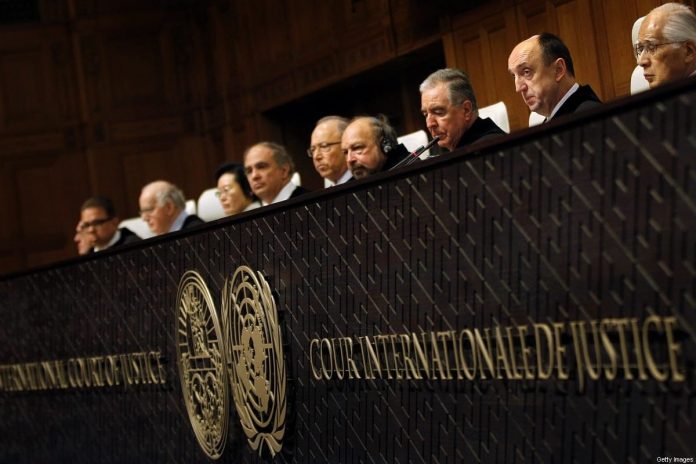
The International Court of Justice (ICJ) has issued its ruling on the emergency measures requested by South Africa in its genocide case against Israel, focusing on Israel’s military campaign in the Gaza Strip.

Among other things, the court held that Israel must immediately take steps to prevent acts of genocide in Gaza, stopping short of ordering a ceasefire at this stage. The judges clarified that they have not yet ruled on the merits of the genocide allegations, a complex and intricate process that may take years to unfold.

Judge Donoghue said that the court [ICJ] has jurisdiction to adjudicate emergency measures in this contentious case.

Since the commencement of Israel’s military campaign on October 7, the toll on Gaza has been devastating. According to officials in Gaza, at least 26,083 people have lost their lives, and an additional 64,487 individuals have sustained injuries. Furthermore, thousands remain missing under the rubble, with most presumed dead. The human cost of the conflict is staggering, underlining the need for the international community’s response.

The ICJ has mandated that Israel must report to the court within one month, outlining the measures it is taking to adhere to the directive to prevent acts of genocide in Gaza. This ruling places significant international legal obligations on Israel, as it underlines the gravity of the situation and the imperative for immediate action to safeguard the civilian population.

In addition to preventing acts of genocide, the ICJ’s directive requires Israel to ensure that its forces do not engage in such acts and mandates the preservation of evidence related to alleged genocide. This is believed to denote the court’s commitment not only to physical protection but also to addressing the psychological impact of language that dehumanizes a group of people.

The ICJ president brought attention to the “dehumanizing language” used by senior Israeli officials against Palestinians. The court took note of statements, including those made by Israeli Defense Minister Yoav Gallant, who ordered a “complete siege” of Gaza and referred to the population as “human animals.” This aspect of the ruling acknowledges the broader impact of language on the affected population and reinforces the court’s commitment to justice.

As the reading continued, the ICJ president acknowledged the recognition of Palestinians’ right to be protected from acts of genocide. Judge Donoghue acknowledged that Israel’s military operation had resulted in a large number of deaths and injuries, extensive destruction of homes, the forced displacement of the majority of the population, and significant damage to civilian infrastructure.

Citing a statement by senior UN official Martin Griffiths, Judge Donoghue noted that Gaza has become a place of “death and despair.” Some of the allegations against Israel, she stated, fall within the provisions of the Genocide Convention. This acknowledgment is believed to have lent credence to the severity of the accusations, setting the stage for a thorough examination of the evidence and legal arguments in the ongoing case.

While the ICJ has not made a final determination on the genocide allegations, the emphasis on immediate preventive measures underscores the court’s acknowledgment of the urgency and severity of the situation in the Gaza Strip.

The court’s ruling sets the stage for a protracted legal process that will scrutinize the complex geopolitical and humanitarian aspects of the conflict.

The conflict, which has lasted for over three months, has drawn global interest, with Israel being accused of committing genocide against Palestinians with the help of the United States. However, The United States, a staunch ally of Israel, dismissed the case as “meritless.” Secretary of State Antony Blinken, during a visit to Tel Aviv, criticized the lawsuit, deeming it “galling” and noting ongoing threats from groups like Hamas, Hezbollah, and Iran.

“It is particularly galling, given that those who are attacking Israel — Hamas, Hezbollah, the Houthis, as well as their supporter Iran — continue to call for the annihilation of Israel and the mass murder of Jews,” he said.

South African lawyers are arguing that the recent Gaza war is not merely an isolated event but rather part of a protracted history of oppression against the Palestinian people by Israel.

South Africa seeks interim orders for an immediate halt to Israel’s military actions. The final rulings of the ICJ could set a groundbreaking legal precedent with far-reaching implications for international relations. However, given the intricate geopolitical dynamics, the outcome remains uncertain.

The international community, which has invested a lot of interest in the matter, is expected to closely monitor Israel’s response to the court’s directives, hoping for a lawful answer that will contribute to lasting peace and justice in the region.
Attend Growth Hour – “knowledge for your career, your company…is our mission”

0

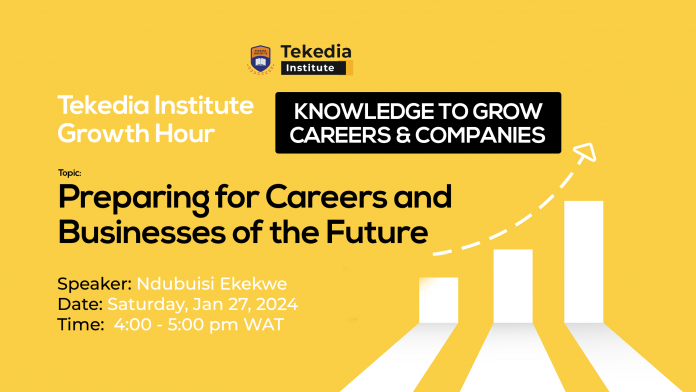
You’re invited to a free and open event as Tekedia Institute marches to the start of Tekedia Mini-MBA edition 13 on Feb 5, 2024. The event, Tekedia Growth Hour, focuses on how to deepen “Knowledge To Grow Careers & Companies”; everyone is invited even if you are not joining us in Tekedia Mini-MBA.

We will also use the event to discuss the curriculum for edition 13 as we collect insights from our community on topics and areas to qualify for Tekedia Mini-MBA LIVE sessions. We expect at least 35 live sessions during the 3-month program on top of prerecorded courseware structured around 13 modules, covering all critical domains of business management and leadership. We have a digital seat for you on Zoom as follows:

  • Topic: Preparing for Careers and Businesses of the Future
  • Date: Saturday, Jan 27, 2024
  • Time: 4-5pm WAT
  • Speaker: Ndubuisi Ekekwe, MBA, PhD (Banking/Finance), PhD (Engineering); Lead Faculty, Tekedia Mini-MBA
  • Venue: Zoom link here 

Tekedia Institute: knowledge for your career, your company…is our mission.

Tesla didn’t sell any Bitcoin in its Q4 2023 reports

0

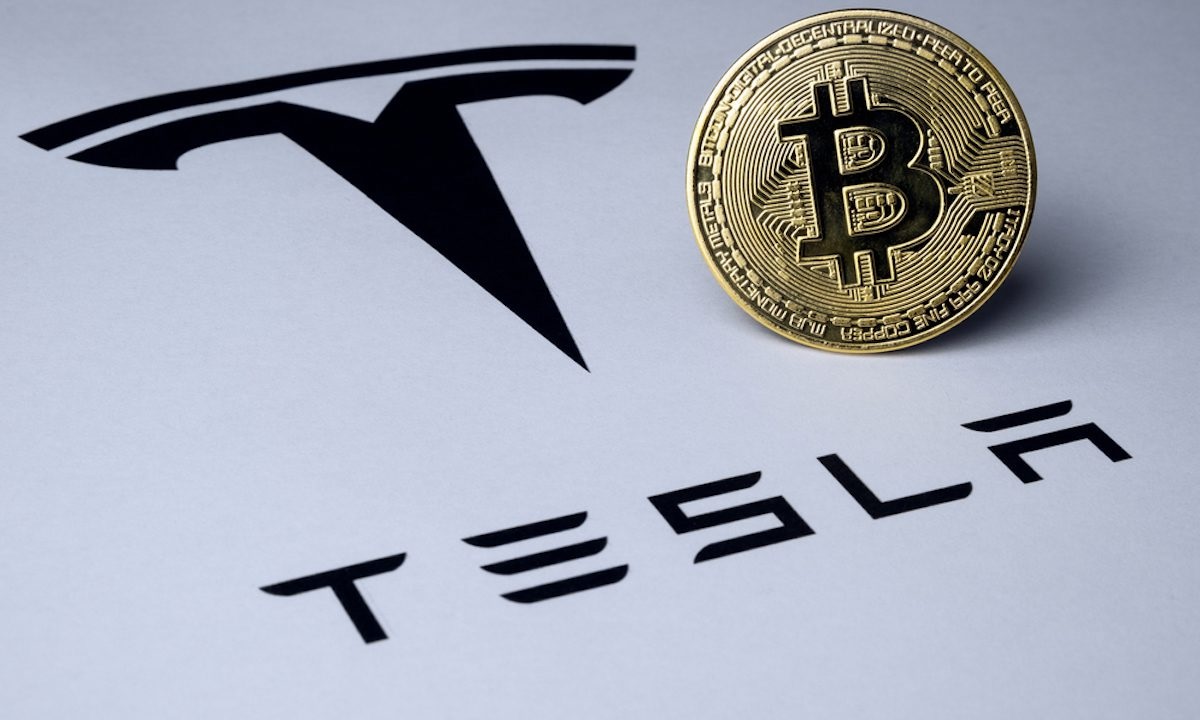
In a surprising move, Tesla announced that it did not sell any of its Bitcoin holdings in the fourth quarter of 2023, despite the volatility and regulatory uncertainty surrounding the cryptocurrency market.

The electric car maker, which had previously disclosed that it owned $1.5 billion worth of Bitcoin as of February 2021, said that it still believes in the long-term potential of Bitcoin as a store of value and a medium of exchange.

Tesla’s decision to hold on to its Bitcoin stash contrasts with some other major companies that have either sold or reduced their exposure to the digital asset in recent months. For example, MicroStrategy, a business intelligence firm that was one of the first corporate adopters of Bitcoin, sold $400 million worth of its Bitcoin holdings in November 2023 to raise cash for its operations.

Similarly, Square, a payments company led by former Twitter founder Jack Dorsey, trimmed its Bitcoin position by 10% in the third quarter of 2023, citing environmental and social concerns.

Tesla’s CEO Elon Musk, who is known for his outspoken and sometimes controversial views on cryptocurrencies, has been a vocal supporter of Bitcoin and other digital assets. He has frequently tweeted about Bitcoin, Dogecoin, and other cryptocurrencies, often causing significant price movements in the market. He has also advocated for more innovation and adoption of cryptocurrencies, especially in developing countries where access to traditional financial services is limited.

However, Musk has also faced criticism and backlash from some regulators, investors, and environmentalists for his involvement in the cryptocurrency space. In May 2021, Tesla suspended its acceptance of Bitcoin as a payment method for its vehicles, citing the high energy consumption and carbon footprint of Bitcoin mining.

The announcement triggered a sharp drop in the price of Bitcoin and other cryptocurrencies, as well as a wave of negative sentiment from the crypto community. Musk later reversed his stance and said that Tesla would resume accepting Bitcoin once there is more evidence of renewable energy usage in the mining process.

Tesla’s latest earnings report, which revealed that it did not sell any Bitcoin in Q4, 2023, was met with mixed reactions from analysts and investors. Some praised Tesla for its long-term vision and commitment to Bitcoin, while others questioned its risk management and capital allocation strategy.

How will Tesla react to X? Will Tesla accept X as a payment option for its cars? Will Tesla sell its Bitcoin holdings and buy X instead? Will Tesla join the X network and become a validator node? Or will Tesla ignore X and stick with Bitcoin?

These are some of the questions that many Tesla fans and investors are asking themselves as they await Musk’s next move. Musk, who is known for his unpredictable and visionary leadership style, has not given any clear indication of his plans regarding X. However, some clues can be found in his previous statements and actions.

Musk has expressed his admiration for X on several occasions. He has praised X’s technology, vision, and potential to transform the world. He has also hinted that he owns some X tokens personally and that he may use them for his other ventures, such as SpaceX and Neuralink. He has even suggested that he may launch a satellite that would broadcast X transactions to the world.

On the other hand, Musk has also shown some loyalty to Bitcoin. He has defended Bitcoin against its critics and said that it is a better alternative to fiat money. He has also stated that he does not intend to sell any of his Bitcoin holdings anytime soon. He has even added a Bitcoin emoji to his Twitter profile.

Therefore, it is hard to predict what Musk will do with Tesla when X begins crypto payment. One possible scenario is that he will adopt a dual strategy: he will continue to accept Bitcoin as a payment option for Tesla cars, but he will also add X as another option. This way, he will cater to both Bitcoin enthusiasts and X supporters, while also hedging his bets against any market fluctuations.

Another possible scenario is that he will switch from Bitcoin to X completely: he will stop accepting Bitcoin as a payment option for Tesla cars and sell all his Bitcoin holdings. He will then use the proceeds to buy more X tokens and join the X network as a validator node. This way, he will align himself with the future of money and become a leader in the X ecosystem.

Whatever Musk decides to do with Tesla when X begins crypto payment, one thing is certain: he will not be afraid to take risks and challenge the status quo. He will follow his own vision and intuition, regardless of what others think or say. He will always surprise us with his bold and innovative moves.

Tesla’s stock price rose by 2% after the earnings release, while Bitcoin’s price increased above $40,000 for the first time since October 2023.

Bitfarms expands Mining operations as Crypto banking group closes $40M funding round

0

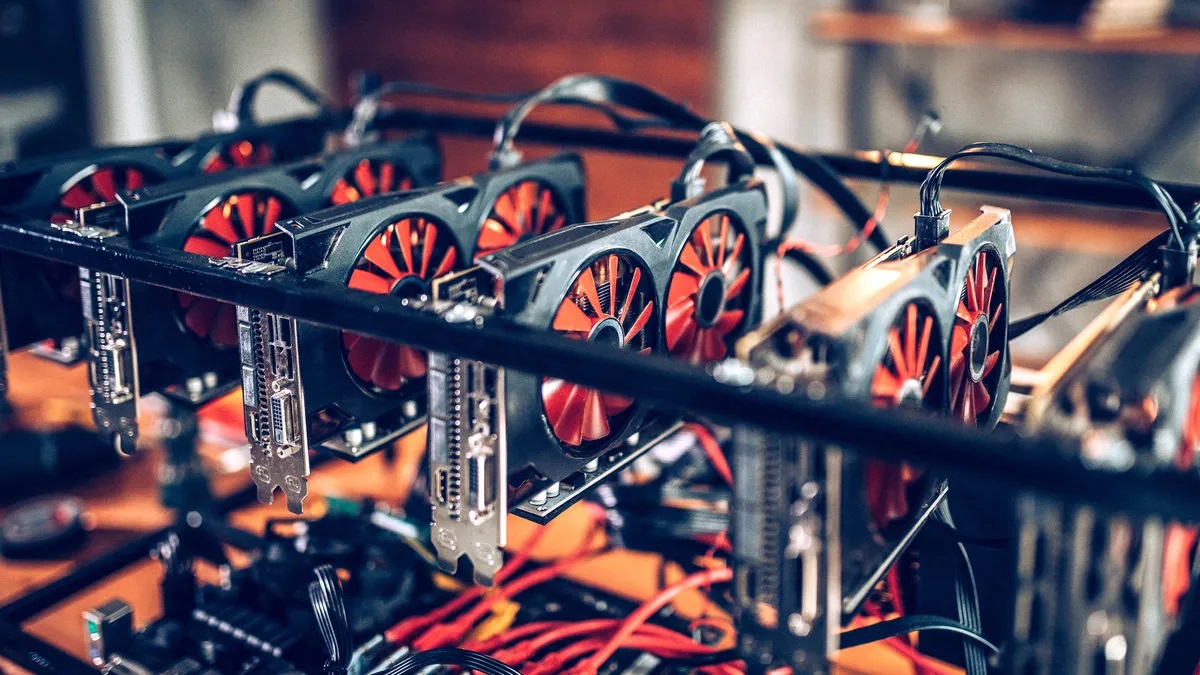
Bitfarms, one of the largest publicly traded Bitcoin mining companies in the world, has announced that it has expanded its mining operations with the addition of 1,000 new WhatsMiner M31S+ machines. The new machines are expected to increase the company’s installed computing power by approximately 63 PH/s, bringing its total hash rate to over 1.3 EH/s.

The expansion is part of Bitfarms’ long-term growth strategy, which aims to increase its mining capacity and operational efficiency while reducing its environmental impact. Bitfarms has been investing in new and more energy-efficient mining equipment, as well as securing low-cost and renewable sources of electricity for its operations.

According to Bitfarms’ CEO, Emiliano Grodzki, the company is well-positioned to benefit from the increasing demand and value of Bitcoin, as well as the favorable market conditions for miners. He said:

“We are very pleased to have added an additional 1,000 new generation miners to our fleet as we continue to grow our operations and execute on our long-term vision. With these additional miners, Bitfarms will maintain its position as one of the largest and most efficient publicly traded Bitcoin miners in the world. We remain focused on expanding our mining infrastructure, improving our profitability and strengthening our leadership in the industry.”

Bitfarms operates five industrial-scale mining facilities in Quebec, Canada, with a total of over 69,000 miners and a combined installed capacity of 1.2 EH/s. The company plans to further increase its mining capacity by deploying an additional 48,000 miners by the end of 2022, which would bring its total hash rate to over 3 EH/s.

The facilities are:

Saint-Hyacinthe: This facility has 10 MW of installed capacity and hosts 7,000 miners.

Farnham: This facility has 20 MW of installed capacity and hosts 14,000 miners.

Cowansville: This facility has 30 MW of installed capacity and hosts 21,000 miners.

Sherbrooke Phase 1: This facility has 30 MW of installed capacity and hosts 21,000 miners.

Sherbrooke Phase 2: This facility has 32 MW of installed capacity and hosts 6,000 miners.

Each facility is equipped with advanced cooling systems, fire protection systems, security systems and network infrastructure to ensure optimal performance and reliability. Bitfarms also employs a team of experienced engineers, technicians and operators who monitor and maintain the facilities around the clock.

Bitfarms’ mining machines are sourced from leading manufacturers such as MicroBT and Bitmain. The machines use the SHA-256 algorithm to mine Bitcoin and other compatible cryptocurrencies. Bitfarms operates its own mining pool, which allows it to maximize its revenues and control its own destiny on the network.

By operating its own mining facilities, Bitfarms is able to achieve economies of scale and reduce its operational costs. Bitfarms also benefits from the favorable regulatory environment in Quebec, which supports the development of the blockchain industry. Bitfarms is committed to complying with all applicable laws and regulations, as well as adhering to high standards of corporate governance and social responsibility.

Bitfarms is proud to be a leader in the Bitcoin mining industry and a contributor to the global adoption of blockchain technology. Bitfarms believes that Bitcoin has the potential to transform the world by creating a more decentralized, transparent and inclusive financial system. Bitfarms invites you to join us in this exciting journey and learn more about our company and our vision.

Crypto banking group closes $40 million funding round

In a major milestone for the crypto industry, a leading crypto banking group announced that it has closed a $40 million funding round led by prominent investors. The group, which offers a range of services such as crypto custody, lending, trading and payments, said the new capital will help it expand its global presence and product offerings.

The funding round was led by XYZ Ventures, a venture capital firm that focuses on fintech and blockchain startups. Other participants included ABC Capital, a crypto-focused hedge fund, and DEF Partners, a strategic partner of the group. The group also received support from several angel investors and industry veterans.

The group’s CEO, said in a press release that the funding round reflects the growing demand and recognition for crypto banking services. He said:

“We are thrilled to have the backing of such reputable and visionary investors who share our vision of building a crypto banking platform that can bridge the gap between the traditional and crypto worlds. With this funding, we will be able to scale our operations, launch new products and services, and enter new markets. Our goal is to make crypto banking accessible, secure and convenient for everyone.”

The group was founded in 2019 by a team of experienced bankers, engineers and entrepreneurs who saw the potential of crypto as a new asset class and a catalyst for financial inclusion. The group leverages blockchain technology and smart contracts to offer innovative solutions for both crypto and fiat users.

Some of the group’s products include:

A crypto custody service that provides institutional-grade security and insurance for crypto assets. A crypto lending platform that allows users to borrow and lend crypto and fiat currencies at competitive rates. A crypto trading platform that offers access to multiple liquidity sources and advanced trading tools. A crypto payment service that enables users to send and receive crypto and fiat payments across borders.

The group claims to have over 100,000 customers across 50 countries, and to have processed over $1 billion in transactions since its inception. The group also boasts a strong compliance and regulatory framework, having obtained licenses and registrations in several jurisdictions.

The group’s COO, said in the press release that the group is constantly innovating and improving its services to meet the needs of its diverse customer base. She said:

“We are proud of what we have achieved so far, but we are not complacent. We are always looking for ways to enhance our user experience, increase our security standards, and comply with the evolving regulatory landscape. We believe that crypto banking is the future of finance, and we are excited to be part of this journey.”

African Youth plus Opportunity equals an unstoppable global future

0

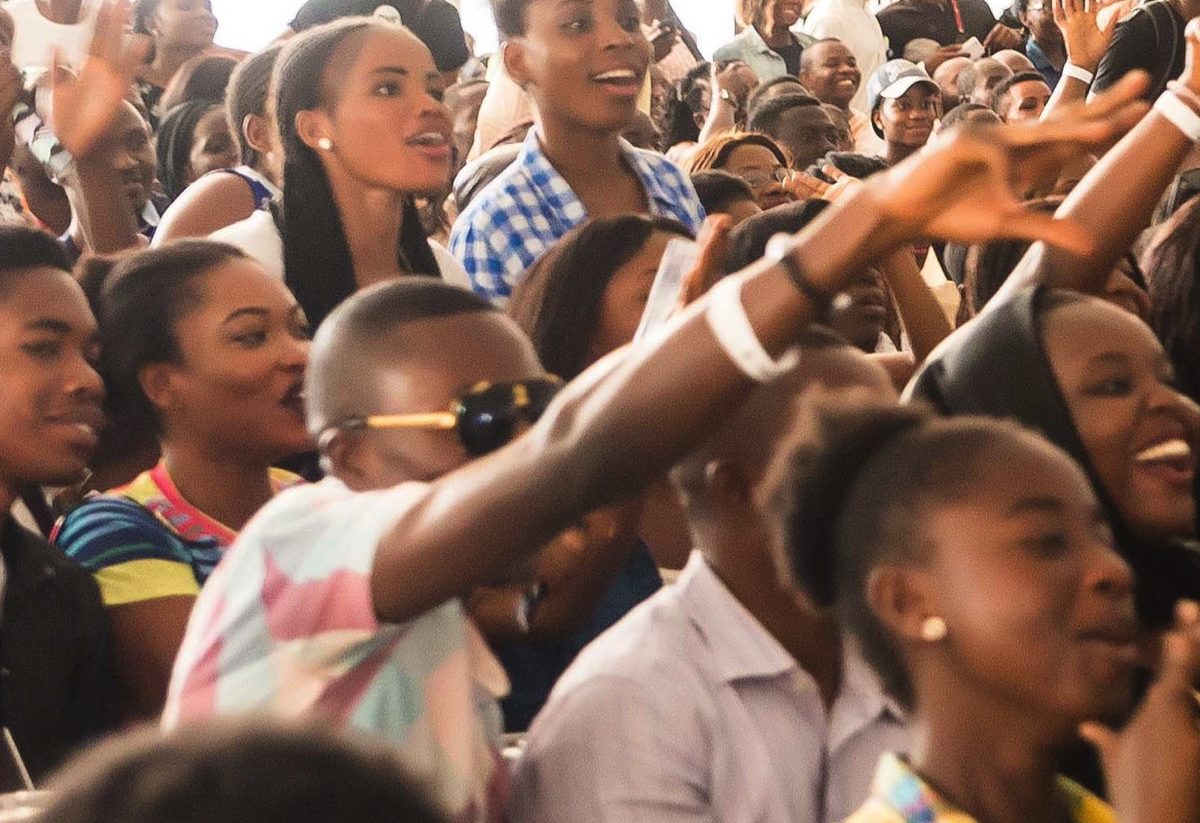
How can we harness the potential of the African youth to create a brighter and more prosperous future for the continent and the world? This is the question that many leaders, entrepreneurs, and innovators are asking themselves as they witness the remarkable growth and dynamism of the young generation in Africa.

According to the United Nations, Africa is home to more than 1.3 billion people, of which about 60% are under the age of 25. This makes Africa the youngest continent in the world, and also the fastest growing one. By 2050, Africa’s population is projected to double, reaching 2.5 billion people, and accounting for a quarter of the world’s population.

This demographic dividend offers a unique opportunity for Africa to transform its economy, society, and environment, and to play a leading role in the global arena. However, this opportunity also comes with significant challenges, such as poverty, inequality, unemployment, conflict, climate change, and health crises.

To overcome these challenges and unleash the full potential of the African youth, we need to invest in their education, skills, health, and well-being, and provide them with access to opportunities, resources, and networks.

One of the most promising ways to do this is through entrepreneurship and innovation. Entrepreneurship is not only a means of creating wealth and jobs, but also a way of solving problems, addressing needs, and improving lives.

Innovation is not only a source of competitive advantage and growth, but also a driver of social change and environmental sustainability. Together, entrepreneurship and innovation can empower the African youth to become agents of positive change in their communities and beyond.

There are many examples of successful young entrepreneurs and innovators in Africa who are making a difference in various sectors, such as agriculture, energy, health, education, fintech, e-commerce, and media.

Some of them have received global recognition and support from prestigious platforms and organizations, such as the Forbes Africa 30 Under 30 list, the Anzisha Prize, the Tony Elumelu Foundation, the YALI Network, and the Obama Foundation.

Here are some of their stories:

Divine Ndhlukula is the founder and managing director of SECURICO, one of Zimbabwe’s largest security companies. She started her business in 1998 with only four employees and $4,000 in savings. Today, she employs over 3,500 people, 900 of whom are women. She has won several awards for her entrepreneurship and leadership skills, including the Africa Awards for Entrepreneurship and the Legatum Africa Awards.

William Kamkwamba is a Malawian inventor and engineer who built a windmill from scrap materials when he was 14 years old. He used the windmill to power his family’s home and later built more windmills to pump water for irrigation.

He has written a book about his experience called The Boy Who Harnessed the Wind and has given a TED talk that has been viewed over 10 million times. He has also co-founded an innovation center in Malawi called Wimbe Community Innovation Center.

Temie Giwa-Tubosun is a Nigerian American entrepreneur and health advocate who founded LifeBank, a medical distribution company that delivers blood and oxygen to hospitals in Nigeria using technology and logistics. She launched her venture in 2016 after witnessing the high maternal mortality rate in Nigeria due to blood shortages.

She has saved over 10,000 lives through her service and has expanded to Kenya and Ethiopia. She has received several accolades for her work, including the Jack Ma Foundation Africa Netpreneur Prize and the Global Citizen Prize for Business Leader.

Kelvin Doe is a Sierra Leonean inventor and engineer who built his own radio station from recycled materials when he was 15 years old. He used his radio station to broadcast news and music to his community under the name DJ Focus. He has also created batteries, generators, and transmitters from scrap metal.

He became the youngest person ever to participate in the MIT Visiting Practitioner’s Program and has spoken at TEDx Teen and Google Zeitgeist. He has also founded an innovation hub in Sierra Leone called Innovate Salone.

Rapelang Rabana is a South African entrepreneur and computer scientist who founded Rekindle Learning, an online learning platform that uses artificial intelligence and data analytics to personalize learning experiences for students and professionals.

She started her venture in 2013 after co-founding Yeigo Communications, one of Africa’s first mobile VoIP applications. She has been named as one of Forbes Africa’s 30 Under 30 Best Young Entrepreneurs and one of BBC’s 100 Women.

These young leaders are inspiring millions of other young Africans to follow their footsteps and pursue their dreams. They are also creating a vibrant ecosystem of mentors, peers, investors, partners, and customers that supports and enables their ventures. They are showing the world that African youth are not just consumers or beneficiaries of development, but also creators and contributors of value.

The future of Africa and the world depends on the success of these young entrepreneurs and innovators. They are the ones who will shape the next wave of economic development, social progress, and environmental stewardship. They are the ones who will bridge the gap between Africa and the rest of the world. They are the ones who will prove that African youth plus opportunity equals an unstoppable global future.