DD
MM
YYYY

PAGES

DD
MM
YYYY

spot_img

PAGES

Home Blog Page 3776

Become AI-Compliant in Whatever You Do!

0

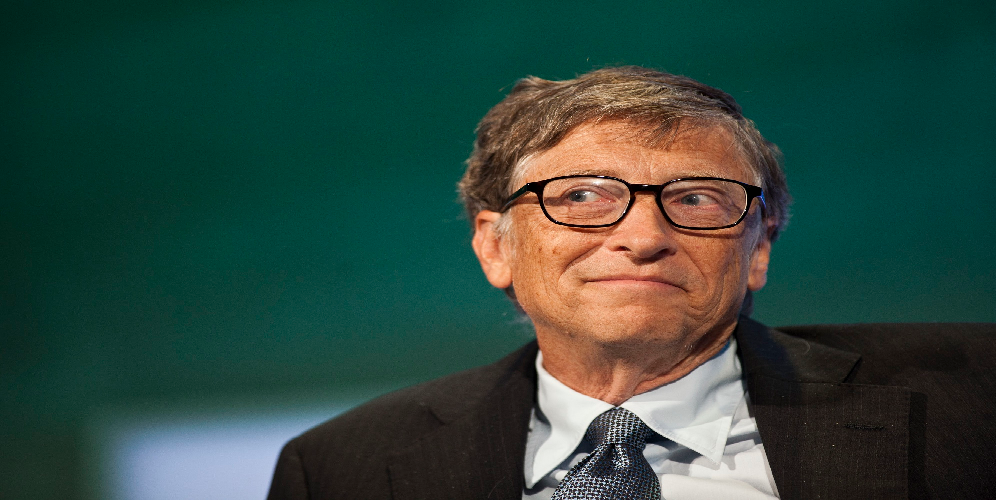
“The world will be richer with AI,”  Bill Gates notes – and I add that many productive players in AI will make tons of money in this new era. Yet, it is important to note that a rich world does not mean poverty will disappear.

Yes, if you look at 2,000 years of gross world product, you will notice that the world has been getting richer, on average, but some countries have been getting poorer. This does imply that AI will surely create wealth for producers since a lesser number of people can be used to create products and services (i.e. higher productivity), but that does not mean the PEOPLE will rise.

If you look at the GDP of China in the last five decades, it is largely parabolic. If you check the US from 1890, it shows a massive exponential curve. But check some countries, averaged by population, you will notice one thing: technology has not significantly improved standard of living in most countries, even though on average, it has been a positive thing. Case in point: average GDP of Nigeria by population, you will be surprised that you cannot find how fintech, tech startups, etc have improved the lives of the citizens, since per capita income has dropped in the nation! (That is a complex topic, I get it).

Good People, here is my message: make AI work in your personal economy because that it works for the “world” does not mean it will work for you. Yes, become AI-compliant in whatever you do!

“The world will be richer with AI” – Bill Gates Advocates AI Adoption in Africa to Address Educational and Healthcare Gaps

Canza Finance Raises $2.3M to Expand Baki, its African DeFi Platform for Foreign Exchange

0

Canza Finance, a Nigerian Web3 Neobank that facilitates cross-border payments for African startups, has announced the raise of $2.3 million in funding round, to expand Baki, its African DeFi Platform for Foreign Exchange.

The funding round was led by Polychain, with participation from other investors which include protocol labs, AvaLabs, 99 Capital, Bitscale Capital, Stratified Cap, Contango Capital, Kairon Labs, hypericum, StatelessVC, Mapleblock, ytwovc, and HASHCIB.

Canza Finance says the funding round will empower the company to further develop innovative tools and services, dedicated to easing the expense of conducting business across the African continent.

The startup further stated that the proceeds from the funding round will be utilized by the company to obtain licenses from various financial regulators across Africa and establish the groundwork for its innovative decentralized finance (DeFi) platform for foreign exchange known as Baki.

With Baki, Canza leverages stablecoins digital currencies pegged to the dollar to facilitate currency swapping for businesses without incurring significant forex fees.

By adopting stablecoins and decentralized finance tools like Baki, Canza assists businesses in achieving dollar stability and overcoming traditional forex challenges thereby reducing transaction costs to just 1%.

Speaking on the funding round, the Co-founder and CEO of Canza Finance, Pascal Ntsama said,

“We aim to secure a Money Services Business (MSB) license in the United States, obtain a Foreign Exchange (FX) license in Nigeria, and acquire three crucial Virtual Asset Licenses from the Financial Service Commission of Mauritius.”

Founded in 2020 by Telecom experts Pascal Ntsama and Oyedeji Oluwoye to address a critical financial need for SMEs seeking foreign currency for transaction settlements and cross-border business, the startup has amassed a total of $5.5 million in funding after concluding a previous seed round of $3.27 million in 2022.

Canza’s seamless crypto on/off-ramp services enable a wide range of DeFi services including staking, P2P, and cross-border settlements aiming to contribute to the creation of an innovative and fully decentralized financial system. 

The startup collaborates with foreign exchange (FX) agents in African countries that are prone to slow and costly cross-border payments, offering a swifter and more cost-effective method for businesses to send and receive money.

Canza generates revenue by charging a 1% fee on the processed transactions. The startup envisions lowering its transaction fees to 0.2% with the introduction of Baku.

The startup is building the world’s largest non-institutional-based financial system, utilizing Web 3.0 and decentralized finance (DeFi) along with a robust network of experienced local money market players to distribute financial data and transaction-based services to the masses with its wide suite of products.

Nigerian Fintech Startup Fagopay Acquires Microfinance License to Foster Inclusive Financial Environment

Meanwhile, Fagopay, a Nigerian fintech startup that provides comprehensive financial services for both individuals and business owners all-in-one app, has recently acquired a Microfinance license to foster an inclusive financial environment in Nigeria.

With a large percentage of Nigerians in the Northern part of Nigeria financially excluded, FagoPay was launched by Yusuf Salisu Daddy (CEO) and Abubakar Nasir (COO) to address this issue, by seeking to improve financial inclusion in the region and increase access to formal financial services.

Launched in October 2023, the platform is an all-in-one banking solution for both personal and business needs. The fintech provides access to seamless and reliable banking services with its user-friendly products. FagoPay is not just a financial service provider.

According to the company, it aspires to be an ally in the growth and success of local businesses. The acquisition of a microfinance license is a further step towards its goal of empowering individuals and their businesses financially.

With access to formal financial services, Northerners and Nigerians as a whole, will have access to credit and opportunities to grow financially. They will also have opportunities to start businesses, employ labor and create jobs, get a formal education, and ultimately escape poverty. 

Fagopay is a dynamic fintech company poised to revolutionize the way businesses and individuals manage their finances. The startup offers innovative solutions that provide businesses with the tools they need to streamline operations, manage payments, and drive growth.

Also, FagoPay is paving the way for improved intra-continental business operations and a brighter financial future for Africa. With its user-friendly payment products, businesses and individuals alike can enjoy seamless financial management and secure transactions across Africa like never before.

Some of the platform products include Personal Wallet and Business Suite. With the FargoPay personal wallet, the platform is building the future of Africa’s financial services, not only for businesses but also for individuals, to enable them to make payments and manage their finances easily.

On FargoPay Business suite, it enables users to manage their customers and service providers easily. They can Create a directory with the information of their customers, vendors, and suppliers to allow smooth and easy transactions.

Customized invoices made-easy

Users get to create customized invoices for their clients and customers directly on their Fagopay Business Suite’s dashboard.

Create and manage sub-accounts

Users can manage multiple sub-accounts for their business branches and subsidiaries and assign managers to the sub-accounts, all from their dashboard.

Set up a business account in minutes

FargoPay eliminates the pain of users going through bank stress, to create a functional business account within a few minutes on FagoPay.

Receive payment in multiple ways

Users can take advantage of the company’s numerous payment options, such as QR codes, USSD, payment links,  and transfers, for convenient customer transactions.

FargoPay vision is to enable businesses and organizations across Africa to become more profitable, productive, and able to accommodate scale.

“The world will be richer with AI” – Bill Gates Advocates AI Adoption in Africa to Address Educational and Healthcare Gaps

0

At the World Economic Forum in Davos, Bill Gates, Microsoft’s co-founder, delivered a compelling message on the transformative potential of Artificial Intelligence (AI) in addressing critical gaps in education and healthcare across African nations.

Gates disclosed his commitment to funding pilot studies focused on developing AI tutors and AI doctors, highlighting the innovative solutions AI could offer to bridge educational and healthcare disparities.

Expressing concern about the technological divide between developed and developing countries, Gates emphasized the urgency of closing the gap, particularly in the realm of AI adoption. He noted the pivotal role technology could play in narrowing shortages of teachers and doctors in Africa, shedding light on ongoing efforts to tailor AI tools to the specific needs and conditions of local communities.

In Gates’ vision, AI emerges as a driving force for global productivity, with the competition between tech giants Microsoft and Google fueling its growth. Gates expressed enthusiasm about AI’s potential to elevate productivity in both white-collar and, eventually, blue-collar sectors through advancements in robotics.

“The world will be richer with AI,” Gates declared, noting the positive impact AI could have on global prosperity.

“It is so dramatic how AI improves white-collar productivity and later with robotics not yet but eventually blue-collar productivity. So that is phenomenal for the world,” he said.

The American billionaire reaffirmed Microsoft’s commitment to minimizing the typical 20-year lag in introducing AI solutions to developing countries.

“We have a huge commitment to make sure there’s not this normal 20-year lag between the rich versus developing countries. There’s a bigger teacher shortage in Africa than elsewhere, a bigger doctor shortage. And so not only will we invent new tools using AI like the ultrasound, we will provide health advice and directly, you know, in their local African language, fully tailored to the conditions in those countries,” he said.

Gates highlighted the importance of ensuring that groundbreaking technologies, such as ultrasound and AI-based health advice, are simultaneously accessible in regions facing educational and healthcare challenges.

“We will provide an AI doctor; we will provide an AI tutor and already we’ve funded lots of Africans to do pilot studies and to take the very best technology and get it out at about the same time, as they’ll happen in the rich world.

“In fact, in a few cases, rich world regulations may make it roll out slower than in countries like India or Africa. So, it’s a race, but it’s a race for good. And I couldn’t be more thrilled, you know it’s the case for my ongoing work with Microsoft. And it helps me understand how we take this into the developing countries,” Gates said.

While addressing concerns about potential job displacement due to AI, Gates pivoted the conversation toward the darker side of technology. He raised concerns about the possibility of bad actors exploiting the productivity gains from AI for nefarious purposes. Gates cautioned, “AI as a brilliant tool for people to be more productive means the bad guys will be more productive so they can do more cyber attacks so they can design weapons.”

Balancing the narrative, Gates stressed the imperative of responsible AI development. He emphasized the need to ensure that the best AI tools for cyber defense and measures against bioterrorism are in the hands of those committed to societal well-being. Recognizing the dual nature of technology, Gates acknowledged its potential for efficiency improvements while underscoring the importance of addressing potential misuse.

Gates envisions the emerging AI industry as a powerful tool to tackle societal challenges, particularly in regions where shortages of essential services persist.

The commitment to narrowing the technological gap and leveraging AI for positive advancements remains central to Gates’ vision for a more inclusive, technologically advanced world.

The promise of AI in education and healthcare stands as a beacon of hope, offering transformative solutions to longstanding issues faced by African nations.

Managing Cross Border Payments during increased scrutiny

0

Cross border payments are transactions that involve sending or receiving money across national borders. They are essential for international trade, remittances, e-commerce, and foreign investments. However, cross border payments also pose significant challenges and risks for businesses and individuals, especially in the context of increased scrutiny from regulators, law enforcement, and tax authorities.

One of the main challenges of cross border payments is compliance with the complex and diverse regulations and standards that govern different jurisdictions. These include anti-money laundering (AML), counter-terrorism financing (CTF), sanctions, tax reporting, currency controls, and data protection. Failing to comply with these requirements can result in fines, penalties, delays, or even criminal charges.

Another challenge of cross border payments is the cost and efficiency of the payment process. Depending on the payment method, channel, and intermediary, cross border payments can incur high fees, exchange rate losses, operational overheads, and long processing times. These factors can affect the profitability, cash flow, and customer satisfaction of the payment parties.

Therefore, managing cross border payments effectively requires a strategic approach that balances the trade-offs between compliance, cost, and efficiency. Some of the best practices for managing cross border payments during increased scrutiny are:

Choosing the right payment method and channel: There are various options for making cross border payments, such as wire transfers, card payments, digital wallets, blockchain-based platforms, and payment service providers (PSPs).

Each option has its own advantages and disadvantages in terms of speed, security, convenience, cost, and regulatory compliance. Therefore, it is important to evaluate the suitability of each option for the specific payment scenario and select the one that meets the needs and expectations of both the sender and the receiver.

Leveraging technology and automation: Technology and automation can help streamline and optimize the cross-border payment process by reducing manual errors, enhancing data quality, improving visibility and traceability, and facilitating reporting and reconciliation.

For example, using application programming interfaces (APIs) can enable seamless integration between different payment systems and platforms, while using artificial intelligence (AI) and machine learning (ML) can help detect fraud and anomalies in real-time.

Partnering with reputable and reliable intermediaries: Intermediaries such as banks, PSPs, and fintech companies play a crucial role in facilitating cross border payments by providing access to payment networks, infrastructure, and services. However, not all intermediaries are equally trustworthy and competent.

Therefore, it is essential to conduct due diligence on the intermediaries before engaging them for cross border payments. Some of the criteria to consider are their reputation, track record, regulatory compliance status, security measures, customer service quality, and fee structure.

Staying updated on the latest regulations and standards: Regulations and standards for cross border payments are constantly evolving and changing to address new risks and challenges in the global financial system.

Therefore, it is imperative to keep abreast of the latest developments and updates in the relevant jurisdictions and sectors. This can help avoid potential pitfalls and take advantage of new opportunities in cross border payments. Moreover, it can also help demonstrate compliance readiness and transparency to regulators, law enforcement, and tax authorities.

BMW sold 2,253,835 cars worldwide in 2023

0

BMW is one of the most successful car manufacturers in the world, with a reputation for quality, innovation and performance. In 2023, the German company sold 2,253,835 cars worldwide, a slight increase from the previous year. However, BMW faces a formidable challenger in the electric vehicle market: Tesla.

Tesla, founded by Elon Musk, has been disrupting the automotive industry with its cutting-edge technology, sleek design and environmental vision. In 2023, Tesla delivered 1,875,000 vehicles globally, a remarkable growth of 50% from 2022. Tesla also surpassed Toyota as the most valuable car company in the world, with a market capitalization of over $1.5 trillion.

It’s entirely possible that Tesla could overtake BMW in overall sales in 2024, as the demand for electric vehicles continues to rise and Tesla expands its production capacity and product portfolio. Tesla plans to launch its Cybertruck, Semi and Roadster models in 2024, as well as enter new markets such as India and Indonesia. Tesla also has a competitive advantage in battery technology, software and autonomous driving, which could give it an edge over BMW and other traditional carmakers.

BMW is not standing still, though. The company has invested heavily in electrification, aiming to have 25 electric models by 2025. BMW also has a strong presence in China, the largest car market in the world, where it sold over 800,000 cars in 2023. BMW also has a loyal customer base and a strong brand image that could help it retain its market share.

The competition between BMW and Tesla is likely to intensify in 2024 and beyond, as both companies strive to innovate and dominate the global car market. The outcome will depend on many factors, such as consumer preferences, regulations, supply chains and economic conditions. However, one thing is certain: the future of mobility is electric.

One of the biggest challenges for BMW is the transition to electric vehicles (EVs). BMW has been a pioneer in developing hybrid and plug-in hybrid models, but it has lagged behind some of its competitors in launching fully electric cars. According to Statista, BMW had only 4.9% of the global EV market share in 2020, compared to 18% for Tesla and 16.8% for Volkswagen Group.

BMW has announced that it aims to have 25 electrified models by 2023, of which more than half will be fully electric. However, this will require significant investments in research and development, production capacity, charging infrastructure, and marketing.

BMW has to contend with not only traditional rivals such as Mercedes-Benz and Audi, but also with newcomers such as Tesla, Lucid Motors, and Nio, who are challenging BMW’s leadership in innovation, design, and performance. Moreover, BMW has to adapt to the changing preferences and demands of customers in different regions, especially in China, which is now BMW’s largest market. BMW has to balance its global brand identity with local customization and differentiation.

BMW is well aware of these challenges and has devised strategies to address them. BMW is investing heavily in electrification, digitalization, and sustainability, as well as expanding its portfolio of products and services. BMW is also strengthening its partnerships with suppliers, dealers, and customers, as well as collaborating with other companies and institutions on various projects. BMW is confident that it can overcome the difficulties and maintain its position as a premium car maker in the future.