DD
MM
YYYY

PAGES

DD
MM
YYYY

spot_img

PAGES

Home Blog Page 3781

Mini-Solution for Nigerian Fuel Price Increase

0

Explore Nigeria’s origins by going back to its beginnings. This research will also help you learn about the various ethnic groups and tribes that make up the country’s various zones and ethnic groups. Nigeria is the most populous country in Africa and has significant landmarks in its east, south, west, and northern regions.
The title of this article primarily introduces a remedy to the problem of insufficient ground power. Some African nations celebrate regular or consistent power outages. This celebration does not imply that their resources or economy are superior to those of Nigeria. Now let’s talk about the ruler’s (the government’s) failure to give her people social comforts.

Insufficient, constant power supply
Companies that produce goods and services on a small, medium, or big scale all rely on a consistent power supply to increase output. Undoubtedly, the cost of living is very high, which means that it will quickly rise to 1000 times higher, discouraging manufacturers from creating and thus lowering quality, and quantity, and raising prices. This is being paid for by rising prices as a result of economic expansion. The people are in excruciating pain as a result of the new government’s policies that quickly raise the expense of living. The rise in fuel prices has increased the cost of transportation on a national scale as well as the cost of producing goods and services, making them unaffordable for people in lower socioeconomic classes. What a fertile land, “This is the country where abundant mineral resources are discovered.”
Since I learned what money is capable of, the 1000 Nigerian naira note has definitely lost value.

Why is fuel price rising? Politics Theory
People have developed a number of conspiracy theories in an effort to explain the origins or causes of the nation’s fuel and other production increases. Everyone is biased as a result of the recent flagging of the Aliko Dangote refinery’s new development. Some claim that the refinery will substantially lower fuel prices, drop prices to 100 naira, and so forth. However, the way that individuals theoretically examine it hasn’t changed. Daily price increases are pretty significant. This deliberately turned some rural residents against the newborn, and tiny production was using generators to generate electricity in order to start using gas to generate electricity connecting to their generators during production.

According to theoretical models, there is usually an increase in fuel prices when a new government takes office. “Fuel subsidy” is the title of the new timeline. Because her inhabitants’ hearts are resentful of the increase in living standards, they hope that the new administration will make everything more affordable if war replaces it.

Is it possible to connect a gas cylinder to a generator to produce light?
When something is difficult, a lot of solutions will undoubtedly come to mind. Yes, this is a major improvisation, and I gratefully thank those who had the vision to make it happen. Scientifically speaking, gas is now a source of generating energy (light). It is more valuable, but it cannot be used in vehicles. the setup for achieving such is described below;

Buy in a gas cylinder.
2) Put gas in it
3) Cut the gasoline line to the generator’s carburetor.
4) Connect the gas cylinder host to the generator carburetor.
5) Confirm that there is no fuel tap to carburetor connection.
6) Confirm that the gas cylinder is approximately 12 feet long, and then start the generator.
This method uses less fuel and conserves more energy than traditional methods. However, I implore technical creators to create a gasoline/generator that employs a gas-tank cylinder connected to the generator to produce the same amount of gasoline as before. Technically, this will restore the equilibrium between the prices of fuel and gas. Too much reliance on petroleum raises its cost, which leads to an expansion of goods and services. This time, let’s utilize gas energy.

Sunlight-based energy is included
This time around, solar inverters are not excluded, but it depends on how much money each person spends to acquire such electricity. However, small- and large-scale production has always needed more expensive higher panel battery cells.

Energy from Biotech
This time, biotech energy is not overlooked. This is a different energy source that our environment should welcome. This is how waste or byproducts are turned into energy. This biotech energy source will undoubtedly power your homes and serve as a fuel supply for cooking. Fuel use and environmental noise would be reduced if Nigerian homes began using the energy generated from their pit toilets to power the entire house.

God bless Nigeria…

Politics and Economics of Mewolaka’s Marriage Discourse

0

In the ever-evolving world of social media, where voices can reach millions at the click of a button, the power to shape opinions and influence lives has never been more significant. Among the digital influencers who have made a mark is Omolola Ruqoyat Fasakin, better known as Mewolaka. In 2020, she skyrocketed to fame, particularly on Facebook, where her insightful vlogs garnered a massive following. However, fame often comes with a price, and for Mewolaka, it’s the ongoing controversy surrounding her views on family affairs.

Mewolaka’s rise to stardom was swift, propelled by her candid and often unconventional takes on various topics. Yet, it’s her recent focus on marriage and family dynamics that has stirred a heated debate among her followers and critics alike. A group of fellow women have accused her of promoting ideas that are detrimental to peaceful marriages. They’ve gone as far as labelling her a ‘gold digger’ and a ‘home breaker.’

What’s at the heart of this contentious discourse, and why has Mewolaka’s content stirred such strong reactions? To dissect this, we must consider the politics and economics of her marriage discourse.

The Politics of Mewolaka’s Marriage Discourse

Mewolaka’s recent content shift toward discussing family matters has sparked claims that she’s tilted toward advocating for the destabilization of traditional marriages. Critics argue that her discussions often involve critiques of first wives and portrayals of polygamy in a favourable light. This, they allege, is driven by her desire to justify her own recent marital choices.

On the other hand, Mewolaka’s supporters vehemently defend her, insisting that she’s been unfairly labelled. They argue that any changes in her presentation style are aimed at improving the quality of her content, sharing her personal challenges to guide others, and finding happiness in her new marital life.

The Economics of Mewolaka’s Marriage Discourse

In the world of social media influencers, content is currency. The more engagement a creator generates, the more valuable their content becomes. Mewolaka’s pivot towards discussing marriage and family affairs could be seen through an economic lens. Controversy, after all, drives engagement.

Critics argue that Mewolaka’s willingness to tackle controversial topics and provoke strong reactions might be a calculated move to maintain her relevance and continue growing her audience. In the world of digital content, views, likes, and shares often translate into financial gains through brand partnerships and sponsorships.

Navigating the Controversy

So, where does the truth lie in this maelstrom of opinions? The reality likely resides in the grey area between the extreme views of her critics and supporters.

It’s crucial to recognize that content creators often evolve with their audience and personal experiences. Mewolaka’s journey in marriage and family life may have led her to explore new angles and perspectives, which is entirely natural. However, the impact of these changes on her viewers and society as a whole is a valid point of discussion.

Rather than vilifying or exalting Mewolaka, it might be more productive to engage in a thoughtful dialogue about the messages she conveys. Are her discussions balanced, respectful, and genuinely aimed at helping her audience navigate complex issues? Is there room for improvement in how she addresses these topics?

The politics and economics of Mewolaka’s marriage discourse offer valuable insights into the dynamics of digital influence. While controversy may boost visibility, it’s essential to approach such discussions with nuance and a critical eye. Ultimately, the most crucial aspect of any content creator’s journey is the impact they have on their audience and the conversations they inspire. In the case of Mewolaka, this ongoing debate is a testament to the power of online platforms to shape and reflect societal norms and values.

Criminalising Sex Video Leaks in Nigeria

3

In the age of digital technology, the dissemination of explicit content, including sex tapes, has become alarmingly prevalent worldwide. Nigeria, like many other nations, has taken legislative measures to combat the normalizing and commercializing of sex video leaks. Under the Cybercrime (Prohibition, Prevention, etc.) Act of 2015, posting pornographic content or leaking sex tapes on the internet is criminalized, with offenders facing substantial fines, imprisonment, or both. In this piece, our analyst applies Michel Foucault’s framework from “Discipline and Punish” and analyses the effectiveness of these legal provisions within the context of Nigeria’s cultural and social dynamics.

Michel Foucault’s seminal work, “Discipline and Punish,” sheds light on the evolution of societal mechanisms for controlling and regulating individuals. He argues that modern societies have shifted from brutal physical punishments to more subtle forms of control and discipline, including surveillance, normalization, and the creation of docile bodies. This framework can be used to dissect Nigeria’s approach to regulating sex video leaks.

Foucault’s concept of the Panopticon, a prison design allowing constant surveillance, is relevant in analyzing the Cybercrime Act. The threat of substantial fines and imprisonment serves as a form of surveillance, deterring potential offenders from posting explicit content. However, the effectiveness of this surveillance hinges on the state’s ability to identify and prosecute perpetrators, which can be challenging in the digital realm.

Foucault emphasizes the role of discourse in shaping societal norms. Section 24 of the Cybercrime Act labels explicit content as “grossly offensive, pornographic, or indecent,” reflecting the dominant discourse in Nigerian society, which views such content negatively. However, it is essential to consider the diversity of cultural perspectives within Nigeria and the potential for these provisions to infringe upon individual freedoms.

Foucault’s analysis of power relations is crucial in understanding the enforcement of the Cybercrime Act. The state wields significant power through legal sanctions, potentially leading to a chilling effect on free expression and dissent. The Act’s provisions could be exploited to silence political or social critics, raising concerns about its potential misuse.

While Foucault’s framework provides valuable insights, evaluating the Cybercrime Act’s effectiveness requires a nuanced perspective:

The threat of fines and imprisonment may deter some individuals from posting explicit content, but enforcement remains a challenge. Nigeria’s legal system faces issues of resource allocation, backlog of cases, and limited cybercrime investigation capabilities. To be effective, the Act must be enforced consistently and fairly.

The Act’s broad language could inadvertently stifle freedom of expression. It is essential to strike a balance between protecting individuals from explicit content and safeguarding the right to free speech. A clear definition of what constitutes “grossly offensive” or “indecent” content is needed to avoid arbitrary application.

Nigeria is a diverse nation with varying cultural norms and values. The Act’s provisions should be sensitive to these differences and not impose a singular moral code on the entire population. It is vital to engage in public discourse to establish a consensus on acceptable online behaviour.

In applying Foucault’s “Discipline and Punish” framework to Nigeria’s Cybercrime Act of 2015, we see a complex interplay of surveillance, normalization, and power relations. While the Act aims to combat sex video leaks, its effectiveness depends on factors such as enforcement, protection of freedom of expression, and cultural context. Striking a balance between regulating explicit content and respecting individual rights remains a challenge that requires ongoing dialogue and adaptation in the ever-evolving digital landscape.

Huawei Mate 60 Pro Upends iPhone 15 on Satellite And That is Remarkable

6

Tomorrow, I will order the iPhone 15 for Ifeoma; she likes the iPhone and that is one small way I keep my game. Lol. But for me, my heart is on Huawei Mate 60 Pro which despite US sanction has accomplished a remarkable feat: “Huawei’s new flagship phone, the Mate 60 Pro, has become the world’s first phone model with a satellite calling feature (benchmarked on the size, weight and usability of ordinary terrestrial phones). Powered by China’s Tiantong-1 communications satellite system, this development is seen as a milestone in tapping into the full potential of China’s space technology for the mass consumer market.”

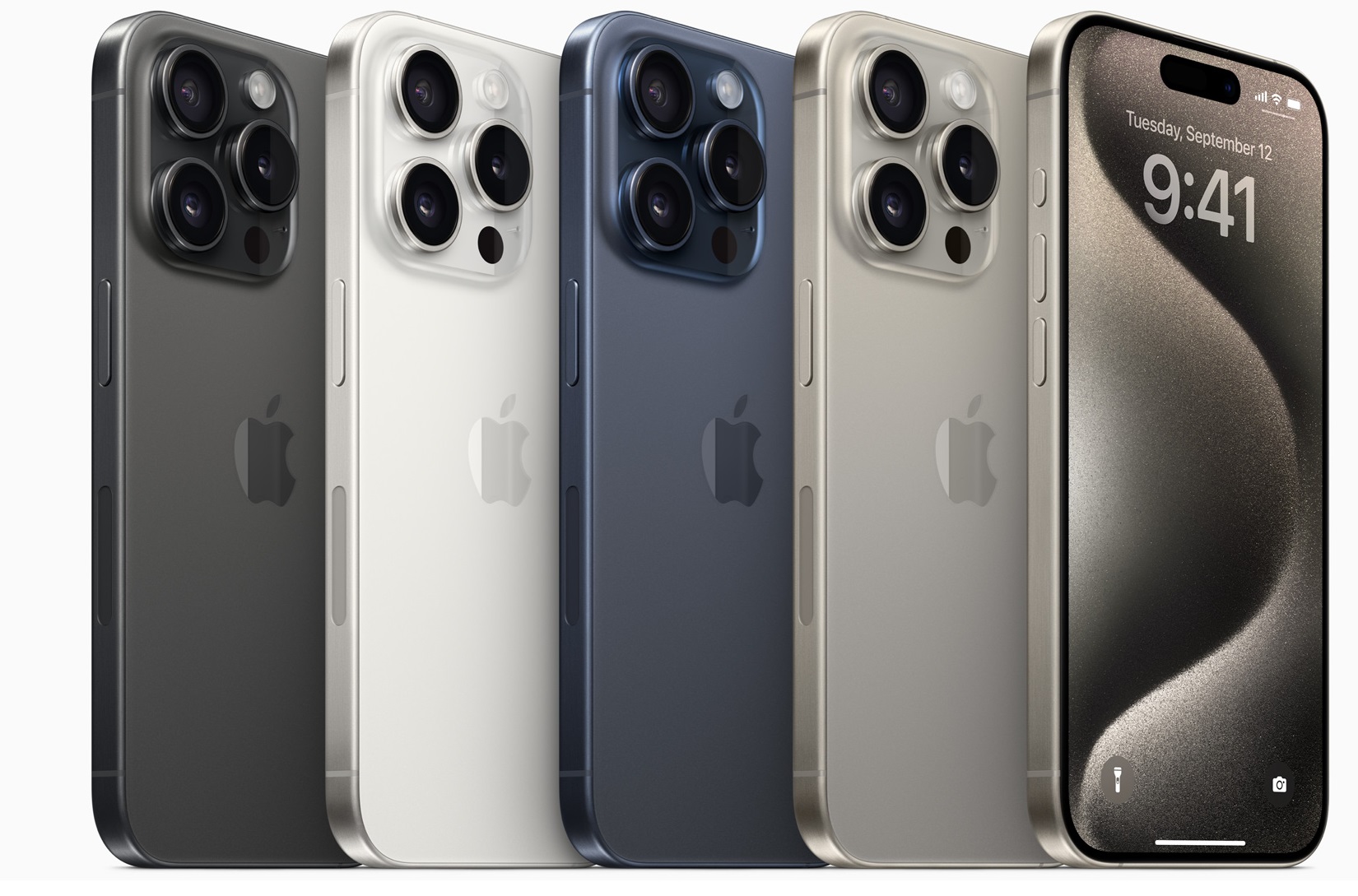
Giant tech company Apple, which is known to be a leader when it comes to innovations in the tech industry, recently rolled out its latest mobile device, the iPhone 15, which comes with unique features.

The Cupertino-based company took center stage three days ago, following the launch of its anticipated 17th-generation device, which was designed with grade-five titanium.

The iPhone 15 was launched with an updated USB-C charging port, a move that was spurred by the EU legislation, mandating connector standardization.

As I have posited here many times, when satellite phones become mundane like our typical terrestrial-domain phones, new vistas of opportunities will emerge. And Mate 60 Pro is opening that future, and that is indeed a new basis of competition in the battle of the future.

Simply, if sat phones can look and feel like your ordinary smartphones, that means adoption will move north.  We have seen what Apple has, on Sept 25, we will see what Huawei offers at scale: “China’s Huawei Technologies (HWT.UL) said on Thursday it will hold a media event to discuss new products on Sept. 25, fanning expectations that details about recently released smartphones will be revealed. Its Mate 60 series is in the spotlight – both for the use of a China-made advanced chip and because the series likely marks the first major attempt by Huawei’s smartphone business to come back from crippling U.S. sanctions.”

The biggest threat to terrestrial telecom firms remains the phones. If satellite phones advance in usage, satellite telcos can do to GSM operators what they did to CDMA companies in Africa. The future is loading….because where you live will not affect your signal quality!

Comment on Feed

Comment 1: Prof., I believe this has to do with the Internet( Jeff Bezos’s “Project Kuiper” and Elon Musk’s Translink Satellite). That means once you have a satellite-enabled phone, no more restrictions based on location. The Telecoms too needs to be ready as another business playbook will soon unfold.

My Response: Prof., I believe this has to do with the Internet( Jeff Bezos’s “Project Kuiper” and Elon Musk’s Translink Satellite). That means once you have a satellite-enabled phone, no more restrictions based on location. The Telecoms too needs to be ready as another business playbook will soon unfold.

Comment 2: It comes with good investment in R&D Apple and Huawei lead in the investment in the future. Both did $25b investment in this in 2022. The grudge between the two runs deep and it’s driven by the US government onslaught on Huawei few years ago. Am sure the Chinese have something up their sleave on 25th that may make the premier phone company shudder

Comment 3: Ndubuisi Ekekwe Nice analysis as always Prof.The new race is now satellite phones which is aother level of competition between iPhone and Huawei as well as subtle threat to the US government and its telecoms industry.

My Response: China is indeed a huge competitor to the United States. And US companies understand that. No one expected Huawei to come back like this.

iPhone 15: Unique Features on The Newly Launched Apple Device

0

Giant tech company Apple, which is known to be a leader when it comes to innovations in the tech industry, recently rolled out its latest mobile device, the iPhone 15, which comes with unique features.

The Cupertino-based company took center stage three days ago, following the launch of its anticipated 17th-generation device, which was designed with grade-five titanium.

The iPhone 15 was launched with an updated USB-C charging port, a move that was spurred by the EU legislation, mandating connector standardization.

Check Out Other Unique Features of Apple’s iPhone 15

Screen Size upgrade:

The iPhone 15 was launched with an upgrade to an OLED screen with Super Retina XDR support and support for Dolby Vision with a peak HDR brightness of 1,600 nits. The screen comes in a 6.1” (iPhone 15) and 6.7” (iPhone 15 Plus) version.

Dynamic Island:

The Dynamic Island, the adaptive notification bar that was launched on the iPhone 14 pro last year, is now available on the standard models of the iPhone 15 and the pro version. The dynamic island is a feature that shows users the next direction during Apple Maps navigation or shows what’s currently playing if they are playing music while interacting with another app. 

Camera:

One notable thing about Apple’s latest mobile device launch is that it always comes with an upgraded camera. The latest iPhone 15 and iPhone 15 pro come with improved camera systems.

The iPhone 15 has a 48MP main camera with sensor-shift optical image stabilization. A new 2x telephoto option digitally crops the center 12MP camera without losing detail or blurring the photo to give you a telephoto lens in a smaller package. Videos can also use the continuous zoom option which provides 4K cinematic mode.

On the iPhone 15 pro, the main camera of the iPhone 15 Pro is a 48MP camera with a new nano-scale coating that can reduce lens flare and provide better lowlight performance; this allows users to shoot in 48MP HEIF format for RAW photos.

There is a new option that lets users shoot in 24mm, 28mm, and 35mm focal lengths. New to the iPhone 15 Pro Max, the largest version of the iPhone 15 Pro, users get a new 12MP 5x (versus the 3x zoom on the iPhone 15 Pro) telephoto lens that has a Tetra prism design to bring a 120 mm, f/2.8 aperture lens to the iPhone.

Performance:

This year, Apple brought the A16 Bionic chip, which was previously in the iPhone 14 Pro, to the standard iPhone 15 lineup. This features a 5-core CPU for faster graphics and gaming and a 16-core neural engine that can handle machine learning tasks and on-device processing of voice, video, and images.

Saving the best for its flagship device, Apple introduced a new A17 Pro chipset for the iPhone 15 Pro models. This is the industry’s first 3-hm chip that contains 19 billion transistors that improve performance and efficiency.

There are two high-performance cores and 16 cores for the neural engine that can handle 35 trillion operations per second. It also supports ProRes codec, and AV1 decoder, which can improve video performance for rendering and exporting videos: There’s a new 6-core GPU design that’s 20% faster than the previous iPhone 14 Pro model and includes new shaders that adds gaming performance and hardware-based ray tracing.

Extended Battery Life:

Not much upgrade was done on the iPhone 15 battery life, the latest device maintains the same battery life as its predecessor, the iPhone 14. However, it was launched with a larger internal battery which delivers even longer-lasting power.

The iPhone 15 Ultra comes with a 4422 mAh battery and not a 4,852 mAh as anticipated. This is however an upgrade from the iPhone 14 Pro Max which has a 4323 mAh battery.

Connectivity:

The Ultra Wideband chip has been upgraded and can connect from up to 2x the distance, which is great for being able to track down a lost Apple Watch, AirPods, or AirTag. iPhone 15 also has a new machine-learning model that can prioritize your voice on phone calls to help make those calls much clearer.

Emergency SOS via satellite (Figure E) is getting an upgrade by expanding to more countries and continents, including Spain and Switzerland later this month. The service is also getting new Roadside Assistance via the Satellite feature through the roadside assistance provider AAA.