DD
MM
YYYY

PAGES

DD
MM
YYYY

spot_img

PAGES

Home Blog Page 3785

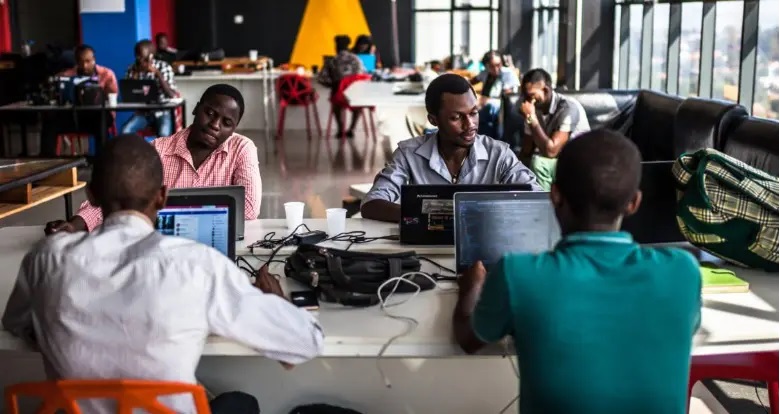
A call for Africans to take charge of their narrative through data-driven exploration

2

In the area of scientific inquiry, the belief that numbers form the foundation of reality has ancient roots, with figures like Pythagoras advocating for the understanding of the world through numerical constructs. Galileo Galilei, a pioneer in the scientific revolution, echoed this sentiment, asserting that the universe itself is composed of numbers. Fast forward to the present day, and the importance of data in comprehending our world remains undeniable.

Therefore, the need for Africa to invest substantially in taking and keeping data, research, and development is more critical than ever. While Africa’s challenges may possess unique characteristics, they share commonalities with global issues. By systematically collecting data on various events and phenomena, we gain valuable insights into the intricacies of our challenges. This approach allows us to discern patterns, enabling us to model and simulate different scenarios. Through this analytical process, we can identify variables influencing the issues at hand and potentially forecast challenges, thereby informing decision-making policies to avert or mitigate their impact.

Whether grappling with climate change, agricultural challenges, water scarcity, economic instability, illiteracy, poverty, or complex political issues such as insurgency and terrorism, understanding the patterns underlying these challenges is crucial. Data, whether presented in numerical or categorical form, provides a rich source of information about the occurrences and dynamics of events. Time-series data, in particular, offers a means to study the temporal patterns of events, providing a deeper understanding of the situations in question.

For Africa to address its unique challenges effectively, research institutions and universities must take decisive steps to enhance data collection efforts and made it easily available. The collection and analysis of data not only contribute to a better understanding of challenges but also empower decision-makers with actionable information. This information is essential for crafting policies that can pre-emptively tackle issues or respond effectively when they arise.

African-based data is imperative for several reasons. First and foremost, it ensures that the data collected accurately represents the nuances of the continent’s challenges. Understanding these situations from an insider’s perspective is crucial, as the lived experiences and contextual insights of Africans play a pivotal role in interpreting and analysing the data effectively. There is a sense of ownership and responsibility that comes with being the architects of our own data.

Africa stands at a pivotal juncture where investing in data collection, research, and development can significantly impact its ability to overcome challenges. The continent must take the lead in documenting its experiences, generating insights, and developing solutions tailored to its unique context.

As Pythagoras and Galileo recognized the power of numbers in unravelling the mysteries of the universe, Africa too can harness the power of data to shape its destiny and address the multifaceted challenges it faces. It is a call to action, a call for Africans to rise and take charge of their narrative through rigorous data-driven exploration and problem-solving.

Africa’s Late Stage Investors And The Promises Ahead With Mega Money Managers

0
Fund, money cash dollar

My promise for Tekedia Mini-MBA which begins Feb 5: we will have a special class on Asset Management and Private Equity with a case study of BlackRock and Bayo Ogunlesi’s GIP (recently acquired for excess of $12 billion by BlackRock) in Africa. Many have written that Mr. Ogunlesi does not have airports and other big projects as he does in Europe, Asia and America. That class will help us understand how these big players work.

As someone who has studied Bayo and Vista Equity Partners’ Robert Smith (the richest African in America), most times, they do not touch anything government-related when it comes to Africa. But behind the scene, men like Ogunlesi have invested in Africa. While many will wish for Ogunlesi to invest in Ibadan’s airport, he may not be comfortable doing so due to the Nigerian factors.

BlackRock which manages an excess of $9 trillion invested in Flutterwave, Andela, and other late stage African startups. GIP is an investor in Cellulant, Bridge International Academies Kenya, and MainOne. So, if you check, they are investing in Africa, but only focusing on private entities, avoiding public projects.

In the startup world, those late stage investors provide paths for secondaries which enable early investors to exit startups. Without them, the startup world in Africa will tank. So, as startups appeal to them, big government projects can also appeal to them, if we reform in ways that give their compliance officers confidence. 

In this piece, Tekedia explains the promises ahead and why Africa must attract these big-pocket money men and women, because they not only fund visions, they fertilize ecosystems of small investors who provide that first $10k, $15k, etc to startup founders.

More capital and expertise for local fintech startups: BlackRock and GIP have a track record of investing in and supporting innovative companies in emerging markets, especially in the fintech space. For example, BlackRock is an investor in Flutterwave, a Nigerian payment platform that recently raised $170 million at a $1 billion valuation.

GIP is an investor in Cellulant, a Nigerian digital payments company that operates in 18 African countries. With the acquisition of GIP, BlackRock will have access to more infrastructure assets and expertise that could benefit local fintech startups, such as providing connectivity, data centers, cloud services and renewable energy.

Impact of BlackRock acquisition of Global Infrastructure Partners on Fintech in Nigeria

Impact of BlackRock acquisition of Global Infrastructure Partners on Fintech in Nigeria

0

BlackRock, the world’s largest asset manager, has announced that it will acquire Global Infrastructure Partners (GIP), a leading infrastructure investment firm, for $12.5 billion. This deal will create a combined platform with over $200 billion of assets under management in the infrastructure sector, spanning renewable energy, transportation, digital infrastructure and more.

What does this mean for the fintech industry in Nigeria? Here are some possible implications.

More capital and expertise for local fintech startups: BlackRock and GIP have a track record of investing in and supporting innovative companies in emerging markets, especially in the fintech space. For example, BlackRock is an investor in Flutterwave, a Nigerian payment platform that recently raised $170 million at a $1 billion valuation.

GIP is an investor in Cellulant, a Nigerian digital payments company that operates in 18 African countries. With the acquisition of GIP, BlackRock will have access to more infrastructure assets and expertise that could benefit local fintech startups, such as providing connectivity, data centers, cloud services and renewable energy.

More opportunities for collaboration and partnerships: The acquisition of GIP will also expand BlackRock’s network and reach in the infrastructure sector, creating more opportunities for collaboration and partnerships with other players in the ecosystem. For instance, BlackRock is a partner of Microsoft, which recently launched its first data center in Africa, located in Nigeria.

Microsoft also offers cloud services and solutions for fintech companies, such as Azure, Dynamics 365 and Power Platform. By working together, BlackRock and Microsoft could leverage their respective strengths and resources to support the growth and innovation of the fintech industry in Nigeria.

More competition and consolidation in the market: The acquisition of GIP will also increase the competition and consolidation in the infrastructure and fintech sectors, as other players will seek to match or challenge BlackRock’s scale and capabilities. For example, Brookfield Asset Management, another global infrastructure investor, recently acquired a majority stake in Oaktree Capital Management, a leading alternative investment firm.

Brookfield also has investments in African infrastructure and fintech companies, such as Helios Towers, Africa’s largest independent telecom tower operator, and Jumo, a South African fintech platform that provides credit and savings products to millions of customers. As the market becomes more crowded and competitive, we may see more mergers and acquisitions among infrastructure and fintech players in Nigeria and beyond.

What is the impact of this acquisition on other sectors? Here are some possible effects.

More investment and development in other sectors: The acquisition of GIP will also enable BlackRock to invest in and develop other sectors that are related to or dependent on infrastructure, such as agriculture, health care, education and entertainment.

For example, BlackRock is an investor in Andela, a Nigerian company that trains and connects software developers across Africa with global companies. GIP is an investor in MainOne, a Nigerian company that provides broadband connectivity and data center services across West Africa. With the acquisition of GIP, BlackRock will be able to support these companies and others that are creating value and impact in other sectors through infrastructure.

More innovation and diversification in other sectors: The acquisition of GIP will also inspire more innovation and diversification in other sectors that are looking to leverage infrastructure to improve their products and services. For example, BlackRock is an investor in Zipline, a US company that uses drones to deliver medical supplies in remote areas.

GIP is an investor in Bridge International Academies, a Kenyan company that operates low-cost private schools across Africa. With the acquisition of GIP, BlackRock will be able to encourage these companies and others that are using infrastructure to enhance their offerings and reach new markets.

More challenges and opportunities for other sectors: The acquisition of GIP will also pose some challenges and opportunities for other sectors that are competing or collaborating with infrastructure players. For example, BlackRock is an investor in Uber, a US company that provides ride-hailing services around the world.

GIP is an investor in Gatwick Airport, a UK airport that serves millions of passengers every year. With the acquisition of GIP, BlackRock will have to balance its interests and responsibilities across different modes of transportation and mobility. At the same time, BlackRock will have to seize the opportunities that arise from the convergence of infrastructure and other sectors.

Global Infrastructure Partners (GIP) is a leading infrastructure investor that specializes in investing in, owning and operating some of the largest and most complex assets across the energy, transport, digital infrastructure and water and waste management sectors. With decarbonization central to our investment thesis, we are well positioned to support the global energy transition. Headquartered in New York, GIP has offices in Brisbane, Dallas, Delhi, Hong Kong, London, Melbourne, Mumbai, Singapore, Stamford and Sydney. GIP has approximately $103 billion in assets under management. Our portfolio companies have combined annual revenues of approximately $75 billion and employ over 115,000 people.

We believe that our focus on real infrastructure assets, combined with our deep proprietary origination network and comprehensive operational expertise, enables us to be responsible stewards of our investors’ capital and to create positive economic impact for communities. For more information, visit www.global-infra.com.

Bitwise to donate 10% Spot ETF profits to advance Bitcoin Open Source Development

0

Bitwise, a leading provider of crypto index funds and ETFs, announced today that it will donate 10% of its management fees from its recently launched Bitcoin Spot ETF (BITO) to support open-source Bitcoin development. This initiative, dubbed Bitwise for Bitcoin, aims to foster the long-term health and sustainability of the Bitcoin network and ecosystem.

According to Bitwise, the donation will be made on a quarterly basis, starting from the first quarter of 2024. The recipients of the donation will be selected by an advisory board composed of prominent Bitcoin experts, developers and advocates, such as Jameson Lopp, Elizabeth Stark, Matt Corallo and others. The advisory board will also oversee the allocation and distribution of the funds to ensure transparency and accountability.

Bitwise CEO Hunter Horsley said in a press release: “We are thrilled to launch Bitwise for Bitcoin and to support the amazing work being done by the open-source Bitcoin developers. Bitcoin is a public good that benefits millions of people around the world, and we believe it is our responsibility as a Bitcoin ETF provider to give back to the community that makes it possible.”

Bitwise for Bitcoin is not the first initiative of its kind, as several other companies and organizations have also pledged to support open-source Bitcoin development in various ways. For example, Square Crypto, a division of Square dedicated to Bitcoin, has been funding several Bitcoin developers and projects since 2019. Similarly, Kraken, a major crypto exchange, has launched a grant program in 2020 to fund Bitcoin developers and researchers.

However, Bitwise claims that its initiative is unique in that it is directly tied to the performance of its Bitcoin ETF, which tracks the spot price of Bitcoin rather than the futures market. Bitwise argues that this approach offers investors a more efficient and cost-effective way to gain exposure to Bitcoin, while also creating a positive feedback loop between the growth of the ETF and the development of the network.

“We believe that by donating a portion of our management fees from our spot Bitcoin ETF, we can create a win-win situation for both our investors and the Bitcoin community. As more investors choose our ETF over other alternatives, we will be able to generate more funds for Bitcoin development, which in turn will enhance the security, scalability and innovation of the network, benefiting all Bitcoin users and holders,” Horsley explained.

However, investing in Bitcoin ETFs is not without risks. One of the main challenges is the discrepancy between the net asset value (NAV) of the ETF and the market price of its shares. NAV is the total value of the underlying assets divided by the number of shares outstanding. Ideally, the market price of the ETF should reflect its NAV, but in reality, there can be significant deviations due to supply and demand imbalances, market sentiment, liquidity issues, or arbitrage opportunities.

This means that investors may end up paying more or less than the actual value of the Bitcoin exposure they are getting. For example, if the market price of a Bitcoin ETF is higher than its NAV, it means that investors are paying a premium to buy the ETF. Conversely, if the market price is lower than the NAV, it means that investors are getting a discount.

How can savvy investors spot these price discrepancies and profit from them? One way is to compare the market price of the ETF with the spot price of Bitcoin on a reputable exchange, such as Coinbase or Kraken. If there is a significant difference between the two prices, it may indicate an opportunity to buy or sell the ETF accordingly.

For example, suppose that a Bitcoin ETF has a NAV of $50,000 per share, but its market price is $52,000 per share. This means that investors are paying a 4% premium to buy the ETF. If an investor expects that this premium will shrink over time, they may decide to sell the ETF and buy Bitcoin directly on an exchange instead. This way, they can lock in a higher return than holding the ETF.

On the other hand, suppose that another Bitcoin ETF has a NAV of $50,000 per share, but its market price is $48,000 per share. This means that investors are getting a 4% discount to buy the ETF. If an investor expects that this discount will narrow over time, they may decide to buy the ETF and sell Bitcoin directly on an exchange instead. This way, they can benefit from the appreciation of both the ETF and Bitcoin.

Of course, this strategy is not risk-free. There are many factors that can affect the price movements of both Bitcoin and Bitcoin ETFs, such as regulatory developments, technical issues, market sentiment, or unexpected events. Investors should always do their own research and due diligence before making any investment decisions.

One way to mitigate some of these risks is to donate some or all of your profits from trading Bitcoin ETFs to open-source Bitcoin development. By doing so, you can support the innovation and security of the underlying technology that powers both Bitcoin and Bitcoin ETFs. You can also contribute to the public good and help make Bitcoin more accessible, inclusive and resilient for everyone.

There are many organizations and projects that are dedicated to advancing open-source Bitcoin development, such as:

  • The [Bitcoin Development Fund] (https://bitcoindevlist.com/), which supports individual developers who work on core protocol projects, libraries, applications and education.
  • The Brink, which provides grants and fellowships to developers who work on improving Bitcoin’s scalability, privacy and usability.
  • The [Human Rights Foundation] (https://hrf.org/), which funds developers who work on censorship-resistant and privacy-enhancing tools for Bitcoin users in oppressive regimes.
  • The [MIT Digital Currency Initiative] (https://dci.mit.edu/), which conducts research and development on key technical challenges facing Bitcoin and other cryptocurrencies.
  • The [Square Crypto] (https://squarecrypto.org/), which sponsors developers who work on making Bitcoin more user-friendly and interoperable.

By donating your profits from trading Bitcoin ETFs to open-source Bitcoin development, you can not only increase your returns but also make a positive impact on the future of Bitcoin and its ecosystem. You can also demonstrate your commitment to the values and principles that underpin Bitcoin, such as decentralization, transparency and sovereignty.

So next time you spot a profitable opportunity in the Bitcoin ETF market, why not consider sharing some of your gains with those who make it possible? You may be surprised by how rewarding it can be.

Bitwise for Bitcoin is expected to launch in early 2024, pending regulatory approval. The company said it will provide more details on the initiative and its progress on its website and social media channels.

The Federal Reserve is cautious about the recovery of the US Economy

0

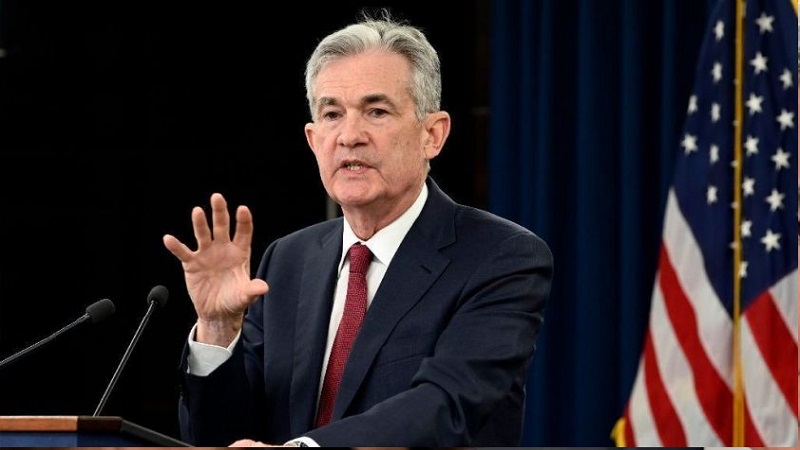
The Federal Reserve (Fed) has published the minutes of its last meeting in December, which reveal some insights into its monetary policy outlook for the next few years. According to the document, the Fed expects to keep the federal funds rate near zero until at least 2023, and then start to gradually raise it in 2024, depending on the economic conditions and inflation expectations. The Fed also plans to continue its asset purchase program at the current pace of $120 billion per month until it sees substantial progress in the labor market and inflation.

The minutes show that the Fed is cautious about the recovery of the US economy, which has been hit hard by the coronavirus pandemic and its related restrictions. The Fed acknowledges that the fiscal stimulus passed by Congress in December will provide some support to households and businesses, but it also warns that the pace of vaccinations and the evolution of the virus pose significant uncertainties for the outlook. The Fed also notes that some sectors of the economy, such as leisure and hospitality, have been particularly affected by the pandemic and may take longer to recover.

The Fed’s decision to signal interest-rate hikes in 2024 reflects its confidence that inflation will eventually rise to its 2% target, after being persistently below it for many years. The Fed has adopted a new framework that allows it to tolerate inflation moderately above 2% for some time, in order to make up for past shortfalls and support maximum employment. The Fed believes that this approach will enhance its credibility and anchor inflation expectations at a level consistent with its mandate.

The minutes of the Fed’s December meeting offer a glimpse into the thinking of the central bank as it navigates a challenging and uncertain economic environment. The Fed is committed to using all its tools to support the recovery and achieve its goals of price stability and full employment. However, the Fed also emphasizes that its policy actions depend on the actual and expected developments in the economy, and that it will adjust its stance as appropriate if the situation changes.

In a recent statement, the Federal Reserve recognized the positive impact of the latest relief package approved by the lawmakers in the last month of 2023. The central bank said that the additional fiscal measures will help both households and businesses cope with the economic challenges caused by the pandemic. The Fed also reiterated its commitment to use its full range of tools to support the recovery and ensure price stability.

Some of the tools that the Fed has been using include keeping the federal funds rate near zero, buying large amounts of Treasury and mortgage-backed securities, and providing liquidity and credit to financial institutions and markets. The Fed also said that it will continue to monitor the economic and health situation and adjust its policy accordingly.

The relief package that the Fed referred to be the $900 billion bill that Congress passed on December 21, 2023, after months of negotiations. The bill included direct payments of $600 to most Americans, enhanced unemployment benefits of $300 per week, aid for small businesses, schools, health care providers, and state and local governments, among other provisions. The bill was intended to provide a bridge until more vaccines are distributed and the economy can reopen more fully.

The US inflation rate rose to 3.4% in December 2023

Meanwhile, the latest data from the Bureau of Labor Statistics shows that the US inflation rate rose to 3.4% in December 2023, the highest level since January 1991. This was higher than the consensus forecast of 3.2% and reflects the ongoing impact of supply chain disruptions, labor shortages, and rising energy costs on consumer prices.

The inflation rate measures the change in the average prices of goods and services purchased by households over a year. It is one of the key indicators of the health of the economy and the purchasing power of consumers. A moderate level of inflation is generally considered beneficial, as it signals a growing demand for goods and services and encourages investment and innovation. However, a high and persistent level of inflation can erode the value of money, reduce the real income of consumers, and increase the cost of borrowing.

The main drivers of inflation in December were transportation, housing, and food. Transportation costs rose by 11.9% year-over-year, driven by a 49.6% surge in gasoline prices and a 37.3% increase in used car and truck prices. Housing costs, which account for about a third of the consumer price index, rose by 4.1%, reflecting higher rents and home prices. Food costs rose by 6.3%, with both food at home and food away from home posting significant increases.

The core inflation rate, which excludes the volatile food and energy components, also rose to 3.1% in December, above the forecast of 2.9%. This suggests that inflationary pressures are not only coming from transitory factors, but also from underlying structural changes in the economy.

The Federal Reserve, which has the dual mandate of maintaining price stability and maximum employment, has been facing a difficult trade-off between fighting inflation and supporting the economic recovery from the pandemic. The Fed has maintained its ultra-accommodative monetary policy stance throughout 2023, keeping its benchmark interest rate near zero and continuing its monthly asset purchases of $120 billion. The Fed has argued that the current inflation spike is largely temporary and will subside as the supply-demand imbalances are resolved.

However, some analysts and investors have questioned the Fed’s credibility and patience in dealing with inflation, especially as inflation expectations have risen to multi-year highs. The Fed has signaled that it will begin to taper its asset purchases in early 2024 and raise its interest rate by mid-2024, but some market participants have priced in a faster and more aggressive tightening cycle.

The inflation outlook for 2024 remains uncertain and depends on several factors, such as the evolution of the pandemic, the pace of global economic growth, the response of fiscal and monetary policies, and the behavior of consumers and businesses. The Fed will have to balance its policy actions carefully to avoid triggering a stagflation scenario, where high inflation is accompanied by low growth and high unemployment.