
DD
MM
YYYY

PAGES

DD
MM
YYYY

spot_img

PAGES

Home Blog Page 3824

Singapore will Implement Stringent Crypto Regulations on Retail Access

1

In a recent announcement, the Monetary Authority of Singapore (MAS) revealed its plans to impose stringent regulations on cryptocurrency transactions for retail investors. The new rules, which are expected to be among the most restrictive in the world, aim to protect consumers from the high risks and volatility of digital assets.

Singapore is one of the most attractive destinations for crypto businesses, thanks to its clear and supportive regulatory framework. However, getting a license from the Monetary Authority of Singapore (MAS) is not easy. In fact, most of the crypto organizations that have applied for a license have been rejected or are still pending.

According to Dawn Chew, the communications director of MAS, the regulator is concerned about the growing popularity of cryptocurrencies among retail investors who may not fully understand the implications and risks of their investments. Chew said that MAS wants to ensure that retail investors do not access cryptocurrency products and services that are unsuitable for them.

The proposed regulations will require intermediaries that offer cryptocurrency services to retail investors to obtain a license from MAS and comply with strict standards of conduct, disclosure and risk management. Additionally, retail investors will have to undergo an assessment of their knowledge and experience before they can access cryptocurrency products and services. They will also have to acknowledge in writing that they are aware of the risks and potential losses involved.

The new rules will not apply to accredited or institutional investors, who are deemed to have more financial resources and sophistication to deal with the complexities and uncertainties of cryptocurrency markets. MAS also clarified that the regulations will not affect the development and innovation of blockchain technology in Singapore, which it supports as part of its Smart Nation vision.

The announcement comes amid a global regulatory crackdown on cryptocurrencies, as authorities around the world grapple with the challenges and opportunities posed by the emerging asset class. While some countries, such as China and India, have taken a hardline stance against cryptocurrencies, others, such as the US and the UK, have adopted a more balanced approach that seeks to foster innovation while safeguarding consumer interests.

Singapore has been one of the most progressive jurisdictions in terms of cryptocurrency regulation, having introduced a comprehensive framework for digital payment token service providers in 2020. The framework covers anti-money laundering, counter-terrorism financing, cybersecurity and consumer protection measures. However, with the new rules for retail access, Singapore is set to become one of the toughest regulators of cryptocurrency in the world.

According to a report by Bloomberg, MAS has received over 300 applications from crypto firms since 2020, but only 10 have been approved so far. The main reason for the low approval rate is the high standards that MAS sets for anti-money laundering and counter-terrorism financing (AML/CTF) compliance.

MAS expects crypto firms to have robust AML/CTF policies and procedures, as well as effective systems and controls to detect and prevent illicit activities. Crypto firms also need to demonstrate that they have adequate resources, governance and risk management practices to operate in a safe and sound manner.

The stringent requirements reflect MAS’s commitment to safeguarding the integrity and stability of Singapore’s financial system, as well as protecting consumers and investors from fraud and scams. MAS also wants to ensure that Singapore remains a reputable and trusted hub for fintech innovation and adoption.

While some crypto firms may find the licensing process challenging and time-consuming, others see it as an opportunity to differentiate themselves from the competition and gain credibility and trust from customers and regulators. For instance, Gemini, one of the 10 licensed crypto firms in Singapore, has invested heavily in building a strong compliance culture and infrastructure.

Gemini’s Chief Compliance Officer for Asia Pacific, Jeremy Ng, said in an interview with Bloomberg that “compliance is a competitive advantage” and that “being licensed brings us closer to our vision of empowering the individual through crypto”.

As the crypto industry matures and evolves, more countries are likely to follow Singapore’s example and adopt a comprehensive and balanced regulatory approach. Crypto firms that want to succeed in this dynamic and competitive environment will need to embrace regulation as a catalyst for innovation and growth, rather than a barrier or burden.
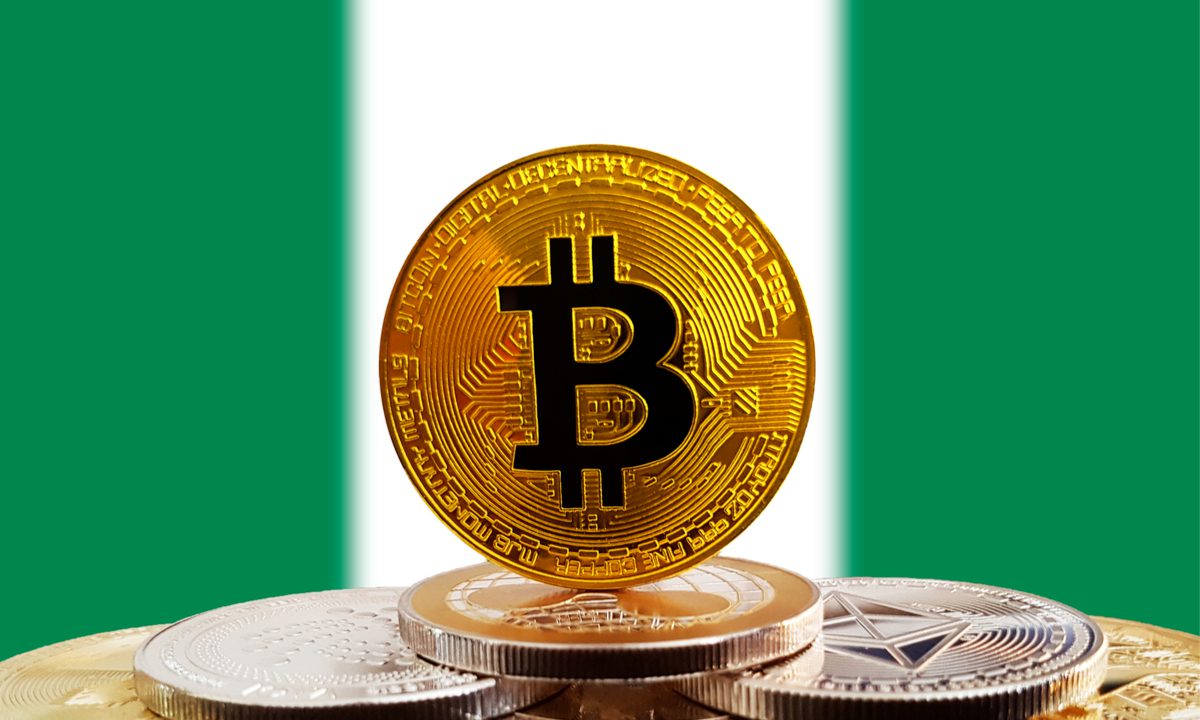

How Crypto is Serving as an Edge Mitigating against Unemployment and Inflation among Nigerian Youth

0

The Nigerian economy has been facing a series of challenges in recent years, such as high unemployment, low growth, rising inflation, and currency devaluation. These factors have adversely affected the living standards and opportunities of many Nigerian youths, who make up more than half of the population. However, some of them have found a way to cope with these difficulties by embracing the emerging world of cryptocurrencies.

Cryptocurrencies are digital assets that are powered by blockchain technology, which allows for decentralized, secure, and transparent transactions. They can be used as a medium of exchange, a store of value, or a unit of account. Some of the most popular cryptocurrencies include Bitcoin, Ethereum, Litecoin, and Ripple.

Cryptocurrencies offer several advantages for Nigerian youths who are looking for alternative sources of income and wealth creation. First, they provide access to a global market that is not restricted by geographical boundaries or government regulations. This means that Nigerian youths can trade, invest, or earn, mine, stake, lend, borrow, or provide services. Some of them have become successful entrepreneurs or influencers in the crypto space, creating jobs and value for themselves and others.

Cryptocurrencies enable financial inclusion and access. Many Nigerians do not have access to formal banking services or face high fees and restrictions when using them. Cryptocurrencies allow anyone with a smartphone and an internet connection to participate in the global financial system without intermediaries or barriers. They also enable cross-border payments and remittances, which are vital sources of income for many Nigerians.

Second, cryptocurrencies offer a hedge against inflation and currency depreciation. The Nigerian naira has lost more than 50% of its value against the US dollar since 2015, due to low oil prices, fiscal deficits, and foreign exchange shortages. This has eroded the purchasing power and savings of many Nigerians. 

However, cryptocurrencies have a limited supply and are not controlled by any central authority, which makes them immune to inflation and devaluation. For instance, Bitcoin has a fixed supply of 21 million coins and its value is determined by market forces of demand and supply.

Third, cryptocurrencies offer a platform for innovation and entrepreneurship. Nigerian youths can leverage the potential of blockchain technology to create new products and services that can solve various problems in their communities. For example, some Nigerian startups are using blockchain to provide solutions for remittances, health care, education, agriculture, and energy. These startups can also raise funds from investors around the world through initial coin offerings (ICOs) or token sales.

Many Nigerian youths are learning about blockchain, cryptography, programming, economics, finance, and more through online courses, webinars, podcasts, blogs, and social media. They are also developing their own projects and solutions using crypto tools and platforms.

Cryptocurrencies promote social change and activism. The crypto community is composed of diverse and passionate individuals who share common values and visions for a better world. Many Nigerian youths are using cryptocurrencies to support causes they care about, such as human rights, democracy, environmental protection, or charity. They are also using cryptocurrencies to resist oppression and censorship from the government or other actors who try to limit their freedom and expression.

Cryptocurrencies are serving as an edge mitigating against unemployment and inflations among Nigerian youths. They offer opportunities for financial inclusion, empowerment, and development in a challenging economic environment. However, there are also some risks and challenges associated with cryptocurrencies, such as volatility, security breaches, scams, and regulatory uncertainty. Therefore, Nigerian youths need to be well-informed and cautious when dealing with cryptocurrencies.

I invite you to take a look at Tekedia AI in Business Masterclass [video]

0

I invite you to take a look at Tekedia AI in Business Masterclass. If you do, you will like what you see. Tekedia Institute is helping organizations and citizens to prepare for the new AI age. We understand that  this is a quintessential moment in the world of business, and our Institute is working day and night, to prepare firms and citizens for the opportunities ahead.

On Sept 11, we will begin a special program for a major bank’s staff, helping the workers to understand the broadview of the possibilities of AI, and how the bank could prepare for that future. We hope to welcome your team soon.

We understand AI. We understand business. And we understand the business of AI, and the AI in business. Register for your workers, and get them ready to see that new world. Begin here with $400 or N200k for the 8-week program ; join us here 


The Key To Staying Consistent

0

Staying consistent is the key to winning it big in life but truth be told, it is the harder thing to do. It’s easier to get the task started but harder to be consistent at the task.

I know for a fact that taking the first step or starting a task is always not easy but once you have handled procrastination you have handled that. Procrastination or the “I will do it tomorrow” syndrome is one of the primary reasons why taking that bold step and starting a task is always very difficult. But as for staying consistent once you have tackled procrastination to get the task started, you will also handle procrastination coupled with other things which may appear as a stumbling block.

What keeps you going after that “initial gra gra” or the early enthusiasm or motivation has faded is the discipline to stay consistent. To stay disciplined and charge yourself that even if you are motivated or not you will have to show up and do it because you have undertaken to do it.

For instance, going to work every day for some people can be tiring, People go to work without motivations, what keeps them going is that they know if they do not go to work they won’t get paid and they will go broke, so the money they are anticipating at the end of the month is the motivation that help keep them consistent with showing up at the job. 

That is not the discipline I’m talking about, once there is a motivation behind the consistency then it will easily fade out once that motivation is taken away. Discipline is showing up if there is a motivation or not.

Well, it is absolutely normal to not always feel motivated or have the enthusiasm to engage in the task, that is where the discipline to stay consistent comes in. It is also very normal to lose the motivation to keep engaging in the task once you have kick-started it, this is where the discipline is to force yourself to keep at it even if you are not motivated or feel like doing it or not.

What is that task you have undertaken to be doing but you are dwindling on it, what is that task that you know for sure that if you keep doing, it will change your life positively but you are currently struggling at it due to the lack of the motivation; is it that weight loss journey, is it taking another degree, is it learning a skill, is it your spiritual growth etc (you can insert anything there), I want to let you know that it is absolutely normal to have lost the motivation but you can discipline yourself to stay at it, keep doing it until you achieve the desired result and you will be happy with yourself when that is done.

As a bonus, here are three simple but effective ways you can keep yourself consistent at whatever you have chosen to be doing;

  1. Try setting specific and not vague or ambitious goals
  2. create a routine, and
  3. find accountability partner(s).

Nigeria’s Exports to the UK Hit £3.3bn in One Year

0

Nigeria’s exports into the UK from June 2022 to June 2023 are worth £3.3 billion, according to new data revealed by the British Deputy High Commissioner, Jonny Baxter.

Baxter, who was speaking about the bilateral relationship between Nigeria and the UK, also disclosed that 132,000 Nigerians were issued “all sorts of UK visas” which include visit, work, and study visas in the first half of 2023.

He said Nigeria’s current export valuation is up £1.4billion higher than the previous year’s record.

“The overall trade figures, which includes imports and exports is £7.6 billion and of that, £4.3 billion are made up of UK products that are imported into Nigeria, and that figure has gone up a £1 billion, if you compare with the figure of the year before,” Baxter said.

“The rest of the £3.3 billion are Nigerian exports into the UK, and this has gone up by £ 1.4 billion so the increase in Nigeria export into the UK has been much more fast.”

According to Baxter, this positive trend in Nigeria’s exports to the UK is a result of the introduction of the Developing Countries Trading Scheme (DCTS), which has bolstered trade relations between the two nations.

He said the UK is committed to fostering favorable trade conditions, and the DCTS, launched in June this year, plays a crucial role.

“It covers around 65 developing countries, including Nigeria, and offers reduced or tariff-free access to the UK market for Nigerian goods and services. This tariff reduction makes Nigerian products more affordable in the UK market, boosting their popularity,” he said.

Nigeria’s exports to the UK have encountered barriers, limiting the number of goods allowed into the UK from Nigeria. Baxter said efforts are ongoing to address trade barriers and challenges between the two countries.

As part of the efforts, the High Commissioner said the UK would host an African Investment Summit in April 2024, providing Nigerian companies with a platform to engage with British investors, seek investment opportunities, and contracts, and explore import and export possibilities.

The summit would also feature a special side event focused on Nigeria’s creative industry, recognizing its growing significance in Nigeria’s economy, according to him.

“Nigeria is such a classic place where the creatives are so important and they have produced a lot of money and wealth and indeed, I think it is an increasing area for Nigeria’s economy, and it is brilliant that the African Investment Summit would have this side event,” he said.

Moves like this are not only expected to bolster trade between Nigeria and the UK but also the number of Nigerians securing UK visas yearly.

“We welcome and value the many Nigerians that we have coming to the UK to study or settle, as long as they are coming through legal routes, and it is important that the country’s rules are followed and respected,” Baxter said.