DD
MM
YYYY

PAGES

DD
MM
YYYY

spot_img

PAGES

Home Blog Page 3827

Data Harvesting in Web 3

0

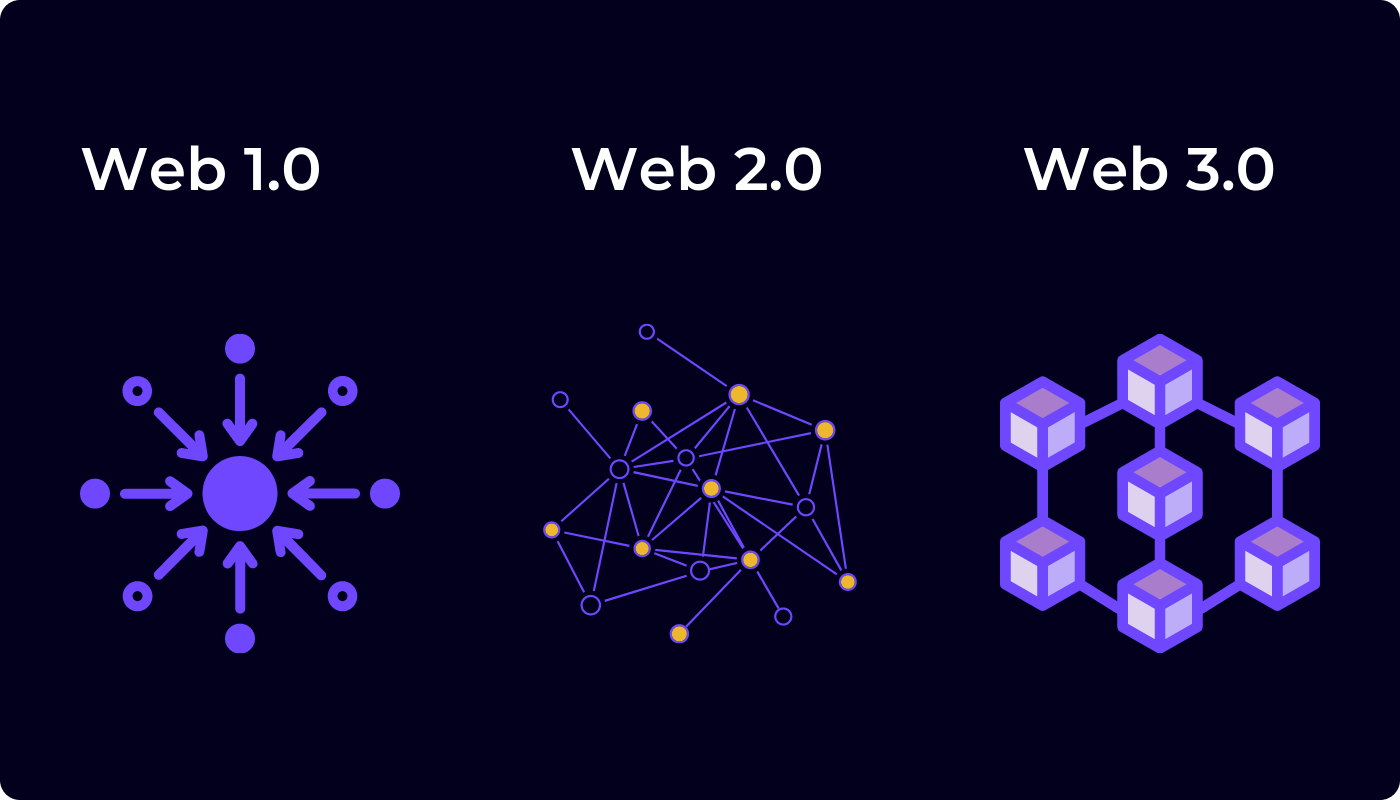
Web3 is a term that refers to the next generation of the internet, where decentralized applications (dApps) run on peer-to-peer networks, without intermediaries or centralized servers. Web3 promises to empower users with more control, privacy, and ownership of their own data and digital assets. However, web3 also poses new challenges and risks for data harvesting, which is the practice of collecting and analyzing large amounts of data from users, often without their consent or awareness.

Data harvesting can have various purposes and impacts, such as improving user experience, providing personalized recommendations, targeting advertisements, influencing behavior, manipulating opinions, or even stealing identities. Data harvesting can be done by various actors, such as dApp developers, platform providers, network validators, third-party services, or malicious hackers. Data harvesting can involve different types of data, such as personal information, transaction history, browsing activity, location data, social network data, or biometric data.

In web3, data harvesting can be more difficult or easier than in web2, depending on the context and the design choices. On one hand, web3 can make data harvesting more difficult by enabling users to encrypt their data, control their access rights, verify their identity, or opt out of data collection. On the other hand, web3 can also make data harvesting easier by creating more data sources, exposing more data on public ledgers, enabling more data analysis tools, or incentivizing more data sharing.

However, recent developments have raised some concerns about how Web3 platforms handle user data. Some dApps, such as social media, gaming, or e-commerce platforms, require users to provide personal information, such as email, phone number, or identity verification, in order to access their services or features. This data is often stored on centralized servers or third-party providers, which may be vulnerable to hacking, censorship, or misuse.

Moreover, some Web3 platforms use analytics tools or trackers to collect user behavior data, such as browsing history, preferences, interactions, or transactions. This data is used to improve user experience, optimize performance, or provide personalized recommendations. However, this data may also be shared with advertisers, marketers, or other third parties, without the user’s consent or knowledge.

These practices contradict the core principles of Web3, which aim to protect user privacy and sovereignty. Users should have the right to choose what data they want to share, with whom, and for what purpose. Users should also have the right to access, delete, or modify their own data at any time. Users should not have to sacrifice their privacy or security for convenience or functionality.

Therefore, Web3 platforms need to adopt more transparent and ethical data practices that respect user rights and preferences. Web3 platforms should use encryption, zero-knowledge proofs, or other cryptographic techniques to ensure that user data is secure and private. Web3 platforms should also use decentralized storage solutions, such as IPFS or Filecoin, to store user data on distributed networks that are resilient and censorship resistant.

Web3 platforms should also provide clear and easy-to-understand privacy policies that inform users about what data they collect, how they use it, and how they protect it. Web3 platforms should also allow users to opt-in or opt-out of data collection or sharing at any time. By doing so, Web3 platforms can build trust and loyalty with their users and foster a more open and inclusive internet that respects user agency and autonomy.

Some examples of Web3 platforms that are trying to implement these best practices are:

  • Unstoppable Domains: A platform that allows users to create and manage decentralized websites and domains that are censorship-resistant and self-sovereign.
  • Brave: A browser that blocks ads and trackers by default and rewards users with cryptocurrency for viewing privacy-respecting ads.
  • Audius: A music streaming service that connects artists directly with fans and allows them to monetize their work without intermediaries.
  • OpenSea: A marketplace for digital collectibles and non-fungible tokens (NFTs) that enables users to create, buy, sell, and trade unique digital assets.
  • Decentraland: A virtual reality platform that lets users create and explore immersive 3D worlds that are owned and governed by the community.

Therefore, data harvesting in web3 is a complex and dynamic phenomenon that requires careful consideration and regulation. Users should be aware of the potential benefits and risks of data harvesting in web3 and exercise their rights and responsibilities accordingly. Developers should follow ethical principles and best practices for data harvesting in web3 and respect the users’ preferences and expectations. Regulators should establish clear and consistent rules and standards for data harvesting in web3 and enforce them effectively and fairly.

New Aviation Minister Festus Keyamo Suspends Nigerian Air Project

0

The Air Nigeria project has been suspended by the newly-appointed Minister of Aviation, Festus Keyamo. The decision came after he visited the Murtala Muhammed International Airport Lagos, where he also directed all international airlines operating from the old international terminal building to move out.

The minister said the directive to move their operation to the new terminal, given to airlines, will take effect from October 1, 2023. This is to allow for a complete shutdown and repair of the old terminal.

The Nigerian Air project, which was in May exposed by investigative journalist David Hundeyin as fraudulent, has drawn a lot of controversy. The project was conceived by Muhammadu Buhari’s administration in 2016 but was dragged through the rest of his time in office.

Keyamo, who promised reforms in the aviation sector, said all arrangements under his predecessor, Hadi Sirika, including the planned Nigeria Air, have been put on hold, to enable proper audit of contracts.

Background of the Nigerian Air launch

Sirika hurriedly launched the Nigerian Air toward the end of May last year, sparking suspicion that the whole project was mired in fraud. Further investigation reveals that the single plane unveiled at the launch was rented from the Ethiopian Airline.

Aviation expert and analyst, Captain Ado Sanusi, also said in a June interview with ChannelsTV that it would be practically impossible for Nigerian Air to commence commercial passenger operations within a mere two days, considering the intricate processes involved. This aligns with Hundeyin’s report, which contends that the launch is fraudulent.

During the investigation, the Nigerian Airspace Management Agency (NAMA) informed the committee that the aircraft bearing Nigerian colors was on a chartered flight to Nigeria. This information was corroborated by other stakeholders who affirmed NAMA’s statement, emphasizing that a chartered flight can be painted in any color and bear any inscriptions.

In his testimony before a Senate committee on Aviation, Capt. Dapo Olumide, the Interim Managing Director of Nigerian Air, confirmed that the unveiled Nigerian Air aircraft had been chartered. He explained that the plane that arrived and departed was a legitimate chartered flight, a service available to anyone without a license as long as the requisite payment is made.

During the meeting, Senator Biodun Olujimi, who chairs the Senate Aviation Committee, expressed her curiosity regarding why the former Minister of Aviation rushed to unveil a national carrier on the final day of the Muhammadu Buhari administration.

Hundeyin would later report that the rented plane, which was repainted with the Nigerian Air color, was returned to the Ethiopian Airlines fleets and services.

In June, seasoned aviator Girma Wake stepped down from his position as Chairman of Ethiopian Airlines amid the controversy surrounding the establishment of Nigeria’s national carrier.

Nigeria’s Senate and House of Representatives Committees on Aviation had both labeled the launch of the Nigeria Air as a fraud.

Olumide reiterated his confirmation during his testimony before the Senate committee. He clarified that the Nigerian Air currently possesses an airport license, which constitutes one of the two necessary licenses for airline operation. However, this license does not authorize the carrier to conduct commercial service operations.

He went on to elaborate that for Nigerian Air to obtain the required license and gain approval from the Nigerian Civil Aviation Authority for operation, it would need to have a minimum of three registered aircraft in its fleet.

US Federal Reserve to Adopt Gradual and Cautious Approach to Developing CBDC

0

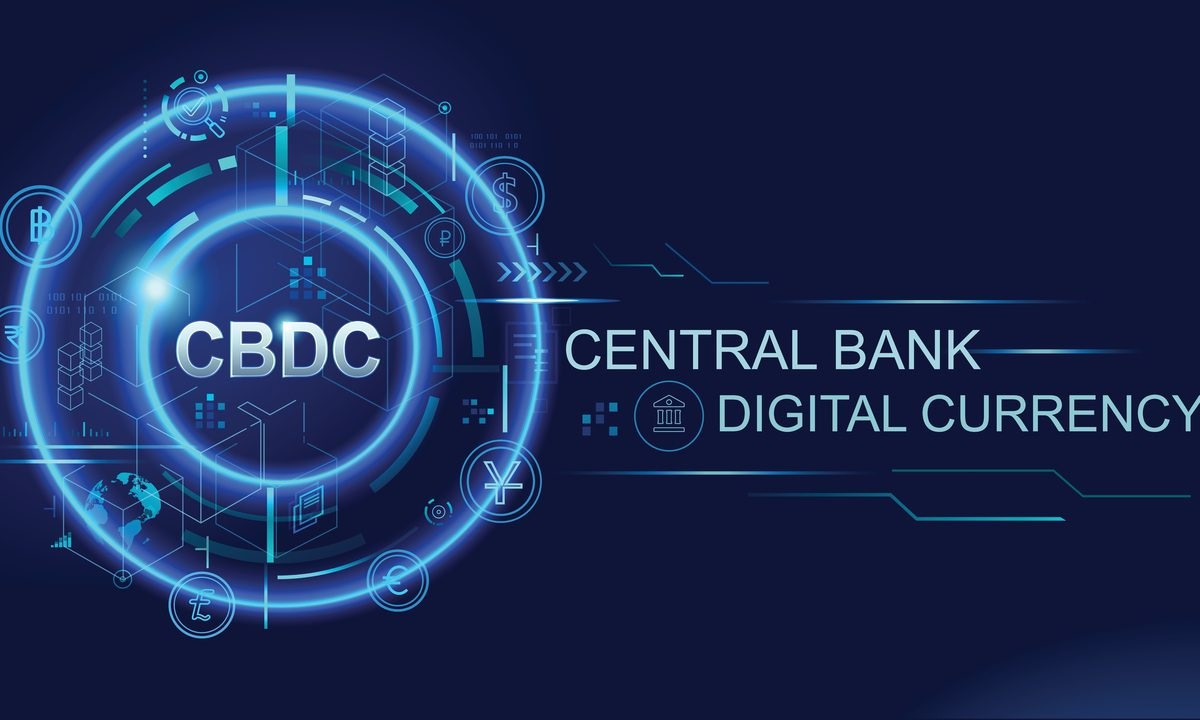
The Federal Reserve is expected to adopt a gradual and cautious approach to developing a central bank digital currency (CBDC), according to a report by RBC Capital Markets. The report, published on Wednesday, analyzes the potential implications of a US CBDC for the financial system, the economy and the Fed’s monetary policy. The report also compares the US approach to that of other countries, such as China, which has been aggressively testing its own digital yuan.

The report argues that the Fed is unlikely to rush into launching a CBDC, given the complex and uncertain challenges that such a project would entail. The report cites several factors that could slow down the Fed’s progress, such as:

  • The need to ensure interoperability and compatibility with existing payment systems and infrastructures.
  • The need to address legal, regulatory and privacy issues, as well as potential cyber threats.
  • The need to balance the trade-offs between efficiency, security and inclusion.
  • The need to preserve the role of commercial banks and other intermediaries in the financial system.
  • The need to avoid disrupting the Fed’s monetary policy framework and tools.

The report suggests that the Fed will likely pursue a “two-tiered” model for a CBDC, in which the Fed would issue and distribute the digital currency through commercial banks and other regulated entities, rather than directly to the public. This would allow the Fed to leverage the existing financial system and minimize the risks of disintermediation and financial instability.

The Federal Reserve has been exploring the possibility of issuing a central bank digital currency (CBDC) for the United States, a digital form of money that would be backed by the central bank and could be used for payments and settlements. A CBDC could offer several benefits, such as enhancing financial inclusion, improving efficiency and security, and supporting innovation in the payment system. However, a CBDC also poses significant challenges and risks, such as affecting monetary policy, financial stability, privacy, and cybersecurity.

One of the key design choices for a CBDC is whether it should be account-based or token-based. An account based CBDC would require users to have an account with the central bank or an intermediary institution, and transactions would be verified by identity. A token based CBDC would not require an account, and transactions would be verified by cryptography. An account-based CBDC could offer more oversight and control, while a token-based CBDC could offer more anonymity and accessibility.

According to a recent report by the Federal Reserve Bank of Boston, the Fed will likely pursue a “two-tiered” model for a CBDC, where both account-based and token-based forms of digital money would coexist and complement each other. The report argues that this model would balance the trade-offs between the two approaches and provide users with more options and flexibility. The report also suggests that the Fed would not directly issue or manage the CBDC, but rather rely on a network of intermediaries, such as banks and fintech firms, to distribute and operate the digital currency.

The two-tiered model is not without its challenges, however. The report acknowledges that there are still many technical and legal issues to be resolved, such as how to ensure interoperability, scalability, and security of the CBDC system, how to protect users’ privacy and data, and how to prevent illicit activities and fraud. The report also notes that the Fed would need to coordinate with other central banks and international organizations to ensure global compatibility and cooperation.

The Fed has not yet made a decision on whether to issue a CBDC, but it has been conducting extensive research and experimentation on the topic. The Boston Fed is collaborating with MIT to develop a prototype platform for a CBDC, which is expected to be completed by mid-2024. The Fed is also planning to release a discussion paper on the benefits and risks of a CBDC later this year and solicit public feedback on the potential design and features of a digital dollar.

However, the report also warns that a US CBDC could pose significant challenges and risks for the Fed, such as:

  • Increasing the operational complexity and responsibility of the Fed.
  • Eroding the profitability and viability of commercial banks and other intermediaries.
  • Creating new channels for cyberattacks and fraud.
  • Affecting the demand for cash and other forms of money.
  • Altering the transmission and effectiveness of monetary policy.

The report recommends that the Fed should continue to conduct extensive research and experimentation on CBDCs, as well as engage with stakeholders and the public to solicit feedback and build trust. The report also urges the Fed to collaborate with other central banks and international organizations to coordinate standards and best practices for CBDCs.

Your Account Setup Instructions for Tekedia Mini-MBA Edition 12 (Sept 11 – Dec 2, 2023) 

0

Hello,

Greetings. Thanks for joining us at Tekedia Institute. We have created or upgraded your account at https://school.tekedia.com/ with your email address (the very one you are receiving this invitation for account setup). This is a different location from where you read the ebooks.

There are three steps; Step 3 is compulsory. If you do not do Step 3, you will not see your course in your profile. Here is the instruction for account setup – https://school.tekedia.com/support/support/ . (Please note the support video on the page as it may be helpful)

Once you complete the setup, you will see a post under LESSONS titled “Board12: Program News, Zoom Schedules and WhatsApp Link”. Please read it and join the WhatsApp Group, and note the Live Zoom schedules. The Week 1, Week 2, etc will drop as we progress in the program.

Class begins on Sept 11, 2023. 

Regards,

Tekedia Mini-MBA TEAM

Twitter (Now Called X) Plans to Roll-Out Option For Users to Share Their Email With Creators

0

X (formerly Twitter), is reportedly working on adding an option for users to share their email when they Subscribe to a creator.

This according to Musk could be for a newsletter function to allow creators to easily take their email list with them to other platforms.

Announcing the proposed launch of the feature, Musk said,

“This platform will provide email addresses of subscribers (who opt-in) to content creators so that creators can leave this platform easily & take their subscribers with them if they want.

“It’s vital that creators be able to leave our platform at any time and take their subscribers with them. We want to give peace of mind to creators that they’re not trapped here if they build a large audience.”

Reports reveal that creators are already getting popup messages to opt in to receive subscribers’ email addresses.

The message reads,

“Please ensure you have an email address associated with your account and email notifications enabled to receive the email addresses. By Opting in, you agree to let X collect and share with you the email addresses of your subscribers who have opted to share them for the purpose of off-platform communications. You further accept the Email Sharing Terms which require, for example, you to be solely responsible for the data and maintain a privacy policy”.

The soon-to-be-launched feature has been lauded by different X users who stated that it will be a game changer for creators. It is understood that creators want their followers to stay connected with them over multiple platforms as it allows them to easily communicate with them.

Also, it will offer creators security, in case their account is blocked or compromised, they can still keep in touch with their followers via email. This feature even assures creators that they can leave the platform at any time without losing their core subscribers, and having to start from scratch.

Different users and analysts have said that enabling data portability like X could be another way to lure creators and brands that have considered building their presence on the platform, with many more now likely to factor in how they might be able to leverage this element, to expand their connections and build business, both on and off-platform.

One interesting thing about this feature is that it is not just creators that would benefit. Brands, for example, would be able to leverage the feature by offering special deals via subscriber-only tweets, and then use those collected emails to build their direct mailing lists.

Notably, X email feature, which is related to some form of newsletter function, could see the platform compete better with other popular platforms when it comes to creators focused on long-form writing, such as substack, and medium, amongst others.

As X continues to evolve its platforms and offerings, the implementation of this feature is poised to offer creators enhanced versatility in managing their subscriber interactions and leveraging their subscriber data.