DD
MM
YYYY

PAGES

DD
MM
YYYY

spot_img

PAGES

Home Blog Page 3831

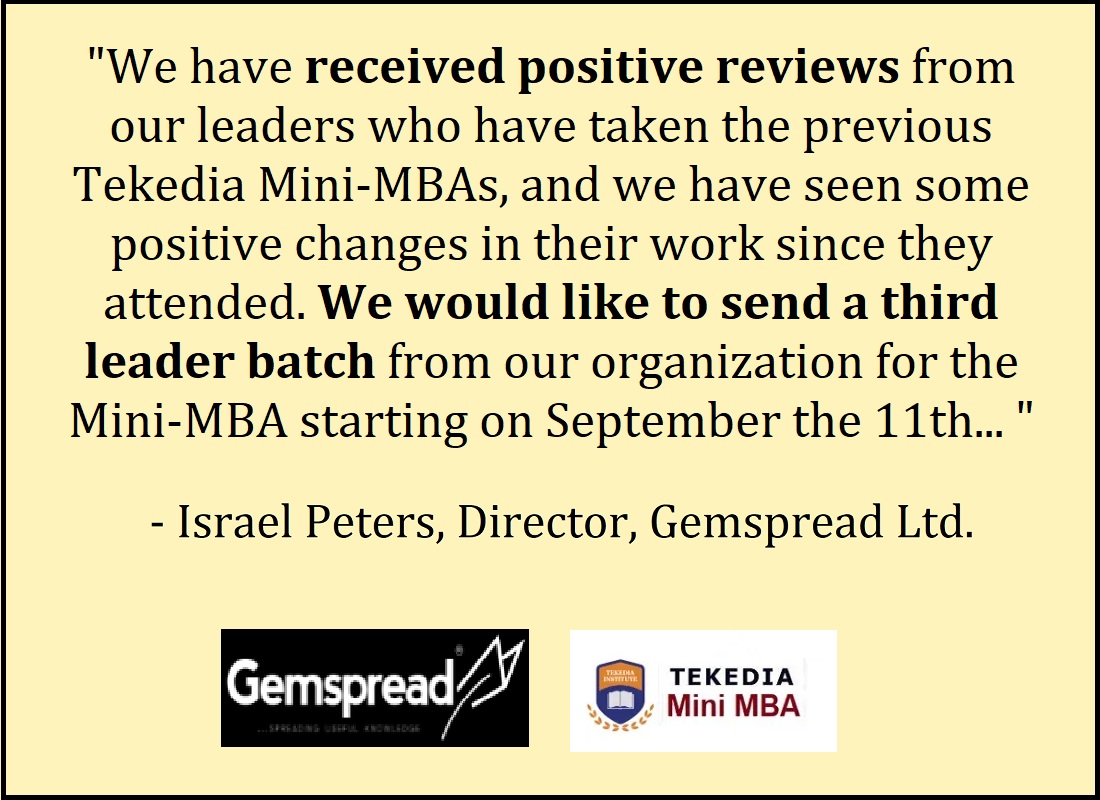
“We have received positive reviews from our leaders who have taken the previous Tekedia Mini-MBAs” – Gemspread

0

Africa’s finest business school for mastering entrepreneurial capitalism will begin a new edition of its award-winning and hugely popular Tekedia Mini-MBA on  Monday, Sept 11.  Hundreds of SMEs and thousands of professionals have voted for Tekedia Mini-MBA. Just a few minutes ago, Mr. Israel Peters of Gemspread Author Services dropped these lines.

“We have received positive reviews from our leaders who have taken the previous Tekedia Mini-MBAs, and we have seen some positive changes in their work since they attended. We would like to send a third leader batch from our organization for the Mini-MBA starting on September the 11th…. ” – Israel Peters, Director, Gemspread Ltd.

A UK-based fund manager wanted to acquire Tekedia Institute for $millions with Ndubuisi Ekekwe INCLUSIVE (yes, I become their staff!); I told them: “Thanks but this Institute is a public benefit company and my motivation is not money, but discovering and making scholars noble, bright and useful” through knowledge acquisition, dissemination, and application. That is why the #1 complaint we have is that it is very affordable; yes, ask many of our Learners they feel surprised at the affordability when benchmarked with the value.

From China to Canada, UK to Nigeria, and beyond, the academic festival will begin on Monday. Have you registered? If not, go here 

Ark Invest Files for Spot Ethereum ETF

0

Ark Invest, the investment firm led by Cathie Wood, has filed for a spot Ethereum ETF with the U.S. Securities and Exchange Commission (SEC). The proposed fund, called ARK Ethereum Trust, would track the performance of Ethereum, the second-largest cryptocurrency by market capitalization.

According to the filing, the trust would hold Ethereum tokens and value its shares based on the daily net asset value (NAV) of Ethereum as calculated by the CF Ether-Dollar US Settlement Price. The trust would not invest in derivatives or futures contracts but would only hold spot Ethereum.

The filing comes as the SEC is reviewing several applications for Bitcoin ETFs, which have been pending for years. The regulator has repeatedly delayed or rejected such proposals, citing concerns over market manipulation, custody, and investor protection. However, some analysts believe that the SEC may be more open to approving a spot ETF than a futures-based one, as the former would have a direct impact on the underlying asset’s demand and supply. The SEC has also asked for public comments on various aspects of the proposed spot ETFs, such as their valuation, custody, arbitrage, and liquidity.

The latest deadline for the SEC to approve or reject a spot ETF is November 14, 2023, when it will rule on the application from VanEck, one of the largest and most experienced ETF providers in the US. However, the SEC could also extend the review period for another 240 days, or ask for more information from the applicants, which would delay the decision further. Alternatively, the SEC could approve a spot ETF before the deadline, if it is satisfied that all the issues have been addressed and resolved.

Ark Invest is one of the most prominent and influential investors in the crypto space, with over $50 billion in assets under management. The firm has been actively investing in crypto-related companies, such as Coinbase, Grayscale, Square, and Tesla. Wood has also expressed her bullish views on Bitcoin and Ethereum, predicting that they could reach $500,000 and $40,000 respectively in the long term.

If approved, ARK Ethereum Trust would be the first spot Ethereum ETF in the U.S., and potentially a major catalyst for the adoption and growth of the crypto industry. However, given the SEC’s history of skepticism and caution towards crypto ETFs, it is unclear when or if the regulator will greenlight Ark Invest’s proposal. The approval of a spot ETF would be a major milestone for the bitcoin industry, as it would signal the recognition and acceptance of bitcoin as a legitimate asset class by one of the most influential regulators in the world.

Many investors are eagerly awaiting the decision of the US Securities and Exchange Commission (SEC) on whether to approve the first spot exchange-traded fund (ETF) that tracks the price of bitcoin and Ethereum. A spot ETF would allow investors to buy and sell shares of a fund that holds Bitcoin and Ethereum directly, rather than through futures contracts or other derivatives. This would potentially lower the costs and risks associated with investing in bitcoin, as well as increase its liquidity and accessibility.

It would also likely boost the demand and price of bitcoin, as more institutional and retail investors would be able to access it through a familiar and regulated vehicle. However, the rejection of a spot ETF would be a setback for the industry, as it would indicate that the SEC still has serious reservations about the viability and security of bitcoin as an investment.

Google Advertising Unit Permits Promotion of NFT Games

0

Google has recently announced that it will allow the advertising of non-fungible token (NFT) games on its platform, as long as they do not involve gambling or other illegal activities. This is a significant development for the NFT gaming industry, which has been growing rapidly in popularity and innovation.

NFTs are unique digital assets that can be verified and traded on a blockchain, such as Ethereum. They can represent anything from art and music to virtual items and characters in online games. NFT games are a type of blockchain-based game that use NFTs as in-game assets, such as weapons, skins, pets, or land. Some examples of popular NFT games are Axie Infinity, CryptoKitties, and Decentraland. Unlike traditional gaming assets, NFTs are not interchangeable, meaning that each one has its own value and identity. NFTs are also stored on a blockchain, a decentralized ledger that records transactions and ensures security and transparency.

Nft gaming has many benefits for both gamers and developers. For gamers, NFTs offer a way to own and trade their gaming assets across different platforms and games, as well as to prove their ownership and authenticity. NFTs can also create new gaming experiences, such as metaverses, where gamers can explore, socialize, and create in virtual worlds.

For developers, NFTs can provide a new source of revenue, as they can sell their gaming assets directly to gamers or through marketplaces, without intermediaries or fees. NFTs can also enable developers to create more engaging and immersive games, as they can leverage the blockchain technology to create dynamic and interactive gaming environments.

Nft gaming is still a nascent industry, but it has already attracted a lot of attention and investment. According to a report by DappRadar, the total volume of NFT gaming transactions reached $2.3 billion in the first half of 2021, a 111% increase from the previous year. Some of the most popular NFT gaming projects include Axie Infinity, a game where players breed and battle fantasy creatures; CryptoKitties, a game where players collect and breed digital cats; Decentraland, a virtual world where players can buy and build on parcels of land; and NBA Top Shot, a platform where fans can buy and sell video highlights of NBA games.

Google’s decision to permit the promotion of NFT games is a reversal of its previous policy, which banned all ads related to cryptocurrencies and blockchain technology in 2018. The ban was intended to protect consumers from scams and frauds involving digital currencies and tokens. However, Google has since relaxed its stance and allowed some exceptions, such as ads for cryptocurrency exchanges and wallets that are registered with relevant authorities.

According to Google’s updated policy, NFT game developers and publishers can apply for certification to run ads on Google’s network, which includes YouTube, Gmail, and Google Search. The certification process requires the applicants to comply with Google’s advertising policies, as well as the legal requirements of the countries where they operate. One of the key criteria is that the NFT games must not facilitate or promote gambling or other illegal activities, such as money laundering, terrorism financing, or human trafficking.

Google’s move is seen as a positive sign for the NFT gaming industry, which has been facing regulatory challenges and uncertainties in some jurisdictions. For instance, in the UK, the Gambling Commission has warned that some NFT games may fall under the definition of gambling and require a license to operate legally. Similarly, in China, the authorities have cracked down on cryptocurrency-related activities and banned the trading of NFTs on e-commerce platforms.

Nft gaming is not without challenges, however. Some of the main issues facing the industry include scalability, interoperability, accessibility, and regulation. Scalability refers to the ability of the blockchain network to handle the increasing number of transactions and users without compromising speed or performance.

Interoperability refers to the ability of different platforms and games to communicate and exchange data with each other. Accessibility refers to the ease of use and adoption of NFT gaming by mainstream gamers and audiences. Regulation refers to the legal and ethical implications of NFT gaming, such as taxation, intellectual property rights, consumer protection, and environmental impact.

Nft gaming is a new frontier for the gaming industry that has the potential to revolutionize the way we play, create, and monetize games. As the technology matures and the market grows, we can expect to see more innovation and diversity in NFT gaming projects and applications. Nft gaming is not just a trend or a fad; it is a paradigm shift that will shape the future of gaming.

By allowing the advertising of NFT games, Google is acknowledging the legitimacy and potential of this emerging sector, which is expected to grow further in the coming years. According to a report by NonFungible.com and L’Atelier BNP Paribas, the NFT gaming market generated over $1 billion in revenue in the first half of 2021, up from $71 million in 2020. The report also predicts that NFT gaming will become a mainstream form of entertainment and social interaction in the future, attracting more than 500 million players by 2025.

Threads Expands “Search” Feature to The US And Other Countries, as Part of Efforts to Increase Engagement

0

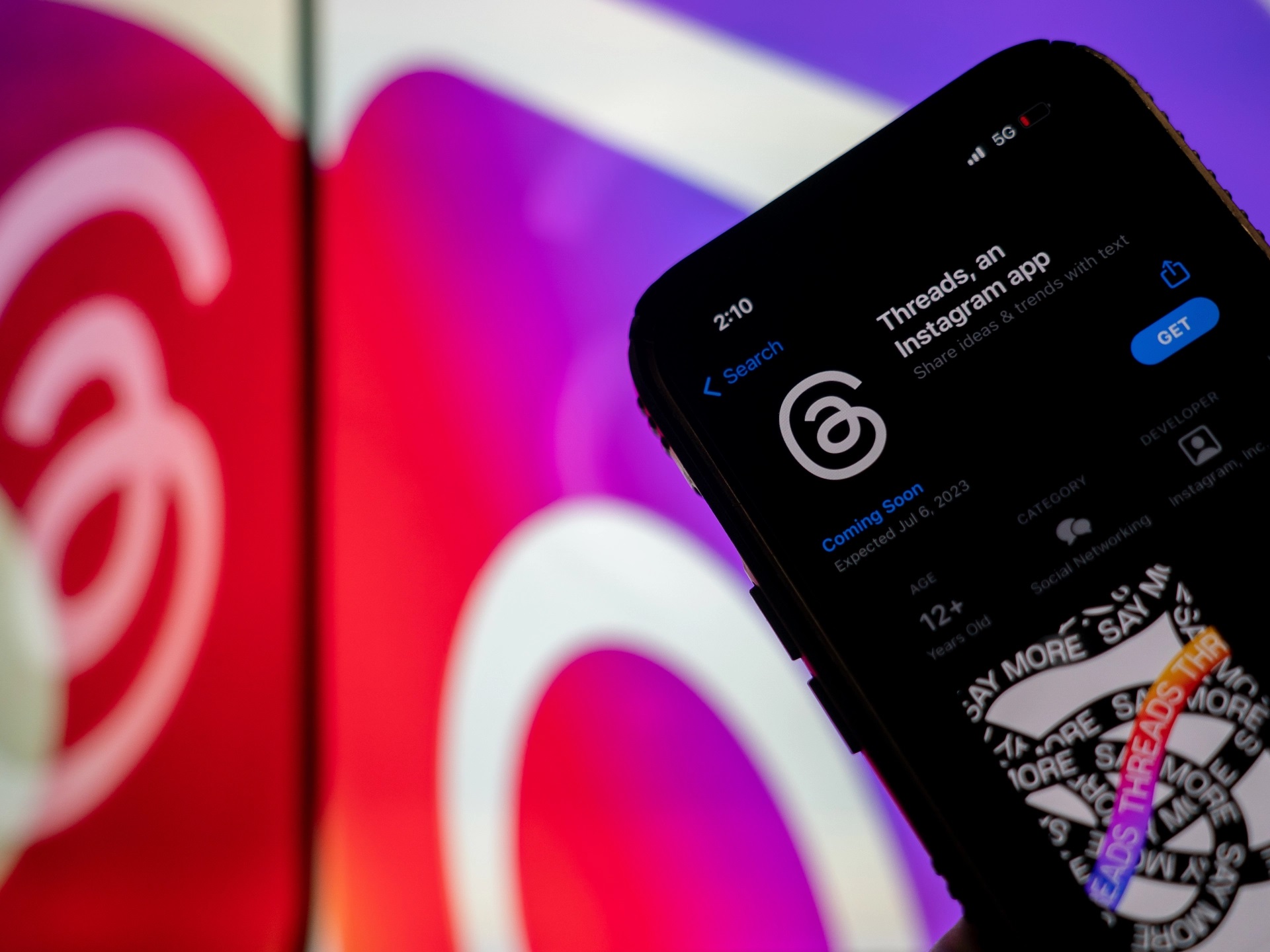
Threads, an online social media and social networking service launched by Meta, has begun the expansion of the “search” feature to the US, United Kingdom, Mexico, Argentina, and India, as part of efforts to increase engagements.

The company’s CEO Mark Zuckerberg announced this on the Threads platform where he wrote, “Rolling out to most English and Spanish speaking countries today. More to come soon”.

The rollout of the search feature to other countries is coming after Threads initially began testing the feature in Australia and New Zealand in August.

It is however worth noting that while Threads had incorporated a search tab since its launch, the initial iteration only allowed users to search for other users.

However, this limited search did not meet the extensive demands of users looking to search for keywords or specific topics, a capability that is standard on platforms like Twitter and several other apps.

In a bid to enhance user engagement, Threads now allows users to search for posts and specific keywords and topics discussed on the platform.

This expansion of the search feature is part of Threads’ efforts to make the app more engaging for users. At launch, Threads had an impressive start, quickly reaching 100 million users, thanks to the clever way it leveraged Instagram’s social graph to onboard new users.

However, the platform’s hype seems to have fizzled away, after it recorded a significant decline of user sign-ups and engagements.

On its launch day, Threads users opened the app an average of 14 times and spent around 19 minutes scrolling through it. However, by August 1, these figures had sharply declined. The daily average time spent on Threads fell to a meager 2.9 minutes, and users only engaged in 2.6 sessions per day

In August, Mobile intelligence firm Sensor Tower reported that Threads’ daily active users had dropped 82% since its launch, and there were now just 8 million users accessing the app daily.

To address the decline in user engagement, Threads rolled out more features like search, as well as the web version. Meanwhile, this had only little impact in attracting more users to the platform. Data from digital intelligence firm, Similarweb, disclosed that traffic bump from the Web app launch was only 3% on a global basis.

Threads continues to face a significant challenge in retaining users and maintaining engagement, analysts suggest that Meta must adopt a strategic approach to address these issues.

The company’s CEO Mark Zuckerberg, had already hinted that the platform has been pushing for new features to improve retention rates. Last month, he told employees that he considered the drop in active users to be “normal,” adding that things would likely improve as the app added more features.

The China and US Restriction-fights Will Destroy Wealth, As Apple Loses $200B

0

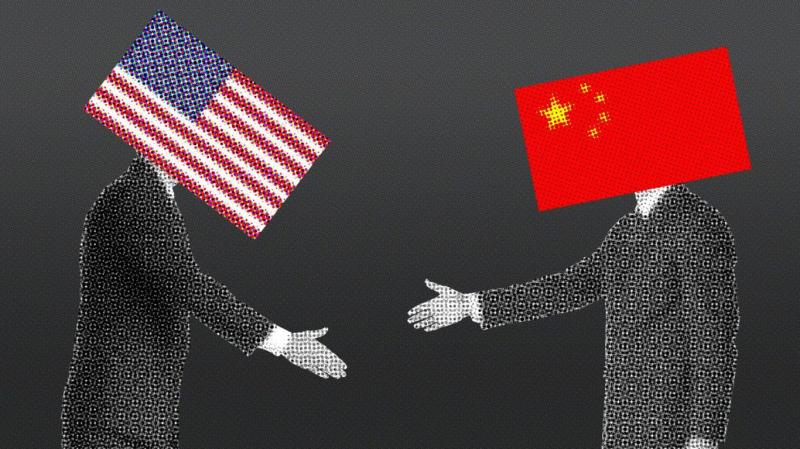
When two elephants fight, the grass suffers. Yes, the competitive battles between the nations of the United States and People’s Republic of China, over years, will wipe wealth across nations and citizens, even before the expected confrontation in Taiwan begins.

This week, Apple is off by $200 billion: “Apple’s stock experienced a sharp decline for the second consecutive day on Thursday, triggered by reports of significant restrictions on iPhones within Chinese government offices and state-affiliated organizations. The shares of the world’s largest publicly traded company saw a 2.8 percent drop, trading at $177.79 in late morning hours. Bloomberg’s coverage indicated that Apple incurred a staggering $200 billion loss over just two days.”

These restriction-fights are purely juvenile at the top level, but when you see what is happening in the Russia-Ukraine war, you will agree that during wars, anything could happen, and that whatever these restrictions are expected to do could be vital.  In other words, TitTok could be a source of data for China, just as the IPhone could help the US.

That explains why these countries do not want their public sector and government workers to touch these systems. Expect the list to keep expanding. Yet, we hope China and the US do not engage in a real battle because it will take the world backward by a century.

News that China is expanding a ban that keeps its government workers from using iPhones has hit Apple’s stock price by nearly 7% over the past two days, costing the company about $194 billion in market value, per The Wall Street Journal. Investors are concerned about the ban’s broader implications for tech firms in China, especially since Apple has been one of the industry’s “most successful operators” in China’s massive economy. Its market share has grown despite tensions over trade, which include U.S. efforts to restrict China’s access to new technology.

Also weighing on investors: a report that Apple rival Huawei’s new Mate 60 Pro smartphone is powered by an advanced chipthat was made in China. (LinkedIn News)