DD
MM
YYYY

PAGES

DD
MM
YYYY

spot_img

PAGES

Home Blog Page 3833

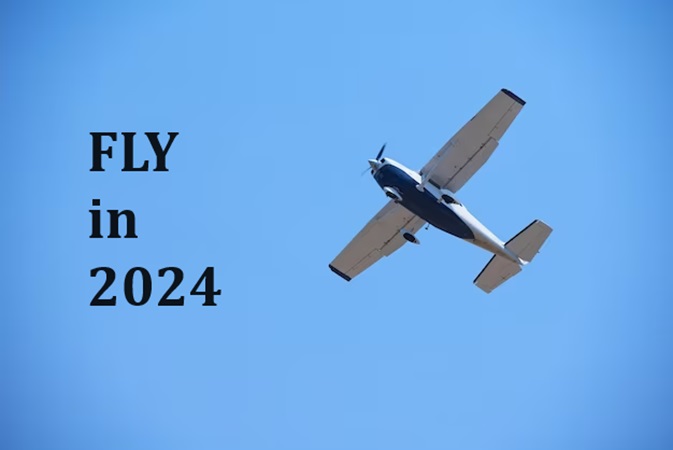
Fly in 2024; Register for Tekedia Mini-MBA

0

Good People, it is that time of the year. Yes, the next edition of Tekedia Mini-MBA will begin on Feb 5 2024  for 12 weeks. Yours truly, a certfied gloCal citizen, local and global, will anchor the academic festival. I am reminding you to register today before the early bird discounts end.

More learners attend our business program than any business program in Africa. And more universities send their final year students to spend 3 months in our program, as they graduate, than to any other institution in Africa. From India to Singatore, Nigeria to Canada, UK to China, and beyond (check our site testimonial page), global citizens converge at Tekedia Mini-MBA.

You must FLY in 2024 with us, and you need to register right now. From Oriendu Market Ovim (Abia State) to Goldman Sachs trading desk in New York, we have covered all components of business management and leadership, at a very small fee.  Go here and pick your academic ticket to FLY in 2024 https://school.tekedia.com/course/mmba13/

Fly, my good friend, and fly with Ndubuisi and our world class eminent faculty members from companies you love and admire. Master the mechanics of building companies, and THRIVE. This is your year to fly into greater opportunity; Tekedia Institute is ready to prepare you as a pilot of greater future, opportunity and abundance. Get in now…REGISTER

Ndubuisi Ekekwe

Lead Faculty, Tekedia Institute

CAF Increases AFCON Prize Money by 40% ($7m), DStv to Miss Broadcast Rights

0

As the 34th African Cup of Nations (AFCON) approaches, the Confederation of African Football (CAF) has made a significant announcement, shaking up both the prize money and the broadcasting landscape for the continent’s most prestigious football tournament.

In a move to amplify the tournament’s allure, CAF revealed a 40% hike in prize money for the 2023 AFCON in Côte d’Ivoire. The winner of this edition is set to secure a substantial $7 million, marking a notable surge from the previous prize. The runner-up is poised to receive $4 million, with $2 million each guaranteed for the two semi-finalists and $1 million for each of the four quarter-finalists.

Patrice Motsepe, the President of CAF, emphasized the significant strides made by the organization in bolstering prize money for not only AFCON but also its other premier competitions.

In a statement to cafonline.com, Motsepe affirmed, “CAF has made significant progress over the past two years in increasing the prize money of the AFCON and all its other major competitions. We have increased the prize money of the AFCON winner to $7,000,000, which is a 40% increase from the previous AFCON prize money.”

Motsepe also expressed confidence in the financial boost benefiting football development and various stakeholders, including member associations, anticipating positive impacts on their administrative capacities.

“I am confident that a portion of the prize money will contribute to developing football and also benefit all the football stakeholders, as well as assist our member associations with their administrations,” he added.

This raise continues a trend of increment in African football prize money in recent years. The 2021 AFCON champions were rewarded with $5 million, a notable increase from the previous $4.5 million. In 2019, the prize money was $4 million, a substantial 64% leap from $1.5 million, demonstrating CAF’s concerted efforts to elevate the tournament’s financial stature.

However, a seismic shift occurred in the broadcasting realm just days before the tournament’s kickoff, as Multichoice’s DStv channels announced they wouldn’t air the biennial event. The decision was attributed to the failure to secure broadcasting rights for the tournament.

“SuperSport Channel will not broadcast the Africa Cup of Nations (AFCON) 2023 scheduled for January 13th to February 11th, 2024, because the channel has not secured the rights to broadcast the tournament,” Multichoice announced.

This development comes following the acquisition of the broadcasting rights by Togolese broadcaster New World TV for all CAF competitions in the Sub-Saharan Africa region, ousting previous holders, including SuperSport International and Canal Plus.

The three-year deal between New World TV and CAF encompasses rights for 13 competitions, including the 2023 and 2025 AFCON tournaments across 46 countries in the region. Consequently, free-to-air stations in these nations seeking to broadcast AFCON and other CAF competitions must sublicense rights through New World TV.

This abrupt blackout on DStv, a longtime broadcaster of football content across Africa, particularly disheartens Nigerian viewers, leaving them bereft of the opportunity to watch the Super Eagles’ pursuit of a fourth AFCON title.

However, the absence of AFCON on DStv signifies a paradigm shift in African football television rights, posing both challenges and opportunities for broadcasters and viewers across the continent

CPPE Predicts A Better Economy for Nigeria in 2024

0

In a recent analysis aired on Arise Television, Dr. Muda Yusuf, the Chief Executive Officer of the Centre for the Promotion of Private Enterprise (CPPE), provided a nuanced forecast for Nigeria’s economic trajectory in 2024. His projection, amidst cautious optimism, highlighted a potential for stability after the turbulent economic growth experienced in 2023.

Dr. Yusuf noted that 2023 was a year marked by pivotal transitions that included the national elections, a critical event during this period, that brought about economic uncertainties, casting a shadow of doubt and impact on the country’s economic rhythm. There’s also the introduction of the Naira redesign policy, which further complicated matters, disrupting the initial quarters of 2023 significantly.

Addressing these challenges, Dr. Yusuf stated, “We had the political transition, which has to do with elections, which came with its issues, which impacted the economy, especially around uncertainty. And of course, we had the terrible Naira redesign policy, which practically messed up the first quarter, going into the second quarter of 2023.”

However, he noted that there have been strides since then. The government has gradually adapted to these reforms, seeking to reduce dependence on imported petroleum products. These efforts are expected to alleviate pressure on the currency market, potentially leading to a stabilization of economic conditions.

“Government efforts to decrease dependence on imported petroleum products… are projected to ease pressure on the currency market and stabilize economic conditions,” he noted.

Additionally, the CEO cited the Central Bank’s strategic handling of foreign exchange maturity obligations and fiscal consolidation measures as positive contributors to the anticipated stability.

“Government efforts to decrease dependence on imported petroleum products, a major drain on foreign exchange reserves, are projected to ease pressure on the currency market and stabilize economic conditions,” he noted.

“The Central Bank of Nigeria’s approach to addressing the backlog of foreign exchange maturity obligations further contributes to expected currency stability.

“Government initiatives aimed at fiscal consolidation and boosting revenue generation are anticipated to strengthen the overall economic landscape.”

Dr. Yusuf also highlighted the differential impact of these economic shifts across various sectors. Sectors heavily reliant on imports or grappling with soaring energy costs are anticipated to confront significant challenges. Conversely, sectors boasting strong local content or advanced stages of backward integration are expected to display resilience in the face of these challenges.

“The higher your exposure [to foreign exchange], the higher the challenges, the higher the shocks,” Dr. Yusuf said.

The Manufacturers Association of Nigeria (MAN) corroborated these concerns, projecting a cautious outlook for the manufacturing sector in its “Manufacturing Sector Outlook for 2024.” MAN anticipates that forex-related challenges and high inflation rates will restrict manufacturing performance until at least mid-2024. It foresees average capacity utilization hovering around the 50% mark during this period. However, a modest improvement in manufacturing output is anticipated in the third quarter as these challenges gradually ease.

Dr. Yusuf’s analysis entails a cautious optimism for 2024, acknowledging the varied impact of economic shocks on different sectors based on their exposure to forex and energy costs. Despite the challenges outlined by both CPPE and MAN, there exists a tentative hopefulness for Nigeria’s economic stability in 2024.

“I don’t share the view that 2024 will be worse than 2023. Of course, those challenges will persist, especially for manufacturing.

“Challenges around foreign exchange, particularly for manufacturing businesses and even other businesses that have high foreign exchange exposure,” Dr Yusuf said.

The delicate balance between governmental interventions, sectoral adaptability, and the gradual mitigation of economic shocks might pave the way for an improved economic outlook by the year’s end.

Microsoft Announces Plan to Introduce Copilot Key on PC Keyboard, to Enhance User’s Productivity With AI

0

American multinational technology corporation, Microsoft, has announced the plan to introduce Copilot key on the PC keyboard, to enhance users’ productivity with Artificial Intelligence (AI).

Based on the image posted by Microsoft, it is expected that the new Copilot key will replace the right Control key on the standard PC keyboard, where it will slot in between the Alt key and the left arrow key.

The company’s Executive Vice President & Consumer Chief Marketing Officer, Yusuf Mehdi, said the introduction of the Copilot key on the PC keyboard, will empower users to participate in the AI transformation more easily, which will enhance their work.

In his words,

The introduction of the Copilot key marks the first significant change to the Windows PC keyboard in nearly three decades. We believe it will empower people to participate in the AI transformation more easily. The Copilot key joins the Windows key as a core part of the PC keyboard and when pressed, the new key will invoke the Copilot in the Windows experience to make it seamless to engage Copilot in your day-to-day.”

In regions where Copilot is not available, the Copilot key will launch Windows Search. The first keyboards with the new key will launch at this year’s CES in Las Vegas and will likely start shipping in late February.

About Microsoft Copilot

Microsoft Copilot is a chatbot developed by Microsoft, which was launched as Bing Chat on February 7, 2023, as a built-in feature for Microsoft Bing and Microsoft Edge. The chatbot is based on a large language model (LLM). Over the course of 2023, Microsoft began to unify the Copilot branding across its various chatbot products.

Copilot utilizes the Microsoft Prometheus model, which was built on top of OpenAI’s GPT-4 foundational large language model, which in turn has been fine-tuned using both supervised and reinforcement learning techniques. Copilot’s conversational interface style resembles that of ChatGPT.

The chatbot enables users to work smarter, be more productive, boost creativity, and stay connected to the people and things that matter to them.

Also, it enables them to get helpful, summarized answers, turn their inspiration into something amazing, and help them in writing whenever they want.

Notably, Copilot can cite sources, create poems and songs, and use its Image Creator to generate images based on text prompts. It can also understand and communicate in numerous languages and dialects.

At its Build 2023 conference, Microsoft announced its plans to integrate Copilot into Windows 11, allowing users to access it directly through the taskbar.

Italy Advocates A Shift from Aids to Equal Treatment for Africa

0

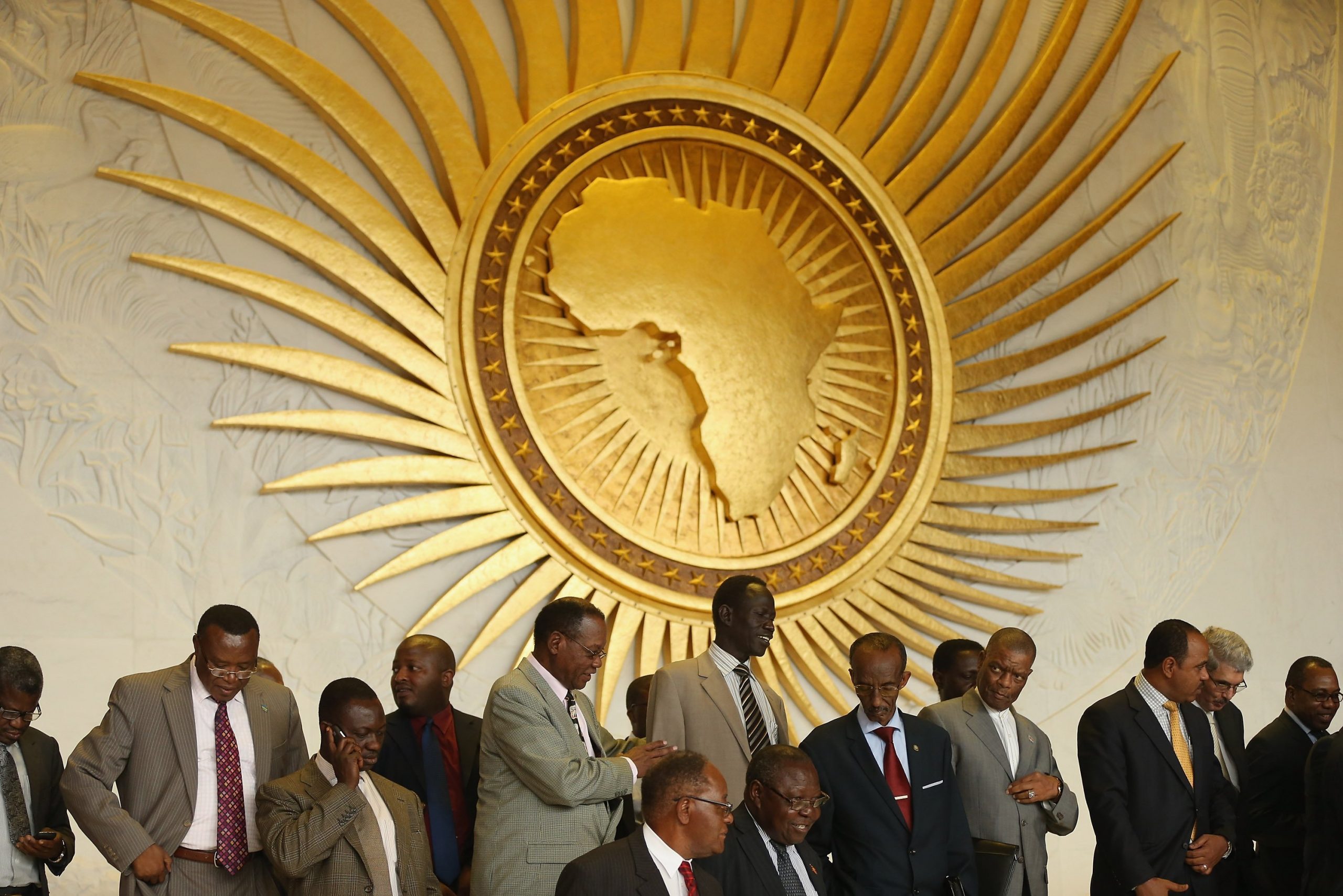
Italian Prime Minister Giorgia Meloni has emphasized the need for developed nations to reframe their approach to Africa, advocating for a strategic partnership model rather than one solely reliant on aid.

Before Italy assumed the Group of Seven (G7) leadership, Meloni highlighted Africa’s pivotal role and the looming concerns surrounding artificial intelligence (AI) as focal points for the G7 discussions this year.

“Africa’s significance and the challenges posed by artificial intelligence will be at the forefront of our discussions within the G7,” stated Prime Minister Meloni. “It’s imperative that we address these issues collectively and proactively.”

The G7, made up of the United States, Canada, Japan, Germany, France, Britain, and Italy, commenced Italy’s presidency in January, gearing up for a series of ministerial meetings culminating in a summit scheduled for June. Meloni proposed a dedicated pre-summit session focused specifically on AI, expressing deep-seated concerns regarding its potential repercussions on the job market and the possible substitution of human intellect.

Highlighting African development as a cornerstone theme, Meloni stressed the criticality of fortifying local economies and elevating living standards as proactive measures to dissuade prospective migrants from seeking refuge in Europe. Departing from conventional aid-driven paradigms, she advocated for fostering cooperative and equitable relationships rather than perpetuating a traditional donor-recipient dynamic.

“In Africa, what’s crucial is not charity but the establishment of equitable and mutually beneficial partnerships,” said Meloni. “We must build relationships as equals, fostering growth and opportunities.”

Meloni’s strategic vision pivots toward investing in Africa’s growth trajectory, striving to mitigate circumstances compelling individuals to migrate due to limited opportunities.

“We must ensure that Africa isn’t a place where migration is a necessity due to lack of prospects. It’s about creating opportunities,” she asserted firmly.

As Italy gears up to lead the G7 discussions, Meloni’s proactive stance on Africa’s developmental approach has triggered discussions on Western aid to the continent. Historically, African nations have received various forms of aid from Western countries, encompassing financial assistance, technical expertise, and humanitarian aid.

For instance, The European Union stands as a key provider of humanitarian support in Nigeria. In 2023, the EU earmarked €34 million for humanitarian aid in Nigeria, following a previous year where €61 million was mobilized for assistance. This encompassed €9 million from the European Development Fund, dedicated to alleviating the food crisis triggered by Russia’s aggression against Ukraine.

Since 2014, the EU’s commitment to aiding Nigeria has totaled nearly €437 million, with €57.8 million directed toward this cause in 2021. Notably, a portion of the EU’s humanitarian funding aims to combat food insecurity, underscoring its multifaceted support for those in need within the country.

Meloni’s proposed shift signals a departure from traditional aid-driven approaches, advocating for fostering self-sustaining growth through cooperation and investment.

The forthcoming G7 sessions are expected to delve into these multifaceted issues as Italy’s presidency navigates complex global politics while pushing for a strategic realignment in relations with Africa.