DD
MM
YYYY

PAGES

DD
MM
YYYY

spot_img

PAGES

Home Blog Page 3836

Crypto Outlook for 2024

0

The year 2024 is expected to be a pivotal one for the crypto industry, as several factors could shape its future direction and growth. Here are some of the key trends and developments that investors, traders, and enthusiasts should watch out for in the next three years.

Regulatory clarity: One of the biggest challenges facing the crypto sector is the lack of clear and consistent regulations across different jurisdictions. This creates uncertainty and risk for both users and businesses, as well as hindering innovation and adoption.

However, there are signs that regulators are becoming more aware and supportive of the potential benefits of crypto, as well as the need to protect consumers and prevent illicit activities. For example, the US Securities and Exchange Commission (SEC) has recently approved the first Bitcoin exchange-traded fund (ETF), which could pave the way for more institutional investment and mainstream acceptance of crypto.

Moreover, the European Union (EU) has proposed a comprehensive framework for regulating crypto assets, called Markets in Crypto-Assets (MiCA), which aims to harmonize the rules and standards across the bloc. These initiatives could provide more clarity and certainty for the crypto industry, as well as foster trust and confidence among users and investors.

Innovation and competition: Another factor that could drive the growth and evolution of the crypto industry is the continuous innovation and competition among different projects and platforms. The crypto space is constantly evolving, as new technologies, features, and solutions are being developed and launched.

For instance, the emergence of decentralized finance (DeFi) has opened up new possibilities for lending, borrowing, trading, and earning interest on crypto assets, without intermediaries or centralized control. DeFi has also enabled the creation of new types of tokens, such as stablecoins, which are pegged to fiat currencies or other assets, and non-fungible tokens (NFTs), which represent unique digital items such as art, music, or collectibles. These innovations have expanded the use cases and value propositions of crypto, as well as attracted more users and capital to the sector.

Adoption and integration: A third factor that could influence the future of the crypto industry is the level of adoption and integration of crypto in various sectors and domains. As more people become aware and interested in crypto, the demand for easy and convenient ways to access and use it will increase. This could lead to more integration of crypto services and solutions in existing platforms and applications, such as social media, e-commerce, gaming, entertainment, etc. For example, Twitter has recently enabled users to tip each other with Bitcoin using the Lightning Network, a layer-2 solution that enables fast and cheap transactions on top of Bitcoin.

Similarly, Facebook has announced its plans to launch its own digital currency, called Diem (formerly Libra), which aims to provide a global payment system that is accessible to billions of people. These examples show how crypto could become more mainstream and ubiquitous in various aspects of life.

The crypto industry is poised for significant growth and change in the next three years, as regulatory clarity, innovation and competition, and adoption and integration could shape its direction and development. The year 2024 could be a turning point for crypto, as it could reach new heights of popularity, legitimacy, and value.
Red Sea crisis escalates, concerns around Global Supply deepen

0

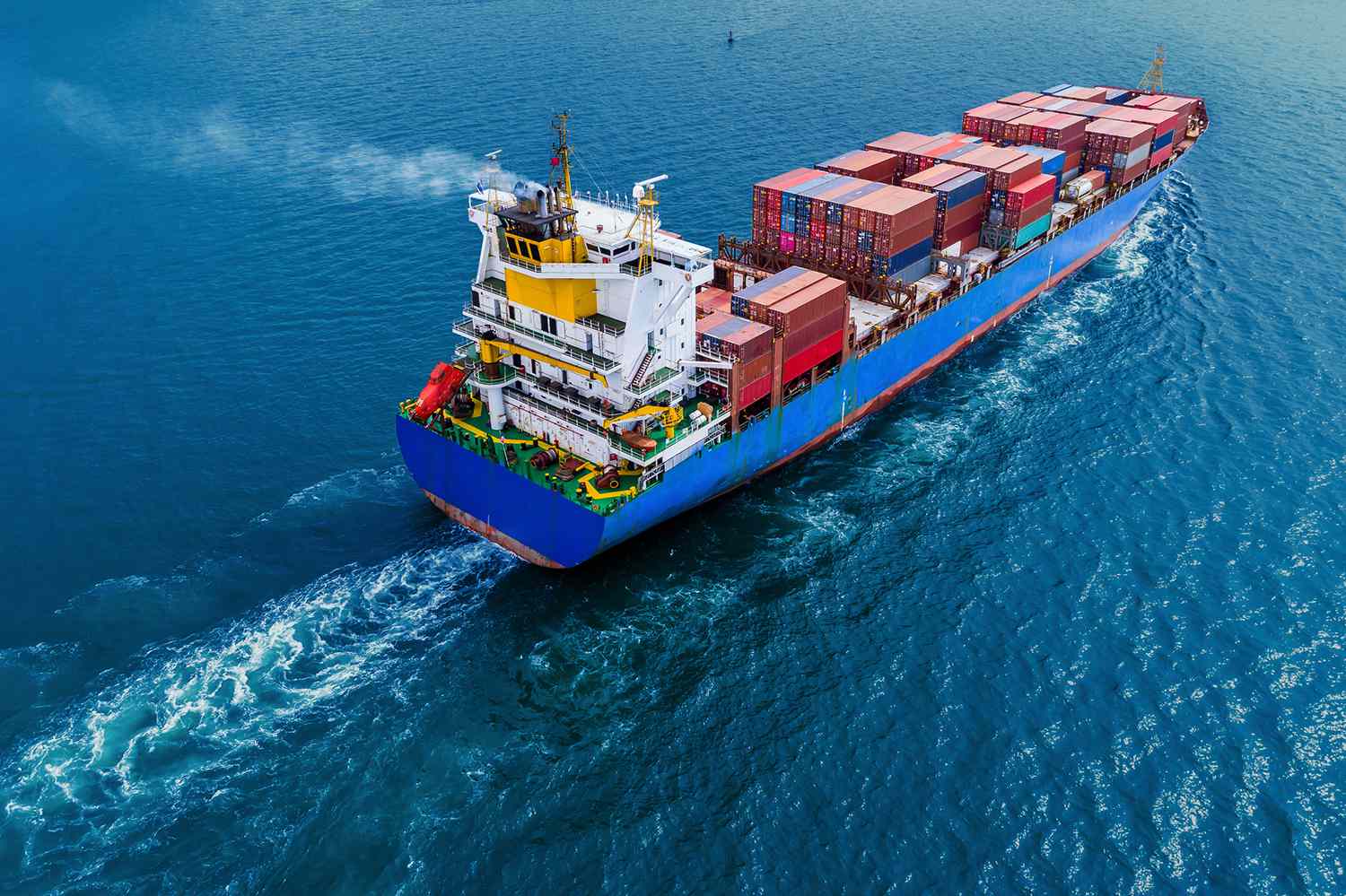
The Red Sea crisis, which began in late 2023 when a coalition of rebel groups seized control of the Bab el-Mandeb Strait, has escalated in recent weeks, raising concerns around global supply chains and regional stability.

The strait, which connects the Red Sea to the Gulf of Aden, is a vital waterway for international trade, especially for oil and gas shipments from the Middle East to Europe and Asia. According to the International Energy Agency, about 4.8 million barrels of oil per day passed through the strait in 2020, accounting for about 5% of global oil supply.

The rebel coalition, which calls itself the Red Sea Liberation Front (RSLF), claims to represent the interests of the marginalized and oppressed people of Yemen, Djibouti, Eritrea and Sudan, who have suffered from decades of poverty, conflict and environmental degradation.

The RSLF demands that the international community recognize its sovereignty over the strait and pay a hefty toll for using it. The RSLF also accuses Saudi Arabia, Egypt and Ethiopia of exploiting the Red Sea’s resources and interfering in the internal affairs of its neighboring countries.

The RSLF has been conducting attacks on commercial and military vessels passing through the strait, using speedboats, drones and missiles. The attacks have caused significant damage and disruption to the maritime traffic, as well as casualties among the crew members and security forces. The RSLF has also threatened to mine the strait or block it with sunken ships if its demands are not met.

The international community has condemned the RSLF’s actions and called for a peaceful resolution of the crisis. The United Nations Security Council has imposed sanctions on the RSLF’s leaders and supporters and authorized a naval blockade to prevent arms and fuel supplies from reaching the rebels.

The United States, the European Union, China, Russia and India have also expressed their support for the blockade and offered to send naval forces to assist in enforcing it. However, the blockade has not deterred the RSLF from continuing its attacks and has increased the risk of a direct confrontation between the rebels and the international coalition.

The Red Sea crisis poses a serious threat to global supply chains and regional stability. The disruption of oil and gas shipments could lead to higher energy prices and shortages in some markets, affecting economic growth and social welfare.

The crisis could also trigger a humanitarian disaster in the countries bordering the Red Sea, where millions of people depend on food imports and aid deliveries. Moreover, the crisis could escalate into a wider conflict involving regional powers such as Saudi Arabia, Egypt, Ethiopia and Iran, who have competing interests and influence in the Red Sea area.

The international community should intensify its diplomatic efforts to end the crisis peacefully and restore security and stability in the Red Sea region. The UN should appoint a special envoy to mediate between the RSLF and its neighbors and facilitate dialogue and cooperation on issues such as economic development, environmental protection, human rights and political reform.

The international coalition should also exercise restraint and avoid any actions that could provoke or escalate violence. The Red Sea is a vital lifeline for global trade and regional peace. It should not become a battleground for war.

Will Tshisekedi’s Re-election Ease Concerns in Congo?

0

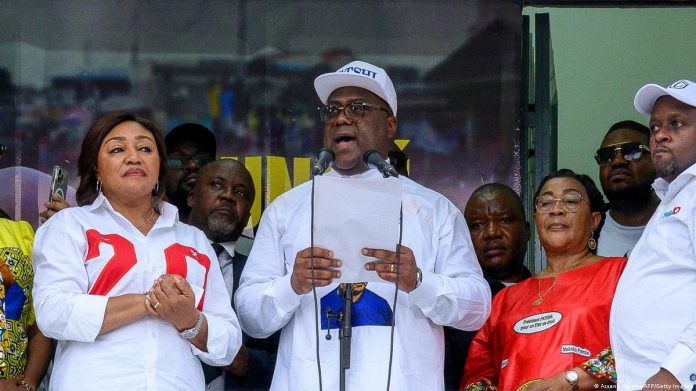
The Democratic Republic of Congo (DRC) has recently held its second presidential election since the end of the civil war in 2003. The incumbent, Felix Tshisekedi, has claimed a landslide victory over his main rival, Martin Fayulu, who has rejected the results and called for a recount.

The election was marred by allegations of fraud, violence and logistical problems, raising doubts about its credibility and legitimacy. The international community has expressed concern about the stability and security of the country, which is rich in natural resources but plagued by poverty, corruption and armed conflicts.

Tshisekedi, who took office in 2019 after a controversial election that saw him succeed Joseph Kabila, who ruled for 18 years, has faced many challenges during his first term. He has struggled to assert his authority over a coalition government dominated by Kabila’s allies, who control most of the key ministries and institutions.

He has also faced resistance from the powerful military and security forces, which have been accused of human rights violations and involvement in illicit activities. Tshisekedi has tried to implement some reforms and fight corruption, but his efforts have been hampered by political infighting, institutional inertia and lack of resources.

Tshisekedi’s re-election campaign was based on his promise to bring change and development to the country, as well as to restore peace and security in the eastern regions, where dozens of armed groups operate, and millions of people have been displaced by violence. He also vowed to improve relations with neighboring countries and regional organizations, such as Rwanda, Uganda and the African Union (AU), which have a significant influence on the DRC’s affairs.

Tshisekedi has sought to distance himself from Kabila and his allies, and to form a new parliamentary majority with the support of opposition parties and civil society groups.

However, Tshisekedi’s re-election does not guarantee that he will be able to deliver on his promises or ease the concerns of the Congolese people and the international community. He still faces many obstacles and challenges, both internally and externally.

Internally, he will have to deal with the legal challenges and protests from Fayulu and his supporters, who claim that the election was rigged and that they represent the true will of the people. He will also have to manage the expectations and demands of his new allies, who may have different agendas and interests than him. He will also have to address the deep-rooted problems of governance, economy, social services, human rights and justice that affect the lives of millions of Congolese.

Externally, he will have to navigate the complex and often conflicting interests of regional and international actors, who have different stakes and perspectives on the DRC’s situation. He will have to balance his own sovereignty and autonomy with the need for cooperation and assistance from these actors. He will also have to deal with the ongoing threats and challenges posed by armed groups, cross-border tensions, illegal exploitation of natural resources, humanitarian crises and epidemics.

Tshisekedi’s re-election may offer an opportunity for a new beginning for the DRC, but it also poses many risks and uncertainties. The country is still far from achieving stability, democracy and development. The Congolese people deserve better than a flawed election and a contested outcome.

They deserve a peaceful transition of power that reflects their aspirations and respects their rights. They deserve a government that works for their interests and welfare, not for personal or partisan gains. They deserve a future that is free from violence, poverty and injustice.

Nigerian Petroleum Marketers Predict Potential Surge in Petrol Prices to N1,200/liter

0

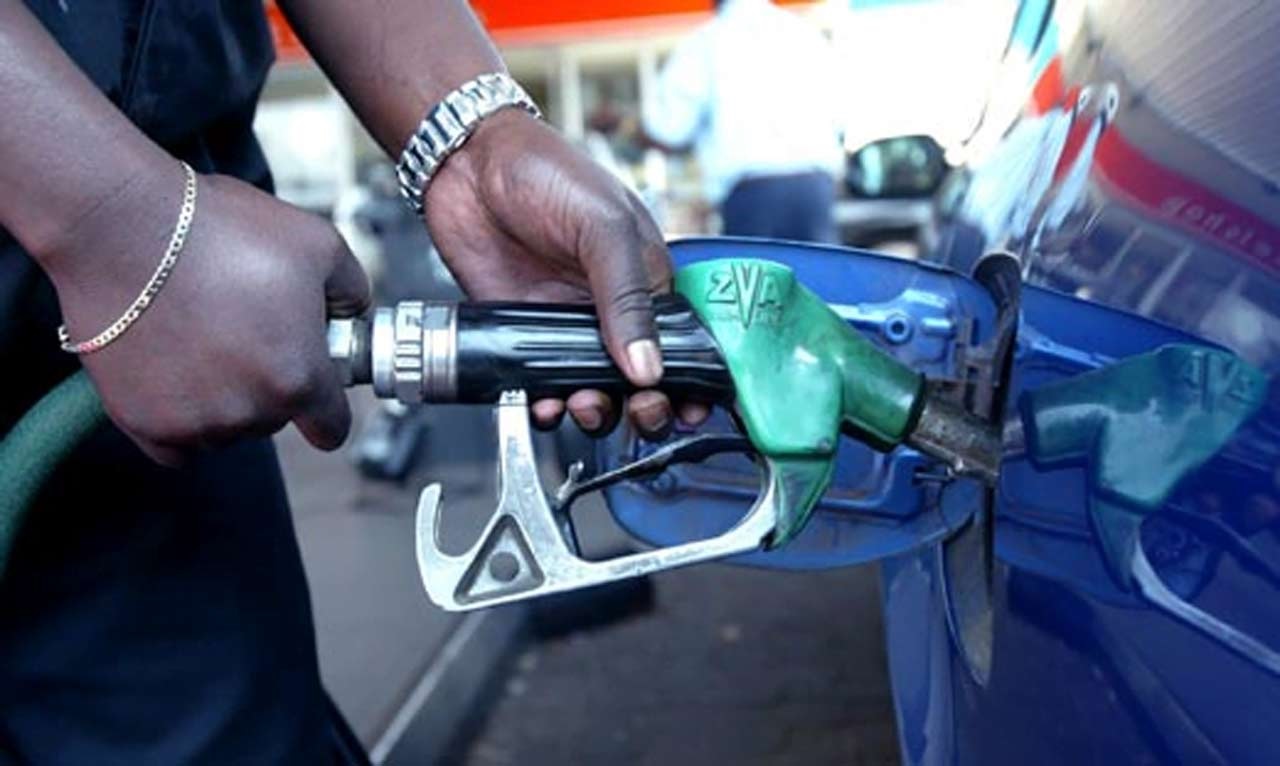
Against the backdrop of growing volatility in Nigeria’s FX market, the Independent Petroleum Marketers Association of Nigeria (IPMAN) has foreseen a substantial rise in pump prices, projecting a potential escalation to N1,200 per liter for petrol in the Nigerian market.

Chief Ukadike Chinedu, the National Public Relations Officer of IPMAN, shed light on the mounting subsidy on petrol, asserting that in a free market scenario, the cost of the commodity could easily reach N1,200 per liter.

Ukadike backed this forecast by drawing comparisons with international petrol prices, specifically in the United States. He highlighted that premium petrol retails at $2.99, while super petrol is priced between $3.10 to $3.15 per gallon in the U.S. market. Converting these figures using the prevalent exchange rate in Nigeria’s parallel market, the cost equates to over N3,000 per gallon.

“To be pragmatic in this analysis let’s consider the cost of petrol today in the United States. For premium petrol, it is $2.99, while super petrol sells for $3.15 or $3.10 depending on the part of that country where you are making the purchase,” he told The Punch.

He said that historically, in a free market setup, petrol tends to be priced higher than diesel, which currently sells for over N1,000 per liter in Nigeria.

“So if you consider the cost of diesel, dollar and other international factors, the price of petrol in Nigeria should be around N1,200/litre, but the government is subsidizing it, which to an extent is understandable,” he stated.

Illustrating the quasi-subsidy model, Ukadike clarified that the government wasn’t totally eliminating the subsidy but rather opting for a partial removal, taking out approximately 50% of the subsidy.

The NNPCL disagrees

However, contradicting these projections, the Nigerian National Petroleum Company Limited (NNPC Ltd) through its chief corporate communications officer, Olufemi Soneye, rebuffed any immediate rise in petrol prices. Soneye’s statement cautioned against panic-buying and reassured the public that there were no immediate plans to escalate the cost of petrol.

Ukadike, however, remained hopeful, suggesting that the commencement of operations at the Port Harcourt and Dangote refineries could potentially lead to a reduction in the prices of refined petroleum products. He emphasized his belief that the functioning of these refineries would play a pivotal role in stabilizing prices and decreasing the nation’s reliance on imported products.

The conflicting projections between petroleum marketers and the NNPC have left consumers uncertain about potential fuel price hikes. While the NNPC seeks to allay fears, the projections from IPMAN representatives sow seeds of caution and uncertainty, leaving the public in a state of cautious anticipation regarding the future cost of petrol.

Big win for Adani Group as India Supreme Court rules in its favour

0

The Adani Group, one of India’s largest conglomerates, has scored a major victory in the Supreme Court, which ruled in its favour in a dispute over the development of an airport in Kerala. The apex court upheld the validity of the lease agreement between the Adani Group and the Airports Authority of India (AAI), and dismissed the petitions filed by the Kerala government and others challenging the deal.

The Adani Group had won the bid to operate and develop six airports in India, including the Thiruvananthapuram International Airport, in 2019. However, the Kerala government opposed the move, claiming that it had a stake in the airport and that the transfer of management to a private entity would affect the state’s interests. The Kerala government also alleged that the bidding process was flawed and lacked transparency.

The Supreme Court, however, rejected these arguments and held that the AAI had the authority to lease out the airport to the Adani Group, as per the provisions of the Airports Authority of India Act, 1994. The court also noted that the Adani Group had fulfilled all the eligibility criteria and had offered the highest per-passenger fee to the AAI. The court said that there was no evidence of any malafide or arbitrariness in the award of the contract.

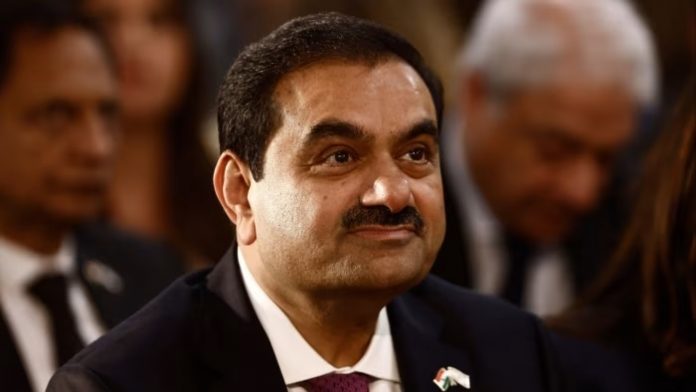
The ruling is a significant boost for the Adani Group, which has been expanding its presence in various sectors, including energy, mining, ports, logistics, and defence. The group has also faced criticism and controversies over some of its projects, especially in the environmental and social domains. The group’s chairman, Gautam Adani, is one of the richest men in India and a close ally of Prime Minister Narendra Modi.

The ruling is a major victory for Adani Groups, which had invested around Rs 10,000 crore in developing the coal blocks and setting up power plants in Odisha. The company had argued that it had followed all the procedures and guidelines for obtaining the coal blocks and that the cancellation was arbitrary and illegal. The company had also claimed that it had suffered huge losses due to the cancellation and sought compensation from the central government.

The ruling has several implications for the coal sector and the power sector in India. Some of the possible implications are:

The ruling may boost the confidence of private players in investing in coal mining and power generation projects in India, as it shows that the judiciary can protect their interests and rights in case of any disputes or policy changes.
The ruling may also encourage more competition and innovation in the coal sector, as it may open up more opportunities for private players to participate in coal block auctions and bidding processes.

The ruling may also have an impact on the environment and climate change, as it may lead to more coal mining and consumption in India, which is already one of the largest emitters of greenhouse gases in the world. The ruling may also affect the implementation of India’s commitments under the Paris Agreement, which aims to reduce the dependence on fossil fuels and increase the share of renewable energy sources.

The ruling may also have a social and political impact, as it may trigger protests and opposition from various groups and parties, who may raise concerns over the environmental, human rights, and land acquisition issues related to coal mining and power projects. The ruling may also affect the relations between the central government and the state governments, especially those ruled by different parties, as it may create conflicts over the allocation and distribution of natural resources and revenues.

The Adani Group has welcomed the Supreme Court’s verdict and said that it is committed to developing world-class airports in India. The group also said that it respects the sentiments of the people of Kerala and will work with all stakeholders to ensure the growth and development of the state.