DD
MM
YYYY

PAGES

DD
MM
YYYY

spot_img

PAGES

Home Blog Page 3839

Betting, Barking, and Beyond: The Epic Tale of Chancer Presale, Shiba Memu & Signuptoken.com – 100% Gold Rush

0

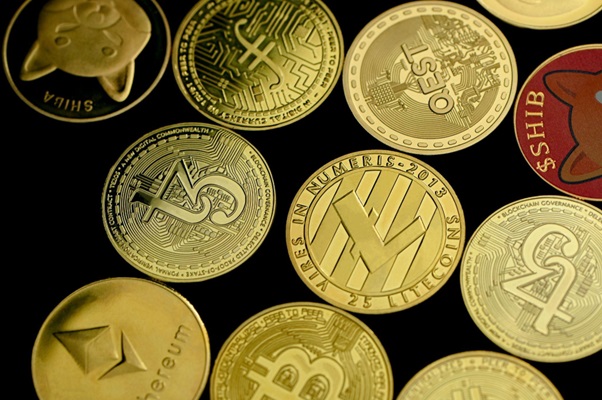
As the realm of decentralized finance burgeons, the spotlight beams on a thrilling showdown between the Chancer presale and the Shiba Memu (SHMU) sensation. With Chancer (CHANCER) launching a revolutionary peer-to-peer online betting market, the crypto world is abuzz with anticipatory chatter.

But wait, there’s another contender in the arena – Signuptoken.com (SIGN), with a narrative as compelling as its features. Dive into this fun-filled crypto journey, where risks meet rewards, and opportunities abound! 

Chancer: Betting Big On Blockchain

Disrupting the online betting realm, Chancer’s presale seeks to eradicate the traditional reliance on centralized bookmakers to set odds. Additionally, they’re introducing a democratic system where the players have the power.

The heart of Chancer? The native CHANCER token. When you lay your bet, this token gets locked in escrow, only to be released to the victor once the game concludes. But here’s the real kicker: this all takes place on CertiK-verified smart contracts.

These contracts, safely lodged in an immutable ledger, provide unmatched transparency. With Chancer crypto news and Chancer crypto predictions buzzing with optimism, it’s evident that Chancer’s commitment to decentralization and its community isn’t just talk—it’s tangible action.

Shiba Memu Network: More Than Just A Cute Face

Shiba Memu isn’t just another dog meme coin. It is a tech marvel! With all the chatter of taking investors ‘to the moon’, Shiba Memu stands out with its intricate fusion of playful canine allure and AI prowess.

While other meme coins might be content with jest and japes, Shiba Memu strides ahead, proving its worth with a solid tech foundation.

Its community is vast, vibrant, and enthusiastic, backing the project to achieve even greater heights. Riding on the popularity of meme coins while infusing them with avant-garde technology, Shiba Memu is set for a stellar ascent.

Signuptoken.com: The Unsung Hero Of High ROIs

If there’s one token about to make waves, it’s SIGN from SignUp Token. With its presale value starting at a mere $0.01, the buzz is all about its staggering potential for growth. Unlike other new crypto coins that focus solely on short-term gains, SIGN is in it for the long haul. Their roadmap is robust, and their focus? Pure innovation.

Moreover, what makes SIGN a real contender in this crypto race is its dedication to fostering an inclusive community. Every step, from its transparent roadmap updates to frequent community engagement sessions, shows the token’s commitment to its holders.

Whereas the chancer presale and Shiba Memu have had their moments under the spotlight, SIGN’s approach is more grassroots, steadily building a foundation of loyal supporters who believe in the project’s long-term vision.

And with each passing day, as more crypto enthusiasts recognize its promise and potential, SIGN is slowly but surely establishing itself as a major player, ready to challenge its more illustrious peers in the crypto arena.

The platform prides itself on secure, swift transactions, an enviable 10% referral bonus, and its standout dedication to privacy and security. The belief is strong: SIGN isn’t just another token—it’s poised to redefine the crypto landscape.

Conclusion: A Glimpse Into The Future

While Chancer and Shiba Memu shine bright, SignUp Token carries a unique narrative. More than just a fleeting trend, SIGN is about stability, innovation, and community. With an impressive feature set, SIGN could well be the next big thing.

Early adopters, listen up: investing in the SIGN presale might just be the decision that propels you to crypto stardom.

SIGN’s forecasted price leap from $0.03 to $0.72 post-presale is a whopping 2300% increase! With secure, transparent, and swift transactions, SIGN is poised for long-term growth. The future beckons and Signuptoken.com stands ready to shape it.


Signuptoken.com:

Website: https://www.signuptoken.com

Twitter: https://twitter.com/_SignUpToken_

Telegram: https://t.me/SignUpToken
Navigating Fear of Failure and Building Capabilities in Egypt and South Africa

0

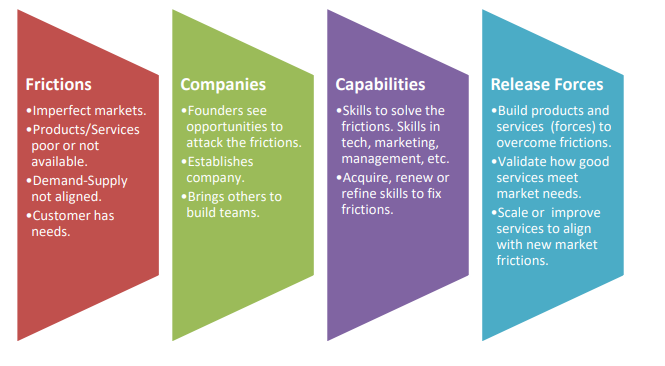
In an era defined by rapid technological advancements and dynamic global economies, entrepreneurship and innovation have emerged as critical drivers of economic growth and societal progress. Egypt and South Africa, two key players in the African continent, have been under the lens of the Global Entrepreneurship Monitor and the Global Innovation Index for the past few years. The analysis of their scores, particularly in relation to fear of failure, innovation, and perceived capabilities, provides valuable insights into the challenges and opportunities that each country faces. This piece aims to critically assess these results and propose practical policy and managerial solutions to stakeholders invested in fostering entrepreneurship and innovation within these nations.

The Correlation Between Fear of Failure and Innovation

The link between fear of failure and innovation is a complex and often underestimated aspect of entrepreneurial ecosystems. The analysis reveals a significant positive correlation between levels of innovation and fear of failure in both Egypt and South Africa. However, this correlation is marked by intriguing differences between the two countries.

In Egypt, the relationship between fear of failure and innovation is not as pronounced, indicating a more balanced approach to risk-taking and innovation. On the other hand, South Africa exhibits a stronger negative correlation, signifying a higher level of fear that impedes innovation. The data underscores that a unit increase in fear of failure led to an astonishing 85% reduction in embracing innovative culture in South Africa, compared to 51.6% in Egypt.

Implications for Policy and Management in South Africa

The negative correlation observed in South Africa between fear of failure and innovation demands strategic interventions to foster a more conducive environment for entrepreneurship. Policymakers and business leaders should collaborate to address these challenges head-on. A multi-pronged approach could include:

  1. Cultivating a Growth Mindset: Implementing education and awareness programs that promote a growth mindset can mitigate the fear of failure. This could involve showcasing real-life success stories of entrepreneurs who faced setbacks and turned them into stepping stones for innovation.
  2. Access to Resources: Enhancing access to financial resources, mentorship, and networking opportunities can alleviate the perceived risks associated with entrepreneurship. Establishing incubators and accelerators can provide aspiring entrepreneurs with the support they need to navigate challenges confidently.
  3. Regulatory Reforms: Simplifying bureaucratic procedures and streamlining regulations can reduce the barriers to entry for new ventures. A transparent and efficient regulatory environment encourages innovation by minimizing uncertainty.
  4. Cultural Shift: Encouraging a cultural shift towards embracing failure as a learning experience rather than a setback can reshape attitudes toward risk-taking. This could involve initiatives that celebrate entrepreneurial resilience and perseverance.

Perceived Capabilities and Fear of Failure

The correlation between fear of failure and perceived capabilities adds another layer of complexity to the analysis. Both Egypt and South Africa show a significant relationship between these two factors, suggesting that an individual’s belief in their capabilities can influence their willingness to take risks and innovate.

Policy and Management Strategies in Egypt

In Egypt, where fear of failure correlates with perceived capabilities, there is an opportunity to enhance entrepreneurial self-efficacy through targeted interventions:

  1. Entrepreneurial Education: Implement comprehensive educational programmes that emphasize skill-building, self-confidence, and experiential learning. When individuals feel competent, they are more likely to embrace innovation.
  2. Mentorship and Role Models: Establish mentorship programs connecting aspiring entrepreneurs with successful business leaders. Seeing others who have overcome challenges can inspire confidence and reduce fear.
  3. Psychological Support: Provide psychological support for entrepreneurs and innovators, helping them cope with the pressures of failure and uncertainty. This could include counselling services and peer support groups.

The analysis of Egypt and South Africa’s entrepreneurship and innovation landscape provides a nuanced understanding of the role that fear of failure and perceived capabilities play in shaping these countries’ trajectories. Crafting effective policies and managerial strategies necessitates recognizing the cultural, economic, and social contexts unique to each nation. By fostering a culture of innovation, providing targeted support, and cultivating a growth mindset, Egypt and South Africa can harness their entrepreneurial potential and drive sustainable economic growth in an increasingly competitive global landscape.

The Power of Innovative Leadership

0

In the realm of leadership, there exists a paradoxical statement that often rings true: “This is very unusual of you.” It’s a phrase that signifies more than mere surprise; it is a testament to a leader’s willingness to chart new territories, to depart from the well-trodden path, and to embrace the uncharted waters of possibility. But let us delve deeper into this seemingly straightforward observation, for it holds within it a profound insight into the dynamics of leadership and the potential for transformative outcomes.

When those around us utter these words, they are, in essence, offering us a mirror into our leadership style. It’s an invitation to peer beyond the surface, to recognize that what they see as unusual is, in fact, an indicator that we are approaching tasks in ways that defy convention. Inherent within this observation is the suggestion that these unconventional approaches hold the promise of uncommon outcomes.

Yet, as leaders, we must transcend the initial flattery that accompanies such observations. We must pause and acknowledge that the unconventionality we exhibit may not stem from a pursuit of innovation, but rather from a failure to effectively communicate and execute our methodologies. This is the juncture where true growth resides – in the awareness that our actions might not be as purposeful as we imagine them to be.

In these moments, humility becomes our most powerful ally. The art of leadership lies not only in recognizing the potential for unconventional success but also in recognizing our own fallibility. It’s a recognition that sometimes the unconventional is not a result of strategic brilliance, but rather an indication that we’ve missed the mark in conveying our intentions and implementing our vision. Accepting this truth is the cornerstone of effective leadership – it’s the ability to learn from both our successes and our missteps.

The gift of leadership is that it is a constant journey of self-discovery. To truly capitalize on the seeds of uncommon outcomes hidden within the folds of our actions, we must undertake the introspective voyage that every great leader must embark upon. We must step back, ask the difficult questions, and assess whether our approaches are yielding the intended results.

This introspection offers us a unique opportunity – the chance to channel our innate capacity for innovative thinking into our methodologies. It’s the chance to infuse the familiar with the spirit of the extraordinary. By revisiting our processes and refining our strategies, we can transform the ordinary into the exceptional. This is where innovative systems thinking finds its canvas – in the white spaces of routine where creativity can flourish.

The words “This is very unusual of you” serve as a potent catalyst for leadership growth. They beckon us to look beyond the surface and delve into the heart of our leadership approach. Through introspection, we can bridge the gap between unconventional appearances and innovative methodologies. The next time you encounter these words, don’t just accept them at face value; embrace them as an invitation to evolve, to amplify the impact of your leadership, and to craft uncommon outcomes from the tapestry of the usual.

Thursday Crypto Trendy Updates

0

Ark Invest, a leading investment firm focused on disruptive innovation, has revealed that Argentina is leading the way in Bitcoin adoption in Latin America. According to the report, Argentina has more than 2.5 million Bitcoin users, which represents about 5.6% of its population. This is higher than El Salvador, which became the first country to adopt Bitcoin as legal tender in September 2021, and has about 2.1 million users, or 3.2% of its population.

The report attributes Argentina’s high Bitcoin adoption to several factors, such as its history of economic instability, currency devaluation, capital controls, and inflation. The report states that “Bitcoin offers Argentines an alternative store of value and medium of exchange that is outside the control of the government and the central bank”. The report also cites the growing number of Bitcoin ATMs, exchanges, and merchants in the country, as well as the support from local celebrities and politicians.

Ark Invest also predicts that Argentina’s Bitcoin adoption will continue to grow in the future, as more people become aware of its benefits and use cases. The report states that “Argentina is poised to become one of the most Bitcoin-friendly countries in the world, as it embraces innovation and financial inclusion”. The report also suggests that Argentina could follow El Salvador’s example and make Bitcoin legal tender, which would further boost its adoption and economic development.

A recent report by PackShieldAlert, a blockchain analytics firm, has revealed that the fifth-largest Bitcoin wallet in the world, with a balance of over $2.46 billion, belongs to the US government. The wallet address, which holds 112,000 bitcoins, was first created in 2013 and has been receiving regular deposits from various sources ever since.

PackShieldAlert claims that the wallet is controlled by the US Treasury Department, which uses it to store seized or forfeited bitcoins from criminal cases. The report also suggests that the US government may be planning to sell some of its bitcoins in the near future, as the wallet has seen several large withdrawals in the past few months.

United Nations UN report has revealed the alarming increase of crypto scams in Southeast Asia, where both individuals and groups are targeted by sophisticated fraudsters. The report highlights the plight of the victims, who not only lose their money, but also face threats and coercion to participate in the scams themselves. The FBI has also issued a warning to US job seekers, who may fall prey to deceptive listings that promise lucrative opportunities in the crypto industry but are actually schemes to steal their personal information and funds.

Bitgamo will allow users to trade cryptocurrencies for fiat currencies without the hassle of KYC verification or account registration. Bitgamo is the first crypto exchange to offer this service, which makes it ideal for anyone who values privacy, security and convenience.

Bitgamo supports over 100 cryptocurrencies and 20 fiat currencies and offers competitive fees and fast transactions. Bitgamo is powered by a decentralized network of peer-to-peer traders who use smart contracts to ensure fair and transparent exchanges. Bitgamo is not just an exchange, but a community of crypto enthusiasts who share a vision of a more open and accessible financial system.

According to a recent report by Bitfinex, a leading cryptocurrency exchange, about 40% of the total supply of bitcoin has not moved in more than three years. This indicates that a large portion of bitcoin holders are long-term investors who are not influenced by short-term price fluctuations.

The report also analyzed the distribution of bitcoin across different age groups, finding that older coins tend to be held by more experienced and sophisticated investors, while younger coins are more likely to be traded or spent. The report concluded that the high level of bitcoin dormancy reflects the strength and maturity of the bitcoin market, as well as the confidence and conviction of its participants.

EOS, the native token of the EOSIO blockchain platform, has obtained official approval from the Financial Services Agency (FSA) of Japan to be listed and traded on BitTrade, one of the country’s licensed cryptocurrency exchanges. The announcement was made by BitTrade on August 31, 2023, and it marks a significant milestone for EOS in the Japanese market.

According to BitTrade, EOS will be paired with the Japanese yen (JPY) and trading will commence from September 1, 2023. BitTrade is one of the 23 exchanges that have received a license from the FSA to operate legally in Japan, and it claims to have over 2 million registered users. BitTrade also supports other major cryptocurrencies such as Bitcoin, Ethereum, Ripple, Litecoin and Bitcoin Cash.

EOS is a decentralized operating system that enables developers to create and deploy scalable and high-performance applications on the blockchain. EOSIO, the software behind EOS, was launched in June 2018 by Block.one, a Cayman Islands-based company. EOSIO uses a delegated proof-of-stake (DPoS) consensus mechanism that allows users to vote for block producers who validate transactions and secure the network.

EOS has been one of the most popular and active blockchain platforms in terms of development and adoption. According to Blocktivity, a website that tracks blockchain activity, EOS has consistently ranked first in terms of transactions per day, surpassing other platforms such as Ethereum, Tron and Bitcoin. EOS also boasts a vibrant community of developers and users who participate in various initiatives such as hackathons, meetups, conferences and social media.

The regulatory approval of EOS in Japan is expected to boost its liquidity and visibility in one of the largest and most advanced cryptocurrency markets in the world. Japan has been at the forefront of crypto regulation and innovation, having recognized Bitcoin as a legal form of payment in 2017 and established a clear framework for crypto exchanges to operate under the FSA’s supervision.

Japan is also home to some of the most influential and active crypto companies and organizations, such as SBI Holdings, GMO Internet, BitFlyer, Coincheck and the Japan Blockchain Association. BitTrade stated that it is honored to be the first licensed exchange in Japan to offer EOS trading and that it will continue to provide its customers with secure and reliable services. BitTrade also invited its users to join its official Telegram group to receive updates and support regarding EOS trading.

They Brought “Democracy” But Left Behind The “PROCESS” to Democracy

1

As an undergraduate in FUT Owerri, I did basic politics as a student. I ran and was elected as Director of Research in SEEES, and during that time, we had a fully functional radio station, which covered the whole campus and the village. Of course, the Vice Chancellor one day summoned me that he got a report from Abuja that Abacha would like it closed! Immediately, we complied. 

Then in my final year, I worked as one of the students who reviewed the Students Union Constitution, strengthening it in the process. In those experiences, I noticed one thing: to a large extent, voters do not hold grudges if their candidates’ lose in a FREE and FAIR election. Once it is transparent, everyone seems to move on quickly.

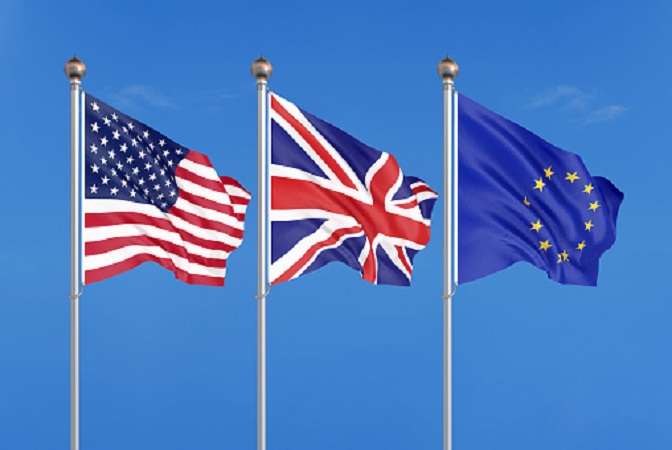
That takes me to the importation of Western style democracy into Africa. I think the United States, the United Kingdom and the European Union did poor jobs, despite their good intentions. Yes, if democracy advanced them, it was fair to export it for others to use.

But during the export, they invested more on “democracy” than the process to democracy, making it possible for sham elections to be called part of a democratic system.

You see clear manipulations, cheating, etc and because some humans were seen putting papers in a bag, someone will say “that is democracy, accept the results”. Unfortunately, across most parts of Africa, the citizens are awakened, and are now tired because the outcomes of those elections do not reflect their wills. That is what is happening in Gabon and most African countries where jamborees happen and one crazy man would be installed as a president in a hugely faulty electoral process.

I believe that Africa’s redemption will go through democratic paths. But what I do not support is the outcome that any election, irrespective of how defective it is, should be seen as a validation of a democratic system. If the US, UK and EU want to help Africa deepen its democracy, they need to pay attention to the process.

I listened to BBC Newshour today by Julian Marshall, and one of his guests from the Chatham House Africa program was blunt: things are changing. The problem, unfortunately, is that the military is picking the signals, and that is changing the dynamics. That explains the huge jubilations after the coups. And those come with a clear message: if you want us to practice democracy, make sure our votes will count, otherwise, do not preach democracy.

Solution? “Invest” in the PROCESS to boost the confidence of the OUTCOME. When people rig and over time you normalize, you give them signals to rig in the near future