DD
MM
YYYY

PAGES

DD
MM
YYYY

spot_img

PAGES

Home Blog Page 3844

Ghana launches Sentuo Oil Refinery to boost Domestic Petroleum Industry

0

Ghana has achieved a major milestone in its quest to become a self-reliant and prosperous nation in the oil and gas sector. On January 26, 2024, the President of Ghana, Nana Akufo-Addo, officially inaugurated the Sentuo Oil Refinery, the largest and most modern refinery in West Africa.

The Sentuo Oil Refinery, located in the Tema Industrial Area, has a capacity of 200,000 barrels per day (bpd), which is more than enough to meet the domestic demand of 80,000 bpd and export the surplus to neighboring countries. The refinery is equipped with state-of-the-art technology and facilities to produce high-quality petroleum products that meet international standards.

The refinery is a joint venture between the Ghana National Petroleum Corporation (GNPC), the state-owned oil company, and Sentuo Group, a Chinese conglomerate with interests in energy, mining, construction and agriculture. The project cost $4 billion and took four years to complete. It is expected to create over 10,000 direct and indirect jobs and generate $1.2 billion in annual revenue for the government.

The President hailed the refinery as a game-changer for Ghana’s economy and energy security. He said that the refinery would reduce the country’s dependence on imported petroleum products, save foreign exchange, enhance value addition, create employment opportunities and stimulate industrial growth. He also praised the partnership between GNPC and Sentuo Group as a model of win-win cooperation between Ghana and China.

The President also assured the public that the refinery would operate in an environmentally friendly and socially responsible manner. He said that the refinery had installed advanced pollution control systems and waste management facilities to minimize its environmental impact. He also said that the refinery would support local communities through corporate social responsibility programs and initiatives.

Benefits of Sentuo Oil Refinery

One of the main benefits of Sentuo Oil Refinery is that it will reduce Ghana’s dependence on imported refined petroleum products, which currently account for about 80% of the country’s consumption. This will help to save foreign exchange, improve the balance of payments, and enhance energy security.

Moreover, the refinery will create direct and indirect jobs for thousands of Ghanaians, especially in the Western Region where it is located. The refinery will also stimulate the development of other industries that rely on petroleum products, such as petrochemicals, plastics, fertilizers, and power generation.

Another benefit of Sentuo Oil Refinery is that it will increase Ghana’s value addition to its crude oil resources, which are estimated at 660 million barrels. Currently, Ghana exports most of its crude oil and imports refined products at higher prices.

By refining its own crude oil, Ghana will be able to capture more of the value chain and increase its revenue from the oil sector. The refinery will also enable Ghana to produce higher quality and environmentally friendly fuels that meet international standards and reduce emissions.

Challenges of Sentuo Oil Refinery

Despite the potential benefits, Sentuo Oil Refinery also faces some challenges that need to be addressed. One of the main challenges is the availability and affordability of crude oil feedstock for the refinery. Ghana produces about 200,000 barrels per day of crude oil, which is not enough to meet the refinery’s capacity.

Therefore, Ghana will have to source additional crude oil from other countries, such as Nigeria and Angola, which may pose logistical and financial difficulties. Moreover, Ghana will have to compete with other refineries in the region and globally for market share and profitability.

Another challenge of Sentuo Oil Refinery is the regulatory and policy framework that governs the petroleum industry in Ghana. The refinery will have to comply with various laws and regulations that affect its operations, such as taxes, tariffs, subsidies, pricing, quality standards, environmental protection, and local content.

Some of these regulations may be outdated or inconsistent with the current realities of the industry and may need to be reviewed or amended. Furthermore, the refinery will have to deal with political and social factors that may influence its performance, such as public expectations, stakeholder interests, corruption, and security issues.

The inauguration of the Sentuo Oil Refinery marks a new era for Ghana’s oil and gas industry. It is a testament to the vision and leadership of the government, the competence and professionalism of GNPC, and the trust and confidence of Sentuo Group. It is also a symbol of Ghana’s progress and potential as a leading oil producer and exporter in Africa.

The current situation on China’s Evergrande saga

0
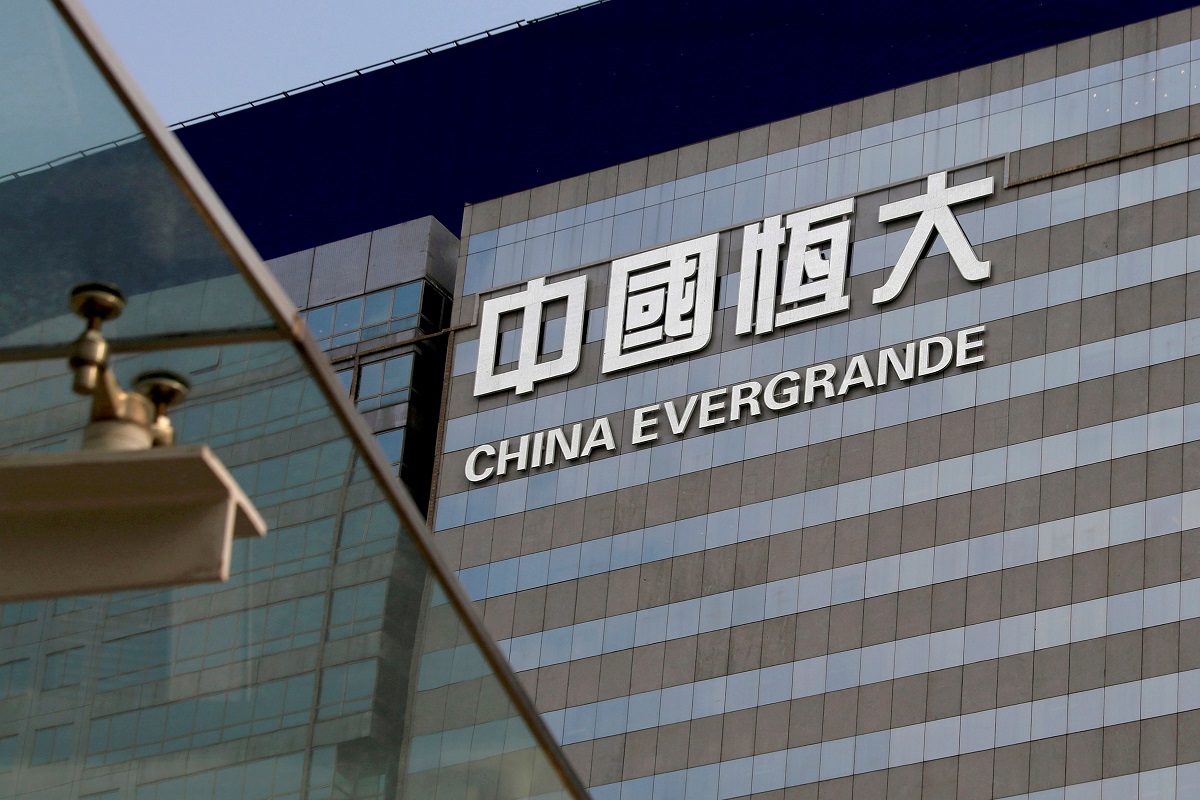
FILE PHOTO: An exterior view of China Evergrande Centre in Hong Kong, China March 26, 2018. REUTERS/Bobby Yip/File Photo/File Photo/File Photo

China Evergrande Group, once the world’s most indebted property developer, is facing a possible liquidation as early as Monday, January 29, 2024. A court in Hong Kong will hear a winding-up petition against the firm by foreign creditors, who are seeking to recover their money from the company’s $300 billion debt pile.

Evergrande has been struggling to survive since 2021, when a crackdown by the Chinese government on excessive borrowing in the real estate sector triggered a liquidity crisis for the firm. Evergrande defaulted on its offshore debt obligations in late 2021 and failed to reach an agreement with its creditors on a debt restructuring plan in December 2021.

The winding-up petition was filed by Top Shine, a Samoa-registered investor in one of Evergrande’s subsidiaries. A group of offshore bondholders also plans to join the petition to liquidate the company’s assets, according to Reuters.

Evergrande’s lawyers have argued that none of its creditors are seeking the liquidation of the firm, which has $240 billion of assets. But the judge warned that the most recent hearing would be the last before a decision was made on whether to issue the winding-up order, in the absence of a “concrete” restructuring plan.

A liquidation of Evergrande could have far-reaching consequences for China’s economy and financial system, as well as for global markets.

Evergrande is not only a major player in China’s property market, which accounts for about 25% of the country’s GDP, but also a large employer and a source of funding for many other businesses. A disorderly collapse of Evergrande could trigger a chain reaction of defaults, bankruptcies and social unrest among its suppliers, contractors, homebuyers and employees.

However, a liquidation of Evergrande is not a foregone conclusion. The case is being seen as a test of whether a winding-up order issued in Hong Kong would be recognized in mainland China.

Hong Kong’s system of common law, which has remained in place after the former British colony was returned to China in 1997, is preferred by foreign creditors when it comes to recovering debts in the mainland.

Beijing agreed two years ago to recognize Hong Kong insolvency orders in the Chinese cities of Shenzhen, Shanghai and Xiamen. But in practice, liquidation orders have been difficult to pull off due to China’s opaque legal system.

Mainland courts have, to date, only recognized one such order, and have the ability to use their discretion over whether recognition is warranted. If the order is accepted by a Chinese court, Evergrande would be placed in the hands of liquidators who would then try to sell off its assets to pay its creditors. The liquidators could propose a new debt restructuring plan to offshore creditors if they determined the company had enough assets.

Alternatively, Evergrande could still reach a deal with its creditors before or after the winding-up hearing or seek protection from mainland courts under China’s bankruptcy law.

The Chinese government could also intervene to prevent a systemic crisis, either by providing direct or indirect support to Evergrande or by facilitating an orderly resolution of its debt problems. The government has so far adopted a cautious approach, balancing its desire to maintain financial stability with its goal of deleveraging the property sector and curbing moral hazard.

The outcome of Evergrande’s saga will have significant implications for China’s economic growth, financial stability and social stability in 2024 and beyond. It will also affect the confidence and expectations of investors, consumers and policymakers around the world. Evergrande’s fate is not only a matter of corporate survival, but also a test of China’s economic resilience and reform.

Bitcoin Predicted to Reach $50,000 as Bullish Bets Increases

0

Head of research and strategy at crypto financial services platform Matrixport, Markus Thielen, has recently predicted that the price of Bitcoin could reach $50,000 as bullish bets continues to increase.

According to Thielen, his prediction is based on the Elliot Wave theory, which is a form of technical analysis that looks for recurrent long-term price patterns related to persistent changes in investor sentiment and psychology.

The theory specifies particular rules and recommendations for recognizing and categorizing certain wave patterns, such as wave direction, length, and momentum. According to the hypothesis, these patterns can be detected and used to forecast future market behavior. Also, it is frequently utilized to make informed trading decisions in the stock, Forex (FX), and commodities markets.

Thielen analysis posits that Bitcoin has been in a five-wave bullish pattern since early last year, with the recent pullback from roughly $49,000 to $38,500 constituting wave 4 or the temporary retracement. With the market currently on wave 5, prices are projected to hit $50,000 and above.

Thielen’s bullish outlook is consistent with the decline in selling pressure from investors taking profits in the Grayscale Bitcoin Trust (GBTC). The profit-taking was partially responsible for Bitcoin falling into wave 4 correction following the launch of U.S.-based spot ETFs on Jan. 11.

He added that potential catalysts for a move higher could center around the diminishing the impact that the Grayscale GBTC selling could have on the price of Bitcoin, the fact that stocks are making new all-time highs, and Google allowing Bitcoin & Crypto ETF advertisements from today onwards.

It is worth noting that the price of Bitcoin has continued to swing back and forth, which saw it spike to $49,000 on January 11, and dropped to a low of $38,600 on January 23. The rapid swings according to analysts are attributed to the historic approval of the first spot Bitcoin ETFs in the US and the confusion surrounding the process.

With the recent price of Bitcoin at $42,000, reports reveal that over $4 billion of funds have flowed into the new spot Bitcoin ETFs, particularly to products operated by BlackRock and Fidelity.

Several crypto experts predict a bright future for the asset, while some suggest that investors waiting for the price to crash toward the $30,000 price, will be disappointed.

However, despite a market dip due to profit-booking and GrayScale outflows, Bitcoin has maintained its position at the $40,000 level, reflecting confidence from institutional and retail investors.

There are predictions of substantial inflows of $5-7 billion in the next three months, with a broader perspective foreseeing institutional commitment and potential inflows reaching $500 billion within 2-5 years.

The exit of Mali, Burkina Faso, and Niger from ECOWAS would have significant implications for the bloc

0
Empty white clear flag waving against clean blue sky, close up, isolated with clipping path mask alpha channel transparency

In a joint announcement on Sunday, the military-led governments of Niger, Mali, and Burkina Faso have declared their decision to withdraw from the Economic Community of West African States (ECOWAS), a regional economic bloc that has played a crucial role in fostering cooperation and integration among member nations.

The move, while not entirely unexpected given the threats made by these countries last year to resist ECOWAS by all means, raises questions about the future of regional stability and the impact of the military juntas’ departure on the broader West African community.

The three nations, all currently under some level of sanctions due to military takeovers that ousted democratic governments, cited the perceived failure of ECOWAS to support them in their fight against terrorism and insecurity as a primary reason for their exit. The military leaders argue that their focus is on restoring security within their borders before returning to constitutional rule, emphasizing the need to address insurgencies linked to groups such as al Qaeda and the Islamic State.

Colonel Amadou Abdramane, the spokesperson for the Niger junta, expressed the disappointment of the three nations in a statement, stating, “After 49 years, the valiant peoples of Burkina Faso, Mali, and Niger regretfully and with great disappointment observe that the (ECOWAS) organization has drifted from the ideals of its founding fathers and the spirit of Pan-Africanism.”

“The organization notably failed to assist these states in their existential fight against terrorism and insecurity,” the statement added.

The implications bear weighty impacts

The decision to withdraw from ECOWAS underpins a significant setback for the regional bloc’s efforts towards integration and collective security. ECOWAS had suspended the three countries following the military coups, attempting to use sanctions and diplomatic pressure to push for a return to constitutional rule. However, despite negotiations and threats of military intervention, the military leaders have remained defiant, accusing ECOWAS of being influenced by external powers.

One of the critical consequences of this withdrawal is the uncertainty surrounding the impact on the free movement of goods and citizens within the 15-member regional bloc. ECOWAS has long been a proponent of economic integration, allowing for the unrestricted flow of goods and people across member states. The departure of Niger, Mali, and Burkina Faso could disrupt this established system and potentially lead to economic challenges for the remaining member nations.

Although according to ECOWAS’s treaty, member states seeking to withdraw must provide a written one-year notice, the three nations said their exit from the bloc takes immediate effect. The treaty stipulates that withdrawing states must continue to abide by its provisions during the one-year notice period, further complicating the immediate implications of the exit.

In a statement on Sunday, ECOWAS said it is yet to be informed by the three countries of their decision to quit the bloc, and that it is “working assiduously with these countries for the restoration of constitutional order.” The bloc added that “Burkina Faso, Niger, and Mali remain important members of the Community and the Authority remains committed to finding a negotiated solution to the political impasse”.

“The ECOWAS Commission remains seized with the development and shall make further pronouncements as the situation evolves,” the statement added.

The situation is further complicated by the fact that the three departing nations are also members of the West African Monetary Union (UEMOA), consisting of eight countries that use the West African CFA franc currency pegged to the Euro. The monetary union, responding to the coups in Mali and Niger, had initially severed their access to the regional financial market and the regional central bank. Although Mali’s access has been restored, Niger remains suspended, grappling with the resulting economic consequences.

The decision by Niger, Mali, and Burkina Faso to sever ties with ECOWAS also extends beyond regional politics. The nations have cut military and cooperation ties with their former colonial master, France, and have turned to Russia for security support. This geopolitical shift could have broader implications for the balance of power in the region and may lead to new alliances and partnerships.

As the situation unravels, Nigeria and other ECOWAS member states are expected to respond swiftly to contain further escalation. Under the leadership of Nigerian President Bola Tinubu, ECOWAS was on the brink of military intervention in Niger, but public outcry, particularly from Nigeriens holding large rallies in support of the junta, stymied the move. Nigerians also strongly opposed military intervention in neighboring Niger, citing concerns about exacerbating the already precarious security situation in northern Nigeria, among other reasons.

The implications of the decision by Niger, Mali, and Burkina Faso to exit ECOWAS, marks a pivotal moment in the region’s politics, as they extend beyond diplomatic relations, affecting economic integration, security cooperation, and the geopolitical alignment of West African nations.

Sanctions, threats of military action, and dialogue – strategies deployed earlier by ECOWAS, failed to compel the coupists to reconsider their decisions. It is now unclear what further step the bloc will take to salvage the regional unity and stability that it has sought to foster for nearly five decades.

National Cement pays $85M to acquire Cimerwa in Rwanda

0

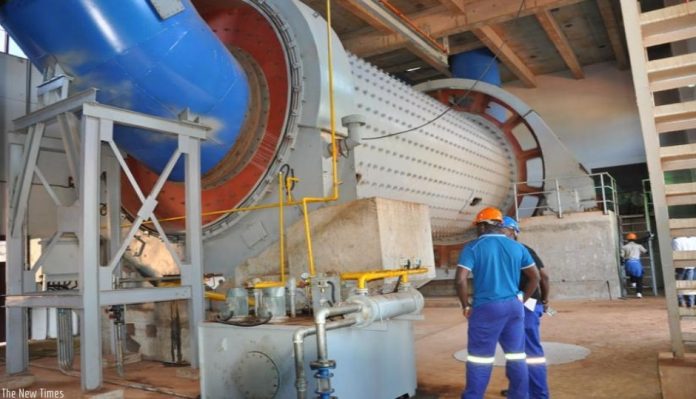
National Cement, a Kenyan cement producer, has announced that it has acquired a majority stake in Cimerwa, Rwanda’s only cement manufacturer. The deal, worth $85 million, gives National Cement a 69% share of Cimerwa, which has an annual production capacity of 600,000 tonnes.

The acquisition is part of National Cement’s expansion strategy in the East African region, where it faces stiff competition from other cement makers such as Bamburi, ARM and LafargeHolcim. National Cement’s managing director, Narendra Raval, said that the company aims to increase Cimerwa’s output to 1.2 million tonnes per year by investing in new technology and equipment.

By taking over Cimerwa, National Cement will gain access to the Rwandan market, which has a high demand for cement due to its ambitious infrastructure and housing projects. Rwanda also offers a strategic location for exporting cement to neighbouring countries such as Burundi, DR Congo and Tanzania.

Cimerwa, which was established in 1984 as a joint venture between the Rwandan government and China, has been struggling to meet the growing demand for cement in Rwanda and neighboring countries. The company has also faced challenges such as high production costs, power shortages and environmental issues.

In 2012, the government sold a 51% stake in Cimerwa to PPC, a South African cement firm, hoping to improve its performance and profitability. However, PPC decided to exit the Rwandan market last year, citing poor returns and governance issues.

The sale of Cimerwa to National Cement has been welcomed by the Rwandan government, which retains a 16.5% stake in the company. The Minister of Trade and Industry, Soraya Hakuziyaremye, said that the deal will boost the local cement industry and create more jobs and opportunities for Rwandans. She also expressed confidence that National Cement will adhere to the environmental and social standards required by the Rwandan law.

National Cement is one of the leading cement producers in Kenya, with a market share of about 20%. The company operates a state-of-the-art plant in Athi River, which has a production capacity of 1.8 million tonnes per year. The company also has a plant in Uganda, which produces 750,000 tonnes per year. National Cement is owned by Devki Group, a conglomerate that also has interests in steel, roofing and aviation.

Benefits of the acquisition

One of the main advantages of the acquisition is that it will increase the production capacity and market share of Cimerwa, which currently operates at 60% of its installed capacity of 600,000 tonnes per year.

National Cement has pledged to invest $30 million to upgrade and expand Cimerwa’s plant, which will boost its output to 1 million tonnes per year by 2025. This will enable Cimerwa to meet the growing demand for cement in Rwanda and the region, especially for infrastructure and housing projects.

Another benefit of the acquisition is that it will enhance the competitiveness and efficiency of Cimerwa, which has been struggling with high production costs and low profitability. National Cement has a proven track record of operating successful cement plants in Kenya and Uganda, with lower costs and higher margins than Cimerwa.

By leveraging its expertise and economies of scale, National Cement can help Cimerwa reduce its operational expenses and improve its product quality and customer service.

A third benefit of the acquisition is that it will strengthen the bilateral trade and investment relations between Rwanda and Kenya, two of the largest economies in East Africa. The deal will create synergies and opportunities for cross-border collaboration in the cement sector, as well as other sectors such as energy, transport, tourism and agriculture.

The deal will also contribute to the regional integration agenda of the East African Community (EAC), which aims to promote free movement of goods, services, capital and people among its six member states.

Challenges of the acquisition

However, the acquisition also poses some challenges that need to be addressed by both parties. One of the main challenges is to ensure that the deal complies with the regulatory requirements and safeguards of both countries, especially in terms of competition law, environmental protection, labor rights and corporate governance. The deal will also need to secure the approval of Cimerwa’s minority shareholders, who may have different expectations and interests than National Cement.

Another challenge is to manage the potential risks and uncertainties that may arise from external factors, such as political instability, security threats, currency fluctuations, trade barriers and natural disasters. These factors can affect the performance and profitability of Cimerwa, as well as its ability to access raw materials, energy, transport and markets. Therefore, National Cement will need to adopt a proactive and flexible approach to mitigate these risks and cope with these uncertainties.

A third challenge is to balance the interests and needs of various stakeholders, such as customers, suppliers, employees, communities and governments. The acquisition will inevitably bring some changes to Cimerwa’s operations and culture, which may generate some resistance or dissatisfaction among some stakeholders.

Therefore, National Cement will need to engage in effective communication and consultation with all stakeholders, to ensure that they understand and support the vision and goals of the acquisition, and that they benefit from its outcomes.

The acquisition of Cimerwa by National Cement is a significant development for the cement industry and the economy of Rwanda. It has the potential to create value for both companies and their stakeholders, as well as to foster regional integration and cooperation.

However, it also entails some challenges and risks that need to be carefully managed and overcome. The success of the acquisition will depend on how well National Cement can execute its strategy and deliver on its promises, while respecting the laws and norms of both countries. If done right, the acquisition can be a win-win situation for all parties involved.